Cockroaches remain one of the most persistent household pests in Richmond, Virginia, and throughout the mid-Atlantic region. These resilient insects can trigger allergies, contaminate food, and multiply rapidly in favorable conditions. Finding an effective cockroach killer at home requires understanding both the biology of these pests and the most reliable treatment methods available to homeowners. Whether you're dealing with German cockroaches in your kitchen or American cockroaches entering from your crawl space, the right combination of treatments can restore your peace of mind and protect your family's health.
Understanding Cockroach Behavior in Richmond VA Homes
Cockroaches thrive in Richmond's humid climate, particularly during summer months when temperatures and moisture levels create ideal breeding conditions. The region's older housing stock, combined with crawl spaces common in Virginia construction, provides numerous entry points and harborage areas for these pests.
Common Species in the Richmond Area
German cockroaches are the most prevalent indoor species, measuring about half an inch long with two distinctive dark stripes behind their heads. These insects reproduce rapidly, with females producing up to 40 eggs per capsule and multiple capsules throughout their lifetime.
American cockroaches, often called "water bugs" or "palmetto bugs," are larger pests that frequently enter homes through sewer lines, crawl spaces, and foundation gaps. These reddish-brown insects can grow up to two inches long and are strong fliers in warm conditions.
Oriental cockroaches prefer cool, damp environments and are commonly found in basements, crawl spaces, and around floor drains. Their dark, almost black appearance distinguishes them from other species.
Key behavioral traits that affect treatment:
- Cockroaches are nocturnal and hide during daylight hours
- They prefer warm, humid environments near food and water sources
- Adult cockroaches can survive up to one month without food
- They leave chemical trails that attract other cockroaches
- Populations can double every few months under ideal conditions
Effective Cockroach Killer at Home Options
Multiple treatment methods exist for controlling cockroaches, each with specific advantages and limitations. The University of California’s Integrated Pest Management program recommends combining several approaches rather than relying on a single product.
Gel Baits and Bait Stations
Gel baits represent one of the most effective cockroach killer at home solutions available to homeowners. These products contain slow-acting insecticides mixed with attractants that cockroaches consume and carry back to their harborage areas.
| Bait Type | Application Method | Effectiveness Duration | Best Locations |
|---|---|---|---|
| Gel Baits | Syringe applicator | 3-6 months | Cracks, crevices, under appliances |
| Bait Stations | Pre-filled enclosed units | 3-12 months | Along walls, under sinks, cabinets |
| Granular Baits | Scatter application | 1-3 months | Attics, wall voids, crawl spaces |
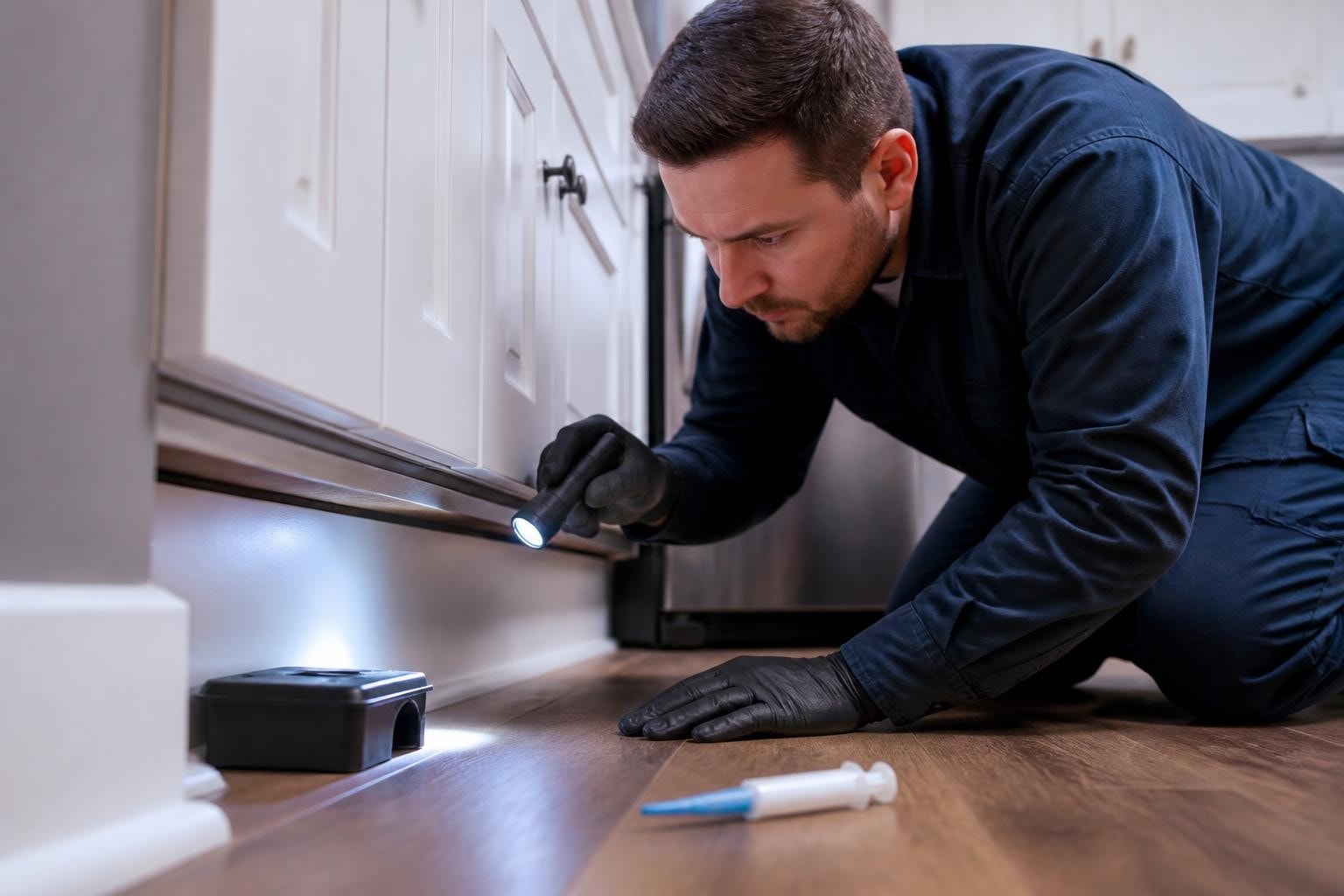
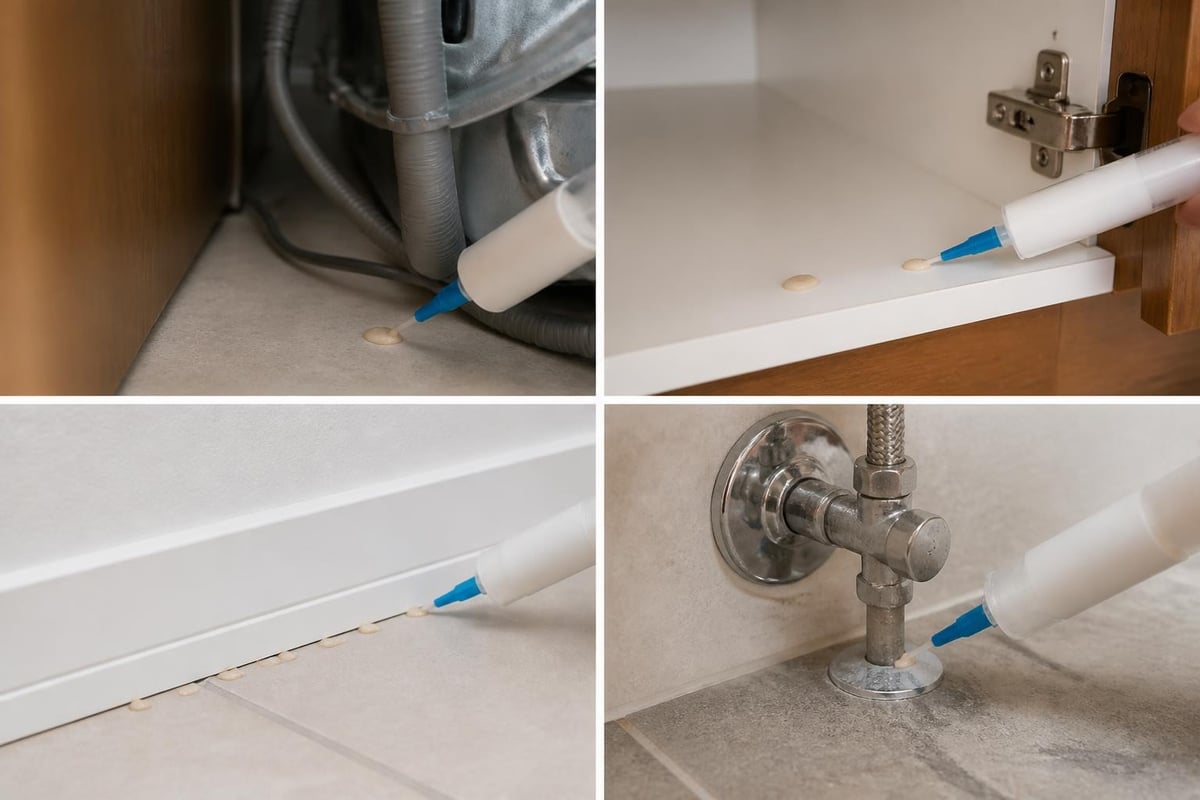
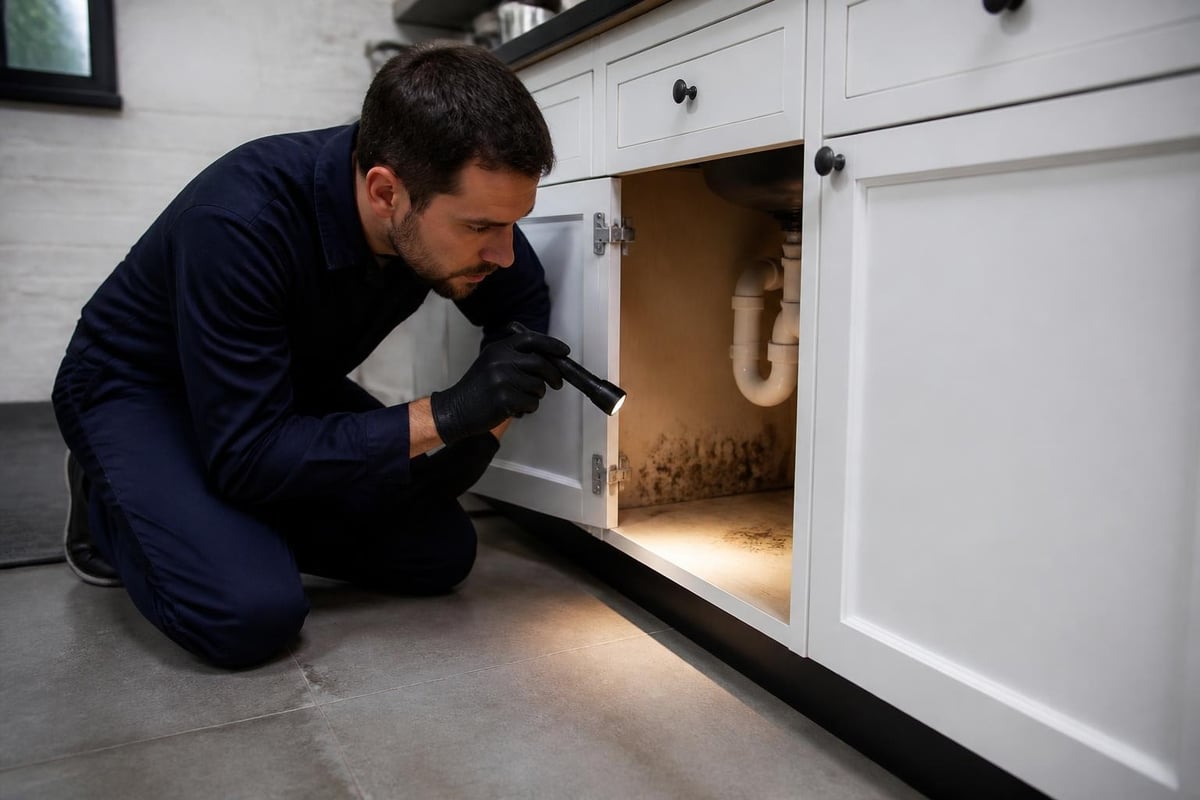
Apply gel baits in small dots (pea-sized) in areas where cockroaches travel but away from cleaning chemicals that might repel insects. Focus on kitchen cabinets, bathroom vanities, behind refrigerators, and along baseboards.
The delayed-action formula allows cockroaches to return to their nests before dying, where other roaches may consume the poisoned insects and bait residue. This secondary kill effect makes baits particularly effective for eliminating entire colonies.
Boric Acid Dust
Boric acid has been used as a cockroach killer at home for decades due to its low toxicity to humans and pets when used properly, combined with high effectiveness against insects. This naturally occurring mineral works as a stomach poison and also damages the cockroach's exoskeleton.
Application guidelines:
- Apply a light, barely visible dusting in dry areas only
- Target wall voids, electrical outlets, and behind appliances
- Avoid heavy applications that cockroaches will simply avoid
- Keep away from food preparation surfaces
- Reapply only when dust is no longer visible
Research published in integrated cockroach management studies demonstrates that boric acid remains effective for years when applied in dry, undisturbed areas. However, moisture reduces its effectiveness significantly, making it unsuitable for damp crawl spaces or areas prone to condensation.
Insecticidal Dusts and Sprays
Diatomaceous earth (food-grade) provides a non-chemical alternative that kills cockroaches through physical action rather than poison. The microscopic sharp edges damage the waxy coating on cockroaches, causing dehydration and death.
Residual sprays containing pyrethroids offer contact kill and short-term residual protection. Apply these products along baseboards, entry points, and potential harborage areas following all label directions. The EPA provides guidance on safe pesticide use that homeowners should review before application.
Important spray limitations:
- Most sprays offer only surface contact kill
- Cockroaches hiding in cracks and voids remain unaffected
- Overuse can cause insects to scatter, spreading the infestation
- Some populations have developed resistance to common pyrethroids
- Sprays may repel cockroaches away from baits, reducing overall effectiveness
Natural and Home Remedy Options
While searching for a cockroach killer at home, many homeowners explore natural alternatives. Essential oils, diatomaceous earth, and baking soda mixtures have varying degrees of effectiveness.
Diatomaceous earth works well in dry applications but requires direct contact with cockroaches. Essential oils like peppermint may provide temporary repellent effects but will not eliminate established infestations.
Baking soda and sugar mixtures lack scientific support for cockroach control. These home remedies rarely achieve the population reduction that commercial baits deliver.
Implementing Integrated Pest Management for Cockroaches
The most effective approach to creating a cockroach killer at home strategy involves Integrated Pest Management (IPM), which combines multiple tactics to achieve long-term control. Cornell University’s IPM program emphasizes that sanitation and exclusion form the foundation of any successful cockroach management program.
Sanitation and Food Source Elimination
Cockroaches require three basic resources: food, water, and shelter. Eliminating access to these resources makes your home significantly less attractive to these pests.
Critical sanitation steps:
- Store all food in sealed containers, including pet food
- Clean up crumbs and spills immediately after meals
- Take garbage out daily and use sealed trash containers
- Wash dishes promptly rather than leaving them overnight
- Clean under and behind appliances monthly
- Vacuum regularly, especially in kitchens and dining areas
- Remove cardboard boxes and paper clutter that provide harborage
Water sources often receive less attention than food, yet they are equally important. Fix leaky faucets, repair dripping pipes, and eliminate standing water in pet bowls overnight. Consider using moisture-absorbing products in humid areas like under sinks.
Exclusion and Structural Repairs
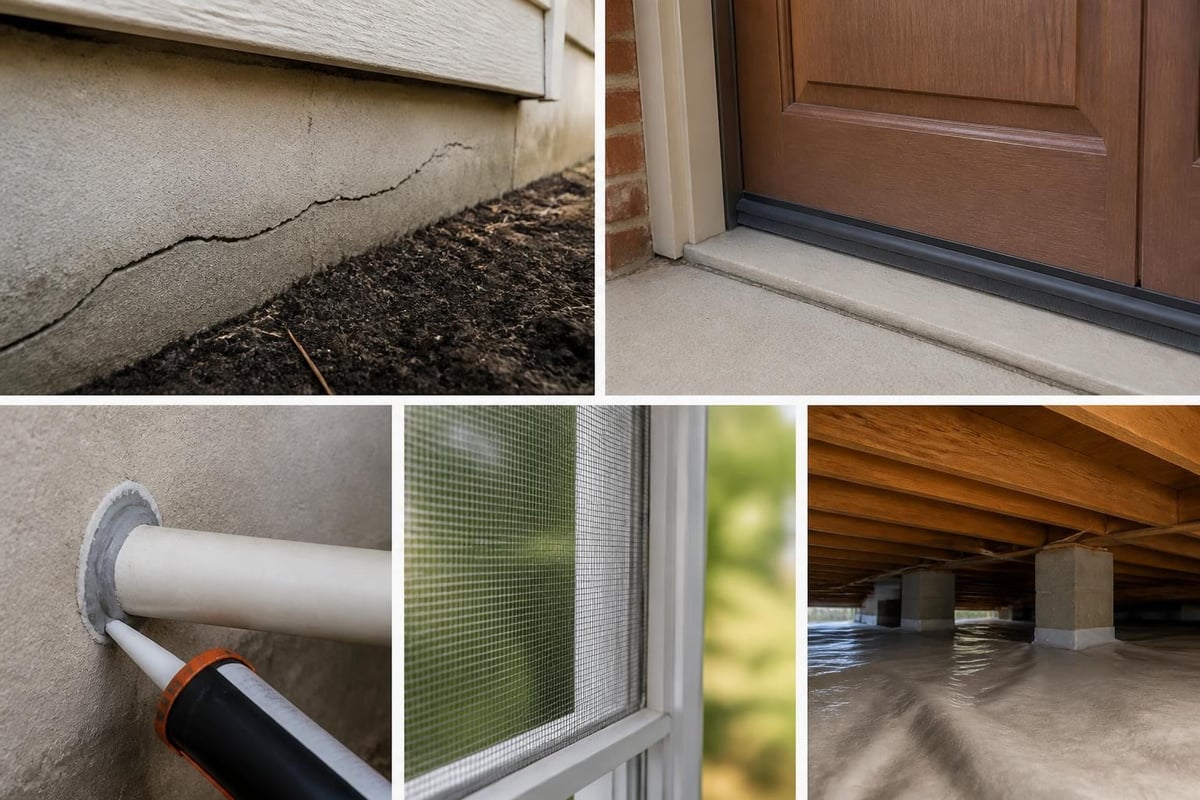
Preventing cockroach entry requires sealing potential access points throughout your home's structure. This task becomes particularly important for Richmond homeowners, where crawl space issues often provide pest entry routes.
| Entry Point | Sealing Method | Priority Level |
|---|---|---|
| Gaps around pipes | Foam sealant or copper mesh | High |
| Door sweeps | Rubber or brush-style sweeps | High |
| Foundation cracks | Hydraulic cement or caulk | High |
| Window screens | Repair or replace damaged screens | Medium |
| Utility penetrations | Expandable foam or caulk | High |
| Crawl space vents | Screening or encapsulation | High |
Homes with unencapsulated crawl spaces face higher risk of cockroach problems, particularly from American cockroaches seeking shelter. Professional crawl space encapsulation creates a moisture barrier that reduces humidity levels and eliminates the damp conditions cockroaches prefer while simultaneously blocking entry points.
Monitoring and Assessment
Before implementing any cockroach killer at home treatment, assess the extent and location of your infestation. Sticky traps placed along walls, under sinks, and behind appliances reveal cockroach traffic patterns and population density.
Check traps every few days and record the number and species of cockroaches captured. This information guides treatment placement and helps measure progress over time. German cockroaches caught in kitchen areas require different strategies than American cockroaches entering from the crawl space.
Safety Considerations for Household Cockroach Control
Any cockroach killer at home must be used according to label directions to protect family members and pets. Even low-toxicity products require proper handling and placement.
Protecting Children and Pets
Bait stations offer advantages over gel baits in homes with young children or curious pets. These enclosed units prevent direct contact with the insecticide while still attracting cockroaches.
When using gel baits, apply them in areas inaccessible to children and pets: behind appliances, inside upper cabinets, and in cracks where only insects can reach. The ASPCA provides specific guidance on safely treating homes with pets present.
Pet safety checklist:
- Store all pesticide products in locked cabinets
- Never apply baits on floors where pets walk
- Use bait stations in areas pets frequent
- Monitor pets for unusual behavior after treatments
- Keep poison control numbers readily available
- Follow label restrictions for pet re-entry times
Boric acid, while relatively safe, still requires precautions. The Poison Control Center notes that ingestion of large amounts can cause stomach upset. Apply only light dustings in areas away from food and where children cannot access the treated zones.
Reading and Following Product Labels
Every registered pesticide includes detailed application instructions and safety information on its label. Federal law requires users to follow these directions exactly as written.
Pay attention to:
- Target pest listings (ensure cockroaches are listed)
- Application rates and frequency limitations
- Prohibited application sites
- Personal protective equipment requirements
- Re-entry intervals for treated areas
- Storage and disposal instructions
Products not specifically labeled for cockroach control may prove ineffective or unsafe for indoor use. Outdoor-only formulations often contain higher concentrations of active ingredients inappropriate for enclosed spaces.
Why Some Cockroach Treatments Fail
Despite using various products, some homeowners find that their cockroach killer at home efforts produce disappointing results. Understanding common failure points helps avoid wasted time and money.
Insecticide Resistance
German cockroaches, in particular, have developed resistance to many common insecticides. Recent research on insecticide resistance mechanisms reveals that some populations can develop resistance to multiple chemical classes within a single generation.
This resistance explains why spray products that worked years ago may now fail to control cockroaches effectively. Rotating between different product classes (pyrethroids, neonicotinoids, insect growth regulators) helps overcome resistance issues.
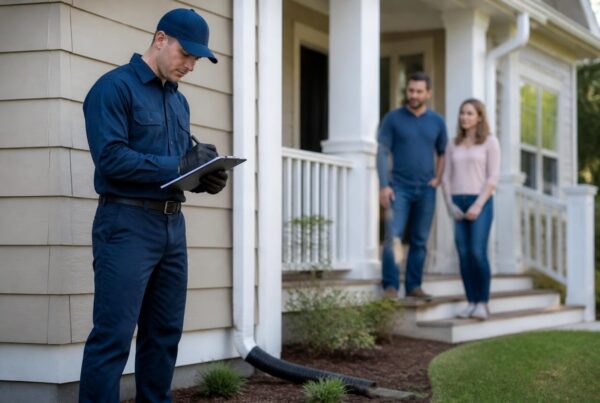
Professional pest control operators maintain access to multiple product formulations and can adjust treatment strategies when resistance appears. For Richmond homeowners facing persistent infestations despite DIY efforts, consulting with experienced pest control services provides access to these specialized solutions.
Incomplete Coverage
Cockroaches hide in wall voids, behind insulation, and inside appliances where surface sprays cannot reach them. Treating only visible surfaces leaves the majority of the population untouched.
Baits work more effectively because cockroaches carry the active ingredient into these hidden areas. However, bait placement must be thorough, covering all potential harborage sites rather than just a few obvious locations.
Ignoring the Source
Treating symptoms without addressing underlying causes leads to recurring infestations. Cockroaches enter homes for specific reasons: available food, water, shelter, and easy access.
Common overlooked sources:
- Moisture problems in crawl spaces attracting American cockroaches
- Grease buildup behind kitchen appliances
- Unsealed gaps around plumbing penetrations
- Cardboard storage in garages or basements
- Pet food left out overnight
- Dirty dishes in sinks
Homes with moisture issues in crawl spaces or attics often experience persistent cockroach problems regardless of treatment efforts. Addressing these structural concerns removes the attraction that brings cockroaches into the living space initially.
When to Call Professional Pest Control in Richmond VA
While many cockroach killer at home methods prove effective for minor infestations, certain situations warrant professional intervention. Recognizing these scenarios saves time and prevents minor problems from becoming major infestations.
Signs Professional Help Is Needed
Call a pest control expert when:
- You see cockroaches during daylight hours (indicates large population)
- DIY treatments show no improvement after 2-3 weeks
- Cockroaches appear in multiple rooms simultaneously
- You find egg cases or shed skins regularly
- Family members experience allergy symptoms or asthma attacks
- You have young children or immunocompromised household members
- The infestation originated from neighboring units (apartments)
Large German cockroach populations require aggressive treatment protocols that combine multiple product types applied in specific sequences. Professional applicators have training in identifying species, assessing infestation severity, and selecting appropriate treatment combinations.
Professional Treatment Advantages
Licensed pest control operators bring several advantages beyond product access. Their training includes understanding cockroach biology, recognizing conditions that contribute to infestations, and identifying entry points homeowners often miss.
Professional treatments typically include:
- Comprehensive property inspection
- Species identification
- Customized treatment plans
- Commercial-grade products with longer residual effectiveness
- Follow-up services to ensure elimination
- Documentation for landlords or property transactions
Exterminators can access wall voids, subfloor areas, and other spaces where DIY applications prove difficult. They also coordinate treatments with structural repairs, addressing moisture issues and exclusion work that prevents re-infestation.
Richmond homeowners dealing with cockroaches emerging from crawl spaces benefit particularly from integrated approaches that combine pest control with moisture management. Professional services can coordinate these efforts, ensuring both immediate elimination and long-term prevention.
Preventing Future Cockroach Infestations
Successfully eliminating cockroaches with a cockroach killer at home represents only half the battle. Preventing their return requires ongoing vigilance and maintenance.
Ongoing Maintenance Schedule
Monthly tasks:
- Inspect under sinks and behind appliances for moisture
- Clean refrigerator drip pans and coils
- Check sticky traps for any cockroach activity
- Vacuum thoroughly, including baseboards and corners
- Remove accumulated clutter
Quarterly tasks:
- Inspect exterior foundation for cracks or gaps
- Clean gutters to prevent water overflow near foundation
- Check crawl space for moisture or standing water
- Refresh bait stations or gel bait applications
- Inspect weather stripping on doors and windows
Annual tasks:
- Professional pest inspection
- Crawl space moisture assessment
- Review and update exclusion efforts
- Evaluate storage practices in basements and garages
Similar to seasonal pest control approaches, cockroach prevention requires adjusting efforts based on conditions throughout the year. Spring and summer warrant increased vigilance as cockroach activity peaks during warm, humid months.
Building-Wide Prevention in Multi-Unit Properties
Apartment and condo residents face unique challenges since cockroaches easily travel between units through shared walls and plumbing. Individual treatment efforts often prove ineffective when neighboring units remain infested.
Work with property management to implement building-wide treatment programs. Request that common areas, garbage storage, and shared utilities receive regular professional treatment. Report plumbing leaks and structural issues promptly, as these problems affect all residents.
Product Selection Guide for Homeowners
Choosing the right cockroach killer at home from the dozens of options available requires understanding active ingredients, formulation types, and application methods.
Comparing Active Ingredients
| Active Ingredient | How It Works | Speed of Kill | Residual Effect | Best Use |
|---|---|---|---|---|
| Fipronil | Nervous system poison | 1-3 days | 3-6 months | Gel baits |
| Hydramethylnon | Metabolic poison | 3-7 days | 2-4 months | Bait stations |
| Indoxacarb | Sodium channel blocker | 1-2 days | 3-6 months | Gel baits |
| Boric Acid | Stomach poison/desiccant | 3-10 days | Years (if dry) | Dust applications |
| Abamectin | Nerve/muscle poison | 2-5 days | 3-6 months | Gel baits |
Slow-acting ingredients like hydramethylnon provide better colony elimination because cockroaches have time to share bait with nest mates before dying. Fast-acting contact sprays may kill individual cockroaches but miss the hidden population.
Reading Product Reviews Critically
Online reviews provide valuable insights but require careful interpretation. Look for reviews that mention:
- Specific cockroach species (German vs. American)
- Severity of infestation before treatment
- How long results took to appear
- Whether the reviewer followed label directions
- Any professional guidance received
Be skeptical of reviews claiming instant elimination or 100% effectiveness. Successful cockroach control typically requires 2-4 weeks as baits work through the population. Reviews mentioning complementary sanitation efforts alongside product use offer more realistic expectations.
Understanding Treatment Timelines and Expectations
Homeowners implementing a cockroach killer at home strategy often expect immediate results. Understanding realistic timelines prevents premature abandonment of effective treatments.
Initial Treatment Phase (Weeks 1-2)
During the first week after applying baits, you may actually see more cockroaches as they emerge from hiding to feed. This activity indicates the bait is working as intended.
What to expect:
- Increased daytime cockroach sightings
- Dead or dying cockroaches in open areas
- Cockroaches appearing sluggish or disoriented
- Continued presence in monitoring traps
Continue monitoring but avoid switching products during this phase. Patience is essential as baits require time to circulate through the colony.
Population Decline Phase (Weeks 2-4)
Cockroach activity should decrease noticeably during weeks two through four. Trap counts drop, and you observe fewer live insects.
Signs of progress:
- Reduced numbers in sticky traps
- Fewer droppings in previously active areas
- Decreased food contamination
- Less frequent cockroach encounters
Maintain sanitation efforts and avoid disturbing bait placements. Refresh any bait dots that have been consumed or dried out.
Maintenance Phase (Months 2-6)
Even after cockroach sightings stop, continue monitoring for several months. Eggs laid before treatment may still hatch, and occasional immigrants from outside may test your defenses.
Replace bait stations according to manufacturer recommendations, typically every 3-6 months. Maintain sanitation standards and exclusion efforts to prevent re-establishment.
Special Considerations for Richmond VA Climate and Housing
Richmond's climate and housing characteristics create unique challenges for cockroach control that affect which cockroach killer at home methods work best.
Humidity and Moisture Management
Richmond's humid subtropical climate, with average summer humidity exceeding 70%, creates ideal conditions for cockroach survival and reproduction. Air conditioning helps, but moisture often accumulates in crawl spaces, basements, and attics.
Dehumidifiers in basements and crawl spaces reduce relative humidity below the 50% threshold where cockroaches thrive. Monitor humidity levels regularly and address water intrusion promptly.
Foundation drainage problems common in Richmond's clay soils often contribute to crawl space moisture. French drains, improved grading, and gutter maintenance keep water away from foundations, reducing the damp conditions that attract American cockroaches.
Older Home Challenges
Richmond's historic neighborhoods feature beautiful older homes with unique cockroach control challenges. Original construction often includes:
- Unencapsulated dirt crawl spaces
- Gaps in original foundation walls
- Outdated plumbing with multiple penetrations
- Minimal insulation in wall cavities
- Original wood siding with natural gaps
These homes require more extensive exclusion work than newer construction. Addressing these structural issues alongside cockroach killer at home treatments produces the most lasting results.
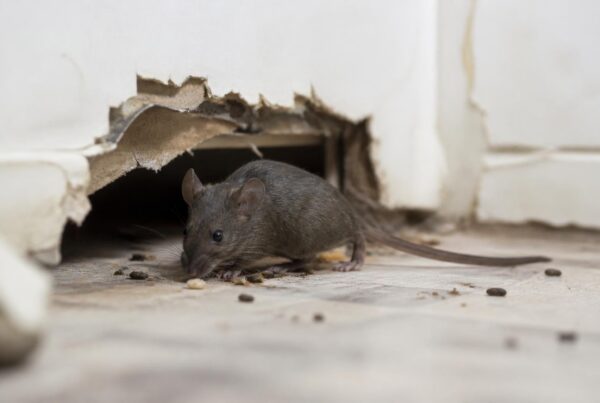
Professional evaluations can identify whether insulation replacement might help with pest prevention. Damaged or rodent-contaminated insulation in attics can harbor cockroaches and other pests while reducing energy efficiency.
Seasonal Treatment Adjustments
Cockroach pressure varies seasonally in Richmond. American cockroaches become more active during summer months, often entering homes seeking air conditioning and water during drought periods.
Seasonal prevention tips:
Spring: Inspect foundations for winter damage, seal gaps, and place fresh baits before population growth begins.
Summer: Monitor crawl spaces for moisture, maintain consistent sanitation, and watch for increased outdoor cockroach activity.
Fall: Seal entry points as cockroaches seek winter shelter indoors, and refresh interior baits.
Winter: Maintain indoor treatments but expect reduced activity overall. Use this time for structural repairs and planning.
Understanding these patterns helps homeowners anticipate problems and maintain appropriate vigilance year-round.
Effective cockroach control at home combines understanding pest biology, selecting appropriate products, implementing thorough sanitation, and maintaining realistic expectations about treatment timelines. When DIY methods prove insufficient or structural issues complicate elimination efforts, professional intervention saves time and ensures complete eradication. SanPro offers comprehensive pest control services throughout Richmond, VA, with particular expertise in addressing the moisture and structural issues that often underlie persistent cockroach problems. Contact SanPro today for a thorough inspection and customized treatment plan that addresses both immediate pest concerns and the underlying conditions that attract cockroaches to your home.