Finding black ants in house spaces is one of the most common pest concerns for homeowners throughout Richmond, VA. These persistent insects typically appear in kitchens, bathrooms, and other areas where food and moisture are readily available. While a few stray ants may seem harmless, their presence often signals a larger colony nearby-potentially numbering in the thousands-that poses ongoing challenges for property owners. Understanding the species involved, their behavior patterns, and effective control strategies is essential for anyone dealing with recurring ant problems in residential or commercial settings.
Understanding Common Black Ant Species in Richmond Homes
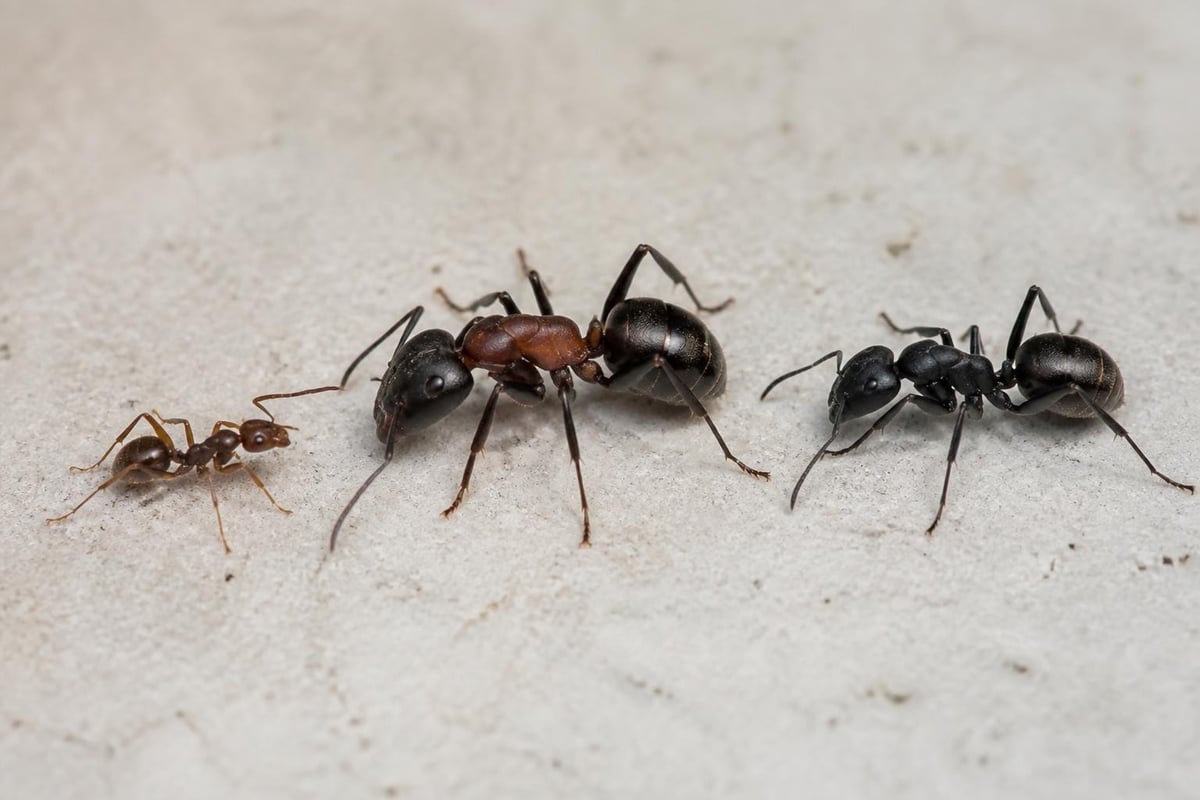
Not all black ants in house environments are the same species, and proper identification is the critical first step toward effective treatment. Richmond homeowners typically encounter three primary types of black ants, each with distinct behaviors and nesting preferences.
Odorous house ants are among the most frequent invaders in Virginia homes. These small, dark brown to black ants measure approximately 1/8 inch long and emit a distinctive coconut-like odor when crushed. They establish colonies both indoors and outdoors, often nesting in wall voids, beneath floors, and around moisture sources. Odorous house ants are particularly attracted to sweet substances and proteins, making kitchens their preferred foraging territory.
Carpenter ants represent a more serious threat to Richmond properties. These larger ants-ranging from 1/4 to 1/2 inch in length-excavate wood to create nesting galleries, potentially causing structural damage over time. Unlike termites, carpenter ants don't consume wood; they simply remove it to expand their colonies. Virginia's humid climate provides ideal conditions for carpenter ant activity, especially in homes with moisture problems or wood-to-soil contact.
Pavement Ants and Their Nesting Habits
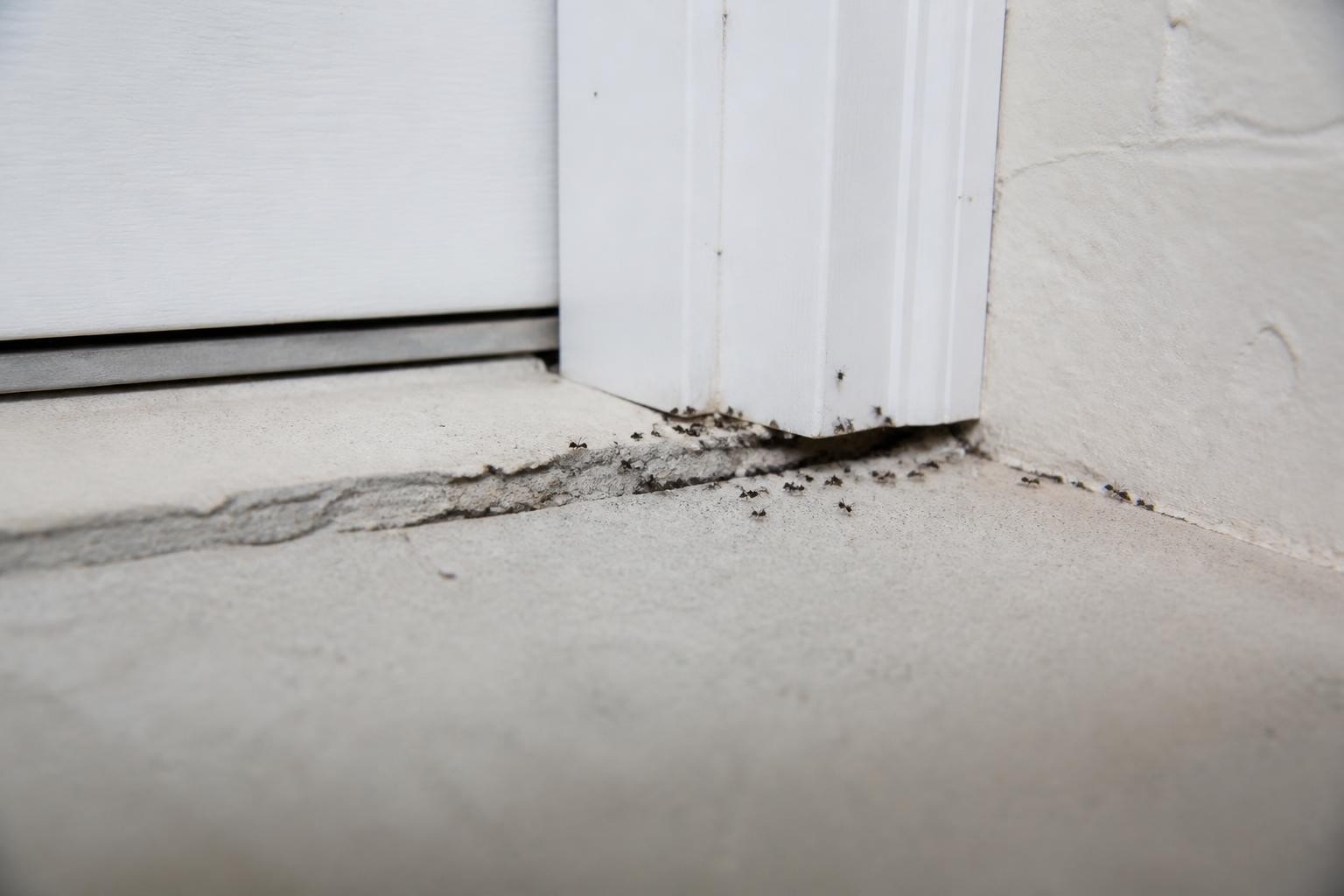
Pavement ants commonly nest beneath concrete slabs, sidewalks, and foundation elements. These small black or dark brown ants measure about 1/8 inch long and often create distinctive sand piles near cracks in driveways or basement floors. While they primarily nest outdoors, pavement ants regularly enter homes through foundation cracks and expansion joints in search of food.
| Ant Species | Size | Key Identification | Primary Nesting Sites |
|---|---|---|---|
| Odorous House Ant | 1/8 inch | Coconut smell when crushed | Wall voids, under floors |
| Carpenter Ant | 1/4 – 1/2 inch | Large size, heart-shaped head | Moist wood, wall voids |
| Pavement Ant | 1/8 inch | Sand piles near cracks | Under concrete, foundations |
The University of California’s IPM program provides comprehensive resources for identifying various ant species based on size, color, and behavior patterns. Accurate identification allows homeowners and pest control professionals to select the most effective treatment approaches for each specific infestation.
Why Black Ants Invade Richmond VA Homes
Black ants in house structures don't appear randomly-they're actively searching for three essential resources: food, water, and suitable nesting sites. Understanding these motivations helps homeowners address the root causes of infestations rather than simply treating visible symptoms.
Food availability tops the list of attractants. Ants possess remarkable chemical detection abilities, allowing them to locate even microscopic food particles from considerable distances. Crumbs beneath appliances, sticky residue on countertops, unsealed pantry items, and pet food bowls provide abundant nutrition for ant colonies. A single scout ant discovering a reliable food source will lay a pheromone trail, guiding thousands of nestmates directly to your kitchen.
Moisture sources are equally important, particularly during Richmond's hot, dry summer months. Leaking pipes, condensation around HVAC systems, poorly sealed bathroom fixtures, and standing water in sink drains create ideal conditions for ant colonies. Carpenter ants specifically target moisture-damaged wood, making homes with plumbing leaks or roof damage especially vulnerable.
Seasonal Patterns and Weather Influences
Richmond's seasonal weather patterns significantly impact ant activity inside homes. Spring typically brings the first major wave of black ants in house spaces as colonies expand and workers begin foraging more aggressively. Summer heat drives ants indoors seeking cooler temperatures and consistent moisture. Fall often triggers another surge as colonies prepare for winter, stockpiling food resources.
Heavy rainfall presents particular challenges. When outdoor nests flood, entire ant colonies may relocate indoors temporarily or permanently. This phenomenon explains why many Richmond homeowners notice sudden ant invasions following severe storms or extended rainy periods.
Structural vulnerabilities provide the pathways ants need to enter homes. Foundation cracks, gaps around utility penetrations, damaged weather stripping, and separation between siding and foundation elements all serve as highways for foraging ants. A gap as small as 1/16 inch provides sufficient access for most ant species.
- Foundation cracks and settlement gaps
- Utility line penetrations (water, gas, electrical)
- Window and door frames with deteriorated seals
- HVAC ductwork connections
- Weep holes in brick veneer
- Gaps around plumbing fixtures
The University of Maryland Extension emphasizes that exclusion-physically preventing ant entry-represents one of the most effective long-term control strategies for household ant problems.
Inspection and Detection Strategies
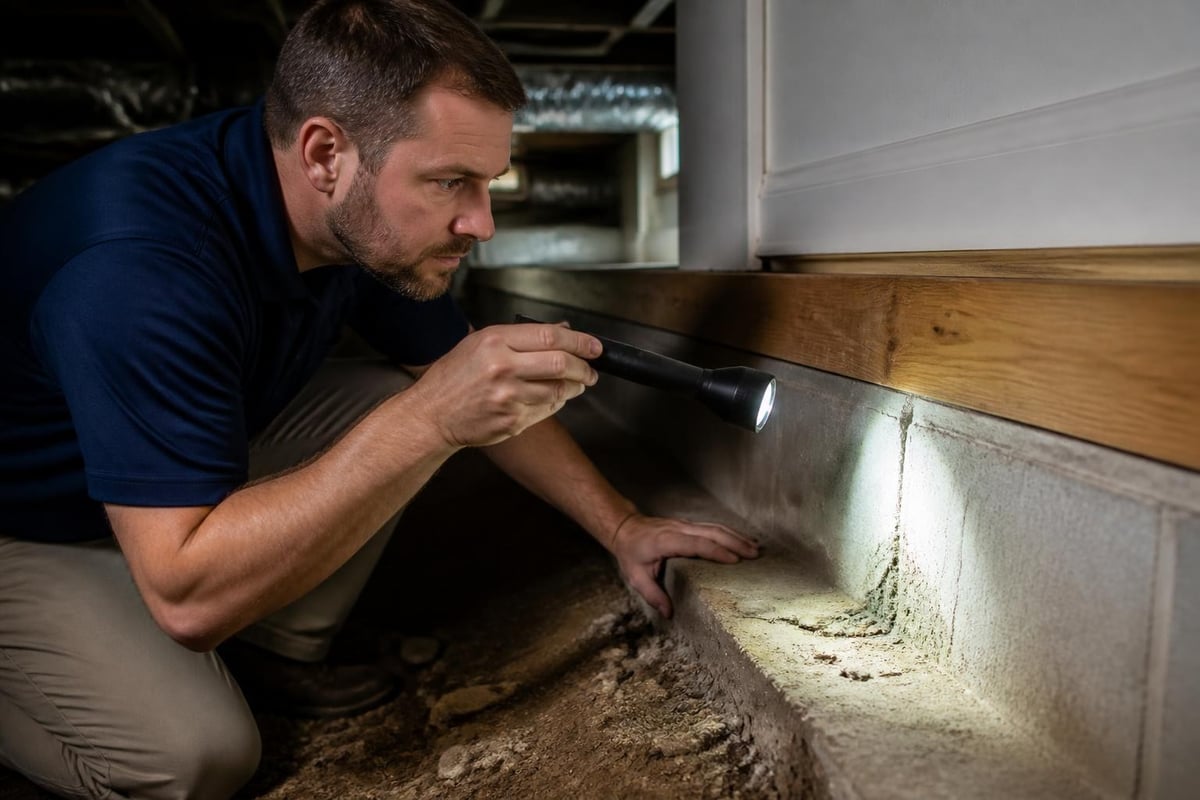
Locating the source of black ants in house environments requires systematic inspection and careful observation. Professional pest control technicians in Richmond VA follow structured protocols to identify entry points, trailing patterns, and potential nesting sites.
Trail following provides direct intelligence about ant activity. Rather than immediately killing visible ants, observe where they're traveling. Ants follow pheromone trails between their nest and food sources, so tracking these highways often leads directly to entry points or nesting areas. This requires patience but yields valuable information for targeted treatment.
Moisture inspection should focus on areas where water damage or excessive humidity creates favorable nesting conditions. Check beneath sinks, around toilet bases, near water heaters, in crawl spaces, and anywhere plumbing penetrates walls or floors. Use a moisture meter to identify hidden water problems that may be attracting carpenter ants specifically.
Critical Inspection Zones
Kitchen areas warrant particularly thorough examination. Check behind and beneath refrigerators, stoves, and dishwashers where food particles accumulate. Inspect the backs of cabinets, especially lower cabinets near plumbing. Examine the space between countertops and appliances, and check for gaps around sink fixtures.
Exterior perimeter inspection helps identify outdoor colonies and entry points before ants penetrate living spaces. Walk the foundation looking for cracks, gaps, or ant trails. Check where utilities enter the home, inspect door thresholds and window frames, and examine areas where different building materials meet.
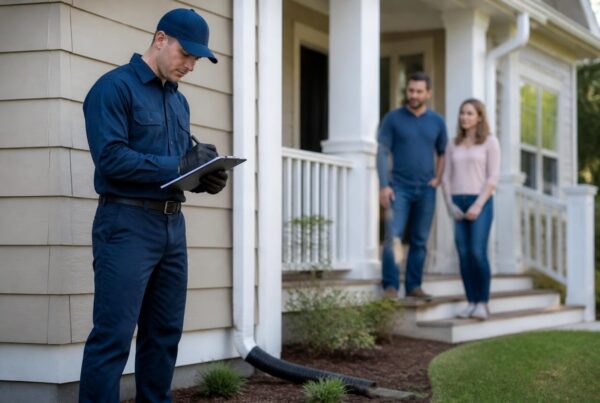
Richmond homeowners dealing with persistent black ants in house situations should consider professional assistance when DIY efforts prove ineffective. SanPro’s pest control services include comprehensive inspection protocols that identify both current infestations and vulnerability factors that may lead to future problems.
Effective Treatment and Control Methods
Successfully eliminating black ants in house environments requires an integrated approach combining multiple tactics. Single-method treatments rarely provide complete, long-lasting control because ant colonies quickly adapt and relocate when threatened.
Baiting strategies leverage ant biology for colony-wide elimination. Modern ant baits contain slow-acting insecticides mixed with attractive food matrices. Foraging ants consume the bait and carry it back to the colony, sharing it with other workers, larvae, and queens through a process called trophallaxis. NC State Extension research demonstrates that proper baiting technique eliminates entire colonies over 7-14 days.
Selecting the right bait formulation is critical. Protein-based baits work best for carpenter ants and ants with protein-seeking workers, while sugar-based baits attract odorous house ants and pavement ants. Some situations require offering multiple bait types simultaneously because ant dietary preferences shift seasonally based on colony needs.
Bait Placement Best Practices
- Locate bait stations along active trails rather than random placement
- Avoid contaminating baits with cleaning products or insecticide sprays
- Replace baits regularly as they dry out or lose attractiveness
- Allow ants to feed freely without interference for maximum colony impact
- Monitor consumption patterns to gauge treatment effectiveness
Liquid residual treatments create protective barriers that kill ants on contact and provide residual protection lasting several weeks. Licensed pest control professionals apply these products to foundation perimeters, entry points, and potential nesting sites. However, residual sprays should never be applied directly over bait stations, as they repel ants before they can consume the bait.
| Treatment Method | Target | Timeframe | Best Application |
|---|---|---|---|
| Bait Stations | Colony elimination | 1-2 weeks | Active trails, near entry points |
| Residual Spray | Barrier protection | 30-90 days | Foundation, exterior perimeter |
| Dust Insecticides | Wall voids, cracks | 6-12 months | Inaccessible nesting areas |
| Non-Repellent Spray | Transfer effect | 7-14 days | Indoor trailing areas |
Dust formulations provide excellent control in wall voids, electrical outlets, and other enclosed spaces where liquid treatments aren't practical. Professional-grade insecticidal dusts remain effective for months when protected from moisture, making them ideal for long-term carpenter ant control in structural voids.
The Penn State Extension IPM approach emphasizes combining multiple tactics-sanitation, exclusion, and targeted treatments-rather than relying solely on chemical applications for sustainable ant control.
Prevention and Exclusion Techniques
Preventing black ants in house spaces proves far more cost-effective than repeatedly treating established infestations. Richmond homeowners can implement numerous proactive measures that significantly reduce ant invasion risk.
Sanitation improvements eliminate the food and water resources that attract foraging ants. This goes beyond basic cleaning to address hidden food sources and moisture problems that homeowners often overlook.
- Store all food in sealed containers, including pet food and dry goods
- Clean beneath and behind appliances quarterly
- Wipe down counters and sweep floors daily
- Fix leaking faucets, pipes, and HVAC condensation issues
- Empty trash regularly and use sealed containers
- Clean up pet food immediately after feeding times
Structural exclusion physically blocks ant entry pathways. This requires careful inspection and systematic sealing of gaps, cracks, and openings throughout the home's exterior envelope.
Foundation and Exterior Sealing
Seal foundation cracks using appropriate materials-polyurethane caulk for small gaps, hydraulic cement for larger cracks, and expanding foam for utility penetrations. Pay special attention to where different building materials meet, such as where brick veneer meets wood siding or where concrete foundations meet wooden sill plates.
Replace damaged weather stripping around doors and windows. Install door sweeps on exterior doors, ensuring no gap exists between the sweep and threshold. Repair or replace damaged window screens, and seal gaps around window frames with exterior-grade caulk.
Landscape management reduces ant populations near the home's perimeter. Keep vegetation trimmed back from the foundation-at least 12 inches of clearance prevents ants from using plants as bridges to access the structure. Remove leaf litter, mulch debris, and other organic material from foundation perimeters where ant colonies often nest.
Store firewood at least 20 feet from the home and elevate it off the ground. Firewood piles provide ideal nesting sites for carpenter ants, and moving the pile indoors for winter often introduces entire colonies into living spaces.
Moisture control deserves special attention in Richmond's humid climate. Homes with crawl spaces face particular vulnerability to moisture problems that attract carpenter ants and other wood-destroying pests. Crawl space encapsulation services address these moisture issues comprehensively, creating dry conditions that discourage ant nesting while protecting structural wood from decay.
The Colorado State Extension recommends maintaining gutters and downspouts to direct water away from foundations, as moisture accumulation near the home's perimeter creates ideal conditions for outdoor ant colonies that eventually move indoors.
Safety Considerations for Ant Control Products
Homeowners treating black ants in house environments must understand the safety profile of various control products, especially in homes with children, pets, or sensitive individuals.
Commercial ant baits generally contain low concentrations of active ingredients designed to be minimally toxic to mammals while remaining effective against insects. Poison Control guidance indicates that accidental ingestion of small amounts of ant bait by children or pets typically causes only minor gastrointestinal upset, if any symptoms occur at all.
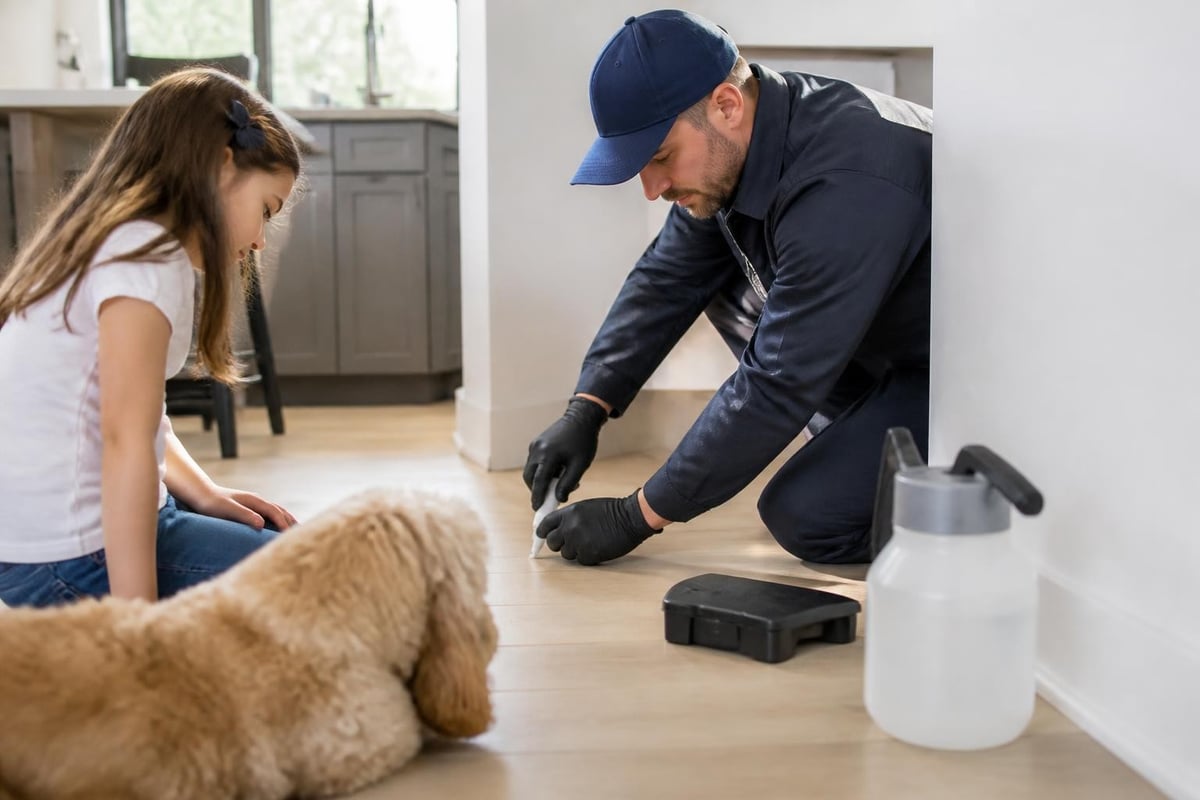
However, all pesticide products should be used according to label directions and stored securely. Place bait stations in locations accessible to ants but difficult for children or pets to reach. Consider using enclosed bait stations rather than gel formulations in households with curious toddlers or pets.
Professional-Grade vs. Consumer Products
Professional pest control products often contain different active ingredients or higher concentrations than consumer-available formulations. Licensed technicians receive specialized training in proper application techniques, safety protocols, and legal requirements governing pesticide use. This expertise becomes particularly important when treating sensitive areas or dealing with large-scale infestations.
Read and follow all label instructions carefully when using any pest control product. Labels provide legally binding directions for safe and effective use, including application rates, target pests, approved application sites, and safety precautions.
Avoid mixing different products or combining treatments without professional guidance. Some pesticide combinations reduce effectiveness or create safety hazards. For example, applying repellent insecticides over ant baits prevents ants from feeding on the bait, rendering both treatments ineffective.
Ventilate treated areas appropriately, especially when using aerosol products or liquid sprays indoors. Follow reentry intervals specified on product labels before allowing children or pets into treated spaces.
Consider the environmental impact of pest control choices. The University of Minnesota Extension recommends prioritizing non-chemical methods-sanitation, exclusion, and physical removal-before resorting to pesticide applications, reserving chemical treatments for situations where other methods prove insufficient.
When to Call Professional Pest Control Services
While many homeowners successfully manage minor ant problems independently, certain situations warrant professional intervention from experienced pest control technicians serving the Richmond VA area.
Recurring infestations that return despite repeated DIY treatment attempts indicate a larger problem requiring professional diagnosis. When black ants in house spaces reappear weeks or months after treatment, the colony likely remains intact, or structural conditions continue attracting new invasions. Professional technicians identify underlying factors contributing to recurring problems and implement comprehensive solutions.
Carpenter ant infestations demand professional attention due to potential structural damage concerns. These ants nest within wood structures, and complete elimination requires locating and treating all satellite colonies in addition to the parent nest. Professional equipment-including moisture meters, borescopes, and infrared cameras-helps technicians locate hidden colonies within walls, ceilings, and other inaccessible spaces.
Large-Scale or Multi-Colony Infestations
Multiple trailing patterns originating from different locations suggest several colonies are active simultaneously. This scenario requires coordinated treatment of all colonies to prevent the problem from perpetuating. Professional pest control services have access to a broader range of treatment products and application equipment than typical homeowners.
Sensitive locations including food preparation areas in commercial settings, healthcare facilities, or daycare centers require specialized treatment protocols that comply with regulatory requirements. Licensed pest control operators understand these requirements and can implement appropriate solutions.
Uncertain identification can lead to ineffective treatment. If you're unsure which ant species is causing problems, professional identification ensures appropriate treatment selection. Different ant species respond to different baits and control strategies, so accurate identification is essential for effective results.
Professional pest control services typically include:
- Comprehensive property inspection
- Accurate species identification
- Customized treatment plans
- Follow-up visits to ensure elimination
- Preventive recommendations
- Service guarantees
Richmond homeowners experiencing persistent problems with black ants in house spaces benefit from professional services that address both immediate infestations and underlying vulnerability factors. Experienced technicians familiar with local ant species and regional building characteristics provide more effective long-term solutions than generic DIY approaches.
Understanding Ant Colony Biology and Behavior
Effective control of black ants in house environments requires understanding fundamental ant biology. Ant colonies function as superorganisms, with specialized castes performing distinct roles that ensure colony survival and growth.
Queen ants serve as the colony's reproductive center. A single queen may live 15-30 years, continuously producing eggs that maintain and expand the colony population. Some ant species establish colonies with multiple queens, making elimination more challenging because removing one queen doesn't destroy the colony.
Worker ants-the ants most homeowners observe-are sterile females responsible for foraging, nest maintenance, brood care, and colony defense. Workers live only a few months, but the queen continuously replaces them. This explains why killing visible ants provides only temporary relief; the colony quickly sends more workers to replace losses.
Foraging Patterns and Trail Systems
Ants use sophisticated chemical communication to coordinate foraging activities. Scout ants explore randomly until discovering food sources, then return to the nest while depositing pheromone trails. Other workers follow these chemical highways to the food source, reinforcing the trail with additional pheromones.
Understanding this behavior explains why baiting strategies recommended by extension specialists prove more effective than contact sprays. Baits exploit natural foraging and food-sharing behaviors to distribute insecticides throughout the colony, including to the queen and developing larvae that never leave the nest.
Colony relocation represents an important defensive behavior. When ant colonies perceive threats-such as vibration, chemical disturbance, or environmental changes-they may rapidly relocate their brood and queens to safer locations. This survival mechanism explains why aggressive treatment approaches sometimes worsen infestations by causing single colonies to split into multiple satellite colonies, a process called budding.
Seasonal cycles influence ant behavior significantly. Spring typically brings increased foraging as colonies emerge from winter dormancy and begin expanding. Summer represents peak activity for most species. Fall foraging intensifies as colonies prepare for winter. Understanding these cycles helps homeowners anticipate when black ants in house spaces are most likely to appear.
Regional Considerations for Richmond VA Homeowners
Richmond's climate, soil conditions, and common construction practices create specific challenges and opportunities for managing black ants in house environments.
Humid subtropical climate provides year-round ant activity potential, though intensity varies seasonally. Unlike northern regions where harsh winters limit ant populations, Richmond's mild winters allow many ant species to remain active throughout the year, requiring vigilant prevention efforts year-round.
Clay soil composition common in Richmond area foundations influences ant nesting behavior. Heavy clay soils drain poorly, creating moisture accumulation near foundations that attracts moisture-seeking ant species, particularly carpenter ants. Proper foundation drainage and moisture management become especially important in Richmond properties.
Common Richmond Construction Vulnerabilities
Crawl space foundations predominate in Richmond residential construction, presenting unique pest management challenges. These enclosed spaces often experience moisture problems, poor ventilation, and limited inspection access. Ants readily nest in crawl spaces and access living areas through plumbing penetrations, HVAC ductwork, and gaps in the subfloor.
Brick veneer construction creates hollow wall cavities that provide excellent nesting sites for ants. Weep holes necessary for moisture drainage also serve as convenient entry points. Richmond homeowners with brick veneer construction should ensure weep hole screens are properly installed and monitor these areas for ant activity.
Older housing stock in Richmond's historic neighborhoods may feature settling foundations, deteriorated mortar joints, and gaps resulting from decades of expansion and contraction. These structural characteristics create numerous entry points for foraging ants and potential nesting sites for established colonies.
Landscaping preferences in Richmond typically include foundation plantings, mulched beds, and mature trees that provide shade and aesthetic appeal. However, these landscaping elements also create ideal conditions for outdoor ant colonies when vegetation contacts building structures or when mulch beds extend directly against foundations.
Richmond homeowners should maintain awareness of both common household pests and serious structural threats. Just as vigilance helps detect black ants in house spaces early, similar attention to termite inspection needs protects properties from more destructive wood-destroying insects common in Virginia's climate.
Distinguishing Ants from Similar Pests
Accurate identification prevents wasted effort treating the wrong pest. Several insects resemble ants closely enough to cause confusion, particularly for homeowners without extensive pest knowledge.
Termites are most commonly confused with carpenter ants, especially during spring swarming season when both species produce winged reproductives. However, key differences allow clear differentiation:
| Feature | Carpenter Ant | Termite |
|---|---|---|
| Waist | Narrow, pinched | Broad, uniform |
| Antennae | Bent, elbowed | Straight, beaded |
| Wings (when present) | Unequal length | Equal length |
| Body color | Black or dark brown | Pale, cream-colored |
Winged ants appear during reproductive swarms, typically in spring or early summer. These winged individuals are often mistaken for termites, but the diagnostic features listed above provide reliable differentiation. Finding winged ants indoors may indicate an indoor colony requiring professional treatment.
Beetles can sometimes be confused with ants, particularly small species like drugstore beetles or cigarette beetles. However, beetles have hardened wing covers and lack the narrow waist characteristic of ants. Beetles also have different movement patterns-ants move continuously and purposefully along trails, while beetles tend to move more erratically.
Understanding these distinctions ensures appropriate treatment selection. Control methods effective against black ants in house situations may prove completely ineffective against termites, beetles, or other pests, highlighting the importance of accurate identification before beginning treatment.
Long-Term Management and Monitoring
Successful ant control extends beyond initial elimination to include ongoing monitoring and maintenance that prevents reinfestation. Richmond homeowners should view ant management as a continuous process rather than a one-time event.
Regular inspection routines help detect ant activity before minor problems escalate into major infestations. Monthly inspections of kitchens, bathrooms, and other vulnerable areas take only minutes but provide early warning of developing problems. Check for ant trails, small piles of sawdust (indicating carpenter ants), and any signs of structural moisture that might attract colonies.
Seasonal prevention activities align pest management efforts with predictable ant behavior patterns:
- Spring: Inspect foundations after winter freeze-thaw cycles create new cracks; seal entry points
- Summer: Monitor moisture levels in crawl spaces and basements; ensure proper drainage
- Fall: Store firewood away from structures; clean gutters before winter
- Winter: Inspect indoor spaces for ant activity; address any moisture issues before spring
Documentation practices help homeowners and pest control professionals track infestation patterns over time. Note when and where ants appear, what species are identified, which treatments were applied, and the results achieved. This information reveals patterns that might not be apparent from individual observations.
Preventive Maintenance Schedules
Quarterly perimeter treatments provide proactive protection against outdoor colonies attempting to invade living spaces. Professional pest control services often offer recurring treatment programs that maintain chemical barriers around foundations, significantly reducing the likelihood of black ants in house environments.
Annual structural inspections conducted by qualified professionals identify developing problems before they cause significant damage or require expensive remediation. These inspections should assess moisture conditions, structural vulnerabilities, and pest activity evidence throughout the property.
Ongoing sanitation standards maintain an environment inhospitable to ant colonies. Consistent cleaning practices, proper food storage, and prompt attention to spills or crumbs prove more effective than sporadic intensive cleaning followed by periods of neglect.
Richmond residents managing both pest control and property maintenance concerns should recognize the interconnection between different building systems. Insulation services that address attic moisture problems, for example, simultaneously reduce conditions favorable to carpenter ants while improving energy efficiency.
Controlling black ants in house spaces requires understanding their behavior, implementing targeted treatments, and maintaining preventive measures that address underlying attractants. Richmond VA homeowners facing persistent ant problems benefit from professional expertise that combines species identification, comprehensive treatment, and long-term prevention strategies. SanPro provides complete pest control solutions throughout the Richmond area, helping property owners eliminate current infestations and prevent future problems through proven methods and ongoing support.