Homeowners across Richmond, VA understand the threat termites pose to their most valuable investment. Traditional liquid barrier treatments have served the pest control industry for decades, yet a revolutionary approach called the Sentricon termite baiting system has transformed how professionals protect properties from these destructive insects. This colony elimination technology represents one of the most significant advances in termite management, offering targeted protection that works with termite biology rather than against it. Whether you're building a new home or protecting an existing property, understanding how this system functions helps you make informed decisions about long-term termite defense.
Understanding the Sentricon Termite Colony Elimination System
The Sentricon termite system operates on a fundamentally different principle than conventional treatments. Rather than creating a chemical perimeter around your home, this approach uses strategically placed stations that contain highly attractive bait. Termites discover these stations during their natural foraging behavior, consume the active ingredient, and carry it back to their colony, where it spreads throughout the entire population.
The current formulation uses noviflumuron, an insect growth regulator that prevents termites from molting properly. Since termites must shed their exoskeletons periodically to grow, this disruption proves fatal to the entire colony over time. The active ingredient received EPA approval with detailed specifications for residential and commercial applications, ensuring both efficacy and environmental safety.
What makes this system particularly effective is its minimal environmental footprint compared to traditional liquid treatments. The stations contain no active ingredient until termites are detected, at which point pest control professionals install bait cartridges. This targeted approach means you're only introducing treatment materials when and where they're needed.
How the System Works in Richmond VA Properties
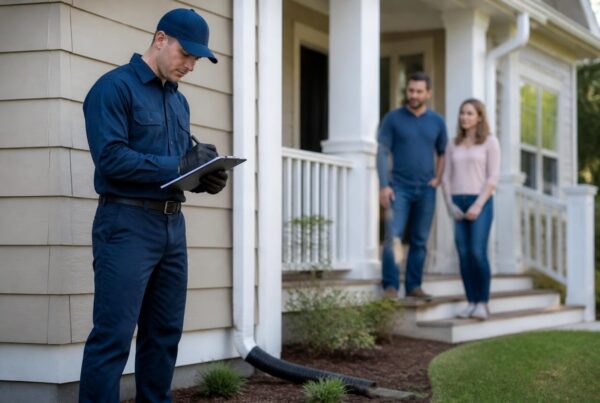
Installation begins with a thorough property inspection by a certified pest exterminator in Richmond VA. Technicians evaluate your home's construction, identify potential termite entry points, and assess existing conducive conditions. They install stations approximately 10 to 20 feet apart around your home's perimeter, following manufacturer guidelines and adapting to your property's specific layout.
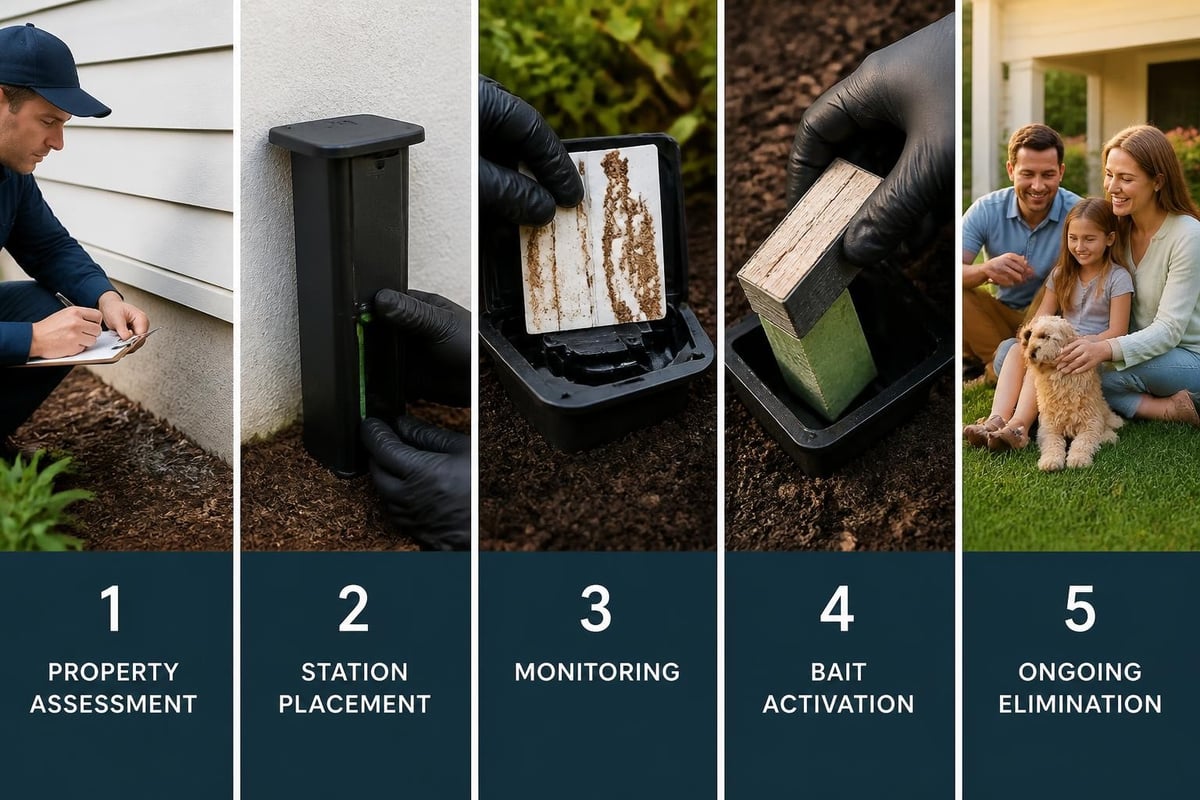
The process typically involves these key steps:
- Initial assessment of property boundaries, landscaping, and structural features
- Station installation using specialized tools to create access points in soil
- Monitoring phase with regular inspections to detect termite activity
- Bait activation once termites discover stations and begin feeding
- Colony elimination as the active ingredient spreads through the population
- Ongoing protection through continued monitoring and maintenance
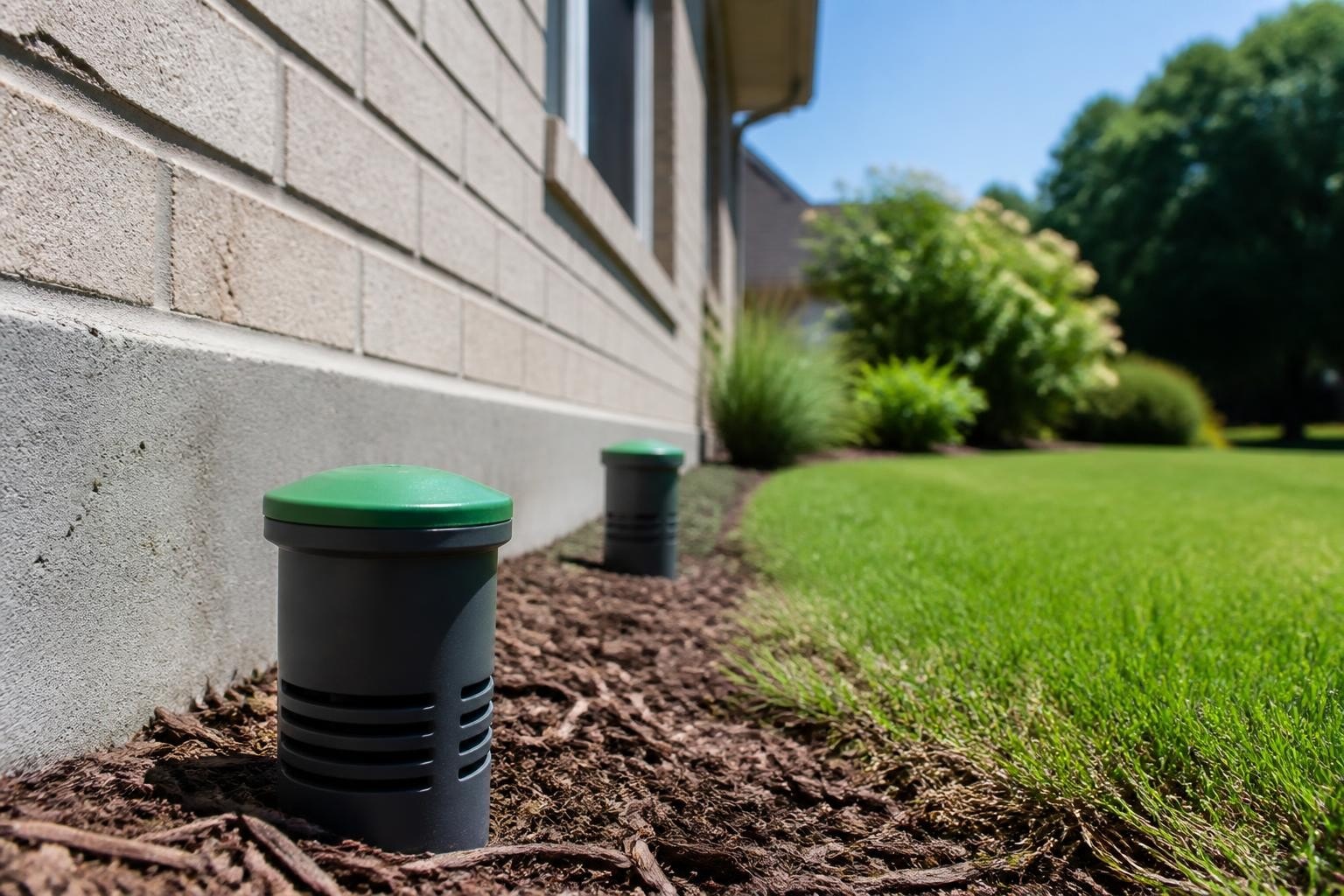
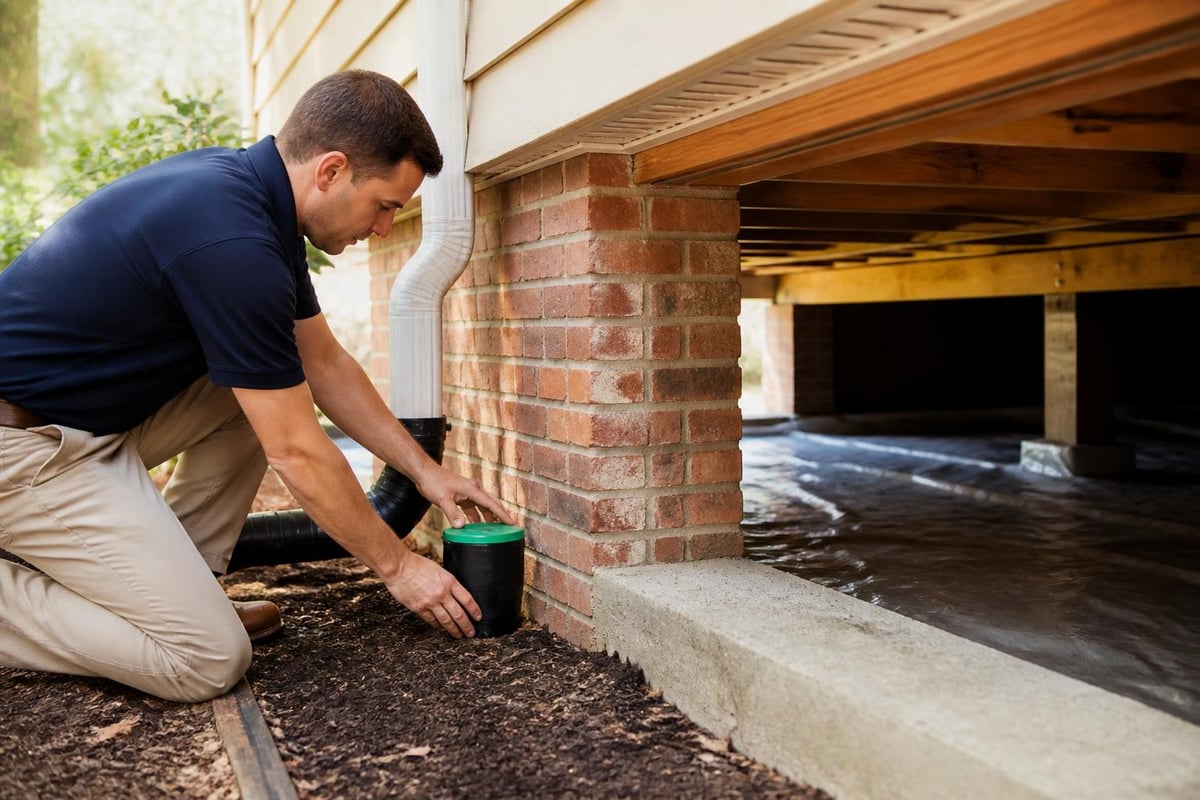
Each station sits flush with the ground, making them virtually invisible and maintaining your property's aesthetic appeal. Unlike liquid treatments that require drilling into concrete or trenching around foundations, this approach preserves your landscaping and hardscaping investments.
Richmond homeowners appreciate that the system works continuously. Termites actively forage for food sources year-round in Virginia's climate, particularly during warmer months. The stations remain in place, ready to intercept colonies before they reach your home's structure.
Scientific Foundation and Environmental Recognition
The development of the Sentricon termite approach earned recognition from the U.S. Environmental Protection Agency through the Presidential Green Chemistry Challenge Award in 2000. This honor acknowledged the system's reduced environmental impact compared to conventional termiticides, which require hundreds of gallons of diluted chemical solution applied around and beneath homes.
Research institutions have extensively studied baiting systems for colony management. A University of Florida study documented in PubMed examined noviflumuron formulations and their effectiveness against subterranean termite colonies, providing scientific validation for the approach. These studies confirm that when termites consume even small amounts of the active ingredient, it spreads throughout the colony through social grooming and trophallaxis (food sharing).
The evolution from hexaflumuron to noviflumuron represented a significant advancement. The newer active ingredient works at lower concentrations while maintaining palatability to termites. A comprehensive review in the National Library of Medicine discusses adoption patterns across different regions and compares performance metrics between formulation generations, demonstrating improved colony elimination timeframes.
Regulatory Oversight and Approval Process
Multiple regulatory bodies have evaluated and approved the Sentricon termite technology. Beyond U.S. EPA registration, international agencies have conducted independent assessments. The New Zealand EPA HSNO application provides detailed regulatory perspective on hexaflumuron imports and approved use conditions, illustrating the scrutiny these products undergo globally.
State-level agencies also contribute oversight. The Florida Department of Agriculture conducted extensive bait testing and review of noviflumuron formulations, assessing field trial results and performance standards. These multi-layered regulatory evaluations ensure products meet rigorous safety and efficacy benchmarks before reaching homeowners.
For Richmond VA pest control services, this regulatory framework provides confidence that recommended treatments meet professional standards. Certified technicians undergo specialized training to install and maintain these systems according to manufacturer specifications and local building codes.
Comparing Sentricon Termite Systems to Traditional Treatments
Property owners evaluating termite protection options benefit from understanding how different approaches compare. The table below outlines key distinctions between baiting systems and liquid barrier treatments:
| Factor | Sentricon System | Liquid Barrier Treatment |
|---|---|---|
| Application method | In-ground stations around perimeter | Trenching and soil treatment or drilling |
| Active ingredient volume | Minimal (grams in bait cartridges) | High (50-100+ gallons of diluted solution) |
| Installation impact | Low (small drill holes for stations) | Moderate to high (trenching, drilling concrete) |
| Treatment target | Entire colony elimination | Barrier to prevent entry |
| Monitoring capability | Built-in with regular inspections | Limited without separate monitoring |
| Retreatment needs | Ongoing service with bait replenishment | Reapplication every 5-10 years typically |
| Environmental footprint | Minimal soil/water impact | Moderate (larger chemical volume) |
Both approaches have earned their place in professional pest control. The choice often depends on property characteristics, construction type, and homeowner preferences. New construction particularly benefits from integrated approaches that may combine pre-treatment with post-construction monitoring.
Crawl space conditions significantly influence termite risk and treatment selection. Properties with moisture issues, poor ventilation, or wood-to-ground contact require comprehensive strategies. Professional crawl space services that address humidity, ventilation, and structural conditions complement termite protection systems by reducing conducive conditions that attract these pests.
Cost Considerations for Richmond Homeowners
Investment in termite protection varies based on property size, existing infestations, and service agreements. The Sentricon termite system typically involves initial installation costs followed by annual monitoring and maintenance fees. While upfront expenses may exceed some traditional treatments, the long-term value includes ongoing professional monitoring, rapid response to activity, and reduced environmental impact.
Most providers structure pricing around:
- Property linear footage (perimeter measurement determining station quantity)
- Installation complexity (obstacles, landscaping, hardscaping considerations)
- Service frequency (quarterly, semi-annual, or annual inspections)
- Warranty coverage (repair guarantees, damage protection options)
- Regional market factors (Richmond VA pricing reflects local competition and service standards)
Richmond homeowners should obtain detailed proposals from certified pest exterminators that specify service inclusions, response protocols, and warranty terms. Transparent pricing helps you compare value rather than just initial cost.

Installation Process and Professional Requirements
Proper Sentricon termite system installation requires certified technicians trained in the specific protocols. The manufacturer mandates comprehensive training covering system components, installation techniques, monitoring procedures, and record-keeping requirements. This ensures consistent performance across different properties and geographic regions.
The detailed development history documented by Corteva outlines how the system evolved through extensive field testing and refinement. Understanding this background helps homeowners appreciate the research investment behind the technology.
Station Placement Strategy
Strategic positioning of monitoring stations maximizes interception potential. Technicians consider multiple factors when determining optimal placement:
- Structural features such as expansion joints, cracks, and utility penetrations
- Conducive conditions including mulch beds, tree stumps, wood debris, and moisture sources
- Access points where termites might enter based on construction type
- Landscape elements that might harbor colonies or provide shelter
- Previous activity if termite evidence exists from inspections
A typical single-family home in Richmond requires between 10 and 20 stations depending on perimeter footage and property configuration. Larger properties or those with complex layouts may need additional coverage to ensure complete protection.
Professional installation includes documenting station locations through detailed diagrams and GPS coordinates. This precision enables efficient monitoring and ensures technicians inspect every station during service visits. Comprehensive records also prove valuable during real estate transactions, demonstrating proactive termite management to potential buyers.
Monitoring and Maintenance Requirements
The Sentricon termite approach succeeds through consistent monitoring rather than one-time application. Service agreements typically specify inspection intervals, with most providers scheduling visits quarterly or semi-annually. During each visit, technicians examine every station for termite activity, assess bait consumption if active, and evaluate property conditions that might increase risk.
The UC IPM Green Bulletin provides operational guidance on installation intervals and inspection frequency based on integrated pest management principles, offering evidence-based recommendations for optimal system performance.
What Happens When Termites Are Detected
Activity detection triggers a specific response protocol. Technicians install bait cartridges containing the active ingredient in affected stations. Termites readily consume this highly palatable matrix, preferring it to most natural wood sources. As workers return to the colony and share food through trophallaxis, the active ingredient spreads throughout the population.
The elimination process timeline varies based on several factors:
- Colony size (larger colonies require more time for complete elimination)
- Species characteristics (Eastern subterranean termites in Richmond exhibit specific foraging patterns)
- Environmental conditions (temperature and moisture affect activity levels)
- Bait consumption rates (how quickly termites deplete cartridges)
- Distance from colony center (proximity influences how rapidly effects spread)
Most colonies show significant decline within three to six months, though complete elimination may take up to twelve months for very large populations. Throughout this period, technicians monitor consumption, replenish bait as needed, and document progress through detailed service records.
Property owners receive comprehensive reporting after each inspection, including station status, activity levels, and any recommended actions. This transparency keeps you informed about your protection status and provides documentation for warranty claims if necessary.
Integration with Comprehensive Pest Management
Effective termite protection rarely exists in isolation. Richmond VA properties face multiple pest pressures requiring coordinated strategies. The professional pest control services offered by experienced providers address termites alongside other common structural pests, creating layered defense systems.
Subterranean termites share environmental preferences with other moisture-loving pests. Addressing humidity issues, drainage problems, and ventilation deficiencies benefits multiple aspects of home protection. This holistic perspective explains why leading pest control companies evaluate properties comprehensively rather than focusing narrowly on single pest types.
Crawl Space Conditions and Termite Risk
The connection between crawl space health and termite activity cannot be overstated. These below-ground areas often provide ideal conditions for termite colonies: consistent moisture, wood-to-ground contact, limited airflow, and abundant cellulose material. Encapsulation, vapor barriers, dehumidification, and proper drainage transform these vulnerable spaces into protected environments.
Properties with well-maintained crawl spaces experience significantly reduced termite pressure. When combined with perimeter protection through baiting systems, this dual approach creates formidable barriers against infestation. Homeowners investing in both preventive measures enjoy greater peace of mind and often qualify for enhanced warranty coverage.
Performance Expectations and Real-World Results
Understanding realistic outcomes helps homeowners set appropriate expectations. The Sentricon termite system excels at colony elimination when properly installed and maintained. However, success requires patience and consistent service rather than instant results.
Field studies demonstrate elimination rates exceeding 90% when protocols are followed correctly. The system's effectiveness depends on termites discovering stations, accepting bait, and transporting it throughout their colony. In areas with high termite pressure, this discovery phase may occur quickly. Properties in lower-pressure areas might require extended monitoring before activity appears.
Warranty Coverage and Protection Guarantees
Most professional providers offer warranty programs covering both system performance and structural damage repair. These guarantees typically include:
- Retreatment at no additional cost if termite activity continues after treatment
- Structural repair coverage up to specified limits if damage occurs during warranty period
- Annual inspections included in service agreements to maintain coverage
- Transferability options that add value during home sales
- Clearly defined terms specifying coverage limits, exclusions, and homeowner responsibilities
Richmond homeowners should review warranty documents carefully, understanding what triggers coverage, exclusions that might apply, and procedures for filing claims. Reputable pest control companies provide transparent explanations and promptly address warranty issues when they arise.
Geographic Considerations for Richmond VA
Virginia's climate creates favorable conditions for Eastern subterranean termites, the most common species affecting Richmond-area homes. These insects remain active throughout much of the year, with peak swarming typically occurring in spring. Consistent moisture from humidity and precipitation supports colony development, making proactive protection essential rather than optional.
Local soil conditions, construction practices, and urban development patterns influence termite pressure. Established neighborhoods with mature trees and aging infrastructure often experience higher activity than newer subdivisions. Properties near wooded areas, parks, or waterways face elevated risk due to proximity to natural termite habitat.
Professional pest exterminators in Richmond VA understand these regional factors and adjust recommendations accordingly. Experience with local termite behavior patterns, seasonal activity cycles, and construction types enables them to design effective protection strategies tailored to Central Virginia conditions.
Regulatory Requirements and Building Codes
Virginia building codes address termite protection for new construction, requiring either soil treatment or physical barriers in certain circumstances. While existing homes aren't subject to retrofit requirements, prudent homeowners recognize that protection standards evolve based on industry research and regulatory updates.
Working with licensed, insured pest control professionals ensures compliance with state regulations governing pesticide application, record-keeping, and consumer protection. These requirements exist to safeguard both homeowner interests and environmental quality, creating accountability throughout the service relationship.
Addressing Common Questions and Concerns
Property owners evaluating the Sentricon termite approach frequently raise similar questions. Addressing these concerns helps you make confident decisions about protection strategies.
How quickly does the system start working? Protection begins immediately upon installation, though colony elimination requires time. Termites must first discover stations during natural foraging, then consistently consume bait over weeks or months. The timeline varies by colony size and proximity to stations.
Will I see dead termites? Unlike contact insecticides that produce visible casualties, insect growth regulators work gradually. Most colony members die in underground tunnels and chambers rather than in exposed locations. Absence of visible dead termites doesn't indicate treatment failure.
Can termites bypass the stations? While theoretically possible, proper installation at recommended intervals creates multiple interception points. Termites forage randomly in all directions from their colony, making station discovery statistically likely over time. Consistent monitoring ensures any gaps in coverage are identified and addressed.
What if my neighbor has termites? Colonies often extend beneath multiple properties. Your protection system eliminates termites that enter your property regardless of their colony's origin. Conversely, treating colonies on your property helps reduce pressure on neighboring homes.
How long does protection last? With ongoing monitoring and maintenance, the system provides continuous protection indefinitely. Unlike liquid treatments that degrade over time, the baiting approach adapts to changing termite pressure through responsive service.
Making Informed Protection Decisions
Selecting termite protection involves weighing multiple factors specific to your property and priorities. The Sentricon termite system offers distinct advantages for homeowners valuing environmental responsibility, minimal property disruption, and active monitoring. Traditional liquid treatments remain appropriate in certain situations, particularly for existing infestations requiring rapid knock-down or construction types where baiting proves less effective.
Consultation with experienced pest control professionals provides personalized recommendations based on inspection findings. Reputable companies explain options objectively, present transparent pricing, and respect your decision-making authority. Pressure tactics or one-size-fits-all recommendations should raise concerns about provider quality.
Consider these questions when evaluating proposals:
- What specific evidence of termite activity or conducive conditions exist on my property?
- How does the recommended approach address my property's unique characteristics?
- What service commitments are included, and how frequently will inspections occur?
- What warranty coverage applies, and what are my responsibilities to maintain it?
- How does pricing compare to similar services from competing providers?
- What credentials, certifications, and insurance does the company maintain?
Documentation matters throughout the relationship. Request written proposals detailing all services, costs, and terms. Maintain copies of inspection reports, treatment records, and warranty documents. This paper trail proves valuable during real estate transactions and supports warranty claims if needed.
The investment in professional termite protection delivers value far exceeding the cost of repairs following infestation. Richmond VA homeowners face average repair costs ranging from several thousand to tens of thousands of dollars for moderate to severe termite damage. Prevention through proven systems like Sentricon termite baiting represents sound financial planning alongside property protection.
The Sentricon termite colony elimination system has proven itself through decades of research, real-world application, and continuous refinement, offering Richmond homeowners an environmentally responsible approach to protecting their largest investment. When combined with proper crawl space maintenance and comprehensive property care, this technology provides robust defense against destructive termite activity. Whether you're safeguarding a new home or addressing existing concerns, SanPro brings certified expertise in termite protection, crawl space solutions, and integrated pest management to properties throughout Richmond, VA-schedule a thorough inspection today to discover how professional protection strategies can deliver lasting peace of mind.