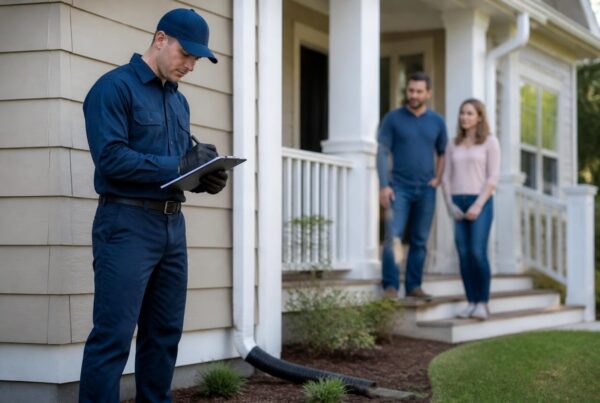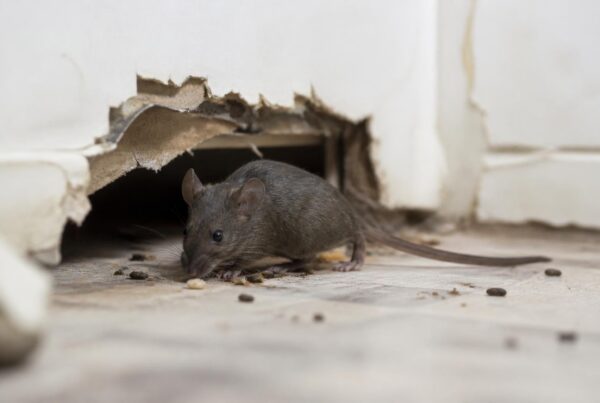
Finding reliable pest control professionals can feel overwhelming when you're facing an infestation in your Richmond, VA home or business. The difference between top exterminators and average service providers often determines whether your pest problem gets resolved quickly or becomes a recurring nightmare. Understanding what separates exceptional pest control companies from the rest helps you make informed decisions that protect your property, health, and investment.
What Defines Top Exterminators in Today's Market
The pest control industry has evolved significantly over the past decade, with leading companies adopting advanced technologies and methodologies that set them apart from competitors. Top exterminators don't just respond to immediate pest problems-they implement comprehensive strategies that address root causes and prevent future infestations.
Credentials and Certifications That Matter
Professional licensing represents the baseline requirement for any legitimate pest control operation. The EPA establishes federal certification standards that commercial applicators must meet, but top exterminators go further. They pursue additional certifications in specialized areas like termite treatment, bed bug eradication, and wildlife management.
Key credentials to look for include:
- State-issued commercial pesticide applicator licenses
- National Pest Management Association (NPMA) membership
- Specific certifications for target pests (termites, bed bugs, rodents)
- Insurance coverage including general liability and workers' compensation
- Continuing education credits and updated training
In Virginia, pest control companies must maintain proper licensing through the Department of Agriculture and Consumer Services. This ensures they understand local regulations, environmental considerations, and region-specific pest behaviors that affect Richmond homeowners throughout the year.
Technology and Treatment Methods
Modern pest control has moved beyond simply spraying chemicals around your property perimeter. Top exterminators utilize integrated approaches that combine multiple strategies for maximum effectiveness with minimal environmental impact.
| Traditional Methods | Advanced Approaches | Benefits |
|---|---|---|
| Broadcast chemical applications | Targeted spot treatments | Reduced chemical exposure |
| Reactive service calls | Proactive monitoring systems | Early detection and prevention |
| One-size-fits-all solutions | Customized treatment plans | Better results for specific pests |
| Limited follow-up | Ongoing monitoring and adjustments | Long-term pest management |
The best pest control companies in Richmond, VA incorporate Integrated Pest Management (IPM) principles into their service protocols. This science-based approach emphasizes prevention, monitoring, and targeted interventions that minimize risks to people, pets, and the environment.

Evaluating Service Quality and Customer Experience
The relationship between a property owner and their exterminator extends beyond a single service visit. Top exterminators build long-term partnerships with clients through transparent communication, reliable scheduling, and measurable results.
Response Time and Availability
When you discover termites destroying your floor joists or bed bugs in your bedroom, immediate action becomes critical. Leading pest control companies understand this urgency and structure their operations to provide rapid response capabilities.
Response time benchmarks for quality providers:
- Initial consultation scheduled within 24-48 hours
- Emergency services available for severe infestations
- Treatment initiated within one week of inspection
- Follow-up visits scheduled at optimal intervals
- 24/7 customer support for urgent questions
Richmond area homeowners dealing with seasonal pest pressures benefit from companies that understand local patterns. For instance, knowing when to expect increased pest activity during fall transitions helps top exterminators proactively address issues before they escalate.
Transparency in Pricing and Guarantees
Hidden fees and vague service agreements create frustration and erode trust. The best exterminators provide detailed estimates that outline exactly what services you'll receive and what results you can expect.
Top-tier pest control companies typically offer:
- Written estimates before beginning work
- Clear explanations of treatment methods and materials
- Itemized pricing for initial treatment and ongoing maintenance
- Service guarantees with specific terms and conditions
- Refund or re-treatment policies if pests return
Service guarantees vary significantly across the industry. Some companies offer 30-day warranties, while top exterminators may provide coverage for six months to a year. Understanding these terms helps you assess the provider's confidence in their work and your protection as a customer.
Specialized Expertise for Different Pest Challenges
Not all pest problems require the same approach. Top exterminators develop deep expertise in specific pest categories, allowing them to address complex infestations that general practitioners might struggle to resolve.
Structural Pest Management
Termites, carpenter ants, and wood-boring beetles pose unique threats to building integrity. These pests require specialized knowledge of construction methods, moisture dynamics, and wood-destroying organism behavior.
Expert structural pest managers understand that effective treatment often extends beyond the visible infestation. Addressing moisture problems in crawl spaces, for example, eliminates the conditions that attract termites and other wood-destroying pests. Professional crawl space services complement pest control by creating dry, inhospitable environments where these destructive pests cannot thrive.
Bed Bug Elimination Protocols
Bed bug infestations have increased dramatically over the past two decades, challenging even experienced exterminators. Top professionals in this specialty combine multiple treatment modalities to achieve complete eradication.
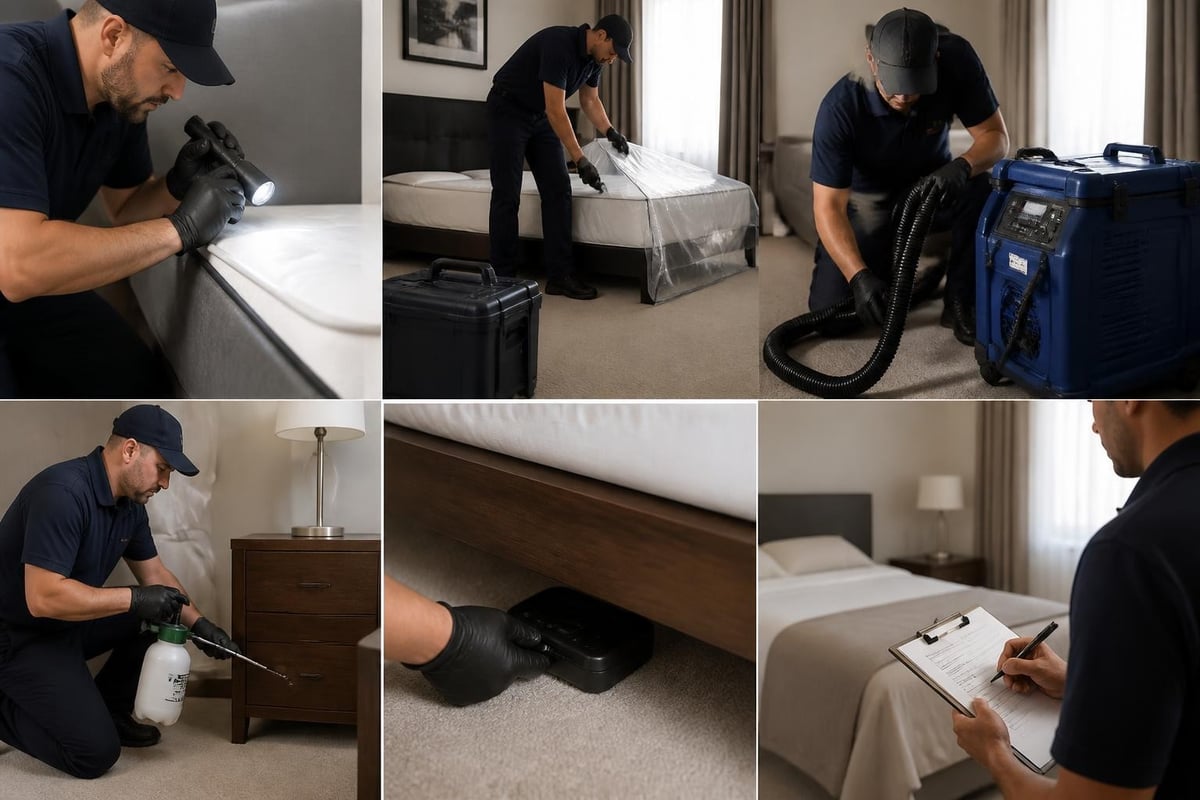
Effective bed bug treatment typically includes:
- Thorough inspection using visual examination and detection tools
- Heat treatment to eliminate all life stages
- Targeted insecticide application to harborage areas
- Mattress and furniture encasements
- Follow-up inspections to confirm elimination
The complexity of bed bug biology-their ability to hide in tiny crevices, survive without feeding for months, and develop resistance to certain pesticides-demands expertise that goes beyond basic pest control knowledge.
Regional Considerations for Richmond VA Property Owners
Geographic location significantly influences which pests you'll encounter and how effectively different treatment methods perform. Top exterminators in Richmond, VA understand the specific challenges posed by the region's climate, housing stock, and ecosystem.
Common Pest Pressures in Central Virginia
The Richmond area's humid subtropical climate creates ideal conditions for numerous pest species. Hot, humid summers support mosquito breeding, while mild winters allow many pests to remain active year-round rather than dying off seasonally.
| Pest Category | Peak Season | Key Concerns |
|---|---|---|
| Termites | Spring-Summer | Structural damage, swarming |
| Mosquitoes | May-September | Disease transmission, nuisance |
| Rodents | Fall-Winter | Contamination, property damage |
| Bed bugs | Year-round | Bites, psychological stress |
| Ants | Spring-Fall | Food contamination, structural nesting |
Local pest control experts recognize patterns specific to Richmond's neighborhoods. Older homes in historic districts face different challenges than newer suburban developments. Properties near wooded areas or water sources require different preventive strategies than urban locations.
Building-Specific Vulnerabilities
Richmond's diverse housing stock-from 18th-century homes in the Fan District to modern construction in Short Pump-presents varying pest vulnerabilities. Top exterminators adapt their approaches based on construction type, age, and condition.
Crawl space foundations, common in many Richmond homes, create particular challenges. These spaces can harbor moisture, provide rodent entry points, and offer ideal conditions for termites. Professional pest control teams understand how building characteristics influence pest activity and treatment effectiveness.
Evaluating Company Reputation and Track Record
In an industry where quality varies dramatically, researching a company's reputation becomes essential. Top exterminators build their businesses on consistent results and satisfied customers rather than aggressive marketing alone.
Customer Reviews and References
Online reviews provide valuable insights, but interpreting them requires critical thinking. Look beyond simple star ratings to understand the substance of customer experiences.
What to look for in reviews:
- Specific details about the pest problem and resolution
- Comments on technician professionalism and knowledge
- Information about follow-up service and results
- How the company handled any issues or complaints
- Patterns across multiple reviews rather than isolated incidents
Top exterminators typically maintain ratings of 4.5 stars or higher across multiple platforms. More importantly, they respond professionally to negative feedback and demonstrate commitment to resolving customer concerns.
Industry Recognition and Affiliations
Membership in professional organizations signals a company's commitment to industry standards and ongoing education. The National Pest Management Association provides resources, training, and networking opportunities that help member companies stay current with best practices.
Additional affiliations worth noting include:
- Better Business Bureau accreditation with strong ratings
- State and local pest control associations
- Manufacturer certifications for specialized treatments
- Environmental certification programs
- Community involvement and local business partnerships
These connections indicate a company invests in professional development and maintains relationships within the industry that support quality service delivery.
The Inspection Process: Foundation of Effective Treatment
Top exterminators distinguish themselves through thorough, systematic inspections that identify not just visible pests but underlying conditions that enable infestations. A comprehensive inspection forms the foundation for effective, lasting pest management.
What a Professional Inspection Includes
Superficial walk-throughs miss critical details that expert inspectors catch. Professional pest evaluations examine all areas where pests might enter, harbor, or breed.
- Exterior perimeter assessment including foundation, siding, roof edges, and utility penetrations
- Interior inspection of basements, attics, kitchens, bathrooms, and living spaces
- Moisture evaluation identifying leaks, condensation, and drainage issues
- Structural examination for damage, access points, and conducive conditions
- Documentation with photos, diagrams, and detailed findings
The inspection report should clearly explain what pests are present, how severe the infestation is, what conditions contribute to the problem, and what treatment approach will address it most effectively.
Using Technology for Better Diagnostics
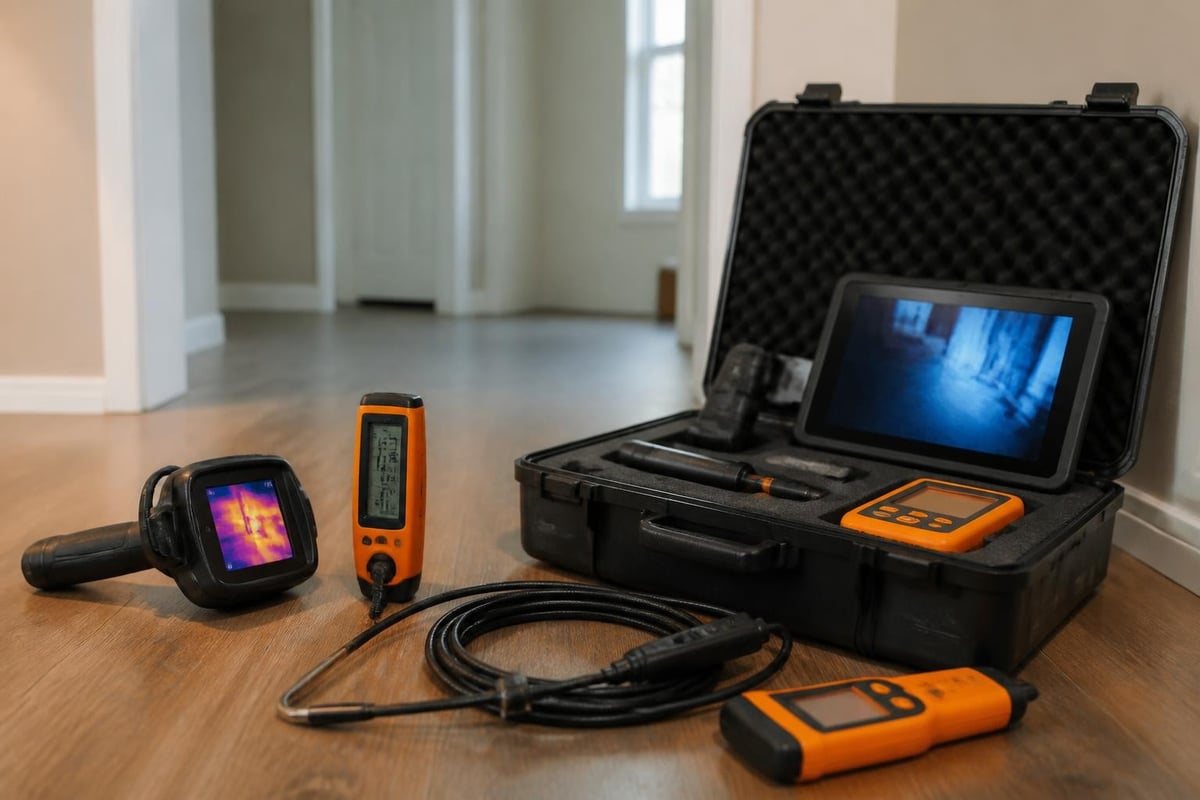
Advanced diagnostic tools help top exterminators detect problems invisible to the naked eye. Thermal imaging reveals moisture issues behind walls, while borescopes allow inspection of wall voids and other inaccessible spaces.
Modern pest control companies may employ:
- Moisture meters to identify conducive conditions
- Infrared cameras for thermal imaging
- Digital documentation systems with GPS-tagged photos
- Pest activity monitors and tracking systems
- Laboratory identification for difficult species
These technologies support more accurate diagnoses and targeted treatments, reducing both costs and chemical use while improving outcomes.
Treatment Approaches That Deliver Results
The methods top exterminators employ reflect current scientific understanding of pest biology and behavior. Effective treatment plans address immediate pest populations while modifying conditions that allowed infestations to develop.
Chemical vs. Non-Chemical Solutions
Modern pest management balances chemical treatments with alternative approaches. Research-based IPM guidance emphasizes using the least toxic effective methods while reserving more aggressive interventions for situations that require them.
Non-chemical control methods include:
- Physical exclusion through sealing and screening
- Habitat modification to eliminate food, water, and shelter
- Mechanical traps and removal devices
- Heat or cold treatments for temperature-sensitive pests
- Biological controls using natural predators or pathogens
When chemical treatments are necessary, top exterminators select products carefully based on target pest, location, and safety considerations. They apply materials precisely according to label directions, using the minimum effective amount in specific locations rather than broadcast applications.
Ongoing Monitoring and Maintenance
One-time treatments rarely provide lasting solutions for pest problems. Top exterminators implement monitoring systems that detect new activity early and allow proactive intervention before populations explode.
Regular maintenance visits typically occur quarterly, though frequency varies based on pest pressure, property characteristics, and treatment type. During these visits, technicians:
- Inspect for new pest activity or conducive conditions
- Refresh bait stations and monitoring devices
- Apply preventive treatments to critical areas
- Adjust strategies based on seasonal patterns
- Document findings and communicate with property owners
This ongoing relationship allows exterminators to refine their approach over time, learning your property's specific vulnerabilities and adapting treatments accordingly.
Safety Standards and Environmental Responsibility
Top exterminators prioritize the safety of occupants, pets, and the environment while effectively managing pest populations. This balance requires extensive knowledge of pesticide chemistry, application techniques, and risk management.
Protecting People and Pets During Treatment
Professional pest control companies follow strict protocols to minimize exposure risks during and after treatments. These procedures extend beyond basic regulatory requirements to ensure maximum safety.
Standard safety measures include:
- Clear communication about treatment schedules and re-entry times
- Proper ventilation during and after applications
- Securing treatment areas to prevent accidental exposure
- Using tamper-resistant bait stations in areas accessible to children or pets
- Providing safety data sheets and material information upon request
Top exterminators train technicians extensively in safe handling procedures and maintain detailed records of all products applied, quantities used, and locations treated. This documentation supports both regulatory compliance and customer transparency.
Environmental Stewardship Practices
Beyond protecting immediate occupants, leading pest control companies consider broader environmental impacts. Consumer Reports guidance on pest management emphasizes choosing companies that demonstrate environmental responsibility.
Environmentally conscious practices include:
- Selecting products with favorable environmental profiles
- Applying materials only where necessary rather than blanket treatments
- Properly disposing of unused materials and containers
- Minimizing water contamination through careful application near drains and waterways
- Participating in industry sustainability initiatives
These practices don't compromise effectiveness-they reflect sophisticated understanding of how to achieve pest control objectives efficiently while minimizing unintended consequences.
Commercial vs. Residential Expertise
While many pest control companies serve both residential and commercial clients, the best develop specialized expertise in each sector. The challenges differ significantly, requiring different approaches, equipment, and regulatory knowledge.
Residential Pest Control Specialization
Homeowners face unique pest challenges that demand personalized solutions. Top residential exterminators understand the emotional and financial stress pests cause and respond with empathy alongside technical expertise.
Residential specialists excel at:
- Communicating clearly with homeowners about treatment processes
- Working around family schedules and minimizing disruption
- Addressing aesthetic concerns while implementing controls
- Providing education about prevention and maintenance
- Building long-term relationships with homeowners
Richmond homeowners benefit from companies that understand local housing characteristics, from historic homes requiring careful treatment to newer construction with different vulnerabilities. SanPro’s approach emphasizes comprehensive solutions that address both immediate pest problems and underlying conditions.
Commercial Pest Management Programs
Businesses face regulatory requirements, reputation risks, and operational constraints that residential properties don't encounter. Top commercial exterminators develop compliance-oriented programs that document all activities and maintain standards required by health departments and industry regulators.
Commercial programs typically feature:
- Regular scheduled service to maintain pest-free conditions
- Detailed documentation for audit purposes
- Discreet service that doesn't disrupt business operations
- Industry-specific expertise (restaurants, healthcare, warehousing)
- 24/7 emergency response capabilities
The stakes in commercial settings often justify more intensive monitoring and preventive measures than residential properties require. Companies serving restaurants, for example, implement comprehensive programs that address the unique pest pressures these facilities face.
Making the Final Selection: Questions to Ask
Armed with knowledge about what separates top exterminators from average providers, you can make informed decisions when selecting a pest control partner. The right questions reveal whether a company possesses the expertise, resources, and commitment your property deserves.
Essential Questions for Every Prospective Provider
Before signing any agreement, gather information that helps you evaluate whether a company meets professional standards and fits your specific needs.
Critical questions include:
- What licenses and certifications do your technicians hold?
- How long have you been serving the Richmond area?
- What specific experience do you have with my pest problem?
- What treatment methods will you use and why?
- What preparation do I need to complete before treatment?
- How long until I see results?
- What guarantee do you offer on your work?
- What happens if pests return after treatment?
- Do you provide documentation of treatments performed?
- Can you provide references from similar situations?
Top exterminators answer these questions confidently and specifically. Vague responses or reluctance to provide details should raise concerns about a company's qualifications or business practices.
Understanding Service Agreements
Service contracts vary widely in terms, duration, and what they actually cover. Reading agreements carefully before signing prevents misunderstandings and ensures you receive the protection you expect.
Key contract elements to review:
- Specific pests covered under the agreement
- Treatment frequency and what each visit includes
- Guarantee terms and conditions for re-treatment
- Cancellation policies and required notice
- Price lock provisions or potential increases
- What happens if you sell the property
- Limitations or exclusions to coverage
Top exterminators use clear, straightforward contracts that specify exactly what services you'll receive. They explain terms willingly and answer questions patiently rather than rushing you through the signing process.
Long-Term Pest Prevention Strategies
Even the best exterminator can't completely prevent pest problems if property conditions remain conducive to infestations. Top professionals educate clients about prevention strategies that reduce pest pressure and minimize the need for intensive treatments.
Property Maintenance That Reduces Pest Pressure
Regular maintenance activities eliminate conditions that attract pests and provide entry points into structures. These efforts complement professional pest control services and extend their effectiveness.
High-impact prevention measures:
- Seal cracks and gaps in foundations, walls, and around utilities
- Repair window screens and install door sweeps
- Maintain proper drainage away from foundations
- Trim vegetation away from structures
- Store firewood away from buildings
- Fix plumbing leaks promptly
- Keep gutters clean and functional
- Eliminate standing water sources
Richmond's climate makes moisture management particularly important. High humidity supports numerous pests, from termites to mosquitoes. Controlling moisture through proper drainage, ventilation, and prompt leak repair significantly reduces pest attractiveness.
Seasonal Considerations and Adjustments
Pest activity changes throughout the year, requiring adaptive management strategies. Top exterminators adjust their approaches seasonally to address emerging threats before they become established infestations.
| Season | Priority Pests | Key Actions |
|---|---|---|
| Spring | Termites, ants, mosquitoes | Pre-treatment barriers, larvicide application |
| Summer | Mosquitoes, stinging insects, bed bugs | Ongoing monitoring, targeted treatments |
| Fall | Rodents, spiders, overwintering pests | Exclusion work, perimeter treatments |
| Winter | Rodents, occasional invaders | Interior monitoring, entry point sealing |
Understanding these patterns helps property owners anticipate problems and work proactively with their pest control provider. Companies that adjust treatment programs seasonally provide better value and results than those using identical approaches year-round.
Selecting top exterminators requires evaluating credentials, treatment approaches, customer service, and local expertise to find providers who deliver lasting results rather than quick fixes. Whether you're dealing with termites threatening your home's structure, bed bugs disrupting your sleep, or rodents contaminating your property, partnering with qualified professionals makes all the difference. SanPro brings comprehensive pest control expertise to Richmond, VA homeowners and businesses, combining advanced treatment methods with thorough inspection protocols and ongoing support to keep your property protected year-round.