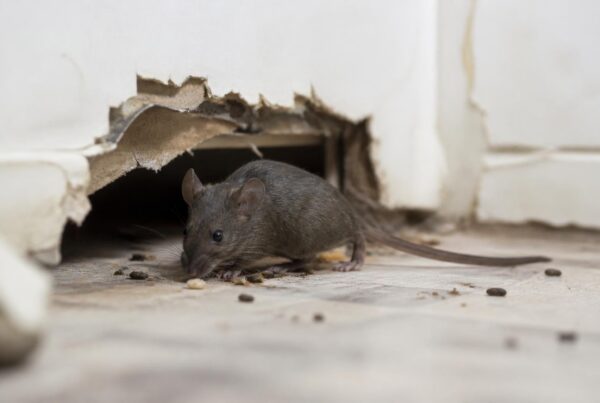
Moving into a new house represents one of life's most exciting milestones, whether you've purchased a newly constructed home or an existing property in Richmond, VA. Yet amid the excitement of unpacking boxes and planning renovations, many homeowners overlook a critical step that can save thousands of dollars and countless headaches down the road: establishing comprehensive pest control for new house protection. The first few months after moving in offer a unique window of opportunity to implement preventive measures, identify potential vulnerabilities, and create a pest-free foundation that protects your investment for years to come. Richmond's humid subtropical climate, with its warm summers and mild winters, creates ideal conditions for various pests including termites, rodents, mosquitoes, and carpenter ants, making professional pest management particularly important for new homeowners in the region.
Why New Houses Need Immediate Pest Protection
New construction doesn't automatically mean pest-free living. In fact, freshly built homes in Richmond often attract pests during and immediately after construction. Wood scraps, moisture from fresh concrete and paint, and gaps in the building envelope create perfect conditions for opportunistic invaders.
Termites represent one of the most serious threats to new homes. According to the EPA's guidance on Integrated Pest Management principles, Eastern Subterranean Termites-the species prevalent throughout Virginia-can establish colonies near new construction sites and begin attacking vulnerable wood within months. A single colony can consume up to one pound of wood per day, and damage often goes undetected until it becomes severe.
Construction Debris and Pest Attraction
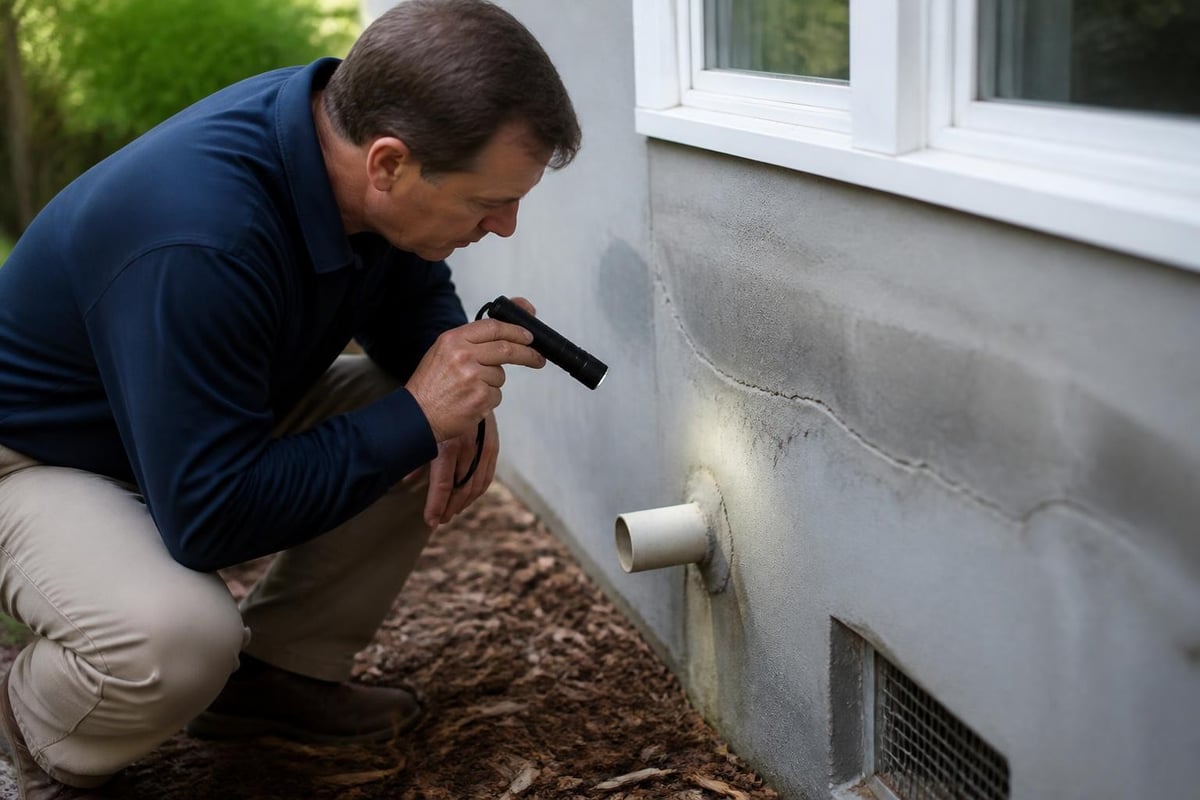
During construction, builders often leave behind materials that attract pests:
- Wood scraps buried near the foundation
- Cardboard and packaging materials in crawl spaces
- Standing water in ungraded areas
- Gaps around utility penetrations
- Unsealed expansion joints
These seemingly minor oversights create entry points and food sources. Rodents particularly appreciate the shelter provided by construction debris, while termites thrive on buried wood in contact with soil. Addressing these issues during your first weeks of occupancy prevents long-term infestations.
Pre-Move Inspection Strategies
Before signing your closing papers, scheduling a thorough pest inspection provides invaluable peace of mind. Unlike general home inspections, specialized pest evaluations examine specific vulnerabilities that standard inspectors might miss.
Professional exterminators in Richmond, VA assess several critical areas:
| Inspection Zone | What Experts Look For | Common Findings |
|---|---|---|
| Foundation | Termite tubes, cracks, moisture | Settlement cracks, poor drainage |
| Attic | Rodent droppings, nesting materials | Insufficient ventilation, entry gaps |
| Crawl Space | Standing water, wood damage, rodent activity | High humidity, exposed soil |
| Exterior | Gap around utilities, damaged screens | Missing door sweeps, open vents |
| Landscaping | Mulch depth, wood contact, drainage | Improper grading, vegetation contact |
Many home warranties exclude pre-existing pest damage, making pre-purchase documentation essential. A clean pest report strengthens your negotiating position and identifies necessary treatments before you move belongings into potentially infested spaces.
Timing Your Initial Treatment
The optimal time for implementing pest control for new house measures falls between your final walkthrough and move-in day. This window allows treatments to dry properly and ensures pesticides don't contact your furniture, clothing, or food items.
Richmond's seasonal patterns influence treatment timing. Spring and early summer see peak termite swarming activity, while fall brings rodents seeking winter shelter. Coordinating your initial treatment with these cycles maximizes effectiveness.
Essential Pest-Proofing During Move-In
The chaos of moving day presents opportunities to implement preventive measures that become difficult once you've settled in. While unpacking boxes, take time to seal potential entry points and establish pest barriers.
Focus your initial pest-proofing efforts on these high-priority areas:
Foundation and Exterior Perimeter
- Seal cracks wider than 1/16 inch with polyurethane caulk
- Install door sweeps on all exterior doors
- Add weatherstripping to garage doors
- Screen all vents, including dryer and bathroom exhausts
- Repair damaged window screens immediately
Kitchen and Bathrooms
- Caulk gaps around plumbing penetrations under sinks
- Seal the space between countertops and walls
- Install sink strainers to prevent drain flies
- Check washing machine and dishwasher connections
- Verify proper ventilation fan operation
Attic and Crawl Space
- Install hardware cloth over larger vents
- Seal gaps where utilities enter the structure
- Ensure proper insulation around ductwork
- Verify vapor barrier installation in crawl spaces
- Check that soffit vents have intact screening
The University of California’s pest prevention guide emphasizes that exclusion-physically blocking pest entry-provides the most cost-effective and environmentally responsible long-term protection. These measures work 24/7 without requiring chemicals or ongoing maintenance.
Richmond-Specific Pest Threats
Geography and climate shape the pest landscape dramatically. New homeowners in Richmond, VA face distinct challenges compared to those in other regions, requiring tailored pest control approaches.
Termites: The Silent Destroyers
Eastern Subterranean Termites represent the primary wood-destroying insect threat throughout central Virginia. These pests build extensive underground colonies that can contain hundreds of thousands of workers, all consuming cellulose 24 hours daily.
Warning signs of termite activity include:
- Mud tubes along foundation walls
- Discarded wings near windows in spring
- Hollow-sounding wood when tapped
- Bubbling or uneven paint on wood surfaces
- Sagging floors or ceilings
Professional termite protection typically involves liquid soil treatments creating a chemical barrier around your foundation perimeter or bait station systems that eliminate entire colonies. Both approaches require specialized equipment and licensed applicators. For comprehensive protection that addresses moisture control-a key factor in termite prevention-professional crawl space services can dramatically reduce the humid conditions termites need to thrive.
Rodents and Wildlife
Richmond's suburban expansion brings homes into closer contact with natural wildlife habitats. Mice, rats, squirrels, and raccoons view new construction as opportunity rather than obstacle.
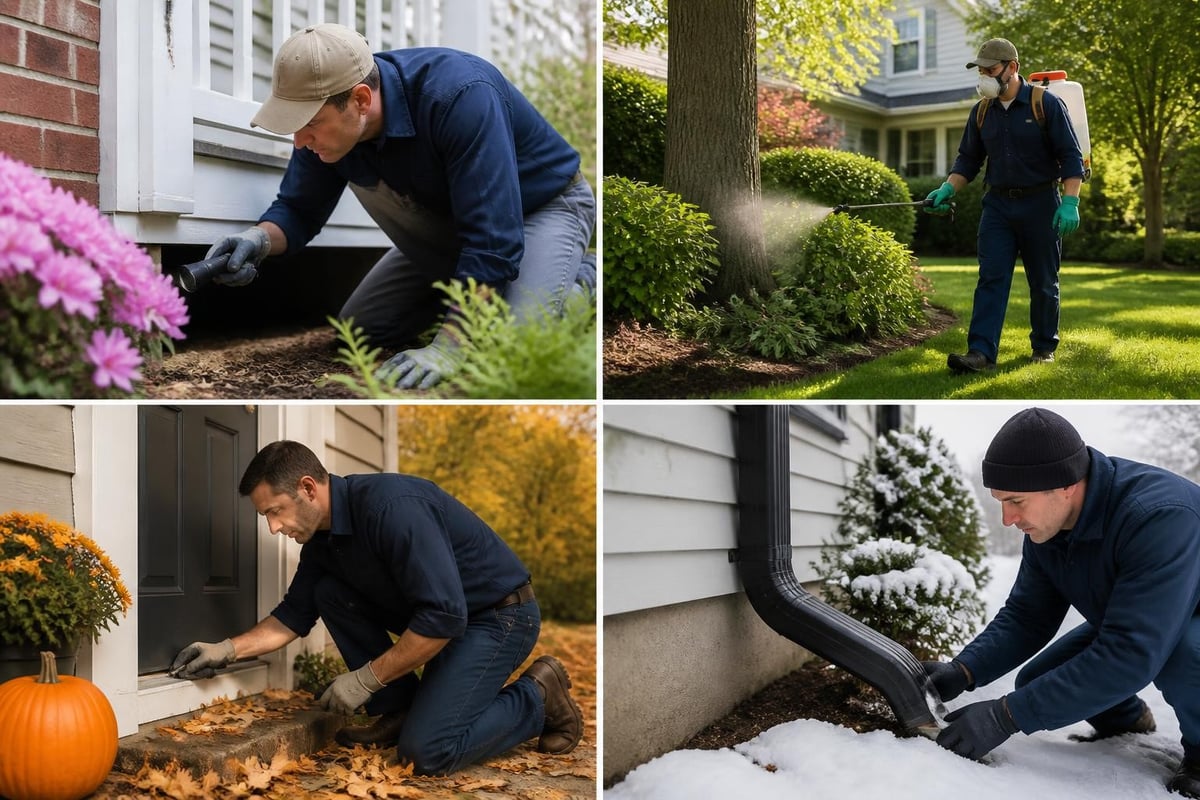
Rodent control requires understanding behavior patterns. Mice can squeeze through openings as small as a dime, while rats need only quarter-sized gaps. Both species:
- Follow established trails along walls and foundations
- Prefer entering through gaps at ground level
- Seek food, water, and nesting materials
- Reproduce rapidly once established
- Carry diseases and parasites
Effective rodent exclusion checklist:
- Seal all openings larger than 1/4 inch with steel wool and caulk
- Trim tree branches at least six feet from the roofline
- Store firewood at least 20 feet from the house
- Keep garbage in sealed metal or heavy plastic containers
- Eliminate standing water sources in yards and gutters
- Maintain at least a two-foot vegetation-free zone around the foundation
Mosquitoes and Ticks
Richmond's warm, humid summers create ideal breeding conditions for mosquitoes, while the region's wooded areas harbor significant tick populations. Both pests pose health risks beyond mere annoyance.
Mosquito prevention focuses on eliminating standing water:
- Clean gutters monthly during growing season
- Empty flower pot saucers weekly
- Change birdbath water twice weekly
- Treat ornamental ponds with mosquito dunks
- Ensure proper yard grading prevents puddles
Tick management requires landscape modification. Keeping grass short, removing leaf litter, and creating wood chip or gravel barriers between wooded areas and lawns significantly reduces tick encounters. The National Pesticide Information Center offers science-based guidance on safe tick repellent use and environmental management strategies.
Professional vs. DIY Pest Control
New homeowners often wonder whether professional pest control services justify the expense or if DIY approaches suffice. The answer depends on several factors including pest type, infestation severity, home construction details, and your comfort level with pesticide application.
When Professional Help Makes Sense
Certain situations demand professional expertise:
Structural Pests
Termites, carpenter ants, and wood-boring beetles require specialized treatment methods and ongoing monitoring that exceed typical homeowner capabilities. These pests cause expensive damage that far outweighs professional treatment costs. Licensed pest control services in Richmond, VA typically offer warranty programs guaranteeing re-treatment if infestations return within specified timeframes.
Severe Infestations
Once rodents establish nests in walls or attics, or cockroaches colonize kitchen cabinets, DIY treatments rarely achieve complete elimination. Professionals possess commercial-grade products, application equipment, and biological knowledge necessary for effective eradication.
Health and Safety Concerns
Pesticide misapplication poses serious risks. According to EPA smart pest control guidance, improper chemical use sends thousands to emergency rooms annually. Professional exterminators hold licenses requiring training in safe application methods, proper dosing, and environmental protection.
DIY Approaches That Work
Homeowners can effectively manage many pest issues using integrated pest management principles:
| Pest Type | Effective DIY Methods | When to Call Professionals |
|---|---|---|
| Ants | Baits, entry point sealing, sanitation | Carpenter ants, persistent colonies |
| Spiders | Vacuuming, outdoor lighting changes, exclusion | Venomous species, severe infestations |
| Pantry Pests | Food storage in sealed containers, cleaning | Widespread contamination, moths |
| Occasional Invaders | Door sweeps, dehumidification, exclusion | Continuous entry despite efforts |
Consumer Reports’ pest control guide emphasizes that the most successful pest management combines prevention, monitoring, and targeted treatment. Even when hiring professionals, homeowner participation in sanitation and exclusion dramatically improves outcomes.
Creating Your Pest Management Plan
Effective pest control for new house protection requires structured planning rather than reactive scrambling when problems emerge. Developing a year-round management strategy during your first months of ownership establishes routines that become second nature.
Monthly Maintenance Tasks
Consistency prevents small issues from becoming major infestations:
- Inspect perimeter foundation for new cracks, termite tubes, or rodent burrows
- Check door sweeps and weatherstripping for wear and damage
- Clean gutters and downspouts to eliminate standing water
- Trim vegetation maintaining the two-foot clearance zone
- Examine attic and crawl space for signs of wildlife or moisture problems
- Test dehumidifiers if installed in basements or crawl spaces
- Replace exterior light bulbs with yellow or LED options that attract fewer insects
Quarterly Professional Inspections
Even in new construction, scheduling quarterly visits from experienced pest control professionals provides value beyond simple pesticide application. These inspections identify emerging problems before they require expensive remediation.
Professional quarterly services typically include:
- Comprehensive interior and exterior inspection
- Targeted treatment of identified pest activity
- Perimeter barrier maintenance to prevent entry
- Written documentation of findings and treatments
- Recommendations for structural or landscape modifications
Many Richmond area pest control companies offer service agreements bundling quarterly visits with emergency call-backs and specific guarantees. These programs cost substantially less than addressing serious infestations reactively.
Special Considerations for Different Home Types
Not all new houses present identical pest challenges. Construction type, lot characteristics, and surrounding land use influence which pests you'll encounter and which prevention strategies work best.
New Construction Homes
Freshly built houses offer advantages and unique vulnerabilities. Modern building codes require termite-resistant construction techniques in many areas, including treated lumber and foundation barriers. However, the construction process itself can introduce problems.
New construction pest control priorities:
- Schedule pre-landscaping termite treatment while soil remains exposed
- Inspect for construction debris in crawl spaces before closing
- Verify that vapor barriers were installed correctly
- Ensure all utility penetrations received proper sealing
- Document the condition of pest-prone areas with photographs
Builders occasionally offer pest control packages as closing incentives. Review these carefully-they may provide genuine value or simply shift responsibility for pre-existing conditions.
Historic or Renovated Properties
Richmond's older neighborhoods feature beautiful historic homes that require different pest management approaches than new construction. Renovation projects that modernize mechanical systems or update kitchens can disturb established pest populations or create new entry points.
When moving into renovated older homes:
- Assume gaps exist in the building envelope despite recent work
- Plan for more aggressive initial treatment since pest populations may be established
- Budget for additional exclusion work around old foundation walls
- Consider the impact of shared walls in attached rowhouses
- Investigate attic spaces thoroughly as many renovations skip these areas
The charm of original hardwood floors and plaster walls comes with construction methods that predate modern pest prevention standards. Working with professionals experienced in historic properties ensures treatments don't damage original materials while still achieving pest protection.
Homes with Attached Garages
Garage spaces represent significant pest entry points that many homeowners neglect. These unconditioned spaces connect directly to living areas, providing highways for pests seeking food, water, and shelter.
Garage-specific pest prevention includes:
- Installing commercial-grade door sweeps with rubber gaskets
- Sealing gaps between garage walls and house connections
- Maintaining organization to eliminate hiding spaces
- Storing pet food, birdseed, and other attractants in sealed containers
- Repairing cracks in garage floor slabs promptly
For homeowners seeking professional garage services to improve organization and seal floor cracks, incorporating pest prevention into those upgrades creates layered protection. Many garage floor coating services include crack repair that eliminates pest harborage while improving aesthetics.
Landscape Design for Pest Prevention
The exterior environment surrounding your new house influences indoor pest pressure significantly. Strategic landscape choices create natural barriers while enhancing curb appeal-achieving both beauty and function.
Plant Selection and Placement
Certain plants attract or repel specific pests. While no plant completely prevents infestations, thoughtful selection reduces pest appeal:
Pest-deterrent plants for Richmond gardens:
- Lavender (repels moths and mosquitoes)
- Rosemary (deters various insects)
- Mint (repels ants and mice, but plant in containers as it spreads aggressively)
- Marigolds (deter aphids and mosquitoes)
- Chrysanthemums (contain natural pyrethrins)
More important than specific species is maintaining proper distance from your foundation. Dense plantings against walls create humid microclimates and pest highways. The UC IPM quick tips library recommends maintaining at least 18-24 inches of clearance between foundation walls and plant foliage.
Hardscape Materials and Pest Management
Decorative hardscaping adds value and reduces maintenance, but material choices affect pest activity. Organic mulches like wood chips and pine straw retain moisture and provide food for termites. For beds within ten feet of your foundation, consider alternatives:
- River rock or pea gravel
- Recycled rubber mulch
- Pine needles (less attractive to termites than wood)
- Decomposed granite
If you're planning significant hardscape installation such as patios, walkways, or retaining walls, working with experienced contractors who understand proper drainage ensures pest-resistant construction. Services specializing in paver restoration and installation can design hardscapes that channel water away from foundations while creating beautiful outdoor living spaces that don't harbor pests.
Irrigation and Drainage Management
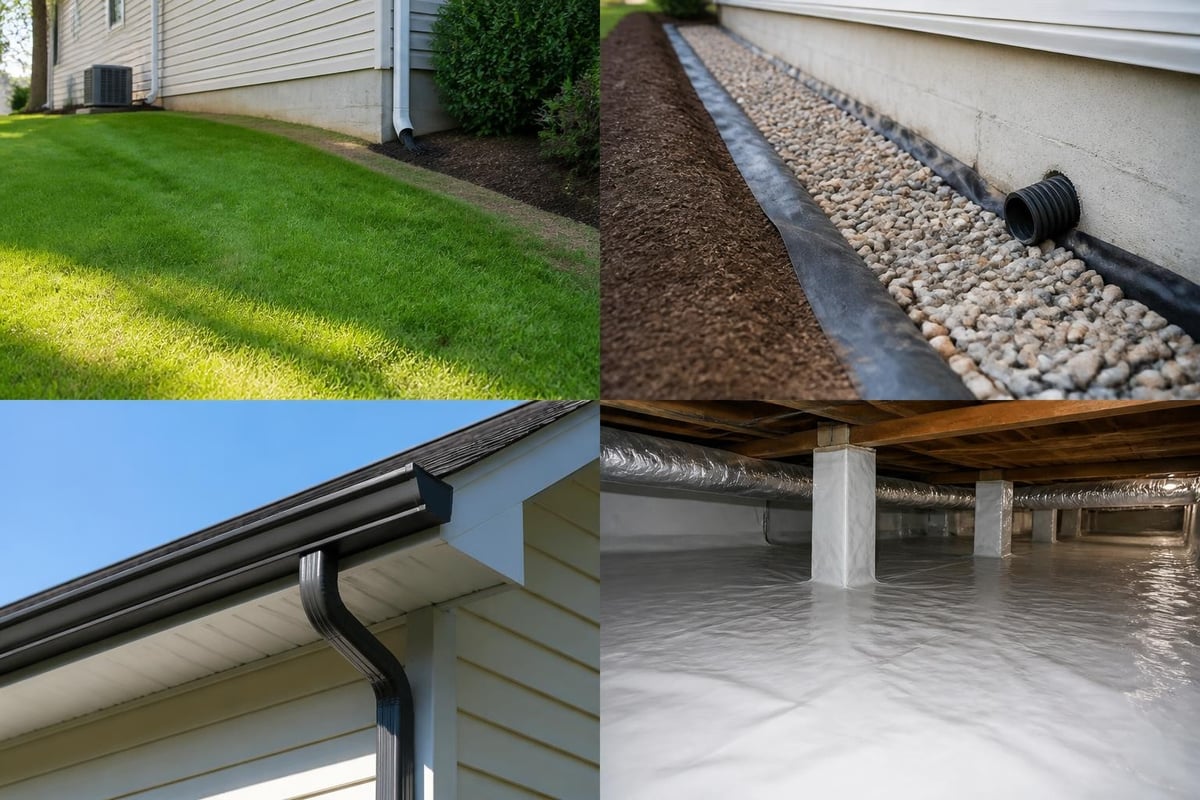
Excess moisture attracts nearly every pest species. Your irrigation system design and landscape grading determine whether your property sheds water efficiently or creates pest habitat.
Water management best practices:
- Grade slopes away from foundation at minimum 6 inches per 10 feet of distance
- Install gutters and downspouts directing water at least 5 feet from walls
- Use drip irrigation instead of sprinklers to minimize standing water
- Fix leaks immediately in outdoor faucets and irrigation systems
- Avoid overwatering lawns and gardens-most plants need far less water than homeowners apply
French drains, dry creek beds, and rain gardens manage stormwater while creating landscape features that enhance rather than detract from aesthetics.
Indoor Pest Prevention Habits
Beyond structural modifications and professional treatments, daily habits determine whether your new house remains pest-free or develops chronic problems. These practices cost nothing but attention and consistency.
Kitchen Sanitation Standards
Food pests like ants, cockroaches, and pantry moths exploit even minor sanitation lapses. Establishing strict kitchen routines during your first weeks in a new house prevents problems that become ingrained habits.
Daily kitchen pest prevention:
- Wipe counters thoroughly after meal preparation
- Sweep floors nightly, especially under appliances
- Take garbage out daily or store in sealed containers
- Wash dishes immediately or load dishwasher
- Store all food in airtight containers
- Clean up pet food between meals
- Fix leaky faucets and repair dripping pipes
Weekly kitchen maintenance:
- Empty and clean under sink cabinet
- Pull out refrigerator and stove to clean behind them
- Vacuum along baseboards where crumbs accumulate
- Clean toaster crumb trays
- Wipe down cabinet fronts and handles
- Check pantry for signs of pests or spilled food
Professional house cleaning services help busy homeowners maintain the consistent sanitation standards that prevent pest infestations, particularly in kitchens and bathrooms where moisture and organic matter accumulate.
Storage Strategies That Prevent Pests
How you organize and store belongings influences pest risk significantly. Rodents and insects thrive in cluttered spaces that provide undisturbed harborage.
Implement these storage practices from day one:
- Use plastic bins instead of cardboard boxes for long-term storage
- Elevate stored items on shelves or pallets rather than placing directly on floors
- Rotate seasonal items regularly to disturb any pests attempting to nest
- Avoid storing newspapers, magazines, or paper grocery bags which attract silverfish and roaches
- Keep storage areas well-lit and inspect them monthly
Basements, attics, and garages require particular attention. These spaces often have less climate control and more entry points than main living areas.
Advanced Protection: Crawl Space and Attic Management
Two areas critically important for pest control for new house success often receive inadequate attention: crawl spaces and attics. These semi-conditioned zones provide ideal pest habitat when poorly maintained but create robust barriers when properly managed.
Crawl Space Essentials
Exposed soil in crawl spaces releases moisture that attracts pests and promotes mold growth. Modern vapor barrier systems transform these problem areas into dry, inhospitable environments for termites, rodents, and other pests.
Effective crawl space pest control includes:
- Complete ground coverage with heavy-duty vapor barrier
- Sealed foundation vents to control humidity
- Insulated walls or floors to prevent condensation
- Dehumidification systems maintaining humidity below 60%
- Regular inspection access allowing quarterly monitoring
Moisture problems in crawl spaces affect the entire home, including pest pressure. Professional encapsulation addresses multiple issues simultaneously, making it one of the most valuable investments new homeowners can make.
Attic Ventilation and Insulation
Proper attic conditions prevent overheating in summer and ice dams in winter while discouraging pest activity. Rodents seeking nesting sites particularly favor poorly ventilated attics with inadequate insulation.
Key attic pest prevention measures:
- Ensure soffit and ridge vents provide adequate airflow
- Maintain insulation depth appropriate for Richmond's climate zone
- Seal gaps around electrical wiring and plumbing penetrations
- Install rodent-proof covers on turbine vents
- Inspect quarterly for signs of wildlife entry
When attic insulation requires replacement or upgrading, incorporating pest barriers and exclusion work into the project maximizes efficiency. Disturbed insulation provides excellent evidence of rodent activity that might otherwise go undetected.
Understanding Treatment Options and Safety
Modern pest control balances effectiveness with environmental responsibility and human safety. New homeowners should understand available treatment approaches to make informed decisions.
Integrated Pest Management (IPM) Philosophy
IPM represents the gold standard in pest control, emphasizing prevention and minimal chemical use. This science-based approach combines:
- Monitoring to identify pests and assess populations
- Prevention through exclusion, sanitation, and habitat modification
- Threshold evaluation determining when action becomes necessary
- Control selection using least-toxic effective methods first
- Evaluation assessing treatment effectiveness and adjusting approaches
Penn State Extension’s downloadable resources explain IPM principles in practical terms homeowners can implement immediately.
Chemical Treatment Safety
When pesticides become necessary, proper selection and application protect your family and pets while controlling target pests.
Key safety considerations:
| Treatment Type | Application Location | Re-entry Time | Special Precautions |
|---|---|---|---|
| Liquid Barrier | Exterior perimeter | 2-4 hours after drying | Keep pets away until dry |
| Gel Baits | Interior cracks, crevices | Immediate with caution | Place only where children/pets can't access |
| Granular | Lawn, landscape beds | After watering in | Prevent pets from eating granules |
| Dust | Wall voids, attics | N/A (isolated areas) | Ensure proper sealing of access points |
Licensed pest control professionals in Richmond, VA carry insurance and follow state regulations governing pesticide application. When hiring services, verify:
- Current Virginia pesticide applicator license
- General liability and worker's compensation insurance
- Written treatment plans specifying products and methods
- Material Safety Data Sheets (MSDS) for products used
- Clear instructions for pre- and post-treatment preparations
Green and Organic Alternatives
Environmentally conscious homeowners increasingly seek pest control options with minimal environmental impact. Several effective approaches use naturally derived or mechanical methods:
- Diatomaceous earth for crawling insects
- Botanical insecticides (pyrethrins, neem oil) for various pests
- Heat treatment for bed bugs
- Mechanical traps for rodents
- Pheromone-based monitoring for pantry pests
These alternatives work best within comprehensive IPM programs rather than as standalone solutions. Professional pest control companies increasingly offer green service options responding to consumer demand for lower-impact treatments.
Seasonal Pest Control Calendar for Richmond Homeowners
Timing treatments and inspections to Richmond's seasonal pest patterns improves effectiveness and efficiency. Different pests become active during specific seasons, requiring adjusted strategies throughout the year.
Spring (March-May)
Spring brings termite swarms and increased ant activity as temperatures warm. This season represents the critical time for establishing perimeter barriers before pests become fully active.
Spring pest control priorities:
- Schedule professional termite inspection by late March
- Apply pre-emergent barrier treatments around foundation
- Inspect and seal any winter damage to exclusion points
- Begin mosquito prevention before populations explode
- Check attic and crawl space for winter wildlife activity
Summer (June-August)
Richmond's hot, humid summers create peak conditions for mosquitoes, ticks, and stinging insects. Focus shifts toward managing outdoor pests and maintaining indoor climate control that discourages pest entry.
Summer maintenance focus:
- Empty standing water sources weekly
- Maintain lawn height to reduce tick habitat
- Monitor for yellow jacket and wasp nest construction
- Ensure air conditioning maintains comfortable indoor humidity
- Keep window screens in good repair
Fall (September-November)
Cooling temperatures trigger rodents and overwintering insects to seek indoor shelter. Fall provides the most important season for exclusion work and barrier establishment.
Fall prevention checklist:
- Seal all gaps and cracks before cold weather
- Remove outdoor debris piles where pests overwinter
- Clean gutters to prevent ice dams and moisture issues
- Trim tree branches away from roof lines
- Store firewood away from house on elevated racks
Winter (December-February)
Winter in Richmond remains mild enough that pest activity doesn't completely stop. Focus on indoor monitoring and addressing any infiltration while planning spring treatments.
Winter monitoring:
- Check for rodent activity in attics and garages
- Monitor for cluster flies and ladybugs in unused rooms
- Inspect stored belongings for signs of pests
- Schedule spring service planning with pest control providers
- Review and update your annual pest management plan
Cost Considerations and Budgeting
Understanding pest control expenses helps new homeowners budget appropriately and avoid unpleasant financial surprises. Costs vary dramatically based on services required, home size, and pest pressure.
Initial Investment vs. Ongoing Costs
Establishing comprehensive pest control for new house protection typically involves higher initial costs followed by lower maintenance expenses.
First-year budget considerations:
- Pre-purchase inspection: $200-500 depending on home size and scope
- Initial treatment (general pests): $300-600 for comprehensive service
- Termite treatment (if needed): $1,200-3,000+ depending on method and home size
- Rodent exclusion work: $500-2,000 based on extent of gaps
- Quarterly maintenance plan: $400-800 annually after initial setup
Long-term cost savings:
Investing in proper pest prevention during your first year typically reduces annual costs by 60-70% compared to reactive treatment of established infestations. Termite damage repairs average $3,000 nationally but can exceed $10,000 for severe structural damage-making preventive treatment costing $1,500 a bargain by comparison.
Service Agreements and Warranties
Many professional pest control companies in Richmond, VA offer service agreements providing better value than a la carte treatments. These typically include:
- Quarterly or monthly scheduled service visits
- Unlimited emergency callbacks between scheduled visits
- Specific guarantees for target pests
- Reduced rates for additional services
- Priority scheduling during peak seasons
Review service agreements carefully, paying particular attention to exclusions, cancellation policies, and guarantee terms. Reputable companies clearly explain what pests are covered, under what conditions they'll retreat, and any homeowner responsibilities that affect warranty validity.
Maintaining Your Investment Long-Term
Pest control isn't a one-time project but an ongoing commitment that protects your home's value and your family's health. Building pest management into your routine home maintenance ensures problems don't develop during moments of inattention.
Documentation and Record-Keeping
Maintaining detailed records of pest control activities serves multiple purposes:
Create files documenting:
- Dates and types of all treatments applied
- Names and license numbers of service providers
- Products used and their active ingredients
- Locations where treatments were applied
- Results and any follow-up needs
- Costs and payment records
These records prove valuable when selling your home, resolving warranty disputes, or managing health concerns. They also help new service providers understand your property's pest history if you switch companies.
Knowing When to Escalate
Despite best efforts, some pest problems exceed homeowner capabilities or indicate underlying structural issues requiring immediate attention.
Red flags requiring professional intervention:
- Seeing pests during daytime hours (suggests large populations)
- Finding multiple dead pests without explanation
- Persistent problems despite consistent DIY efforts
- Evidence of structural damage (sagging floors, hollow wood)
- Allergic reactions or unexplained bites
- Discovering large nests or colony activity
Delaying professional help when situations escalate allows problems to worsen exponentially. Pest populations grow geometrically rather than arithmetically-waiting two weeks can triple rodent populations or allow termite damage to spread from minor to structural.
Working with Professional Pest Control Providers
Selecting the right pest control partner significantly impacts your success in maintaining a pest-free home. Not all companies provide equal service quality, and the cheapest option rarely delivers the best long-term value.
Questions to Ask Before Hiring
Evaluate potential pest control providers thoroughly before signing agreements:
Licensing and credentials:
- What licenses does your company hold in Virginia?
- Are technicians certified in specific pest types?
- Do you carry liability insurance and worker's compensation?
- How long have you served the Richmond area?
Service approach:
- What pest control philosophy guides your treatments?
- Do you follow IPM principles?
- What products do you typically use?
- How do you determine treatment methods?
Logistics and policies:
- What preparation do homeowners need to do before service?
- How long before we can re-enter treated areas?
- What happens if pests return between scheduled visits?
- What does your service guarantee actually cover?
Building a Long-Term Partnership
The most effective pest control relationships develop over months and years as providers learn your property's unique characteristics and you establish trust in their expertise.
Support this partnership by:
- Scheduling appointments during periods you can be present
- Communicating concerns and observations clearly
- Following pre-treatment and post-treatment instructions
- Implementing recommended structural or landscape changes
- Providing access to all areas technicians need to inspect
- Paying invoices promptly and reading service reports
Professional pest control services involve your home's safety and your family's health. Treating providers as partners rather than vendors improves communication and outcomes significantly.
Protecting your new house from pests requires strategic planning, consistent effort, and professional expertise working together to create comprehensive defense. From pre-purchase inspections through establishing seasonal maintenance routines, each step builds upon the previous one to create lasting protection against Richmond's diverse pest threats. Whether you're moving into new construction, a renovated historic property, or an existing home, implementing these strategies during your first months of ownership establishes the foundation for years of pest-free living. SanPro brings decades of experience helping Richmond homeowners protect their most valuable investment with comprehensive pest control, crawl space encapsulation, and insulation services tailored to Virginia's unique climate and pest challenges-schedule your initial consultation today to begin building your customized pest management plan.