| Pest Type | Sign of a Simple Problem | Your DIY Solution |
| Common Ants | A single trail of ants leading to a spilled food source. | Clean up the food source immediately, use store-bought ant baits near the entry point, and seal visible cracks. |
| Occasional Spiders | Seeing one or two harmless house spiders in the corner of a room. | Vacuum up the spider and its web, and keep your home free of excessive clutter (which provides hiding spots). |
| House Flies/Fruit Flies | A few flies buzzing around a garbage can or overripe fruit. | Remove the food source, use fly strips, or pour boiling water down drains where fruit flies may be breeding. |
| Exterior Nuisances | A few beetles, centipedes, or crickets found near a basement window well or door. | Seal and caulk exterior cracks, ensure your perimeter has good drainage, and trim back overgrown shrubs. |
- Pest is Easily Identifiable: You know exactly what it is and what its basic needs are.
- Sighting is Isolated: You’ve seen only one or two, and there are no signs of a nest or colony.
- Quick Results: The problem is resolved completely with a single application of an over-the-counter product and simple sanitation within a few days.
- Termites: Seeing mud tubes, discarded wings, or damaged wood that sounds hollow. DIY methods only kill workers, leaving the colony and the queen to continue their destruction.
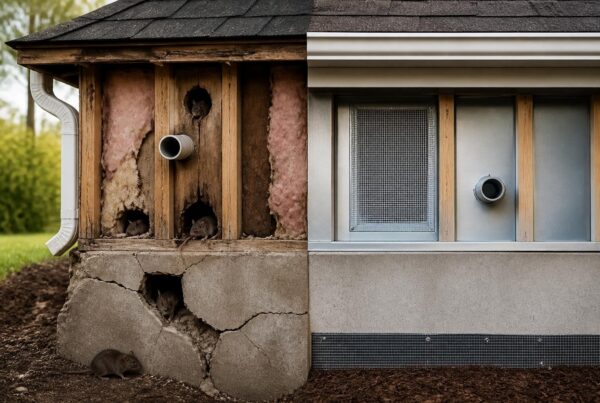
- Rodents (Mice & Rats): Finding multiple droppings, hearing persistent scratching in walls or attic, or seeing gnaw marks on wires or wood. Rodents reproduce quickly and can spread serious diseases. Professionals focus on elimination, exclusion (sealing entry points), and remediation of nesting sites.
- Carpenter Ants/Bees: Seeing piles of sawdust-like wood shavings (frass) or hearing a faint rustling sound in your walls. These pests tunnel into wood, compromising its structural integrity.
- Bed Bugs: Waking up with small, itchy red bites, or finding small, dark (fecal) spots on your mattress seams. Bed bugs are extremely elusive, resistant to most consumer sprays, and can quickly spread throughout your home. This requires professional heat or chemical treatment.
- Stinging Insects (Wasps, Yellow Jackets, Hornets): Finding an active nest attached to your home or ground. Attempting DIY removal of a nest can provoke a massive swarm, leading to serious injury or anaphylaxis.
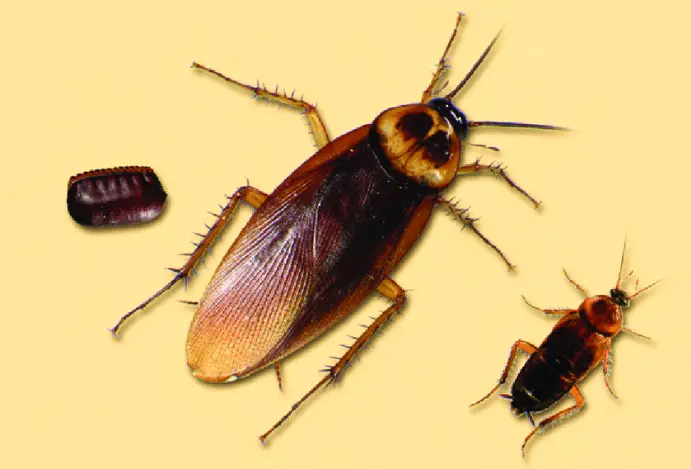
- Cockroaches (Especially German Cockroaches): Seeing multiple roaches (especially during the day), or noticing a strong, oily, musty odor. Cockroaches reproduce rapidly, hide in hard-to-reach areas, and carry bacteria that can contaminate food and trigger asthma.
- Massive Numbers: You are seeing dozens of pests regularly, even after using DIY products.
- Structural Entry: The pests are coming in through a seemingly invisible source, indicating foundation or attic breaches.
- DIY Failure: You have tried two or more DIY methods, and the pests have returned within a month. Professionals have access to commercial-grade products, specialized equipment, and the training to target the source, not just the symptom.
| Factor | DIY Approach | Professional Service |
| Cost | Low initial cost on products (bait, spray, traps). | Higher initial cost, often with service guarantees. |
| Time | Weeks or months of repeat attempts, monitoring, and cleaning. | One or two targeted services. |
| Effectiveness | Temporary relief, often only treating surface pests. | Targeted treatment of the colony/nest, leading to long-term eradication. |
| Damage/Risk | High risk of structural damage or health issues if mismanaged. | Damage prevention and guaranteed safety. |