When you hear scratching, scurrying, or gnawing sounds coming from inside your walls, you're likely dealing with one of the most common and troubling pest problems homeowners face. Rats in walls create both immediate concerns and long-term risks that extend far beyond the unsettling noises they produce. These rodents can damage structural components, chew through electrical wiring, contaminate insulation, and pose serious health hazards to your family. Understanding how these pests infiltrate your walls, recognizing the warning signs, and knowing the proper steps for removal and prevention are essential for protecting your Richmond, VA property. This comprehensive guide provides professional insights into managing rat infestations within wall cavities, drawing from proven pest control methodologies and industry best practices.
Why Rats Choose Wall Cavities
Wall cavities provide an ideal habitat for Norway rats and roof rats seeking shelter, warmth, and protection from predators. These enclosed spaces offer consistent temperature regulation, especially during Virginia's cold winters and hot summers.
Rats prefer wall voids because they provide safe pathways throughout your home. The vertical and horizontal channels created by wall studs and plumbing chases allow rodents to travel between floors and rooms without exposure. These protected routes connect food sources in kitchens to nesting areas in quieter sections of the structure.
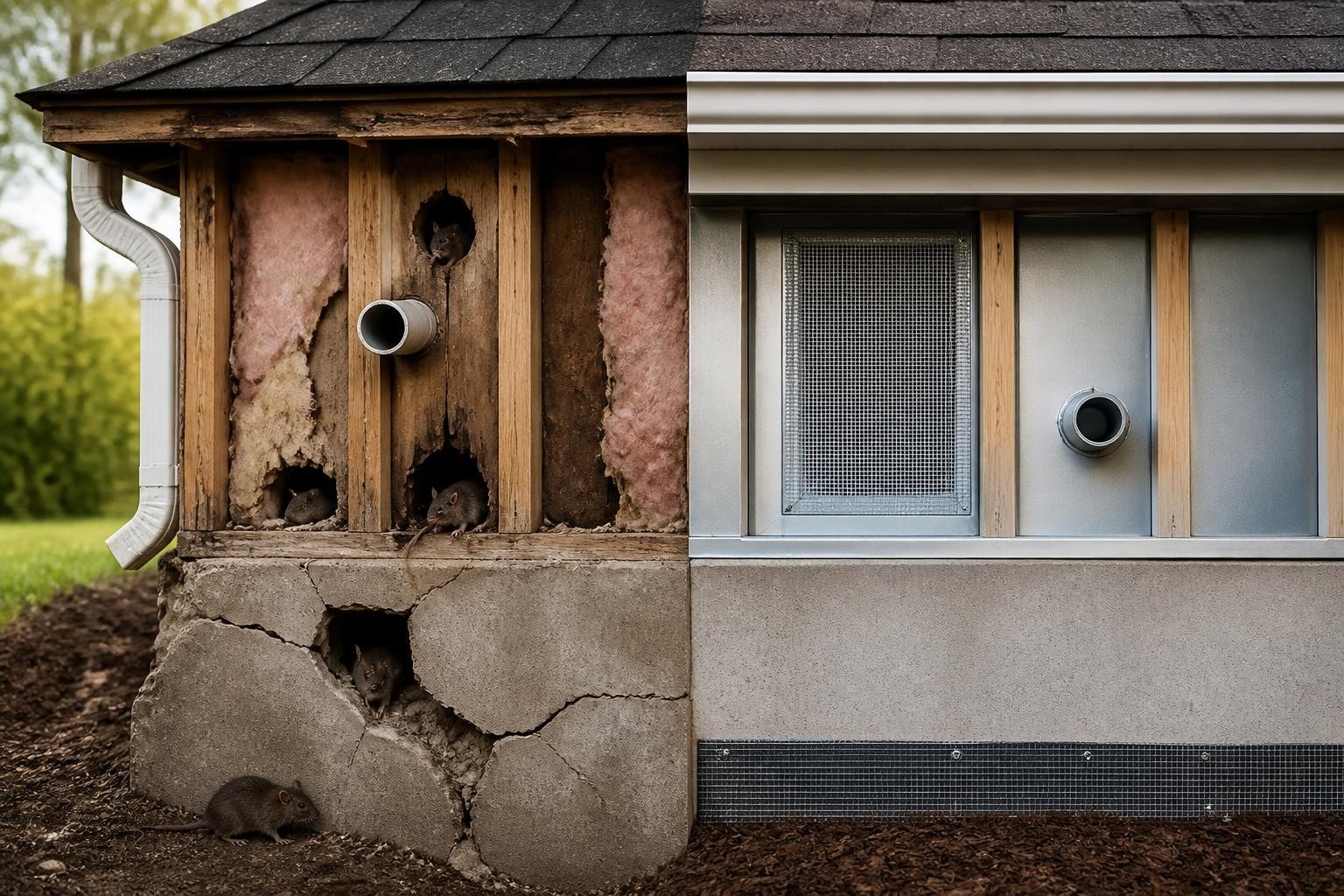
Modern construction methods inadvertently create perfect rat habitats. Standard wall construction leaves gaps around pipes, electrical conduits, and HVAC penetrations. These openings typically measure just one-half inch in diameter, which is sufficient for a fully grown rat to squeeze through and access the interior wall space.
Common Entry Points
- Foundation cracks and gaps where concrete meets wooden sill plates
- Utility line penetrations for water, gas, electrical, and cable services
- Roof-wall intersections and soffit vents without proper screening
- Damaged or missing chimney caps and vent covers
- Garage door gaps and weatherstripping failures
The attractiveness of wall cavities increases when homes have accessible food sources and water. Rats can survive up to four weeks without water but typically establish nests near reliable moisture sources like leaking pipes within walls.
Identifying Rats in Walls
Detection requires understanding the specific signs that distinguish rat activity from other common household sounds. Recognizing these indicators early prevents minor problems from escalating into major infestations.
Auditory Evidence
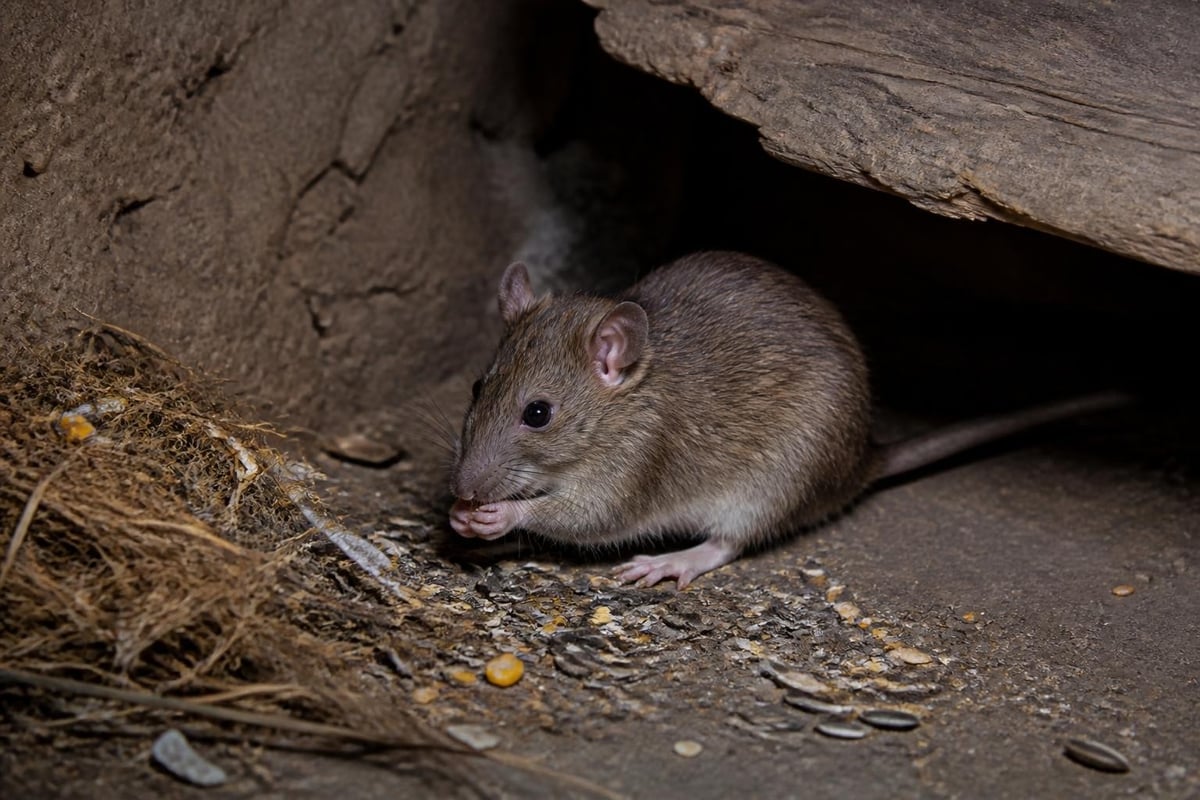
The most obvious sign is noise. Rats are nocturnal creatures, so you'll typically hear activity between dusk and dawn. Listen for scratching sounds as they climb vertical studs, gnawing noises as they chew through materials, and scurrying as they move through wall channels.
The timing and pattern of sounds provide valuable information. Consistent activity in the same location each night suggests an established nest rather than transient exploration. Multiple sound sources indicate a larger population or breeding activity.
Physical Evidence Throughout Your Home
| Sign | Location | What It Indicates |
|---|---|---|
| Droppings | Along baseboards, in cabinets | Active rat presence and travel routes |
| Grease marks | Wall bases, corners | Repeated contact from oily rat fur |
| Gnaw marks | Wood trim, electrical plates | Active chewing behavior and potential entry points |
| Urine odor | Concentrated areas | Established territory markers |
| Nesting materials | Insulation visible through vents | Breeding activity within walls |
Visual inspections outside your home reveal potential entry points. Look for burrow holes near the foundation, gnaw marks on exterior trim, and damaged vent screens. Fresh wood shavings near holes indicate recent gnawing activity.
Pet behavior changes often signal rat presence before humans notice. Dogs and cats may become fixated on specific walls, paw at baseboards, or exhibit unusual alertness in certain rooms.
Professional Detection Methods
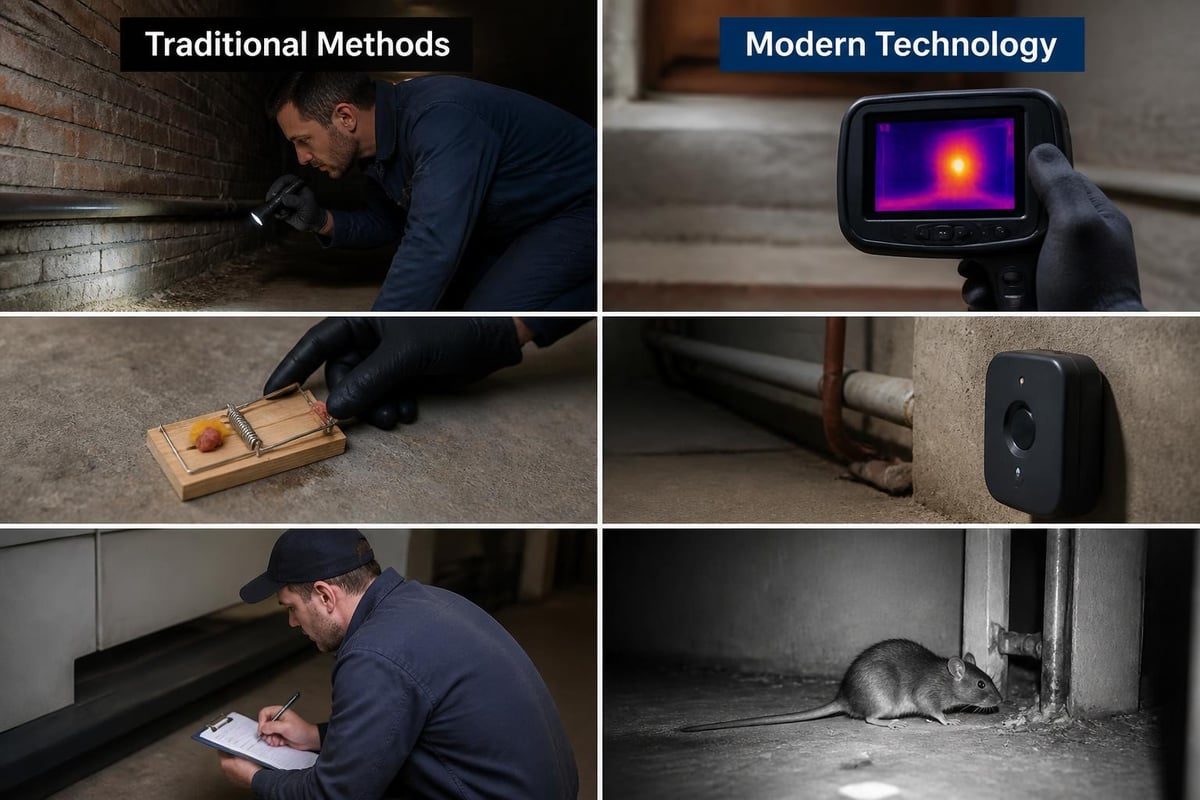
SanPro Pest Control Services in Richmond VA uses advanced detection techniques including thermal imaging cameras that identify temperature variations caused by rat nests and activity. These tools reveal problems invisible to standard inspections, particularly within finished walls where visual access is impossible.
Monitoring devices placed in strategic locations track movement patterns. This data helps professionals determine infestation severity, identify primary nesting areas, and develop targeted removal strategies.
Health and Safety Risks
Rats in walls present multiple hazards that extend throughout your living space. Disease transmission occurs through airborne particles, not just direct contact. When rats nest in wall cavities, their urine and feces contaminate insulation and drywall, releasing pathogens into your home's air circulation.
The CDC emphasizes proper rodent control to prevent hantavirus, leptospirosis, rat-bite fever, and salmonellosis. These diseases can become airborne when contaminated dust circulates through HVAC systems connected to wall cavities.
Structural and Electrical Dangers
Rats gnaw constantly to control their continuously growing incisors. This biological necessity leads them to chew through virtually any material in walls:
- Electrical wiring: Exposed wires create fire hazards and power failures
- Plumbing pipes: Damaged water lines cause leaks and moisture problems
- Insulation: Destroyed insulation reduces energy efficiency
- Structural supports: Compromised wooden studs weaken wall integrity
The National Fire Protection Association attributes thousands of residential fires annually to rodent damage to electrical systems. A single rat can gnaw through rubber, plastic, and even soft metals like copper and lead.
Contaminated insulation loses its effectiveness and becomes a health hazard. When rats in walls nest in attic or crawl space insulation, the material absorbs urine and feces, creating persistent odor problems and potential mold growth from increased moisture levels.
Professional Removal Strategies
Effective elimination requires a systematic approach addressing both immediate rat removal and long-term prevention. DIY methods often fail because they address symptoms rather than underlying causes.
Inspection and Assessment
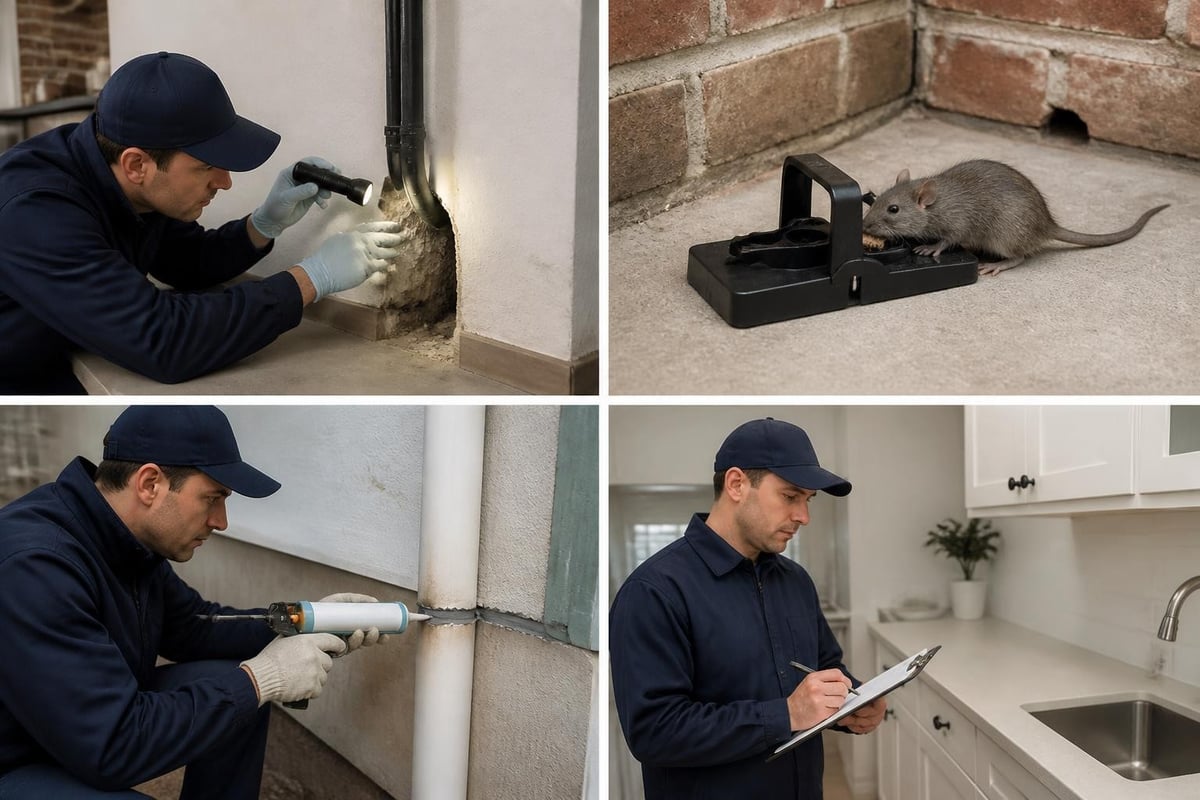
Professional pest control begins with comprehensive property evaluation. Technicians identify all actual and potential entry points, assess infestation severity, and locate nesting sites. This thorough inspection process maps rat travel patterns throughout wall systems.
Exterior inspection focuses on the building envelope, examining foundations, rooflines, utility penetrations, and ventilation systems. Interior assessment evaluates wall voids, ceiling spaces, and basement areas for activity evidence.
Targeted Trapping Programs
Snap traps remain the most effective and humane method for rats in walls. Strategic placement near identified activity areas maximizes capture rates. Professionals use multiple trap types positioned at:
- Wall base level where rats exit to forage
- Attic access points connecting to wall voids
- Basement ceiling areas below wall cavities
- Utility closets with plumbing chases
Bait stations provide additional control in appropriate locations, though wall voids themselves should never receive rodenticides. The EPA recommends against poison use in inaccessible areas due to the problem of rats dying within walls and creating odor issues.
Exclusion and Sealing
Permanent rat prevention requires comprehensive exclusion work. After removing existing populations, professionals seal all entry points using appropriate materials:
| Material | Application | Durability |
|---|---|---|
| Steel wool + caulk | Small gaps around pipes | Temporary (6-12 months) |
| Hardware cloth (1/4 inch) | Vent covers, larger openings | Permanent with proper installation |
| Expanding foam + metal mesh | Irregular gaps, foundation cracks | Long-term when properly layered |
| Concrete patching | Foundation holes, larger damage | Permanent structural repair |
Professional-grade exclusion addresses hidden vulnerabilities that homeowners typically miss. This includes gaps behind siding, roof-wall junctions, and underground burrow systems that connect to foundation walls.
Prevention and Long-Term Management
Preventing rats in walls requires ongoing vigilance and property maintenance. Successful prevention combines physical barriers with environmental management that makes your property less attractive to rodents.
Environmental Modifications
Eliminating food sources removes the primary attraction. Store all food in sealed containers, clean up spills immediately, and secure garbage in rodent-proof bins. Pet food should never remain accessible overnight, as even small amounts attract foraging rats.
Vegetation management creates a defensive perimeter. Trim tree branches extending within six feet of your roofline, as these provide highways for roof rats accessing upper-story wall voids. Maintain an 18-inch clearance between shrubs and foundation walls to eliminate ground-level hiding spots.
Water source control matters equally. Fix leaking outdoor faucets, ensure proper drainage away from foundations, and eliminate standing water in gutters and downspouts. Addressing moisture issues simultaneously prevents other pest problems including termites and carpenter ants.
Structural Maintenance Schedule
Quarterly inspections identify problems before rats exploit them:
- Spring: Check foundation perimeter, repair winter damage, inspect roof flashings
- Summer: Examine siding and trim, seal gaps around new utility installations
- Fall: Inspect weatherstripping, secure attic vents before rats seek winter shelter
- Winter: Monitor for fresh entry signs, check sealed areas for failures
Chimney caps and vent screens require annual inspection and cleaning. These protective barriers deteriorate from weather exposure and need replacement every five to seven years depending on material quality.
Integration with Professional Services
Regular professional inspections identify emerging problems invisible to homeowners. Annual pest control assessments examine wall cavities through access points like attic hatches and basement ceiling tiles.
For homes with insulation services in Richmond, VA, integrating rodent protection with insulation projects provides comprehensive protection. Professional insulation contractors identify rat damage during installations and can coordinate exclusion work before adding new materials.
Special Considerations for Richmond Properties
Richmond's climate and housing stock create specific rat challenges. The region's mix of historic and modern construction presents unique vulnerability patterns that demand tailored approaches.
Older Home Vulnerabilities
Historic Richmond properties built before modern pest-proofing standards contain numerous unintentional entry points. Original construction methods left gaps around balloon framing, pocket doors, and plaster-lathe walls that modern rats readily exploit.
Pier and beam foundations common in older neighborhoods create extensive crawl space access. Rats enter through foundation vents and access wall cavities through band joists and sill plates. These structural characteristics require specialized exclusion techniques that preserve historical integrity while providing modern protection.
Seasonal Activity Patterns
Virginia's temperature variations drive predictable rat behavior. Fall population surges occur as rats seek winter shelter, with peak wall infiltration between October and December. Spring brings breeding season, when established wall populations expand rapidly.
Heavy rainfall periods increase rat activity as outdoor burrows flood. Storm events push rats into structures seeking dry shelter, temporarily overwhelming normal exclusion barriers through persistent pressure on entry points.
Multi-Unit and Commercial Properties
Apartment buildings, condominiums, and commercial structures face amplified rat challenges. Shared walls provide extensive runway systems connecting multiple units. A single infestation can spread throughout an entire building within weeks if not addressed comprehensively.
Property managers must coordinate building-wide treatments rather than addressing individual units. Partial treatments simply displace rats to untreated sections, creating recurring problems and tenant dissatisfaction.
Advanced Detection Technology
Modern pest control employs sophisticated tools beyond traditional visual inspections. These technologies identify rats in walls with unprecedented accuracy, reducing damage during removal operations.
Thermal imaging reveals temperature signatures from rat bodies, nests, and recent activity. Infrared cameras detect heat variations through drywall, showing exactly where rats congregate within wall cavities. This precision eliminates guesswork when placing traps or planning access points for removal.
Acoustic detection devices amplify subtle sounds, distinguishing rat activity from other common noises like plumbing, HVAC systems, or building settling. Professionals use specialized microphones that filter background noise, isolating the specific frequencies produced by rodent movement.
Motion-activated cameras placed in attics and crawl spaces document rat behavior patterns. Time-lapse footage reveals travel routes, feeding schedules, and population estimates that inform treatment strategies. Understanding these patterns improves removal success rates significantly.
Wall Cavity Treatment Challenges
Treating rats in walls presents unique obstacles that make professional intervention valuable. Limited access, contamination concerns, and structural constraints complicate removal efforts.
Access Point Creation
Sometimes professionals must create temporary access points to address severe infestations. Strategic drywall removal allows trap placement deep within wall systems where rats actively nest. These openings are professionally patched and finished after treatment completion.
Access decisions balance treatment effectiveness against property damage. Experienced technicians identify optimal locations based on wall construction, interior finishes, and infestation severity. Minimal invasiveness remains the priority.
Contamination Remediation
Dead rats within walls create immediate odor problems and long-term health concerns. Professional removal includes locating and extracting carcasses, sanitizing affected areas, and replacing contaminated insulation.
Enzymatic cleaners break down organic materials and eliminate odor-causing bacteria. These specialized solutions penetrate porous materials like drywall and wood studs, addressing contamination regular cleaning products cannot reach.
Insulation replacement often becomes necessary after significant infestations. Rat urine and feces permanently contaminate fiberglass and cellulose insulation, requiring complete removal and replacement to restore air quality and energy efficiency.
Integration with Whole-Home Protection
Effective rat control extends beyond wall treatments to encompass comprehensive property protection. Understanding the broader pest control approach creates lasting results rather than temporary fixes.
Crawl space conditions directly impact rat problems. Moisture accumulation, inadequate vapor barriers, and unsealed foundation vents create ideal conditions for rats establishing populations that subsequently invade wall cavities. Addressing these underlying issues prevents recurring infestations.
Attic spaces require equal attention. Rats commonly nest in attic insulation before expanding into wall voids. Comprehensive treatments address all interconnected spaces where rats potentially live and travel, preventing displacement to untreated areas.
Documentation and Warranty Considerations
Professional pest control services provide detailed documentation of treatments, identified entry points, and exclusion work completed. This record keeping serves multiple purposes beyond immediate treatment.
Treatment records establish timelines for warranty claims if rat problems recur. Reputable companies guarantee their work, typically offering re-treatment within specified periods if rats return despite proper exclusion.
Property sale transactions benefit from documented pest control history. Buyers increasingly request evidence of rat treatments and prevention measures. Professional documentation demonstrates responsible property maintenance and may prevent future liability issues.
Insurance claims for rat damage require professional assessment and documentation. Detailed reports from licensed pest control operators support claims for electrical repairs, insulation replacement, and structural repairs resulting from rat activity.
Coordinating Multiple Service Providers
Complex rat problems often require coordinating pest control with other home services. Electricians may need to repair damaged wiring, plumbers address compromised pipes, and contractors restore structural damage.
Professional pest control companies facilitate this coordination, ensuring all work proceeds in proper sequence. Repairs should occur after rat elimination and exclusion to avoid immediate re-contamination of newly installed materials.
Building permit requirements may apply to significant exclusion work or structural repairs. Licensed professionals understand local code requirements and ensure all work meets Richmond building standards. This compliance protects property values and prevents issues during future inspections or sales.
Successfully addressing rats in walls requires professional expertise, systematic treatment approaches, and ongoing prevention measures that protect your property investment and family health. When you face these challenging pests in your Richmond home or business, partnering with experienced professionals ensures thorough elimination and lasting protection. SanPro delivers comprehensive rodent control solutions backed by proven methods, advanced technology, and guaranteed results. Contact SanPro Pest Control Services in Richmond VA today to schedule a detailed inspection and receive a customized treatment plan that addresses your specific rat control needs.