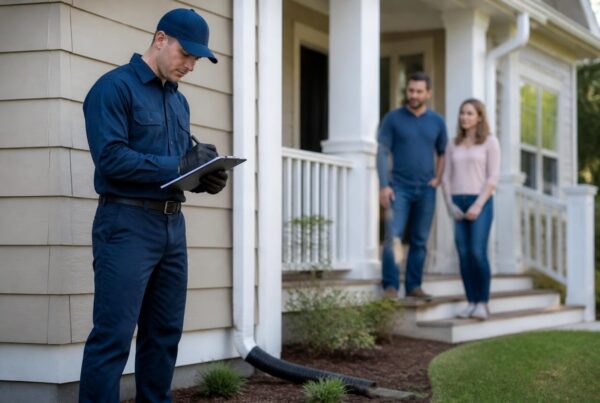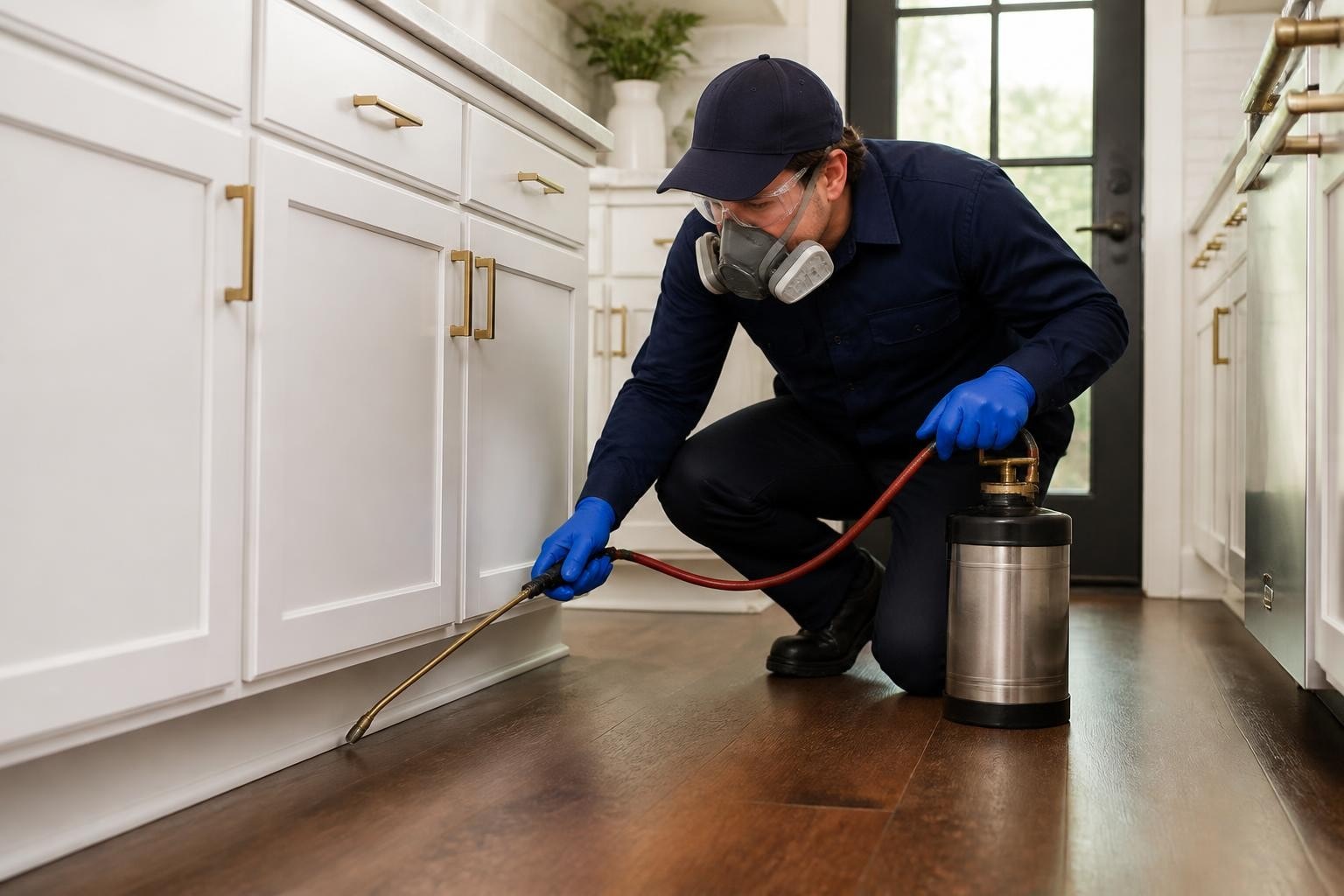
When pests invade your Richmond, VA home or business, the products professionals use make all the difference between temporary relief and complete eradication. Professional exterminator spray represents a category of pest control products specifically formulated with higher concentrations of active ingredients, superior delivery mechanisms, and regulatory oversight that consumer products simply cannot match. Understanding what sets these commercial-grade solutions apart helps property owners make informed decisions about protecting their investments and ensuring the safety of their families and employees.
Understanding Professional-Grade Formulations
Professional exterminator spray differs fundamentally from retail products available at hardware stores or supermarkets. Licensed pest control technicians in Richmond, VA have access to formulations containing active ingredients at concentrations that require specialized training to handle safely and effectively.
Active Ingredient Concentrations and Efficacy
The potency of professional formulations stems from their carefully calibrated active ingredient levels. While consumer products typically contain 0.5-2% active ingredients, professional-grade solutions range from 5-30% depending on the target pest and application method. This concentration difference translates directly to:
- Faster knockdown rates for immediate pest elimination
- Extended residual protection lasting weeks or months instead of days
- Broader spectrum coverage addressing multiple pest species simultaneously
- Lower overall application volumes reducing environmental exposure
Pest management professionals receive extensive training on pesticide application types and their appropriate scenarios, ensuring they select the optimal formulation for each unique situation. This expertise prevents the common mistakes homeowners make when attempting DIY solutions.
Regulatory Classification and Restricted Use Products
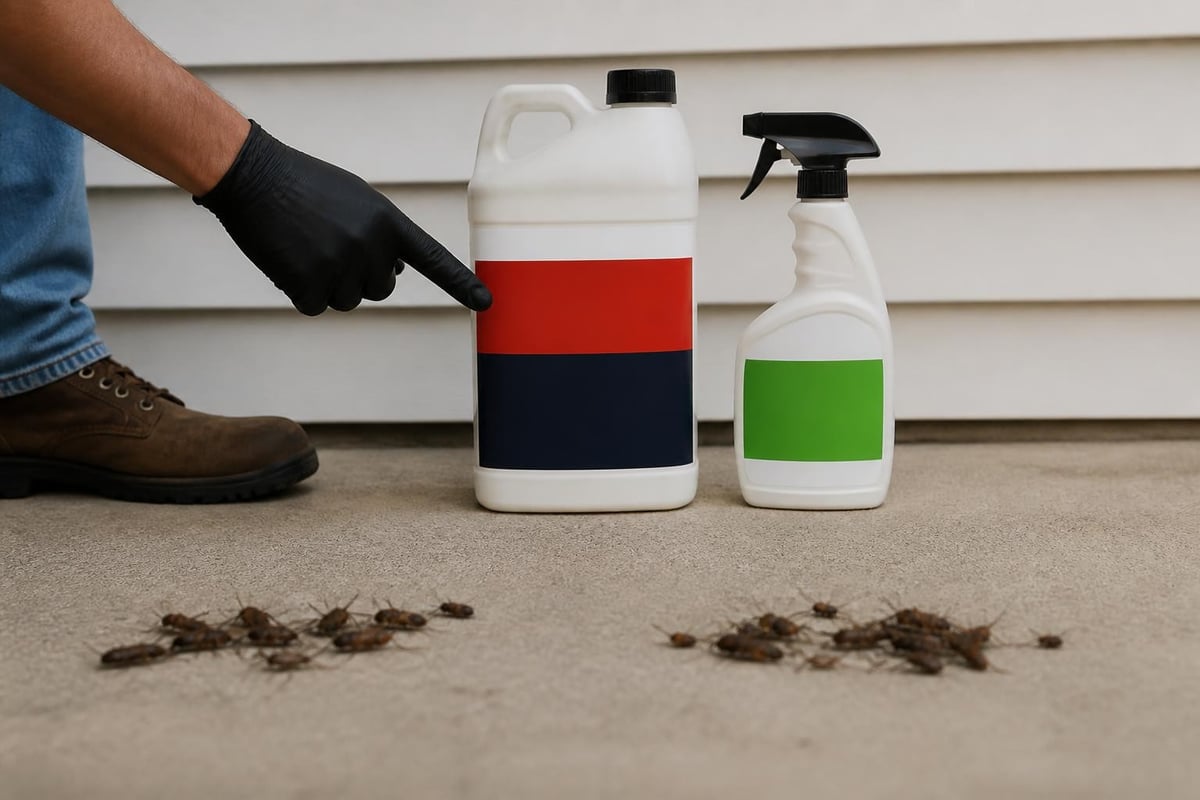
Many professional exterminator spray products fall under "restricted use pesticide" (RUP) classifications established by the Environmental Protection Agency. These products require:
- State-issued applicator licenses demonstrating competency
- Documented training hours in integrated pest management
- Record-keeping protocols for every application
- Liability insurance coverage protecting property owners
- Continuing education requirements to maintain certification
Richmond, VA pest control companies operate under Virginia Department of Agriculture and Consumer Services oversight, ensuring compliance with both state and federal regulations. This regulatory framework creates accountability that doesn't exist with over-the-counter products.
Application Methods That Maximize Effectiveness
The delivery system for professional exterminator spray significantly impacts treatment outcomes. Licensed technicians utilize equipment and techniques unavailable to consumers, targeting pests where they live, breed, and travel rather than simply treating visible areas.
Precision Equipment and Technology
Professional applicators employ sophisticated equipment designed for specific pest scenarios. Treatment methods vary considerably based on the target pest, infestation severity, and property characteristics.
| Equipment Type | Application Method | Best For | Coverage Area |
|---|---|---|---|
| Power Sprayers | High-pressure liquid treatment | Exterior perimeters, foundations | 500-1000 sq ft per tank |
| Misting Systems | Ultra-low volume droplets | Indoor air spaces, void areas | Entire room volumes |
| Injection Systems | Direct void/crack treatment | Wall voids, termite treatment | Targeted placement |
| Foaming Applicators | Expanding foam delivery | Vertical surfaces, nests | Specific harborages |
Each method serves distinct purposes in comprehensive pest management strategies. For instance, when addressing rodent activity in attics that may require insulation services in Richmond, VA, technicians often combine multiple application methods to address both active pests and prevent future invasions.
Strategic Placement and Barrier Systems
Professional technicians understand pest biology and behavior patterns that inform strategic placement decisions. Rather than broadcasting chemicals indiscriminately, they create targeted barrier systems that intercept pests at critical points.
Exterior perimeter treatments focus on:
- Foundation lines where pests enter structures
- Window and door frames as common entry points
- Utility penetrations and service line gaps
- Landscape transition zones between grass and structures
- Moisture-prone areas attracting certain species
Interior applications concentrate on harborage areas, travel routes, and void spaces where pests actually nest and breed. This precision approach minimizes chemical exposure in living spaces while maximizing pest contact with treated surfaces.
Safety Standards and Occupant Protection
Professional exterminator spray products undergo rigorous safety testing, but their higher potency demands strict protocols that licensed technicians follow to protect occupants, pets, and the environment. Richmond, VA pest control professionals implement comprehensive safety measures that go far beyond product labels.
Pre-Treatment Preparation Requirements
Before applying professional-grade products, technicians provide detailed preparation instructions. Proper preparation ensures treatment effectiveness while minimizing any potential exposure risks. Homeowners should take specific steps to ready their properties for professional service.
Standard preparation protocols include:
- Removing or covering food preparation surfaces and utensils
- Storing pet food, water bowls, and toys away from treatment areas
- Vacating the premises for specified periods post-application
- Ventilating treated areas according to product requirements
- Maintaining children and pets away from treated surfaces during drying periods
These requirements reflect the professional-grade nature of the products being applied. Consumer products rarely necessitate such precautions, precisely because they lack the potency to deliver lasting results.
Technician Certification and Safety Training
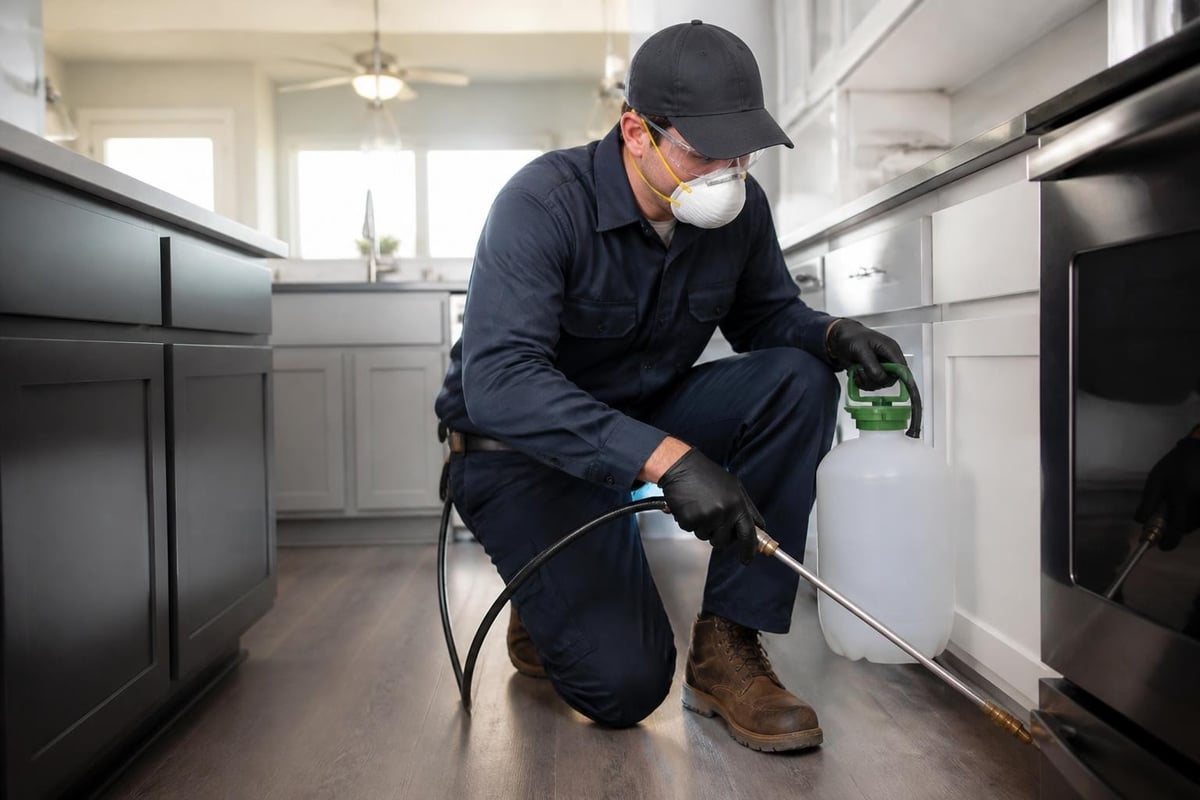
Licensed pest control technicians complete mandatory training covering safety protocols, proper mixing ratios, personal protective equipment requirements, and emergency response procedures. This expertise proves essential when working with concentrated formulations.
Certification requirements typically include:
- Passing core competency examinations on pest biology and pesticide safety
- Category-specific testing for different pest types (general household, termites, rodents)
- Annual continuing education credits on new products and techniques
- Hands-on supervised training before independent applications
- Background checks and liability insurance verification
The difference between hiring a pest control company with properly certified technicians versus attempting DIY treatments extends far beyond product access. Professional training ensures appropriate product selection, correct application rates, and proper safety measures throughout the service process.
Target Pest Efficacy and Specialized Formulations
Professional exterminator spray products are formulated for specific pest types, recognizing that different species require different active ingredients, concentrations, and delivery methods. Generic consumer products attempt to address multiple pests with single formulations, inevitably compromising effectiveness against any particular species.
Insect-Specific Professional Solutions
Modern professional formulations target specific insect physiologies and behaviors. Pyrethroids, neonicotinoids, and insect growth regulators each work through different mechanisms, allowing technicians to create layered defense systems.
For cockroach control, professionals combine knockdown sprays with long-lasting residuals and growth regulators that disrupt breeding cycles. Cockroach control requires comprehensive strategies that address both adult insects and developing populations, something single-product approaches cannot accomplish.
Ant treatments demand entirely different formulations. Non-repellent transfer agents allow foraging ants to carry active ingredients back to colonies, eliminating queens and brood that never contact treated surfaces directly. This colony-elimination approach contrasts sharply with contact-kill sprays that merely scatter ant populations.
Rodent and Wildlife Control Considerations
While professional exterminator spray products excel against insects, rodent control typically requires integrated approaches combining exclusion, trapping, and targeted rodenticide placement. Richmond, VA properties with rodent activity often need comprehensive solutions addressing entry points, nesting areas, and food sources.
Technicians assess whether chemical treatments alone suffice or whether structural modifications and exclusion work prove necessary. Many rodent situations involve contaminated insulation or compromised crawl spaces that require remediation beyond chemical applications.
Product Selection Based on Property Type
Commercial versus residential properties demand different professional exterminator spray products and application strategies. Licensed technicians evaluate multiple factors when selecting appropriate formulations for each unique situation.
Residential Treatment Considerations
Homes present unique challenges requiring products with favorable safety profiles for spaces where children and pets spend extensive time. Professional residential formulations emphasize:
- Low-odor characteristics minimizing disruption to daily routines
- Rapid dry times allowing quick re-entry to treated areas
- Extended residual effectiveness reducing service frequency
- Non-staining formulations protecting furnishings and surfaces
- Targeted application zones concentrating treatments where pests harbor
Richmond, VA homeowners benefit from professional services that customize treatment plans to their specific pest pressures, property conditions, and family situations. Knowing when to call experts versus attempting DIY solutions can prevent minor pest issues from escalating into major infestations.
Commercial and Industrial Applications
Commercial properties often contend with higher pest pressures, stricter regulatory requirements, and zero tolerance for visible pest activity. Professional exterminator spray products for commercial applications prioritize:
| Factor | Commercial Requirement | Product Characteristics |
|---|---|---|
| Knockdown Speed | Immediate elimination | High concentration pyrethroids |
| Residual Duration | 60-90 day effectiveness | Microencapsulated formulations |
| Regulatory Compliance | FDA, USDA, health department standards | Approved for food handling areas |
| Application Timing | Minimal business disruption | Low-odor, fast-drying options |
| Documentation | Complete treatment records | Tracked batch numbers, dates |
Restaurants, food processing facilities, healthcare institutions, and hotels require pest control services that meet industry-specific standards while maintaining discreet, effective pest management programs. Professional-grade products enable technicians to achieve these demanding requirements.
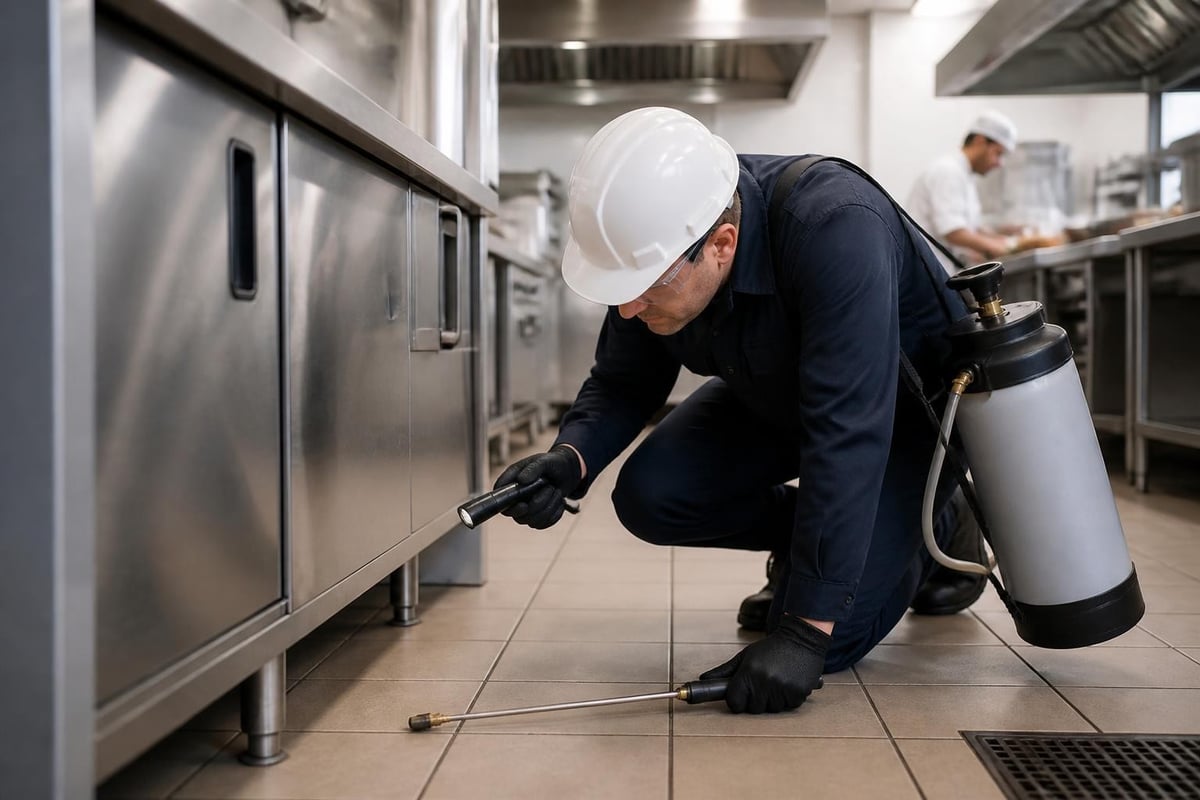
Integrated Pest Management and Chemical Applications
Professional exterminator spray represents one component within comprehensive integrated pest management (IPM) programs. Modern pest control emphasizes multiple control methods working synergistically rather than relying solely on chemical applications.
The Role of Chemicals in IPM Programs
Licensed pest management professionals understand that pesticides function most effectively when combined with sanitation improvements, structural modifications, and ongoing monitoring. Chemical applications address existing infestations while complementary strategies prevent future problems.
A well-designed IPM program incorporates:
- Inspection and monitoring to identify pest species, population levels, and conducive conditions
- Sanitation recommendations eliminating food sources and harborage areas
- Exclusion work sealing entry points and access routes
- Mechanical controls utilizing traps and physical barriers
- Chemical treatments applying professional exterminator spray strategically
- Follow-up services ensuring long-term pest elimination
This multi-faceted approach differs significantly from DIY pest control methods that focus exclusively on applying chemicals without addressing underlying conditions attracting pests.
Resistance Management Strategies
Pest populations can develop resistance to chemical treatments when exposed repeatedly to the same active ingredients. Professional pest management programs rotate product classes and mechanisms of action to prevent resistance development.
Technicians track which products have been used previously and select alternatives from different chemical families. This rotation strategy maintains product effectiveness across multiple service visits while reducing selection pressure that drives resistance.
Environmental Considerations and Modern Formulations
Contemporary professional exterminator spray products reflect decades of environmental research and reformulation efforts. Modern formulations significantly reduce ecological impacts compared to older pesticide technologies while maintaining or improving effectiveness.
Low-Impact Active Ingredients
Current professional products increasingly utilize active ingredients with favorable environmental profiles. These include:
- Reduced-risk pesticides recognized by EPA for lower toxicity profiles
- Biopesticides derived from natural materials like bacteria and plant extracts
- Insect growth regulators that disrupt development without broad toxicity
- Targeted pheromones attracting specific pest species without affecting non-targets
These innovations allow pest control professionals to achieve effective pest elimination while minimizing impacts on beneficial insects, wildlife, and aquatic ecosystems. Richmond, VA's proximity to waterways makes environmentally responsible pest control particularly important for protecting local ecosystems.
Application Technology Reducing Environmental Exposure
Modern application equipment enables precise targeting that reduces the total volume of professional exterminator spray required for effective pest control. Technologies include:
- Precision nozzles controlling droplet size for optimal surface coverage
- GPS-guided perimeter systems ensuring consistent barrier applications
- Void injection systems placing products directly where pests harbor
- Microencapsulation protecting active ingredients until pest contact occurs
- Gel formulations eliminating overspray and environmental drift
These technological advances demonstrate how professional pest control continues evolving toward more sustainable practices without compromising effectiveness.
Cost-Effectiveness and Long-Term Value
While professional exterminator spray treatments cost more initially than consumer products, they deliver superior long-term value through more complete elimination, extended protection periods, and prevention of recurring infestations.
Comparing Total Treatment Costs
Homeowners attempting DIY pest control often purchase multiple products over several months, spending comparable amounts while achieving inferior results. Professional services consolidate costs while delivering guaranteed outcomes.
| Approach | Initial Cost | Products Needed | Time Investment | Success Rate | Total 12-Month Cost |
|---|---|---|---|---|---|
| DIY Treatments | $50-150 | 3-5 different products | 10-20 hours | 40-60% | $300-600 |
| Professional Service | $150-400 | Complete solution | Minimal | 95-99% | $400-800 |
The professional approach eliminates trial-and-error product purchases, wasted time on ineffective treatments, and the risk of infestations spreading during unsuccessful control attempts. When considering when to seek professional assistance, property owners should factor total costs rather than focusing solely on initial service fees.
Preventing Secondary Damage
Certain pests cause significant structural damage when left uncontrolled. Termites, carpenter ants, and rodents can compromise building integrity, requiring expensive repairs far exceeding professional pest control costs.
Professional exterminator spray treatments for wood-destroying insects protect structural investments by eliminating active infestations before they cause extensive damage. Annual inspections and preventive treatments represent insurance against costly repairs. Richmond, VA properties with termite concerns particularly benefit from professional-grade treatments that consumer products cannot replicate.
Selecting Qualified Pest Control Professionals
The effectiveness of professional exterminator spray depends entirely on the expertise of the technician applying it. Property owners should carefully evaluate service providers to ensure they receive genuine professional-grade service rather than marginally better than DIY results.
Verification of Licenses and Certifications
Virginia requires pest control businesses and individual technicians to maintain current licenses demonstrating competency and regulatory compliance. Property owners should verify:
- Business licenses issued by Virginia Department of Agriculture and Consumer Services
- Individual technician certifications in relevant pest categories
- Liability insurance coverage protecting against application errors
- Workers compensation insurance if company employs multiple technicians
- Industry association memberships indicating commitment to professional standards
National pest control industry associations establish professional standards that member companies pledge to uphold. Organizations like the National Pest Management Association provide ongoing education and promote best practices throughout the industry.
Quality Indicators Beyond Licensing
Finding a good exterminator requires evaluating factors beyond basic licensing requirements. Superior service providers demonstrate:
- Detailed inspection processes before proposing treatments
- Written service agreements specifying products, methods, and guarantees
- Willingness to answer questions about products and safety precautions
- Customized treatment plans rather than one-size-fits-all approaches
- Follow-up services ensuring complete pest elimination
Companies pursuing excellence often obtain voluntary certifications like QualityPro designation, which requires meeting stringent operational, safety, and customer service standards. These certifications signal commitment to professionalism beyond minimum legal requirements.
Specialized Treatments for Common Richmond Pests
Richmond, VA's climate and urban environment create conditions favoring specific pest species that require targeted professional exterminator spray formulations and application strategies.
Stinging Insect Management
Wasps, hornets, and yellow jackets present unique challenges requiring specialized products and safety protocols. Professional treatments for stinging insects utilize:
- Quick-knockdown aerosols for immediate nest elimination
- Extended-reach products allowing safe distance applications
- Residual barriers preventing colony re-establishment
- Preventive treatments applied to common nesting sites
Wasp and bee control demands professional expertise to safely eliminate nests without provoking defensive attacks. The professional exterminator spray products used for stinging insects contain specific formulations optimized for rapid paralysis and colony destruction.
Termite Treatment Protocols
Subterranean termites represent Richmond, VA's most economically significant pest threat, requiring liquid termiticides applied to soil around and beneath structures. Professional termite treatments involve:
- Trenching and treating foundation perimeters
- Sub-slab injection creating continuous barriers
- Void treatments addressing existing activity
- Monitoring systems detecting future termite pressure
These comprehensive treatments utilize non-repellent termiticides allowing termites to contact treated soil and transfer active ingredients throughout colonies before dying. Consumer products cannot achieve the coverage or penetration necessary for effective termite control.
Seasonal Pest Pressure Variations
Richmond's climate creates distinct seasonal pest pressures requiring adjusted treatment strategies throughout the year. Professional pest management programs adapt to these patterns:
Spring (March-May): Ant colonies expand, termites swarm, and overwintering pests emerge. Treatments focus on perimeter barriers and colony elimination.
Summer (June-August): Peak activity for most insects including mosquitoes, fleas, and stinging insects. Professional exterminator spray applications emphasize immediate knockdown and residual protection.
Fall (September-November): Pests seek indoor overwintering sites. Treatments concentrate on entry point exclusion and interior preventive applications.
Winter (December-February): Reduced pest activity except rodents and occasional overwintering insects. Services focus on monitoring and addressing any active issues.
This seasonal approach ensures properties receive appropriate protection year-round rather than reactive treatments only when problems become visible.
Professional Products Versus Consumer Alternatives
The performance gap between professional exterminator spray and retail products stems from fundamental formulation differences, regulatory restrictions, and application methodology limitations facing consumers.
Active Ingredient Access Restrictions
Federal and state regulations strictly control which pesticide formulations consumers can purchase without professional licensing. These restrictions exist because certain active ingredients require specialized knowledge to use safely and effectively.
Products available to consumers typically feature:
- Diluted concentrations minimizing misapplication risks
- Single-mode action simplifying usage instructions
- Broad-spectrum targeting reducing product selection complexity
- Safety margins accounting for untrained application
- Limited residual duration preventing prolonged exposure
While these characteristics reduce risk for untrained users, they simultaneously limit effectiveness against established infestations or challenging pest species.
Application Equipment Limitations
Even if consumers could access professional-grade products, they lack the specialized equipment necessary for proper application. Professional spray rigs provide:
- Consistent pressure ensuring uniform coverage
- Precise flow rates delivering accurate application volumes
- Specialized nozzles creating optimal droplet sizes
- Extended reach accessing difficult treatment areas
- Tank agitation maintaining product suspension
Hand-pump sprayers and ready-to-use trigger bottles cannot replicate the coverage, penetration, and precision achievable with professional equipment. This equipment disparity contributes significantly to the performance difference between professional and DIY treatments.
The Science Behind Residual Effectiveness
One key advantage of professional exterminator spray involves extended residual activity that continues eliminating pests for weeks or months after application. This lasting protection stems from advanced formulation technologies unavailable in consumer products.
Microencapsulation Technology
Many professional products utilize microencapsulation, where active ingredients are enclosed in microscopic polymer capsules. These capsules provide several benefits:
- Protecting active ingredients from degradation by sunlight and moisture
- Releasing pesticides gradually over extended periods
- Adhering to surfaces where pests travel and rest
- Reducing initial odor and volatile emissions
- Minimizing non-target organism exposure
When pests contact treated surfaces, the capsules break open, delivering concentrated doses directly to the pest. This targeted release maintains effectiveness far longer than conventional liquid formulations that degrade rapidly after application.
Surface Binding and UV Protection
Professional formulations incorporate adjuvants that help active ingredients bind to treated surfaces and resist environmental degradation. These proprietary additives:
- Enhance adhesion to various substrate types
- Provide UV protection preventing photodegradation
- Resist washoff from rain or cleaning activities
- Maintain bioavailability to target pests
- Reduce leaching into soil or groundwater
These technical advantages explain why professional treatments provide 60-90 day protection while consumer products often require weekly reapplication for any meaningful control.
Understanding Treatment Guarantees and Warranties
Reputable pest control companies stand behind their professional exterminator spray applications with service guarantees that reflect confidence in product performance and technician expertise. These warranties provide important consumer protections unavailable with DIY approaches.
Typical Service Guarantee Components
Professional pest control service agreements generally include:
- Initial elimination guarantees promising complete pest removal within specified timeframes
- Retreatment provisions offering additional services if pests return during coverage periods
- Damage protection covering any issues arising from application errors
- Satisfaction commitments ensuring customer approval of results
These guarantees transfer risk from property owners to service providers, who can offer such protections because professional exterminator spray products and proper application techniques achieve consistent, reliable results.
When Guarantees Don't Apply
Service guarantees typically include reasonable exclusions protecting companies from situations beyond their control:
- Sanitation failures creating continuous pest pressure
- Structural deficiencies allowing new pest entry
- Adjacent property infestations causing re-invasion
- Customer failure to follow preparation instructions
- Acts of nature or property modifications
Understanding these limitations helps property owners maintain their responsibilities within integrated pest management programs while benefiting from professional protections against treatment failures.
Health and Safety Data for Common Professional Products
Pest management professionals receive extensive training on product safety data, appropriate handling procedures, and emergency response protocols. This knowledge ensures they can work safely with concentrated formulations that require careful management.
Safety Data Sheet Requirements
Every professional exterminator spray product comes with a detailed Safety Data Sheet (SDS) providing comprehensive information about:
- Chemical composition and active ingredients
- Physical and chemical properties
- Health hazard information
- First aid measures and emergency procedures
- Handling and storage requirements
- Environmental precautions
- Disposal considerations
Licensed technicians must maintain SDS documentation for all products they use and make this information available to customers upon request. This transparency allows property owners to make informed decisions about treatments applied in their homes or businesses.
Personal Protective Equipment Standards
Professional applicators wear appropriate personal protective equipment (PPE) based on product label requirements and industry best practices. Standard PPE includes:
- Chemical-resistant gloves protecting against skin contact
- Respirators when applying products in enclosed spaces
- Eye protection preventing splash exposure
- Long-sleeved shirts and long pants minimizing skin exposure
- Boots or shoe covers in treatment areas
The necessity of this protective equipment underscores the potency of professional exterminator spray products and the expertise required to handle them safely. Consumers attempting to use similar products without proper equipment and training expose themselves to unnecessary risks.
Emerging Technologies in Professional Pest Control
The professional pest management industry continuously develops new formulations and application technologies that improve effectiveness while reducing environmental impacts. These innovations maintain the performance advantage professional exterminator spray holds over consumer alternatives.
Precision Application Systems
Modern pest control increasingly employs technology-enhanced application methods that optimize product placement and minimize excess usage:
- Smart injection systems calculating precise void volumes
- Thermal imaging identifying pest harborage areas
- Moisture meters locating conducive conditions
- Digital tracking systems documenting treatment locations
- Remote monitoring devices detecting pest activity
These technological tools enable technicians to apply professional exterminator spray more strategically, concentrating treatments where they deliver maximum impact while reducing overall product volumes.
Next-Generation Active Ingredients
Research continues developing new active ingredient classes with improved safety profiles and novel mechanisms of action. Recent innovations include:
- RNA interference pesticides disrupting pest genetics
- Metabolic inhibitors targeting pest-specific biological pathways
- Enhanced biopesticides derived from beneficial microorganisms
- Nano-formulations improving delivery and reducing application rates
These advances ensure professional pest control maintains effectiveness advantages over DIY approaches while addressing environmental and safety concerns that inform modern pest management practices.
Professional exterminator spray represents a sophisticated category of pest control products that deliver results unattainable with consumer alternatives through higher active ingredient concentrations, advanced formulations, and expert application by licensed technicians. Richmond, VA property owners facing pest challenges benefit from partnering with experienced professionals who combine these superior products with comprehensive inspection, customized treatment plans, and ongoing monitoring to ensure lasting protection. Whether you're dealing with termites, rodents, cockroaches, or stinging insects, SanPro provides the expertise and professional-grade solutions necessary to eliminate pests and prevent future invasions, protecting your property investment and your family's health.