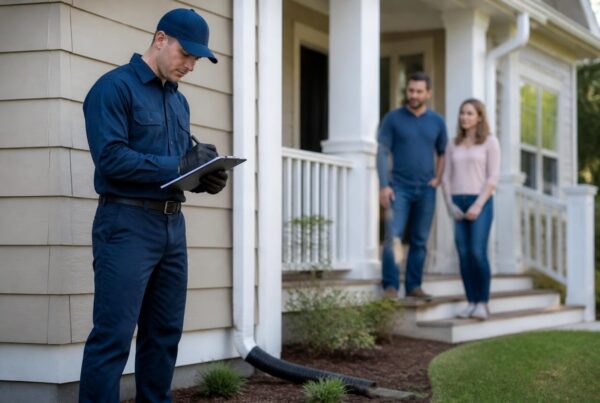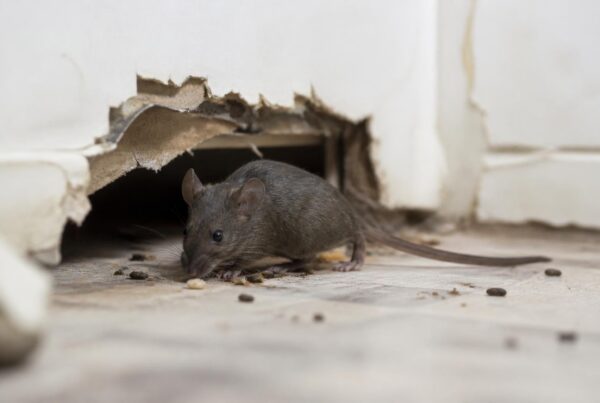
Modern pest control has evolved beyond a single technician arriving with a spray canister. Today's most effective pest elimination programs rely on team pest control approaches that coordinate multiple specialists, stakeholders, and service disciplines to address infestations comprehensively. This collaborative model recognizes that sustainable pest management requires technical expertise, property knowledge, client communication, and ongoing monitoring working in concert. For property owners in Richmond, VA facing challenges from termites, rodents, bed bugs, or other invaders, understanding how team-based approaches deliver superior results can transform your experience with pest elimination services.
The Foundation of Team Pest Control Models
Team pest control represents a structured methodology where multiple professionals with distinct expertise collaborate to prevent, identify, and eliminate pest problems. Unlike traditional single-operator models, this approach leverages specialized knowledge across different pest types, treatment methods, and property systems.
The core principle draws from Integrated Pest Management (IPM), an evidence-based framework that combines biological understanding, environmental modification, and targeted treatments. IPM emphasizes prevention first, monitoring second, and intervention third, a hierarchy that requires coordination across different roles and responsibilities.
Why Collaborative Approaches Outperform Solo Operations
Research on multidisciplinary team effectiveness demonstrates that structured collaboration improves outcomes across complex problem-solving scenarios. In pest control specifically, team approaches address the reality that infestations rarely have single causes or simple solutions.
Key advantages of team pest control include:
- Specialized expertise for different pest species and life cycles
- Comprehensive property assessments covering multiple vulnerability points
- Coordinated treatment timing across interior, exterior, and structural zones
- Better communication between technicians, property managers, and occupants
- Continuous knowledge sharing and quality improvement
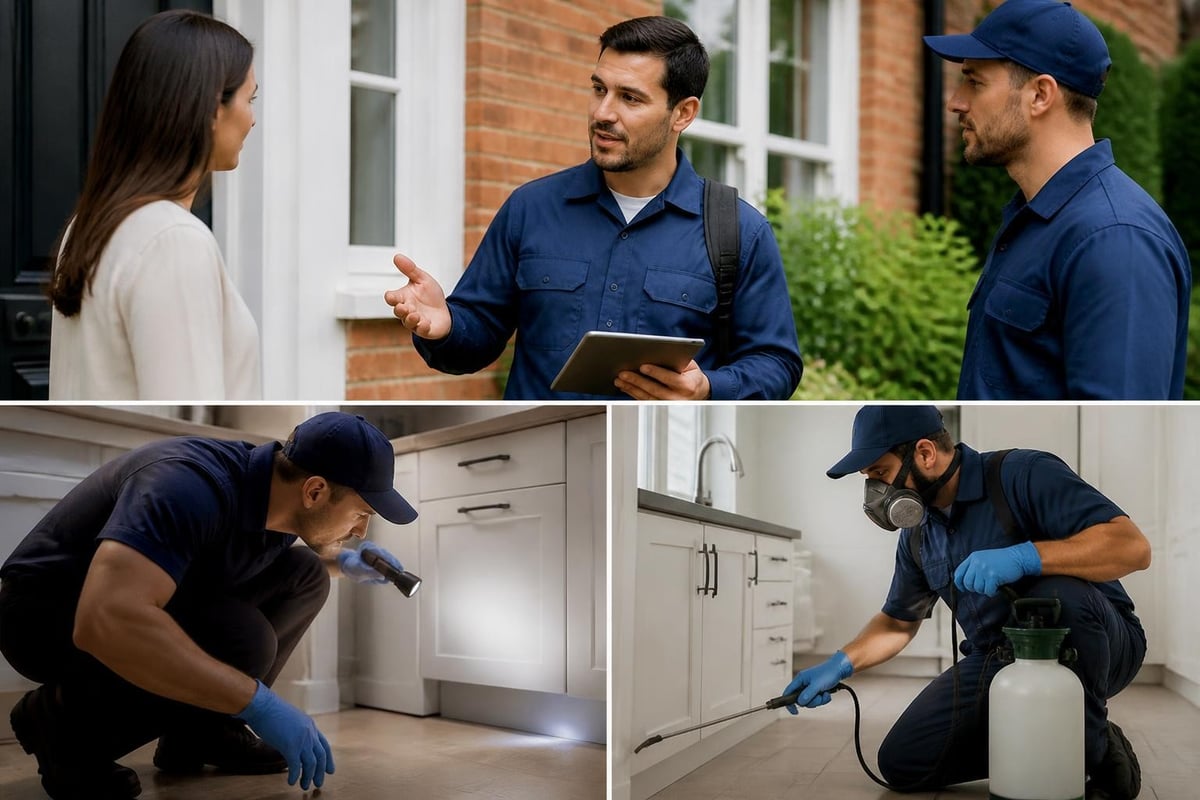
A termite specialist understands wood-destroying organisms differently than a rodent control expert. A crawl space technician recognizes moisture issues that create pest habitat. When these professionals coordinate their observations and interventions, property owners receive more thorough protection.

Essential Roles in Effective Team Pest Control
Successful team pest control programs define clear roles and responsibilities for each participant. This structure ensures accountability while preventing gaps in service delivery.
Primary Service Roles
| Role | Primary Responsibilities | Key Expertise Areas |
|---|---|---|
| Lead Technician | Initial assessment, treatment planning, client communication | Pest identification, product selection, safety protocols |
| Specialist Applicator | Targeted treatments for specific pests | Bed bugs, termites, wildlife, or other specialty areas |
| Structural Expert | Building envelope evaluation, exclusion work | Construction knowledge, sealing techniques, ventilation |
| Monitoring Coordinator | Follow-up inspections, data tracking, efficacy assessment | Documentation systems, pest biology, seasonal patterns |
The lead technician typically serves as the client's primary point of contact, conducting initial inspections and developing treatment plans. This professional must understand pest biology, behavior patterns, and how different species respond to environmental conditions common in Richmond, VA's climate.
Specialist applicators bring deep expertise in particular pest challenges. For example, bed bug elimination requires different protocols, equipment, and follow-up than termite treatment. Team pest control models ensure the right specialist handles each problem rather than expecting generalists to master every scenario.
Support and Coordination Functions
Beyond direct service delivery, effective teams include coordination roles that maintain program continuity. A scheduling coordinator ensures technicians arrive when promised and follow-up visits occur on schedule. Documentation specialists maintain treatment records, product usage logs, and compliance documentation.
Property managers play a critical role in commercial settings, serving as liaisons between pest control teams and building occupants. Their knowledge of tenant concerns, maintenance schedules, and property access helps teams work efficiently while minimizing disruption.
For residential services, homeowners themselves become team members by reporting observations, preparing spaces for treatment, and implementing prevention recommendations. The most successful outcomes occur when clients actively participate rather than viewing pest control as something done to their property rather than with their involvement.
Coordination Protocols That Drive Results
Establishing clear communication pathways separates high-performing team pest control operations from loosely coordinated efforts. The EPA’s guidance on IPM implementation in schools provides excellent frameworks that translate well to commercial and residential settings.
Pre-Service Planning Sessions
Before technicians arrive at a property, effective teams conduct planning huddles that review:
- Previous inspection findings and treatment history
- Client-reported observations or concerns
- Weather conditions affecting product performance
- Access requirements and scheduling constraints
- Safety considerations for occupants and pets
These brief coordination meetings, similar to those proven effective in healthcare team models, ensure everyone understands their role and the day's objectives. For complex situations involving multiple pest types or extensive property areas, written treatment plans document the coordinated approach.
Real-Time Communication During Service
When team members work simultaneously across different property zones, real-time communication prevents duplicate efforts and identifies emerging issues. Modern pest control teams often use mobile apps or two-way radios to share findings instantly.
During coordinated service visits:
- The lead technician conducts exterior perimeter inspection
- A specialist examines interior high-risk areas (kitchens, bathrooms, basements)
- Structural experts assess crawl spaces, attics, or wall cavities
- Team members report findings to coordinate treatment zones
- Specialists apply targeted treatments based on confirmed activity
This synchronized approach proves especially valuable for rodent control in Richmond, VA properties, where exterior entry points, attic activity, and crawl space harborage often occur simultaneously. When one technician identifies exterior burrow systems while another discovers attic nesting, the team can address the complete infestation pathway rather than treating symptoms in isolation.
Post-Service Documentation and Follow-Up
After completing service, team pest control models emphasize thorough documentation that informs future visits. Detailed service reports should include:
- Specific pest species identified and activity levels observed
- Treatment products applied, concentrations, and application locations
- Non-chemical interventions implemented (exclusion, sanitation, habitat modification)
- Recommendations for property owners to support pest elimination
- Scheduled follow-up dates and monitoring protocols
This documentation becomes particularly important when selecting and working with pest control companies, as it demonstrates professionalism and creates accountability for promised services.
Implementing Team Approaches for Common Richmond VA Pest Challenges
The pest pressures common to Richmond, VA properties demonstrate why team pest control delivers superior outcomes. The region's humid subtropical climate, aging housing stock, and diverse pest populations create scenarios that benefit from collaborative expertise.
Termite Management Requiring Multiple Disciplines
Termite control exemplifies the value of team coordination. Effective programs combine:
- Inspection specialists who identify active colonies and conducive conditions
- Treatment technicians who apply liquid termiticides or install bait systems
- Structural experts who address moisture issues and wood-to-ground contact
- Monitoring professionals who conduct annual inspections and track bait station activity
A Richmond homeowner dealing with subterranean termites benefits when the treatment technician coordinates with crawl space professionals who can address moisture problems that attracted termites initially. SanPro’s crawl space services integrate moisture control with pest prevention, recognizing that termite protection requires addressing both the insects and their habitat preferences.
Rodent Control Across Property Systems
Rodent infestations in Richmond properties often involve multiple entry points and nesting sites across different building zones. Team pest control approaches address this complexity through coordinated intervention:
| Property Zone | Team Member | Primary Actions |
|---|---|---|
| Exterior perimeter | Exclusion specialist | Seal foundation gaps, install door sweeps, trim vegetation |
| Crawl space | Structural technician | Remove harborage, install vapor barriers, secure vents |
| Attic spaces | Insulation expert | Remove contaminated insulation, seal roof penetrations |
| Interior spaces | Treatment technician | Strategic trap placement, monitoring stations, sanitation guidance |
This coordinated approach ensures rodents can't simply relocate from treated areas to untreated zones. When attic insulation replacement addresses contamination while exterior sealing prevents re-entry, property owners achieve lasting elimination rather than temporary relief.
Bed Bug Elimination Through Coordinated Protocols
Bed bug treatment demonstrates why team pest control includes client participation as a critical component. Successful elimination requires:
- Inspection teams identifying all infestation sites through careful examination
- Preparation coordinators guiding clients through pre-treatment steps
- Treatment specialists applying heat, chemical, or combination protocols
- Follow-up inspectors confirming elimination through multiple post-treatment visits
- Education specialists teaching clients to recognize early signs of future activity
The property owner's role in preparing spaces, laundering fabrics, and maintaining vigilance between treatments directly impacts outcomes. Team pest control models formalize this client involvement rather than treating it as optional cooperation.
Technology Enabling Better Team Coordination
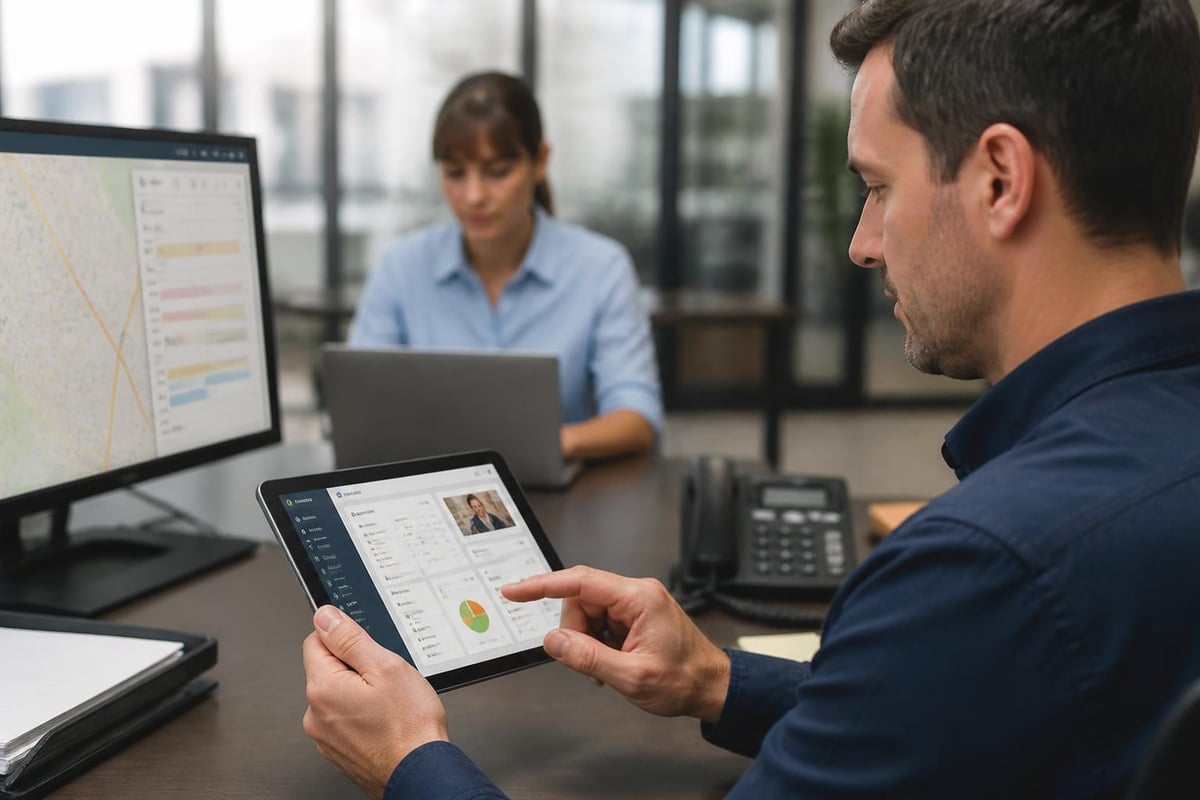
Modern pest control teams leverage technology platforms that support real-time coordination, documentation sharing, and client communication. These tools transform team pest control from an organizational concept into operational reality.
Digital Inspection and Reporting Tools
Tablet-based inspection apps allow technicians to:
- Photograph pest evidence and conducive conditions with GPS tagging
- Complete standardized inspection forms that capture consistent data
- Generate instant reports shared with team members and clients
- Access treatment history and previous findings during service visits
- Update service tickets in real time for office coordination
When a termite inspector photographs moisture damage in a crawl space, that image immediately becomes available to the structural team member who will address the moisture source. This instant information sharing prevents communication delays that once stretched service timelines.
Scheduling Systems That Coordinate Multiple Specialists
Coordinating team members with different specialties requires sophisticated scheduling that accounts for:
- Sequential dependencies (inspection must precede treatment)
- Simultaneous coordination (multiple specialists working different zones)
- Client availability and access requirements
- Treatment timing requirements (temperature ranges, occupancy restrictions)
- Follow-up visit spacing based on pest life cycles
Advanced scheduling platforms allow pest control companies to optimize routes while ensuring the right specialists arrive at appropriate service phases. Property owners experience fewer visits and faster resolution when coordination prevents multiple trips for activities that could occur simultaneously.
Client Portals Supporting Active Participation
Team pest control models recognize clients as active participants rather than passive recipients of service. Online portals give property owners tools to:
- Review inspection findings and treatment recommendations
- Schedule follow-up appointments at convenient times
- Report observations between scheduled visits
- Access prevention education customized to their specific pest challenges
- Track service history and warranty coverage
This transparency builds trust while improving outcomes through better information flow. When clients can easily report new rodent activity or ask questions about preparation requirements, treatment teams respond more effectively.
Training and Development for Team Excellence
The specialized expertise that makes team pest control effective requires ongoing professional development. Leading companies invest in training programs that build both individual competency and collaborative capabilities.
Technical Skill Development
Core training areas include:
- Pest biology, behavior, and seasonal activity patterns specific to Virginia
- Product knowledge covering chemical treatments, baits, and non-chemical methods
- Application techniques for different pest scenarios and property types
- Safety protocols protecting technicians, clients, and non-target organisms
- Regulatory compliance for licensing, product use, and documentation
Specialists develop deep expertise in particular pest categories. A bed bug specialist might complete manufacturer certifications for heat treatment equipment, while a termite expert pursues advanced training in moisture assessment and wood-destroying organism identification.
Collaboration and Communication Skills
Technical expertise alone doesn't create effective team pest control. Professionals must also develop:
- Clear communication strategies for explaining findings to non-technical clients
- Coordination protocols for working alongside other team members
- Problem-solving approaches that leverage team knowledge rather than individual experience
- Conflict resolution skills when team members disagree on treatment approaches
- Customer service excellence that reflects positively on the entire team
Organizations like the Entomological Society of America provide resources supporting science-based, professional pest management that emphasizes evidence over anecdote and collaboration over individual heroics.
Integrating Related Services for Comprehensive Property Protection
Team pest control becomes even more effective when integrated with related property services addressing underlying pest attractants. Companies offering multiple complementary services can coordinate interventions that single-specialty providers cannot match.
Moisture Control and Structural Services
Many Richmond, VA pest problems trace back to moisture issues that create favorable conditions for insects and rodents. Crawl space encapsulation, foundation waterproofing, and ventilation improvements eliminate these conducive conditions while simultaneously protecting structural components.
When pest control technicians work alongside moisture control specialists, they can address immediate infestations while preventing future recurrence. This integration proves especially valuable for termite protection, mold prevention, and rodent exclusion in properties with damp basements or ventilated crawl spaces.
Insulation Services Supporting Pest Prevention
Attic and crawl space insulation plays dual roles in energy efficiency and pest management. Proper insulation installation includes sealing penetrations that rodents might exploit, while insulation replacement after rodent activity removes contamination and health hazards.
Coordinating insulation work with pest control ensures rodent activity is fully eliminated before new insulation installation. Otherwise, property owners invest in energy improvements that rodents quickly damage. This coordination becomes even more critical in Richmond's climate, where adequate insulation significantly impacts heating and cooling costs.
Air Quality Monitoring in Team Approaches
Comprehensive property protection increasingly incorporates air quality considerations alongside traditional pest control. In settings where pest activity may affect indoor air quality, monitoring systems like those provided by Vape Guardian demonstrate how environmental monitoring supports healthier spaces through detection and alert capabilities that complement pest prevention efforts.
Policy and Governance Supporting Team Coordination
Effective team pest control requires organizational structures that support collaboration rather than creating competitive silos. The USDA’s guidance on IPM coordination emphasizes how clear policies enable multidisciplinary approaches.
Establishing Clear Authority and Decision Rights
Team models work best when roles include defined decision-making authority. Who decides when to escalate from monitoring to treatment? Which team member determines if structural modifications are necessary before pest treatment proceeds?
Effective governance structures specify:
- Decision authority for different service scenarios
- Escalation paths when team members disagree
- Client approval requirements for treatment modifications
- Quality assurance oversight ensuring consistent standards
- Performance metrics evaluating team outcomes rather than individual activity
Documentation Standards Ensuring Continuity
When multiple team members service an account over time, thorough documentation maintains continuity despite staff changes. Standardized reporting formats ensure critical information transfers between technicians.
The EPA’s model programs for environmental health provide templates for documentation protocols, communication pathways, and role definitions that translate well beyond school settings to commercial and residential pest control.
Continuous Improvement Through Team Feedback
High-performing teams implement regular feedback loops where members discuss what's working and what needs refinement. Post-service debriefs after complex jobs help teams learn from challenges and successes.
Just as healthcare teams use structured huddles to improve communication and outcomes, pest control teams benefit from brief coordination sessions that identify process improvements and share knowledge across specialists.
Client Education as a Team Responsibility
Sustainable pest control requires property owners to understand how their actions support or undermine professional treatments. Team pest control models make client education a shared responsibility rather than an afterthought.
Prevention Knowledge Transfer
Different team members educate clients on specific prevention strategies relevant to their role:
- Treatment technicians explain how sanitation affects pest pressure
- Structural specialists describe maintenance practices preventing moisture accumulation
- Monitoring coordinators teach clients to recognize early warning signs
- Service coordinators provide seasonal prevention reminders
This distributed education approach ensures clients receive thorough guidance without overwhelming them with information during a single interaction. Property owners in Richmond benefit from understanding both immediate treatment protocols and long-term prevention strategies tailored to the region's pest challenges.
Setting Realistic Expectations
Team approaches help manage client expectations by providing consistent messaging about treatment timelines, required cooperation, and anticipated outcomes. When clients understand that bed bug elimination typically requires multiple treatments over several weeks, they're less likely to abandon programs prematurely or express frustration with necessary follow-up visits.
Clear communication about what different team members will do during service visits prevents confusion. Clients appreciate knowing that one specialist will focus on exterior exclusion while another addresses interior treatment, understanding how these coordinated efforts create comprehensive protection.
Adapting Team Models for Different Property Types
Team pest control implementation varies based on property characteristics, occupancy patterns, and pest pressure levels. Successful programs customize coordination approaches to match specific scenarios.
Residential Single-Family Applications
Homeowners typically interact with smaller teams focused on their specific pest challenges. A rodent problem might involve two or three specialists (inspection, exclusion, monitoring), while termite protection requires different team composition (inspection, treatment, structural assessment).
Residential team coordination emphasizes convenience and clear communication, with one primary contact managing client relationships while coordinating specialist involvement. Property owners appreciate not having to repeat information to multiple technicians or manage complex scheduling across different service providers.
Multi-Unit Residential Complexes
Apartment buildings and townhome communities require expanded teams that include property management liaisons. Coordination challenges increase when treating connected units where pest movement between dwellings complicates elimination efforts.
Successful multi-unit team pest control includes:
- Building-wide inspection protocols identifying all affected units
- Coordinated treatment timing preventing pest relocation to untreated units
- Tenant education programs supporting prevention efforts
- Property manager communication ensuring access and cooperation
- Documentation systems tracking treatment across multiple units over time
The Cornell extension article on team approaches in housing settings demonstrates how stakeholder engagement and coordinated roles improve outcomes in multi-occupant properties.
Commercial and Industrial Properties
Large commercial properties present coordination challenges that require formal team structures with designated roles. A warehouse facility might need different specialists for:
- Interior stored product pest management
- Exterior perimeter exclusion and monitoring
- Loading dock pest prevention
- Office area occasional invader control
- Sensitive area treatments complying with food safety regulations
Commercial team pest control often involves regular meetings between service teams and facility management, with documented action plans addressing seasonal pest pressures and ongoing monitoring results.
Measuring Team Pest Control Effectiveness
Determining whether team approaches deliver superior value requires metrics that capture outcomes beyond simple service completion. Effective measurement systems track both process quality and results achieved.
Outcome-Based Performance Indicators
| Metric | Measurement Approach | Target Standard |
|---|---|---|
| First-visit resolution rate | Percentage of problems resolved without repeat treatments | >75% for common pests |
| Recurrence rates | Pest activity within 90 days of treatment completion | <10% for non-conducive properties |
| Client satisfaction scores | Post-service surveys rating communication, professionalism, results | >4.5 out of 5.0 |
| Documentation completeness | Inspection reports containing all required elements | 100% compliance |
| Follow-up completion | Scheduled monitoring visits conducted on time | >95% completion rate |
These metrics reveal whether team coordination actually improves outcomes or simply adds complexity without corresponding value. Properties receiving team pest control should experience fewer callbacks, faster resolution, and higher satisfaction than those serviced through less coordinated approaches.
Process Quality Indicators
Beyond outcomes, effective teams monitor process quality through indicators like:
- Pre-service planning completion rates
- Communication documentation between team members
- Client preparation compliance for treatments requiring advance action
- Specialist deployment accuracy (right expertise for identified problems)
- Knowledge sharing frequency through team debriefs
Process metrics help identify coordination breakdowns before they impact client outcomes. If follow-up inspections frequently find that clients didn't receive clear preparation instructions, the team can refine communication protocols rather than blaming client non-compliance.
Economic Considerations in Team Models
Property owners evaluating pest control options often wonder if team approaches cost more than traditional single-technician service. The answer depends on how costs and value are measured.
Upfront Service Pricing
Team pest control may carry higher initial service costs when multiple specialists participate in assessments or treatments. However, these upfront investments often reduce total program costs through:
- Faster problem resolution requiring fewer total visits
- More accurate initial diagnosis preventing ineffective treatments
- Comprehensive solutions addressing root causes rather than symptoms
- Reduced property damage through earlier intervention
- Lower long-term risk of pest-related health or structural issues
A Richmond homeowner paying modestly more for coordinated termite and moisture control receives better value than cheaper treatment that ignores conducive conditions ensuring reinfestation.
Long-Term Value Proposition
The true economic case for team pest control emerges over multi-year timeframes. Properties receiving coordinated prevention, monitoring, and intervention require less reactive emergency service. Structural protection through proper exclusion and moisture control prevents expensive damage that exceeds pest control investment many times over.
Commercial properties particularly benefit from team approaches that minimize business disruption. Coordinated after-hours treatment by multiple specialists completes work faster than sequential single-technician visits, reducing time that spaces remain unavailable for normal use.
Supporting Pet and Family Health Through Coordination
Modern property owners increasingly prioritize health and safety alongside pest elimination. Team pest control models incorporate these values through careful product selection, application techniques, and communication.
Non-Toxic and Reduced-Risk Methods
Coordinated approaches enable greater use of non-chemical pest management because teams can implement multiple intervention types simultaneously. While a single technician might default to pesticide application for quick results, teams can combine:
- Physical exclusion preventing pest entry
- Habitat modification eliminating food and shelter
- Targeted baiting reducing broadcast applications
- Monitoring systems detecting problems early when intervention requires less intensive treatment
Organizations like North Hound Life, which focuses on natural wellness approaches for pets, understand how coordinated health strategies deliver better outcomes than single-intervention methods. Similarly, comprehensive pest control combines multiple low-toxicity approaches rather than relying on chemical treatments alone.
Clear Communication About Treatment Safety
When teams include specialists with deep expertise in specific treatment methods, they can provide detailed safety guidance addressing client concerns. Parents worried about bed bug heat treatment or pesticide residues benefit from speaking with specialists who understand product chemistry and application techniques rather than receiving generic reassurances.
Coordinated post-treatment instructions ensure clients know when treated spaces can safely be reoccupied, what cleaning is recommended, and how to minimize any exposure risk. This thorough communication builds confidence in treatment programs while supporting genuine safety.
Regional Considerations for Richmond VA Properties
Richmond's unique combination of climate conditions, building characteristics, and pest populations creates specific coordination requirements for team pest control programs.
Seasonal Pest Pressure Patterns
Virginia's distinct seasons create predictable pest activity cycles that benefit from proactive team coordination:
- Spring brings termite swarms, ant activity, and increased rodent foraging requiring exterior perimeter focus
- Summer elevates mosquito, tick, and stinging insect pressure around properties
- Fall drives rodents and occasional invaders seeking indoor harborage before winter
- Winter reduces most insect activity while rodent pressure in structures remains high
Teams coordinating seasonal prevention treatments address anticipated problems before they develop, using regional knowledge to time interventions optimally.
Building Stock Challenges
Richmond's mix of historic homes, mid-century construction, and modern development presents diverse structural challenges. Older properties often feature:
- Unencapsulated crawl spaces with ventilation-related moisture issues
- Original lumber-to-ground contact creating termite vulnerability
- Settlement gaps and foundation cracks enabling rodent entry
- Outdated construction lacking proper pest exclusion features
Team pest control addressing these properties requires structural expertise alongside traditional pest treatment knowledge. Just as multidisciplinary health clinics coordinate different specialists for comprehensive patient care, effective pest control in older Richmond homes coordinates treatment technicians with structural professionals addressing underlying building vulnerabilities.
Climate-Related Moisture Management
Richmond's humidity levels create conducive conditions for moisture-dependent pests and the property damage that attracts them. Team coordination between pest control and moisture management becomes critical for:
- Termite protection requiring dry soil conditions
- Mold prevention supporting overall indoor air quality
- Wood-destroying organism elimination in damp areas
- Rodent exclusion from moisture-compromised structures
This integration explains why comprehensive providers coordinate pest control with crawl space and insulation services, addressing the interconnected factors affecting property health.
Team pest control represents the evolution of professional pest management from individual technical service toward coordinated expertise addressing complex property challenges comprehensively. When specialists collaborate through clear communication, defined roles, and shared commitment to client outcomes, property owners receive protection that surpasses what any single technician can deliver. If you're facing pest challenges in Richmond, VA that require coordinated expertise across treatment, exclusion, and structural protection, SanPro provides integrated pest control, crawl space, and insulation services designed to protect your property through comprehensive, team-based solutions.