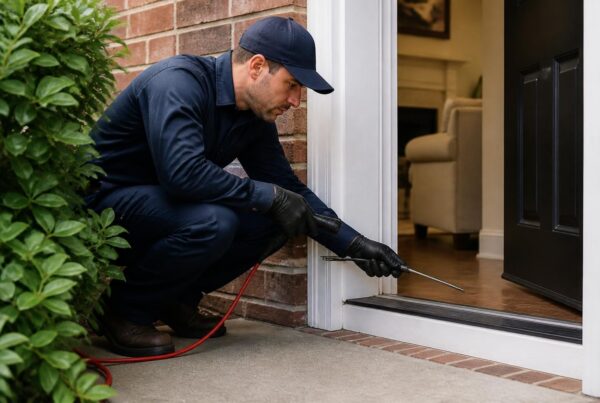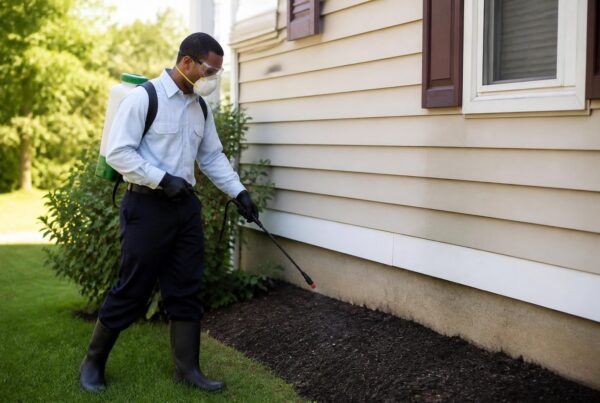
Flea infestations rank among the most frustrating pest problems homeowners face in Richmond, VA. These tiny parasites reproduce rapidly, bite both pets and humans, and can persist for months if not properly addressed. Understanding which flea killer for home use delivers results requires knowledge of flea biology, treatment options, and integrated control strategies. Professional pest exterminators recognize that successful flea elimination demands a comprehensive approach targeting every life stage, from eggs hidden in carpet fibers to adult fleas on pets.
Understanding Flea Biology and Infestation Patterns
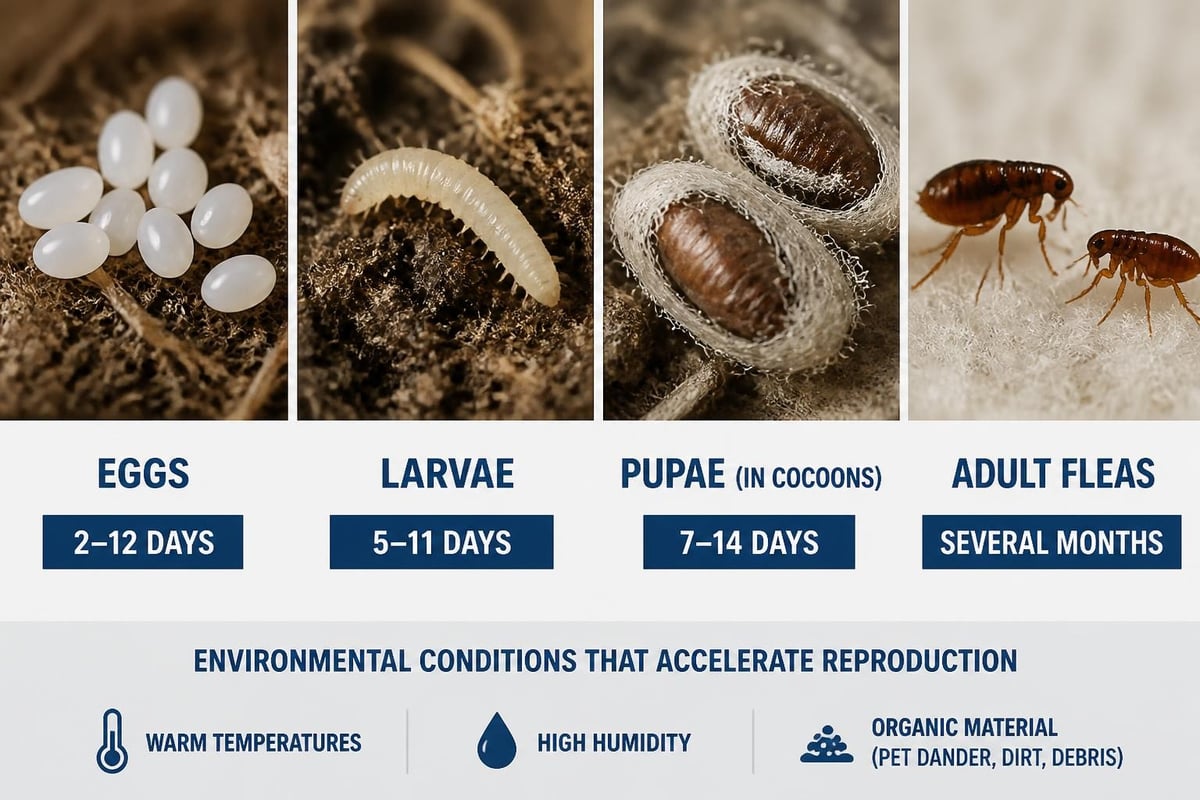
Effective flea control begins with understanding your enemy. Adult fleas represent only about 5% of a home infestation, while the remaining 95% consists of eggs, larvae, and pupae scattered throughout your living spaces.
Female fleas lay up to 50 eggs daily, which fall off pets onto carpets, furniture, and bedding. Within two to twelve days, these eggs hatch into larvae that burrow deep into carpet fibers and cracks. Larvae feed on organic debris and adult flea feces, avoiding light and staying hidden for 5-11 days before spinning cocoons.
The pupal stage presents the greatest challenge for any flea killer for home treatment. Pupae remain protected inside cocoons for weeks or months, waiting for vibrations, warmth, or carbon dioxide that signals a host is nearby. No pesticide penetrates these cocoons effectively.
Key flea lifecycle facts:
- Eggs to adults: 14 days to 12 months depending on conditions
- Optimal development: 70-85°F with 70% humidity
- Adult fleas can survive 2-3 months without feeding
- One female produces 2,000 eggs in her lifetime
Richmond's humid summers create ideal conditions for rapid flea reproduction. Pest exterminators in Richmond VA see increased service calls from May through October when flea populations explode.
Comprehensive Home Treatment Strategies
Selecting the right flea killer for home use depends on infestation severity, household composition, and pet presence. Professional pest control services typically combine multiple approaches for maximum effectiveness.
Mechanical Removal Methods
Vacuuming remains the single most important action homeowners can take. Regular, thorough vacuuming removes eggs, larvae, pupae, and adult fleas while stimulating cocoons to hatch.
Effective vacuuming protocol:
- Vacuum all carpeted areas daily for at least two weeks
- Focus on pet sleeping areas, under furniture, and along baseboards
- Use attachments for upholstered furniture and crevices
- Immediately seal and dispose of vacuum bags outside
- Continue weekly vacuuming for eight weeks minimum
The University of Minnesota Extension emphasizes that mechanical removal triggers flea emergence from cocoons, making subsequent treatments more effective. Steam cleaning carpets adds heat treatment that kills larvae and may damage some pupae.
Chemical Treatment Options
Multiple categories of flea killers for home application exist, each targeting different life stages or working through distinct mechanisms.
| Product Type | Target Stage | Active Ingredient Examples | Residual Effect |
|---|---|---|---|
| Adulticides | Adult fleas only | Pyrethrins, permethrin | Hours to days |
| Insect Growth Regulators (IGRs) | Eggs and larvae | Methoprene, pyriproxyfen | 2-7 months |
| Combination products | Multiple stages | Adulticide + IGR | Weeks to months |
| Natural options | Primarily adults | Diatomaceous earth, sodium borate | Until removed |
Insect growth regulators work by disrupting flea development, preventing larvae from maturing into adults. Research published in peer-reviewed studies demonstrates pyriproxyfen's effectiveness at extremely low concentrations, making it a cornerstone of modern flea control programs.
Professional pest exterminators in Richmond VA typically apply residual sprays containing both adulticides and IGRs to baseboards, carpets, and pet resting areas. These products continue working for months, eliminating newly emerged fleas before they reproduce.
Natural and Low-Toxicity Alternatives
Homeowners concerned about chemical exposure can explore alternative flea killers for home use, though these generally require more frequent application and diligent monitoring.
Diatomaceous earth (DE) kills fleas through physical action, scratching their exoskeleton and causing dehydration. Food-grade DE can be lightly dusted into carpets, left for several hours, then thoroughly vacuumed. Repeat weekly for best results.
Sodium borate products provide longer-lasting control, remaining effective in carpets for months. However, proper application rates are critical; too much poses risks to pets and children.
The EPA provides guidance on evaluating both conventional and alternative flea control products, helping homeowners make informed decisions about safety and effectiveness.
Treating the Complete Home Environment
Room-by-room treatment ensures no flea populations survive to restart the infestation cycle. Professional pest control companies follow systematic protocols covering every potential harborage area.
High-Priority Treatment Zones
Bedrooms where pets sleep require intensive treatment. Wash all bedding (both human and pet) in hot water weekly during active infestations. Treat mattresses and box springs with appropriate products if pets access beds.
Living areas with upholstered furniture need special attention. Vacuum furniture thoroughly, treating underneath cushions and along seams. Consider professional steam cleaning for heavily infested pieces.
Treatment checklist by room:
- Bedrooms: launder all linens, vacuum mattresses, treat carpets and baseboards
- Living rooms: vacuum furniture and carpets, treat pet resting spots, clean drapes
- Kitchens: sweep and mop hard floors, check pet feeding areas
- Bathrooms: wash pet towels, clean tile grout where larvae may hide
- Basements and crawl spaces: address moisture issues, treat entry points
Richmond homeowners with crawl space issues may find flea populations originating from wildlife harboring beneath the home. Raccoons, opossums, and feral cats introduce fleas into crawl spaces, which then migrate upward into living areas. Professional crawl space services eliminate these source populations while addressing moisture that supports flea development.
Outdoor Treatment Considerations
Yards where pets spend time can harbor significant flea populations, particularly in shaded, humid areas. Focus outdoor flea killer for home perimeter applications on:
- Pet resting spots under porches and decks
- Shaded areas along fences and foundations
- Mulched landscape beds
- Areas where wildlife frequent
The UC IPM program recommends treating only high-traffic pet areas rather than broadcasting pesticides across entire lawns. Improving drainage, increasing sunlight penetration, and keeping grass trimmed reduces outdoor flea survival.
Coordinating Pet Treatment With Home Treatment
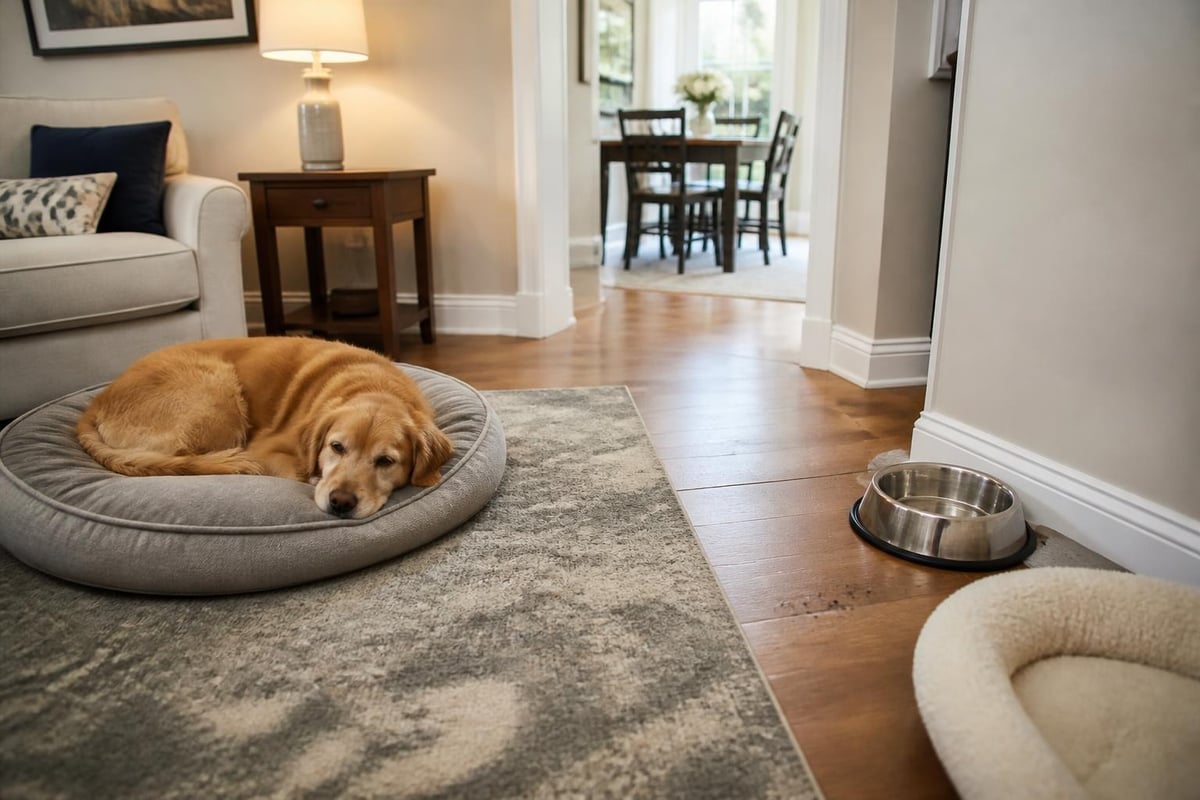
No flea killer for home use succeeds without simultaneously treating all household pets. Fleas feed exclusively on warm-blooded animals, and pets serve as the primary reproductive platform for infestations.
Veterinary-Approved Pet Products
Modern flea preventatives for pets offer remarkable effectiveness, killing fleas before they lay eggs. Monthly topical treatments, oral medications, and flea collars provide options for different pet types and owner preferences.
Popular pet product categories:
- Topical spot-ons: Applied monthly between shoulder blades, spreads through skin oils
- Oral tablets: Systemic protection lasting 1-3 months depending on product
- Flea collars: Continuous release over 8 months, effectiveness varies by brand
- Prescription medications: Veterinarian-prescribed products with proven efficacy
According to Consumer Reports testing, prescription flea medications significantly outperform over-the-counter options. Products containing ingredients like spinosad, nitenpyram, or isoxazolines kill fleas within hours of application.
Treatment Timing and Coordination
Treat all pets on the same day you begin intensive home treatment. This synchronized approach prevents fleas from shuttling between untreated pets and cleaned environments.
Bathe pets with flea shampoo immediately before applying long-term preventatives. While flea shampoos kill only adult fleas present during the bath, they remove debris and prepare the coat for topical treatments.
Continue monthly preventatives year-round in Richmond's climate. Mild winters allow some flea activity even during cold months, and consistent prevention prevents population rebounds in spring.
Professional Pest Control vs. DIY Treatment
Homeowners facing severe infestations or persistent problems should weigh the benefits of professional pest exterminator services against do-it-yourself approaches.
When to Call a Professional
Certain situations warrant immediate professional intervention rather than experimenting with consumer-grade flea killers for home use.
- Infestations lasting more than six weeks despite diligent DIY efforts
- Sensitive household members with allergies, asthma, or chemical sensitivities requiring targeted application
- Multiple pets making coordination and complete coverage difficult
- Large homes exceeding 3,000 square feet where thorough coverage becomes challenging
- Unknown infestation sources suggesting wildlife introduction through structural entry points
Professional pest control services in Richmond VA offer several advantages over DIY treatment. Licensed applicators access professional-grade products unavailable to consumers, understand proper application rates and coverage patterns, and provide treatment guarantees with follow-up services.
Pest exterminators also identify contributing factors homeowners might miss. Foundation cracks, poorly sealed crawl space vents, or roof damage allowing wildlife entry all contribute to recurring flea problems requiring structural solutions beyond pesticide application.
DIY Treatment Success Factors
Homeowners committed to self-treatment can achieve excellent results by following integrated pest management principles. The National Pesticide Information Center provides science-based guidance on selecting appropriate products and applying them safely.
| DIY Success Factor | Implementation Strategy | Expected Timeline |
|---|---|---|
| Consistent vacuuming | Daily for 2 weeks, weekly for 8 weeks | Immediate ongoing |
| Complete coverage | Treat all rooms, furniture, vehicles | Single day |
| Pet treatment | All pets, veterinary products, monthly | Same day as home treatment |
| Product rotation | Alternate product types if resistance suspected | As needed |
| Follow-up monitoring | Weekly flea comb checks, observe pet scratching | 8-12 weeks |
The University of Florida IFAS extension emphasizes patience and persistence as critical success factors. Most DIY failures result from incomplete coverage, inadequate pet treatment, or stopping too soon before all life stages are eliminated.
Product Selection and Application Safety
Choosing the right flea killer for home application requires understanding product labels, active ingredients, and safety considerations for household members and pets.
Reading and Understanding Labels
Federal law requires all pesticide labels to carry specific information about proper use, target pests, and safety precautions. Reading labels completely before purchase prevents buying inappropriate products or misapplying effective ones.
Critical label elements:
- Target pest list: Confirms product is labeled for fleas
- Application sites: Specifies where product can legally be applied (carpets, pet bedding, etc.)
- Mixing instructions: Details proper dilution rates if concentrate
- Re-entry intervals: States when treated areas are safe for people and pets
- Active ingredients: Lists chemical compounds and concentrations
The UC IPM library offers detailed guidance on interpreting pesticide labels and selecting least-toxic effective options for home pest management.
Safety Precautions During Application
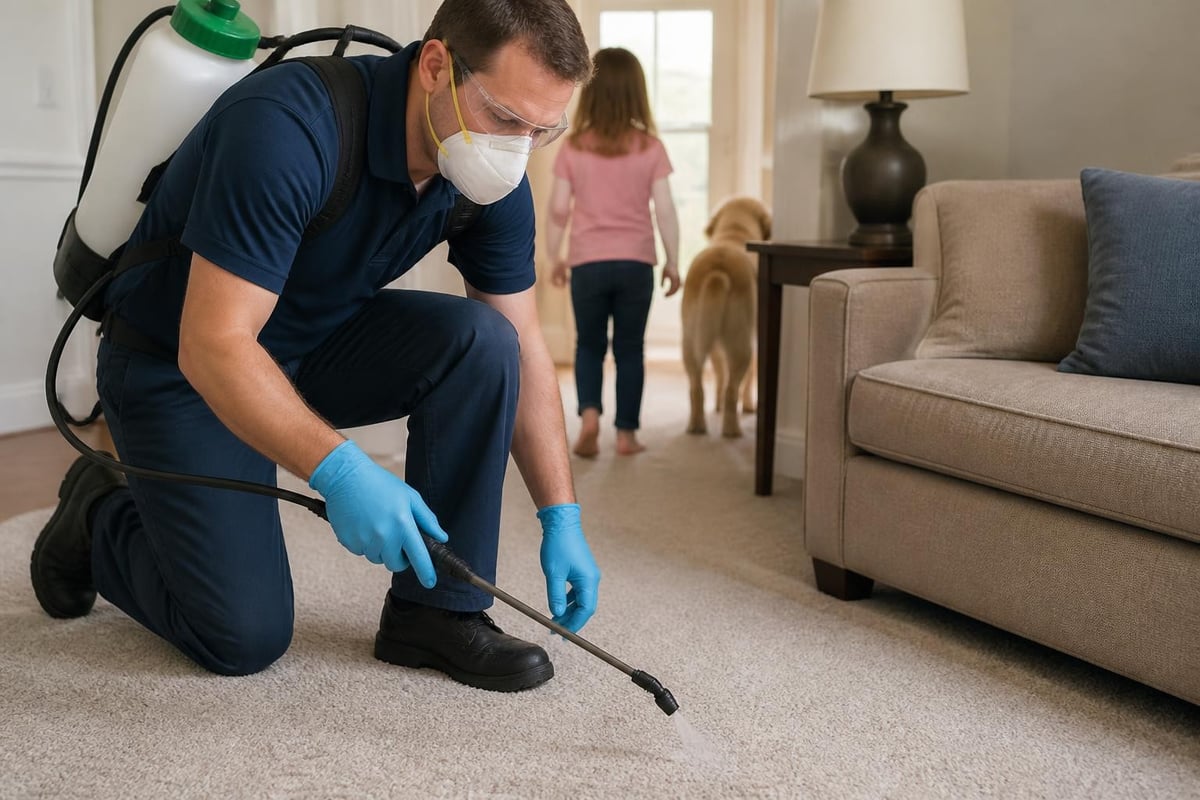
Even low-toxicity flea killers for home use require proper protective measures during application. Professional pest exterminators in Richmond VA follow strict protocols protecting clients and technicians.
Before treatment, remove pets, children, and sensitive individuals from treatment areas. Cover aquariums and remove food preparation surfaces or cover them with plastic sheeting. Open windows to ensure adequate ventilation during and after application.
Personal protective equipment:
- Long-sleeved shirt and long pants
- Chemical-resistant gloves
- Safety glasses or goggles
- Respirator if treating large areas or using concentrated products
After application, allow treated surfaces to dry completely before allowing re-entry. Wash hands and exposed skin thoroughly. Store products in original containers away from food, medications, and areas accessible to children or pets.
Long-Term Prevention and Monitoring
Successful flea elimination represents only half the battle. Preventing reinfestation requires ongoing vigilance and environmental management.
Establishing Prevention Routines
Regular maintenance activities dramatically reduce the likelihood of new flea populations establishing in your home. Build these tasks into weekly and monthly household routines.
Weekly prevention tasks:
- Vacuum all carpeted areas and upholstered furniture
- Wash pet bedding in hot water
- Check pets with flea comb during grooming
- Inspect common pet resting areas for flea dirt
Monthly prevention tasks:
- Apply or administer pet flea preventative
- Launder throw blankets and decorative pillows
- Inspect outdoor pet areas and treat if needed
- Check under furniture and in corners for flea activity
Maintaining consistent pet flea prevention is perhaps the single most important long-term strategy. Products providing 30-day or longer protection prevent any introduced fleas from establishing breeding populations.
Environmental Modifications
Reducing environmental conditions that favor flea development creates an inhospitable home for potential infestations. Richmond's humidity makes moisture control particularly important.
Lower indoor humidity below 50% using dehumidifiers or air conditioning. Fleas struggle to survive and reproduce in dry conditions, and larvae desiccate when humidity drops significantly.
Increase vacuum frequency in homes with multiple pets or where pets spend extensive time indoors. Regular removal of organic debris eliminates food sources for developing larvae.
Address wildlife access points around your home's exterior. Seal foundation cracks, repair damaged crawl space vents, and exclude animals from beneath decks and porches where they deposit flea eggs near your home's entry points.
Addressing Resistant or Recurring Infestations
Some flea populations develop resistance to common pesticides, while other "infestations" actually represent continuous reintroduction from external sources.
Recognizing Resistance
Flea resistance to pyrethroid insecticides has been documented in multiple regions. If your chosen flea killer for home use initially worked but effectiveness has declined despite proper application, resistance may be developing.
Signs suggesting possible resistance include:
- Adult fleas surviving 48+ hours after proper product application
- Rapid reinfestation within days of thorough treatment
- Multiple product failures from the same chemical class
- Neighboring properties reporting similar treatment failures
Combat resistance by rotating between different chemical classes. If pyrethroids fail, switch to products containing different active ingredients like indoxacarb or insect growth regulators. Professional pest control companies maintain diverse product arsenals specifically to address resistance issues.
Identifying External Sources
Persistent flea problems despite intensive treatment often indicate ongoing introduction from external sources rather than treatment failure.
Common external sources in Richmond VA:
- Wildlife (raccoons, opossums, feral cats) nesting in crawl spaces or attics
- Outdoor cats accessing porches or garages
- Neighboring properties with untreated pet populations
- Pet visits to dog parks or boarding facilities
- Contact with infested outdoor environments during walks
Address external sources by excluding wildlife from structural voids, limiting pet contact with potentially infested environments, and coordinating with neighbors on area-wide flea management. For properties with significant wildlife activity beneath structures, professional pest control services can implement exclusion strategies preventing animal access while treating existing populations.
Special Considerations for Different Home Types
Flea control strategies must adapt to specific housing characteristics and construction types common throughout Richmond VA.
Multi-Level Homes and Townhouses
Shared walls in townhouses allow flea migration between units, particularly if neighbors have untreated pets. Treating only your unit may provide temporary relief before fleas recolonize from adjacent properties.
Coordinate with property management or neighbors to implement simultaneous treatment across connected units. Focus extra attention on shared walls, treating baseboards and carpets along these boundaries.
Multi-story homes require treating all levels even if pets primarily occupy certain floors. Fleas migrate vertically searching for hosts, and eggs fall through floor registers or gaps around pipes.
Homes with Crawl Spaces
Richmond's many homes with crawl spaces face unique flea challenges when wildlife inhabits these areas. Possums and raccoons carry substantial flea populations that deposit eggs in crawl space insulation and debris.
Treating only the living space above provides temporary relief until new fleas emerge from crawl space populations. Comprehensive solutions require wildlife removal, sanitation of contaminated materials, and encapsulation or exclusion preventing reentry.
Professional crawl space services address these interconnected problems systematically, eliminating pest harborage while improving conditions that attract wildlife initially.
Rental Properties and Apartments
Tenants discovering fleas often face uncertainty about treatment responsibility. Review lease agreements regarding pest control obligations, as Virginia law provides some guidance but specific responsibilities vary by lease terms.
Document flea presence immediately upon discovery and notify property management in writing. Many professional pest exterminators offer coordinated treatment services for multi-unit properties, addressing individual units and common areas simultaneously.
When moving into previously occupied rentals, inspect thoroughly for flea signs before bringing pets. Request professional treatment if evidence exists, as flea pupae can survive months between tenants waiting for new hosts.
Understanding Treatment Timelines and Expectations
Realistic expectations about flea elimination timelines prevent premature treatment abandonment and disappointment with effective products.
Why Complete Elimination Takes Weeks
Even the most effective flea killer for home use cannot instantly eliminate all life stages. The pupal stage's resistance to pesticides means newly emerged adults will appear for weeks after treatment.
Typical elimination timeline:
- Days 1-3: Adult fleas on pets die from preventative medications
- Days 4-7: Adult fleas in environment die from residual sprays
- Days 8-14: First wave of pupae stimulated by treatment begin emerging
- Days 15-21: Second wave of pupae emerge and quickly die from residual products
- Days 22-56: Remaining pupae gradually emerge over several weeks
- Days 57-84: Final stragglers emerge; infestation considered eliminated
Most homeowners see dramatic improvement within the first week but must maintain treatment protocols for 8-12 weeks to ensure complete elimination. Premature treatment cessation allows surviving populations to rebuild.
Monitoring Treatment Progress
Track treatment effectiveness through systematic monitoring rather than relying on subjective impressions. Keep a simple log noting flea observations and pet scratching frequency.
Monitoring methods:
- Flea combing: Daily or weekly combing sessions recording numbers caught
- White sock test: Walk through treated carpets wearing white socks, observe for fleas jumping onto fabric
- Pet behavior: Note scratching, biting, or restlessness frequency
- Visual inspection: Check pet bedding and resting areas for flea dirt
Declining numbers over successive weeks indicate successful treatment. Stable or increasing counts suggest treatment gaps, resistance issues, or external reintroduction requiring strategy adjustment.
Successfully eliminating fleas from your home demands patience, comprehensive treatment of both pets and environment, and consistent follow-through over 8-12 weeks. Whether you choose professional-grade products applied by yourself or work with experienced specialists, understanding flea biology and treatment principles ensures lasting results. Richmond homeowners facing persistent flea problems, wildlife-related infestations, or complex situations benefit from professional assessment and treatment strategies tailored to your specific property conditions. SanPro brings decades of pest control expertise to Richmond homes, offering comprehensive solutions that address not just current flea infestations but underlying structural and environmental factors contributing to pest problems. Contact our team for a thorough property evaluation and customized treatment plan that protects your family and pets from these persistent parasites.