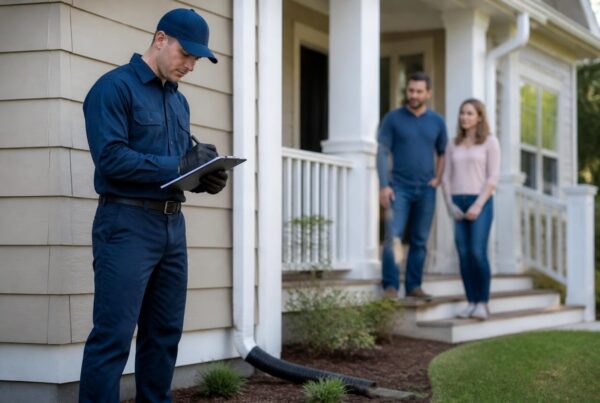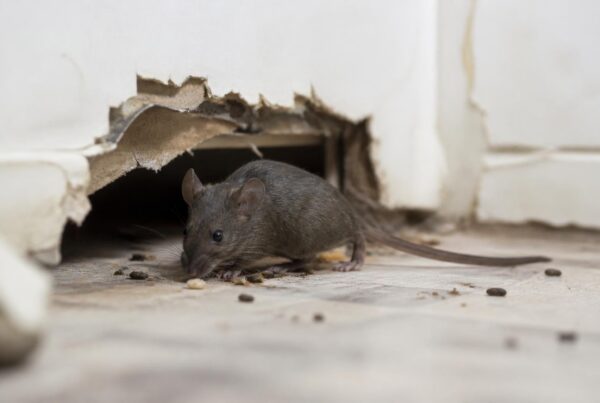
When you notice signs of pest activity in your Richmond, Virginia home, the question isn't whether you should act but rather when and how. Every homeowner faces the decision to tackle the problem themselves or contact pest control professionals who understand local pest behaviors, seasonal patterns, and treatment methods proven effective in Central Virginia's unique climate. Making the right choice requires understanding what professional exterminators offer, how to evaluate severity, and when immediate action prevents minor issues from becoming structural nightmares.
Understanding What Professional Pest Control Services Deliver
Professional pest management extends far beyond spraying chemicals around your baseboards. When you contact pest control experts in Richmond VA, you're engaging specialists who diagnose pest species, identify entry points, assess environmental conditions that attract pests, and implement integrated pest management strategies tailored to your property's specific challenges.
Licensed exterminators bring equipment homeowners don't typically own: professional-grade application tools, moisture meters to detect conducive conditions, thermal cameras for detecting rodent nests, and products regulated by the EPA’s pesticide ingredient standards that aren't available in retail stores. More importantly, they carry the training to use these tools safely around your family, pets, and landscaping.
The Scope of Modern Extermination Services
Today's pest control industry operates on prevention-first principles rather than reactive spraying. When you contact pest control services, reputable companies begin with a thorough inspection that maps pest pressure zones, moisture problems, structural vulnerabilities, and sanitation issues that sustain infestations.
Treatment plans typically include:
- Initial knockdown applications using contact pesticides for immediate population reduction
- Residual barrier treatments that prevent re-entry for weeks or months
- Exclusion recommendations identifying gaps, cracks, and structural repairs needed
- Habitat modification guidance addressing moisture, food sources, and harborage areas
- Follow-up monitoring to verify effectiveness and adjust strategies
The National Pesticide Information Center provides detailed fact sheets explaining how different pesticide types work, which helps homeowners understand why professionals select specific products for specific pest problems.
Recognizing When to Contact Pest Control Immediately
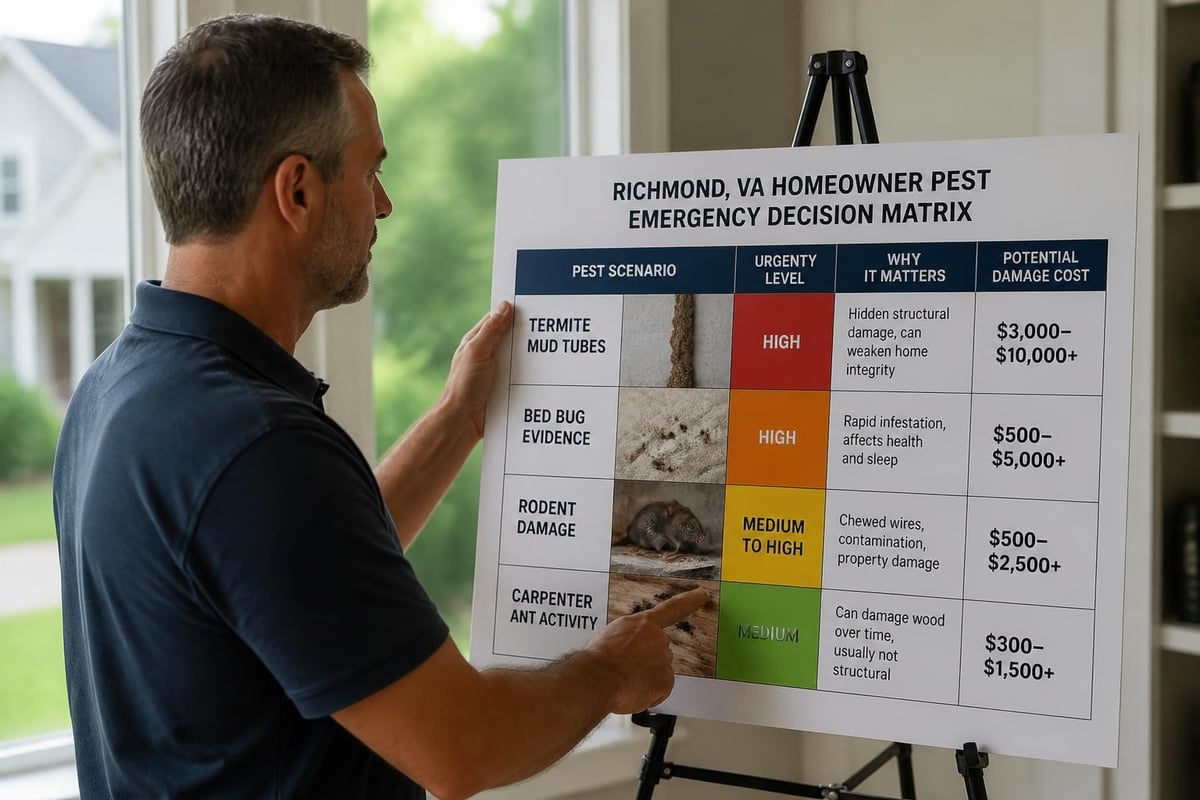
Some pest situations demand professional intervention without delay. Waiting can escalate damage, multiply populations exponentially, or create health hazards that endanger your family.
| Pest Type | Warning Signs | Why Speed Matters |
|---|---|---|
| Termites | Mud tubes on foundation, hollow-sounding wood, discarded wings | $3,000-$8,000 average damage when caught early; delays add tens of thousands |
| Bed bugs | Bite patterns in lines, blood spots on sheets, musty odor | Populations double every 16 days; spread to other rooms rapidly |
| Rodents | Droppings in cabinets, gnaw marks, scratching sounds in walls | Fire risk from wire damage; disease transmission; rapid reproduction |
| Carpenter ants | Large black ants indoors, sawdust piles, rustling sounds in walls | Structural wood damage compounds over seasons |
For Richmond homeowners, termites pose particular concern. The region's humidity and soil composition create ideal conditions for Eastern subterranean termites, which cause more damage annually than fires, floods, and storms combined in Virginia. When you suspect termite activity, you need to contact pest control specialists who perform detailed inspections with moisture meters and infrared technology.
Seasonal Timing Considerations in Central Virginia
Richmond's climate creates predictable pest activity patterns that smart homeowners use to schedule preventive treatments. Spring brings termite swarms, carpenter bee emergence, and ant colony expansion. Summer peaks with mosquito populations, stinging insects establishing nests, and stored-product pests invading pantries. Fall triggers rodent migration indoors as temperatures drop.
The most cost-effective approach is contacting pest control services before seasonal peaks hit. Pre-emptive barrier treatments in March prevent termite swarms from establishing colonies. Late summer treatments stop rodents before cold weather pushes them into your attic. This timing reduces pesticide use overall because you're preventing establishment rather than battling entrenched populations.
Evaluating DIY Versus Professional Treatment Options
Home improvement stores stock dozens of pest control products, creating the impression that homeowners can handle any infestation. Understanding when DIY approaches work and when they waste time and money prevents costly mistakes.
DIY solutions work best for:
- Minor ant trails caught immediately before colonies establish
- Single stinging insect nests in accessible locations
- Preventive perimeter treatments during non-infestation periods
- Outdoor mosquito control in limited areas using products like Mosquito Beads, a natural DEET-free repellent that masks human scent using six essential oils, perfect for patios and outdoor gathering spaces where you want chemical-free control
Contact pest control professionals when facing:
- Any termite activity whatsoever
- Bed bugs (retail products achieve less than 30% success rates)
- Persistent rodent problems requiring trap placement expertise
- Recurring infestations despite repeated DIY attempts
- Pests in inaccessible areas like wall voids or crawl spaces
- Situations requiring pesticide application near food preparation areas
The UC Statewide IPM program offers excellent guidance on understanding pesticide types and when contact versus systemic products make sense for different pest challenges, helping homeowners make informed decisions about treatment approaches.
Cost Comparison Reality Check
Initial pest control service calls in Richmond typically range from $150 to $400 depending on property size and pest type. Homeowners often hesitate at this price point, believing they can achieve the same results for $30-$50 in retail products.
This calculation misses several factors. Professional applications use concentrated formulations applied with precision equipment, achieving better coverage with less product waste. More critically, failed DIY attempts allow pests to multiply, making eventual professional treatment more extensive and expensive. A $200 service call that solves the problem immediately costs less than $100 in failed DIY attempts followed by a $500 emergency treatment for an infestation that's tripled in size.
Research published in Scientific Reports demonstrates how contact pesticide effectiveness varies dramatically with application technique, surface type, and environmental conditions-variables professionals manage better than homeowners armed with retail spray bottles.
Selecting the Right Pest Control Provider in Richmond
Not all exterminators deliver equal value. When you contact pest control companies, ask questions that reveal their expertise, methodology, and commitment to solving problems rather than creating dependence on monthly treatments you may not need.
Credentials and Certifications That Matter
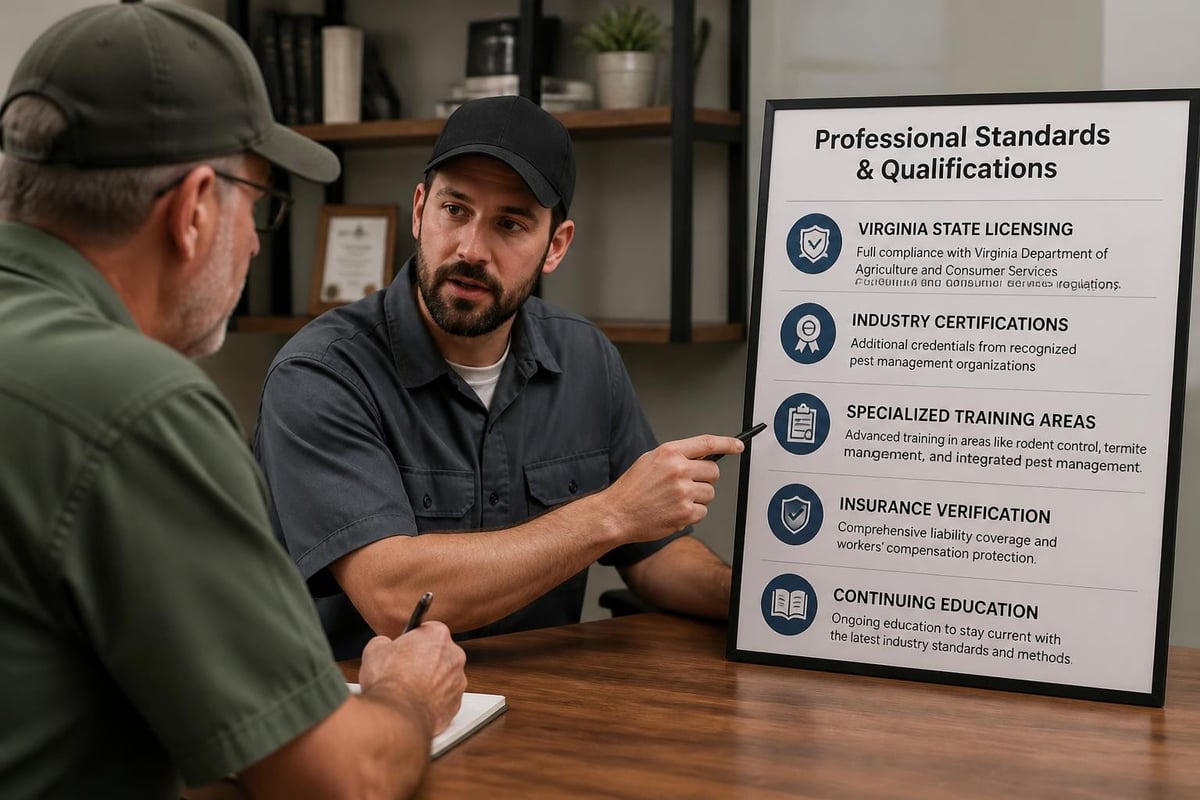
Virginia requires pest control technicians to hold state licenses issued by the Department of Agriculture and Consumer Services. Beyond this minimum, look for:
- Board certification from the Entomological Society of America
- Quality Pro certification from the National Pest Management Association
- Specific training in structural pest control, wood-destroying insects, or wildlife management
- Insurance coverage including general liability and workers compensation
- Continuing education hours that exceed state minimums
When evaluating Richmond pest control services, verify they understand local species behavior. Eastern subterranean termites behave differently than Formosan termites. Acrobat ants require different strategies than odorous house ants. Understanding acrobat ants, for instance, requires knowing they nest in moisture-damaged wood and won't respond to standard ant baits.
Questions to Ask Before Signing a Service Agreement
Smart consumers interview pest control companies before hiring. These questions reveal whether a company prioritizes solving your problem or maximizing recurring revenue:
What specific pest am I dealing with, and how did you confirm the species?
Generic answers like "you have bugs" signal inexperience. Professionals identify to species level because treatment strategies differ significantly.
What treatment methods will you use, and why did you select them?
Good exterminators explain the science behind their approach. Pesticide selection depends on pest biology, application site, weather conditions, and resident sensitivity. The WHO’s evaluation process for vector control products provides international standards for treatment efficacy that serious professionals reference.
What non-chemical methods will you employ?
Integrated Pest Management combines chemical and non-chemical tactics. Exclusion, sanitation, moisture control, and habitat modification often matter more than pesticides alone.
What happens if the problem persists after treatment?
Guarantees and callbacks separate confident professionals from spray-and-pray operators. Understand what's covered and what triggers additional charges.
Will you provide a written inspection report and treatment plan?
Documentation protects both parties and creates baseline records useful for real estate transactions, insurance claims, or future reference.
Understanding Treatment Methods and Safety Protocols
When you contact pest control technicians, they deploy various application methods depending on target pests, infestation severity, and structural considerations. Understanding these approaches helps homeowners prepare properties and set realistic expectations.
Contact Pesticides Versus Systemic Treatments
Contact pesticides kill pests through direct exposure-the insect must contact treated surfaces or be hit by spray applications. These products work quickly but offer no protection against pests that avoid treated areas. Common contact pesticides include pyrethroids for general insects, desiccant dusts for bed bugs, and borate treatments for wood-destroying insects.
Systemic pesticides get absorbed into plant tissues or work through pest metabolism after ingestion, providing longer-lasting protection but slower initial results. Termite bait stations use this approach, as do some ant control products.
Professional exterminators combine both types strategically. Contact pesticides deliver immediate knockdown, reducing populations quickly. Systemic products or residual barriers then prevent re-establishment. This layered approach addresses existing infestations while preventing future invasions.
Safety considerations vary significantly between product types. Penn State Extension provides practical guidance on pesticide safety and the tradeoffs between different treatment approaches, information valuable when evaluating proposed treatment plans.
Application Techniques for Different Pest Problems
Modern pest control rarely involves simply spraying baseboards, despite popular perception. Professionals select application methods based on pest biology and structure.
Crack and crevice treatment targets harborage areas where pests hide-gaps around plumbing, electrical outlets, cabinet bases, and expansion joints. This precision approach minimizes pesticide use while maximizing pest contact.
Void treatment addresses pests living inside walls, under floors, or above ceilings. Dust formulations or foam applications reach these inaccessible spaces where sprays can't penetrate.
Perimeter barrier treatment creates defensive zones around foundations, preventing outdoor pests from entering structures. These applications work best when combined with exclusion repairs sealing entry points.
Targeted baiting leverages pest foraging behavior, allowing workers to carry toxicants back to colonies. This approach works exceptionally well for ants, cockroaches, and termites.
For Richmond homeowners dealing with rodent problems in attics or crawl spaces, professional treatment often extends beyond pest elimination. Contaminated insulation requires removal and replacement to eliminate odors, pathogens, and pheromone trails that attract new rodents. SanPro’s insulation services address these comprehensive needs, combining pest elimination with safe insulation replacement that prevents recurrence.
The Role of Prevention in Long-Term Pest Management
The best time to contact pest control professionals isn't when you discover an infestation but before pests establish themselves. Prevention-focused service plans cost less over time and protect home value more effectively than reactive emergency treatments.
Quarterly Versus Annual Service Schedules
Service frequency depends on pest pressure, property conditions, and homeowner tolerance for any pest presence. Richmond's climate and urban density create moderate to high pest pressure requiring proactive management.
Quarterly service makes sense for properties with:
- Previous termite activity requiring ongoing monitoring
- Conducive conditions like nearby water features or wooded lots
- History of recurring pest problems despite treatment
- Commercial kitchens or food storage areas
Annual service with bi-annual inspections suits properties with:
- Well-maintained exclusion and sanitation
- Low pest pressure environments
- Homeowners willing to contact pest control for spot treatments when needed
The most cost-effective approach combines quarterly exterior perimeter treatments with annual interior inspections. This maintains defensive barriers without unnecessary interior pesticide applications.
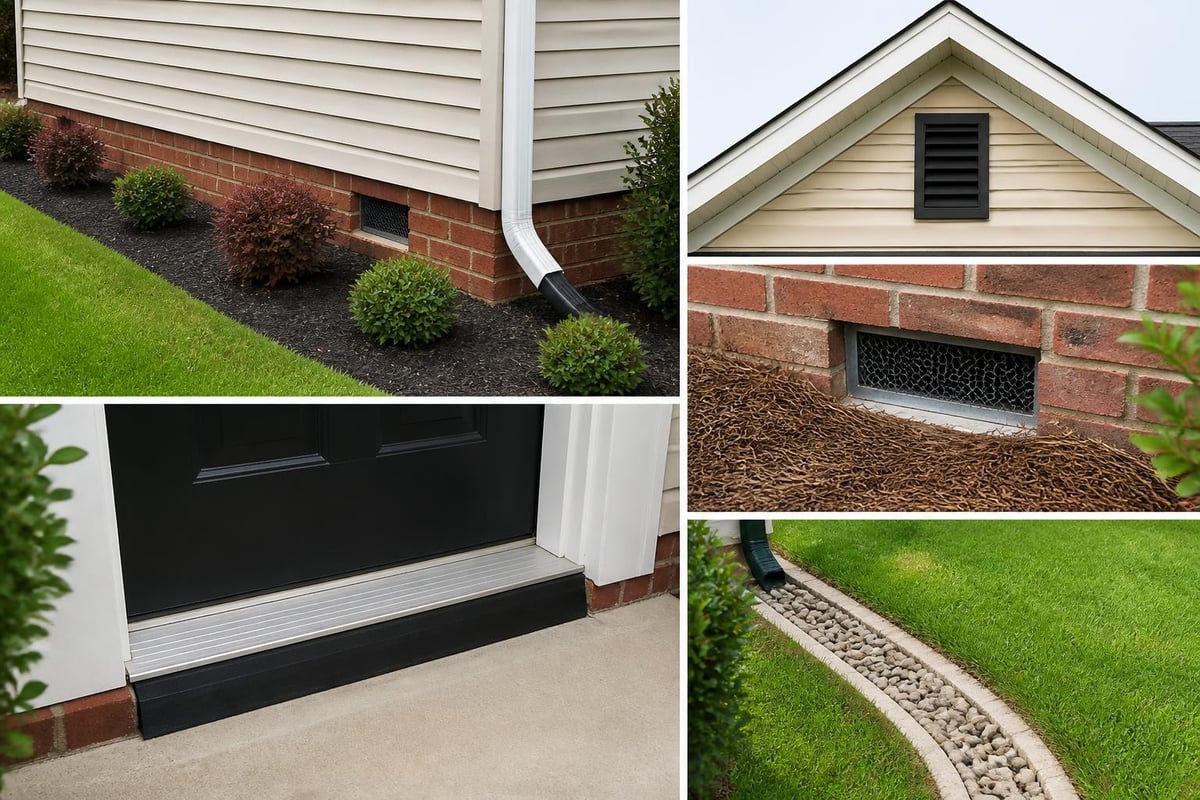
Structural Modifications That Reduce Pest Pressure
Physical exclusion prevents pests more permanently than any pesticide. When pest control technicians inspect your property, they should identify modifications that complement chemical treatments.
| Modification | Pests Prevented | Typical Cost | Long-Term Value |
|---|---|---|---|
| Door sweep installation | Rodents, insects, spiders | $15-$40 per door | Excellent – permanent fix |
| Foundation crack sealing | Termites, ants, centipedes | $300-$800 | Excellent – also prevents moisture |
| Crawl space encapsulation | Termites, rodents, moisture pests | $3,000-$8,000 | Outstanding – protects structure |
| Attic ventilation improvement | Overwintering pests, moisture damage | $500-$2,000 | Excellent – reduces multiple issues |
| Landscape drainage correction | Mosquitoes, termites, moisture pests | $800-$3,000 | Outstanding – foundation protection |
Richmond's high water table and clay soils create moisture management challenges that directly impact pest activity. Crawl space encapsulation addresses multiple pest attractants simultaneously-eliminating standing water that breeds mosquitoes, removing wood-to-soil contact that invites termites, and creating barriers that exclude rodents seeking shelter during Virginia winters.
Pesticide Resistance and Treatment Effectiveness
When homeowners contact pest control companies repeatedly for the same pest problem, pesticide resistance often explains treatment failures. Understanding this challenge helps set realistic expectations and supports adaptive management strategies.
How Pest Populations Develop Resistance
Insects reproduce rapidly, producing dozens or hundreds of offspring. When treatments eliminate susceptible individuals but spare those with genetic mutations conferring resistance, survivors pass these traits to offspring. Within seasons, resistant populations dominate.
A systematic review published in PMC examines resistance mechanisms across insect species, revealing that improper pesticide use accelerates resistance development. Using sublethal doses, treating too frequently with the same product, or applying pesticides without addressing pest harborage all select for resistance.
Professional pest control operators combat resistance through:
- Rotation of pesticide classes preventing repeated exposure to identical modes of action
- Combining chemical and non-chemical tactics reducing selection pressure
- Proper dosing and coverage ensuring lethal exposure rather than sublethal selection
- Monitoring and documentation tracking treatment responses over time
When to Switch Treatment Strategies
If pest problems recur within weeks of professional treatment, don't simply contact pest control for the same service again. Instead, request a strategy revision addressing why the previous approach failed.
Possible explanations include:
- Incomplete treatment missing harborage areas
- Untreated conducive conditions allowing rapid recolonization
- Pesticide resistance requiring different product classes
- Incorrect species identification leading to inappropriate treatment
- External pest pressure overwhelming defensive barriers
Quality pest control companies investigate treatment failures rather than repeating ineffective approaches. This diagnostic process may include monitoring devices, DNA testing for species confirmation, or collaboration with entomologists at Virginia Tech or other research institutions.
Health and Safety Considerations When Using Pest Control Services
Safety concerns often delay homeowners from seeking professional help. Understanding how modern pest control services protect occupants, pets, and the environment helps make informed decisions.
Preparing Your Home for Treatment
Professional exterminators provide preparation instructions specific to treatment type and target pest. General guidelines include:
For interior treatments:
- Remove or cover food items, dishes, and food preparation surfaces
- Clear items from under sinks and in cabinets if void treatments are planned
- Remove pets and cover aquariums during application
- Arrange for occupants sensitive to odors to leave during treatment and ventilation period
For exterior treatments:
- Trim vegetation away from foundation allowing access and air circulation
- Remove children's toys and pet bowls from treatment areas
- Cover or remove outdoor furniture if broad spray applications are planned
- Ensure exterior water spigots are accessible for mixing applications
The WHO’s guidance on pesticide residues provides international standards for minimizing exposure risks, information that informs application protocols professional companies follow.
Post-Treatment Precautions and Re-Entry Times
Modern pesticides used by licensed applicators typically allow re-entry once treated surfaces dry, usually 2-4 hours. Some specialized treatments require longer exclusion periods:
- Fogging or fumigation: 4-24 hours depending on product and ventilation
- Crack and crevice treatment: 2 hours (treated areas aren't typically contacted)
- Exterior perimeter treatment: Immediate (applications are outside living spaces)
- Bait stations: No exclusion (products are enclosed in tamper-resistant stations)
Always follow specific instructions your pest control technician provides. These guidelines are based on product labels, which are legal documents enforced by EPA regulations.
Special Considerations for Richmond-Specific Pest Challenges
Central Virginia's geography, climate, and construction patterns create unique pest management challenges that homeowners should understand when they contact pest control services.
Termite Management in Richmond's Clay Soil
Richmond sits on clay soil that retains moisture and provides ideal conditions for Eastern subterranean termites. These wood-destroying insects cause more damage annually in Virginia than all other pest types combined.
Effective termite management requires:
Liquid barrier treatments that create chemical barriers termites cannot cross without lethal exposure. Modern termiticides like fipronil remain effective for 5-10 years when properly applied.
Monitoring stations placed around foundations that detect termite activity before colonies access structures. Early detection allows targeted treatments before damage occurs.
Moisture control addressing downspout drainage, crawl space humidity, and plumbing leaks that attract termites to structures. Even the best chemical barriers fail when excessive moisture draws termites aggressively.
Regular inspections by licensed professionals who recognize early warning signs invisible to homeowners-subtle changes in wood appearance, minimal mud tube construction, or swarmer activity during spring months.
When scheduling pest control for your new house in Richmond, insist on comprehensive termite protection during construction or immediately after closing. Pre-construction treatments applied to soil before slabs are poured provide superior protection compared to post-construction applications requiring extensive drilling.
Managing Mosquitoes Near the James River
Properties near the James River, Bryan Park, or other Richmond water features face intense mosquito pressure from spring through fall. Standing water in decorative ponds, clogged gutters, or low-lying areas breeds thousands of mosquitoes weekly.
Professional mosquito control combines several approaches:
- Larvicide treatments in standing water that cannot be drained, preventing adult emergence
- Adult barrier treatments applied to vegetation where mosquitoes rest between blood meals
- Habitat modification recommendations addressing standing water and overgrown vegetation
- Integrated approaches combining professional treatments with homeowner maintenance
For outdoor living spaces where chemical treatments concern homeowners, natural alternatives like Mosquito Beads provide supplemental control. These corn-based granules infused with geraniol, citronella, peppermint, and other essential oils mask the human scent mosquitoes track, creating chemical-free protection zones on patios and decks. While not a complete solution for yard-wide infestations, they reduce contact with mosquitoes in concentrated areas during gatherings.
Professional treatments remain more effective for property-wide control, particularly in high-pressure environments near Richmond's water features.
Making the Service Call: What to Expect
When you finally contact pest control services, understanding the process reduces anxiety and helps you evaluate whether you're receiving professional service or superficial treatment.
The Initial Inspection Process
Reputable companies begin with comprehensive inspections lasting 30-90 minutes depending on property size. Technicians should examine:
Exterior:
- Foundation for cracks, gaps, and moisture issues
- Doors and windows for inadequate sealing
- Roof overhangs and fascia for pest entry points
- Vegetation contact with structures
- Drainage patterns and standing water
- Outdoor structures (sheds, decks) for pest activity
Interior:
- Basements and crawl spaces for moisture and pest evidence
- Kitchens and bathrooms for sanitation and plumbing leaks
- Attics for insulation damage and pest nesting
- Utility areas for entry points around pipes and wires
- Living spaces for pest evidence (droppings, damage, live pests)
Quality inspectors take notes, photographs, and measurements documenting findings. This information supports written reports explaining what pests are present, why they're there, what treatments are recommended, and what preventive measures homeowners should implement.
Understanding Your Treatment Proposal
Before authorizing treatment, request written proposals explaining:
- Specific pest species identified and treatment targets
- Products to be used including active ingredients and formulations
- Application methods and where treatments will be applied
- Expected results including timeline and success indicators
- Guarantee terms covering callbacks and re-treatments
- Total costs including initial treatment and any follow-up services
- Safety precautions for occupants, pets, and the environment
Vague proposals suggesting "general pest control" without specifying target pests, products, or application sites indicate unprofessional service. Professional pest management is precise and customized, not one-size-fits-all.
Evaluating Treatment Success and Adjusting Strategies
After professionals treat your property, monitoring results helps determine whether the approach worked or requires adjustment. Understanding evaluation timelines prevents premature conclusions.
Realistic Timelines for Different Pest Types
Pest control isn't instantaneous. Different pests require different periods to evaluate treatment effectiveness:
Contact kill (1-7 days): Spiders, exposed cockroaches, ants contacted during treatment die quickly. Seeing dead insects immediately after treatment indicates products are working.
Colony elimination (2-8 weeks): Ants, cockroaches, and termites living in colonies require time for workers to transfer toxicants throughout populations. You may see increased activity initially as dying pests emerge from harborages.
Population reduction (4-12 weeks): Rodents breeding in wall voids or attics require multiple generations to eliminate completely. Trapping success declines gradually as populations shrink.
Preventive barriers (ongoing): Exterior treatments preventing pest entry work continuously but become visible only by absence of pests that would otherwise invade. Success means seeing fewer pests over months.
When evaluating treatment success, contact pest control services if activity continues beyond expected timelines or increases after initial decline. These patterns suggest resistance, incomplete treatment, or conducive conditions requiring additional intervention.
Documenting and Communicating Treatment Results
Keep records of pest activity before and after treatment. Simple documentation helps professionals adjust strategies effectively:
- Photographs of pest evidence, damage, or activity areas
- Counts of pests seen daily or weekly
- Locations where activity continues after treatment
- Timing of pest activity (nocturnal, seasonal, weather-related)
- Conditions associated with pest sightings (after rain, during hot weather)
This information helps pest control technicians identify patterns invisible during brief inspection visits, supporting targeted adjustments rather than generalized re-treatments.
The Financial Dimension of Pest Management
Understanding pest control costs helps homeowners budget appropriately and recognize when pest services deliver value versus when they represent unnecessary expense.
Typical Service Costs in the Richmond Market
Richmond pest control pricing reflects service complexity, property size, pest type, and infestation severity. General ranges for 2026 include:
One-time treatments:
- General pest service (ants, spiders, occasional invaders): $150-$300
- Rodent control with trapping: $250-$600
- Bed bug treatment (heat or chemical): $800-$2,500
- Termite treatment (barrier application): $1,200-$3,500
Ongoing service agreements:
- Quarterly general pest service: $75-$150 per visit
- Bi-monthly mosquito treatments: $65-$125 per visit
- Annual termite inspection with warranty: $300-$450 per year
These ranges represent averages. Heavily infested properties, difficult access situations, or specialized treatments may cost significantly more. Conversely, smaller properties or preventive services may cost less.
Return on Investment for Preventive Services
Homeowners often question whether ongoing pest services justify costs. The calculation depends on pest pressure, property conditions, and risk tolerance.
High ROI scenarios:
- Termite prevention in areas with documented termite activity ($400/year prevents $8,000+ repair costs)
- Pre-listing pest inspections before home sales ($200-$400 prevents deal-killing surprises)
- Commercial properties where health code violations create liability exposure
- Properties with previous pest damage requiring protection of repairs
Questionable ROI scenarios:
- Monthly interior treatments when quarterly exterior service would suffice
- Ongoing service for pests easily managed with sanitation improvements
- "Preventive" treatments for pests that rarely occur in your area
Smart homeowners contact pest control services when specific needs arise rather than committing to indefinite monthly contracts for problems that don't exist. The exception is termite prevention in Richmond's high-risk environment, where ongoing protection makes financial sense.
Regulatory Oversight and Consumer Protections
Virginia regulates pest control services through multiple agencies protecting consumers from incompetent or dishonest operators. Understanding these protections helps homeowners verify credentials and report problems.
Virginia Licensing Requirements
The Virginia Department of Agriculture and Consumer Services licenses commercial pesticide applicators through its Office of Pesticide Services. Categories relevant to structural pest control include:
- Category 7A (General pest control)
- Category 7B (Termite and other wood-destroying insects)
- Category 7D (Fumigation)
- Category 29 (Rodent control)
Technicians must pass exams demonstrating knowledge of pest biology, pesticide safety, application techniques, and Virginia regulations. Licenses require renewal every two years with continuing education hours.
Before you contact pest control companies, verify current licenses through the VDACS website. Licensed technicians carry identification cards showing categories, license numbers, and expiration dates. Request to see these credentials.
Filing Complaints and Resolving Disputes
When pest control services fail to meet reasonable expectations, Virginia provides complaint mechanisms. Contact VDACS Office of Pesticide Services to report:
- Unlicensed pesticide application
- Misapplication causing property damage or health effects
- Fraudulent claims about treatment effectiveness
- Failure to provide required documentation
- Violations of label restrictions
Documentation supporting complaints improves investigation outcomes. Maintain copies of contracts, treatment records, communications, and evidence of problems. Photographs, medical records (if health effects occurred), and witness statements strengthen cases.
Most disputes resolve through direct communication with pest control companies. Professional operators value reputations and address legitimate concerns promptly. When companies refuse reasonable resolution, VDACS investigations can result in license suspension, fines, or required corrective actions.
Protecting your Richmond home from pests requires knowing when professional intervention delivers value and when simpler approaches suffice. Understanding pest biology, treatment options, and evaluation criteria empowers you to make informed decisions that protect your property investment and family health. Whether you're dealing with termites threatening your foundation, rodents in your attic, or persistent ant invasions, SanPro brings Richmond homeowners comprehensive solutions combining expert pest control, crawl space protection, and insulation services that address both immediate infestations and long-term prevention. Reach out today for an inspection that identifies your specific challenges and creates a customized treatment plan.