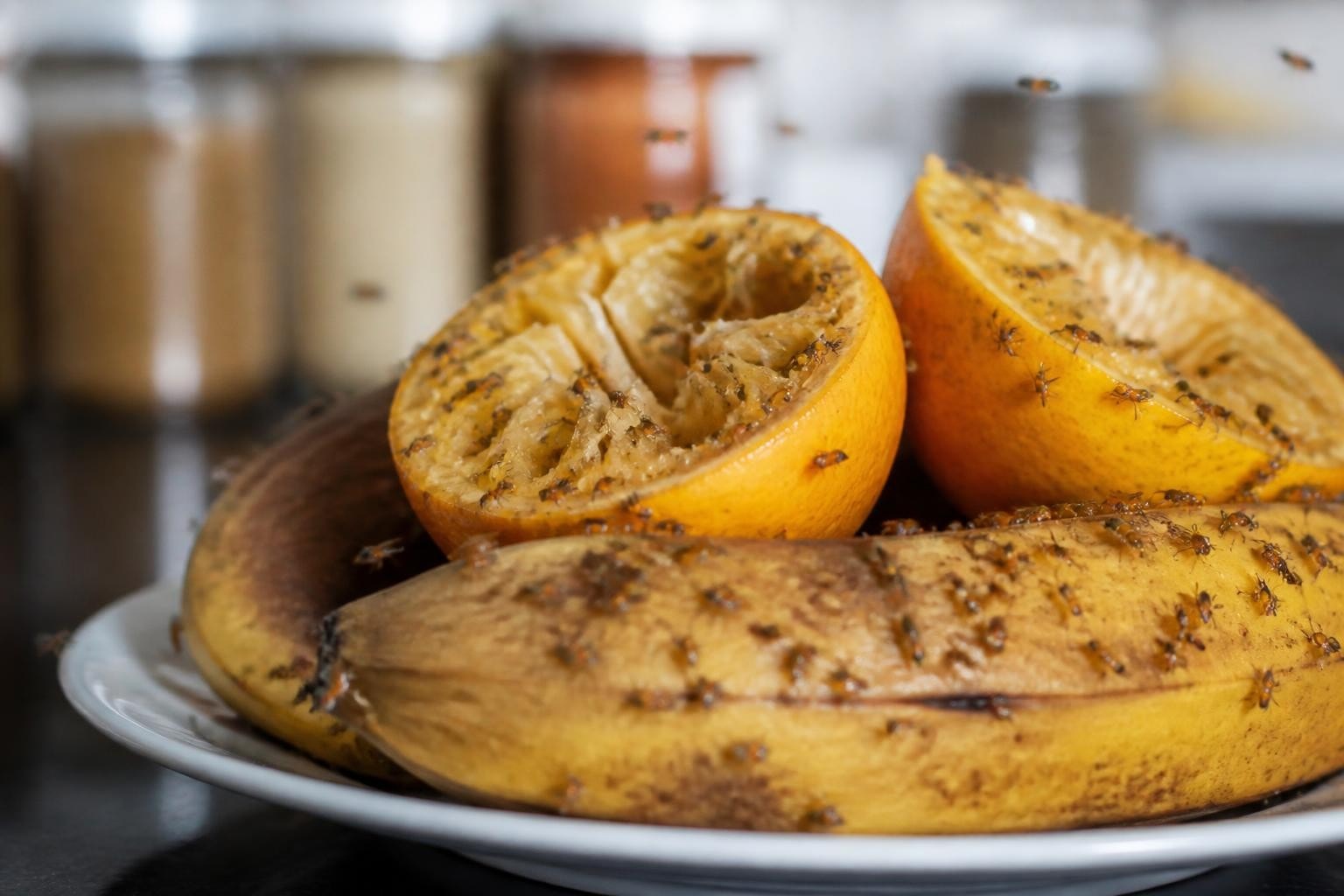
A fruit fly infestation can transform a clean, welcoming space into an embarrassing problem within just a few days. These tiny pests multiply rapidly, hovering around kitchens, bars, restaurants, and any area where organic matter accumulates. While a single fruit fly might seem harmless, their exponential reproduction rate means that ignoring the issue leads to hundreds or thousands of these insects taking over your property. Understanding how these pests operate, why they appear, and what methods effectively eliminate them empowers homeowners and business operators to reclaim their spaces and prevent future invasions.
Understanding Fruit Fly Biology and Behavior
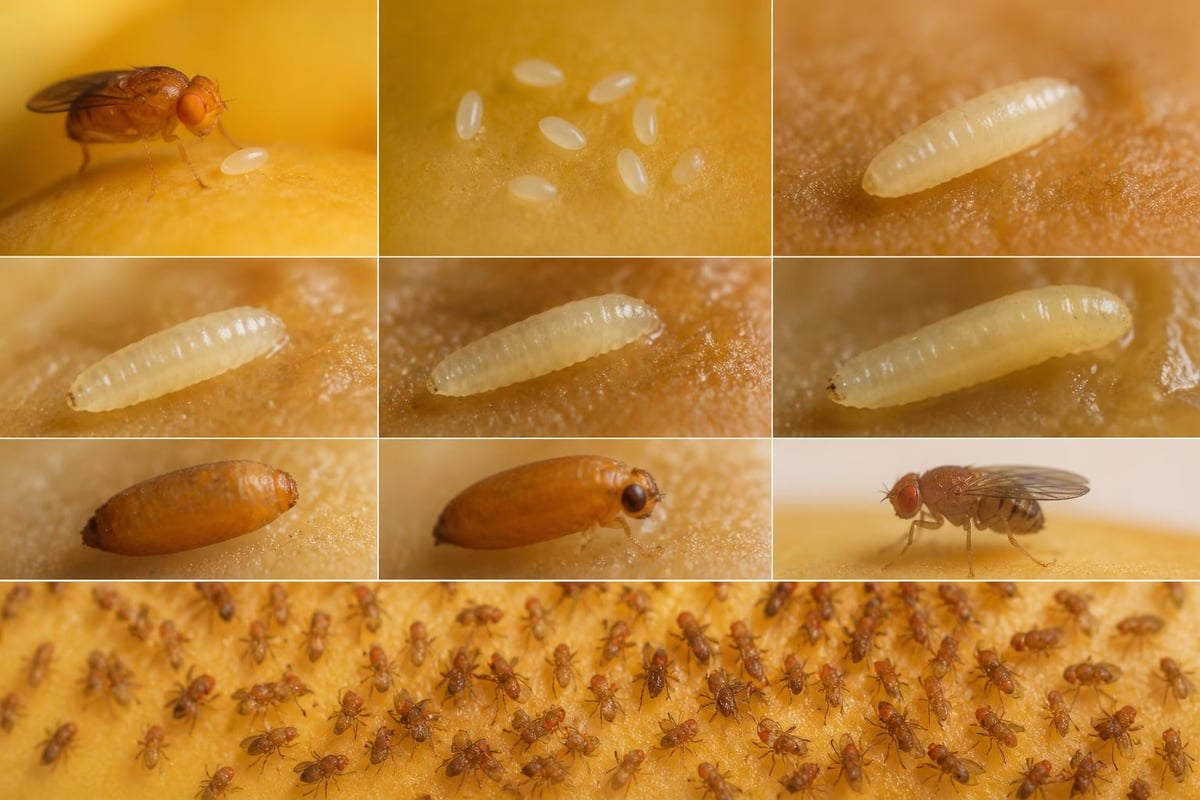
Fruit flies (Drosophila melanogaster) measure approximately 1/8 inch long and feature distinctive red eyes and tan-to-brown bodies. These insects possess an extraordinary sense of smell that allows them to detect fermenting fruits, vegetables, and organic materials from considerable distances.
The lifecycle of a fruit fly completes in as little as eight to ten days under optimal conditions. A single female can lay up to 500 eggs during her short lifespan, depositing them on fermenting or rotting organic matter. Within 24 to 30 hours, larvae emerge and begin feeding on the decaying material and the microorganisms within it.
Rapid Reproduction Cycles
The speed at which fruit flies reproduce explains why addressing infestations quickly is critical. After the larval stage, pupae develop and transform into adult flies within days. This compressed lifecycle means a minor problem can escalate dramatically within a week.
Key reproductive facts:
- Egg to adult: 8-10 days in warm conditions
- Eggs per female: 400-500 over lifetime
- Adult lifespan: 40-50 days
- Optimal temperature: 75-80°F
Temperature plays a significant role in development speed. Warmer environments accelerate reproduction, which explains why fruit fly infestations peak during summer months and in heated indoor spaces during winter.
Common Causes and Attractants
Fruit fly infestations begin when adults detect suitable breeding sites. Several conditions create ideal environments for these pests to establish populations within residential and commercial properties.
Primary Breeding Sources
Overripe or rotting produce represents the most obvious attractant. Fruit flies seek out bananas, tomatoes, melons, grapes, and other fruits that have begun fermenting. However, their preferences extend far beyond the fruit bowl.
Common breeding sites include:
- Garbage disposals with food residue
- Recycling bins with unwashed containers
- Drains with organic buildup
- Mop buckets and floor drains
- Compost containers
- Spilled beverages under appliances
Commercial kitchens, bars, and food processing facilities face elevated risks due to constant organic material handling. A small amount of fruit juice spilled behind equipment or accumulated in floor drains provides sufficient resources for hundreds of fruit flies to breed.
Hidden Moisture Problems
Less obvious sources involve moisture accumulation in unexpected areas. Properties with compromised building envelopes or inadequate moisture control can develop conditions that support fruit fly populations. For homeowners dealing with persistent moisture issues that might contribute to pest problems, addressing structural concerns through professional crawl space services can eliminate hidden breeding grounds while protecting overall home health.
| Location | Why Flies Breed There | Detection Difficulty |
|---|---|---|
| Kitchen drains | Food particles + moisture | High |
| Garbage disposals | Trapped organic matter | High |
| Recycling bins | Residual sugars in containers | Medium |
| Produce storage | Direct food source | Low |
| Floor drains | Accumulated debris | High |
Effective Elimination Strategies
Successfully eliminating a fruit fly infestation requires a multi-faceted approach that addresses adult flies, developing larvae, and breeding sites simultaneously. Partial efforts typically fail because overlooked eggs and larvae quickly repopulate the area.
Sanitation as Foundation
Thorough cleaning forms the cornerstone of any elimination strategy. Remove all potential breeding materials by disposing of overripe produce, cleaning drains, and sanitizing surfaces where organic material has accumulated.
Comprehensive sanitation steps:
- Inspect all fruits and vegetables, discarding any showing signs of decay
- Clean garbage disposals with ice and citrus peels followed by hot water
- Pour boiling water down all drains to eliminate organic buildup
- Empty and clean recycling containers with soap and water
- Check under and behind appliances for spills or dropped food
- Sanitize mop buckets, floor drains, and cleaning equipment
Consumer Reports recommends establishing a consistent cleaning routine that prevents organic matter from accumulating in the first place. This proactive approach proves more effective than reactive treatments after infestations develop.
Trap Deployment Methods
While sanitation eliminates breeding sites, traps capture adult flies and prevent continued reproduction. Several trap designs demonstrate high effectiveness when properly deployed.
The apple cider vinegar trap represents the most popular DIY solution. Pour apple cider vinegar into a jar or bowl, add a drop of dish soap to break surface tension, and cover with plastic wrap secured by a rubber band. Punch small holes in the plastic to allow flies entry. The vinegar attracts flies while the soap prevents escape.
Alternative trap options:
- Red wine in narrow-necked bottles
- Overripe fruit pieces in sealed containers with entry holes
- Commercial fruit fly traps with pheromone attractants
- Beer or kombucha in shallow dishes with soap
Place multiple traps near identified breeding areas and check daily. Replace trap contents every 2-3 days for maximum effectiveness. According to guidance from The Cleveland Clinic, combining traps with sanitation produces results within 7-10 days.

Prevention and Long-Term Control
Preventing future fruit fly infestations requires maintaining the sanitation standards established during elimination while implementing additional protective measures.
Storage and Handling Practices
Proper food storage prevents flies from accessing potential breeding materials. Store fruits and vegetables in refrigerators when possible, particularly items approaching ripeness. For produce kept at room temperature, inspect daily and refrigerate or consume before decay begins.
Commercial operations benefit from establishing receiving protocols that inspect incoming produce for existing infestations. A single contaminated shipment can introduce hundreds of fruit flies into a facility. Real estate professionals like experienced realtors often advise clients to address any visible pest issues before listing properties, as evidence of infestations can significantly impact buyer perceptions and home values.
Waste Management Systems
Implement waste management practices that minimize fruit fly attraction. Take garbage out daily rather than allowing it to accumulate. Clean trash cans weekly with soap and water. Ensure recycling containers are rinsed before storage.
Waste management best practices:
- Use garbage disposals immediately after food preparation
- Run cold water for 30 seconds after disposal use
- Keep drain covers in place when not actively disposing
- Store compost in sealed containers away from buildings
- Clean exterior trash areas to remove residue attracting flies
Structural Maintenance
Building maintenance plays an underappreciated role in fruit fly prevention. Intact door sweeps, properly sealed windows, and maintained screens prevent external flies from entering structures. For properties with ongoing moisture management needs, addressing these concerns through professional roofing services ensures water intrusion doesn't create the damp conditions that compound pest problems.
Professional Intervention Considerations
While many fruit fly infestations respond to diligent DIY efforts, certain situations warrant professional pest control intervention. Understanding when to escalate from self-treatment to expert assistance saves time, money, and frustration.
When to Call Professionals
Persistent infestations that continue despite thorough sanitation and trapping indicate hidden breeding sites or structural issues requiring professional diagnosis. Commercial facilities face regulatory requirements regarding pest control that make professional documentation essential.
Situations requiring professional help:
- Infestations continuing beyond two weeks of treatment
- Multiple recurring infestations in the same location
- Commercial kitchens and food service facilities
- Healthcare facilities with strict sanitation requirements
- Properties with identified structural moisture problems
Professional pest control technicians possess specialized knowledge about fruit fly behavior and access to commercial-grade products unavailable to consumers. They can identify breeding sites in unexpected locations like wall voids, subfloor spaces, and equipment housings.
Integrated Pest Management Approach
Professional services typically employ integrated pest management (IPM) strategies that combine multiple control methods for comprehensive results. This approach emphasizes inspection, identification, sanitation, exclusion, and targeted treatments rather than relying solely on chemical applications.
| IPM Component | Purpose | Professional Advantage |
|---|---|---|
| Inspection | Locate breeding sites | Thermal imaging, experience |
| Identification | Confirm species | Laboratory analysis available |
| Sanitation | Remove attractants | Commercial cleaning equipment |
| Exclusion | Prevent entry | Structural repair recommendations |
| Treatment | Eliminate populations | Professional-grade materials |
SanPro's comprehensive pest control services address not just visible infestations but also the underlying conditions that allow pests to establish themselves, providing long-term protection for Richmond-area homes and businesses.

Seasonal Patterns and Risk Factors
Fruit fly activity varies throughout the year based on temperature, humidity, and food availability. Understanding these patterns helps property owners anticipate and prevent infestations before they develop.
Summer Peak Activity
Warm summer temperatures accelerate fruit fly reproduction while increasing the availability of fresh produce. Outdoor fruit trees, gardens, and farmers market purchases introduce additional risk vectors. June through September represents the highest-risk period for most residential infestations.
Summer prevention strategies:
- Purchase only quantities of produce that will be consumed quickly
- Inspect outdoor fruit for infestations before bringing indoors
- Clean and sanitize outdoor garbage areas weekly
- Monitor indoor temperatures in non-air-conditioned spaces
- Increase trap deployment during peak months
Year-Round Commercial Risks
Commercial food service operations maintain consistent indoor temperatures and continuous food handling throughout the year, creating year-round vulnerability to fruit fly infestations. Research into automated fruit fly monitoring and identification demonstrates the ongoing scientific interest in improving detection and control methods for these persistent pests.
Winter months see residential infestations concentrated in heated indoor spaces, particularly around holiday baking, increased indoor plant care, and stored root vegetables. Studies examining fruit fly mechanics and behavior contribute to our understanding of how these insects navigate indoor environments and locate breeding sites.
Health and Safety Implications
While fruit flies don't bite or sting humans, their presence poses legitimate health and safety concerns that extend beyond simple annoyance. Understanding these risks emphasizes the importance of prompt infestation control.
Disease Transmission Risks
Fruit flies travel between rotting organic matter, garbage, and fresh food, potentially transferring bacteria and pathogens. Their feeding and breeding habits expose them to harmful microorganisms including E. coli, Salmonella, and Listeria. When they land on food preparation surfaces or fresh produce, cross-contamination becomes possible.
Potential health concerns:
- Bacterial transfer to food and surfaces
- Contamination of food service areas
- Regulatory violations in commercial settings
- Allergic reactions in sensitive individuals
Business and Reputation Impact
For commercial establishments, visible fruit fly infestations damage customer confidence and can result in health code violations. Restaurants, grocery stores, and hospitality venues face particular vulnerability to reputation damage from pest sightings. Effective pest management strategies become essential business practices rather than optional maintenance tasks.
Single pest sightings can generate negative reviews, social media complaints, and decreased customer traffic. The cost of addressing these reputation issues far exceeds the investment in preventive pest control programs.
Regional Considerations for Richmond Properties
Richmond's climate and housing characteristics create specific fruit fly risk factors that local property owners should understand. The region's humid subtropical climate with hot summers provides ideal conditions for rapid fruit fly reproduction.
Climate Impact
Richmond experiences average summer temperatures between 75-90°F with high humidity, creating optimal breeding conditions for fruit flies. The extended warm season from May through September increases infestation risk compared to regions with shorter summers.
Older homes in Richmond's historic neighborhoods may have less-than-perfect sealing around windows and doors, allowing easier pest entry. Properties with crawl spaces face additional risks if moisture control hasn't been properly maintained, potentially creating damp conditions that support various pest populations.
Property Type Vulnerabilities
Different property types face varying fruit fly risks based on their construction and use patterns:
| Property Type | Primary Risk Factors | Prevention Priority |
|---|---|---|
| Single-family homes | Seasonal produce storage, garbage management | Medium |
| Multi-unit residential | Shared waste facilities, varied cleanliness standards | High |
| Restaurants | Continuous food handling, drains, bar areas | Very High |
| Grocery stores | Produce departments, damaged goods | Very High |
| Office buildings | Break rooms, neglected drains | Medium |
Understanding your property's specific vulnerabilities allows targeted prevention efforts that address the highest-risk areas first.
Advanced Control Techniques
Beyond basic sanitation and trapping, additional control methods provide enhanced protection against persistent or severe fruit fly infestations.
Biological Controls
Beneficial nematodes and parasitic wasps target fruit fly larvae in outdoor composting and garden situations. These biological controls won't eliminate indoor infestations but can reduce outdoor populations that might migrate inside.
Environmental Modifications
Adjusting environmental conditions makes spaces less hospitable to fruit flies. Reducing humidity levels below 60 percent slows reproduction and development. Improving ventilation in areas prone to moisture accumulation discourages breeding.
Environmental control measures:
- Install or improve exhaust fans in kitchens
- Use dehumidifiers in basement and crawl space areas
- Maintain air conditioning systems for consistent temperature control
- Ensure proper drainage around building foundations
- Address any roof leaks or plumbing issues promptly
Monitoring Programs
Establishing regular monitoring detects developing infestations before they become severe. Commercial operations benefit from scheduled inspections that identify problems early.
Weekly inspections of high-risk areas including drains, garbage storage, and produce areas allow immediate intervention when the first signs of fruit fly activity appear. Documentation of inspection results helps identify patterns and recurring problem areas.
Controlling a fruit fly infestation demands immediate action combining thorough sanitation, strategic trapping, and consistent prevention practices. Whether you're dealing with a minor kitchen nuisance or a persistent commercial problem, addressing both the visible adults and hidden breeding sites ensures complete elimination. For Richmond-area property owners facing ongoing pest challenges or discovering that structural moisture issues compound their pest control efforts, SanPro provides comprehensive solutions that address both immediate infestations and the underlying conditions that allow pests to thrive. Our integrated approach to pest control, crawl space management, and building protection delivers the long-term results that keep your property pest-free year-round.