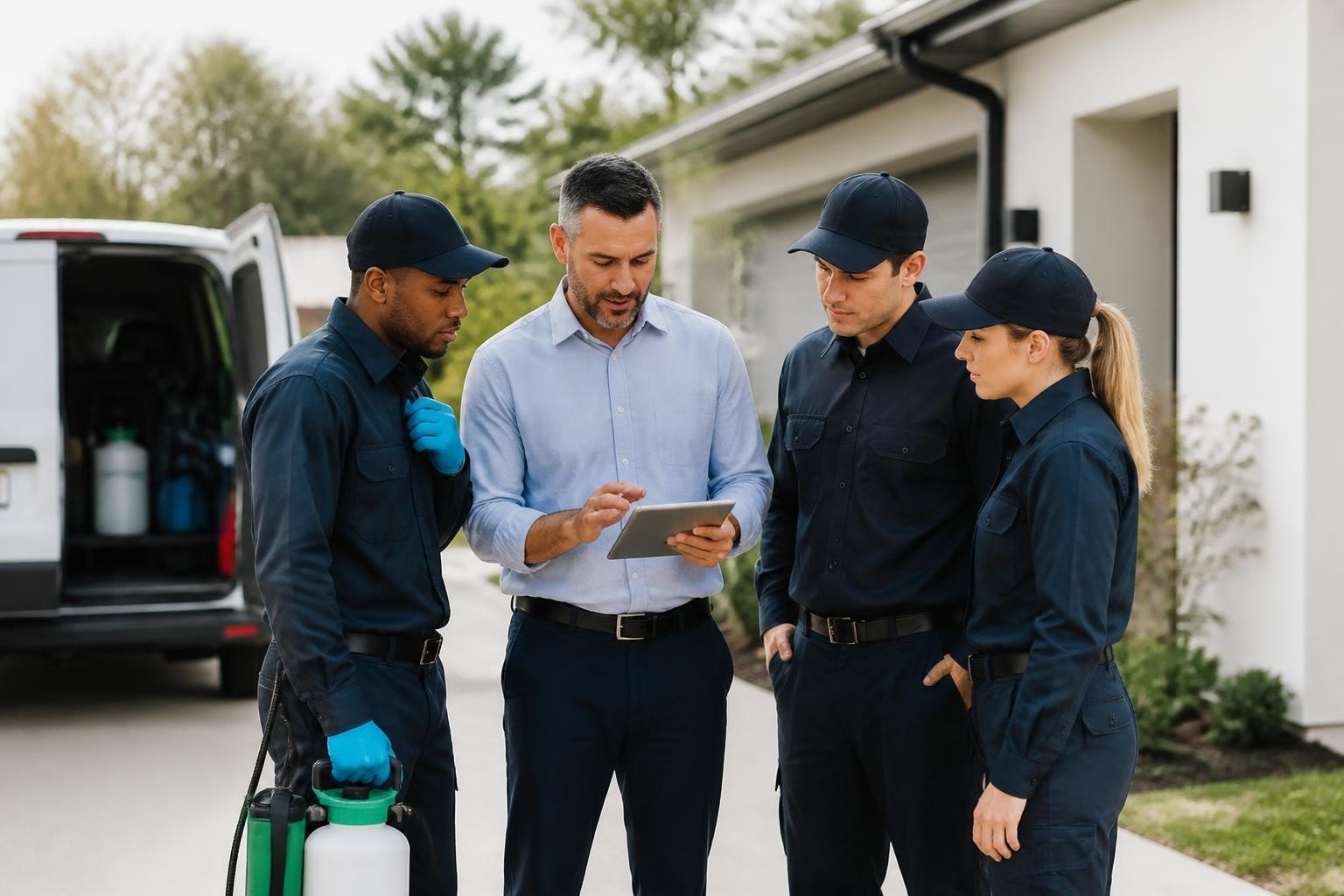
Building a successful pest control operation in Richmond, VA requires more than just equipment and chemicals. The foundation of any thriving pest management company lies in assembling and developing a competent, professional pest team that can handle everything from routine inspections to complex extermination challenges. Whether you're managing bed bug treatments, rodent exclusion, or termite prevention, your team's expertise and coordination determine the quality of service your customers receive and the reputation your business builds in the community.
Understanding the Core Components of a Pest Team
A well-structured pest team consists of multiple roles working together to deliver comprehensive service. The most effective organizations recognize that pest management requires specialized skills across different areas, from customer interaction to technical application.
Field Technicians and Service Professionals
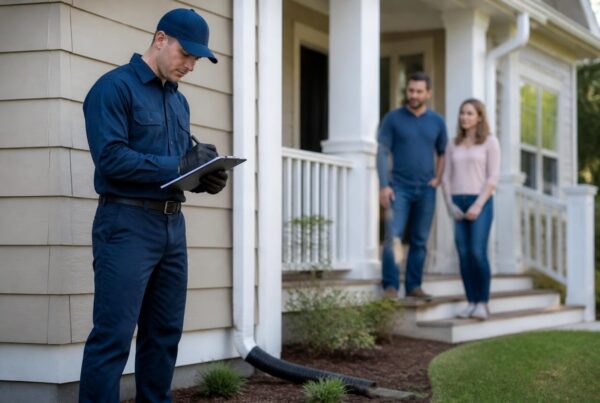
Field technicians form the frontline of your pest team. These professionals conduct property inspections, identify pest activity, apply treatments, and communicate directly with customers. In Richmond's diverse residential and commercial markets, technicians must understand local pest pressures, seasonal patterns, and building construction methods common to the region.
Key responsibilities include:
- Conducting thorough property inspections for pest activity and conducive conditions
- Identifying pest species and assessing infestation severity
- Applying treatments according to label directions and safety protocols
- Documenting service activities and communicating findings to customers
- Recommending preventive measures and exclusion strategies
Successful field technicians combine technical knowledge with customer service skills. They explain findings clearly, answer questions patiently, and build trust through professionalism and expertise. The best pest team members view each service call as an opportunity to educate customers and prevent future problems.
Management and Administrative Support
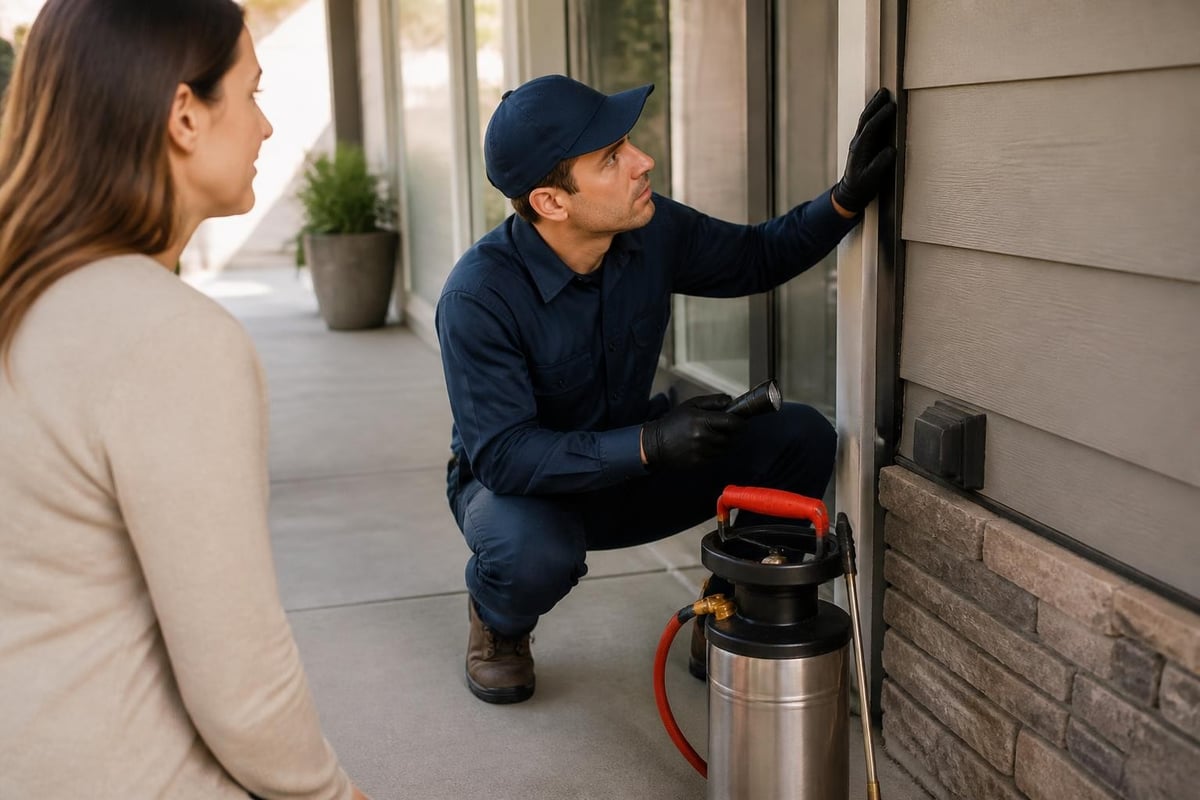
Behind every effective field operation stands a strong management and administrative structure. Office coordinators schedule appointments, process service requests, maintain customer records, and handle billing. Supervisors oversee field operations, ensure quality standards, and provide technical guidance when technicians encounter challenging situations.
| Role | Primary Functions | Impact on Service Quality |
|---|---|---|
| Service Manager | Route planning, quality control, staff development | Ensures consistent service delivery and team performance |
| Office Coordinator | Scheduling, customer communication, documentation | Creates positive first impressions and smooth operations |
| Technical Supervisor | Problem-solving support, training, compliance oversight | Maintains expertise standards and regulatory compliance |
This support structure allows field technicians to focus on pest control services while ensuring smooth business operations. When administrative functions run efficiently, the entire pest team performs better and customers experience more responsive, professional service.
Building Your Pest Team Through Strategic Hiring
Recruiting the right people sets the foundation for long-term success. The pest control industry demands individuals who combine technical aptitude with customer service orientation, physical capability with attention to detail. Finding candidates with this unique blend requires thoughtful recruitment strategies.
Identifying Essential Qualities
Look beyond previous pest control experience when evaluating candidates. While industry knowledge helps, trainable qualities like reliability, communication skills, problem-solving ability, and genuine customer focus often matter more. Many successful pest team members come from backgrounds in customer service, construction, landscaping, or military service where they developed transferable skills.
Essential candidate attributes:
- Strong work ethic and reliability
- Excellent communication and interpersonal skills
- Mechanical aptitude and comfort with tools and equipment
- Attention to detail and observational skills
- Physical capability for crawling, climbing, and carrying equipment
- Clean driving record and professional appearance
Richmond's competitive labor market requires creative recruitment approaches. Develop relationships with technical schools, attend career fairs, leverage employee referrals, and maintain an active online presence where potential candidates search for opportunities. Your recruitment materials should accurately portray the profession's challenges and rewards.
Conducting Effective Interviews
Structure interviews to assess both technical potential and cultural fit. Ask scenario-based questions that reveal how candidates approach problems, handle customer interactions, and respond to challenging situations. Discuss the physical demands honestly, including work in crawl spaces, attics, and outdoor conditions throughout Richmond's humid summers and cold winters.
Present realistic job previews during the hiring process. Allow candidates to shadow experienced technicians, observe actual service calls, and ask questions about daily responsibilities. This transparency reduces turnover by ensuring new hires understand what they're accepting before starting.
Training and Development Strategies
Once you've assembled your pest team, comprehensive training transforms promising candidates into skilled professionals. Effective training programs combine technical education with practical application, safety emphasis with customer service development.
Structured Onboarding Programs
New pest team members need systematic introduction to company protocols, safety requirements, pest biology, treatment methods, and customer service expectations. Staff training should follow a clear progression from basic concepts to advanced techniques, with regular assessments ensuring comprehension.
Week-by-week training outline:
- Week 1: Company policies, safety protocols, PPE requirements, basic pest biology
- Week 2: Treatment products, application equipment, label comprehension, mixing procedures
- Week 3: Inspection techniques, documentation methods, customer communication
- Week 4: Shadowing experienced technicians, supervised service calls, feedback sessions
This structured approach builds confidence while establishing safety habits from day one. New technicians should never feel rushed into situations beyond their current skill level. The safety practices established during initial training protect both employees and customers throughout careers.

Continuing Education and Specialization
The pest control field constantly evolves with new products, techniques, regulations, and pest behaviors. Your pest team requires ongoing education to maintain expertise and licensure. Schedule regular training sessions covering emerging issues, refresher topics, and advanced techniques.
Consider developing specialization tracks within your team. Some technicians might focus on termite work, others on wildlife management or bed bug treatments. These specialists become go-to resources for complex situations while developing deep expertise that differentiates your services. In Richmond's market, specialized knowledge in areas like crawl space protection addresses unique regional concerns about moisture control and structural pest prevention.
Implementing Integrated Pest Management Principles
Modern pest teams operate according to Integrated Pest Management (IPM) principles that prioritize prevention, monitoring, and targeted interventions over routine chemical applications. Training your team in IPM methodology improves service effectiveness while reducing environmental impact and chemical exposure.
IPM Fundamentals for Pest Teams
IPM requires understanding pest biology, environmental factors, and building science. Your pest team must identify conditions that attract or support pests, not just treat symptoms. This approach means inspecting for entry points, moisture problems, sanitation issues, and structural vulnerabilities during every service call.
Train technicians to communicate IPM concepts clearly to customers. Explain how eliminating food sources, sealing entry points, and correcting moisture problems provides longer-lasting results than chemical treatments alone. This educational approach positions your pest team as trusted advisors rather than product applicators.
The basic IPM principles emphasize reducing pest access to resources. Your team should routinely recommend exclusion work, sanitation improvements, and habitat modifications alongside treatment applications. This comprehensive approach particularly benefits commercial clients who face regulatory scrutiny and consumers increasingly concerned about chemical use.
Monitoring and Documentation
Effective IPM requires thorough documentation and trend analysis. Your pest team should maintain detailed records of pest activity, environmental conditions, treatments applied, and customer recommendations. Over time, these records reveal patterns that inform prevention strategies and demonstrate service value.
| Documentation Element | Purpose | Frequency |
|---|---|---|
| Pest identification | Confirms species and appropriate treatment | Every service call |
| Activity level assessment | Tracks infestation severity and treatment effectiveness | Every service call |
| Environmental conditions | Identifies conducive conditions and prevention opportunities | Every service call |
| Treatment applications | Records products, amounts, locations for compliance and follow-up | When treatments applied |
| Customer recommendations | Documents advice provided for liability protection and continuity | Every service call |
Digital documentation systems streamline record-keeping while making information accessible across your pest team. Supervisors can review service reports remotely, identify training needs, and ensure quality standards. Customers receive detailed service summaries that demonstrate thoroughness and professionalism.
Optimizing Team Operations and Efficiency
Operational efficiency maximizes your pest team's productivity without compromising service quality. Strategic route planning, inventory management, and communication systems allow technicians to serve more customers effectively while maintaining the attention each property deserves.
Route Planning and Territory Management
Organize your pest team by geographic territories that minimize drive time and maximize service density. Richmond's layout requires considering traffic patterns, bridge crossings, and neighborhood clusters when assigning routes. Well-planned territories allow technicians to develop familiarity with local property types, customer preferences, and common pest issues.
Use routing software to optimize daily schedules based on appointment locations, service types, and time requirements. Build flexibility into schedules for unexpected situations like severe infestations requiring extended treatment time or emergency service requests. Your pest team performs best when schedules are challenging but realistic.
Inventory and Equipment Management
Inventory management practices directly impact service efficiency and profitability. Your pest team needs reliable access to treatment products, application equipment, and safety gear without carrying excessive inventory that ties up capital and vehicle space.
Inventory optimization strategies:
- Establish minimum stock levels for frequently used products
- Implement first-in, first-out rotation to prevent product expiration
- Conduct regular equipment inspections and maintenance
- Track usage patterns to forecast needs and prevent shortages
- Standardize equipment across the team to simplify training and replacement
Assign inventory responsibilities clearly within your pest team structure. Some operations designate a warehouse manager, while others rotate inventory duties among senior technicians. Regardless of approach, systematic tracking prevents service delays caused by missing products or malfunctioning equipment.
Fostering Team Culture and Retention
Building technical competence matters, but retaining skilled pest team members requires attention to workplace culture, recognition, and professional development. The investment in recruiting and training makes retention economically crucial beyond the operational disruption turnover causes.
Recognition and Advancement Opportunities
Acknowledge excellent performance regularly through both formal and informal recognition. Celebrate service milestones, customer compliments, safety achievements, and professional certifications. Public recognition reinforces desired behaviors while showing your entire pest team that excellence receives appreciation.
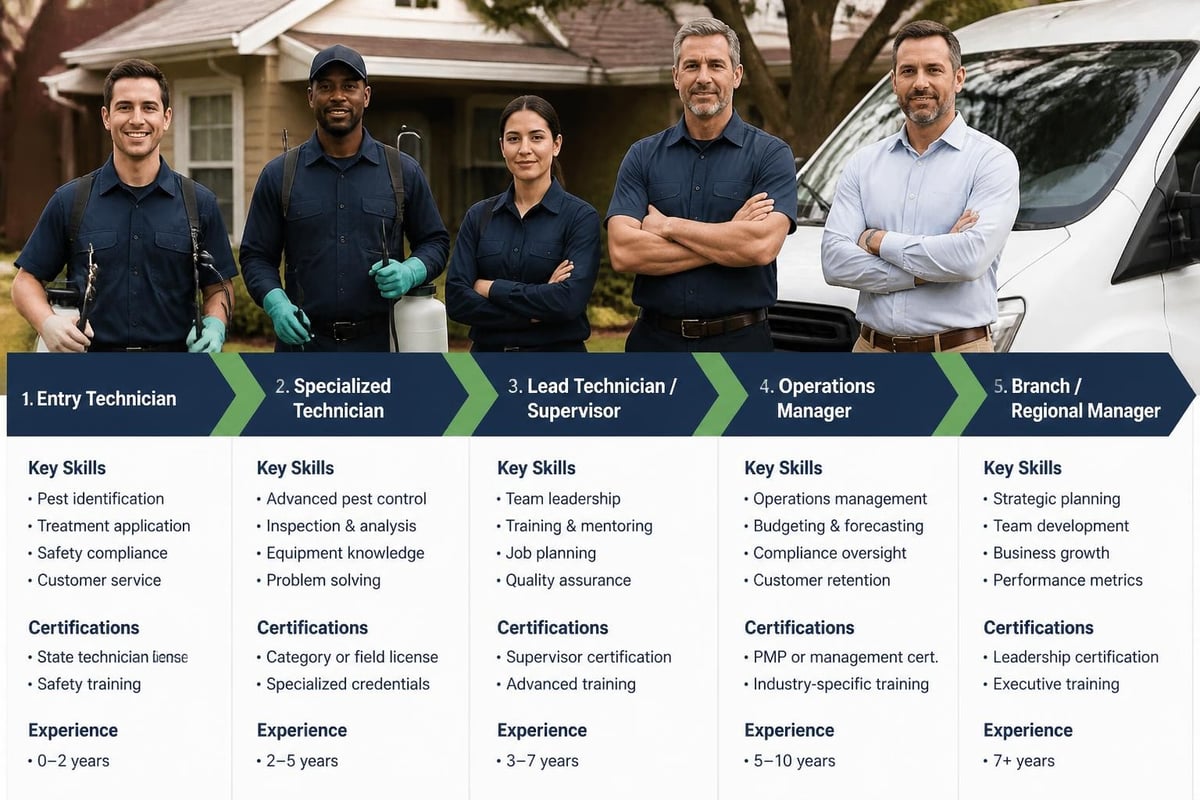
Create clear advancement pathways that reward skill development and performance. Technicians should see realistic progression from entry-level positions through senior technician, specialist, supervisor, and management roles. Define requirements for each level including technical certifications, performance metrics, and leadership capabilities.
Communication and Team Cohesion
Regular communication strengthens your pest team's coordination and morale. Schedule weekly meetings where technicians share challenging situations, successful solutions, and customer feedback. These sessions facilitate knowledge transfer while building camaraderie among team members who typically work independently.
Use digital communication tools to maintain connection throughout workdays. Group messaging allows technicians to request advice, share pest identification photos, or alert colleagues about equipment issues. This real-time collaboration improves problem-solving while reducing the isolation field work can create.
Quality Control and Customer Satisfaction
Your pest team's ultimate measure of success comes through customer satisfaction and service effectiveness. Systematic quality control processes ensure consistent service delivery while identifying improvement opportunities before customers experience problems.
Service Quality Audits
Implement regular quality audits where supervisors accompany technicians on service calls or inspect completed work. These observations assess technical execution, customer interaction, documentation quality, and safety compliance. Frame audits as developmental opportunities rather than punitive oversight.
Quality audit checklist:
- Property inspection thoroughness and accuracy
- Treatment application technique and safety practices
- Customer communication clarity and professionalism
- Documentation completeness and accuracy
- Vehicle and equipment condition and organization
- Adherence to company protocols and industry regulations
Conduct callback analysis to identify patterns requiring attention. High callback rates for specific pest types, service areas, or individual technicians indicate training needs or process improvements. Your pest team benefits when quality issues receive prompt, constructive attention.
Customer Feedback Integration
Actively solicit customer feedback through surveys, follow-up calls, and online reviews. Share positive feedback with your pest team to reinforce effective practices and boost morale. Address negative feedback promptly and use it to refine training, procedures, or service offerings.
Track key performance metrics across your pest team including customer retention rates, service callback frequency, average revenue per customer, and safety incidents. These metrics reveal operational health and highlight areas deserving management attention. The collaboration between pest control professionals and quality assurance demonstrates how systematic quality focus elevates service delivery.
Safety and Regulatory Compliance
Your pest team's safety depends on comprehensive protocols, proper equipment, and constant vigilance. Pest control involves inherent risks from chemical exposure, physical hazards, and challenging work environments. Protecting your team requires prioritizing safety above productivity or convenience.
Personal Protective Equipment Standards
Establish non-negotiable PPE requirements based on products used and application methods. Your pest team should have ready access to respirators, gloves, protective eyewear, and appropriate clothing. Conduct fit testing for respirators and replace worn or damaged equipment immediately.
Train technicians to assess each situation and select appropriate protection. Crawl space work requires different PPE than exterior perimeter treatments. Your pest team members must understand why protection matters and feel empowered to refuse unsafe work conditions without fear of consequences.
Emergency Response Preparedness
Prepare your pest team for potential emergencies including chemical exposure, vehicle accidents, customer injuries, and severe allergic reactions. Maintain first aid supplies, emergency contact information, and safety data sheets in all service vehicles. Conduct emergency drills regularly so responses become automatic under stress.
In Richmond's commercial sector, your pest team may work in facilities with specific safety requirements. Familiarize technicians with rodent control strategies and protocols that property managers expect, including proper documentation, communication procedures, and tenant consideration during service delivery.
Technology Integration for Modern Pest Teams
Digital tools transform how pest teams operate, communicate, and deliver value. Mobile applications, GPS tracking, digital documentation, and customer portals streamline operations while improving service transparency and accountability.
Field Service Management Software
Equip your pest team with mobile devices running field service management applications. These tools provide technicians with customer history, service notes, product information, and scheduling updates in real-time. Digital work orders eliminate paperwork while ensuring documentation accuracy and accessibility.
Customers benefit from technology integration through service reminders, appointment confirmations, and instant access to service reports. Automated communication reduces administrative burden on your pest team while improving customer experience and satisfaction.
Data Analytics for Performance Improvement
Analyze data collected through field service software to identify operational improvements. Track metrics like average service time by pest type, product usage patterns, revenue by service category, and customer acquisition costs. These insights inform strategic decisions about resource allocation, pricing, training focus, and market positioning.
For businesses offering comprehensive solutions like pest control services alongside related offerings, data reveals cross-selling opportunities and customer needs patterns. Your pest team becomes more valuable when supported by intelligence that guides service recommendations and business development.
Specialization Within Your Pest Team
As your operation grows, developing specialized expertise within your pest team enhances service quality and market differentiation. Specialists handle complex situations more effectively while general technicians focus on routine services.
Building Specialist Roles
Identify specialization opportunities based on market demand, regulatory requirements, and competitive positioning. Common specializations include termite inspections and treatments, bed bug remediation, wildlife management, commercial food facility services, and lawn and ornamental applications.
Invest in advanced training and certification for specialists. These team members should pursue industry certifications, attend specialized conferences, and develop deep technical knowledge in their focus areas. Their expertise becomes a marketing asset that attracts customers with specific needs.
Coordinating Generalists and Specialists
Structure your pest team so generalists handle routine services while specialists address complex situations and support generalists with technical guidance. This division of labor optimizes resource utilization and development pathways. Generalists aspire to specialist roles, creating natural retention incentives and career progression.
Facilitate knowledge transfer between specialists and generalists through ride-alongs, case study discussions, and technical training sessions. Your entire pest team becomes stronger when specialized knowledge flows throughout the organization rather than remaining siloed within individual experts.
Building Long-Term Team Success
Sustainable pest team development requires patience, investment, and commitment to excellence. The strongest operations view team building as continuous evolution rather than one-time achievement. Market conditions change, pest pressures shift, regulations evolve, and customer expectations rise. Your pest team must adapt accordingly.
Cultivate a learning culture where curiosity receives encouragement and mistakes become teaching opportunities. The technician who admits uncertainty and seeks guidance demonstrates greater long-term potential than the one who pretends expertise they lack. Your pest team's collective knowledge grows through honest communication and collaborative problem-solving.
Maintain strong relationships with industry associations, continuing education providers, and professional networks. These connections keep your pest team current with emerging trends, new products, and best practices. Richmond's pest control market rewards operators who invest in professional development and maintain high standards throughout their organizations.
Consider how your pest team might expand capabilities to address related customer needs. Understanding why cockroach control matters for healthy homes positions your team to educate customers about health risks beyond mere nuisance concerns. This consultative approach builds trust and positions your business as the community's go-to resource for comprehensive property protection.
A skilled, professional pest team represents the competitive advantage that separates exceptional pest control operations from merely adequate ones. By investing in strategic hiring, comprehensive training, operational excellence, and continuous development, you build an organization capable of delivering outstanding results that earn customer loyalty and drive sustainable growth. When you're ready to experience the difference that professional expertise makes in protecting your Richmond property, SanPro brings decades of experience and a commitment to excellence in pest control, crawl space protection, and insulation services. Contact our team today to discuss your specific needs and discover how proper pest management protects your investment and peace of mind.