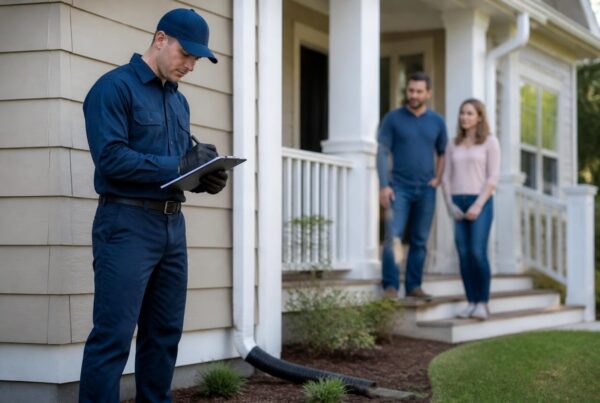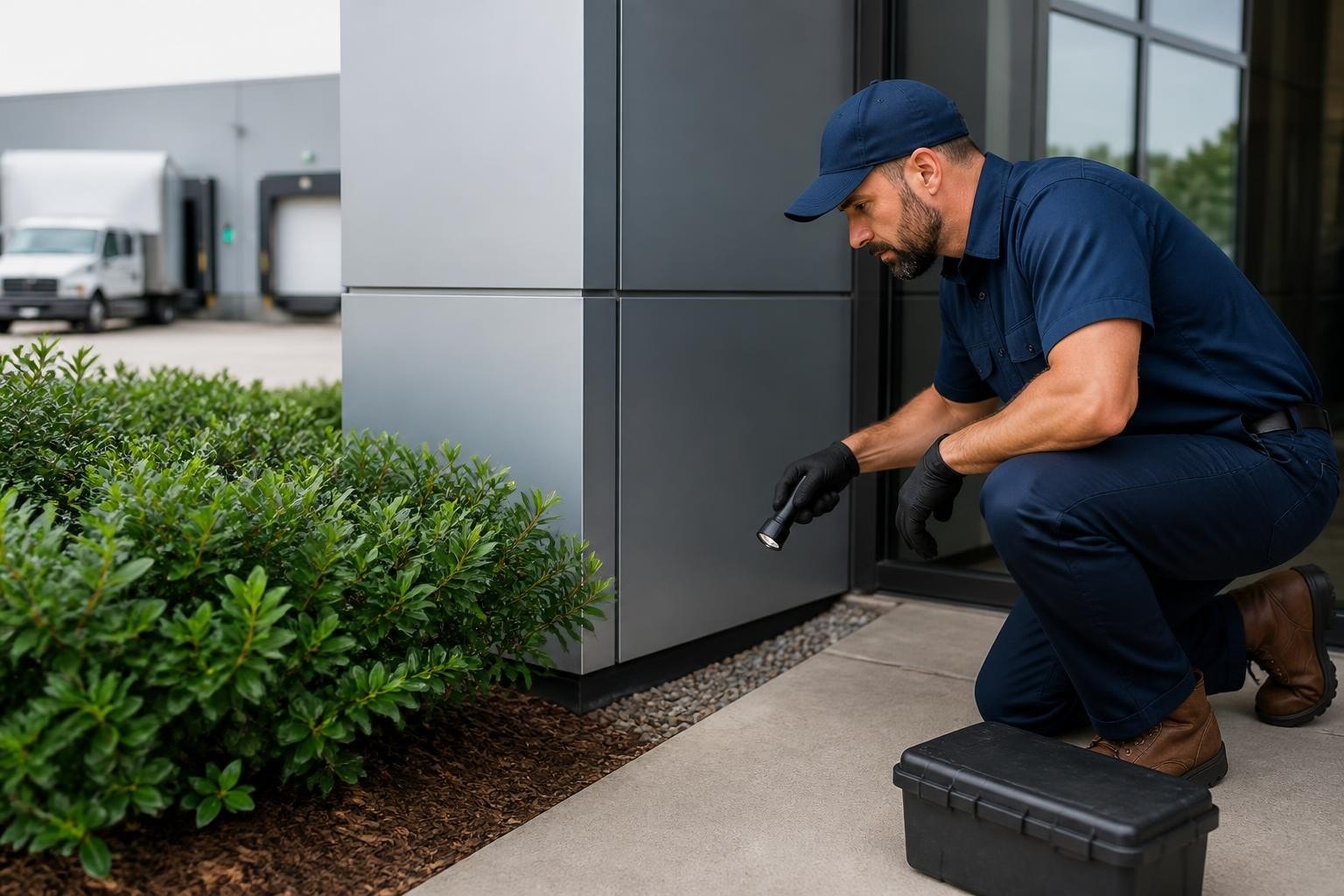
Businesses across Richmond, VA face constant challenges from insect infestations that threaten operations, damage inventory, and compromise health standards. Whether you operate a restaurant, warehouse, office building, or manufacturing facility, implementing effective commercial insect control measures isn't just about compliance with regulations-it's about protecting your reputation, safeguarding employee health, and preventing costly operational disruptions. Understanding the comprehensive approach required for commercial facilities differs significantly from residential pest management, requiring specialized knowledge, advanced techniques, and ongoing monitoring protocols.
Understanding Commercial Insect Control Requirements
Commercial insect control encompasses systematic strategies designed to prevent, monitor, and eliminate insect populations in business environments. Unlike residential treatments that focus on individual living spaces, commercial applications must address larger square footage, multiple entry points, diverse pest attractants, and stringent industry regulations.
The scope of commercial insect control extends beyond simple extermination. Businesses must consider employee safety, customer perceptions, inventory protection, and compliance with health department standards. Food service establishments face particularly strict requirements, while warehouses contend with different challenges related to storage conditions and shipping activities.
Regulatory Compliance Standards
Richmond area businesses must navigate various federal, state, and local regulations governing pest management practices. The FDA Food Code establishes baseline requirements for food establishments, mandating integrated pest management approaches and documented control measures.
Key compliance areas include:
- Regular inspection schedules and documentation
- Pesticide application records and safety data sheets
- Employee training on pest prevention protocols
- Third-party audit preparation and response
- Industry-specific certifications and permits
Virginia Department of Agriculture and Consumer Services oversees commercial pesticide applications, requiring licensed technicians for most chemical treatments. Businesses operating in multiple locations must ensure consistent compliance across all facilities while adapting to local municipality requirements.
Integrated Pest Management for Commercial Facilities
Integrated Pest Management (IPM) represents the industry standard for sustainable commercial insect control. This approach prioritizes prevention and monitoring over reactive chemical applications, creating long-term solutions that reduce environmental impact while maintaining effectiveness.
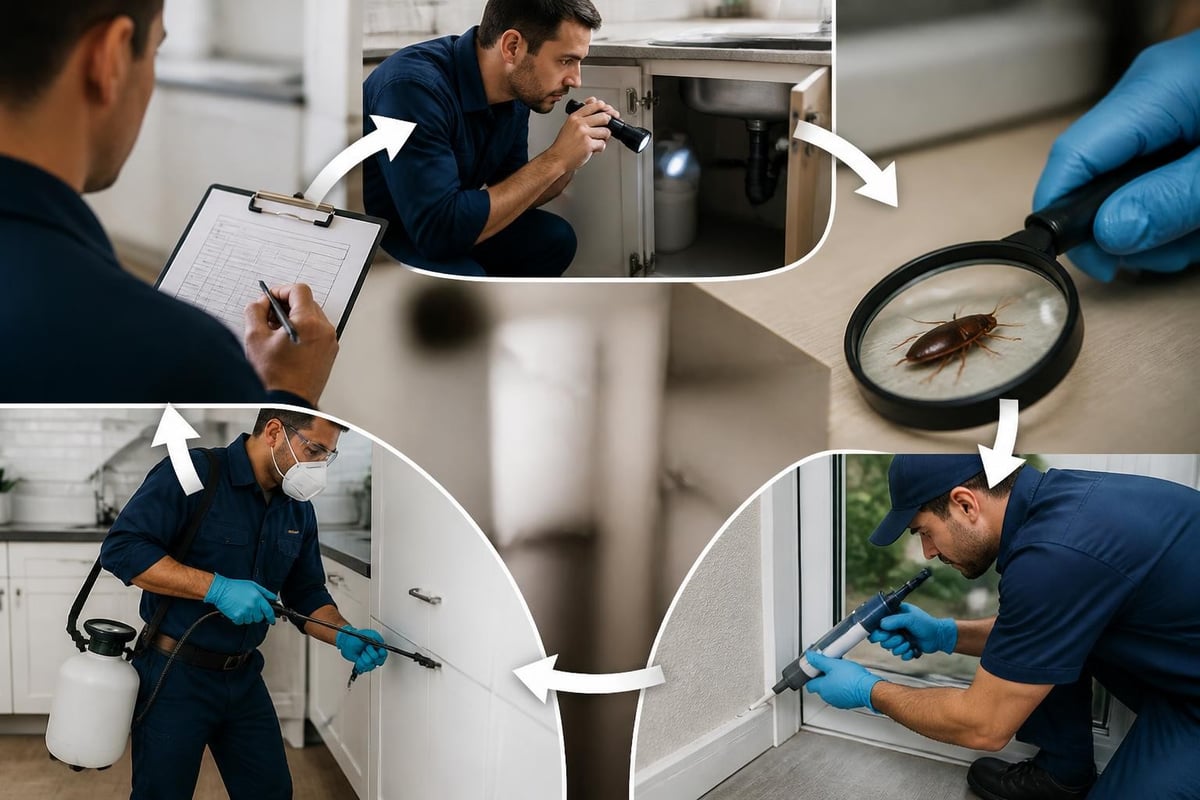
IPM protocols begin with comprehensive facility assessments identifying conducive conditions, entry points, and existing pest pressures. Professional pest control technicians evaluate structural vulnerabilities, sanitation practices, and operational procedures that may contribute to infestations.
Assessment and Monitoring Techniques
Successful commercial insect control programs rely on systematic monitoring to detect pest activity before populations establish. Digital pest management platforms now enable real-time tracking of insect activity through smart sensors, automated traps, and centralized reporting systems.
| Monitoring Method | Application | Frequency | Benefits |
|---|---|---|---|
| Glue Board Traps | Interior perimeter monitoring | Weekly inspection | Non-toxic, captures specimens for identification |
| Pheromone Traps | Stored product pest detection | Bi-weekly checks | Species-specific attraction, early detection |
| Light Traps | Flying insect capture | Daily emptying | 24/7 monitoring, reduces nuisance populations |
| Exterior Bait Stations | Perimeter defense | Monthly service | Prevents interior migration, reduces pesticide use |
Professional pest control services incorporate these monitoring tools into customized programs based on facility type, pest pressures, and operational requirements. Regular service visits ensure technicians identify emerging issues while maintaining comprehensive documentation for compliance purposes.
Common Commercial Insect Threats in Richmond
Richmond's climate creates ideal conditions for various insect species that target commercial facilities throughout the year. Understanding regional pest pressures helps businesses implement targeted prevention strategies rather than relying solely on reactive treatments.
Seasonal Pest Patterns
Spring emergence brings carpenter ants, termites, and various flying insects as temperatures rise. These wood-destroying insects pose structural threats to commercial buildings, particularly older facilities with moisture issues or inadequate ventilation.
Summer months intensify flying insect activity including house flies, fruit flies, and drain flies in food service environments. Warehouses experience increased pressure from stored product pests including Indian meal moths, cigarette beetles, and various grain beetles that infiltrate packaged goods.
Fall invasion patterns include:
- Overwintering attempts by cluster flies and Asian lady beetles
- Spider populations seeking interior shelter
- Continued cockroach activity in heated facilities
- Stored product pest reproduction in climate-controlled warehouses
Winter doesn't eliminate commercial insect control needs. Heated buildings attract German cockroaches, pharaoh ants, and various occasional invaders seeking refuge from cold temperatures. Indoor breeding populations maintain year-round activity regardless of outdoor conditions.
Industry-Specific Control Strategies
Different commercial sectors face unique insect control challenges requiring specialized approaches. Food processing facilities, healthcare institutions, hospitality businesses, and warehousing operations each demand tailored solutions addressing specific risk factors.
Food Service and Processing Facilities
Restaurants, commercial kitchens, and food processing plants represent high-risk environments where commercial insect control failures result in health code violations, failed inspections, and potential closures. These facilities attract numerous pest species through constant food sources, moisture, and warmth.
Proactive insect control protocols emphasize prevention through sanitation, exclusion, and environmental modifications. Commercial kitchens must maintain immaculate standards eliminating food debris, standing water, and harborage areas that support pest populations.
Drain flies breed in organic buildup within floor drains, requiring enzymatic cleaners and mechanical removal rather than pesticide applications. Fruit flies demand source elimination through proper produce storage, waste management, and cleaning protocols. These non-chemical interventions align with food safety requirements while delivering superior long-term results.
Warehousing and Distribution Centers
Large commercial warehouses present distinct challenges for commercial insect control due to their size, constant inventory turnover, and numerous loading dock exposures. Stored product pests infiltrate facilities through incoming shipments, establishing populations within palletized goods before detection occurs.
Effective warehouse pest management begins at receiving docks with incoming shipment inspections. Training receiving staff to identify pest evidence prevents infestations before products enter storage areas. Temperature monitoring systems detect hot spots indicating potential insect breeding activity within stored goods.
| Warehouse Zone | Primary Threats | Control Methods | Inspection Frequency |
|---|---|---|---|
| Loading Docks | Flying insects, rodents | Air curtains, door sweeps, exclusion | Daily visual checks |
| Storage Areas | Stored product pests | Pheromone monitoring, rotation systems | Weekly trap checks |
| Office Spaces | Ants, occasional invaders | Perimeter treatments, sanitation | Monthly service |
| Exterior Perimeter | Multiple species | Landscape management, exterior treatments | Quarterly inspections |
Climate control plays a crucial role in preventing stored product pest reproduction. Many grain beetles and moths cannot reproduce below specific temperature thresholds, making environmental management an effective non-chemical control strategy for temperature-sensitive products.
Chemical and Non-Chemical Treatment Options
Modern commercial insect control balances chemical interventions with alternative methods, creating comprehensive programs that minimize pesticide reliance while maintaining effectiveness. This balanced approach addresses regulatory requirements, environmental concerns, and long-term sustainability.
Reduced-Risk Pesticide Applications
When chemical treatments become necessary, commercial pest control professionals prioritize reduced-risk products with favorable environmental and toxicological profiles. Insect growth regulators (IGRs) disrupt pest reproduction cycles without broad-spectrum toxicity, offering extended residual control with minimal environmental impact.
Botanical insecticides derived from plant compounds provide effective knockdown while degrading rapidly in the environment. Pyrethrin-based products deliver immediate results for flying insect control while minimizing residual exposure concerns in sensitive environments like food preparation areas.

Research on intervention strategies demonstrates that combining exclusion methods with targeted pesticide applications delivers superior results compared to chemical treatments alone. This integrated approach reduces overall pesticide usage while improving long-term population suppression.
Physical and Mechanical Controls
Physical barriers prevent insect entry without chemical applications. Door sweeps, screen repairs, and structural sealing eliminate access points that allow pests to enter commercial buildings. These permanent modifications deliver ongoing protection without recurring chemical applications or maintenance requirements.
Air curtains installed above entrance doors create powerful airflow barriers that prevent flying insects from entering facilities during business hours. These devices prove particularly valuable for restaurants, retail stores, and food processing plants with frequent door usage throughout operational hours.
Effective mechanical controls include:
- Sticky traps for monitoring and mass trapping
- Light traps for nocturnal flying insect capture
- Vacuuming for immediate population reduction
- Heat treatments for localized infestations
- Cold storage for product sterilization
Crawl space conditions significantly impact commercial insect control efforts in Richmond area buildings. Moisture accumulation in crawl spaces creates ideal breeding environments for various insects while supporting mold growth that attracts other pest species. Professional crawl space services address these foundational issues through encapsulation, moisture barriers, and ventilation improvements that eliminate conducive conditions supporting pest activity.
Prevention Through Environmental Management
Sustainable commercial insect control emphasizes prevention through environmental modifications that make facilities inhospitable to pest establishment. This proactive approach reduces treatment frequency while delivering more consistent long-term results than reactive chemical applications.
Sanitation and Waste Management
Rigorous sanitation protocols form the foundation of effective pest prevention programs. Daily cleaning schedules must address areas where food debris, organic matter, and moisture accumulate. Dumpster areas require particular attention with regular cleaning, proper placement away from building entrances, and tight-fitting lids preventing pest access.
Grease accumulation in commercial kitchens attracts cockroaches, ants, and various flying insects. Professional degreasing of cooking equipment, hood systems, and floor areas eliminates attractants while removing pest harborage. Many food service facilities schedule deep cleaning during overnight hours when operational demands permit thorough sanitation.
Structural Modifications and Exclusion
Building envelope integrity determines pest pressure levels within commercial facilities. Gap sealing around utility penetrations, door frame adjustments, and window screen repairs prevent insect entry while improving energy efficiency. These permanent improvements deliver ongoing protection without recurring costs or maintenance requirements.
Exterior lighting placement influences insect attraction to commercial buildings. Positioning lights away from entry doors and using yellow or sodium vapor bulbs reduces flying insect aggregation near entrances. Motion-activated lighting provides security benefits while minimizing unnecessary insect attraction during unoccupied hours.
Landscape management around commercial properties impacts pest pressures significantly. Vegetation planted directly against building foundations creates moisture retention and provides insect harborage. Maintaining mulch-free zones adjacent to structures and trimming vegetation away from exterior walls reduces pest migration opportunities.
Developing Comprehensive Service Programs
Effective commercial insect control requires ongoing professional partnerships rather than occasional reactive treatments. Structured service programs provide consistent monitoring, preventive treatments, and rapid response capabilities when issues emerge.
Service Frequency and Scope Determination
Service interval requirements vary based on facility type, pest pressures, and regulatory obligations. Food service establishments typically require monthly service visits ensuring continuous compliance and immediate issue response. Lower-risk facilities like office buildings may maintain effective control with quarterly treatments focused on exterior perimeter applications.
Factors influencing service frequency:
- Industry regulations and audit requirements
- Historical pest pressure documentation
- Facility size and complexity
- Seasonal activity patterns
- Proximity to conducive external conditions
Customized service agreements outline specific protocols, treatment methods, response timeframes, and documentation procedures. Clear communication regarding responsibilities, limitations, and expected outcomes prevents misunderstandings while establishing accountability for both service providers and facility managers.
Documentation and Reporting Systems
Comprehensive recordkeeping supports regulatory compliance while providing valuable data for program optimization. Modern pest management software platforms enable digital service reporting with timestamped photos, treatment maps, and trend analysis tools that identify emerging patterns before they escalate.
| Documentation Element | Purpose | Retention Period | Access Requirements |
|---|---|---|---|
| Service Reports | Activity documentation | 3-5 years | On-site availability |
| Pesticide Applications | Regulatory compliance | Per state requirements | Employee notification |
| Monitoring Results | Trend analysis | Program duration | Management review |
| Corrective Actions | Issue resolution tracking | Until completion | Audit preparation |
Third-party auditors reviewing commercial insect control programs expect detailed documentation demonstrating proactive management rather than reactive treatments. Facilities pursuing certifications like AIB, SQF, or organic designations face enhanced documentation requirements warranting upgraded recordkeeping systems.
Staff Training and Operational Integration
Commercial insect control success depends on operational staff awareness and cooperation in implementing preventive measures. Even the most comprehensive professional service programs fail without employee participation in sanitation, exclusion, and monitoring protocols.
Employee Education Programs
Regular training sessions ensure all employees understand their roles in pest prevention. New hire orientations should include pest awareness components covering proper food storage, waste disposal, door closure, and reporting procedures when pest evidence appears.
Department-specific training addresses unique responsibilities. Kitchen staff require different information than warehouse receiving personnel or office administrators. Tailored training improves retention and implementation compared to generic presentations covering all facility areas.
Empowering employees to identify and report pest signs enables early intervention before populations establish. Providing visual reference materials showing common pest evidence helps non-technical staff recognize issues warranting professional attention. Many facilities designate pest management coordinators who serve as liaisons between operational teams and service providers.
Operational Procedure Development
Standard operating procedures (SOPs) integrate pest prevention into daily operations. Written protocols covering door closure, waste removal timing, cleaning schedules, and storage practices create consistent expectations regardless of individual employee habits or preferences.
Loading dock procedures significantly impact commercial insect control outcomes. Establishing protocols requiring door closure between deliveries, immediate trailer unloading, and debris removal prevents pest entry while improving operational efficiency. Some facilities implement scheduling systems limiting simultaneous dock door openings, reducing exterior exposure.
Sustainable approaches to commercial pest control emphasize operational changes over chemical dependence, recognizing that environmental modifications deliver more reliable long-term results. Richmond businesses implementing comprehensive prevention programs typically reduce treatment frequency while achieving superior pest management outcomes.
Technology Integration in Modern Programs
Advancing technology transforms commercial insect control through enhanced monitoring capabilities, data analytics, and remote management tools. Digital platforms enable real-time pest activity tracking, automated reporting, and predictive modeling that identifies potential issues before they manifest.
Smart Monitoring Systems
Internet-connected monitoring devices transmit pest activity data continuously to centralized platforms accessible via smartphone applications or web dashboards. These systems alert facility managers and service providers immediately when trap activation or environmental changes indicate emerging problems.
Automated insect counters installed in sensitive areas provide quantitative data tracking population trends over time. This objective information eliminates reliance on subjective assessments while supporting data-driven decision-making regarding treatment timing and intensity.
Environmental sensors monitoring temperature, humidity, and other conditions identify situations conducive to pest activity. Predictive algorithms analyze this data alongside historical patterns, generating alerts when conditions favor pest reproduction or migration into facilities.
Data Analytics and Program Optimization
Historical service data reveals patterns invisible through individual inspection observations. Analytics platforms identify seasonal trends, recurring problem areas, and treatment efficacy metrics that inform program adjustments improving overall effectiveness.
Benchmarking tools compare facility performance against industry standards or similar operations within service provider networks. This competitive analysis highlights improvement opportunities while validating successful program elements worth maintaining or expanding.
Return on investment calculations demonstrate pest management program value beyond simple cost analysis. Quantifying prevented losses from contamination, recalls, closures, and reputation damage justifies comprehensive program investments that appear expensive when evaluated solely on service costs.
Selecting Commercial Pest Control Partners
Choosing qualified commercial insect control providers requires evaluating technical expertise, regulatory knowledge, communication capabilities, and service consistency. The right partnership protects business interests while delivering compliant, effective pest management.
Qualification Assessment Criteria
Commercial pest control companies should maintain proper licensing through Virginia Department of Agriculture and Consumer Services along with adequate insurance coverage protecting client facilities. Technician certifications demonstrate individual competency in pest identification, treatment methods, and safety procedures.
Industry certifications like QualityPro from the National Pest Management Association indicate commitment to operational excellence, ongoing training, and ethical business practices. Specialized credentials in food plant sanitation or specific pest management areas suggest deeper expertise valuable for complex commercial environments.
Essential provider qualifications include:
- State commercial pesticide applicator licenses
- Liability and workers compensation insurance
- Documented training programs for technical staff
- Quality assurance and customer service protocols
- Emergency response capabilities and availability
References from similar businesses provide insights into service quality, responsiveness, and problem-solving capabilities. Speaking with current clients in comparable industries reveals whether providers understand sector-specific challenges and regulatory requirements affecting your operation.
Service Agreement Considerations
Comprehensive service agreements clearly define scope, frequency, responsibilities, and performance expectations. Detailed contracts prevent disputes while establishing frameworks for addressing deficiencies or changing needs as business operations evolve.
Pricing structures vary among providers with options including per-service fees, monthly retainers, or annual contracts with guaranteed service levels. Understanding what services are included versus billable extras prevents budget surprises while enabling accurate cost comparisons between competing proposals.
Performance guarantees and response time commitments demonstrate provider confidence while protecting client interests. Clear escalation procedures for unresolved issues ensure access to senior technical staff or management when front-line interventions prove insufficient.

Emerging Trends and Future Directions
Commercial insect control continues evolving through technological innovation, changing regulations, and growing emphasis on sustainability. Businesses partnering with forward-thinking providers gain competitive advantages through access to cutting-edge methods and proactive adaptation to industry changes.
Biological Control Applications
Biological control methods using natural predators and pathogens gain traction in commercial settings where chemical restrictions or sustainability goals limit conventional treatment options. Beneficial nematodes, predatory insects, and microbial pesticides offer alternatives for specific pest challenges while supporting organic certifications and environmental initiatives.
Sterile insect technique applications, while primarily used in agricultural settings, demonstrate potential for commercial applications targeting specific pest species. These methods reduce wild populations through controlled release of sterilized males that mate unsuccessfully with wild females, gradually suppressing reproduction.
Regulatory Evolution and Green Certifications
Environmental regulations continue tightening restrictions on certain pesticide classes while promoting integrated approaches emphasizing non-chemical methods. Businesses implementing comprehensive prevention programs position themselves advantageously as regulatory landscapes evolve toward more restrictive chemical use policies.
Green building certifications and corporate sustainability initiatives increasingly incorporate pest management protocols into evaluation criteria. LEED certification requirements address Integrated Pest Management, while various industry-specific standards mandate reduced pesticide reliance demonstrating environmental stewardship to customers and stakeholders.
Climate change impacts pest distribution patterns and seasonal activity windows, requiring adaptive management strategies accounting for shifting baselines. Richmond area businesses may encounter pest species previously limited to more southern regions as temperature patterns shift, demanding flexible programs accommodating emerging threats.
Cost-Benefit Analysis of Comprehensive Programs
Investing in thorough commercial insect control programs generates returns extending beyond simple pest elimination. Calculating total value requires considering prevented losses, operational efficiencies, compliance benefits, and reputation protection alongside direct service costs.
Direct and Indirect Cost Factors
Service fees represent obvious program costs but constitute only a portion of total pest management expenditures. Equipment investments, staff training, facility modifications, and documentation systems add expenses that comprehensive budgets must accommodate.
However, prevention-focused programs reduce costs associated with emergency treatments, product losses, and operational disruptions. Single contamination incidents in food facilities can generate losses exceeding annual pest management budgets through product disposal, deep cleaning, and potential regulatory actions.
| Cost Category | Preventive Program | Reactive Approach | Difference |
|---|---|---|---|
| Annual Service | $3,000-$8,000 | $1,500-$3,000 | Higher upfront |
| Emergency Calls | Minimal | $500-$2,000 per incident | Significant savings |
| Product Loss | Rare | $5,000-$50,000+ potential | Major risk reduction |
| Reputation Impact | Protected | Difficult to quantify | Invaluable protection |
Reputation damage from publicized pest incidents affects revenue through lost customers, negative reviews, and damaged brand perception. Social media amplifies individual incidents, transforming localized problems into widespread awareness that persists long after issues resolve. Proactive programs preventing these scenarios deliver value difficult to quantify but undeniably significant.
Return on Investment Metrics
Measuring program effectiveness requires establishing baseline metrics before implementation and tracking improvements over time. Pest sighting frequency, trap captures, customer complaints, and audit findings provide quantifiable data demonstrating program value.
Operational efficiency gains from reduced disruptions, fewer emergency responses, and improved employee morale contribute to overall return calculations. Staff working in clean, pest-free environments demonstrate higher productivity and lower turnover compared to facilities with persistent pest issues affecting working conditions.
Compliance maintenance prevents costly violations, failed inspections, and potential closures that devastate business operations. Richmond area businesses subject to health department oversight recognize that comprehensive commercial insect control programs function as insurance policies protecting against catastrophic regulatory actions stemming from pest-related violations.
Protecting your Richmond business from insect threats requires comprehensive strategies combining prevention, monitoring, and professional expertise tailored to your specific operational needs. Whether you manage a restaurant, warehouse, or office facility, implementing effective commercial insect control safeguards your reputation, ensures regulatory compliance, and protects your bottom line from pest-related losses. SanPro brings decades of commercial pest management experience to Richmond area businesses, delivering customized solutions that address your unique challenges while supporting your operational goals and budget requirements.