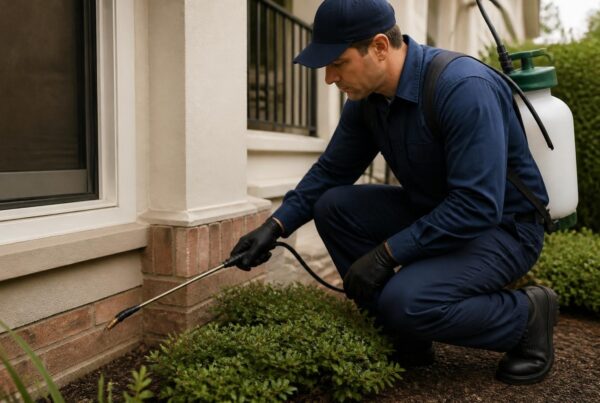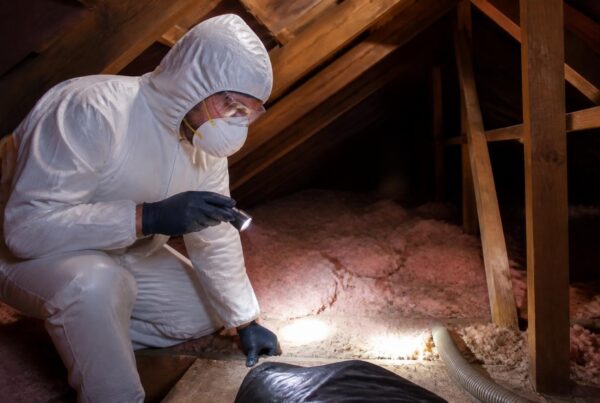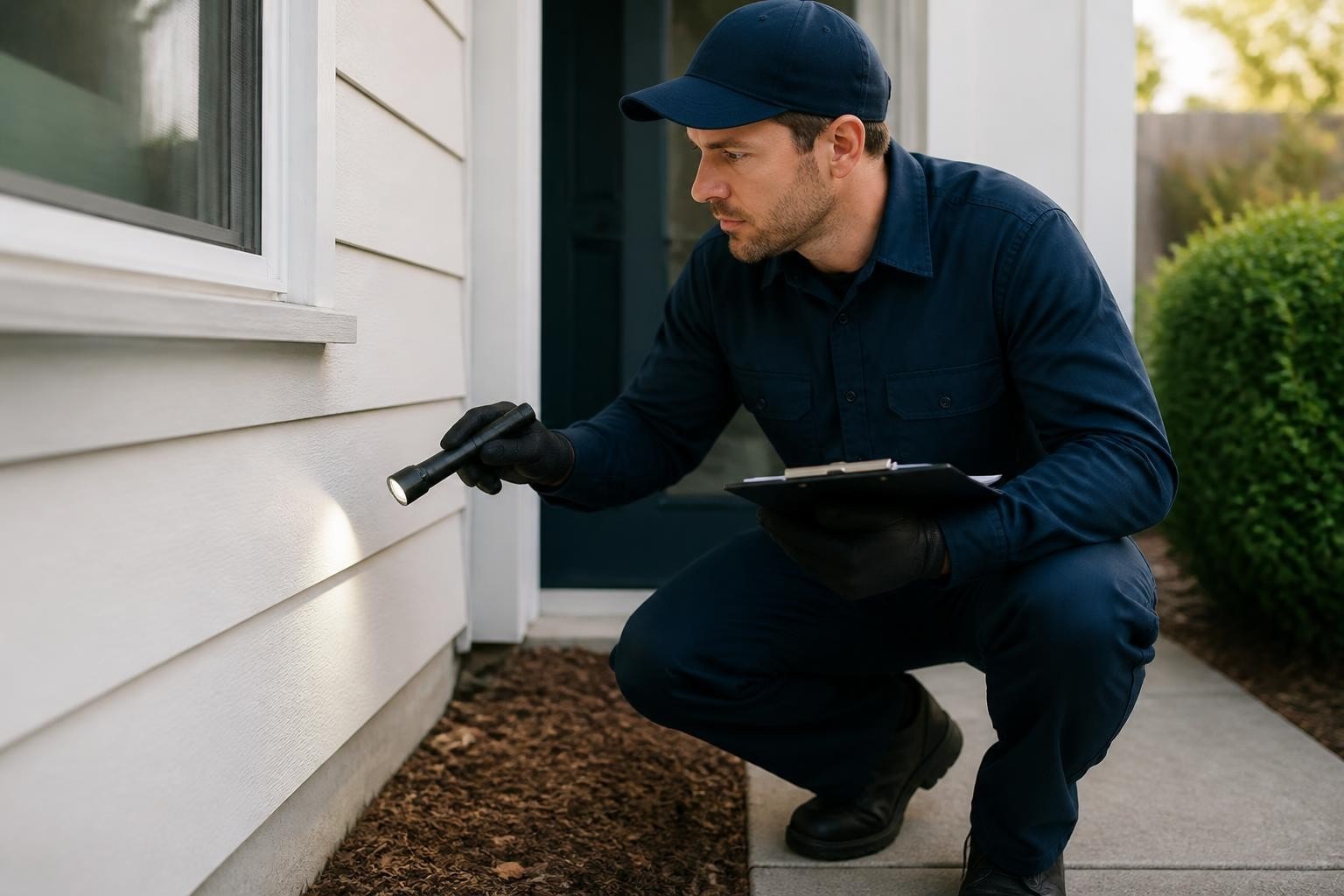
Finding the right approach to controlling pests in your home or business requires understanding how local pest management works and why proximity matters. When dealing with rodents, termites, bed bugs, or other unwanted invaders, working with professionals who understand Richmond's specific pest pressures and seasonal patterns makes all the difference. Local expertise means faster response times, familiarity with regional pest species, and treatment plans tailored to Virginia's climate and building structures.
Understanding Local Pest Management Fundamentals
Local pest management goes beyond simply spraying chemicals when pests appear. It represents a comprehensive approach that combines inspection, identification, treatment, and prevention strategies specifically designed for your geographic area. Richmond's humid subtropical climate creates unique challenges that require specialized knowledge of how pests behave throughout the year.
The foundation of effective local pest management starts with accurate identification. A spider in your basement might be harmless or could signal a moisture problem attracting other pests. Droppings in your attic could indicate mice, rats, or even squirrels. Each scenario demands different solutions, and local professionals recognize these distinctions immediately.
Why Geographic Proximity Matters
Distance affects every aspect of pest control service delivery. When you choose local pest management providers, you gain several distinct advantages:
- Faster emergency response for urgent situations like wasp nests or bed bug discoveries
- Regular monitoring visits without excessive travel costs passed to you
- Seasonal prevention programs aligned with Richmond's pest activity cycles
- Knowledge of neighborhood pest trends affecting your specific area
- Familiarity with local building codes and treatment regulations
A pest control company operating across multiple states cannot provide the same level of localized expertise as teams focused exclusively on the Richmond metropolitan area. This specialization translates directly into more effective treatments and longer-lasting results.
Integrated Pest Management in Richmond
The most successful local pest management strategies follow Integrated Pest Management (IPM) principles, which emphasize prevention and minimal chemical use. This approach particularly benefits Richmond homeowners concerned about environmental impact and family safety.
IPM starts with understanding what attracts pests to your property in the first place. Moisture problems, food sources, entry points, and conducive conditions all play roles. By addressing these underlying factors, you reduce pest pressure before it becomes a serious problem.
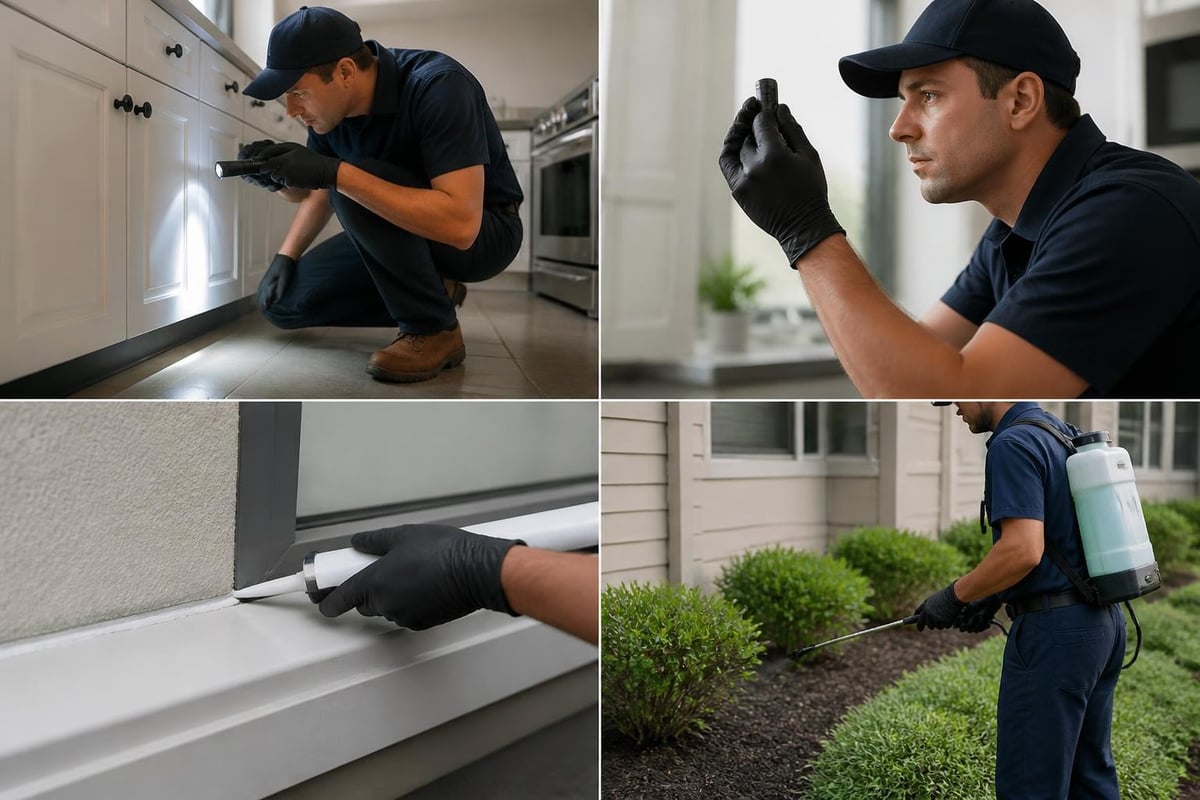
The Four Pillars of Effective IPM
Inspection and Monitoring forms the critical first step. Professional technicians examine both interior and exterior spaces, identifying current pest activity and conditions that could lead to future problems. This includes checking crawl spaces, attics, foundations, and landscaping features.
Identification and Assessment follows inspection. Different pests require different approaches. The Washington State Department of Health’s IPM guidelines emphasize accurate identification as essential for selecting the most effective and least toxic control methods.
Prevention and Exclusion addresses the root causes. Sealing entry points, eliminating moisture sources, removing food access, and modifying habitats prevent pests from establishing populations. For Richmond homes, this often means addressing crawl space moisture issues that attract termites and rodents.
Targeted Treatment applies only when necessary, using the least toxic effective methods first. When treatments are required, local pest management professionals select products and application methods appropriate for Richmond's environment and your specific situation.
| IPM Component | Traditional Approach | IPM Approach |
|---|---|---|
| Timing | Reactive (after infestation) | Proactive (before problems develop) |
| Methods | Chemical-focused | Multi-tactic (cultural, physical, biological, chemical) |
| Assessment | Visual inspection only | Comprehensive monitoring and documentation |
| Success Metric | Immediate pest elimination | Long-term pest prevention |
Common Richmond Pest Challenges
Richmond's location and climate create specific pest pressures that local pest management teams encounter regularly. Understanding these common threats helps homeowners recognize problems early and seek appropriate help.
Termites and Wood-Destroying Insects
Subterranean termites pose the most significant threat to Richmond structures. These pests thrive in Virginia's moisture-rich environment, particularly in homes with crawl space issues. Annual termite inspections and proactive treatment zones form essential components of local pest management strategies.
Carpenter ants and wood-boring beetles also damage Richmond homes, though they're often confused with termites by homeowners. Professional identification prevents wasted time and money on incorrect treatments. Understanding the cost of termite fumigation helps property owners budget for necessary treatments when infestations occur.
Rodent Infestations
Mice and rats find Richmond's urban and suburban areas highly hospitable. They enter homes seeking food and shelter, particularly as temperatures drop in fall and winter. Rodents don't just cause property damage-they contaminate food, spread disease, and create fire hazards by chewing electrical wiring.
Effective local pest management for rodents requires a multi-faceted approach:
- Comprehensive property inspection to locate entry points
- Exclusion work sealing gaps and openings
- Trap placement in strategic locations
- Removal of attractants like accessible food and water
- Attic and crawl space remediation if contamination occurred
Professional pest control services address both active infestations and the structural conditions that allowed rodents access in the first place.
Bed Bugs
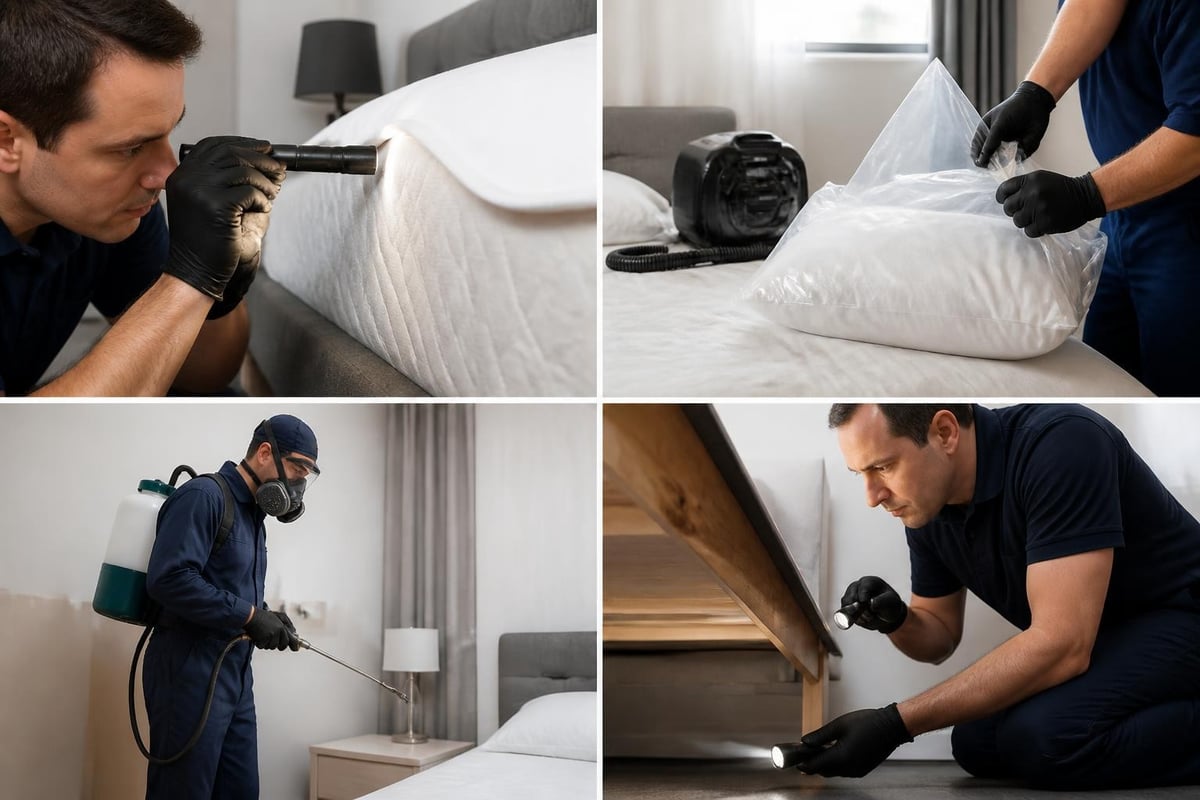
These parasitic insects have made a strong comeback in Richmond, affecting homes, apartments, hotels, and even offices. Bed bugs hitchhike on luggage, clothing, and furniture, making prevention challenging. They hide in tiny cracks during the day and emerge at night to feed on sleeping humans.
Local pest management for bed bugs demands specialized training and equipment. Heat treatments, chemical applications, and monitoring devices work together to eliminate all life stages. Multiple follow-up visits ensure complete eradication, as even a few surviving eggs can restart an infestation.
Seasonal Pest Pressures
Richmond experiences distinct pest seasons that local pest management professionals anticipate and prepare for:
- Spring: Termite swarms, ant colonies expanding, wasp nest construction begins
- Summer: Mosquito populations peak, stinging insects most active, spider activity increases
- Fall: Rodents seeking indoor shelter, ladybugs clustering in homes, stink bugs entering structures
- Winter: Indoor pest activity continues in heated spaces, wildlife seeking warm attics
Year-round service agreements align treatments with these seasonal patterns, providing protection before pest populations explode.
Choosing the Right Local Pest Management Partner
Not all pest control companies deliver the same quality of service, even among local providers. Selecting the right partner requires evaluating several critical factors beyond price alone.
Credentials and Certifications
Virginia requires pest control technicians to hold state licenses, but the best local pest management companies go further. Look for:
- Certified operators with advanced training in specific pest specialties
- Insurance coverage protecting your property during treatment
- Industry association memberships indicating professional commitment
- Continuing education keeping staff current on new methods and products
- Safety certifications for handling and applying pest control materials
These credentials signal a company's investment in professional excellence rather than just meeting minimum legal requirements.
Treatment Approach and Philosophy
Companies offering comprehensive pest control should clearly explain their methodology. Ask potential providers specific questions:
- What inspection process do they follow before recommending treatment?
- How do they determine which products to use in specific situations?
- What prevention recommendations do they provide beyond chemical applications?
- How do they handle follow-up visits and warranty issues?
- What documentation do they provide after each service?
Responses reveal whether the company follows systematic local pest management principles or simply applies generic treatments to every situation.
Response Time and Availability
Pest emergencies don't wait for business hours. Evaluate how companies handle urgent situations like wasp and bee nests near entryways or sudden rodent sightings. Local providers should offer:
- Same-day or next-day service for emergencies
- Clear communication about scheduling and technician arrival
- Flexible appointment times accommodating work schedules
- 24/7 contact options for urgent pest threats
- Prompt callback times for routine inquiries
Distance directly affects response capability. A company based 50 miles away cannot match the responsiveness of truly local pest management teams.
Prevention Through Property Maintenance
The most effective local pest management combines professional services with proactive property maintenance. Homeowners who understand how their actions impact pest activity achieve better long-term results.
Moisture Control
Excess moisture attracts numerous pest species, from termites to centipedes. Richmond's humidity makes moisture management particularly important:
- Repair leaks promptly in plumbing, roofs, and foundations
- Improve drainage around the home's perimeter to direct water away
- Use dehumidifiers in basements and crawl spaces to reduce humidity
- Ensure proper ventilation in attics, bathrooms, and kitchens
- Address condensation on pipes and in poorly insulated areas
Many pest problems trace back to moisture issues that can be corrected through relatively simple repairs. For businesses looking to expand their reach and educate customers on these preventive measures, partnering with Pioneer Marketing can help pest control companies effectively communicate their expertise through local SEO strategies.
Exclusion and Sealing
Physical barriers prevent pest entry more reliably than any chemical treatment. Focus on these vulnerable areas:
- Foundation cracks and gaps where utilities enter the building
- Window and door seals that have deteriorated over time
- Roof vents and chimney caps lacking proper screening
- Crawl space vents needing secure covers or encapsulation
- Garage door seals worn from repeated opening and closing
Regular inspection of these potential entry points allows you to address small gaps before they become pest highways.
Sanitation and Food Storage
Pests need food to survive. Eliminating easy access to food sources makes your property less attractive:
- Store pantry items in sealed containers rather than original packaging
- Clean up spills and crumbs immediately, especially in kitchens
- Empty trash regularly and use containers with tight-fitting lids
- Keep pet food in sealed containers and don't leave bowls out overnight
- Remove bird feeders or place them far from the house
Commercial properties face additional challenges with dumpster management and employee break areas. Regular professional cleaning services, such as those offered by Sphere Five Services, can maintain sanitation standards that reduce pest attractiveness in office and retail environments.
Advanced Local Pest Management Technologies
Modern pest control leverages technology to improve effectiveness while reducing environmental impact. Forward-thinking local pest management providers incorporate these tools into their service offerings.
Monitoring Systems
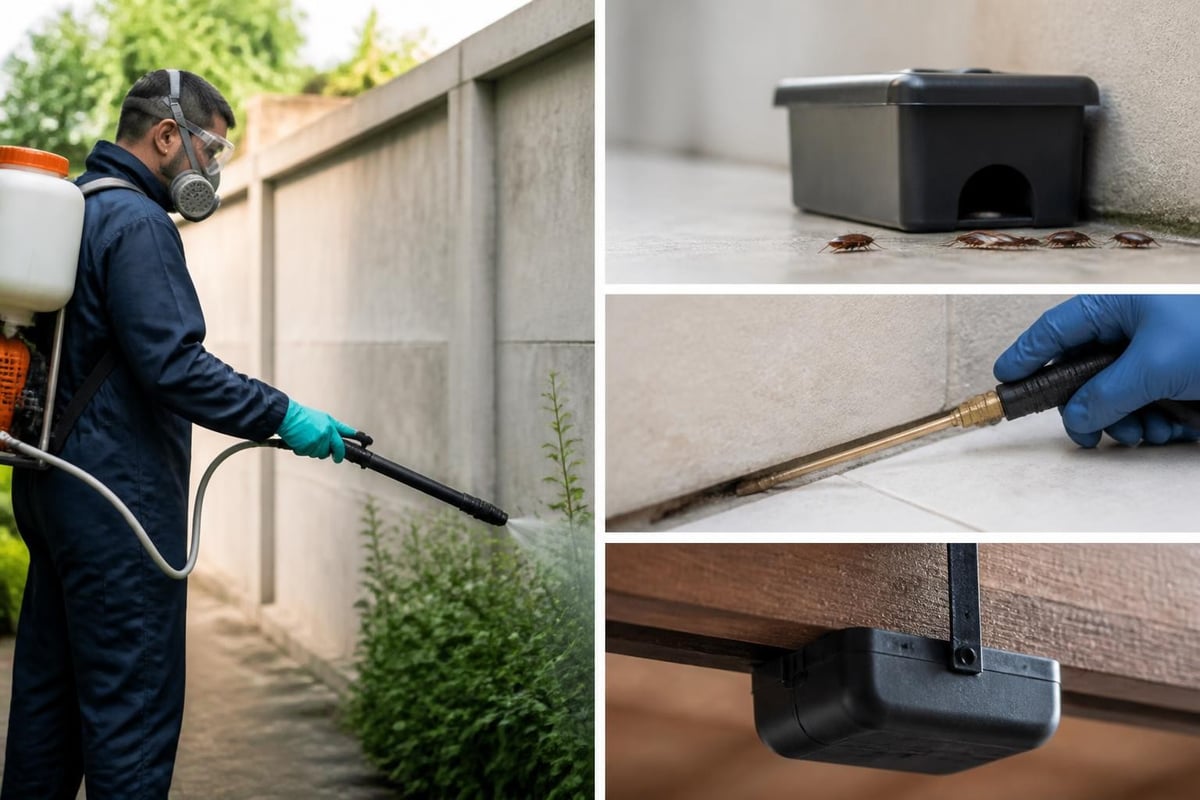
Electronic monitoring devices track pest activity between service visits. Rodent monitoring stations, termite detection systems, and bed bug monitors provide continuous surveillance. Some advanced systems send alerts when activity is detected, allowing immediate response.
These technologies benefit both residential and commercial clients. Research comparing traditional baiting versus integrated approaches demonstrates that comprehensive monitoring improves outcomes while reducing overall pesticide use.
Targeted Application Methods
Application precision minimizes treatment area while maximizing effectiveness. Modern methods include:
| Technology | Application | Benefit |
|---|---|---|
| Gel baits | Crack and crevice treatment | Targets specific pest species, reduces broadcast spraying |
| Dust formulations | Wall voids and inaccessible areas | Long-lasting residual protection in hidden spaces |
| Foaming agents | Termite treatments, void treatments | Expands to fill irregular spaces completely |
| Heat treatments | Bed bugs, drywood termites | Chemical-free elimination of all life stages |
| Fumigation tents | Severe drywood termite infestations | Complete structure penetration for total eradication |
Each technology serves specific situations where it provides advantages over conventional liquid spray applications.
Commercial Local Pest Management Considerations
Businesses face unique pest management challenges requiring specialized approaches. Regulatory compliance, reputation protection, and operational continuity demand higher service standards than residential work.
Industry-Specific Requirements
Different business types have varying pest control needs:
- Restaurants and food service: Health department regulations, multiple inspections, zero-tolerance policies
- Healthcare facilities: Patient safety, infection control, chemical sensitivity considerations
- Hotels and hospitality: Guest experience protection, discrete service delivery, rapid response
- Warehouses and distribution: Product protection, compliance with shipper requirements, large-scale treatments
- Retail locations: Customer perception management, after-hours service, minimal disruption
Effective commercial local pest management requires understanding these industry-specific pressures and designing programs that address them proactively. Strategic remote CMO services can help pest control companies position their specialized commercial offerings to attract business clients in these sectors.
Documentation and Reporting
Commercial clients need thorough documentation for regulatory compliance and internal quality control. Professional local pest management providers deliver:
- Detailed service reports after each visit
- Pest sighting logs and trend analysis
- Treatment records specifying products and application areas
- Recommendations for corrective actions
- Certification letters for audits and inspections
This documentation protects businesses during health inspections and demonstrates due diligence in maintaining safe, pest-free environments.
Preventive Service Schedules
Commercial properties benefit from regular preventive visits rather than reactive treatments. Monthly or quarterly inspections identify problems early, when intervention requires minimal disruption and cost. These programs typically include:
- Exterior perimeter treatments creating barrier protection
- Interior monitoring and inspection of vulnerable areas
- Sanitation and exclusion recommendations
- Employee training on pest prevention practices
- Immediate response to any pest sightings between visits
Consistent service builds a protective system that prevents major infestations rather than simply responding to them.
Environmental Considerations in Modern Pest Control
Responsible local pest management balances effective pest elimination with environmental stewardship. Richmond residents increasingly seek providers who prioritize sustainability without compromising results.
Reduced-Risk Product Selection
Modern pest control products offer improved safety profiles compared to older formulations. Professionals now access materials that:
- Target specific pest species while having minimal impact on beneficial insects
- Break down more quickly in the environment after achieving pest control
- Require smaller application amounts to achieve effective results
- Present lower toxicity risks to humans, pets, and wildlife
- Come from botanical or biological sources rather than synthetic chemicals
These advances allow local pest management providers to protect homes effectively while reducing environmental footprint.
Habitat Modification
Changing the conditions that support pest populations often eliminates problems without any chemical use. This includes:
- Removing standing water where mosquitoes breed
- Trimming vegetation away from structures to eliminate pest bridges
- Addressing lighting that attracts insects at night
- Modifying storage practices that create harborage areas
- Improving air circulation in damp spaces
These modifications create lasting changes that prevent pest problems from recurring, reducing the need for ongoing treatments.
Beneficial Species Protection
Not every insect or arthropod in your yard qualifies as a pest. Pollinators, predatory insects, and soil organisms provide valuable ecological services. Quality local pest management considers:
- Timing treatments to minimize impact on beneficial species
- Selecting products that spare non-target organisms
- Protecting pollinator-friendly plantings during applications
- Educating clients about which species should be preserved
- Using targeted applications rather than broadcast treatments
This ecological awareness reflects professional sophistication and environmental responsibility.
The Economics of Professional Pest Control
Investing in professional local pest management delivers significant returns compared to DIY approaches or ignoring pest problems. Understanding these economic factors helps homeowners make informed decisions.
Cost of Delayed Treatment
Putting off pest control often multiplies eventual costs. Consider these scenarios:
Termite damage can require tens of thousands in structural repairs if left unaddressed. Early detection and treatment typically costs a fraction of repair expenses.
Rodent infestations worsen rapidly as populations reproduce. A few mice become dozens within months, requiring more extensive treatment and potential attic insulation replacement.
Bed bug delays allow populations to spread throughout homes and even to neighboring units in multi-family buildings, exponentially increasing treatment difficulty and cost.
Early professional intervention through local pest management prevents these cost escalations while protecting property values.
Value of Preventive Programs
Annual service agreements provide budget predictability while delivering superior protection. These programs typically include:
- Quarterly inspections and treatments
- Emergency service calls at no additional charge
- Discounted rates on additional services
- Priority scheduling for urgent needs
- Treatment guarantees and free retreatments if needed
The cost of preventive service typically falls well below the expense of treating major infestations that develop without regular professional attention.
| Approach | Initial Cost | Long-Term Cost | Effectiveness | Property Protection |
|---|---|---|---|---|
| DIY treatments | Low | High (repeated purchases, delayed professional help) | Variable | Limited |
| Reactive professional service | Moderate | Moderate-High (addresses problems after establishment) | Good | Moderate |
| Preventive service agreement | Moderate | Low (prevents major infestations) | Excellent | High |
Seasonal Pest Prevention Strategies
Aligning local pest management efforts with Richmond's seasonal patterns maximizes protection while optimizing service timing.
Spring Preparation
As temperatures warm, pest activity accelerates. Spring local pest management focuses on:
- Termite inspection before swarm season peaks
- Exterior perimeter treatments before insects become active
- Ant colony treatments while populations are small
- Wasp nest prevention before queens establish colonies
- Mosquito breeding site elimination before summer
These proactive measures prevent populations from exploding during peak season.
Summer Maintenance
Peak pest season requires vigilant monitoring and rapid response. Summer priorities include:
- Mosquito control for outdoor comfort
- Stinging insect management around entertaining areas
- Spider web removal and treatment
- Ongoing termite monitoring
- Increased inspection frequency in vulnerable areas
Regular service visits during summer months maintain protection when pest pressure reaches annual highs.
Fall Prevention
As temperatures cool, pests seek indoor shelter. Fall local pest management emphasizes:
- Rodent exclusion before winter weather drives them inside
- Overwintering pest treatments preventing indoor clustering
- Final exterior treatments before cold weather
- Attic and crawl space inspections before heating season
- Entry point sealing during moderate weather suitable for exterior work
These preparations prevent winter pest problems and reduce indoor pest pressure during months when treatment becomes more challenging.
Winter Monitoring
Indoor pest activity continues year-round in heated spaces. Winter service focuses on:
- Interior monitoring and treatment as needed
- Rodent control in attics and wall voids
- Treatment of pests discovered during holiday decorating
- Planning for spring prevention programs
- Addressing moisture issues before they worsen
Year-round vigilance maintains protection even during months when outdoor pest activity slows.
Building Partnerships with Local Providers
The best local pest management results come from collaborative relationships rather than transactional service calls. Building effective partnerships with pest control professionals requires clear communication and mutual understanding.
Setting Clear Expectations
Successful pest control begins with honest discussions about goals, concerns, and limitations. Share specific information about:
- Previous pest problems and treatments attempted
- Areas of particular concern or high-value items needing protection
- Household members with sensitivities or health concerns
- Pet locations and access restrictions
- Preferred communication methods and scheduling needs
This context allows providers to customize service delivery to your specific situation.
Providing Access and Cooperation
Effective treatment requires access to all affected areas. Homeowners can support successful local pest management by:
- Clearing clutter from treatment areas before scheduled visits
- Ensuring technicians can access attics, crawl spaces, and utility areas
- Securing pets during service appointments
- Following pre-treatment and post-treatment instructions carefully
- Reporting new pest sightings promptly between scheduled visits
These cooperative actions maximize treatment effectiveness and accelerate problem resolution.
Maintaining Open Communication
Quality providers welcome questions and feedback. Maintain dialogue by:
- Asking for explanations of recommended treatments and products
- Reporting any concerns about service delivery or results
- Requesting documentation of service activities
- Discussing budget constraints that might affect service frequency
- Seeking prevention advice to reduce future pest pressure
This ongoing communication ensures services remain aligned with your needs and expectations.
Effective local pest management combines scientific expertise, regional knowledge, and customized treatment approaches to protect Richmond properties from the unique pest pressures of central Virginia. Whether addressing current infestations or implementing preventive strategies, working with professionals who understand local conditions delivers superior results compared to generic approaches. SanPro Home Solutions brings specialized knowledge of Richmond's pest challenges along with comprehensive solutions for pest control, crawl space protection, and insulation services that address the underlying conditions supporting pest activity. Contact SanPro to schedule an inspection and develop a customized pest management plan for your property.