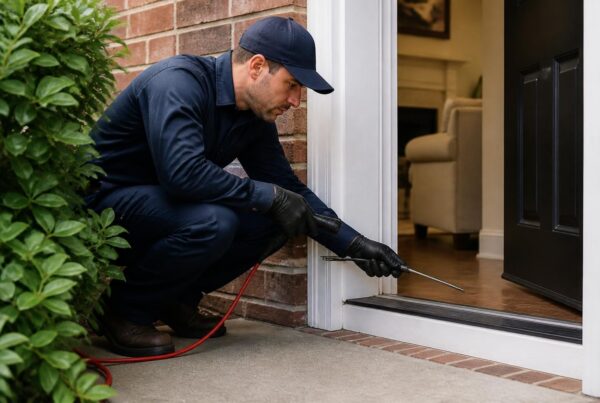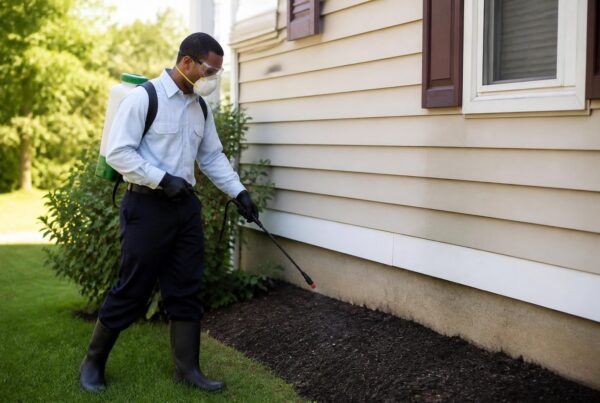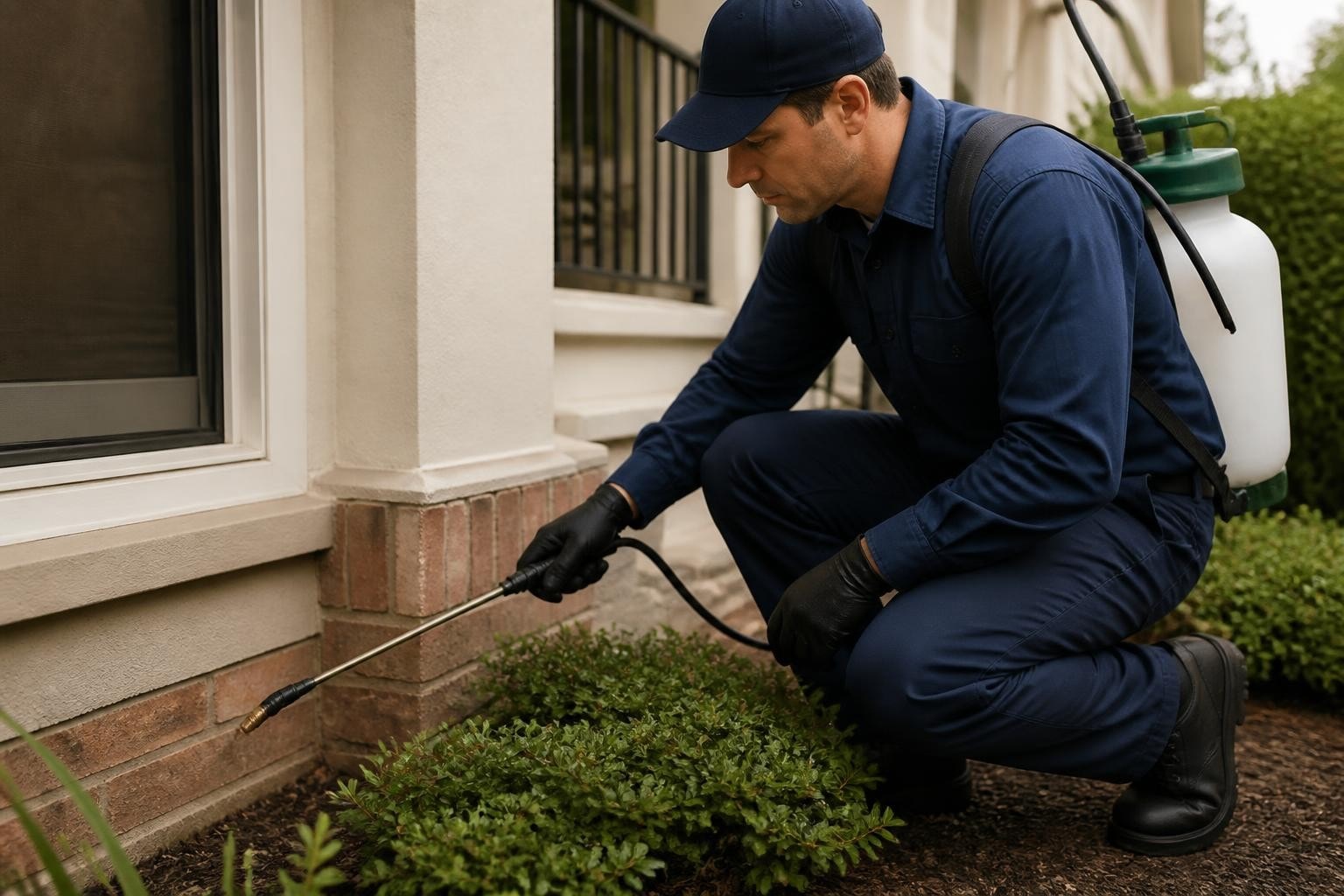
Managing unwanted insects in your home requires more than occasional spraying or store-bought traps. Effective house insect control combines strategic prevention, early detection, and targeted treatments that address both current infestations and long-term protection. For Richmond VA homeowners, understanding the specific insects that threaten local properties and implementing proven control methods can protect your family's health, preserve your home's structural integrity, and provide lasting peace of mind throughout the year.
Understanding Common Household Insect Threats in Richmond VA
Richmond's humid subtropical climate creates ideal conditions for various household insects. The region's hot summers, mild winters, and regular rainfall support insect populations that many northern climates naturally suppress.
Structural Damaging Insects
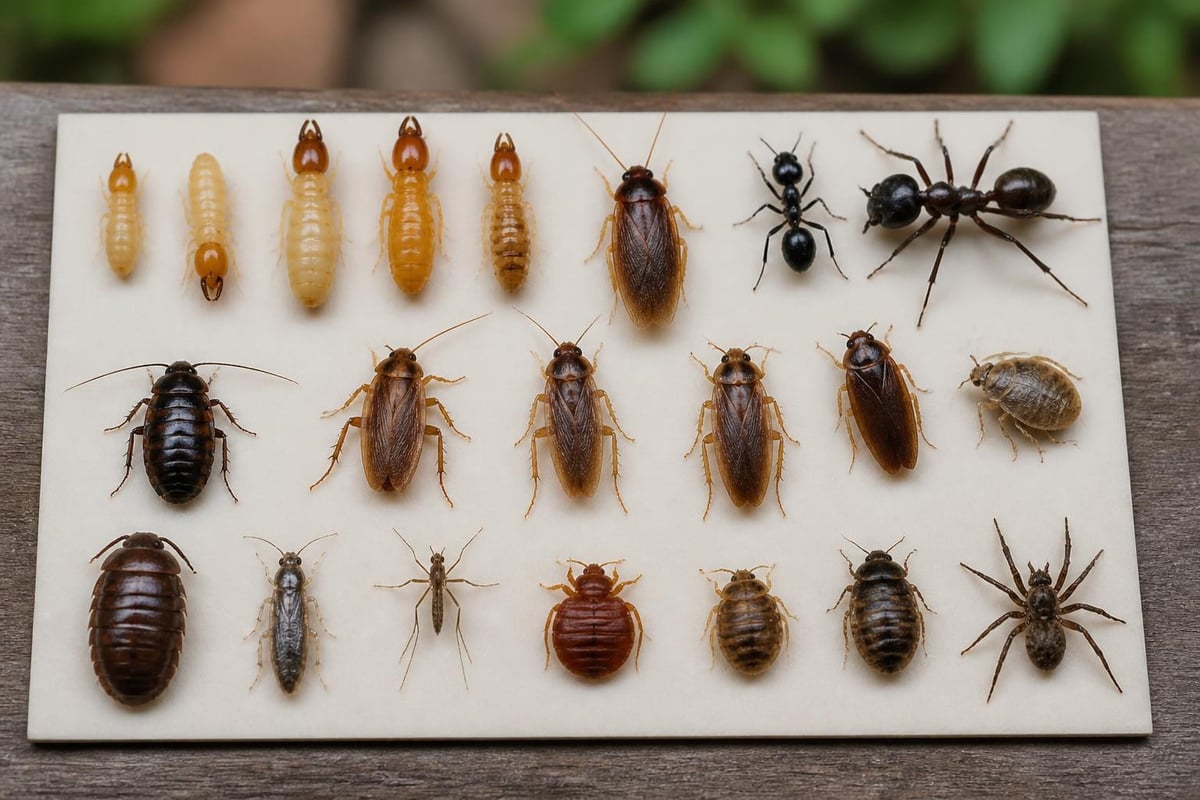
Termites represent the most financially devastating insect threat to Richmond homes. These wood-destroying insects cause billions in property damage annually across the United States, with Virginia's climate providing year-round activity for subterranean species. Eastern subterranean termites build colonies underground and access homes through foundation cracks, wood-to-ground contact, and moisture-damaged lumber.
Carpenter ants follow closely behind termites in structural concern. Unlike termites that consume wood, carpenter ants excavate galleries for nesting, creating similar damage patterns. These large black ants prefer moisture-damaged wood, making crawl spaces particularly vulnerable entry points.
Powderpost beetles bore through hardwood flooring, furniture, and structural timbers. Their presence often goes unnoticed until homeowners discover small exit holes and fine powder beneath infested wood.
Health-Threatening Insects
Cockroaches pose significant health risks beyond their disturbing appearance. German cockroaches, American cockroaches, and Oriental cockroaches contaminate food surfaces, trigger asthma and allergies, and spread pathogens. According to the National Institute of Environmental Health Sciences, cockroach allergens affect millions of Americans, particularly children in urban environments.
Bed bugs have resurged dramatically over the past two decades. These blood-feeding insects hide in mattresses, furniture, and wall voids, emerging at night to feed on sleeping occupants. Their bites cause itching, skin irritation, and psychological distress.
Fleas and ticks present risks to both humans and pets. Fleas transmit tapeworms and cause allergic dermatitis, while ticks carry Lyme disease, Rocky Mountain spotted fever, and other serious illnesses throughout Virginia.
Nuisance and Food-Contaminating Insects
Ants invade kitchens and pantries in persistent trails. Odorous house ants, pavement ants, and Argentine ants seek sugar and protein sources, contaminating food storage areas. Carpenter ants, while structural threats, also forage indoors for food.
Pantry pests including Indian meal moths, flour beetles, and grain weevils infest stored foods. These insects multiply rapidly in cereals, grains, dried fruits, and pet food, requiring disposal of contaminated products.
Fruit flies breed in drains, garbage disposals, and overripe produce. Their rapid reproduction cycle allows populations to explode within days.
Spiders, while beneficial predators outdoors, become unwelcome when establishing webs throughout living spaces. Brown recluse and black widow spiders occasionally enter Richmond homes, though encounters remain relatively uncommon.
Integrated Pest Management for House Insect Control
The Environmental Protection Agency promotes integrated pest management strategies that combine multiple control methods while minimizing pesticide reliance. This comprehensive approach delivers superior long-term results compared to chemical treatments alone.
Inspection and Identification
Accurate identification determines appropriate treatment strategies. Different insects require different control methods, making professional identification valuable for persistent problems.
Key inspection areas include:
- Kitchen and bathroom cabinets
- Baseboards and wall voids
- Attic spaces and insulation
- Crawl space perimeters
- Foundation exterior
- Window and door frames
- Plumbing penetrations
- Electrical outlets
Document insect activity with photos, noting times, locations, and numbers observed. This information helps professionals assess infestation severity and track treatment effectiveness.
Prevention Through Exclusion
Physical barriers prevent insects from entering homes. Exclusion represents the most permanent and environmentally safe control method available.
Effective exclusion measures:
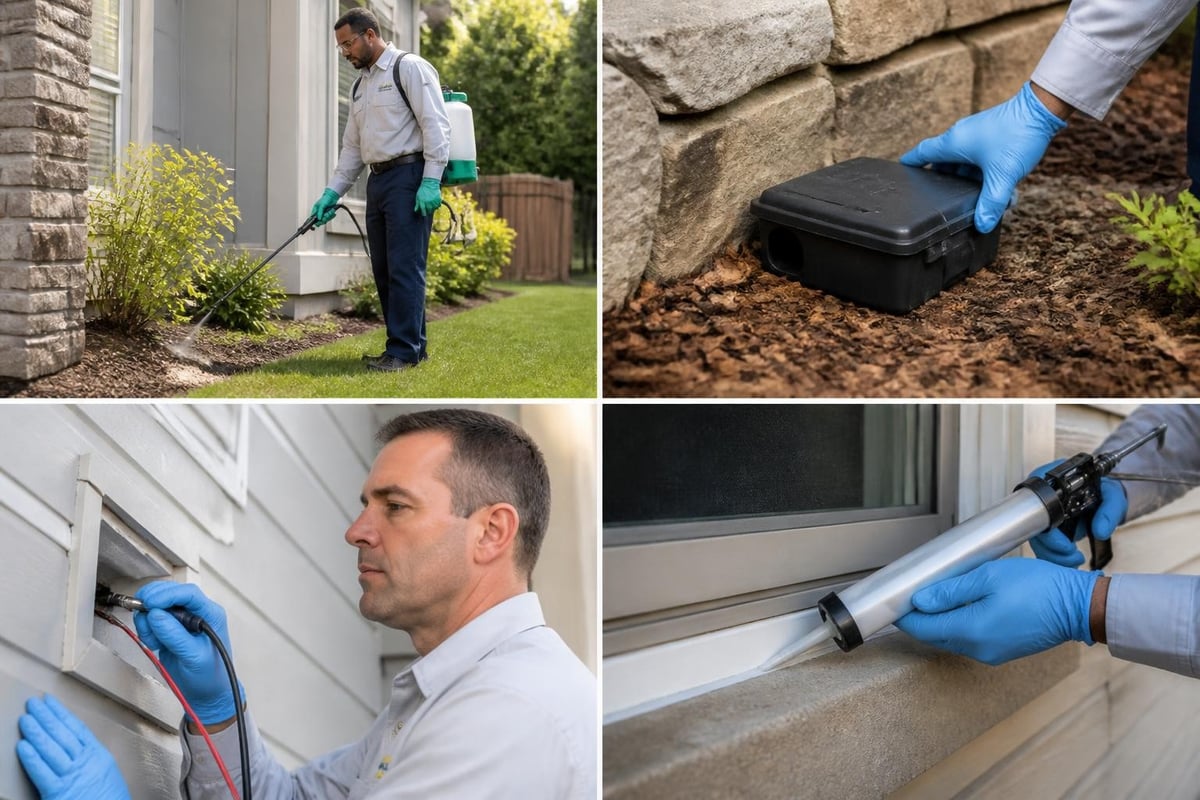
- Seal foundation cracks with hydraulic cement or polyurethane caulk
- Install door sweeps on exterior doors
- Replace damaged window screens
- Repair torn roof vents and ridge caps
- Fill gaps around utility penetrations with copper mesh and expanding foam
- Install chimney caps with appropriate mesh sizing
- Trim vegetation away from exterior walls
- Ensure proper grading directs water away from foundations
| Exclusion Method | Target Insects | Durability |
|---|---|---|
| Door sweeps | Ants, cockroaches, spiders | 3-5 years |
| Foundation sealing | Termites, ants, centipedes | 10+ years |
| Screen repair | Flying insects, spiders | 5-7 years |
| Utility sealing | All crawling insects | 5-10 years |
Sanitation and Habitat Modification
Eliminating food sources, water, and harborage sites makes homes inhospitable to insects. Consistent sanitation practices provide ongoing protection without chemical intervention.
Remove food sources by storing pantry items in airtight containers, cleaning spills immediately, and disposing of garbage daily. Rinse recyclables before storage and keep pet food in sealed bins.
Eliminate water sources by repairing leaky faucets, fixing condensation on pipes, improving bathroom ventilation, and ensuring proper drainage around foundations. Many insects require water daily for survival.
Reduce harborage by decluttering basements and storage areas, storing firewood away from structures, removing leaf litter from foundation perimeters, and organizing garage spaces to eliminate hiding spots.
Chemical Control Methods for House Insect Control
When prevention and sanitation prove insufficient, pesticide applications become necessary. Understanding product types, application methods, and safety considerations ensures effective and responsible use.
Insecticide Formulations
Liquid residual sprays provide long-lasting barrier protection along baseboards, entry points, and exterior foundations. Modern formulations offer 60-90 day residual activity against crawling insects. Professional applications typically use products unavailable to consumers, delivering superior efficacy.
Baits and gels attract insects to consume poison, which they carry back to colonies. These targeted treatments excel for ants, cockroaches, and certain beetles. Proper placement in areas of high activity maximizes consumption and colony elimination.
Dusts penetrate wall voids, attics, and other inaccessible areas. Products like diatomaceous earth, boric acid, and silica gel desiccate insects through contact. These formulations remain effective indefinitely when kept dry.
Aerosols and fogging products provide immediate knockdown of visible insects but offer limited residual protection. Reserve these for specific applications like treating bed bug hiding spots or addressing immediate threats.
Application Strategies
Professional pest control services in Richmond VA apply products following EPA guidelines for safe pest control, ensuring human and pet safety while maximizing effectiveness.
Perimeter treatments create protective barriers around home exteriors. Applications along foundations, under eaves, and around entry points intercept insects before they access interior spaces. Quarterly treatments maintain continuous protection as products degrade from weather exposure.
Interior spot treatments target specific activity areas rather than broadcast applications throughout living spaces. Focus applications in cracks, crevices, and areas where insects travel or harbor.
Void treatments inject insecticides into wall voids, beneath appliances, and other inaccessible harborage areas. These treatments reach insects where they nest and breed, providing superior control compared to surface applications alone.
Safety Considerations
Modern insecticides demonstrate significantly lower toxicity to mammals than older formulations. However, proper application and safety precautions remain essential.
Important safety practices:
- Follow all label directions precisely
- Store products in original containers away from children and pets
- Ventilate treated areas as directed
- Avoid treating surfaces that contact food
- Remove pets and cover aquariums during application
- Dispose of empty containers according to local regulations
- Consider low-toxicity alternatives for sensitive households
Professional applicators carry insurance, licensing, and training that homeowners typically lack. For significant infestations or when dealing with dangerous pests, professional pest control services provide safer and more effective solutions.
Targeting Specific Household Insects
Different insects require tailored control approaches. Understanding species-specific behaviors and vulnerabilities improves treatment outcomes.
Termite Management
The EPA provides detailed guidance on termite identification and control, emphasizing professional treatment for active infestations. Subterranean termites require liquid soil treatments or baiting systems installed by licensed professionals.
Liquid termiticides create chemical barriers in soil around foundations, killing termites that attempt passage. Modern products like fipronil and chlorantranilidin offer 10+ year protection when properly applied.
Baiting systems use strategically placed monitoring stations containing cellulose. When termites feed on bait, they consume slow-acting insecticides and spread poison throughout colonies. This approach requires patience but eliminates colonies without extensive chemical applications.
Preventive measures include eliminating wood-to-ground contact, repairing moisture problems, improving ventilation, and scheduling annual inspections. Richmond homeowners should understand that termite treatment costs vary based on home size, infestation severity, and chosen treatment method.
Ant Control Strategies
Ant species require different control approaches. Identifying the specific ant invading your home determines appropriate treatment.
For odorous house ants and Argentine ants, use non-repellent liquid sprays and gel baits. These ants follow pheromone trails and share food with colony members, making baits particularly effective.
Carpenter ant control requires locating satellite colonies within structures. Dusting wall voids and treating exterior parent colonies eliminates both indoor and outdoor populations. Address moisture problems that attract these wood-nesting ants.
Fire ants occasionally establish mounds near Richmond foundations. Individual mound treatments or broadcast applications across properties eliminate colonies. Monitor for reinfestation from neighboring properties.
Cockroach Elimination
German cockroach infestations demand aggressive treatment combining sanitation, baiting, and residual sprays. These prolific breeders hide in kitchen cabinets, appliances, and wall voids.
Gel baits placed in corners, beneath sinks, and near harborage sites provide excellent control. Rotate bait formulations if roaches develop avoidance behaviors.
American cockroaches typically enter from sewers and drains. Treating basement drains, sump pumps, and exterior entry points prevents invasion. These larger roaches respond well to perimeter treatments.
Insect growth regulators disrupt cockroach reproduction, preventing nymphs from reaching maturity. Combining IGRs with adulticides accelerates population collapse.
Bed Bug Treatment Protocols
Bed bug control challenges even experienced professionals. These resilient insects hide in numerous locations and have developed resistance to many insecticides.
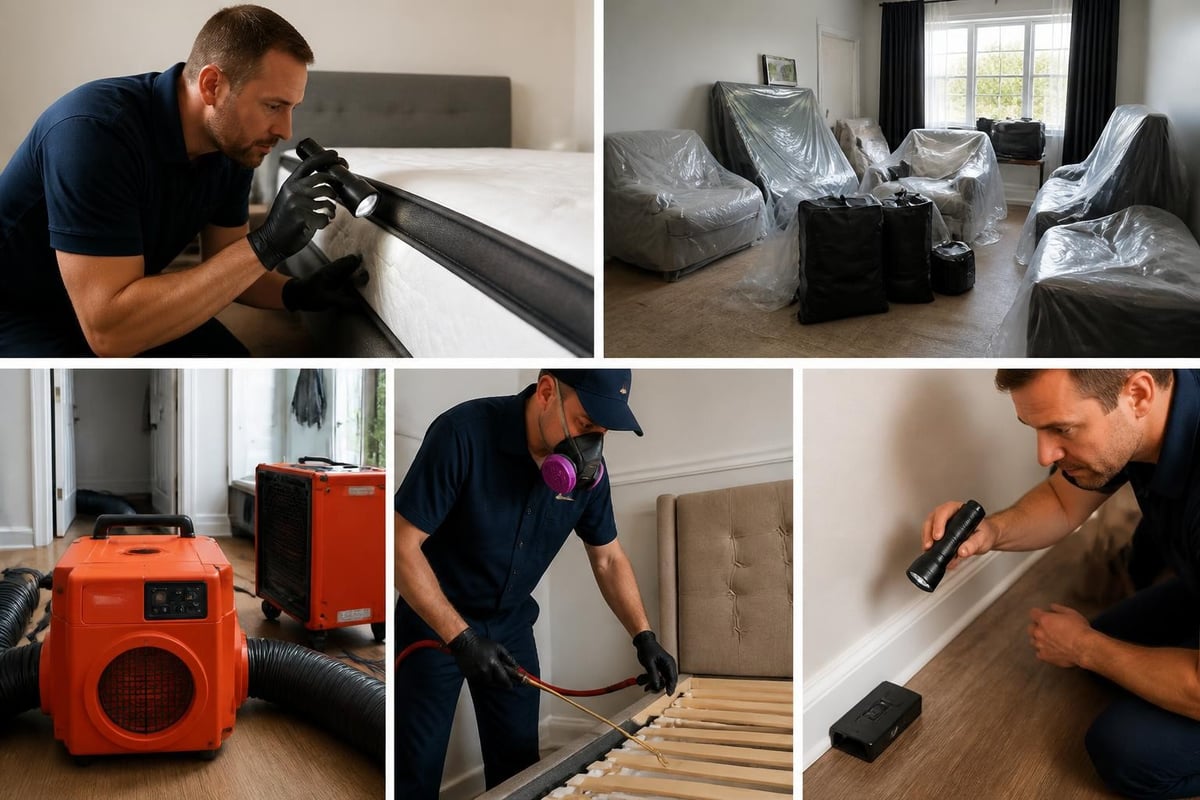
Effective bed bug management requires:
- Thorough inspection of mattresses, box springs, and bed frames
- Inspection of furniture, baseboards, and wall hangings
- Heat treatment of washable items at 120°F for 30 minutes
- Vacuuming cracks, crevices, and upholstered furniture
- Encasing mattresses and box springs in certified covers
- Applying residual insecticides to harborage areas
- Multiple follow-up treatments at 10-14 day intervals
Heat treatments using specialized equipment raise room temperatures to 120-135°F, killing all bed bug life stages. This chemical-free option provides immediate results but requires professional equipment and expertise.
Seasonal House Insect Control Considerations
Richmond's distinct seasons influence insect activity patterns. Adjusting control strategies throughout the year maintains year-round protection.
Spring Pest Pressures
Warming temperatures trigger increased insect activity. Termites swarm during March and April, with reproductive alates seeking new colony locations. Schedule spring termite inspections to detect activity before extensive damage occurs.
Ants emerge from winter dormancy, establishing foraging trails into homes. Early spring perimeter treatments prevent colony establishment near foundations.
Overwintering insects like Asian lady beetles, cluster flies, and stink bugs attempt outdoor exits, often becoming trapped inside walls or living spaces. Vacuuming removes these nuisances without chemical treatment.
Summer Infestation Risks
Peak temperatures drive moisture-seeking insects indoors. Cockroaches, silverfish, and centipedes invade basements and bathrooms searching for water and cool temperatures.
Flying insects including mosquitoes, flies, and wasps increase outdoor activity. Screens, door sweeps, and proper exterior lighting reduce indoor invasions.
Pantry pests multiply rapidly in summer heat. Inspect stored foods monthly and maintain airtight containers to prevent Indian meal moth and beetle infestations.
Fall Preparation
Cooling temperatures trigger insect migration indoors for overwintering. Mice, cluster flies, Asian lady beetles, and boxelder bugs seek protected locations inside wall voids and attics.
Complete exterior sealing before October to prevent overwintering pest invasions. Focus on roof-wall junctions, gable vents, and foundation gaps.
Remove leaf litter, mulch buildup, and vegetation contact with foundations. These materials provide harborage for insects attempting to access crawl spaces and basement areas.
Winter Monitoring
Indoor heating creates favorable conditions for German cockroaches, pharaoh ants, and other tropical species. These pests remain active year-round in climate-controlled spaces.
Monitor for condensation problems that attract moisture-loving insects. Improve ventilation and repair leaks to eliminate these attractants.
Firewood storage near or inside homes introduces wood-boring beetles, spiders, and occasional rodents. Store firewood away from structures and inspect logs before bringing indoors.
Professional vs. DIY House Insect Control
Homeowners must evaluate whether self-treatment or professional services best address their specific situation. Several factors influence this decision.
When DIY Approaches Work
Minor ant invasions, occasional spiders, and individual wasps respond well to consumer products. Store-bought sprays, baits, and traps handle small-scale problems effectively when applied correctly.
Preventive measures like caulking, screen repair, and sanitation require no specialized training. Homeowners can implement these strategies year-round to reduce pest pressure.
Monitoring devices including sticky traps, pheromone traps, and inspection tools help detect problems early, allowing intervention before infestations establish.
Situations Requiring Professional Help
Termite activity demands professional treatment in virtually all cases. The specialized equipment, products, and expertise necessary for effective termite control exceed homeowner capabilities.
Bed bug infestations rarely respond to DIY treatments. Their cryptic habits, multiple life stages, and insecticide resistance require professional-grade products and application methods.
Structural infestations inside wall voids, attics, or crawl spaces need professional void treatments. Homeowners lack appropriate equipment and products for these applications.
Recurring problems despite DIY efforts indicate underlying issues requiring professional diagnosis. Trained technicians identify contributing factors like moisture problems, entry points, or conducive conditions that perpetuate infestations.
Health-threatening pests including venomous spiders, stinging insects in sensitive locations, or large cockroach populations justify professional intervention. The risks of inadequate treatment or exposure during DIY attempts outweigh cost considerations.
| Situation | DIY Suitable | Professional Recommended |
|---|---|---|
| Occasional ants | Yes | Optional |
| Termite activity | No | Required |
| Bed bugs | No | Strongly recommended |
| Seasonal spiders | Yes | Optional |
| Recurring cockroaches | Maybe | Yes |
| Pantry pests | Yes | If widespread |
Long-Term Prevention and Monitoring
Sustainable house insect control requires ongoing attention rather than reactive treatments. Implementing systematic monitoring and maintenance schedules prevents small problems from becoming major infestations.
Establishing Inspection Routines
Monthly interior inspections identify emerging problems before populations explode. Check common problem areas including kitchens, bathrooms, basements, and storage spaces.
Monthly inspection checklist:
- Examine cabinet interiors for droppings or dead insects
- Check windows and doors for gaps or damage
- Inspect basement walls for moisture or insect evidence
- Review stored foods for contamination
- Clean and inspect garbage areas
- Check plumbing for leaks or condensation
Quarterly exterior inspections assess exclusion integrity and potential entry points. Walk the home's perimeter examining foundations, siding, and roof edges for gaps or damage.
Annual professional inspections provide expert evaluation of conditions, particularly for termites and other structural pests. Catching problems early significantly reduces treatment costs and damage.
Maintaining Protective Barriers
Caulking and weather stripping deteriorate over time, requiring periodic replacement. Budget for exclusion maintenance as part of regular home upkeep.
Inspect door sweeps annually, replacing worn or damaged units. These inexpensive components prevent numerous crawling insects from accessing interior spaces.
Review foundation perimeter quarterly, removing vegetation contact, debris accumulation, and soil buildup against siding. Maintain a 12-inch vegetation-free zone around foundations.
Documentation and Record Keeping
Maintain records of pest sightings, treatments applied, and professional services received. This documentation helps identify patterns, track treatment effectiveness, and support warranty claims if problems persist.
Photograph evidence of infestations and damage. These records prove valuable when evaluating treatment results or communicating with pest control professionals.
Track seasonal patterns in pest activity. Understanding when specific insects typically appear allows proactive treatment before populations establish.
Environmental and Health Considerations
Responsible house insect control balances effectiveness with environmental stewardship and human health protection. Modern approaches emphasize reduced-risk methods whenever possible.
Reduced-Risk Product Selection
Choose products with lower toxicity profiles when options exist. Insect growth regulators, botanical insecticides, and mechanical controls minimize environmental impact while effectively managing pests.
Boric acid and diatomaceous earth provide low-toxicity alternatives for many crawling insects. These mineral-based products kill through physical mechanisms rather than chemical poisoning.
Spot treatments concentrate applications where insects actually live and travel, reducing overall chemical use compared to broadcast applications.
Indoor Air Quality Protection
Excessive pesticide use can degrade indoor air quality, particularly in tightly sealed modern homes. Prioritize non-chemical methods including exclusion, sanitation, and physical removal.
Ventilate treated areas thoroughly after applications. Open windows and use fans to exchange indoor air with fresh outdoor air.
Proper insulation and ventilation in attics and crawl spaces reduces moisture problems that attract insects while improving overall home comfort and energy efficiency.
Pet and Child Safety
Households with children and pets require extra precautions during pest control treatments. Communicate special considerations to professional applicators before service.
Store all pest control products in locked cabinets away from children. Even low-toxicity products pose risks if improperly accessed.
Consider pet-safe alternatives like diatomaceous earth for flea control rather than chemical treatments. Consult veterinarians about safe flea and tick prevention for individual pets.
Remove children and pets during professional treatments and follow all reentry instructions. Most treatments allow safe reentry once applications dry, typically 2-4 hours.
Advanced House Insect Control Technologies
Innovation continues improving pest control effectiveness, safety, and convenience. Modern technologies offer solutions previously unavailable to homeowners and professionals.
Electronic Monitoring Systems
Smart pest monitoring devices detect insect activity and alert homeowners through smartphone apps. These systems track trends, identify problem areas, and prompt timely interventions.
Rodent and insect monitors using sensors and cameras allow remote inspection of crawl spaces, attics, and other difficult-access areas. Early detection prevents minor problems from escalating.
Heat Treatment Technologies
Portable heat treatment equipment allows targeted applications against bed bugs, cockroaches, and other heat-sensitive insects. These chemical-free approaches appeal to environmentally conscious homeowners.
Whole-structure heat treatments eliminate bed bugs throughout entire homes in single-day treatments. Specialized companies raise interior temperatures to lethal levels while protecting heat-sensitive belongings.
Biological Control Agents
Beneficial nematodes control soil-dwelling insect larvae including grubs and some beetle species. These microscopic organisms parasitize target insects without affecting plants, people, or pets.
Bacteria-based insecticides like Bacillus thuringiensis target specific insect groups including mosquito larvae and certain caterpillars. These biological products demonstrate excellent safety profiles for non-target organisms.
Precision Application Equipment
Professional-grade equipment delivers targeted treatments with minimal waste and environmental exposure. Ultra-low volume sprayers, precision injection systems, and dust application tools improve efficacy while reducing chemical use.
Thermal foggers generate fine mist that penetrates deep into harborage areas, improving contact with hidden insects. These specialized applications require professional training and equipment.
Effective house insect control protects Richmond VA homes through comprehensive strategies combining prevention, monitoring, and targeted treatments tailored to specific pest challenges. Whether addressing current infestations or implementing preventive measures, understanding integrated pest management principles delivers lasting results while prioritizing family health and environmental responsibility. SanPro brings decades of experience helping Richmond homeowners and businesses solve pest problems with professional expertise, advanced treatment methods, and customized solutions for your property's unique needs-contact us today for a thorough inspection and personalized pest control plan.