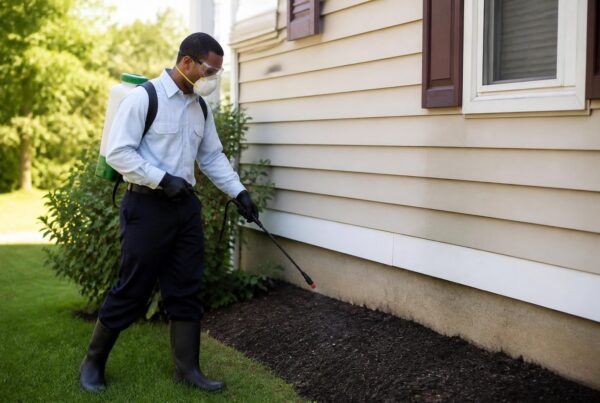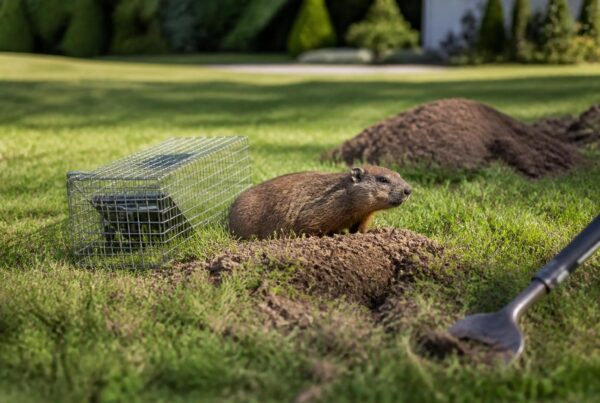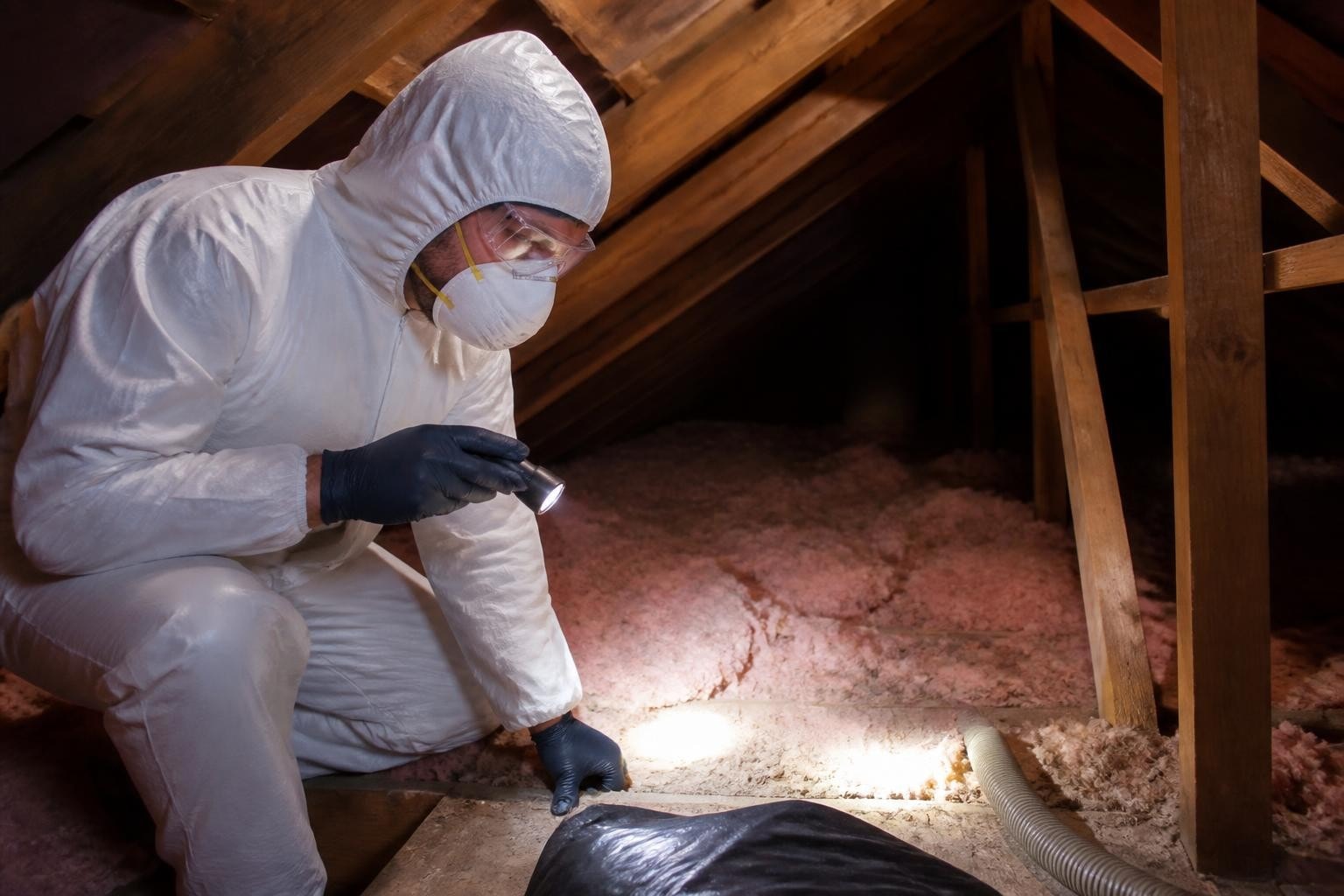
Attics represent one of the most vulnerable entry points and habitation zones for pests in residential and commercial properties across Richmond, VA. These elevated spaces provide shelter, warmth, and protection from predators, making them attractive to rodents, insects, bats, and other unwanted visitors. Understanding the complexities of pest control in the attic requires knowledge of pest behavior, proper inspection techniques, effective treatment methods, and long-term prevention strategies that protect your property investment and family health.
Understanding Common Attic Pests in Richmond VA
Identifying the specific pests invading your attic is the critical first step toward effective elimination. Richmond's climate and geography create ideal conditions for various species that seek shelter in elevated spaces.
Rodents: Rats and Mice
Rats and mice are the most common attic invaders in Richmond, VA. Norway rats, roof rats, and house mice can squeeze through openings as small as a quarter inch. These rodents create nests in insulation, chew electrical wiring, contaminate stored items with droppings and urine, and reproduce rapidly.
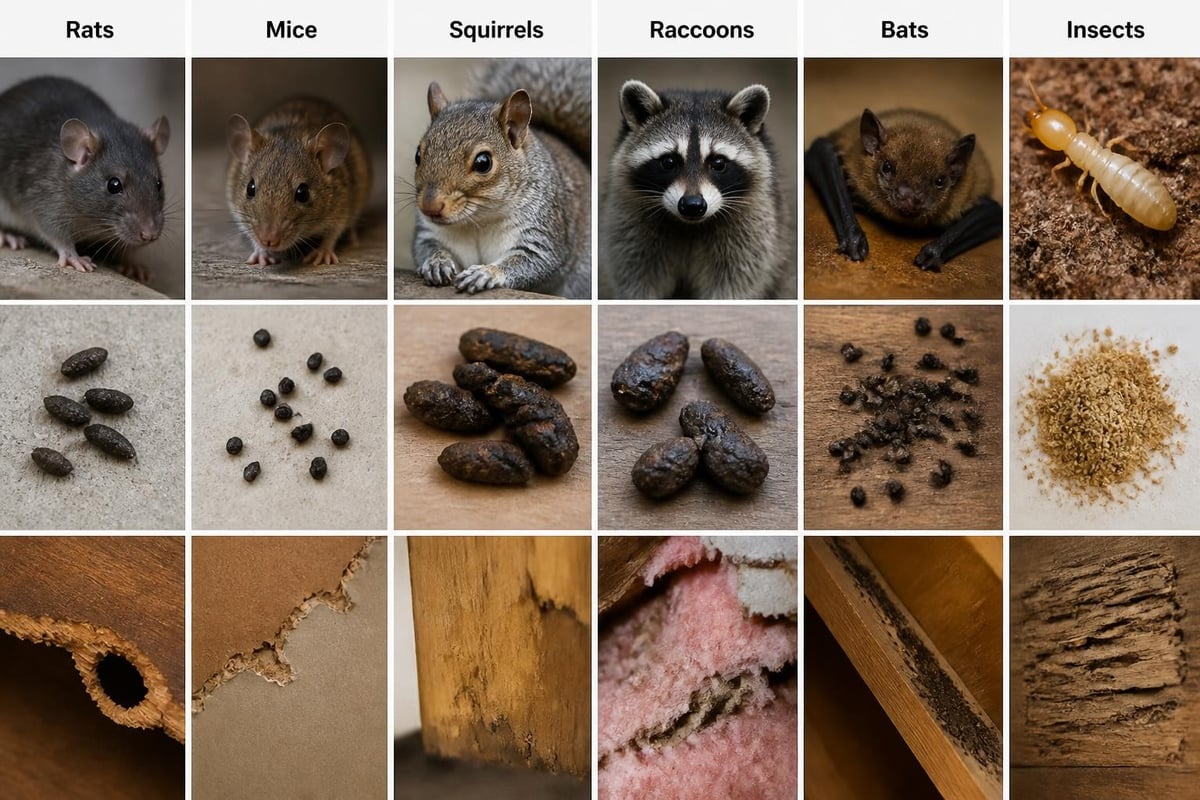
Signs of rodent activity include:
- Scratching or scurrying sounds, especially at night
- Droppings near insulation or stored items
- Gnaw marks on wood, wires, or stored boxes
- Greasy rub marks along walls and beams
- Shredded insulation or paper materials
- Distinctive musky odor
According to Cornell University’s integrated pest management resources, rodents in attics pose significant health risks through disease transmission and property damage. A comprehensive approach to pest control addresses both immediate extermination and long-term exclusion.
Wildlife Intruders: Squirrels, Raccoons, and Bats
Squirrels frequently enter attics through roof vents, damaged soffits, or gaps in construction. They are particularly active during fall and winter months when seeking warm nesting sites. Raccoons can tear off shingles or fascia boards to gain entry, creating substantial structural damage.
Bats represent a unique challenge because many species are protected by law. They enter through openings as small as three-eighths of an inch and typically roost in colonies. Bat guano accumulation creates health hazards and unpleasant odors.
Insect Infestations: Wasps, Termites, and Beetles
Flying insects like wasps and hornets build nests in attic spaces during spring and summer. Termites may establish colonies in attic wood structures, particularly if moisture problems exist. Carpet beetles, stored product pests, and occasional invaders like stink bugs also find refuge in attics.
The EPA provides valuable guidance on identifying and controlling termites, which can cause severe structural damage when left unchecked in attic spaces.
Comprehensive Inspection Techniques
Professional pest control in the attic begins with thorough inspection. Richmond homeowners should conduct regular attic checks or schedule professional assessments at least twice yearly.
Entry Point Assessment
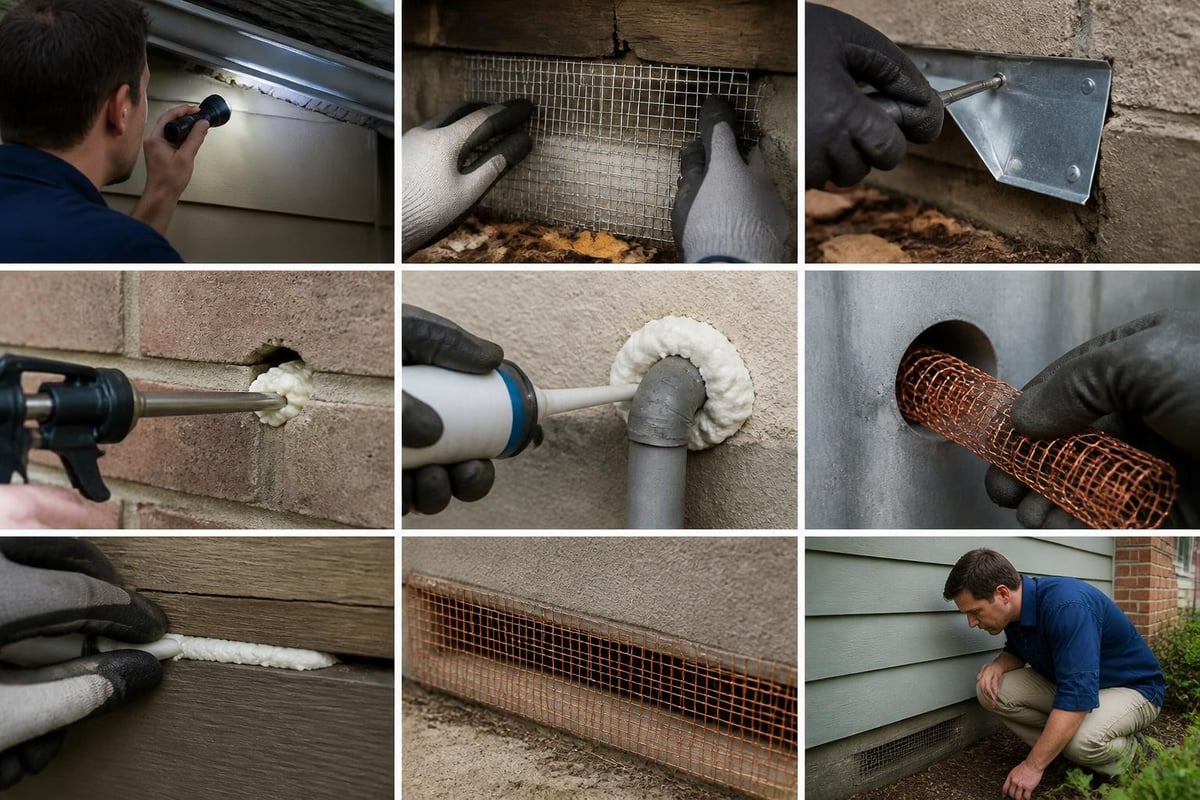
Examining the exterior and interior for potential entry points reveals how pests access your attic. Common vulnerabilities include roof-wall intersections, plumbing vents, attic vents, chimney gaps, and damaged roof edges.
| Entry Point | Common Pests | Prevention Method |
|---|---|---|
| Roof vents | Squirrels, bats, birds | Metal screening or vent guards |
| Soffit gaps | Rodents, insects | Sealant and metal flashing |
| Chimney openings | Raccoons, squirrels, birds | Chimney caps with mesh |
| Plumbing penetrations | Mice, rats, insects | Expanding foam and steel wool |
| Ridge vents | Bats, wasps, mice | Proper vent installation with baffles |
Interior Inspection Protocol
Inside the attic, search for droppings, nesting materials, grease marks, gnaw damage, damaged insulation, and structural compromises. Document findings with photographs and notes about locations and severity.
Checking insulation condition is particularly important because damaged or contaminated insulation requires replacement. Understanding when to determine if pest control services are needed helps property owners make informed decisions.
Moisture and Ventilation Evaluation
Excess moisture attracts pests and creates conducive conditions for mold, wood rot, and insect infestations. Proper attic ventilation maintains dry conditions that discourage pest activity. Check for water stains, condensation, inadequate ventilation, and blocked soffit vents.
Strategic Treatment Methods for Attic Pests
Effective pest control in the attic requires tailored approaches based on pest type, infestation severity, and property characteristics. Richmond pest control professionals utilize integrated pest management principles combining multiple strategies.
Rodent Control Programs
Comprehensive rodent control involves sanitation, exclusion, trapping, and monitoring. Pest Control Technology magazine outlines professional rodent control programs that emphasize systematic approaches rather than simple baiting.
Effective rodent elimination follows this sequence:
- Initial population reduction through strategic trap placement
- Complete exclusion sealing all entry points with appropriate materials
- Sanitation removing nesting materials and contaminated insulation
- Monitoring establishing ongoing surveillance for new activity
- Documentation tracking results and adjusting strategies
Snap traps, live traps, and electronic traps each serve specific purposes. Bait stations should only be used in accordance with label directions and preferably by licensed professionals. Poison baits risk secondary poisoning to pets and wildlife, plus rodents may die in inaccessible wall voids.
Wildlife Removal and Exclusion
Squirrels, raccoons, and bats require humane removal followed by exclusion repairs. One-way doors allow animals to exit but prevent re-entry. Professional wildlife control ensures compliance with local regulations and animal welfare standards.
Bat exclusion must occur during appropriate seasonal windows to avoid trapping flightless young inside. Raccoon removal often requires multiple visits because mothers may relocate young if disturbed.
Insect Treatment Protocols
Wasp and hornet nests require careful removal using appropriate protective equipment and insecticides labeled for flying insects. Termite control in attics may involve liquid termiticides, baiting systems, or fumigation depending on infestation extent.
Stored product pests respond to sanitation, removal of infested materials, and residual insecticide applications to cracks and crevices. Understanding the cost considerations for treatments like termite fumigation helps homeowners budget appropriately.
Prevention and Long-Term Management
Preventing future pest control in the attic challenges saves money and protects property value. Richmond homeowners benefit from proactive measures that address attractants and access points.
Structural Modifications and Repairs
Repairing damaged roof components, replacing deteriorated fascia and soffits, installing chimney caps and vent screens, and sealing gaps around utilities creates physical barriers against pest entry. Quality materials withstand weather exposure and determined pest activity.
Proper roof maintenance including replacing damaged shingles, cleaning gutters regularly, and trimming overhanging branches reduces pest access routes. Trees should maintain at least six to eight feet clearance from roof lines.
Insulation Replacement and Upgrading
Contaminated or damaged insulation loses effectiveness and harbors pest attractants. Professional insulation services address both pest prevention and energy efficiency. SanPro's approach to insulation services in Richmond, VA emphasizes safe removal of contaminated materials, thorough sanitation, and installation of modern insulation that resists pest nesting while improving home comfort and reducing energy costs.
| Insulation Type | Pest Resistance | Installation Complexity | Energy Efficiency |
|---|---|---|---|
| Fiberglass batts | Low (attractive nesting) | Moderate | Good |
| Blown cellulose | Low to moderate | Easy | Very good |
| Spray foam | High (seals gaps) | Professional only | Excellent |
| Rigid foam boards | High | Moderate to difficult | Excellent |
Ongoing Monitoring and Maintenance
Quarterly attic inspections identify problems before they escalate. Professional pest control contracts provide regular monitoring, preventive treatments, and priority response to new activity.
The National Pest Management Association emphasizes attention to forgotten rooms like attics in comprehensive pest prevention programs. Richmond property owners should schedule inspections during spring and fall when pest activity peaks.
Safety Considerations and Best Practices
Pest control in the attic involves unique safety challenges requiring appropriate precautions and professional expertise.
Health Hazards in Attic Pest Control
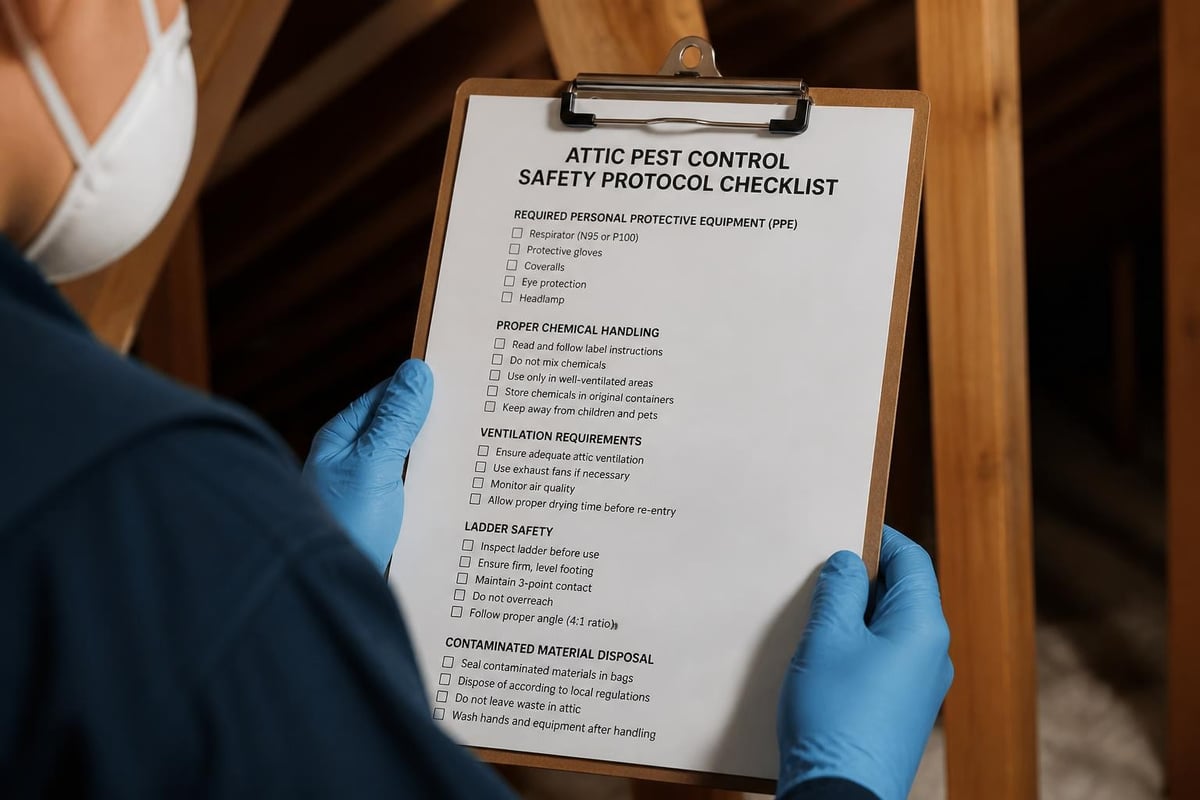
Pest droppings, urine, and nesting materials carry disease-causing organisms including hantavirus, leptospirosis, salmonella, and histoplasmosis. Proper personal protective equipment includes respirators rated N95 or higher, disposable gloves, protective clothing, and eye protection.
Disturbing accumulated droppings or nesting materials without precautions aerosolizes pathogens. Professional pest control services have training, equipment, and protocols for safe cleanup and disposal.
Chemical Safety and Application
The EPA provides essential dos and don’ts for pest control emphasizing safe pesticide use. Attic applications require special consideration because heated spaces can volatilize chemicals and poor ventilation concentrates vapors.
Safe pesticide practices include:
- Reading and following all label directions completely
- Using products specifically labeled for attic applications
- Ensuring adequate ventilation before and after treatment
- Storing chemicals securely away from living spaces
- Disposing of empty containers according to local regulations
Never use outdoor-only products in enclosed attic spaces. Foggers and total-release aerosols rarely provide effective pest control in the attic and create fire hazards near pilot lights or electrical sources.
Working Safely in Attic Spaces
Attics present physical hazards including extreme temperatures, inadequate lighting, exposed nails, unstable footing on joists, low clearances, and electrical wiring. Professional technicians use proper lighting, step carefully on structural supports, avoid disturbing insulation unnecessarily, and maintain awareness of head clearance.
Homeowners attempting DIY pest control in the attic should never work alone, use proper fall protection when necessary, and recognize when professional assistance is warranted.
Regional Considerations for Richmond VA Properties
Richmond's climate, architecture, and pest populations create specific challenges requiring localized expertise.
Climate Impact on Attic Pest Activity
Richmond experiences hot, humid summers and moderate winters. This climate drives rodents and insects to seek shelter during temperature extremes. Summer heat in attics can exceed 150°F, yet pests persist in insulation and shaded areas.
Winter temperatures occasionally drop below freezing, prompting increased indoor pest pressure. Fall sees peak wildlife activity as animals prepare for winter. Spring brings insect emergence and renewed rodent reproduction.
Architectural Factors in Richmond Homes
Older Richmond properties often feature balloon framing, minimal insulation, and numerous gaps in construction that facilitate pest movement. Historic homes may have original vents, chimneys without caps, and deteriorated wood components.
Newer construction typically includes better sealing but may have inadequate ventilation leading to moisture problems. Subdivision homes often share common pest pressures when one property has infestations.
Common Richmond Pest Species
Norway rats dominate waterfront and low-lying areas while roof rats prefer elevated structures. Eastern gray squirrels are abundant in tree-lined neighborhoods. Big brown bats and little brown bats commonly roost in Richmond attics.
Subterranean termites pose significant threats to wooden structures. Paper wasps, bald-faced hornets, and yellow jackets build nests in protected attic spaces during warm months.
Professional vs. DIY Approaches
Determining when to hire professional pest control in the attic services versus attempting DIY solutions depends on infestation severity, pest type, safety concerns, and property characteristics.
When to Contact Professionals
Large infestations, wildlife requiring humane removal, bats or protected species, structural damage needing repair, contaminated insulation replacement, and recurring problems despite DIY efforts all warrant professional intervention.
Licensed pest control technicians have access to professional-grade products, specialized equipment, and training for safe, effective treatments. They understand local regulations, pest behavior, and proven strategies.
Resources for Richmond residents emphasize the importance of preventive pest control measures and professional assistance for complex situations.
DIY Limitations and Risks
Homeowners can perform basic inspections, seal small entry points, set traps for minor rodent activity, and remove accessible wasp nests with appropriate products. However, DIY approaches often fail to address root causes or achieve complete elimination.
Improper pesticide use, incomplete exclusion allowing continued entry, and inadequate sanitation leave problems unresolved. Safety risks increase when working in confined attic spaces without proper equipment or training.
| Situation | DIY Appropriate | Professional Recommended |
|---|---|---|
| Single mouse evidence | Yes, with monitoring | If problem persists |
| Active rodent infestation | No | Yes |
| Small wasp nest at entry | Possibly | Safer option |
| Large hornet colony | No | Yes, definitely |
| Bat presence | No (legal issues) | Yes, required |
| Raccoon family | No | Yes, required |
| Termite damage | No | Yes, licensed treatment |
| Contaminated insulation | No | Yes, proper disposal needed |
Advanced Pest Control Technologies
Modern pest control in the attic incorporates technological innovations improving detection, monitoring, and treatment effectiveness.
Electronic Monitoring Systems
Wireless sensors detect pest activity and transmit alerts to property owners or pest control companies. Motion-activated cameras document pest species, activity patterns, and entry points. Temperature and humidity monitors identify conditions conducive to pest problems.
Electronic rodent traps provide instant notifications when triggered and allow remote monitoring of multiple locations. These technologies enable faster response and data-driven treatment decisions.
Thermal Imaging and Detection
Infrared cameras reveal pest activity behind walls, identify moisture problems, detect insulation gaps, and locate wildlife nesting areas. This non-invasive technology guides targeted treatments and exclusion efforts.
Pest control professionals in Richmond increasingly use thermal imaging during inspections to provide comprehensive assessments and documentation.
Integrated Data Management
Professional pest control companies maintain detailed service records, track treatment outcomes, schedule preventive visits, and provide clients with comprehensive reporting. Digital platforms improve communication and accountability.
Property managers benefit from centralized pest management data across multiple buildings, enabling proactive strategies and budget planning.
Cost Considerations and Value Protection
Understanding pest control in the attic costs helps property owners budget appropriately and recognize the value of professional services.
Service Pricing Factors
Inspection fees, treatment costs, exclusion repairs, insulation replacement, and ongoing monitoring agreements vary based on property size, infestation severity, pest species, and accessibility challenges.
Typical cost ranges for Richmond, VA include:
- Initial inspection: $75-$150
- Rodent control program: $300-$1,200
- Wildlife removal: $400-$1,500 per animal type
- Exclusion repairs: $500-$3,000 depending on scope
- Insulation replacement: $1.50-$3.50 per square foot
- Annual monitoring contracts: $400-$800
These investments protect against larger expenses from structural damage, fire hazards from chewed wiring, health issues from pest-borne diseases, and energy loss from damaged insulation.
Insurance and Warranty Considerations
Many homeowner insurance policies exclude pest damage from coverage. Termite damage, rodent chewing, and contamination cleanup typically represent out-of-pocket expenses. Professional pest control companies often provide service warranties guaranteeing treatments and offering free retreatment if pests return.
Maintaining documentation of professional pest control services may help with future property sales by demonstrating proactive maintenance.
Return on Investment
Professional pest control in the attic preserves property value, prevents costly structural repairs, improves energy efficiency through insulation integrity, and protects family health. The National Pest Management Association estimates that termites alone cause over $5 billion in property damage annually nationwide.
Richmond homeowners investing in comprehensive pest prevention realize long-term savings compared to emergency treatments for severe infestations.
Seasonal Pest Control Strategies
Richmond's distinct seasons require adjusted approaches to pest control in the attic throughout the year.
Spring: Prevention and Inspection
As temperatures warm, inspect attics for winter damage, check exclusion barriers, monitor for emerging insect activity, and address moisture from winter condensation. Spring is ideal for exclusion work before pest pressure peaks.
Trimming vegetation, repairing winter roof damage, and cleaning gutters reduces pest access. Schedule professional inspections to identify problems before they escalate.
Summer: Active Management
Peak temperatures drive pests seeking cooler refuge. Monitor rodent and insect activity closely, maintain ventilation to reduce heat and moisture, and address wasp and hornet nests promptly. Summer heat makes chemical applications potentially hazardous, requiring careful product selection.
Ensure attic ventilation systems function properly to maintain temperatures below levels that damage stored items or create condensation when cooler nights arrive.
Fall: Exclusion Priority
Animals prepare for winter by seeking shelter, making fall critical for exclusion work. Seal all entry points before cold weather, inspect and repair roof components, remove exterior attractants like bird feeders near the house, and conduct thorough attic inspections.
Fall treatments prevent overwintering pests from establishing populations that explode in spring. Professional pest control services emphasize fall prevention as a cornerstone of integrated management.
Winter: Monitoring and Response
Cold weather reduces most insect activity but drives rodents and wildlife indoors. Monitor attics for new activity signs, respond quickly to scratching sounds or other evidence, and maintain exclusion barriers against ice and snow damage.
Winter offers opportunities for exclusion repairs that are difficult during hot weather. Frozen ground makes exterior work challenging, but attic-focused treatments proceed effectively.
Environmental and Sustainable Practices
Modern pest control in the attic increasingly emphasizes environmental responsibility and sustainable solutions.
Integrated Pest Management Principles
IPM prioritizes non-chemical methods including exclusion, sanitation, and habitat modification. Chemical treatments serve as targeted supplements rather than primary solutions. This approach reduces environmental impact while achieving effective, long-lasting results.
Richmond pest control professionals trained in IPM principles assess each situation individually, selecting minimal-risk interventions appropriate to specific circumstances.
Eco-Friendly Product Options
Botanical insecticides, reduced-risk formulations, and mechanical controls provide alternatives to conventional pesticides. These products effectively manage pests while minimizing environmental exposure.
Pheromone traps, diatomaceous earth, and essential oil-based repellents complement exclusion and sanitation in comprehensive programs. However, eco-friendly does not mean risk-free, and all products require proper handling.
Waste Management and Disposal
Proper disposal of contaminated insulation, dead pests, nesting materials, and chemical containers protects environment and human health. Professional services follow regulations for hazardous waste and contaminated materials.
Recyclable materials should be separated when possible. Contaminated insulation typically requires landfill disposal in sealed bags to prevent pathogen spread.
Documentation and Record Keeping
Maintaining thorough pest control in the attic records benefits property owners through multiple channels.
Service Documentation
Professional pest control companies provide detailed inspection reports, treatment records, product information and labels, warranty documentation, and recommendations for ongoing prevention. These records establish treatment history valuable for future service providers or property buyers.
Homeowners should retain all pest control documentation in organized files with property maintenance records.
Photographic Evidence
Photographs document infestation severity, damage extent, treatment progress, and completed repairs. Before-and-after images demonstrate value received from professional services and support insurance claims when applicable.
Time-stamped photos create chronological records useful for tracking recurring problems or evaluating treatment effectiveness.
Compliance and Certification
Commercial properties require pest control documentation for health inspections and regulatory compliance. Residential landlords benefit from records demonstrating proactive maintenance and tenant complaint responses.
Professional pest control certifications and licenses should be verified and documented. Richmond requires specific licensing for pest control operators, ensuring qualified service providers.
Effective pest control in the attic protects your Richmond property from damage, health hazards, and ongoing infestations through comprehensive inspection, targeted treatment, and preventive maintenance. Whether addressing active rodent problems, preventing seasonal wildlife intrusions, or maintaining pest-free conditions year-round, professional expertise ensures safe, lasting results. SanPro brings decades of experience serving Richmond homeowners and businesses with integrated pest management, crawl space protection, and insulation services designed to keep your property secure and comfortable. Contact our team today for a thorough attic inspection and customized solutions that address your specific pest control challenges.