Effective pest mgmt represents far more than simply reacting to infestations when they occur. For homeowners and businesses in Richmond, VA, a comprehensive approach to managing unwanted pests requires understanding the fundamental principles that make control efforts both sustainable and successful. Modern pest mgmt integrates prevention, monitoring, identification, and targeted intervention to create environments where pests cannot thrive, protecting property values, health, and peace of mind throughout the year.
Understanding Modern Pest Mgmt Principles
The foundation of successful pest mgmt lies in recognizing that pests seek three basic necessities: food, water, and shelter. By systematically addressing these factors, property owners can dramatically reduce pest pressure before infestations develop. The EPA outlines the principles of IPM, emphasizing environmentally sensitive methods that minimize hazards while achieving effective control.
Core components of integrated pest mgmt include:
- Accurate pest identification to determine appropriate control methods
- Regular monitoring and inspection to detect problems early
- Establishing action thresholds to guide intervention decisions
- Prevention strategies that eliminate conducive conditions
- Mechanical and physical controls as first-line defenses
- Biological controls using natural predators when applicable
- Chemical controls applied only when necessary and with precision
Why Traditional Reactive Approaches Fall Short
Many Richmond homeowners discover pest problems only after populations have become established, requiring more extensive and costly interventions. This reactive approach creates a cycle of emergency treatments without addressing underlying vulnerabilities. Effective pest mgmt shifts this paradigm by creating systematic barriers and monitoring protocols that prevent infestations before they start.
The climate in Richmond, with its humid summers and moderate winters, creates ideal conditions for numerous pest species. Termites remain active year-round in protected areas, rodents seek indoor shelter as temperatures drop, and moisture-loving pests like silverfish and cockroaches thrive in damp crawl spaces and basements.
Assessment and Inspection: The Foundation of Pest Mgmt
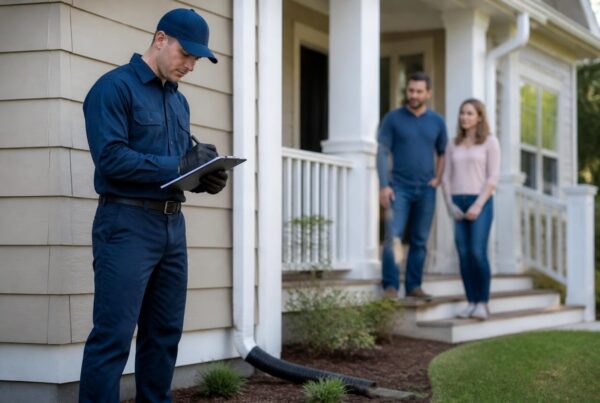
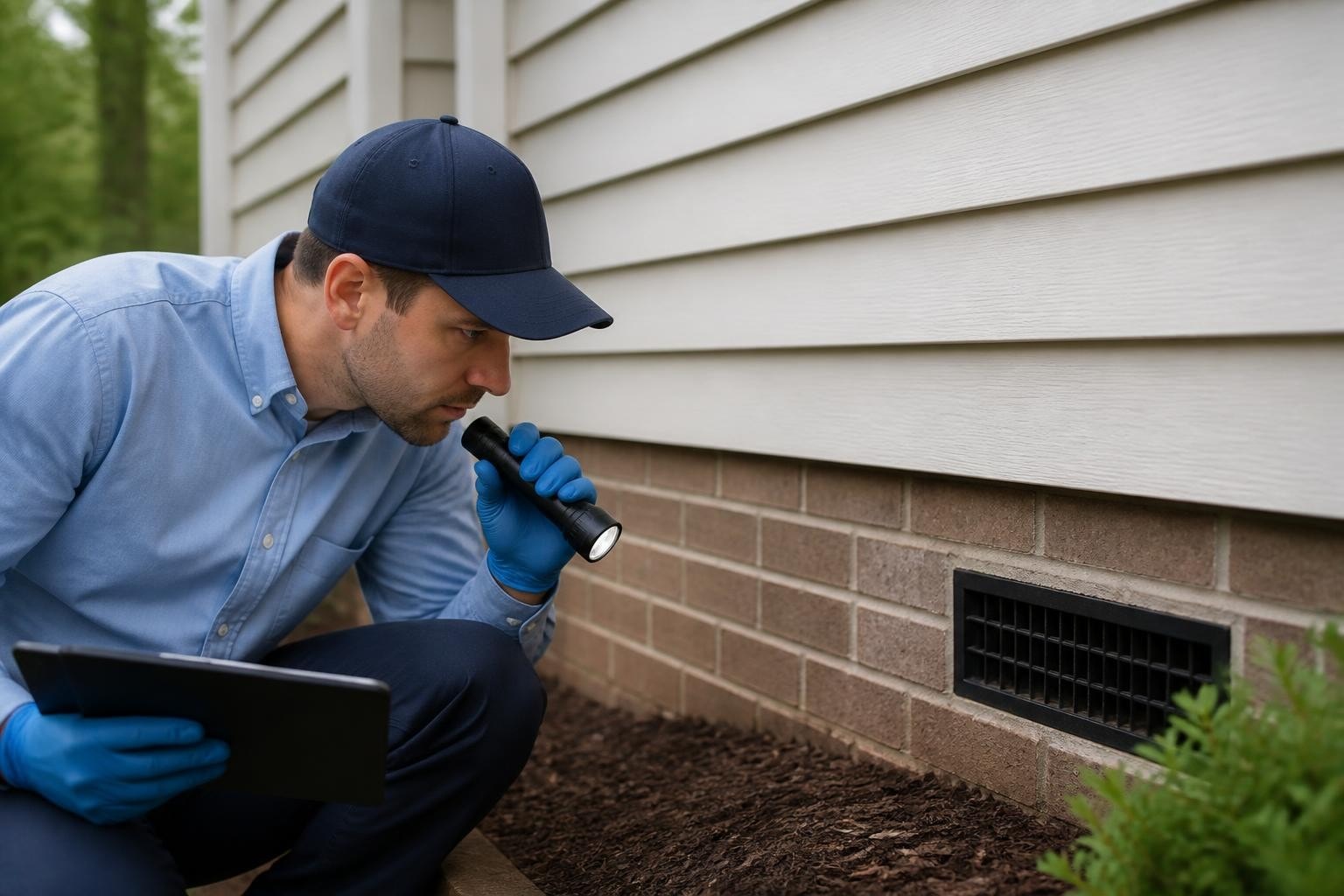
No pest mgmt program can succeed without thorough property assessment. Professional inspections identify current pest activity, conducive conditions, and potential entry points that could allow future infestations. This diagnostic phase establishes baseline conditions and informs targeted intervention strategies.
During comprehensive property assessments, trained technicians examine multiple zones:
| Inspection Area | Common Findings | Pest Mgmt Implications |
|---|---|---|
| Exterior perimeter | Foundation cracks, moisture issues, vegetation contact | Entry points for rodents, termites, ants |
| Attic spaces | Insulation gaps, ventilation problems, droppings | Rodent activity, bat roosts, insect nests |
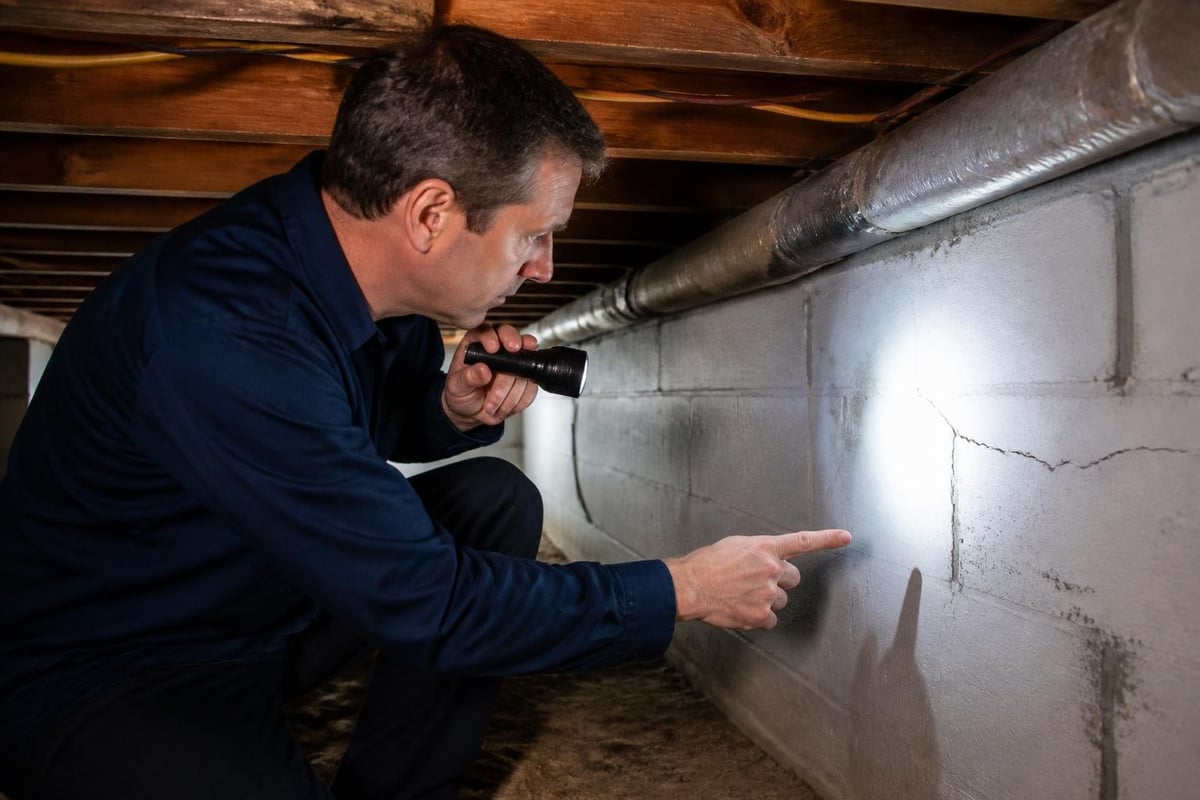
| Crawl spaces | Standing water, damaged vapor barriers, wood contact | Termites, moisture pests, wood-destroying fungi |
| Interior spaces | Plumbing leaks, food storage, clutter | Cockroaches, pantry pests, silverfish |
| Structural elements | Wood damage, mud tubes, frass | Termites, carpenter ants, wood-boring beetles |
Documentation and Monitoring Protocols
Effective pest mgmt requires detailed documentation of findings, treatments, and outcomes. Washington State Department of Health discusses basic principles that include systematic record-keeping to track pest populations and evaluate control effectiveness over time.
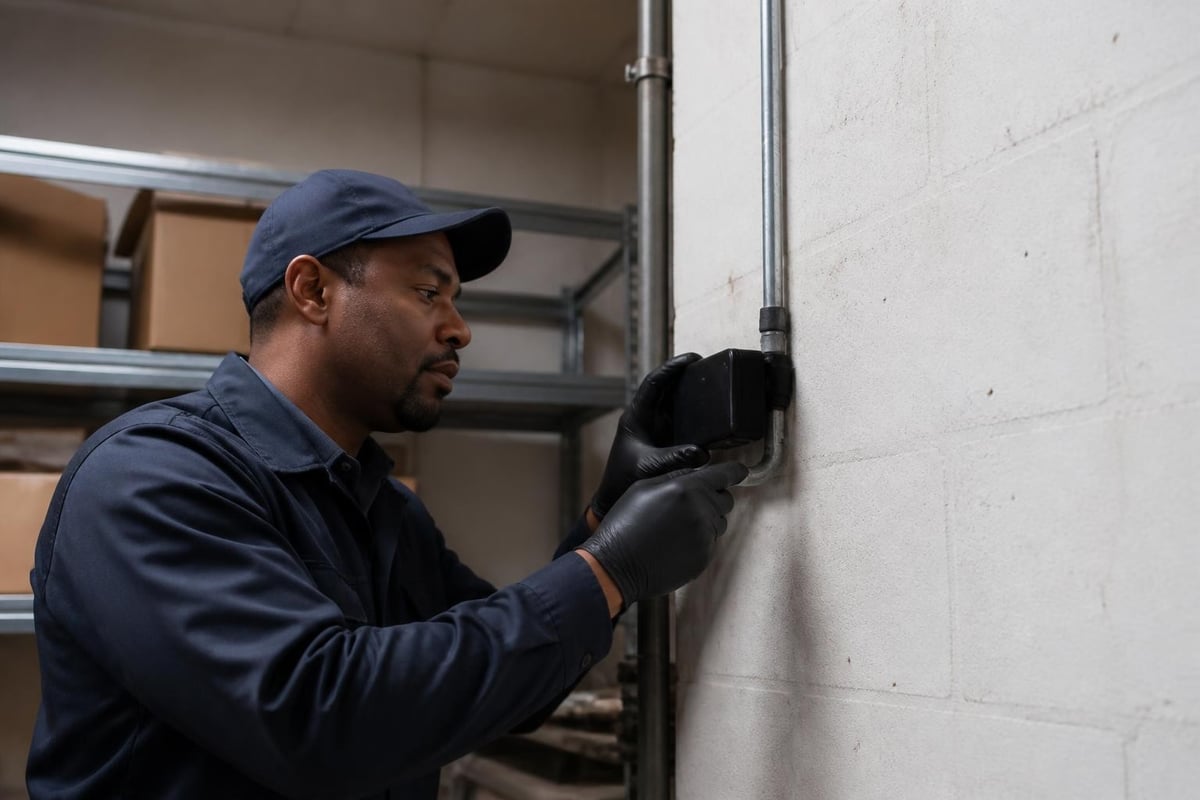
Professional monitoring stations placed strategically around properties provide ongoing surveillance between regular inspections. These devices detect rodent activity, monitor termite pressure, and track crawling insect populations, allowing technicians to identify trends and adjust strategies before minor issues escalate.
Prevention Strategies in Comprehensive Pest Mgmt
The most cost-effective pest mgmt focuses heavily on prevention, creating physical and environmental barriers that deny pests access to resources they need. For Richmond properties, this means addressing the unique vulnerabilities created by local climate, construction styles, and seasonal pest pressures.
Structural modifications that enhance pest resistance:
- Seal entry points around utility penetrations, foundation gaps, and roof intersections
- Install door sweeps and weatherstripping to eliminate gaps under doors
- Repair damaged screens on windows, vents, and crawl space openings
- Maintain proper grading to direct water away from foundations
- Trim vegetation to eliminate bridges that pests use to access structures
- Address moisture issues through improved drainage and ventilation
Crawl space environments represent particularly critical targets for preventive pest mgmt in Richmond. These often-neglected areas accumulate moisture, provide undisturbed shelter, and offer direct access to structural wood elements. Professional crawl space protection addresses humidity, vapor infiltration, and pest entry simultaneously, creating unfavorable conditions for termites, rodents, and moisture-loving insects.
Environmental Management for Long-Term Control
Beyond structural improvements, effective pest mgmt requires managing the environmental factors that attract and sustain pest populations. Utah State University Extension outlines components of successful programs that balance immediate control needs with long-term sustainability.
Sanitation practices form the backbone of environmental pest mgmt. Regular cleaning eliminates food residues, proper waste management denies pests access to garbage, and clutter reduction removes harborage sites where pests hide and reproduce. In commercial settings, employee training on proper food storage and waste handling becomes essential to program success.
Integrated Control Methods in Modern Pest Mgmt
When prevention and monitoring indicate that intervention is necessary, effective pest mgmt employs a hierarchy of control methods. This graduated approach prioritizes techniques with minimal environmental impact while reserving more aggressive interventions for situations where they're truly warranted.
Mechanical and Physical Controls
These non-chemical methods provide immediate results without introducing pesticides into the environment. Trapping programs for rodents use strategically placed devices based on inspection findings and monitoring data. Exclusion work physically blocks pest entry using materials appropriate to the pest and location.
Common mechanical control applications include:
- Snap traps and multiple-catch devices for rodent management
- Glue boards for monitoring and capturing crawling insects
- Heat treatments for bed bug elimination in infested rooms
- Vacuuming to remove live pests and egg masses
- Physical removal of nests, egg cases, and pest colonies
For Richmond homeowners concerned about rodent issues, understanding rats in walls helps recognize activity patterns and appropriate control methods. Mechanical trapping combined with entry point sealing provides lasting control without repeated chemical applications.

Chemical Controls in Responsible Pest Mgmt Programs
While modern pest mgmt emphasizes non-chemical approaches, certain situations require targeted pesticide applications. The key distinction lies in how, when, and where these materials are applied. Clemson University’s comprehensive guide details sustainable approaches that incorporate chemical controls judiciously within broader management strategies.
Responsible chemical pest mgmt follows several critical principles:
| Principle | Application | Benefit |
|---|---|---|
| Target specificity | Use products formulated for identified pests | Minimizes impact on non-target organisms |
| Precision application | Apply only to affected areas, not broadcast | Reduces overall pesticide use |
| Appropriate timing | Treat when pests are most vulnerable | Increases effectiveness, reduces retreatment |
| Product rotation | Alternate chemical classes to prevent resistance | Maintains long-term control options |
| Label compliance | Follow all application instructions and restrictions | Ensures safety and legal compliance |
Professional vs. DIY Chemical Applications
Homeowners often wonder whether to DIY or call an expert when facing pest problems. While retail pesticides offer convenience, professional applications provide advantages that extend beyond simple pest elimination. Licensed technicians access commercial-grade products, possess extensive knowledge of pest biology, and understand how to apply materials for maximum effectiveness with minimum risk.
Professional pest mgmt services in Richmond combine proper product selection with application expertise developed through training and experience. Technicians understand microhabitats where pests hide, recognize factors that reduce treatment effectiveness, and can identify situations where chemical controls alone won't provide lasting solutions.
Specialized Pest Mgmt for Common Richmond Threats
Different pest species require distinct management approaches based on their biology, behavior, and environmental preferences. Effective pest mgmt programs tailor strategies to target specific threats most prevalent in Richmond properties.
Termite Management Strategies
Subterranean termites represent the most economically significant pest threat to Richmond homes. These wood-destroying insects work continuously throughout the year, causing billions in property damage nationwide. Comprehensive termite pest mgmt combines several approaches:
- Liquid soil treatments create chemical barriers in soil around foundations
- Monitoring stations detect termite activity before damage becomes extensive
- Bait systems eliminate entire colonies through targeted feeding
- Wood treatments protect vulnerable structural members directly
- Moisture control eliminates conditions that attract termite activity
The moisture-prone environments common in Richmond crawl spaces and basements create particularly attractive conditions for termite establishment. Addressing humidity through vapor barriers, dehumidification, and proper ventilation forms an essential component of termite pest mgmt.
Rodent Control Programs
Mice and rats pose health risks through contamination and property damage through gnawing behavior. Effective rodent pest mgmt requires understanding seasonal patterns, entry vulnerabilities, and food sources. The Province of British Columbia explains how decision-making processes apply to various settings, including residential rodent management.
Successful rodent programs typically include:
- Exterior inspection to identify entry points and conducive conditions
- Interior assessment of activity signs, travel routes, and nesting areas
- Exclusion work sealing gaps and holes larger than quarter-inch diameter
- Strategic trap placement based on rodent behavior and activity patterns
- Sanitation improvements eliminating food sources and harborage
- Monitoring to confirm population reduction and prevent reinfestation
Attic spaces frequently harbor rodent populations, where contaminated insulation requires removal and replacement as part of comprehensive pest mgmt. Damaged insulation not only reduces energy efficiency but also retains odors and contaminants that can affect indoor air quality.
Technology Integration in Modern Pest Mgmt
Advances in monitoring technology, data analysis, and treatment methods continue to enhance pest mgmt effectiveness. Research on deep learning applications demonstrates how technology can improve pest detection and classification, though these innovations primarily serve agricultural applications currently.
For residential and commercial pest mgmt, practical technology applications include:
- Remote monitoring devices that alert technicians to rodent activity
- Thermal imaging cameras that detect pest harborage in wall voids
- Moisture meters identifying conducive conditions for pest establishment
- Digital documentation systems tracking treatments and outcomes
- Predictive modeling based on weather, season, and historical data
Smart pest mgmt leverages these tools to shift from reactive schedules to proactive, data-driven service delivery. When monitoring stations detect increased activity, technicians respond before populations explode. When moisture readings indicate elevated humidity, interventions prevent conditions that attract pests.
Seasonal Pest Mgmt Considerations for Richmond Properties
The changing seasons in Virginia bring predictable pest pressures that effective pest mgmt programs anticipate and address proactively. Understanding seasonal patterns specific to Virginia helps property owners prepare for annual pest cycles.
Spring Pest Mgmt Priorities
As temperatures warm, termite swarms emerge, ants establish new colonies, and overwintering pests become active. Spring pest mgmt focuses on:
- Termite inspections before swarming season peaks
- Ant prevention around foundations and entry points
- Tick and flea treatments for yard areas
- Stinging insect nest removal before colonies grow
- Moisture management as spring rains increase humidity
Summer Challenges and Solutions
Peak pest activity occurs during Richmond's hot, humid summers. Mosquitoes breed in standing water, cockroaches thrive in warm conditions, and bed bug activity increases with travel season. Summer pest mgmt emphasizes:
- Mosquito larval control in breeding sites
- Cockroach management in kitchens and bathrooms
- Bed bug inspections for hospitality businesses
- Stored product pest prevention in pantries
- Spider control around building exteriors
Fall and Winter Preparations
Cooler temperatures drive pests indoors seeking shelter. Rodent-proofing before winter prevents invasions as mice and rats search for warmth. Fall pest mgmt priorities include:
- Exclusion work sealing entry points before pest pressure increases
- Attic inspections for rodent activity and insulation damage
- Crawl space preparation addressing moisture and access points
- Perimeter treatments preventing insect overwintering indoors
- Wildlife management removing animals before they establish dens
Commercial Pest Mgmt Program Development
Business facilities face unique pest mgmt challenges due to regulatory requirements, reputation risks, and operational complexity. Restaurants, healthcare facilities, warehouses, and retail locations require customized programs addressing specific vulnerabilities and compliance standards.
Essential elements of commercial pest mgmt programs:
- Initial risk assessments identifying pest threats and conducive conditions
- Written pest management plans documenting procedures and responsibilities
- Regular service schedules with trained, licensed technicians
- Comprehensive documentation meeting regulatory requirements
- Employee training on pest awareness and reporting
- Sanitation standards supporting pest prevention efforts
- Emergency response protocols for acute pest incidents
Best practices for pest management in commercial settings emphasize holistic approaches that integrate facility design, operational procedures, and professional services. While this resource focuses on agricultural applications, the principles of monitoring, threshold-based interventions, and systematic documentation apply equally to commercial facilities.
Healthcare facilities require particularly rigorous pest mgmt given patient vulnerability and infection control concerns. Canine bed bug inspections provide early detection capabilities that protect residents and facility reputations through rapid identification of potential infestations.
Training and Expertise in Professional Pest Mgmt
The knowledge gap between DIY attempts and professional pest mgmt often determines program success or failure. Licensed pest management professionals complete extensive training covering pest biology, control methods, safety protocols, and regulatory compliance. This expertise enables accurate pest identification, appropriate method selection, and effective application techniques.
Ongoing education requirements ensure professionals stay current with emerging pests, new control technologies, and evolving best practices. State licensing boards mandate continuing education covering topics from pesticide safety to integrated pest management principles.
For property owners, selecting qualified pest mgmt professionals involves verifying:
- Current state licensing and insurance coverage
- Experience with specific pest problems affecting your property
- References from similar clients or facilities
- Written service agreements detailing scope and expectations
- Safety protocols protecting occupants, pets, and environment
The relationship between property owners and pest mgmt providers works best when both parties understand their roles. Homeowners must address conducive conditions, follow preparation instructions, and report new activity promptly. Professionals provide expertise, appropriate treatments, and guidance on prevention strategies.
Integration with Property Maintenance and Improvement
Effective pest mgmt doesn't exist in isolation but integrates with broader property maintenance and improvement efforts. When homeowners undertake renovations or repairs, incorporating pest prevention creates lasting value beyond aesthetic improvements.
Roofing projects present opportunities to seal attic access points that bats and squirrels exploit. Quality roofing services that address ventilation, soffit integrity, and flashing details contribute to pest exclusion alongside their primary waterproofing function. Similarly, siding replacement allows thorough sealing of gaps and penetrations that pests use for entry.
Interior renovations affecting kitchens, bathrooms, or basements should include pest mgmt considerations. Proper caulking around plumbing penetrations, maintaining sealed gaps around cabinets, and addressing moisture issues prevent future infestations while improving function and appearance.
When preparing properties for sale, professional home staging creates appealing presentations, but underlying pest issues can derail transactions when discovered during inspections. Addressing pest mgmt proactively protects property values and prevents last-minute complications in real estate transactions.
Environmental Responsibility in Pest Mgmt
Modern pest mgmt balances effective control with environmental stewardship. This responsibility extends beyond simply minimizing pesticide use to considering broader ecosystem impacts, non-target species protection, and sustainable practices that maintain effectiveness long-term.
Responsible programs emphasize:
- Site-specific risk assessments before treatments
- Minimum effective application rates and coverage areas
- Timing treatments to target pests while protecting beneficial organisms
- Using reduced-risk products when conventional materials aren't necessary
- Proper disposal of pesticide containers and unused materials
- Protection of water sources from contamination
These practices align with regulatory expectations and reflect growing consumer preferences for environmentally conscious services. Professional pest control services that prioritize integrated approaches attract clients seeking effective results without unnecessary environmental impact.
Documentation and Communication in Pest Mgmt
Systematic record-keeping forms the backbone of successful long-term pest mgmt. Detailed service reports document findings, treatments, and recommendations, creating historical records that inform future decisions. This documentation proves particularly valuable when pest issues recur or when property ownership changes.
Professional service reports typically include:
| Report Element | Information Captured | Value to Client |
|---|---|---|
| Inspection findings | Active pests, conducive conditions, vulnerabilities | Understanding current situation |
| Treatment details | Products used, application locations, rates | Safety information, warranty support |
| Follow-up recommendations | Repairs needed, sanitation improvements, monitoring | Prevention guidance |
| Service schedule | Next visit date, seasonal considerations | Planning and budgeting |
| Technician observations | Trends, seasonal patterns, effectiveness notes | Long-term program refinement |
Clear communication between pest mgmt professionals and clients ensures expectations align with realistic outcomes. Some pest problems resolve quickly with single treatments, while others require months of sustained effort addressing complex conditions. Setting appropriate expectations prevents frustration and maintains trust throughout the service relationship.
Measuring Pest Mgmt Program Success
Evaluating program effectiveness requires establishing measurable objectives and tracking progress toward those goals. Success metrics vary by pest type, property characteristics, and client priorities, but typically include pest sighting frequency, treatment intervals required, and conducive condition improvements.
Quantifiable success indicators include:
- Reduction in pest activity between service visits
- Decreased reliance on chemical interventions over time
- Extended intervals between required treatments
- Fewer pest-related complaints from occupants
- Lower costs compared to reactive emergency treatments
- Improved property conditions supporting long-term prevention
For Richmond homeowners, successful pest mgmt means sleeping soundly without worrying about rodent activity overhead, maintaining wood structures free from termite damage, and enjoying outdoor spaces without excessive mosquito pressure. These quality-of-life improvements represent the ultimate measure of program value.
Regular program reviews with pest mgmt professionals ensure strategies evolve as conditions change. New construction nearby might alter pest pressure, landscape modifications could affect drainage patterns, and aging structures develop new vulnerabilities requiring updated approaches.
Effective pest mgmt combines scientific understanding, practical experience, and systematic implementation to create environments where pests cannot thrive. Whether protecting your Richmond home from termites, managing rodent pressure, or preventing seasonal pest invasions, professional guidance ensures lasting results. SanPro brings comprehensive expertise across pest control, crawl space protection, and insulation services to address the full range of factors affecting pest vulnerability. Contact our team today to schedule an assessment and develop a customized program protecting your property investment and family comfort throughout the year.