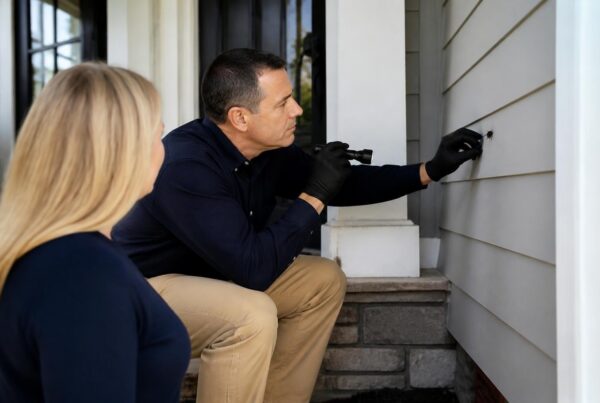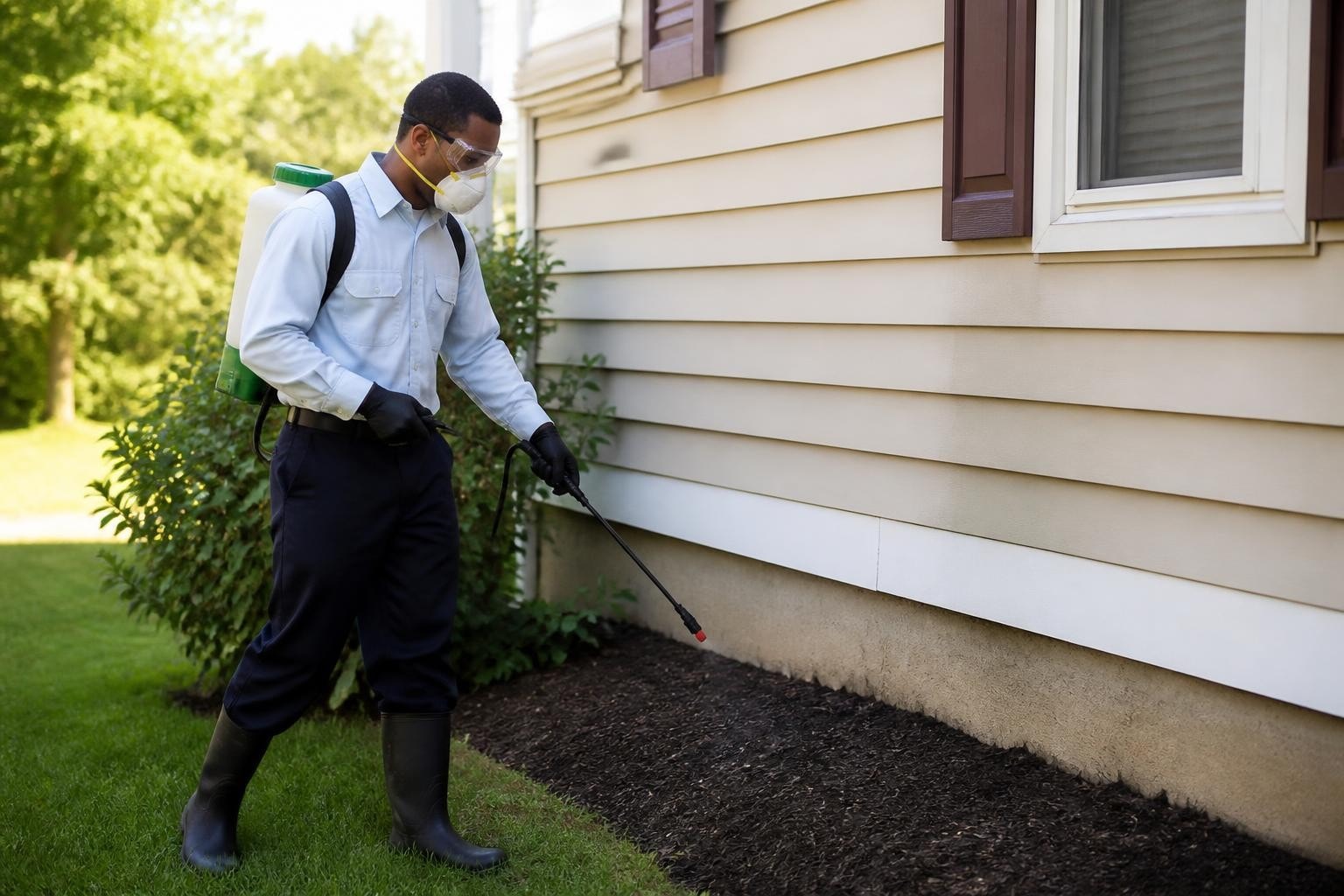
Homeowners throughout Richmond, Virginia face persistent challenges from mosquitoes, rodents, termites, spiders, and other unwanted visitors that threaten property value and family health. Pest repellents offer a first line of defense in integrated pest management strategies, creating barriers that discourage infestations before they require professional extermination. Understanding the science, application methods, and limitations of modern repellent technology empowers property owners to make informed decisions about protecting their homes while recognizing when expert intervention becomes necessary.
Understanding How Pest Repellents Work
Pest repellents function through distinct mechanisms that differ fundamentally from pesticides. Rather than killing target organisms, repellents create sensory barriers that make treated areas unattractive or uncomfortable for pests.
Chemical Repellent Mechanisms
Synthetic repellents like DEET and picaridin interfere with pest sensory receptors, masking the carbon dioxide, body heat, and chemical signatures that attract insects to humans and animals. These compounds create a vapor barrier on skin or surfaces that confuses mosquitoes, ticks, and biting flies. The EPA has established comprehensive testing protocols to verify repellent efficacy and duration.
Key advantages of chemical repellents include:
- Predictable protection duration (typically 4-12 hours)
- Standardized efficacy testing and EPA registration
- Broad-spectrum effectiveness against multiple pest species
- Weather-resistant formulations for outdoor use
Pyrethroid-based spatial repellents work differently, dispersing volatile compounds that create area protection rather than skin barriers. Recent research has examined their effectiveness in reducing mosquito-borne disease transmission in residential settings.
Natural and Botanical Alternatives
Plant-derived repellents utilize essential oils and extracts that pests find offensive. Citronella, eucalyptus, peppermint, and cedar oil represent common botanical active ingredients. While plant-based insect repellents have gained popularity, academic reviews consistently show shorter protection periods and more variable performance compared to synthetic options.
Richmond homeowners often encounter marketing claims about "all-natural" rodent and insect repellents. The reality proves more nuanced. Natural products generally require more frequent reapplication and may work better as supplementary measures rather than standalone solutions.

| Repellent Type | Active Duration | EPA Registration | Best Application |
|---|---|---|---|
| DEET (25-30%) | 6-8 hours | Required | Personal protection outdoors |
| Picaridin (20%) | 8-12 hours | Required | Sensitive skin, extended exposure |
| Oil of Lemon Eucalyptus | 3-4 hours | Required | Short outdoor activities |
| Citronella candles | 1-2 hours | Not required | Small patio areas |
| Peppermint oil spray | 30-60 minutes | Not required | Indoor deterrent only |
Repellents for Common Richmond Pests
Different pest species respond to distinct repellent formulations. Matching product chemistry to target pests maximizes effectiveness while minimizing unnecessary chemical exposure.
Mosquito and Tick Protection
Richmond's humid climate creates ideal breeding conditions for mosquitoes from April through October. Personal repellents containing 20-30% DEET or 20% picaridin provide reliable protection during yard work, evening gatherings, and outdoor recreation. Consumer testing consistently ranks picaridin highly for both efficacy and user experience.
For pregnant women and families with young children, the WHO provides specific guidance on safe repellent use to prevent mosquito-borne diseases. Products with 10% DEET or 20% picaridin are generally considered safe for children over two months when applied according to label directions.
Yard treatment with spatial repellents or permethrin-treated outdoor fabrics extends protection to defined areas. However, these measures work best as part of comprehensive mosquito management that eliminates standing water and maintains vegetation.
Rodent Deterrents and Limitations
Rodent repellents represent the most controversial category in pest management. Despite widespread consumer availability, ultrasonic devices, mothballs, and predator urine products show minimal long-term effectiveness in controlled studies. The EPA’s rodenticide safety review focuses primarily on poisons rather than repellents, reflecting the limited regulatory success of deterrent-only approaches.
Mice and rats adapt quickly to sensory deterrents. A device that produces initial avoidance often loses effectiveness within days as rodents habituate. Scent-based repellents face similar challenges in crawl spaces and attics where air movement disperses active compounds.
Why rodent repellents typically fail:
- Food and shelter motivations override temporary discomfort
- Rodents quickly learn to tolerate unfamiliar odors and sounds
- Products cannot achieve sufficient concentration in large spaces
- Gaps and entry points allow movement around treated areas
Professional rodent control in Richmond focuses on exclusion, trapping, and habitat modification rather than repellent dependency. When homeowners discover signs of rodent activity, immediate expert assessment prevents the population growth that makes eradication exponentially more difficult.
Termite and Wood-Boring Insect Barriers
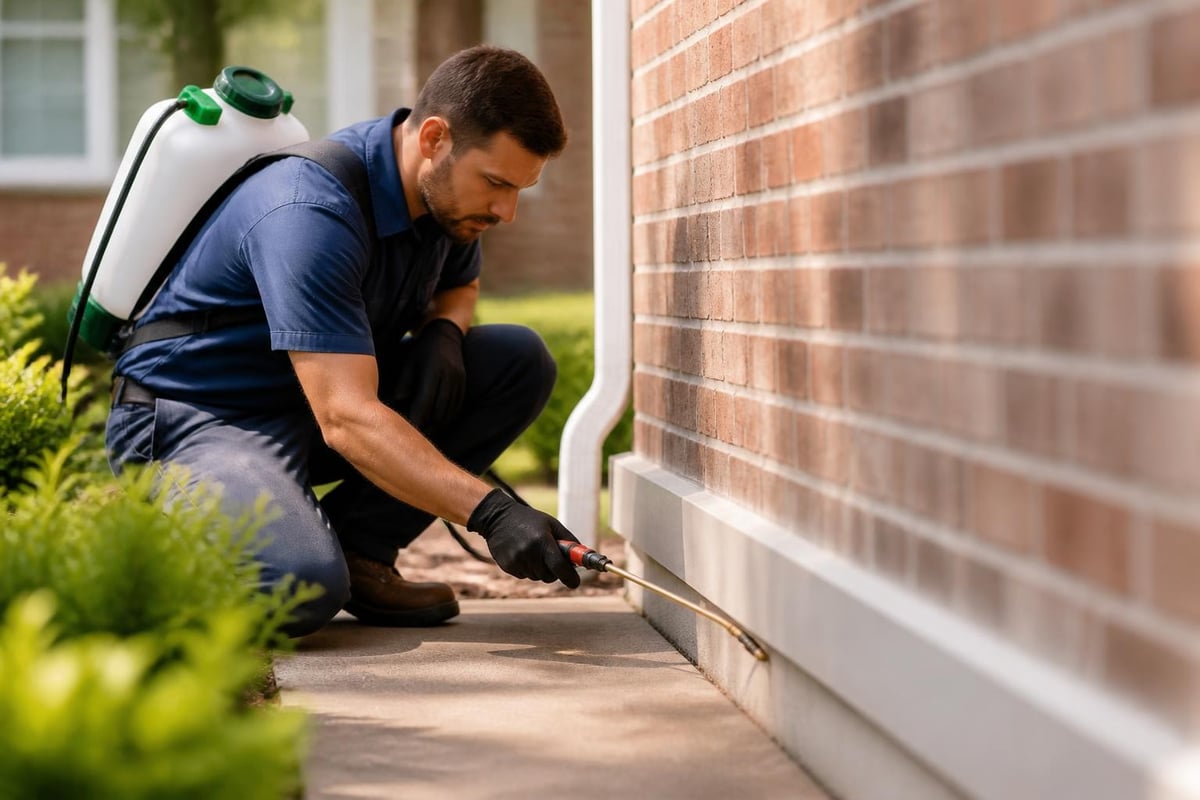
Termite repellents differ substantially from consumer insect sprays. Professionally applied termiticides create chemical barriers in soil around foundations, repelling subterranean termites before they access structural wood. These applications require specialized equipment, proper concentration, and strategic placement around the entire structure perimeter.
Borate-treated wood products provide built-in protection during construction, making lumber unappealing and indigestible to termites and carpenter ants. Richmond homeowners should verify borate treatment during new construction but cannot effectively retrofit existing structures without professional intervention.
DIY termite repellent sprays available at retail stores provide minimal protection. Termites travel through soil beneath surface treatments, bypass small treated areas, and can breach barriers when products aren't applied at proper concentrations or depths.
Spider and Crawling Insect Solutions
Residual insecticides with repellent properties create barriers around home perimeters, door frames, and foundation lines. These products kill spiders and insects on contact while deterring future arrivals through chemical residue. Professional spider control services apply commercial-grade formulations not available to consumers, with longer residual activity and better weather resistance.
Peppermint oil and other essential oil sprays may provide temporary spider deterrence in specific locations like window sills or closets. Effectiveness remains limited to hours rather than days, and complete home protection requires impractical reapplication frequency.
Application Methods and Safety Protocols
Proper application determines whether pest repellents deliver promised protection or waste resources while creating false security. Each product category requires specific handling for optimal results and user safety.
Personal Topical Repellents
When applying DEET, picaridin, or botanical repellents to skin:
- Apply only to exposed skin, avoiding contact with lips, eyes, and irritated areas
- Use just enough to cover surfaces without saturation or visible residue
- Reapply based on product duration, not when pests first appear
- Wash treated skin with soap and water after returning indoors
- Store products away from heat sources and out of children's reach
Parents should apply repellents to their own hands first, then spread onto children's skin to control quantity and placement. Never allow children to handle repellent containers or apply products themselves.
The comprehensive toxicological profile for DEET documents decades of safety data at recommended concentrations. Adverse reactions typically result from excessive application, ingestion, or use of concentrations above labeled recommendations.
Perimeter and Yard Treatments
Outdoor repellent applications require attention to weather, water features, and non-target organisms. Granular repellents need watering-in to activate, while liquid sprays should be applied during dry periods to maximize residual adhesion.
Environmental considerations for outdoor repellents:
- Avoid application before rainfall to prevent runoff into storm drains
- Keep products away from ponds, streams, and wetlands
- Read labels for pollinator safety and application timing restrictions
- Never exceed labeled rates thinking more product equals better protection
Richmond homeowners with ornamental ponds or creek access must exercise particular caution. Many repellent active ingredients prove highly toxic to aquatic life even in small concentrations carried by runoff.
Indoor Application Best Practices
Indoor pest repellent use centers on targeted application rather than whole-house spraying. Focus treatments along baseboards, behind appliances, in crawl spaces, and at known entry points. Broadcast spraying throughout living areas creates unnecessary exposure without improving effectiveness.
When using repellent foggers or total-release aerosols, families and pets must vacate for the specified duration. These products fill enclosed spaces with airborne pesticide, requiring ventilation and surface cleaning before reoccupancy. Professional pest control services in Richmond typically avoid foggers in favor of targeted treatments that pose less exposure risk while providing superior results.
| Application Type | Reapplication Frequency | Target Location | Safety Priority |
|---|---|---|---|
| Skin spray | 4-12 hours | Exposed skin only | Wash after use |
| Perimeter granules | 30-90 days | Foundation exterior | Pet/child exclusion 24hr |
| Indoor crack/crevice | 60-120 days | Entry points | Avoid food surfaces |
| Yard spray | 30-60 days | Lawn and vegetation | Pollinator timing |
| Crawl space treatment | Seasonal | Substructure | Professional only |
Integrated Pest Management and Repellent Role
Pest repellents function most effectively as components within comprehensive integrated pest management (IPM) strategies rather than standalone solutions. Richmond homeowners achieve best results by combining chemical and physical barriers with habitat modification and professional monitoring.
The IPM Hierarchy
Effective pest management follows a logical progression:
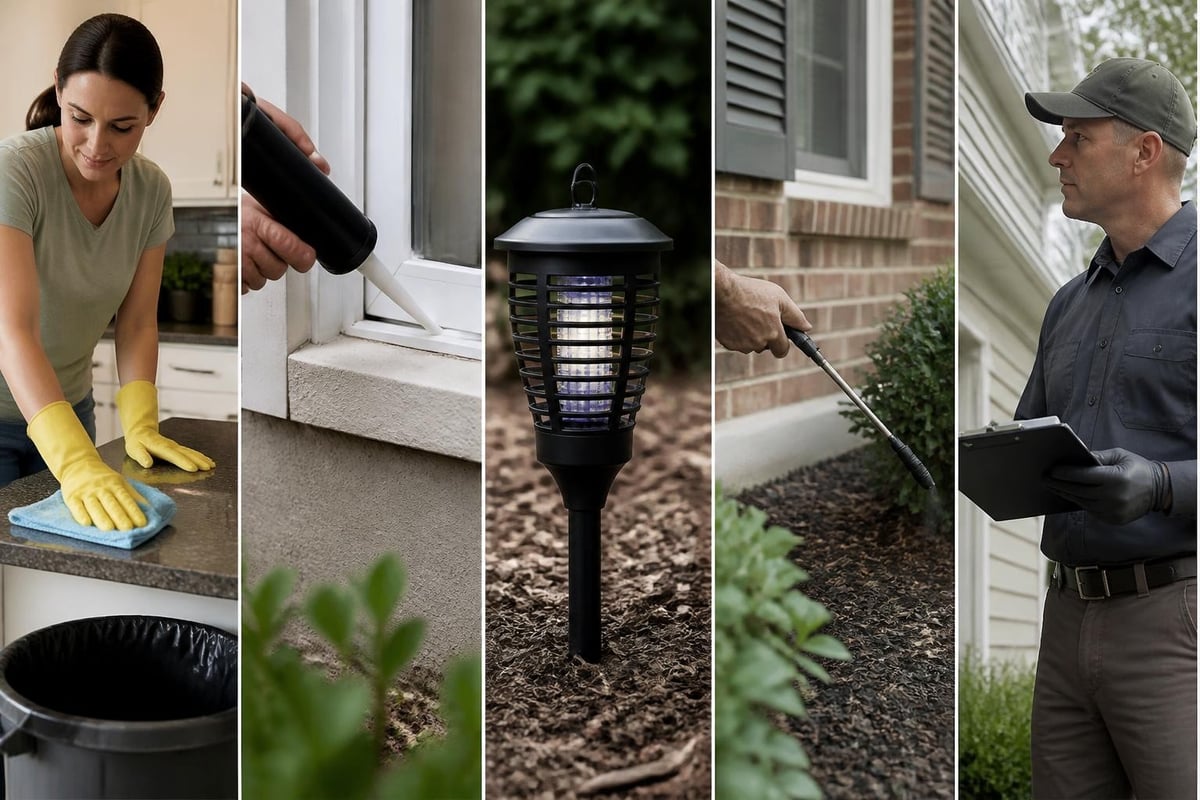
- Sanitation and exclusion remove attractants and block entry
- Habitat modification eliminates breeding sites and harborage
- Monitoring and identification detect problems early
- Targeted repellents create temporary barriers in high-risk areas
- Professional treatment addresses established infestations
Notice that repellents occupy the fourth position. Homeowners who skip directly to chemical solutions without addressing underlying conditions face constant reapplication needs and persistent pest pressure. The University of California IPM program emphasizes this hierarchical approach across all pest categories.
When Repellents Suffice Versus Professional Need
Pest repellents handle specific scenarios effectively without requiring expert intervention:
- Personal protection during outdoor activities in mosquito-prone areas
- Temporary deterrence while implementing structural repairs
- Supplemental protection between professional service visits
- Low-level prevention in structures with excellent exclusion
However, certain situations demand professional assessment regardless of repellent use. Active termite galleries, established rodent populations, bed bug infestations, and recurring ant trails indicate problems beyond repellent capability. SanPro’s comprehensive pest control services address these scenarios with inspection, treatment, and long-term prevention strategies that consumer products cannot replicate.
Crawl Space Protection and Repellent Limitations
Crawl spaces present unique challenges where repellent effectiveness drops sharply. High humidity, poor air circulation, and abundant harborage mean that surface sprays and vapor devices achieve minimal pest deterrence. Rodents, termites, and moisture-loving insects thrive in these environments regardless of repellent presence.
Effective crawl space pest prevention requires moisture control, vapor barriers, insulation management, and sealed entry points. Professional crawl space services combine these structural interventions with targeted treatments that actually reach pest hiding spots. Homeowners attempting DIY crawl space pest control with retail repellents typically waste money while allowing problems to worsen undetected.
Product Selection Criteria
The pest repellent marketplace overwhelms consumers with hundreds of products making similar claims. Strategic selection based on objective criteria reduces trial-and-error frustration while improving actual protection.
Reading and Understanding Labels
EPA registration numbers indicate that products have undergone efficacy and safety testing to support label claims. Unregistered products lack this verification, relying instead on vague "traditional use" or testimonial evidence. For repellents making pest control claims, EPA registration isn't optional marketing-it's a legal requirement.
Essential label information to review:
- Active ingredient percentage and type
- Target pest species (specific claims, not "all insects")
- Protection duration and reapplication interval
- Application restrictions (where not to use)
- First aid procedures and precautionary statements
Marketing terms like "natural," "eco-friendly," and "non-toxic" lack regulatory definitions. A product may contain natural ingredients while still causing allergic reactions or environmental harm. Conversely, synthetic repellents with decades of safety data often carry scarier-sounding chemical names than untested botanical mixtures.
Concentration Versus Duration
Higher active ingredient percentages extend protection duration rather than improving immediate effectiveness. A 10% DEET product and a 30% DEET product repel mosquitoes equally well initially, but the 30% formulation maintains that barrier for approximately three times longer.
This relationship helps homeowners match products to activities. A morning walk requires less concentration than an all-day hiking trip. Using the minimum effective concentration for planned exposure reduces unnecessary chemical contact while maintaining adequate protection.
Form Factor Considerations
Pest repellents come in sprays, lotions, wipes, granules, foggers, candles, and electronic devices. Form factor should match application requirements:
- Aerosol sprays cover large skin areas quickly but create inhalation risk indoors
- Pump sprays offer precise application with less airborne product
- Lotions and creams provide controlled dosing for children and facial application
- Wipes enable hand application to children and touchup in public settings
- Granular products treat lawns and soil without spray drift
- Candles and coils create small protection zones in still air
Electronic ultrasonic repellents deserve special mention. Despite widespread retail availability, peer-reviewed testing consistently shows these devices provide no measurable pest deterrence. They represent wasted money that could fund proven solutions.
Cost-Effectiveness Analysis
Premium-priced repellents don't automatically outperform budget options with identical active ingredients. A store-brand 25% DEET spray performs equivalently to a name-brand product at the same concentration. Consumers pay extra for fragrance, bottle design, and marketing rather than improved pest protection.
For yard and perimeter products, professional-grade formulations do offer advantages over consumer versions. Commercial concentrates provide higher active ingredient percentages, better residual adhesion, and weather resistance that cheaper products cannot match. Richmond homeowners attempting to replicate professional results with retail products often apply insufficient concentrations or lack proper equipment for thorough coverage.
Regulatory Framework and Safety Standards
Pest repellent regulation in the United States follows a tiered approach based on product claims and application sites. Understanding this framework helps consumers distinguish between rigorously tested products and unverified alternatives.
EPA Registration and Testing Requirements
The Environmental Protection Agency regulates pest repellents as pesticides under the Federal Insecticide, Fungicide, and Rodenticide Act. Products claiming to repel, prevent, or control pests must undergo efficacy testing, toxicology evaluation, and environmental impact assessment before receiving registration approval.
This process verifies that products:
- Actually work as claimed against specified pests
- Can be used safely according to label directions
- Won't cause unreasonable environmental harm
- Display accurate instructions and warnings
Minimum testing standards include laboratory efficacy trials, human skin safety studies, and environmental fate data. Products containing novel active ingredients undergo more extensive evaluation than those with established safety profiles.
Exemptions and Minimum Risk Products
Certain low-risk repellents receive exemption from full EPA registration while still falling under regulatory oversight. The agency's "25(b) minimum risk pesticide" list includes specific plant oils and ingredients deemed low-risk when used as directed. These products must still meet labeling requirements and cannot make unsupported claims.
Homeowners should recognize that "exempt from registration" doesn't mean "exempt from regulation" or "completely safe." Minimum risk products can still cause allergic reactions, and their efficacy often falls short of registered alternatives. The exemption reflects reduced regulatory burden rather than superior performance.
State-Level Regulations in Virginia
Virginia adopts federal EPA standards while adding state-specific applicator requirements for commercial pest control. Licensed professionals in Richmond must complete training on proper repellent selection, application techniques, and safety protocols that exceed homeowner knowledge expectations.
This regulatory structure exists because effective pest management requires expertise in pest biology, product chemistry, application equipment, and environmental protection. DIY repellent use remains legal, but Virginia law recognizes that optimal results and safety demand professional judgment for many scenarios.
Common Mistakes and Misconceptions
Pest repellent failure often results from application errors and unrealistic expectations rather than product limitations. Recognizing these patterns helps homeowners achieve better results with appropriate products while identifying when professional help becomes necessary.
Over-Reliance on Single Solutions
No single repellent product protects against all pest species. Mosquito repellents don't deter rodents. Rodent repellents don't stop termites. Products marketed as "all-purpose" typically prove ineffective across their claimed range.
Richmond homeowners frequently purchase ultrasonic devices advertised as repelling "mice, roaches, spiders, ants, and more" from entire homes. The disappointing results stem from impossible physics: no single frequency or mechanism affects such diverse organisms across large spaces.
Effective protection requires matching specific products to target pests based on their biology and behavior. This often means using different repellents for different pests rather than hoping for a universal solution.
Application Timing and Coverage Errors
Repellents work preventively, not reactively. Applying mosquito repellent after bites begin means you've already failed to prevent exposure. Starting perimeter treatments after seeing ants inside means pests have already established trails and likely nest sites.
Common timing mistakes include:
- Waiting until pest encounters occur before applying personal repellents
- Treating yards after mosquito populations peak rather than early season
- Applying perimeter barriers after insects already occupy the home
- Expecting immediate results from slow-acting residual products
Coverage gaps doom barrier treatments. Treating 80% of a home's perimeter creates highways through the untreated 20%. Rodents and insects find these gaps quickly. Professional pest control services in Richmond use systematic treatment protocols that ensure complete coverage without gaps.
Ignoring Habitat and Exclusion
Homeowners sometimes invest heavily in repellents while ignoring the foundation gaps, torn screens, and standing water that make pest pressure inevitable. A property with excellent exclusion needs minimal repellent use. A structure with multiple entry points and abundant pest attractants overwhelms any repellent strategy.
Before purchasing additional repellent products, Richmond property owners should:
- Seal gaps around pipes, cables, and utility penetrations
- Repair damaged window screens and door sweeps
- Eliminate standing water in gutters, containers, and landscape depressions
- Move firewood storage away from the foundation
- Trim vegetation that contacts the home exterior
These physical barriers provide permanent protection that doesn't require reapplication or chemical exposure. They represent the most cost-effective long-term pest prevention available.
Mixing and Improvising Formulations
Online forums and social media promote "homemade pest repellent recipes" mixing essential oils, vinegar, dish soap, and other household chemicals. These concoctions lack efficacy testing, standardized concentrations, or safety data. They may damage surfaces, cause allergic reactions, or simply waste ingredients without repelling pests.
Commercial repellents undergo formulation science that optimizes active ingredient delivery, ensures product stability, and maintains safety across storage conditions. Amateur chemistry in kitchen spray bottles cannot replicate this development process.
Similarly, using outdoor products indoors or exceeding labeled application rates doesn't improve results. It increases exposure risk and potential for environmental contamination without corresponding benefit. Labels exist to protect users, not to create obstacles.
Seasonal Considerations for Richmond Homeowners
Virginia's distinct seasons create variable pest pressure requiring adapted repellent strategies. Understanding these patterns allows homeowners to concentrate protection efforts when they matter most while avoiding unnecessary year-round applications.
Spring Emergence and Early Prevention
March through May brings warming temperatures that activate overwintering pests and trigger new breeding cycles. Mosquitoes emerge from standing water. Termite swarmers search for new colony sites. Ants expand foraging ranges from winter nests.
Early spring represents the optimal window for perimeter barrier establishment. Treating before pest populations peak prevents infestations rather than reacting to them. Richmond homeowners should prioritize:
- Foundation perimeter treatments before May temperature spikes
- Mosquito larvicide in permanent water features
- Entry point sealing while comfortable working weather persists
- Professional termite inspection before swarming season peaks
Personal repellent needs remain modest until late May when mosquito populations reach nuisance levels. Yard parties and outdoor activities benefit from spatial repellent candles and treated patio fabrics during this transition period.
Summer Peak Pressure
June through August creates maximum pest pressure across nearly all categories. High temperatures, humidity, and abundant vegetation support peak mosquito, tick, and stinging insect populations. Rodents seek cool harborage. Spiders follow prey insect concentrations.
This season demands:
- Consistent personal repellent use during all outdoor activities
- Weekly inspection and elimination of new standing water
- Monthly perimeter treatment renewal
- Professional monitoring for emerging infestations
Homeowners often discover pest problems during summer when outdoor time increases visibility. Finding carpenter ants on the deck or noticing yellow jacket nests in June indicates issues that developed earlier. Repellents cannot resolve established colonies-they require professional extermination.
Fall Invasion Prevention
September through November brings pest behavior shifts as insects and rodents seek overwintering sites. Stink bugs, Asian lady beetles, and cluster flies attempt to enter wall voids. Mice and rats investigate foundations looking for entry points before winter.
Fall represents the critical season for exclusion work. Sealing potential entry points in October prevents months of indoor pest pressure. Perimeter treatments during this period target invading species before they successfully enter and establish.
Priority fall pest prevention tasks:
- Inspect and seal foundation cracks while weather permits outdoor work
- Apply residual repellent barriers at entry points
- Remove leaf litter and vegetation debris that provides rodent cover
- Clean gutters to eliminate mosquito breeding sites before spring
- Schedule professional inspection to identify vulnerabilities
Winter Maintenance and Planning
December through February shows reduced outdoor pest activity but increased importance of structural integrity. Rodents already inside become more visible as outdoor food sources disappear. Moisture problems in crawl spaces worsen with heating system use and reduced ventilation.
Winter provides ideal timing for:
- Crawl space inspection and moisture remediation without heat stress
- Attic insulation evaluation and rodent sign detection
- Planning spring pest prevention strategies
- Professional termite bond renewal and contract negotiation
Repellent use drops to minimal levels during winter months. Energy instead focuses on structural improvements and professional service relationships that prevent next season's problems before they develop.
Professional Pest Control Integration
While pest repellents serve valuable roles in home protection, certain scenarios require the expertise, equipment, and products available only through licensed professionals. Understanding this division helps Richmond homeowners make cost-effective decisions about when DIY suffices and when expert intervention provides better value.
Services Repellents Cannot Replace
Active infestations of termites, bed bugs, carpenter ants, and established rodent colonies exceed repellent capability by definition. Once pests have colonized a structure, repelling additional arrivals doesn't address the existing population. These situations require elimination strategies using products and application methods unavailable to consumers.
Professional pest control brings:
- Access to restricted-use pesticides with greater efficacy and residual
- Specialized application equipment for thorough coverage
- Pest biology expertise for targeted treatment timing
- Warranty and follow-up service for treatment failures
- Liability insurance for property damage or re-infestation
Richmond homeowners attempting DIY termite treatment with retail repellent sprays typically delay effective intervention while wood damage continues. The eventual professional service costs more than early expert assessment would have required.
Combining DIY Repellents with Professional Service
Many effective pest management programs combine professional treatments with homeowner-applied repellents. A common model involves:
- Professional quarterly perimeter and foundation treatments
- Homeowner spot treatment of minor ant trails between services
- Personal mosquito repellent use during outdoor activities
- Professional intervention when pests exceed minor nuisance levels
This division of labor optimizes cost-effectiveness. Professionals handle complex applications and situations requiring expertise. Homeowners manage routine prevention and personal protection with appropriate retail products.
Communication between homeowners and service providers improves results. Informing your pest control technician about DIY products you've applied helps them avoid redundant treatments and potential chemical interactions. Similarly, professionals can recommend specific retail repellents for interim use that complement rather than interfere with their service protocols.
Crawl Space and Structural Considerations
Substructure areas present particular challenges where professional assessment provides value far exceeding cost. Crawl spaces with moisture problems, damaged insulation, or rodent activity require integrated solutions addressing multiple interrelated issues. Retail repellents cannot solve moisture-driven pest pressure or structural vulnerabilities.
Professional crawl space services evaluate:
- Moisture sources and vapor barrier integrity
- Insulation condition and contamination
- Structural wood integrity and pest damage
- Entry points and exclusion opportunities
- Ventilation and humidity control
These assessments often reveal that apparent pest problems stem from moisture and structural issues. Addressing root causes eliminates pest pressure more effectively than any repellent application frequency could achieve. Richmond property owners benefit from expert perspective that identifies whether pest symptoms require chemical treatment, structural repair, or both.
Effective pest repellent use requires matching specific products to target pests, understanding application limitations, and recognizing when professional intervention provides better results than DIY approaches. Richmond homeowners achieve optimal protection by combining appropriate retail repellents for personal use and minor prevention with expert services for structural vulnerabilities and established infestations. SanPro brings decades of experience in comprehensive pest management throughout Richmond, VA, with specialized expertise in pest control, crawl space protection, and integrated solutions that address both immediate pest concerns and underlying structural conditions that create recurring problems.