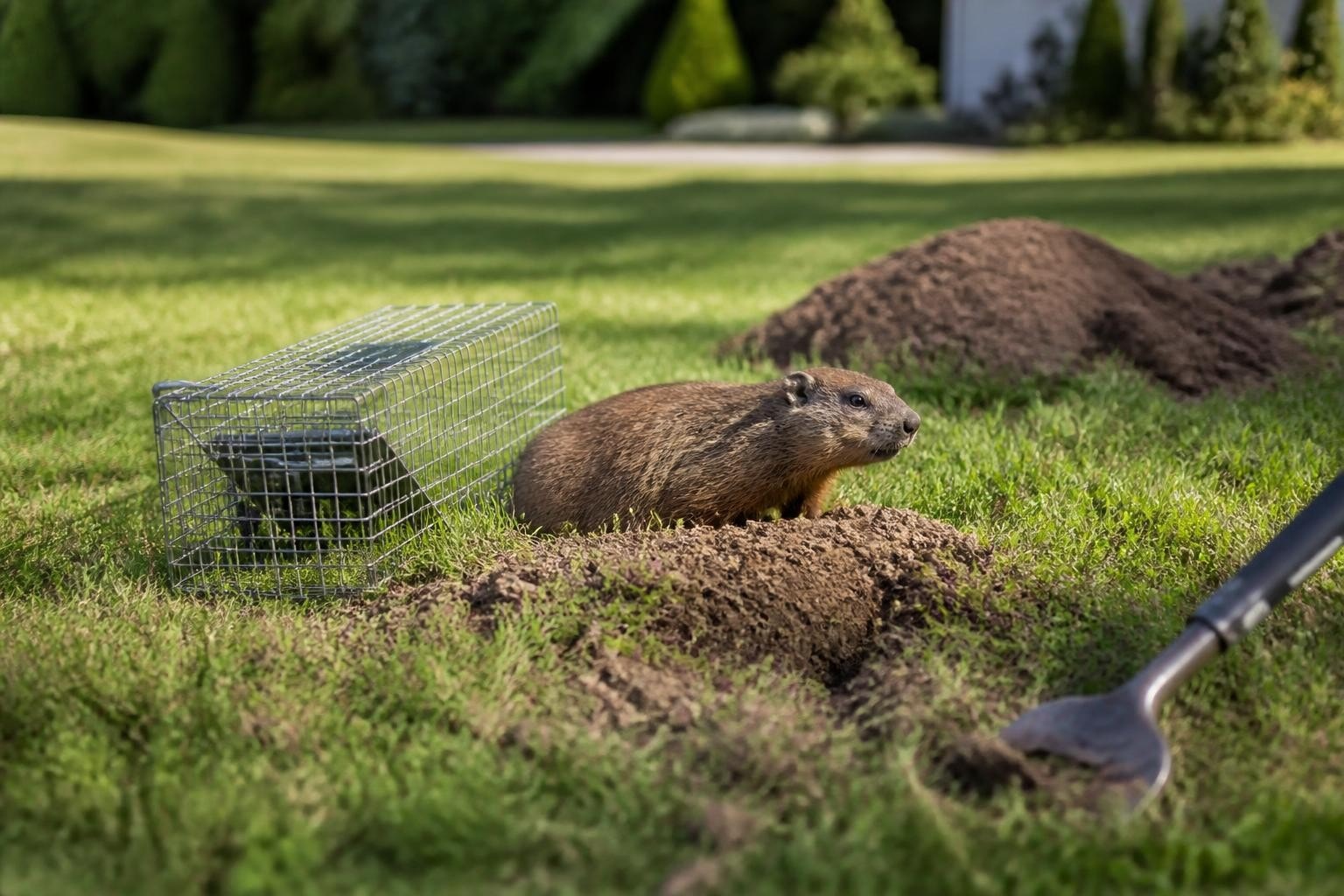
Gophers may seem like minor nuisances, but these burrowing rodents can wreak havoc on Richmond, VA lawns, gardens, and commercial landscapes. Property owners across central Virginia face unique challenges when dealing with pocket gophers, from damaged root systems and unsightly mounds to compromised irrigation lines and structural concerns. Understanding the biology, behavior, and proven control methods for these persistent pests is essential for protecting your investment and maintaining a healthy, attractive property.
Understanding Gopher Behavior and Identification in Virginia
Pocket gophers are solitary, fossorial rodents that spend nearly their entire lives underground. In Virginia, the southeastern pocket gopher (Geomys pinetis) represents the primary species affecting residential and commercial properties, though their range is limited compared to western states.
Physical Characteristics and Species Recognition
These compact rodents measure six to nine inches in body length with short, nearly hairless tails. Their most distinctive features include:
- Fur-lined cheek pouches that extend from mouth to shoulders
- Prominent, protruding incisors adapted for gnawing roots and digging
- Small eyes and ears reflecting their subterranean lifestyle
- Powerful front claws designed for excavation
The University of California IPM program provides comprehensive identification resources that help distinguish gophers from moles, voles, and other burrowing mammals common in Richmond area landscapes.
Tunnel Systems and Surface Activity
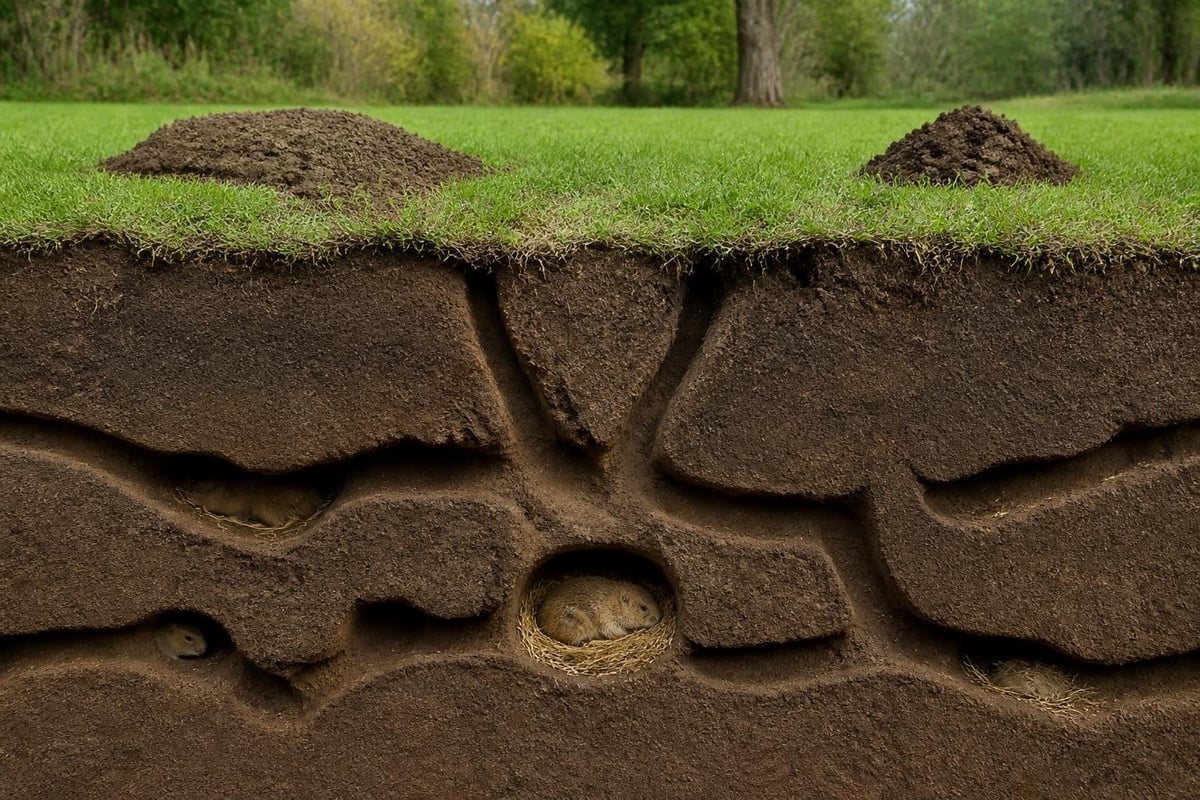
Gopher tunnel networks can extend 200 to 2,000 square feet per individual, with main burrows running six to twelve inches below the surface. These systems include:
- Shallow feeding tunnels where gophers access roots and underground plant parts
- Deeper main tunnels for nesting, food storage, and protection
- Lateral branches connecting surface mounds to the main system
- Nest chambers lined with shredded vegetation
Surface mounds appear as fan-shaped or crescent-shaped soil deposits, distinguishing them from the volcanic cone shape of mole hills. Understanding these structural differences is crucial for pest control services in Richmond VA.
Damage Assessment and Economic Impact
The economic and aesthetic damage from gopher activity extends far beyond unsightly dirt mounds. Richmond homeowners and commercial property managers must consider multiple impact categories when evaluating the need for gopher control.
Landscape and Agricultural Damage
Gophers consume roots, bulbs, tubers, and other underground plant structures, causing rapid deterioration of lawns, ornamental gardens, and agricultural crops. A single gopher can damage:
| Damage Type | Severity | Timeframe |
|---|---|---|
| Lawn root systems | Moderate to severe | 2-4 weeks |
| Ornamental plantings | Severe (death) | 1-2 weeks |
| Vegetable gardens | Complete crop loss | Days to weeks |
| Tree/shrub roots | Progressive decline | Months to years |
Young trees and shrubs face particular vulnerability, as gophers girdle bark at or below ground level. This feeding behavior can kill expensive landscape specimens worth hundreds or thousands of dollars.
Infrastructure and Irrigation Concerns
Beyond plant damage, gopher tunneling compromises underground infrastructure. Their excavations can:
- Breach irrigation lines causing water waste and system failures
- Undermine walkways and patios creating tripping hazards and settling
- Damage buried utility lines including electrical conduit and cable
- Compromise foundation drainage by redirecting water flow
These infrastructure impacts elevate gopher control from a cosmetic concern to a property maintenance necessity, particularly for commercial properties in Richmond where liability and appearance standards are paramount.
Health and Safety Considerations
While gophers rarely transmit diseases to humans directly, their burrow openings create ankle-turning hazards for residents, employees, and visitors. Collapsed tunnels can also injure livestock or pets exploring affected areas. The EPA’s rodenticide safety guidance emphasizes the importance of careful control method selection to minimize risks to non-target species and humans.
Non-Chemical Gopher Control Methods
Integrated pest management prioritizes mechanical and cultural control strategies before resorting to chemical interventions. These approaches offer safer, more sustainable solutions for Richmond VA properties.
Trapping Techniques and Best Practices
Trapping remains the most effective non-chemical approach for gopher control, with success rates exceeding 90% when properly executed. The process requires patience, proper equipment, and strategic placement.
Trap Selection and Placement:
Professional pest exterminators in Richmond VA typically employ box-type or pincer-type kill traps designed specifically for pocket gophers. Set traps in active main tunnels rather than lateral feeding branches for optimal results.
- Locate active tunnels by probing with a metal rod 12-18 inches from fresh mounds
- Excavate trap placement holes perpendicular to the tunnel direction
- Insert two traps facing opposite directions in the same tunnel
- Cover the excavation to restore darkness and trigger tunnel repair behavior
- Check traps daily and relocate if no capture occurs within 48 hours
The Washington State University extension guide offers detailed illustrations of proper trap placement techniques that maximize capture success while minimizing disturbance to surrounding landscapes.
Habitat Modification Strategies
Reducing habitat suitability provides long-term gopher control by making properties less attractive to colonization. Richmond homeowners can implement several landscape modifications:
- Remove dense ground cover that provides concealment for surface activity
- Maintain short grass in high-value areas to increase predator exposure
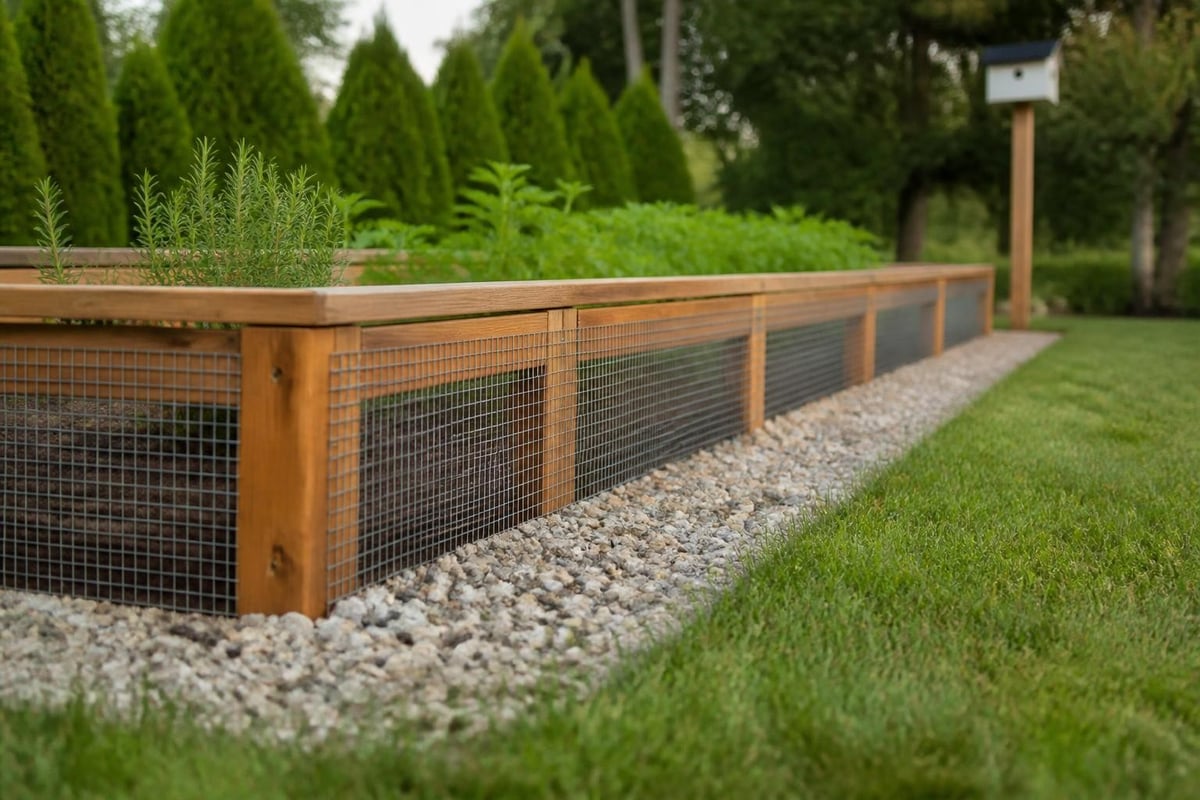
- Install underground barriers of hardware cloth around valuable plantings
- Create gravel borders around gardens and foundations to deter tunneling
Barrier Installation Specifications:
| Component | Specification | Purpose |
|---|---|---|
| Material | 1/2-inch hardware cloth | Prevents gopher passage |
| Depth | 24-30 inches | Exceeds typical tunnel depth |
| Height above ground | 6-12 inches | Prevents surface entry |
| Overlap at corners | 12 inches minimum | Eliminates entry gaps |
These barriers work particularly well protecting high-value ornamentals, vegetable gardens, and tree installations. While labor-intensive initially, barriers provide decades of protection without ongoing maintenance.
Exclusion and Deterrent Technologies
Modern gopher control incorporates various exclusion technologies with mixed effectiveness. Ultrasonic devices and vibration stakes generate underground disturbances intended to drive gophers away, though scientific evidence supporting their efficacy remains limited.
More promising approaches include:
- Castor oil-based repellents applied to soil surfaces (temporary effectiveness)
- Natural predator attraction through owl boxes and raptor perches
- Flooding techniques for small, contained infestations (limited success)
Chemical and Professional Control Solutions
When mechanical methods prove insufficient or impractical for larger properties, chemical control and professional intervention become necessary. These approaches require careful consideration of safety, regulations, and environmental impact.
Rodenticide Application and Safety
Anticoagulant and acute toxicant baits formulated for gophers offer effective control when properly applied. Utah State University research demonstrates that underground baiting achieves superior results compared to surface applications, as gophers rarely feed above ground.
Professional Application Methods:
Certified pest control technicians in Richmond employ specialized equipment for safe, effective bait placement:
- Burrow builder tools create artificial lateral tunnels
- Bait probes deposit toxicants directly into tunnel systems
- Targeted placement minimizes non-target exposure
- Secured bait stations prevent access by children, pets, and wildlife
The Montana State University gopher guide emphasizes that professional application significantly outperforms DIY attempts, particularly regarding safety protocols and placement accuracy.
Fumigation Techniques
Aluminum phosphide and carbon monoxide fumigants provide rapid control for severe infestations. These restricted-use pesticides require professional application by licensed exterminators due to their extreme toxicity and specialized application requirements.
Fumigation Considerations:
- Soil moisture levels must be adequate to seal tunnels and contain gas
- Multiple treatments often necessary for complex tunnel systems
- Weather conditions affect application timing and efficacy
- Regulatory compliance mandates specific safety equipment and training
Professional pest extermination services in Richmond VA maintain the licensing, equipment, and expertise necessary for safe fumigant application while protecting non-target species and meeting Virginia regulatory requirements.
When to Call Professional Pest Control Services
Several scenarios warrant immediate professional intervention rather than DIY gopher control attempts:
- Extensive infestations affecting more than 500 square feet
- Recurring gopher activity despite multiple control attempts
- High-value landscape areas requiring guaranteed protection
- Commercial properties with liability and appearance standards
- Properties adjacent to natural areas with continuous reinfestation pressure
Professional pest control services offer comprehensive solutions combining multiple control methods, ongoing monitoring, and warranty protection. Experienced technicians assess site-specific factors, select appropriate control strategies, and implement integrated programs that deliver lasting results.
Seasonal Considerations for Virginia Gopher Control
Richmond's climate patterns influence gopher activity cycles, requiring strategic timing for maximum control effectiveness. Understanding these seasonal variations optimizes control efforts and resource allocation.
Spring Activity Peaks
Gopher populations surge during spring months (March through May) as breeding season intensifies tunnel construction and surface mound production. This period represents the optimal window for aggressive gopher control because:
- Increased surface activity makes trap placement more effective
- Breeding females defend territories more actively, improving capture rates
- Juvenile dispersal creates vulnerability as young gophers establish new territories
- Soil moisture conditions facilitate trap setting and fumigant effectiveness
Summer and Fall Management
Virginia's hot, dry summers drive gophers deeper underground, reducing surface evidence while maintaining subsurface damage. Fall rains trigger renewed activity as gophers cache food for winter consumption.
Seasonal Control Timeline:
| Season | Activity Level | Primary Control Methods | Success Rate |
|---|---|---|---|
| Spring | High | Trapping, baiting, fumigation | 85-95% |
| Summer | Moderate | Barrier maintenance, baiting | 70-80% |
| Fall | High | Trapping, habitat modification | 80-90% |
| Winter | Low | Planning, barrier installation | 60-70% |
Year-Round Monitoring Protocols
Effective gopher control requires continuous vigilance rather than reactive responses. Property managers should implement weekly inspections during peak seasons and monthly checks during dormant periods. Early detection of fresh mounds allows intervention before populations expand and damage accumulates.
Integration with Comprehensive Property Protection
Gopher control rarely exists in isolation. Richmond homeowners and commercial property managers benefit from integrated approaches addressing multiple pest and structural challenges simultaneously.
Crawl Space Connections
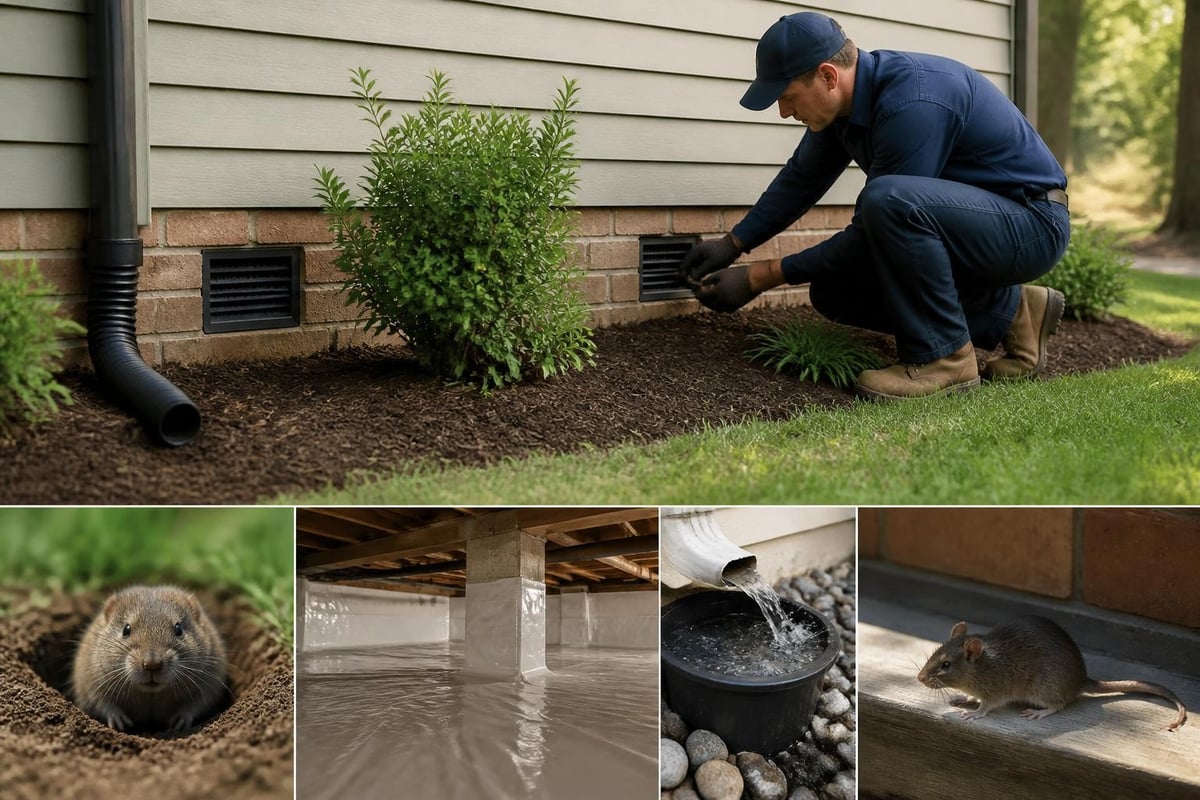
Gopher tunneling can compromise crawl space integrity by creating moisture pathways, destabilizing foundation soils, and providing access routes for other pests. Crawl space protection services address these interconnected concerns by encapsulating vulnerable areas, installing moisture barriers, and sealing potential entry points that gophers and other burrowing pests might exploit.
Coordinated Rodent Management
Properties experiencing gopher problems frequently face challenges from other rodent species including voles, moles, rats, and mice. Comprehensive rodent management programs address these pests collectively, recognizing their overlapping habitat preferences and control strategies.
Multi-Species Control Benefits:
- Cost efficiency through shared inspection and treatment visits
- Reduced environmental impact via targeted, minimal applications
- Improved outcomes from understanding pest interaction dynamics
- Warranty coverage protecting against multiple species simultaneously
Legal and Regulatory Considerations in Virginia
Virginia law governs pesticide application, wildlife management, and professional licensing requirements affecting gopher control activities. Property owners must navigate these regulations to ensure compliant, effective control programs.
Pesticide Application Requirements
The Virginia Department of Agriculture and Consumer Services regulates pesticide use through certification and licensing programs. Homeowners may apply general-use pesticides to their own properties, but restricted-use products require certified applicator involvement.
Key Regulatory Points:
- Restricted-use rodenticides require commercial applicator licenses
- Fumigants mandate specialized certification categories
- Record-keeping obligations apply to commercial applications
- Buffer zones protect water bodies and sensitive areas
Professional Licensing Standards
Pest control companies operating in Richmond VA must maintain:
- Business licenses from the Virginia DACS
- Certified commercial applicators on staff
- Liability insurance meeting state minimums
- Continuing education credits for license renewal
These requirements ensure that professional pest exterminators possess the knowledge, equipment, and accountability necessary for safe, effective gopher control services.
Cost-Benefit Analysis of Control Methods
Understanding the financial implications of various gopher control approaches helps property owners make informed decisions balancing effectiveness, safety, and budget constraints.
DIY Versus Professional Services
Comparative Cost Analysis:
| Approach | Initial Cost | Time Investment | Success Rate | Long-term Value |
|---|---|---|---|---|
| DIY trapping | $50-150 | 10-20 hours | 60-70% | Low (recurring issues) |
| DIY baiting | $75-200 | 5-10 hours | 50-65% | Low (safety concerns) |
| Professional service | $300-800 | Minimal | 90-95% | High (warranty coverage) |
| Integrated program | $500-1,500 | Minimal | 95%+ | Very high (prevention) |
While DIY approaches appear less expensive initially, hidden costs emerge through failed attempts, wasted materials, ongoing damage, and time consumption. Professional services deliver superior results with guaranteed outcomes and liability protection.
Return on Investment Considerations
Calculating ROI for gopher control requires evaluating damage prevention rather than just direct costs. A single gopher can destroy:
- $500-2,000 in landscape plants annually
- $1,000-5,000 in irrigation system repairs
- $2,000-10,000 in property value reduction for commercial sites
These damage estimates far exceed professional control costs, demonstrating clear financial justification for proactive, professionally managed gopher control programs.
Prevention and Long-Term Management
Sustainable gopher control emphasizes prevention over reaction. Richmond property owners who implement comprehensive prevention strategies reduce long-term costs while minimizing pest pressure.
Property Assessment and Risk Evaluation
Professional pest control experts conduct thorough site assessments identifying factors that attract gophers and facilitate colonization:
- Soil type and composition (sandy, well-drained soils preferred)
- Vegetation density and diversity (abundant food sources)
- Proximity to source populations (natural areas, vacant lots)
- Existing control measures (barriers, previous treatments)
This evaluation informs customized prevention plans addressing site-specific vulnerabilities rather than applying generic solutions.
Ongoing Monitoring Programs
The Springer research review on burrowing rodent management emphasizes the importance of sustained monitoring for preventing population rebounds. Effective monitoring includes:
- Weekly visual inspections during peak activity seasons
- Monthly systematic surveys of vulnerable areas
- Prompt response protocols when new activity appears
- Annual professional assessments evaluating program effectiveness
Cultural Practice Modifications
Long-term success requires adapting landscape management practices to reduce gopher attractiveness:
- Select less palatable plant species for high-risk areas
- Maintain open sight lines facilitating predator hunting
- Reduce irrigation frequency creating less favorable soil conditions
- Remove debris piles and dense vegetation eliminating cover
These modifications complement direct control efforts by making properties inherently less suitable for gopher colonization.
Advanced Control Technologies and Innovations
Gopher control continues evolving through technological advancement and research-driven innovation. Richmond pest control professionals increasingly incorporate cutting-edge approaches alongside traditional proven methods.
Precision Application Systems
GPS-guided mapping and treatment systems allow technicians to:
- Document treatment locations with coordinate precision
- Track activity patterns over time and seasons
- Optimize trap and bait placement based on spatial analysis
- Monitor treatment efficacy through digital records
These technologies improve accountability, reduce material waste, and enhance customer communication regarding service activities and outcomes.
Biological Control Research
Emerging research explores natural enemies and biological controls for gopher populations, though practical applications remain limited. Current investigations examine:
- Raptor enhancement programs installing nest boxes for owls and hawks
- Habitat manipulation attracting natural predators
- Pathogen-based controls (experimental, not commercially available)
While promising, these approaches currently supplement rather than replace mechanical and chemical control methods for achieving reliable results on residential and commercial properties.
Environmental DNA Monitoring
Advanced detection techniques using environmental DNA (eDNA) from soil samples may soon enable early detection of gopher colonization before surface evidence appears. This technology could revolutionize prevention programs by identifying populations during initial establishment phases when control efforts achieve maximum effectiveness.
Regional Variations in Control Strategy
Virginia's diverse geography and climate zones require adapted control strategies. What works effectively in Richmond's Piedmont region may require modification in coastal or mountain areas.
Soil Type Influences
Richmond's predominantly clay soils affect gopher control differently than sandy coastal soils:
- Clay soils retain moisture longer, affecting fumigant dispersion
- Compacted soils resist tunnel construction but make trapping more difficult
- Rocky soils limit tunnel depth and influence barrier installation
- Organic-rich soils support higher plant diversity, increasing gopher attractiveness
Climate and Precipitation Patterns
Central Virginia's moderate climate with distinct seasons influences control timing and method selection. Summer droughts drive gophers deeper underground, while spring and fall rains trigger surface activity bursts requiring adjusted monitoring schedules.
Urban Versus Rural Challenges
Gopher control in Richmond's urban and suburban areas faces unique constraints compared to rural agricultural settings:
Urban Considerations:
- Proximity to neighboring properties requiring coordinated control
- Restricted pesticide use near schools, parks, and residences
- Higher aesthetic standards demanding rapid response
- Limited natural predator populations reducing biological control
Rural Considerations:
- Larger treatment areas requiring efficient, cost-effective methods
- Agricultural crop protection prioritizing economic loss prevention
- Greater pesticide flexibility in areas distant from sensitive sites
- Wildlife integration balancing control with ecosystem preservation
Effective gopher control requires understanding pest biology, implementing proven control methods, and maintaining ongoing vigilance through seasonal activity cycles. Richmond property owners facing gopher challenges benefit from professional expertise that combines mechanical, chemical, and cultural approaches tailored to site-specific conditions. Whether you're protecting a residential lawn or managing commercial landscapes, SanPro delivers comprehensive pest control solutions backed by experienced technicians, proven methodologies, and customer satisfaction guarantees that keep your Richmond VA property protected year-round.