Modern pest control has evolved far beyond the practice of simply spraying chemicals on a scheduled basis. Integrated Pest Management, commonly known as IPM pest management, represents a comprehensive, science-based approach that prioritizes long-term prevention through a combination of techniques including habitat modification, biological controls, and judicious use of pesticides only when necessary. For property owners in Richmond VA seeking effective pest exterminator services, understanding this methodology provides insight into what separates reactive pest control from proactive pest prevention. This strategic framework reduces environmental impact, minimizes health risks, and delivers sustainable results that protect both residential and commercial properties.
What IPM Pest Management Actually Means
IPM pest management is a decision-making process that uses comprehensive information about pests and their interaction with the environment to manage pest damage in the most economical way while minimizing hazards to people, property, and the environment. Rather than relying on a single tactic, this approach integrates multiple strategies to achieve lasting control.
The EPA defines IPM principles around preventing pest problems through proper sanitation, structural maintenance, and biological controls before considering chemical interventions. This philosophy fundamentally shifts pest management from reactive elimination to proactive prevention.
The Four-Tiered Hierarchy of IPM Actions
IPM pest management follows a structured progression of control methods:
- Set Action Thresholds: Determine the point at which pest populations or environmental conditions require action
- Monitor and Identify Pests: Regular inspection and accurate identification ensure treatments target the actual problem
- Prevention: Implement cultural, physical, and biological tactics that make the environment less hospitable to pests
- Control: Apply the most targeted, least-toxic methods when monitoring indicates thresholds have been exceeded
This hierarchy ensures that more intensive interventions occur only when necessary. A pest control company implementing true IPM doesn't automatically reach for pesticides but instead evaluates whether sanitation improvements, exclusion work, or habitat modification can resolve the issue first.

Core Components of Effective IPM Programs
Successful implementation of ipm pest management requires understanding each component and how they work together. These elements create a system that addresses pest problems at their source while maintaining flexibility to adapt to changing conditions.
Accurate Pest Identification and Monitoring
Every effective IPM program begins with knowing exactly what pest you're dealing with. Misidentification leads to wasted effort and ineffective treatments. For instance, carpenter ants require different strategies than termites, even though both damage wood structures.
Monitoring techniques include:
- Visual inspections of high-risk areas
- Sticky traps and monitoring devices
- Temperature and humidity measurements
- Population counts and activity tracking
- Documentation of pest locations and patterns
Regular monitoring provides the data needed to make informed decisions. Rather than treating on a predetermined schedule, pest management professionals respond to actual pest activity levels. This precision reduces unnecessary pesticide applications while catching problems before they escalate.
Prevention Through Environmental Management
The most cost-effective pest management happens before pests establish themselves. Environmental modifications create conditions that discourage pest colonization and reproduction.
| Prevention Category | Examples | Target Pests |
|---|---|---|
| Sanitation | Proper food storage, waste management, cleaning protocols | Cockroaches, rodents, flies |
| Exclusion | Sealing entry points, door sweeps, screen repair | Rodents, insects, wildlife |
| Habitat Modification | Moisture control, vegetation management, storage organization | Termites, mosquitoes, stored product pests |
| Structural Maintenance | Foundation repair, roof maintenance, proper drainage | Multiple species |
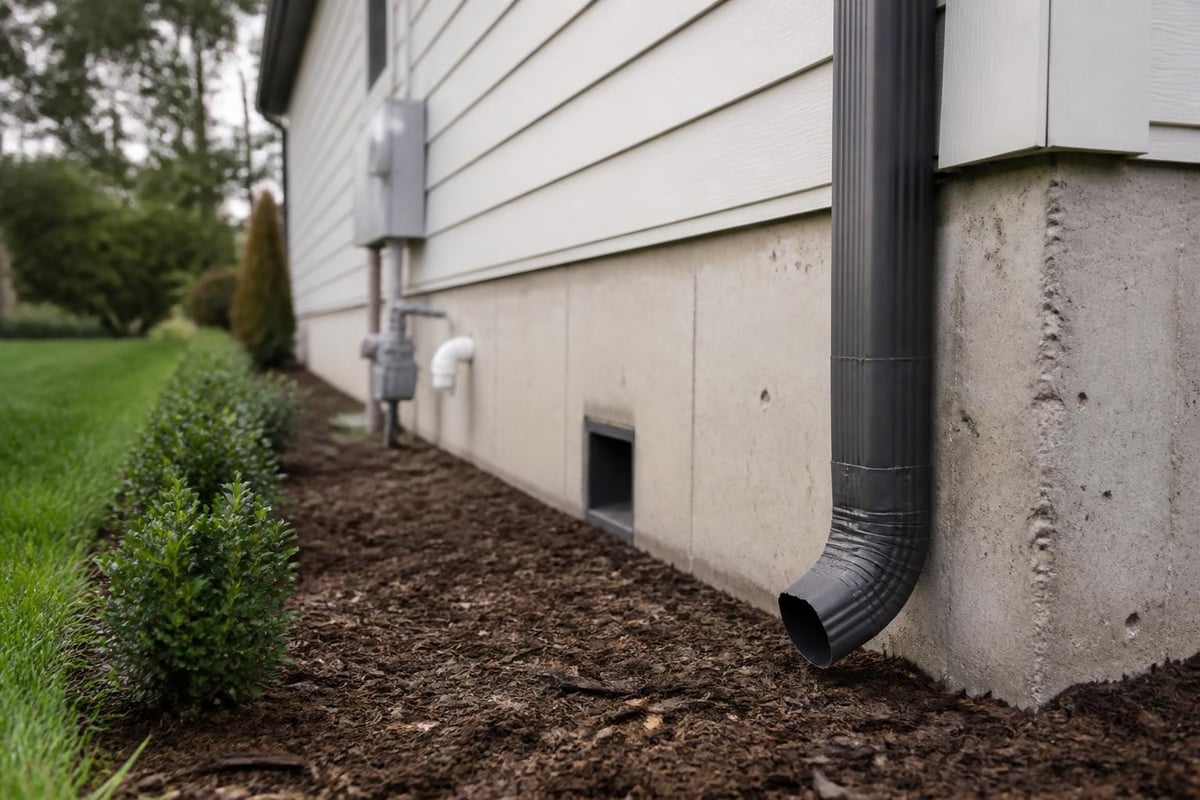
For Richmond VA property owners, crawlspace protection exemplifies preventive IPM in action. Moisture accumulation in crawl spaces creates ideal conditions for termites, mold, and wood-destroying fungi. Addressing these environmental factors prevents pest problems rather than simply treating symptoms.
Implementing IPM Pest Management in Residential Settings
Homeowners benefit significantly from IPM approaches because these methods reduce pesticide exposure while delivering superior long-term results. Residential IPM pest management focuses on creating an environment where pests cannot thrive.
Kitchen and Food Storage Areas
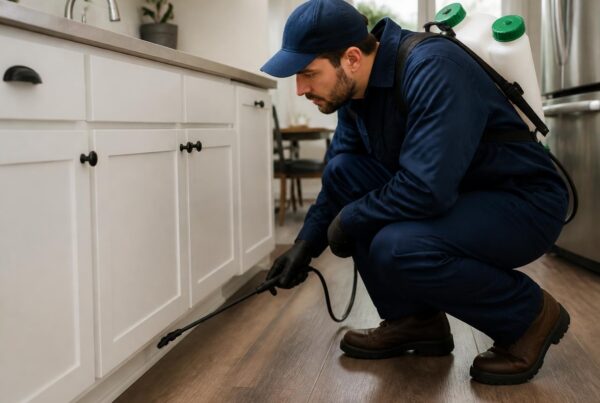
The kitchen represents the highest-risk area for pest activity in most homes. Cockroaches particularly thrive where food, water, and shelter converge. IPM strategies for kitchen protection include:
- Immediate cleanup of spills and crumbs
- Sealed containers for all dry goods and pet food
- Regular appliance cleaning behind and beneath refrigerators, stoves, and dishwashers
- Proper waste management with sealed garbage containers emptied frequently
- Plumbing repairs to eliminate water sources from leaky pipes
These cultural controls address the fundamental reasons pests invade kitchens. When combined with targeted baiting or growth regulators applied only where monitoring indicates activity, the approach delivers comprehensive control with minimal pesticide use.
Structural Vulnerabilities and Entry Points
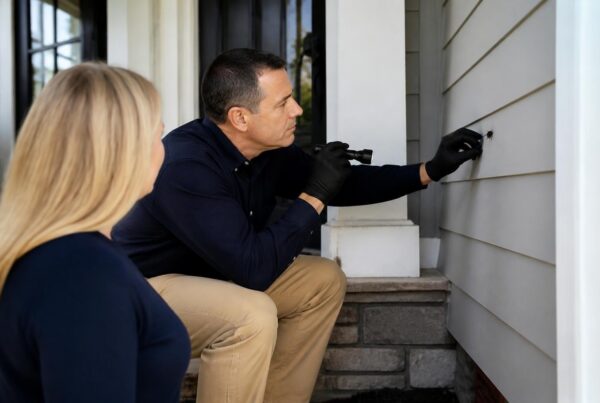
Most pest infestations begin with structural access. IPM pest management emphasizes exclusion as a primary defensive strategy. A thorough inspection identifies how pests enter and travel within structures.
Common entry points requiring attention:
- Gaps around utility penetrations (pipes, wires, cables)
- Damaged or missing weatherstripping on doors and windows
- Cracks in foundations or exterior walls
- Torn or absent vent screens
- Roof edge and soffit vulnerabilities
Sealing these access points provides permanent protection that doesn't degrade over time like chemical barriers. For rodent control in Richmond VA homes, exclusion work often proves more effective than any amount of baiting because it addresses the root cause rather than symptoms.
IPM Strategies for Commercial Properties
Commercial facilities face unique pest management challenges due to regulatory requirements, customer perceptions, and the potential for rapid pest population growth. IPM pest management in commercial settings demands systematic protocols and detailed documentation.
Documentation and Record-Keeping
Professional IPM programs maintain comprehensive records that track pest activity trends, intervention effectiveness, and compliance with regulations. This data-driven approach enables continuous improvement.
Essential documentation includes:
- Regular inspection reports with pest activity maps
- Treatment logs specifying products, locations, and application rates
- Monitoring device placement and check schedules
- Sanitation deficiency reports and corrective action tracking
- Pesticide resistance monitoring and product rotation schedules
The EPA’s Pesticide Product and Container Design Committee emphasizes documentation as critical for identifying resistance development early and adjusting IPM strategies accordingly. This proactive stance prevents treatment failures that result from repeated use of ineffective products.
Multi-Unit Housing and Property Management
Apartment complexes and condominiums present particular IPM challenges because individual unit conditions affect entire buildings. Successful programs require cooperation between property managers, residents, and pest management professionals.
For multifamily properties, IPM pest management protocols should establish:
- Tenant education programs explaining sanitation requirements and reporting procedures
- Lease provisions allowing access for inspections and treatments
- Building-wide monitoring to detect problems before they spread
- Coordinated treatments addressing multiple units simultaneously when necessary
- Preventive maintenance schedules for common areas and building systems
This collaborative approach recognizes that pest management in multifamily housing succeeds only when all stakeholders participate. Education transforms tenants from obstacles into partners who help identify problems early.
Biological and Mechanical Control Methods
Beyond sanitation and exclusion, IPM pest management incorporates control tactics that minimize chemical dependence. These methods prove particularly valuable in sensitive environments where pesticide restrictions apply.
Biological Controls in Pest Management
Biological control uses natural predators, parasites, or pathogens to manage pest populations. While more common in agricultural settings, certain biological controls have residential and commercial applications.
| Biological Agent | Target Pest | Application Method |
|---|---|---|
| Bacillus thuringiensis israelensis (Bti) | Mosquito larvae, fungus gnats | Applied to standing water or potting soil |
| Parasitic nematodes | Soil-dwelling grub larvae, fleas | Soil application in affected areas |
| Predatory mites | Spider mites in greenhouses | Release in infested plantings |
| Bacterial stomach poisons | Caterpillars, beetle larvae | Spray application to foliage |
These biological agents offer target-specific control with minimal non-target effects. Research published in peer-reviewed environmental journals demonstrates how integrating biological controls reduces pesticide impacts while maintaining effective pest suppression.
Physical and Mechanical Tactics
Physical controls remove, exclude, or destroy pests through non-chemical means. These methods provide immediate results without introducing substances into the environment.
- Trapping: Snap traps for rodents, glue boards for insects, live traps for wildlife
- Heat treatment: Thermal pest control for bed bugs and stored product pests
- Vacuuming: Physical removal of insects, egg cases, and allergens
- Water management: Eliminating standing water to control mosquitoes
- Cold treatment: Freezing infested materials or using cooling for stored product pests
For Richmond VA crawl space experts, physical barriers like vapor barriers and foundation vents represent mechanical controls that prevent moisture accumulation and subsequent pest colonization. This infrastructure investment delivers decades of pest prevention.
Chemical Controls Within the IPM Framework
When monitoring indicates pest populations exceed established thresholds and non-chemical methods prove insufficient, IPM pest management incorporates targeted pesticide applications. The key distinction lies in product selection, application precision, and integration with other tactics.
Least-Toxic Effective Products
IPM prioritizes reduced-risk pesticides that pose minimal threats to human health and the environment. University of California’s IPM program provides detailed guidance on selecting appropriate products based on target pest biology and site conditions.
Preferred product characteristics include:
- Low mammalian toxicity
- Target-specific modes of action
- Minimal environmental persistence
- Reduced risk to non-target organisms
- Favorable regulatory classifications
Bait formulations exemplify IPM-compatible pesticides because they deliver active ingredients only to target pests rather than broadly treating surfaces. Insect growth regulators interrupt reproduction without killing adult pests, reducing selection pressure for resistance.
Application Precision and Timing
Even reduced-risk products require strategic application for maximum effectiveness within IPM programs. Broadcast treatments represent the antithesis of IPM philosophy.
Strategic application considers:
- Pest biology and behavior: Treating where pests actually travel, feed, or harbor
- Property conditions: Addressing conducive conditions simultaneously
- Product characteristics: Matching formulations to application sites
- Timing: Synchronizing treatments with pest life stages or activity patterns
- Resistance management: Rotating chemical classes to prevent adaptation
NC State Extension’s IPM elements emphasize that judicious pesticide use within a comprehensive program extends product efficacy while minimizing resistance development. This approach protects both public health and the long-term viability of essential pest management tools.
Monitoring Systems and Threshold Determination
Effective IPM pest management depends on knowing when action becomes necessary. Action thresholds represent the population level at which pest presence causes unacceptable damage or health risk. These thresholds vary by pest species, property type, and stakeholder tolerance.
Establishing Appropriate Thresholds
Thresholds balance pest tolerance against intervention costs. In healthcare facilities, a single cockroach sighting might trigger immediate action due to sanitation requirements and patient vulnerability. In a warehouse storing non-food items, higher tolerance may be acceptable.
Factors influencing threshold decisions:
- Regulatory requirements and industry standards
- Health risks posed by specific pests
- Economic damage potential
- Property use and occupant sensitivity
- Seasonal pest activity patterns
- Historical infestation patterns
Professional pest management providers help property owners establish realistic thresholds based on these factors. This collaborative process ensures interventions occur at appropriate times without overreacting to minor pest presence.
Monitoring Device Placement and Maintenance
Systematic monitoring requires strategically placed devices checked on regular schedules. Device selection depends on target pests and monitoring objectives.
Common monitoring tools include:
- Sticky traps for flying insects and general pest activity assessment
- Pheromone traps for specific insect species detection
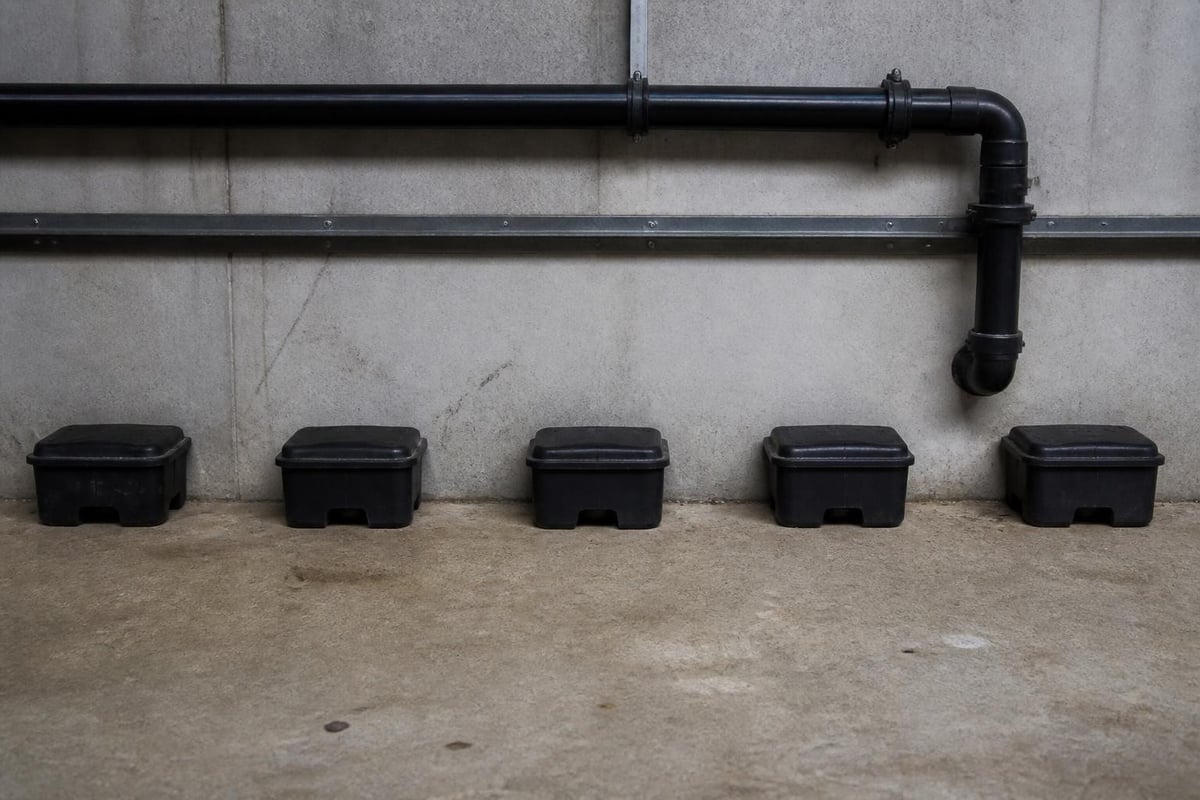
- Rodent monitoring stations with non-toxic attractants
- Insect light traps for flying pest quantification
- Temperature and humidity loggers for environmental conditions
Data from these devices inform treatment decisions and verify program effectiveness. Trend analysis reveals whether pest populations increase, decrease, or remain stable under current management strategies. This feedback loop enables continuous program refinement.
IPM for Specific Pest Categories in Richmond VA
Different pest groups require tailored IPM approaches that address their unique biology and behavior. Understanding these distinctions enables more effective management strategies for common Richmond VA pest challenges.
Termite Management Through IPM
Termites demand particular attention in Richmond VA due to the region's climate and construction practices. IPM pest management for termites begins with moisture control and wood-to-ground contact elimination.
Termite IPM components:
- Regular inspections focusing on conducive conditions
- Moisture management through proper drainage and ventilation
- Wood debris removal from around foundations
- Monitoring stations to detect activity before damage occurs
- Targeted treatments applied only where activity exists
Many Richmond homeowners benefit from crawl space services that address the moisture issues attracting termites. Encapsulation systems control humidity levels that otherwise promote termite activity and wood-destroying fungi, representing preventive IPM at its finest.
Rodent Control Using Integrated Methods
Rodent management exemplifies IPM principles because successful control absolutely requires combining multiple tactics. Baiting alone rarely solves rodent problems permanently.
| IPM Component | Rodent Application | Expected Outcome |
|---|---|---|
| Exclusion | Seal entry points 1/4 inch or larger | Prevents new infestations |
| Sanitation | Eliminate food sources and clutter | Reduces carrying capacity |
| Trapping | Mechanical capture devices | Removes existing populations |
| Habitat Modification | Trim vegetation, remove harborage | Decreases property attractiveness |
| Monitoring | Track activity with non-toxic stations | Detects problems early |
Richmond VA pest exterminators implementing comprehensive rodent IPM address attic insulation contaminated by rodent activity. Professional insulation services remove contaminated materials and install fresh insulation, eliminating attractants and improving home energy efficiency simultaneously.
Cockroach Management in Sensitive Environments
Cockroaches present significant health concerns because they transport pathogens and trigger allergies. IPM approaches emphasize sanitation and growth regulators over broad-spectrum insecticides.
Effective cockroach IPM strategies:
- Detailed inspections identifying harborage and food sources
- Rigorous sanitation protocols eliminating food, water, and shelter
- Targeted gel baiting in specific harborage locations
- Insect growth regulator applications preventing reproduction
- Exclusion work sealing gaps where cockroaches hide
This combination controls existing populations while preventing reinfestation. The WHO’s guidance on pesticide management emphasizes IPM's role in reducing health risks associated with both pests and pesticides, particularly important in environments where children or immunocompromised individuals spend time.
Technology and IPM Program Enhancement
Modern technology enhances IPM pest management through improved monitoring, data analysis, and communication. These tools strengthen program effectiveness while documenting compliance with industry standards.
Digital Monitoring and Reporting Systems
Contemporary pest management programs increasingly use connected devices that provide real-time pest activity data. Smart traps notify technicians when rodents are captured, allowing immediate follow-up rather than waiting for scheduled service visits.
Benefits of technology integration include:
- Continuous monitoring without physical site visits
- Trend analysis identifying patterns invisible to periodic inspections
- Automated reporting that maintains regulatory compliance documentation
- Client portals providing transparency into program activities
- Data-driven decision-making replacing subjective assessments
These systems support IPM principles by providing the comprehensive information needed for threshold-based interventions. Rather than treating on predetermined schedules, service occurs when monitoring data indicates necessity.
Integrated Surveillance for Early Detection
Building on research into plant health surveillance, pest management increasingly adopts proactive monitoring systems that detect infestations before visible damage occurs. Early detection allows intervention when populations remain small and management proves easier.
Advanced surveillance incorporates:
- Remote sensing technologies detecting conditions conducive to pest development
- Predictive modeling forecasting pest emergence based on weather patterns
- Automated identification systems recognizing pest species from images
- Geographic information systems mapping pest distributions across properties
- Data sharing platforms alerting stakeholders to emerging threats
While primarily developed for agricultural applications, these technologies increasingly find use in structural pest management, particularly for large commercial properties or multi-site accounts requiring consistent protocols.
Training and Expertise Requirements
Successful IPM pest management implementation demands specialized knowledge that extends beyond basic pesticide application. Professionals must understand pest biology, building construction, environmental science, and integrated control strategies.
Professional Certification and Continuing Education
Most states require pest management professionals to obtain licenses demonstrating competency in safe pesticide use and pest biology. Advanced IPM programs often seek technicians with additional certifications in specialized areas.
Valuable professional credentials include:
- State-specific pesticide applicator licenses
- National Pest Management Association certifications
- Board-certified entomologists (BCE) designations
- Public health pest management certifications
- Structural pest inspector qualifications
Ongoing education ensures professionals stay current with emerging pests, new management strategies, and evolving regulations. IPM pest management continually evolves as research reveals more effective approaches and environmental concerns drive innovation toward reduced-risk solutions.
Customer Education as IPM Component
Property owners represent critical partners in IPM programs. Without understanding their role in sanitation, exclusion, and reporting, even the best professional interventions produce limited results.
Effective customer education addresses:
- How to recognize early signs of pest activity
- Sanitation practices that prevent infestations
- Why comprehensive approaches outperform chemical-only treatments
- Realistic expectations for pest management outcomes
- Reporting protocols for suspected pest problems
Richmond VA homeowners working with knowledgeable pest control providers learn that addressing conducive conditions delivers better results than recurring treatments alone. This partnership approach exemplifies IPM's collaborative nature.
Economic Benefits of IPM Adoption
While some perceive IPM pest management as more expensive than conventional approaches, comprehensive analysis reveals significant economic advantages. These benefits accrue through reduced pesticide purchases, fewer emergency treatments, and prevention of costly damage.
Long-Term Cost Advantages
Initial IPM implementation may require greater investment in inspections, exclusion work, and monitoring systems. However, these upfront costs generate returns through sustained pest prevention.
| Cost Factor | Conventional Approach | IPM Approach | Long-Term Advantage |
|---|---|---|---|
| Service frequency | Scheduled treatments regardless of need | Threshold-based interventions | Reduced unnecessary services |
| Product costs | Higher volumes applied broadly | Targeted applications of specific products | Lower material consumption |
| Damage repair | Reactive repairs after problems escalate | Preventive measures stopping problems early | Avoided major repairs |
| Health impacts | Greater pesticide exposure risks | Minimized exposure through product selection | Reduced liability and healthcare costs |
For commercial properties, IPM programs often reduce overall pest management costs by 20-30% over three to five years while delivering superior control. Prevention costs less than reaction.
Property Value Protection
Pest infestations and the damage they cause significantly impact property values. Termite damage alone costs American property owners billions annually. IPM pest management protects real estate investments through early detection and prevention.
Prospective buyers increasingly request pest inspection reports and documentation of preventive measures. Properties with established IPM programs, particularly those addressing structural vulnerabilities like moisture-prone crawl spaces, command premium prices in competitive markets.
Richmond VA homeowners investing in comprehensive pest prevention through professional services protect both immediate comfort and long-term property values. This dual benefit makes IPM a sound financial decision beyond pest control considerations.
Regulatory Compliance and IPM Standards
Government agencies and industry organizations increasingly mandate or recommend IPM approaches for pest management in regulated environments. Understanding these requirements ensures compliance while promoting best practices.
Federal and State IPM Requirements
The U.S. government requires IPM in federal facilities and encourages adoption across all sectors. State regulations vary, with some jurisdictions mandating IPM for schools, healthcare facilities, and childcare centers.
Regulatory landscape includes:
- Federal facility requirements for IPM implementation
- State-specific school IPM laws requiring notification and reduced-risk products
- Healthcare facility standards emphasizing environmental safety
- Organic certification requirements prohibiting synthetic pesticides
- Green building certifications rewarding IPM adoption
These regulations recognize that IPM pest management balances effective control with human health protection. Compliance often requires documentation demonstrating that non-chemical methods were considered before pesticide applications.
Industry Best Practices and Standards
Professional pest management associations promote IPM as the industry standard. These organizations develop training programs, certification criteria, and ethical guidelines supporting science-based practices.
Leading organizations advancing IPM include:
- National Pest Management Association IPM standards
- Green Shield Certified pest management criteria
- Integrated Pest Management Institute of North America
- State pest control associations promoting advanced protocols
- University extension programs providing research-based guidance
Companies achieving third-party IPM certifications differentiate themselves in competitive markets. These credentials assure customers that services follow verified protocols rather than unsubstantiated marketing claims.
Adapting IPM to Seasonal Pest Pressures
Richmond VA's climate produces distinct seasonal pest patterns requiring adaptive IPM strategies. Understanding these cycles enables proactive interventions that prevent problems rather than reacting after infestations establish.
Spring and Summer Pest Activity
Warming temperatures trigger increased activity from numerous pest species. IPM pest management during warm months emphasizes exclusion and habitat modification before populations explode.
Spring/summer priorities:
- Inspect and seal entry points before flying insects become active
- Address moisture issues before mosquito breeding season
- Install or service screening on windows and doors
- Trim vegetation away from structures to reduce pest bridges
- Monitor for early signs of stinging insect nest construction
Proactive spring preparations significantly reduce summer pest pressure. Property owners scheduling comprehensive inspections in March or April position themselves for comfortable warm-weather months.
Fall and Winter Pest Considerations
Cooling temperatures drive pests indoors seeking warmth and shelter. Rodents, Asian lady beetles, stink bugs, and cluster flies attempt overwintering inside structures as outdoor conditions deteriorate.
Fall/winter IPM focuses on:
- Sealing potential rodent entry points before winter drives populations indoors
- Removing leaf litter and debris that harbors overwintering pests
- Inspecting attics and crawl spaces for pest activity signs
- Addressing gaps around utility lines where insects enter
- Monitoring interior spaces for unexpected pest activity
Richmond VA winters remain mild enough that some pest activity continues year-round. Comprehensive IPM programs maintain vigilance through all seasons rather than assuming winter provides respite.
Measuring IPM Program Success
Effective pest management requires quantifiable metrics demonstrating program performance. These measurements guide continuous improvement while providing accountability to stakeholders.
Key Performance Indicators
IPM pest management success extends beyond simple pest counts. Comprehensive evaluation considers multiple factors reflecting program quality and effectiveness.
Important metrics include:
- Pest sighting frequency compared to baseline
- Percentage of monitoring devices showing pest activity
- Number of pesticide applications per year
- Complaint or service request volume trends
- Sanitation and maintenance deficiency correction rates
- Client satisfaction scores and retention rates
Tracking these indicators over time reveals whether programs meet objectives or require adjustment. Declining pest activity coupled with reduced pesticide use demonstrates successful IPM implementation.
Continuous Program Refinement
The iterative nature of IPM pest management demands regular program review and modification. What works during one season or in one area may require adaptation as conditions change.
Program refinement involves:
- Quarterly data review identifying trends and anomalies
- Annual strategy assessment evaluating overall program direction
- Stakeholder feedback incorporating user experiences and concerns
- Technology evaluation considering new tools and methods
- Training updates ensuring staff knowledge remains current
This commitment to improvement distinguishes professional IPM programs from static conventional pest control. Flexibility allows responses to emerging pests, changing property conditions, and evolving stakeholder priorities.
IPM pest management represents the future of effective, sustainable pest control by combining scientific knowledge, practical prevention, and targeted interventions that protect both people and property. Richmond VA homeowners and businesses benefit from this comprehensive approach through reduced pesticide exposure, lower long-term costs, and superior pest prevention that addresses problems at their source rather than simply treating symptoms. Whether you're dealing with current pest challenges or want to prevent future infestations, SanPro delivers professional pest control, crawl space, and insulation services built on IPM principles that keep your property protected year-round.