Termite fumigation represents one of the most comprehensive and effective solutions for severe termite infestations, yet understanding the financial investment required can feel overwhelming for Richmond VA homeowners. The cost of termite fumigation varies significantly based on multiple factors, from your home's size to the extent of the infestation, making it essential to understand what drives these expenses before committing to treatment. Whether you're dealing with drywood termites that require whole-structure fumigation or exploring alternatives for subterranean species, having a clear picture of pricing expectations helps you make informed decisions about protecting your property investment.
Understanding Termite Fumigation Pricing Factors
The cost of termite fumigation isn't a one-size-fits-all figure. Multiple variables influence the final price tag, and recognizing these elements helps homeowners budget appropriately for this significant pest control investment.
Home Size and Square Footage
Square footage stands as the primary cost driver for fumigation services. Larger homes require more fumigant, additional tent material, and extended labor hours to complete the treatment process effectively.
Typical pricing structure by home size:
- Homes under 1,250 square feet: $1,200-$2,500
- Homes 1,250-2,500 square feet: $2,000-$4,000
- Homes 2,500-3,500 square feet: $3,500-$6,000
- Homes over 3,500 square feet: $6,000-$10,000+
Professional pest control companies in Richmond VA calculate costs based on cubic footage rather than just floor space. This measurement accounts for ceiling height, multiple stories, and architectural complexity. A two-story colonial home with high ceilings requires significantly more fumigant than a single-story ranch with identical square footage.
Infestation Severity and Location
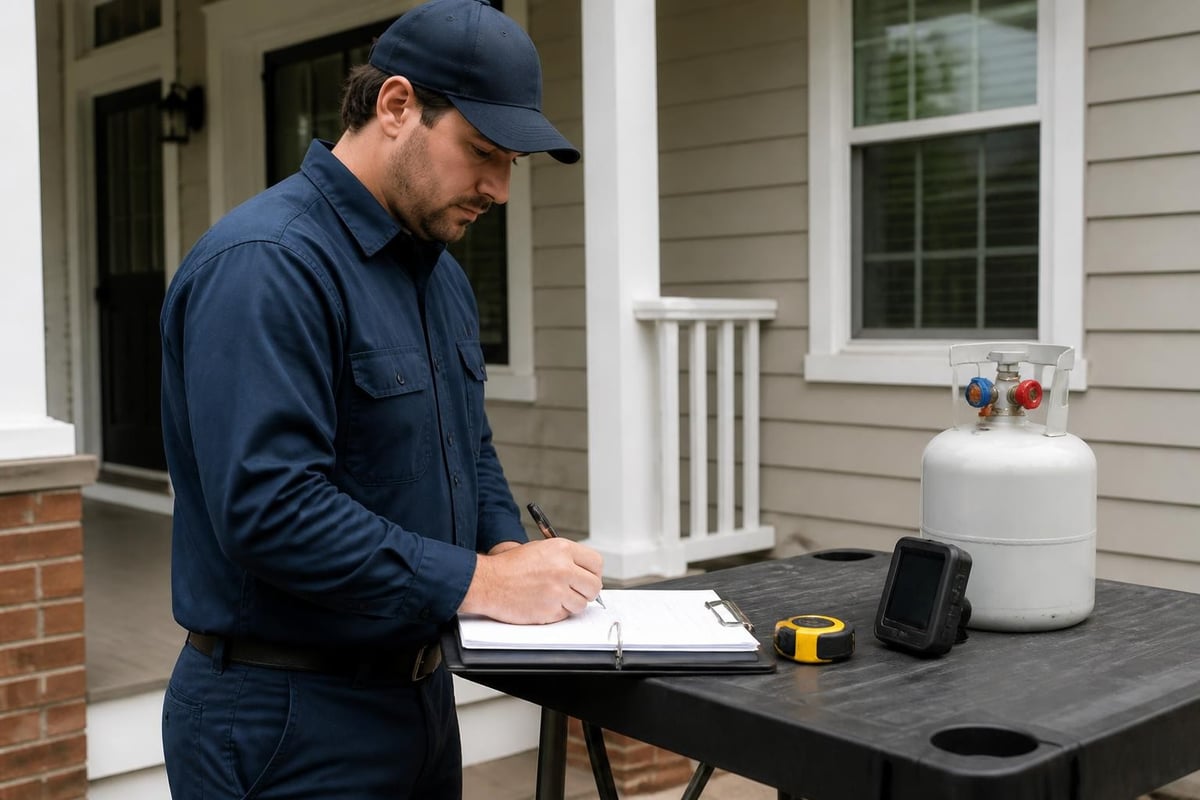
The extent of termite activity directly impacts treatment complexity and duration. Light infestations confined to a single area may not require full-structure fumigation, while severe widespread damage necessitates comprehensive treatment.
Accessibility also matters considerably. Termites in easily accessible wall voids differ from colonies embedded deep within structural timbers or concrete foundations. Termite treatment costs vary based on how difficult the infestation is to reach and eliminate completely.
Richmond VA homes with crawl spaces present unique challenges. Moisture issues in these areas often attract termites, requiring both fumigation and underlying structural remediation to prevent future infestations.
Geographic Location and Market Rates
Regional pricing variations reflect local market conditions, competition levels, and state licensing requirements. Richmond VA homeowners typically pay within the mid-Atlantic regional average, though specific neighborhoods may experience price fluctuations based on service provider availability.
Labor costs in metropolitan areas generally exceed those in rural regions. Additionally, state regulations governing fumigant application, licensing requirements, and environmental safety protocols influence the overall cost structure.
Types of Termite Treatment Methods and Their Costs
Not all termite problems require full fumigation. Understanding various treatment methods helps homeowners select the most cost-effective solution for their specific situation.
Tent Fumigation for Drywood Termites
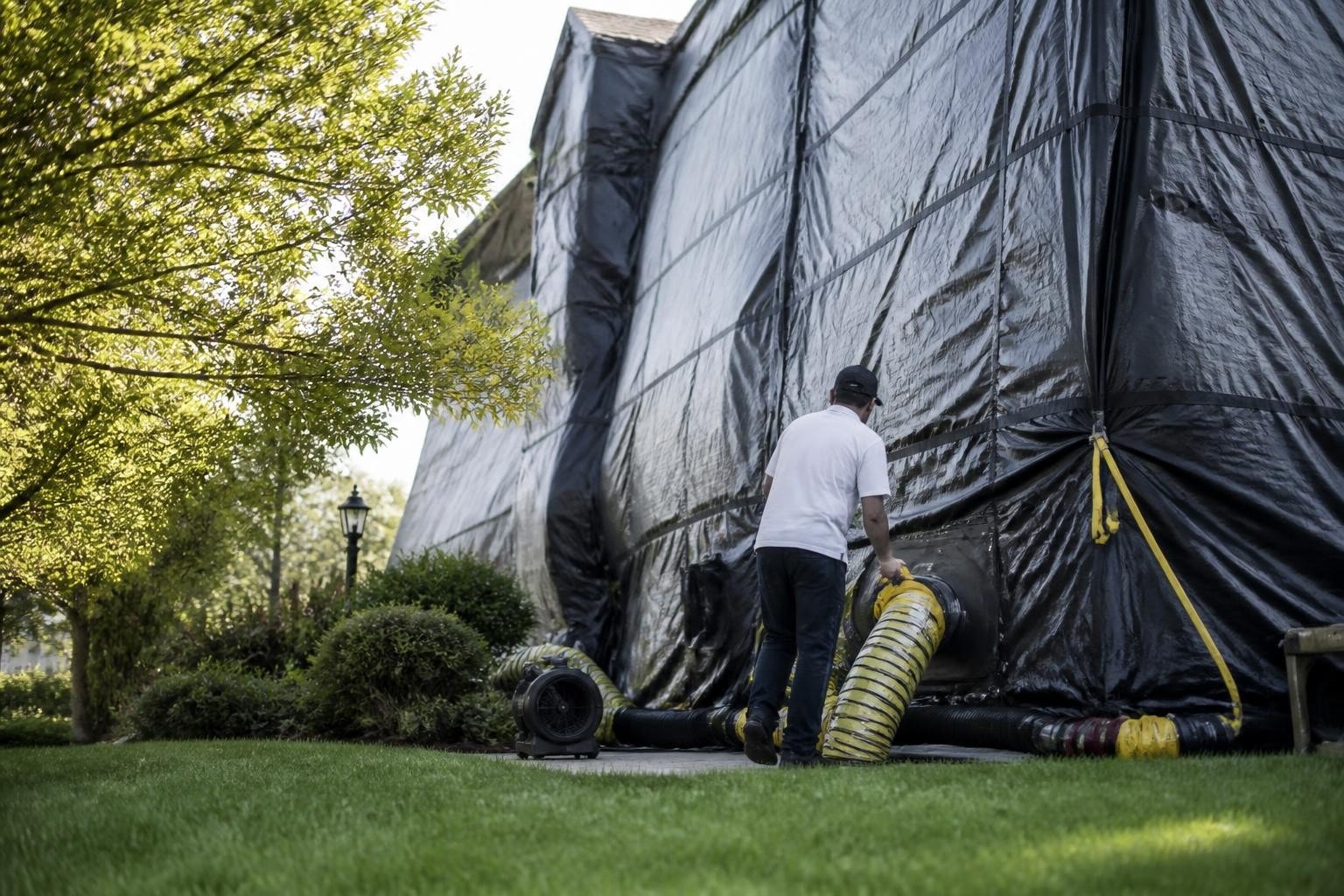
Whole-structure fumigation, commonly called "tenting," represents the most comprehensive termite elimination method. The termite tenting process involves sealing your entire home under a specialized tent and introducing sulfuryl fluoride gas that penetrates all wood surfaces.
This method proves particularly effective for drywood termite infestations that have spread throughout multiple areas of your home. The gas reaches every crack, crevice, and void where termites hide, eliminating colonies that other treatments might miss.
Average tent fumigation costs in 2026:
| Home Size | Cost Range | Treatment Duration |
|---|---|---|
| 1,000-1,500 sq ft | $1,800-$3,200 | 24-48 hours |
| 1,500-2,000 sq ft | $2,500-$4,200 | 48-72 hours |
| 2,000-3,000 sq ft | $4,000-$6,500 | 72-96 hours |
| 3,000+ sq ft | $6,500-$12,000 | 96+ hours |
The comprehensive nature of fumigation makes it the gold standard for eliminating drywood termites completely.
Liquid Barrier Treatments
Liquid termiticide applications create a protective barrier around your home's foundation. Professional exterminators in Richmond VA drill into concrete slabs or trench around the perimeter, then apply termiticide that repels or kills termites attempting to enter your structure.
This method works exceptionally well for subterranean termite prevention and treatment. The barrier remains effective for 5-10 years depending on soil conditions and product quality.
Cost breakdown for liquid treatments:
- Small homes (under 1,500 sq ft): $700-$1,500
- Medium homes (1,500-2,500 sq ft): $1,200-$2,800
- Large homes (2,500-4,000 sq ft): $2,500-$5,000
- Additional reapplication every 5-7 years: 60-70% of initial cost
Termite Baiting Systems
Baiting systems use strategically placed monitoring stations containing cellulose material that attracts termites. Once activity is detected, pest control professionals replace the monitoring devices with bait stations containing slow-acting toxins that termites carry back to their colonies.
- Initial installation: $1,200-$3,000
- Annual monitoring and maintenance: $300-$500
- Bait station replacements: $50-$150 per station
This method requires patience but provides ongoing protection once installed.
Additional Costs Beyond the Treatment Itself
The cost of termite fumigation extends beyond the extermination service. Homeowners must budget for preparation, accommodation, and potential structural repairs that fumigation reveals.
Pre-Fumigation Preparation Expenses
Before fumigation begins, you'll need to complete several preparatory steps that may incur additional costs:
Food and medication removal: All consumables, pharmaceuticals, and pet food must be removed or double-sealed in specialized Nylofume bags. Some pest control companies provide bags, while others charge $50-$150 for adequate supplies.
Plant protection: Landscaping near your home's perimeter requires covering or temporary removal. Professional landscaping services may charge $200-$500 for protection and restoration.
Utility coordination: Gas companies must turn off and later reconnect service, typically costing $50-$100 per visit.
Temporary Housing Arrangements
Fumigation requires vacating your home for 24-72 hours depending on structure size. Accommodation costs vary based on your family size and preferences:
- Budget hotel: $80-$150 per night
- Mid-range hotel: $150-$250 per night
- Staying with family or friends: Minimal cost
- Pet boarding: $30-$75 per night per pet
Richmond VA homeowners should factor these expenses into their total fumigation budget, potentially adding $300-$600 for a typical 2-3 night displacement.

Structural Repair Costs
Fumigation eliminates termites but doesn't repair the damage they've caused. Post-treatment inspections often reveal structural issues requiring professional remediation:
| Repair Type | Average Cost Range |
|---|---|
| Floor joist replacement | $2,000-$6,000 |
| Wall stud repair | $1,500-$4,500 |
| Subflooring replacement | $1,800-$5,500 |
| Support beam reinforcement | $3,000-$8,000 |
| Cosmetic drywall repair | $500-$2,000 |
Comprehensive pest control services often include post-fumigation inspections that identify necessary repairs, helping homeowners prioritize structural work based on safety and budget constraints.
How to Get Accurate Fumigation Quotes
Obtaining precise cost estimates requires thorough professional inspections and detailed communication with pest control providers.
The Professional Inspection Process
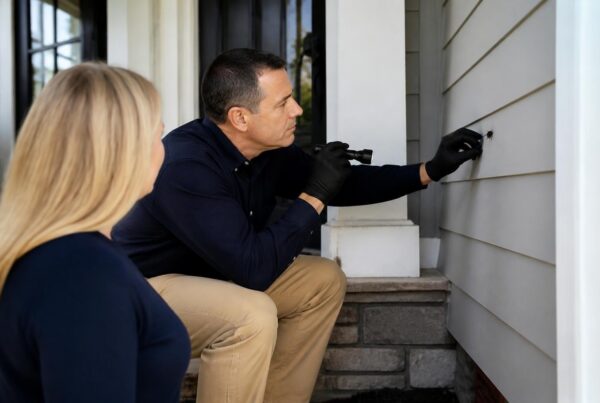
Reputable pest exterminators in Richmond VA conduct comprehensive inspections before providing fumigation quotes. This examination includes:
- Visual assessment of all accessible areas including attics, basements, and crawl spaces
- Moisture readings to identify conditions conducive to termite activity
- Probe testing of wood members to assess structural integrity
- Species identification to determine the most effective treatment method
- Detailed measurement of your home's cubic footage
Professional inspections typically cost $75-$150, though many companies waive this fee if you proceed with their treatment services.
Questions to Ask Pest Control Companies
When comparing fumigation quotes, ask these essential questions to ensure accurate pricing:
- What specific fumigant will you use, and why?
- Does the quote include preparation materials like Nylofume bags?
- What warranty or guarantee accompanies the treatment?
- Are follow-up inspections included in the quoted price?
- What additional costs might arise during treatment?
- How long has your company served Richmond VA?
- Are your technicians state-licensed and insured?
Comparing Multiple Estimates
Obtain at least three detailed quotes from licensed pest control providers. Understanding termite treatment costs helps you identify fair pricing versus potential overcharges or suspiciously low bids.
Red flags when reviewing estimates:
- Quotes significantly below market average (potential inexperience or hidden fees)
- Pressure tactics demanding immediate commitment
- Lack of detailed written documentation
- No mention of licensing, insurance, or warranties
- Inability to explain treatment methodology clearly
Insurance, Warranties, and Long-Term Cost Considerations
Understanding coverage options and ongoing protection plans helps homeowners manage termite-related expenses beyond initial treatment.
Homeowners Insurance Coverage
Most standard homeowners insurance policies explicitly exclude termite damage coverage, considering it a preventable maintenance issue rather than sudden catastrophic loss. However, some scenarios may provide coverage:
Covered situations:
- Damage caused by termites entering through plumbing leaks (the water damage may be covered)
- Structural collapse if the cause qualifies as a covered peril
- Supplemental pest damage riders (available through specialized insurers)
Typically excluded:
- Routine termite damage from undetected infestations
- Fumigation treatment costs
- Preventative treatments and inspections
Richmond VA homeowners should review their policies carefully and consider whether specialized termite coverage justifies the additional premium costs.
Treatment Warranties and Guarantees
Professional pest control companies typically offer warranty coverage ranging from one to five years, depending on treatment type and ongoing maintenance agreements:
| Warranty Type | Coverage Period | Typical Terms |
|---|---|---|
| Fumigation guarantee | 1-2 years | Retreatment if termites return |
| Liquid barrier warranty | 5-10 years | Annual inspections required |
| Baiting system protection | Ongoing | With annual monitoring contract |
Read warranty terms carefully. Most require annual inspections and may exclude coverage if you modify your home's structure without notification.
Annual Inspection and Prevention Programs
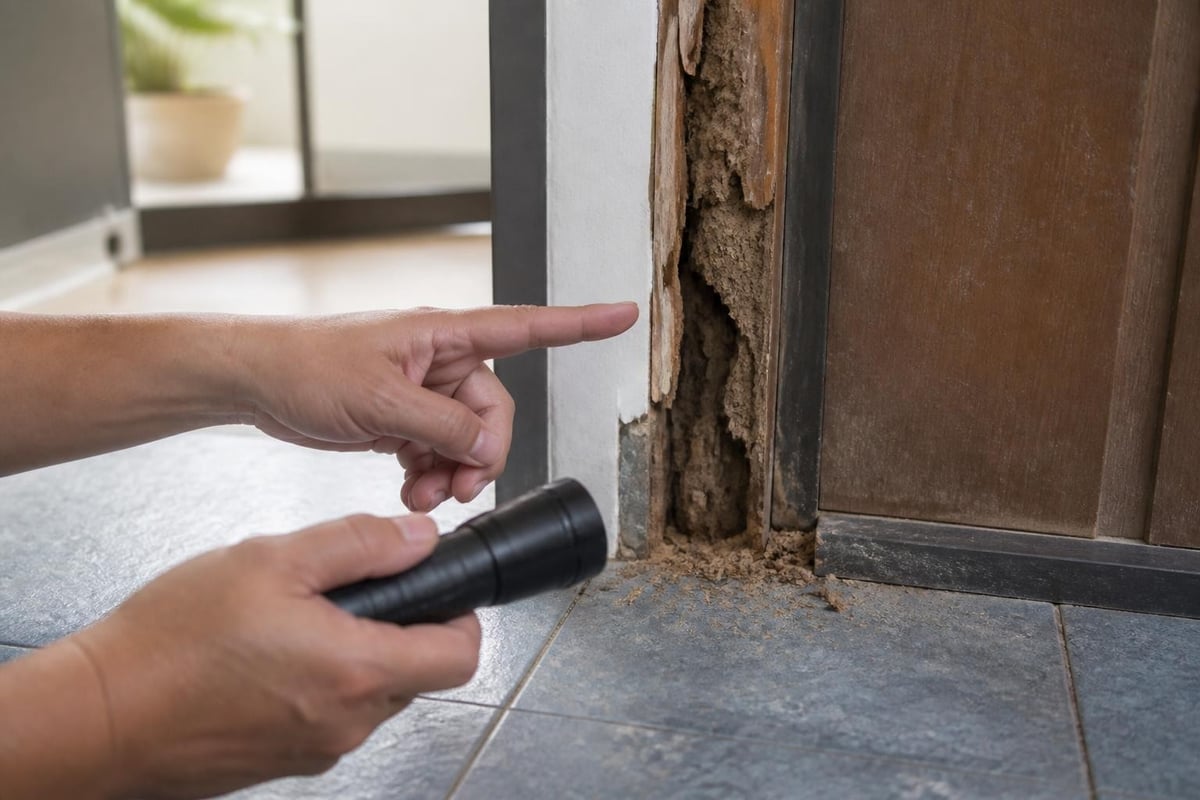
Investing in annual termite inspections costs $75-$150 but provides significant long-term value by detecting infestations early when treatment costs remain minimal. Many Richmond VA pest control experts offer bundled programs combining:
- Annual comprehensive inspections
- Moisture monitoring in vulnerable areas
- Minor barrier touch-ups as needed
- Priority scheduling if treatment becomes necessary
- Discounted rates on future services
These programs typically cost $200-$500 annually but can save thousands in emergency fumigation expenses.
Regional Cost Variations in Richmond VA
Local market conditions significantly influence termite treatment pricing throughout the Richmond metropolitan area.
Richmond Market Pricing Trends
The Richmond VA pest control market features competitive pricing due to numerous established providers serving the region. Average fumigation costs align with mid-Atlantic regional norms, generally falling in the middle range of national pricing:
- Richmond city proper: Slightly higher due to accessibility challenges and older housing stock
- Suburban counties (Henrico, Chesterfield): Average regional pricing
- Rural areas (Powhatan, Goochland): Potentially higher due to travel distances
Seasonal demand fluctuations affect availability and pricing. Spring and early summer represent peak termite swarming seasons when service requests surge. Scheduling fumigation during fall or winter may yield modest discounts from providers seeking to maintain steady workflow.
Property Type Considerations
Different property types present unique fumigation challenges affecting final costs:
Single-family homes: Standard pricing based on square footage and construction type. Colonial and craftsman-style homes common throughout Richmond typically fall within average cost ranges.
Townhomes and condominiums: Fumigation requires coordinating with adjacent units and homeowners associations. Shared walls may necessitate treating multiple units simultaneously, potentially distributing costs among affected owners.
Historic properties: Richmond's numerous historic homes require specialized approaches respecting architectural preservation guidelines. Treatment costs for these structures may exceed standard rates by 20-40% due to complexity and specialized expertise required.
Commercial buildings: Business properties require after-hours treatment to minimize operational disruption, potentially increasing labor costs by 30-50%.
DIY vs Professional Fumigation: True Cost Analysis
While homeowners can purchase some termite treatment products, fumigation specifically requires professional expertise and licensing.
Legal and Safety Restrictions
Virginia state law prohibits homeowners from purchasing or applying structural fumigants like sulfuryl fluoride. These highly toxic gases require:
- State-issued pesticide applicator licenses
- Specialized safety equipment and training
- Proper ventilation and monitoring equipment
- Liability insurance protecting against exposure incidents
Attempting DIY fumigation isn't just ineffective-it's illegal and extremely dangerous. Even minor mistakes can result in toxic exposure, property damage, or death.
Over-the-Counter Treatment Limitations
Consumer-grade termite products available at hardware stores include:
- Foam termiticides: $20-$50 per canister
- Liquid concentrates: $40-$100 per gallon
- Bait stakes: $8-$25 per stake
These products may address very minor, localized termite activity but cannot eliminate established colonies or widespread infestations. Homeowners who attempt DIY treatments often discover the infestation persists, ultimately requiring professional intervention anyway-resulting in paying twice.
Professional Value Proposition
Licensed pest control professionals bring expertise, equipment, and guarantees that DIY approaches cannot match:
Professional advantages:
- Accurate species identification ensuring appropriate treatment selection
- Access to commercial-grade products unavailable to consumers
- Proper application techniques maximizing effectiveness
- Warranty coverage if termites return
- Liability insurance protecting your property
- Compliance with local building and safety codes
The cost of termite fumigation through professionals provides peace of mind and genuine resolution rather than temporary, incomplete fixes.
Financing Options and Cost-Saving Strategies
Managing fumigation expenses becomes more feasible when homeowners explore available financing and strategic planning options.
Payment Plans and Financing Programs
Many pest control companies recognize that fumigation represents a significant unexpected expense. They offer various payment arrangements:
In-house payment plans: Interest-free installment plans spreading costs over 3-12 months. Typical terms require 20-30% down payment with monthly installments.
Third-party financing: Companies partner with lenders offering longer-term financing at competitive interest rates. Termite fumigation costs can be financed over 12-60 months depending on credit qualification.
Home equity options: Homeowners with sufficient equity might secure home equity lines of credit (HELOCs) offering lower interest rates than personal loans.
Credit cards: Some providers accept major credit cards, allowing homeowners to utilize existing credit lines or earn rewards points, though interest rates typically exceed specialized financing options.
Bundled Service Discounts
Pest control companies often provide package pricing for multiple services:
- Termite treatment combined with annual pest control contracts: 10-15% savings
- Simultaneous treatment of multiple pest issues: 15-20% combined discount
- Referral credits: $50-$200 off for customer referrals
- Senior or military discounts: 5-10% reductions
Strategic Timing Considerations
Scheduling flexibility can yield cost savings:
Off-season scheduling: Booking fumigation during winter months when demand decreases may result in 10-15% discounts.
Group neighborhood treatments: If multiple nearby homes need fumigation, coordinating simultaneous treatments reduces mobilization costs that companies may pass along as savings.
Preventative timing: Addressing termite activity early, before extensive damage occurs, minimizes both treatment complexity and necessary repairs.
The Relationship Between Home Value and Termite Treatment
Real estate transactions frequently intersect with termite concerns, making fumigation costs a significant consideration for buyers and sellers alike.
Pre-Sale Termite Inspections
Most mortgage lenders require termite inspections before finalizing home purchases. If inspectors discover active infestations or significant damage, resolution becomes a transaction condition.
Typical scenarios:
- Seller pays for treatment before closing
- Purchase price reduces by treatment cost amount
- Buyer assumes responsibility with negotiated credit
- Transaction cancels if damage exceeds acceptable thresholds
Working with experienced real estate professionals like Wendy Dean, Esq. Realtor and Associate Broker helps navigate these negotiations effectively, ensuring termite issues don't derail otherwise favorable transactions.
Impact on Property Values
Documented termite history affects property marketability and value:
Negative impacts:
- Untreated infestations: 3-5% value reduction
- Significant structural damage: 10-25% value reduction
- History of repeated infestations: Buyer hesitation even with treatment
Positive factors:
- Recent professional treatment with transferable warranty: Minimal to no impact
- Comprehensive prevention systems: Potential selling point demonstrating proactive maintenance
- Complete structural repairs: Full value restoration
Termite Bonds for Real Estate Transactions
Some pest control companies offer termite bonds-ongoing service contracts providing annual inspections and treatment guarantees. These bonds typically cost $300-$600 annually and can transfer to new property owners, making homes more attractive to buyers who value long-term protection.
What to Expect During the Fumigation Process
Understanding the fumigation timeline and requirements helps homeowners prepare adequately and avoid unexpected complications.
Pre-Treatment Preparation Timeline
Professional pest control companies provide detailed preparation checklists 1-2 weeks before scheduled fumigation:
7-10 days before:
- Schedule utility disconnections
- Arrange temporary housing
- Notify neighbors of fumigation dates
- Begin packing perishable items
2-3 days before:
- Remove or double-bag all food, medicine, and pet supplies
- Trim vegetation touching exterior walls
- Unlock all interior doors and close exterior entries
- Remove plants within three feet of the structure
Day before:
- Complete final interior preparation
- Secure pets with boarding facilities
- Verify accommodation reservations
Treatment Day and Duration
Fumigation itself follows a structured process:
- Tent installation (4-8 hours): Crews position tarps covering your entire structure, securing them with sandbags and weights
- Fumigant introduction (2-4 hours): Professionals release calculated amounts of sulfuryl fluoride throughout the structure
- Exposure period (24-72 hours): Gas penetrates all wood members, eliminating termites in every life stage
- Aeration (4-8 hours): Professionals ventilate your home, clearing fumigant to safe levels
- Clearance testing: Air quality monitoring confirms safety before reentry authorization
Total displacement typically ranges from 48-96 hours depending on home size and complexity.
Post-Fumigation Considerations
After receiving clearance to return home:
- Expect a slight odor that dissipates within days
- Open windows for additional ventilation
- Wipe down surfaces before placing food items
- Schedule follow-up inspection within 2-3 weeks
- Monitor for any remaining termite activity over subsequent months
Some homeowners experience temporary minor odors or residue, but professional fumigation leaves no lasting chemical presence when performed correctly.
Protecting Your Investment After Treatment
Fumigation eliminates existing termites but doesn't prevent future infestations. Ongoing vigilance and preventative measures protect your investment long-term.
Moisture Control Strategies
Termites thrive in moist environments, making moisture management essential for prevention:
Critical moisture control areas:
- Repair leaking pipes, faucets, and water heaters promptly
- Ensure proper drainage away from foundations
- Maintain gutters and downspouts directing water away from structures
- Address crawl space moisture issues through proper ventilation or encapsulation
- Use dehumidifiers in basements and crawl spaces
- Fix roof leaks immediately
Richmond VA's humid summers create ideal termite conditions. Controlling indoor humidity below 50% significantly reduces termite attraction.
Regular Maintenance Inspections
Annual professional inspections remain the most effective early detection method:
- Visual examination of accessible areas
- Probe testing of suspicious wood members
- Moisture readings in vulnerable locations
- Exterior perimeter inspection for mud tubes
- Documentation for warranty compliance
Between professional visits, homeowners should conduct quarterly visual checks focusing on foundation perimeters, basement areas, and wood-to-soil contact points.
Preventative Modifications
Structural modifications reduce future termite risk:
High-priority improvements:
- Remove wood debris, stumps, and lumber stored against foundations
- Replace damaged wood siding or trim promptly
- Install physical barriers between soil and wood structural members
- Apply fresh mulch away from foundation walls (12-inch minimum gap)
- Seal foundation cracks and gaps around utilities
- Ensure crawl space ventilation meets building codes
These modifications require modest investments but provide substantial long-term protection, potentially eliminating the need for repeat fumigation treatments.
Understanding Alternative Treatment Methods
While fumigation provides comprehensive termite elimination, specific circumstances may warrant alternative approaches worth considering.
Spot Treatments and Localized Applications
When termite activity remains confined to accessible areas, targeted treatments offer cost-effective solutions:
Wood injections: Drilling into infested timbers and injecting termiticide directly costs $5-$25 per linear foot. This method works well for localized drywood termite colonies in exposed beams or framing members.
Foam applications: Expanding foam termiticides fill wall voids and inaccessible spaces, costing $3-$8 per linear foot. These treatments complement other methods but rarely provide standalone solutions for significant infestations.
Heat treatments: Raising affected areas to 120-130°F for several hours kills termites without chemicals. Costs range from $1-$3 per square foot, making this method comparable to fumigation for whole-structure applications.
Subterranean Termite Alternatives
Richmond VA homes more commonly face subterranean rather than drywood termites. These species respond well to non-fumigation methods:
Liquid soil treatments create protective barriers preventing colony access to structures. Professional applications cost $1,200-$3,000 depending on home size and typically provide 5-10 years protection.
Monitoring and baiting systems detect termite activity early and eliminate colonies through slow-acting toxins workers carry back to nests. Initial installation costs $1,500-$3,000 with annual monitoring fees of $300-$500.
These alternatives often prove more cost-effective than fumigation when dealing with subterranean species, though drywood termites typically require fumigation for complete elimination.
Integrated Pest Management Approaches
Combining multiple treatment methods often provides optimal results:
- Initial liquid barrier treatment establishing perimeter protection
- Strategic baiting stations in high-risk areas
- Regular monitoring detecting activity before extensive damage occurs
- Immediate spot treatments addressing localized infestations
- Environmental modifications reducing moisture and wood-to-soil contact
This comprehensive approach distributes costs over time while maintaining continuous protection, potentially costing less long-term than repeated fumigation treatments.
Making Informed Decisions About Termite Fumigation
Understanding the complete financial picture empowers homeowners to choose appropriate termite solutions matching their circumstances and budgets.
When Fumigation Makes Sense
Specific situations clearly justify fumigation despite higher initial costs:
Compelling fumigation scenarios:
- Widespread drywood termite infestations affecting multiple areas
- Inaccessible infestations within walls, attics, or structural voids
- Time-sensitive situations requiring complete elimination before real estate transactions
- Severe infestations where other methods risk incomplete eradication
- Historical treatment failures with alternative methods
When Alternatives Deserve Consideration
Other situations favor exploring less expensive treatment options:
Alternative-appropriate scenarios:
- Confirmed subterranean termite species
- Localized activity in accessible areas
- Budget constraints limiting immediate fumigation feasibility
- Preventative situations without confirmed active infestations
- New construction allowing preventative barrier installation
Getting Started with Professional Assessment
Regardless of which treatment path seems appropriate, professional evaluation remains essential. Licensed pest control experts in Richmond VA provide:
- Accurate species identification
- Honest assessment of infestation extent
- Multiple treatment option presentations with transparent pricing
- Customized recommendations based on your specific situation
- Written estimates facilitating informed decision-making
The cost of termite fumigation represents a significant investment, but protecting your home's structural integrity and property value justifies the expense when circumstances warrant comprehensive treatment. Understanding all termite treatment options ensures you select the most effective solution for your situation.
For homeowners planning moves after addressing termite issues, coordinating fumigation timing with relocation schedules proves beneficial. Professional movers like US Prime Movers can work around fumigation schedules, ensuring your belongings remain protected during treatment while facilitating smooth transitions to your next residence.
Understanding the cost of termite fumigation helps Richmond VA homeowners budget appropriately and make informed decisions about protecting their properties from these destructive pests. Whether you're facing an active infestation or seeking preventative solutions, professional assessment provides the foundation for effective treatment planning. SanPro specializes in comprehensive termite control services throughout the Richmond area, offering expert inspections, transparent pricing, and guaranteed results that protect your home investment. Contact SanPro today to schedule your professional termite evaluation and discover the most cost-effective solution for your specific situation.