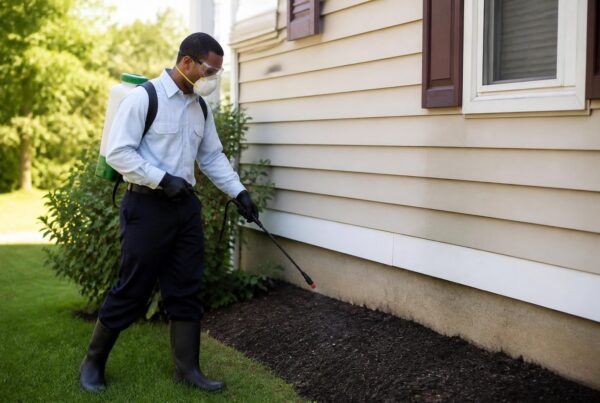
Ants are among the most persistent pests that Richmond VA homeowners face, and addressing an infestation requires more than simply spraying visible trails. Effective ant treatment demands understanding ant biology, behavior patterns, and the specific species invading your property. Whether you're dealing with carpenter ants threatening your home's structural integrity or odorous house ants contaminating your kitchen, the right approach combines immediate control measures with long-term prevention strategies. This comprehensive guide explores professional ant treatment methods, DIY options, and when it's time to call experienced pest control experts in Richmond VA.
Understanding Ant Behavior and Colony Structure
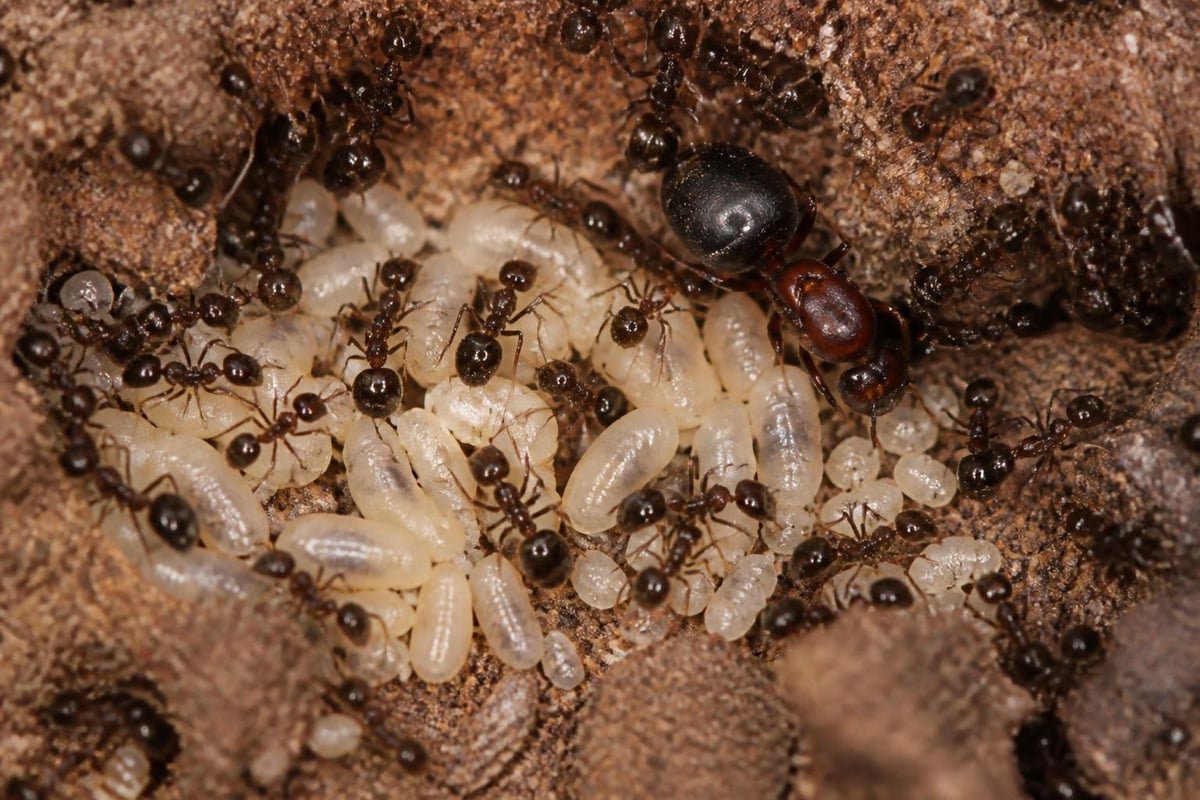
Before implementing any ant treatment strategy, homeowners must recognize how ant colonies function. Unlike solitary pests, ants operate as superorganisms where thousands of individuals work together under a caste system led by one or more queens.
Worker ants represent the visible portion of the colony, comprising less than 10% of the total population. These foragers search for food, water, and nesting materials while the remaining 90% stays hidden within the colony structure.
The queen's primary role involves reproduction, laying thousands of eggs throughout her lifespan that can extend 15-30 years depending on species. This reproductive capacity explains why surface treatments targeting only worker ants fail to eliminate infestations.
Colony Communication and Foraging Patterns
Ants communicate through chemical signals called pheromones, creating invisible highways between food sources and nests. When a scout discovers food, it deposits a trail pheromone that guides other workers to the location.
Understanding these trails proves critical for effective ant treatment because:
- Disrupting pheromone trails temporarily confuses workers but doesn't eliminate the colony
- Following trails backward can reveal nest locations
- Multiple colonies may use the same trails, complicating identification
- Different species respond to varying environmental conditions and food preferences
Richmond VA's humid climate creates ideal conditions for ant activity, particularly during spring and summer months when colonies expand rapidly. Temperature fluctuations and moisture levels significantly impact foraging behavior and ant control effectiveness.
Identifying Common Ant Species in Richmond VA
Proper ant treatment begins with accurate species identification because control methods vary significantly among different ant types. Richmond's diverse ecosystem supports numerous ant species, each requiring tailored management approaches.
| Ant Species | Nesting Preference | Primary Concerns | Treatment Complexity |
|---|---|---|---|
| Odorous House Ant | Wall voids, under flooring | Food contamination, multiple queens | High – colony splits when disturbed |
| Carpenter Ant | Damp wood, structural timber | Structural damage, large colonies | High – requires wood replacement |
| Pavement Ant | Cracks in concrete, under stones | Landscape damage, indoor invasion | Moderate – accessible nests |
| Pharaoh Ant | Heated buildings, wall voids | Disease transmission, budding colonies | Very High – professional treatment essential |
| Argentine Ant | Shallow soil, mulch, under debris | Massive supercolonies, persistent invasion | Very High – coordinated neighborhood treatment |
Carpenter Ants and Structural Threats
Carpenter ants deserve special attention in Richmond VA due to the region's older housing stock and humidity issues. These large black or red ants excavate galleries in wood to create nesting space, though they don't consume wood like termites.
Signs of carpenter ant activity include:
- Piles of sawdust (frass) beneath wooden structures
- Rustling sounds within walls during quiet evening hours
- Winged reproductive ants (swarmers) emerging in spring
- Hollow-sounding wood when tapped
- Visible worker ants following consistent paths
Carpenter ant treatment often requires addressing underlying moisture problems. Crawl space issues frequently contribute to carpenter ant infestations by creating damp conditions that soften wood and make excavation easier. Professional Crawl Space Services can eliminate moisture sources that attract these destructive pests.
Professional Ant Treatment Methods
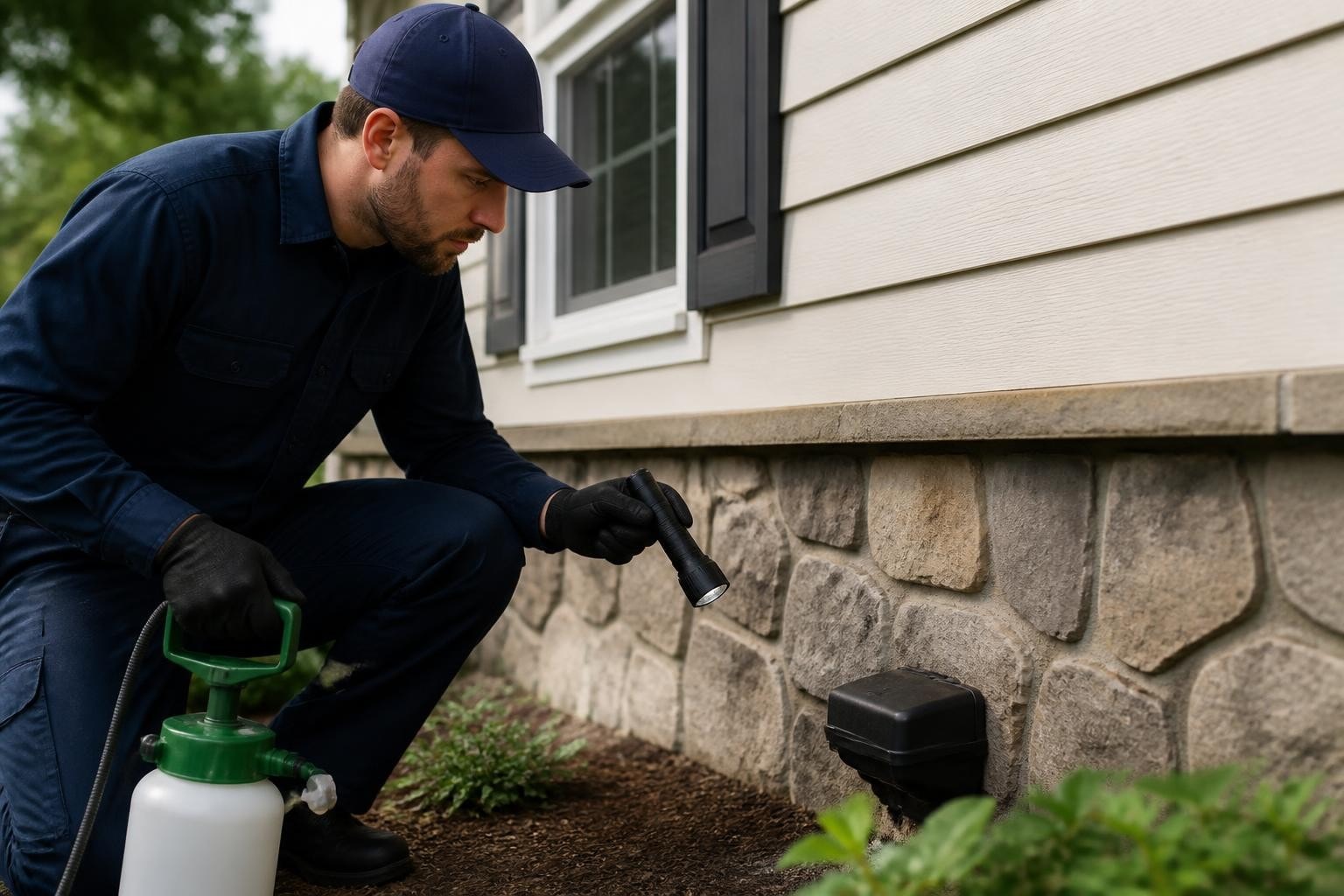
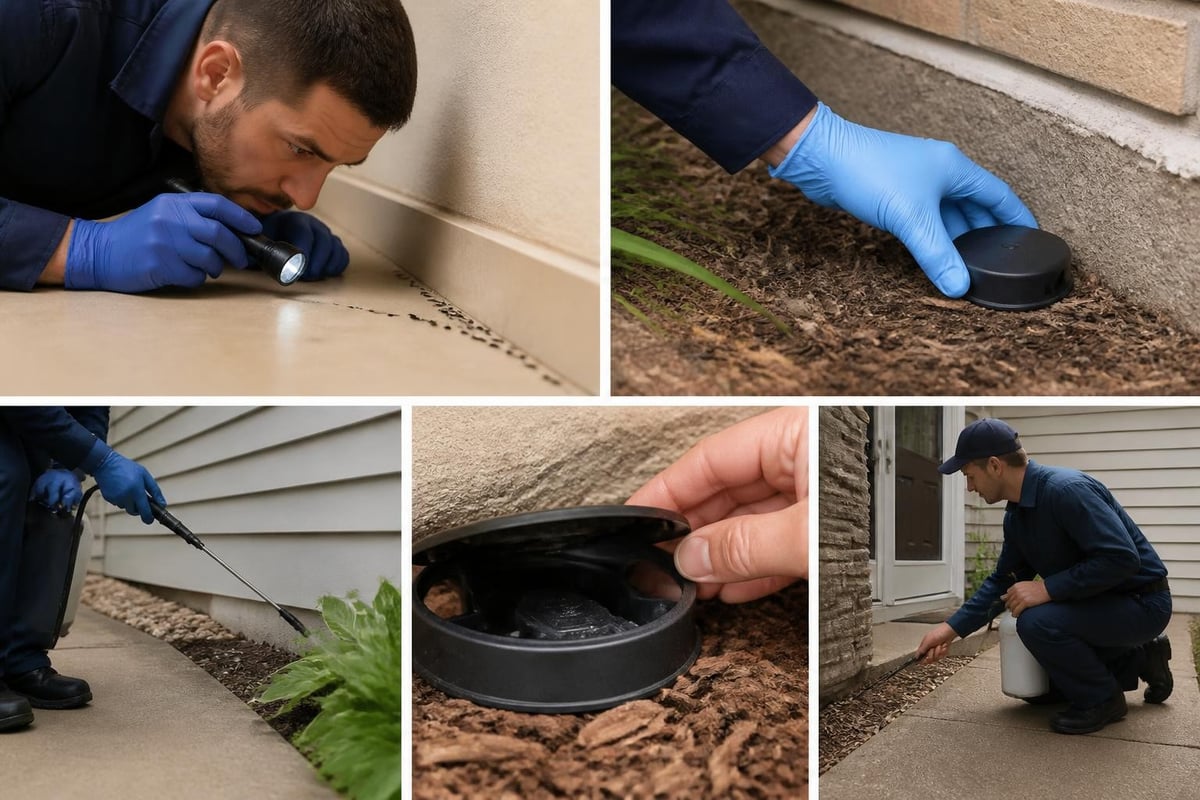
Licensed pest control technicians in Richmond VA employ integrated pest management (IPM) strategies that combine multiple treatment approaches for maximum effectiveness. Professional ant treatment typically involves four phases: inspection, identification, treatment application, and monitoring.
Inspection and Assessment Protocol
Thorough property inspections reveal:
- Active ant trails and entry points where ants penetrate the structure
- Moisture sources including leaky pipes, poor drainage, and condensation
- Food availability such as improper storage, pet food, and organic debris
- Nesting sites both inside the structure and within 100 feet of the building
- Conducive conditions like wood-to-soil contact, mulch against foundations, and vegetation touching the home
Professional technicians document findings and create customized treatment plans addressing the specific ant species and infestation severity.
Baiting Systems and Colony Elimination
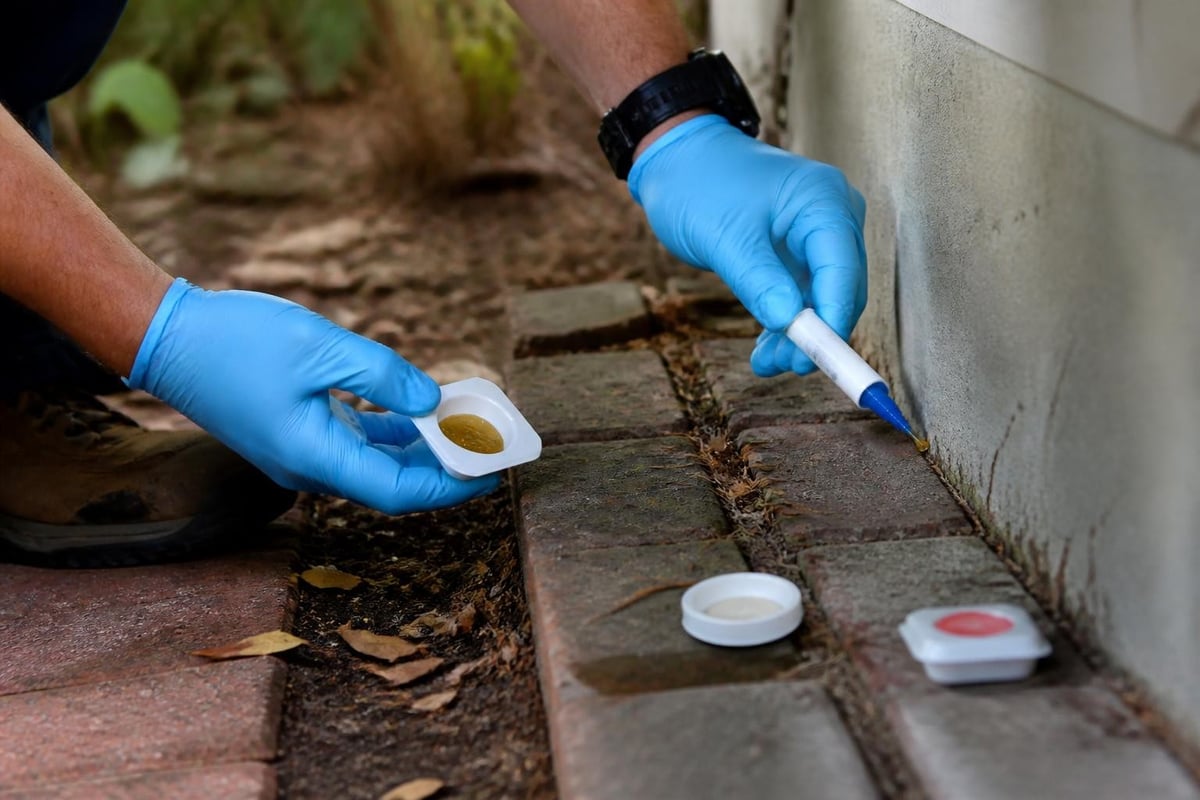
Modern ant treatment relies heavily on baiting systems that exploit ant behavior rather than fighting against it. Worker ants carry toxic bait back to the colony, feeding it to larvae, other workers, and ultimately the queen.
Liquid baits work effectively for sugar-feeding ants like odorous house ants and Argentine ants. These formulations contain slow-acting toxins that allow workers to share the bait throughout the colony before symptoms appear.
Granular baits attract protein-feeding ants, particularly carpenter ants and pavement ants. Strategic placement near trails and nesting sites ensures maximum uptake.
Gel baits provide targeted treatment in sensitive areas where liquid or granular products prove impractical. These formulations maintain attractiveness for extended periods and resist drying in humid Richmond conditions.
Research demonstrates that insecticide concentration critically affects queen survival, making professional formulation and application essential for complete colony elimination.
Chemical Barrier Treatments and Perimeter Defense
While baiting addresses existing colonies, barrier treatments prevent new infestations by creating protective zones around structures. Professional ant treatment programs in Richmond VA typically include perimeter applications using residual insecticides.
Exterior Barrier Application
Technicians apply liquid insecticides to:
- Foundation walls from ground level to 3 feet above grade
- Around all penetrations including pipes, wires, and vents
- Beneath siding and behind trim where ants access wall voids
- Along walkways, driveways, and other hardscape adjacent to the structure
- Around potential nesting sites including landscape timbers and decorative stones
Modern formulations provide 60-90 day residual protection, killing ants on contact and creating a repellent zone that deters foraging workers.
Interior Crack and Crevice Treatment
Interior applications target specific harborage areas rather than broadcast spraying entire rooms. This precision approach minimizes chemical exposure while maximizing effectiveness.
Treatment zones include:
- Baseboards and wall voids where ants travel between rooms
- Under and behind kitchen appliances where food debris accumulates
- Bathroom penetrations where moisture attracts certain ant species
- Window and door frames serving as primary entry points
- Electrical outlets and switch plates providing access to wall voids
Professional pest exterminators in Richmond VA use low-odor, reduced-risk formulations appropriate for occupied structures, ensuring family and pet safety while delivering effective ant control.
Natural and Low-Toxicity Ant Treatment Options
Homeowners seeking alternatives to conventional pesticides have several effective options, though natural methods typically require more frequent application and monitoring. Richmond VA residents concerned about chemical exposure can implement integrated strategies combining multiple natural approaches.
Physical Exclusion and Habitat Modification
The most sustainable ant treatment focuses on making properties less attractive and accessible to foraging ants:
- Seal entry points using silicone caulk around windows, doors, pipes, and wires
- Repair damaged screens and install door sweeps on all exterior doors
- Eliminate moisture sources by fixing leaks, improving drainage, and reducing humidity
- Remove food attractants through proper storage, prompt cleanup, and regular sanitation
- Modify landscaping by maintaining a 12-inch barrier between mulch and foundations
- Trim vegetation so branches and shrubs don't contact the structure
These modifications work synergistically with other treatment methods and provide long-term protection against reinfestation.
Botanical Insecticides and Deterrents
Several plant-based compounds demonstrate ant-repellent properties, offering homeowners natural alternatives for minor infestations. Common natural ant deterrents include:
Essential oils like peppermint, tea tree, and citrus contain compounds that disrupt ant pheromone trails and deter foraging. Diluted solutions applied to entry points and trails provide temporary protection.
Diatomaceous earth is a mineral powder that damages ant exoskeletons, causing dehydration. Food-grade formulations applied in dry areas create barriers that kill ants through physical rather than chemical action.
Boric acid occurs naturally and works as a stomach poison when ingested. Mixed with attractive food bases, it functions similarly to commercial baits but requires careful application to prevent exposure to children and pets.
Limitations of Natural Ant Treatment
While natural methods appeal to environmentally conscious homeowners, they present certain limitations:
- Shorter residual effectiveness requiring frequent reapplication
- Variable results depending on ant species and infestation severity
- Limited impact on established colonies with multiple queens
- Weather sensitivity, particularly in Richmond's humid climate
- Inconsistent concentration and quality in retail products
For serious infestations or structural-damaging species like carpenter ants, professional pest control services in Richmond VA provide more reliable and faster results.
DIY Ant Treatment Strategies for Homeowners
Richmond VA homeowners can address minor ant problems using retail products and proper application techniques. Success requires patience, persistence, and realistic expectations about DIY capabilities versus professional intervention needs.
Selecting Appropriate Retail Products
Home improvement stores offer numerous ant treatment products with varying effectiveness. Understanding product categories helps homeowners make informed choices:
| Product Type | Best For | Application Method | Expected Results | Limitations |
|---|---|---|---|---|
| Ant Bait Stations | Indoor trailing ants | Place near trails | 7-14 days | Single colony only |
| Liquid Concentrates | Perimeter treatment | Mix and spray | 30-60 days | Requires proper equipment |
| Aerosol Sprays | Contact kill | Direct application | Immediate | Doesn't eliminate colony |
| Granular Baits | Outdoor nests | Broadcast application | 10-21 days | Weather dependent |
| Dust Formulations | Wall voids, cracks | Targeted placement | 60-90 days | Professional application recommended |
Application Best Practices
Maximizing DIY ant treatment effectiveness requires following manufacturer instructions and understanding application timing:
For baiting programs:
- Place stations where ants trail, not randomly throughout the home
- Avoid spraying near bait stations as repellents prevent bait acceptance
- Expect increased ant activity initially as workers recruit nestmates
- Replace stations every 90 days or when bait depletes
- Use multiple bait types if ants ignore initial offerings
For barrier treatments:
- Apply when rain isn't forecast for 24 hours
- Treat during morning or evening when ants actively forage
- Create continuous barriers without gaps ants can bypass
- Reapply after heavy rain events that wash away residual protection
- Focus on entry points rather than entire yard treatments
Comparative studies show that treatment effectiveness varies significantly based on formulation and application method, making proper product selection critical for DIY success.
Seasonal Ant Treatment Considerations for Richmond VA
Richmond's climate creates distinct seasonal patterns in ant activity that influence treatment timing and strategy. Understanding these cycles helps homeowners and pest control professionals optimize intervention efforts.
Spring Emergence and Colony Expansion
Spring represents the most critical period for ant treatment as colonies emerge from winter dormancy and queens begin intensive egg-laying. March through May sees peak activity as:
- Winged reproductives (alates) emerge for mating flights
- Established colonies expand rapidly with warming temperatures
- New queens search for nesting sites after mating
- Workers forage aggressively to feed developing brood
Spring treatment priorities include preventing new colony establishment through early baiting programs and creating barrier treatments before populations explode.
Summer Foraging and Indoor Invasion
June through August brings highest temperatures and outdoor ant activity, but also drives many species indoors seeking water and climate-controlled environments. Summer ant treatment focuses on:
- Maintaining barrier treatments that degrade in heat and UV exposure
- Addressing moisture issues that attract ants during drought periods
- Monitoring indoor bait stations for increased activity
- Treating satellite colonies that develop near main nests
- Managing outdoor colonies before they migrate indoors
Richmond's humidity during summer months affects bait palatability and can reduce treatment effectiveness if products aren't formulated for wet conditions.
Fall Preparation and Overwintering
September through November marks a transition period where ant treatment prevents winter establishment inside structures. As temperatures drop, many ant species attempt to move indoors:
- Seal entry points before cold weather drives ants inside
- Treat wall voids where ants overwinter
- Address outdoor colonies before they become dormant and harder to eliminate
- Remove outdoor harborage like leaf piles and wood debris
- Apply residual treatments that protect through winter months
Winter Maintenance and Indoor Activity
While outdoor ant activity decreases December through February, several species remain active inside heated structures. Winter ant treatment addresses:
Pharaoh ants that thrive in heated buildings year-round and require professional intervention due to colony budding when disturbed.
Odorous house ants that nest in wall voids and remain active in climate-controlled spaces throughout winter.
Carpenter ants that may show activity during warm winter days as workers emerge to forage.
Evaluation studies demonstrate that residual treatment duration varies with environmental conditions, making seasonal reapplication necessary in Richmond's variable climate.
Signs You Need Professional Ant Treatment Services
While minor ant problems may respond to DIY efforts, certain situations demand professional pest exterminator expertise in Richmond VA. Recognizing these indicators prevents property damage and ensures effective colony elimination.
Large or Persistent Infestations
If you observe:
- Hundreds of ants trailing simultaneously through multiple rooms
- Ant activity that persists despite 2-3 weeks of DIY treatment
- Multiple ant species active simultaneously
- Trails that reform within hours of disruption
- Ants appearing in new locations as fast as you eliminate them
These signs indicate established colonies with populations too large for retail products to effectively control. Professional-grade formulations and application techniques become necessary.
Structural Damage Concerns
Carpenter ants and certain other species create situations requiring immediate professional intervention:
- Sawdust piles appearing beneath wooden structures or trim
- Hollow-sounding wood in load-bearing members
- Visible galleries or tunneling in exposed wood
- Structural sagging or weakness in affected areas
- Winged ants emerging inside the home during spring months
Structural repairs often accompany ant treatment when damage occurs, making early professional assessment critical for minimizing costs.
Species Requiring Specialized Treatment
Certain ant species resist conventional control methods and demand professional pest control services in Richmond VA:
Pharaoh ants require coordinated treatment of entire buildings because disturbing colonies causes them to split into multiple satellite colonies, worsening infestations.
Argentine ants form massive supercolonies spanning multiple properties, requiring neighborhood-wide coordination for effective control.
Fire ants pose health risks through painful stings and require specialized mound treatments and broadcast applications.
Health and Safety Situations
Professional ant treatment becomes necessary when:
- Ants contaminate food preparation areas despite sanitation efforts
- Family members have ant sting allergies
- Infestations occur in healthcare facilities or food service operations
- Children or pets prevent safe use of retail pesticides
- Immune-compromised individuals require pest-free environments
Licensed technicians use targeted application methods and reduced-risk formulations appropriate for sensitive situations.
Integrated Ant Management Programs
The most effective long-term ant treatment combines multiple strategies in comprehensive management programs. Professional pest control services in Richmond VA typically offer quarterly service plans that address ant populations through changing seasons.
Quarterly Service Components
Regular maintenance programs include:
Initial intensive treatment addressing existing infestations through interior and exterior applications, baiting programs, and nest elimination.
Quarterly inspections identifying new activity, conducive conditions, and potential problems before they develop into infestations.
Seasonal treatments adjusting strategies based on ant activity patterns, weather conditions, and property changes.
Detailed documentation tracking treatment locations, products used, and activity levels over time to refine approaches.
Customer education helping homeowners understand their role in prevention and what to expect from treatment programs.
Preventive Maintenance Benefits
Ongoing ant treatment programs provide several advantages over reactive pest control:
- Earlier detection prevents colony establishment and population growth
- Consistent barrier treatments maintain protection year-round
- Professional monitoring identifies conducive conditions before attracting ants
- Cost savings through prevention versus emergency treatment
- Peace of mind knowing experts regularly inspect the property
Richmond VA homeowners investing in preventive programs typically experience 90% or greater reduction in ant activity compared to untreated properties.
Customization for Property Types
Effective ant treatment programs adapt to specific property characteristics:
Historic homes with multiple entry points require extensive sealing and targeted interior treatments that preserve architectural features.
New construction benefits from pre-treatment and preventive barriers installed during building.
Commercial properties demand discrete, odor-free treatments scheduled around business operations.
Multi-family dwellings require coordinated treatment of all units to prevent ant migration between apartments.
Advanced Ant Treatment Technologies
Professional pest control continues evolving with new technologies and formulations improving ant treatment effectiveness while reducing environmental impact. Richmond VA pest exterminators increasingly adopt these innovations.
Non-Repellent Insecticides
Unlike traditional repellent formulations that ants detect and avoid, non-repellent products remain undetectable. Ants contact treated surfaces without recognizing the hazard, then carry the active ingredient back to colonies.
Transfer effect occurs as contaminated workers contact nestmates, spreading the insecticide throughout the colony including to the queen and brood.
Delayed mortality allows affected ants to feed and groom others before dying, maximizing colony exposure.
Complete elimination becomes possible even with limited direct contact because the insecticide moves through normal ant social behaviors.
Growth Regulators and Chitin Inhibitors
Insect growth regulators (IGRs) disrupt ant development rather than killing adults directly. These products:
- Prevent larvae from maturing into reproductive adults
- Sterilize queens, stopping egg production
- Create workers with developmental abnormalities
- Reduce colony populations gradually over months
- Provide extremely low toxicity to mammals and pets
Combined with adulticides, IGRs deliver comprehensive ant treatment addressing all life stages simultaneously.
Electronic Monitoring and Detection
Advanced ant management programs utilize monitoring technologies that identify activity before visible infestations develop:
- Wireless monitoring stations transmit real-time alerts when ants enter traps
- Heat signature detection locates colonies within walls without invasive inspection
- Acoustic sensors identify carpenter ant activity through sounds of excavation
- Digital documentation tracks trends across multiple service visits
These technologies enable proactive rather than reactive ant treatment, preventing damage and reducing pesticide use.
Foam Applications for Wall Voids
Expanding foam insecticide formulations allow treatment of inaccessible void spaces where ants nest. The foam:
- Expands to fill irregular cavities completely
- Adheres to surfaces for extended residual protection
- Reaches deep into wall voids conventional sprays can't penetrate
- Provides visual confirmation of treatment coverage
- Delivers targeted application minimizing pesticide use
Foam treatments prove especially valuable for carpenter ant colonies nesting in structural voids.
Common Ant Treatment Mistakes to Avoid
Even experienced homeowners make errors that reduce ant treatment effectiveness or worsen infestations. Understanding these common mistakes helps Richmond VA residents achieve better results.
Over-Reliance on Contact Sprays
Many homeowners reach for aerosol ant sprays when discovering trails, but this approach:
- Kills only visible worker ants (less than 10% of the colony)
- Disrupts pheromone trails temporarily without eliminating the nest
- Contaminates bait stations, preventing ants from accepting toxicant
- Creates repellent barriers that route ants around treated areas
- Provides false sense of control while colonies continue growing
Better approach: Use contact sprays only for immediate control of dangerous species like fire ants, then follow with baiting programs targeting entire colonies.
Improper Bait Station Placement
Effectiveness depends heavily on strategic positioning:
Avoid placing bait stations:
- In random locations not associated with ant activity
- Where they'll be disturbed by vacuuming or foot traffic
- In areas treated with repellent sprays
- Outdoors where weather degrades bait quality
- Where children or pets can access them
Optimal placement includes:
- Along active ant trails between entry points and food sources
- Near but not directly on trails to avoid contamination
- In corners and along baseboards where ants travel
- Protected from moisture and temperature extremes
- Multiple stations for large infestations
Inconsistent Treatment Programs
Ant treatment requires patience and persistence. Common timing mistakes include:
- Abandoning baiting programs before colony elimination occurs (typically 7-21 days)
- Failing to reapply barrier treatments after rain events
- Treating only when ants are visible rather than maintaining prevention
- Seasonal gaps in treatment allowing reinfestation
- Not following product label instructions for application frequency
Successful ant management demands commitment to complete treatment cycles regardless of visible activity levels.
Neglecting Conducive Conditions
No treatment program succeeds long-term without addressing factors attracting ants:
- Moisture issues from poor drainage, leaks, or humidity
- Food availability through inadequate storage and sanitation
- Harborage sites like mulch against foundations or debris piles
- Entry points in deteriorated seals, screens, and weather stripping
- Landscape contact where vegetation touches structures
Professional pest exterminators in Richmond VA incorporate habitat modification recommendations with chemical treatments for lasting results.
Ant Treatment Safety and Environmental Considerations
Responsible ant treatment balances effectiveness with protecting human health and the environment. Richmond VA homeowners should understand safety protocols and make informed decisions about pest control products.
Understanding Product Labels and Precautions
All registered pesticides carry EPA-approved labels providing critical information:
Active ingredients identify the chemicals responsible for ant control, allowing research into toxicity and environmental impact.
Signal words (Caution, Warning, Danger) indicate relative toxicity levels, with "Caution" representing lowest acute toxicity.
Personal protective equipment requirements specify minimum safety gear for application.
Environmental hazards warn about risks to aquatic life, birds, bees, and other non-target organisms.
Application instructions detail proper mixing, application rates, and treatment locations.
Following label directions isn't just best practice; it's federal law under FIFRA (Federal Insecticide, Fungicide, and Rodenticide Act).
Reduced-Risk Formulations
Modern ant treatment products increasingly utilize reduced-risk active ingredients that:
- Target specific pest physiology not found in mammals
- Break down rapidly in the environment
- Present minimal non-target organism impact
- Require lower application rates for effectiveness
- Reduce exposure through improved formulation technology
Professional pest control services in Richmond VA can recommend appropriate reduced-risk options for sensitive situations involving children, pets, or environmental concerns.
Protecting Beneficial Insects
While eliminating pest ants, homeowners should preserve beneficial species:
Targeted applications focus on specific problem areas rather than broadcast treatments that affect entire ecosystems.
Timing considerations avoid treating when pollinators actively forage on nearby flowering plants.
Product selection chooses formulations with minimal bee toxicity when outdoor applications necessary.
Habitat preservation maintains areas of the landscape free from pesticide applications where beneficial insects thrive.
Richmond VA's diverse ecosystem includes native ant species that provide ecological benefits like aerating soil, distributing seeds, and controlling other pest populations. Selective ant treatment protects these beneficial species while eliminating problems.
Safe Storage and Disposal
Proper handling extends beyond application:
- Store pesticides in original containers with intact labels
- Keep products in locked areas inaccessible to children and pets
- Maintain separate storage from food, medicine, and animal feed
- Dispose of empty containers according to label instructions
- Never pour unused pesticides down drains or into storm sewers
- Participate in household hazardous waste collection programs for unwanted products
Richmond area residents can contact local waste management authorities for information about pesticide disposal options and collection events.
Effective ant treatment combines understanding ant biology, selecting appropriate control methods, and maintaining consistent prevention efforts to protect your Richmond VA property. Whether addressing minor intrusions with DIY approaches or managing serious infestations threatening structural integrity, success requires the right strategy for your specific situation. For comprehensive solutions backed by experience and professional-grade products, SanPro delivers expert pest control services throughout Richmond VA, helping homeowners eliminate ant problems and prevent future invasions. Contact their team today for a thorough inspection and customized treatment plan that protects your home year-round.