When homeowners and business owners in Richmond, VA encounter aggressive stinging insects near their property, they often use the term "yellow jacket hornet" to describe the threat buzzing around their outdoor spaces. While this common phrase reflects real concern, understanding the precise nature of these insects is essential for effective pest control. Yellow jackets are actually wasps, not hornets, though their aggressive behavior and painful stings make the distinction feel academic when you're facing an infestation. These insects present unique challenges for property owners throughout Virginia, particularly during late summer and early fall when colonies reach their peak size and defensiveness.
Understanding Yellow Jacket Hornet Biology and Behavior
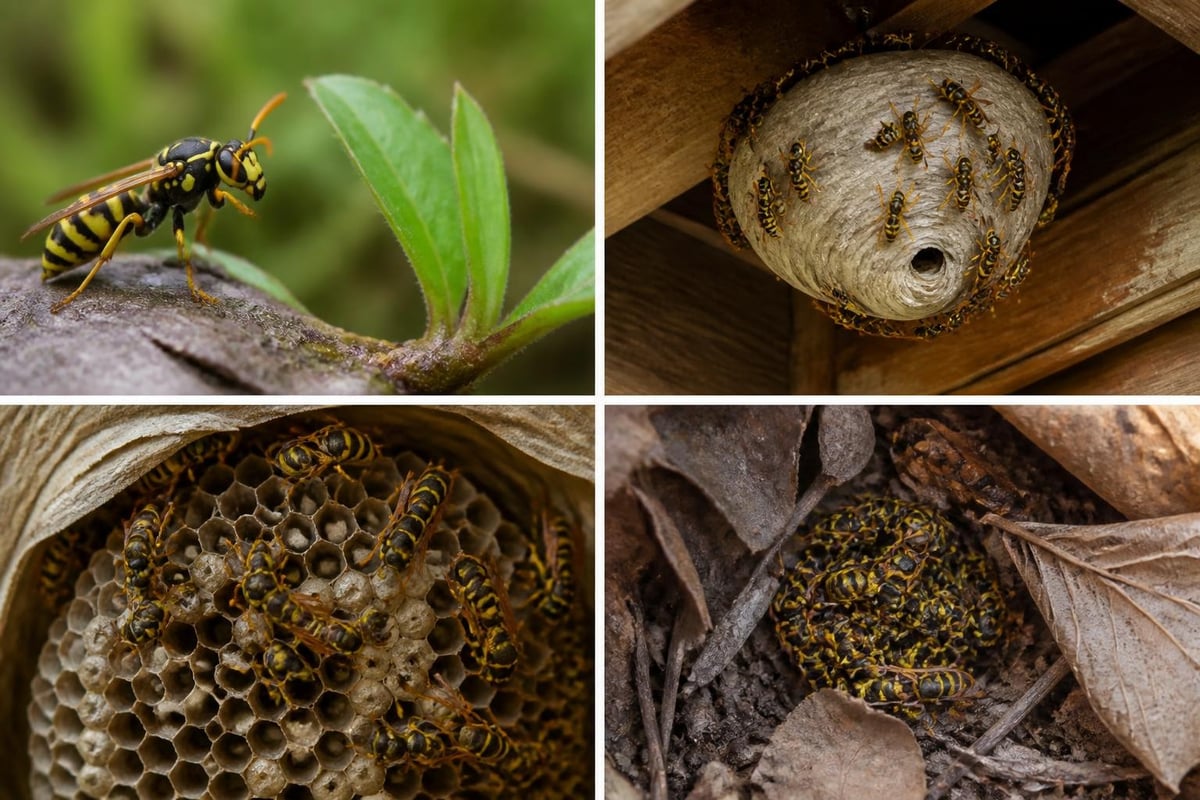
Yellow jackets belong to the genus Vespula and Dolichovespula, encompassing several species that thrive across North America. Despite the common misnomer "yellow jacket hornet," these insects are true wasps with distinct characteristics that separate them from actual hornets. Their bodies typically measure between 10 to 16 millimeters in length, featuring the characteristic black and yellow banding pattern that serves as a warning to potential threats.
Physical Characteristics and Identification
The yellow jacket hornet displays several identifying features that distinguish it from other stinging insects. Their bodies appear hairless and shiny, contrasting sharply with the fuzzy appearance of bumblebees. The yellow and black coloration varies slightly between species, with some displaying more pronounced yellow markings while others appear predominantly black with yellow stripes.
Key identifying features include:
- Smooth, hairless body with distinct segmentation
- Bright yellow and black coloration patterns
- Thin waist connecting thorax and abdomen
- Two pairs of clear, translucent wings
- Elbowed antennae with 12-13 segments
Their legs hang down during flight, creating a distinctive silhouette that experienced pest control professionals recognize immediately. Unlike honeybees, yellow jackets can sting multiple times without dying, making encounters with these insects particularly dangerous for those with allergies or sensitivities.
Colony Structure and Social Organization
Yellow jacket hornet colonies operate as highly organized social units with distinct castes and roles. A single fertilized queen establishes each nest in spring, initiating colony development that can ultimately house thousands of workers by late summer. The University of Kentucky’s Entomology Department offers an in-depth fact sheet on yellow jackets, documenting their complex social structures and seasonal development patterns.
The queen begins by constructing a small paper nest and laying her first batch of eggs. These initial offspring develop into sterile female workers who assume all foraging, nest construction, and colony defense responsibilities. The queen then focuses exclusively on egg production, potentially laying thousands of eggs throughout the summer season.
| Caste | Role | Lifespan | Population Peak |
|---|---|---|---|
| Queen | Reproduction, colony founding | 1 year | Spring (solitary) |
| Workers | Foraging, defense, construction | 2-4 weeks | Late summer |
| Males (Drones) | Reproduction only | 2-3 weeks | Fall |
| New Queens | Next generation | Overwinter to following year | Fall |
Workers emerge continuously throughout summer, with colony populations exploding from a few dozen individuals in May to potentially 4,000 to 5,000 workers by September. This population surge coincides with increased aggressive behavior, as more workers patrol larger territories seeking protein sources and defending the nest.
Yellow Jacket Hornet Nesting Habits in Richmond VA
Richmond's climate and landscape provide ideal conditions for yellow jacket hornet populations. These adaptable insects construct nests in various locations, from underground cavities to structural voids in buildings. Understanding their nesting preferences helps homeowners identify potential problem areas before infestations become severe.
Common Nesting Locations
Ground-nesting species represent the most common yellow jacket type encountered in Virginia. These colonies establish themselves in abandoned rodent burrows, hollow logs, or cavities beneath landscape features. The entrance often appears as a small hole in the ground with yellow jackets streaming in and out during daylight hours.
Aerial nesting species construct paper nests in protected locations above ground. Common sites include:
- Attic spaces and wall voids
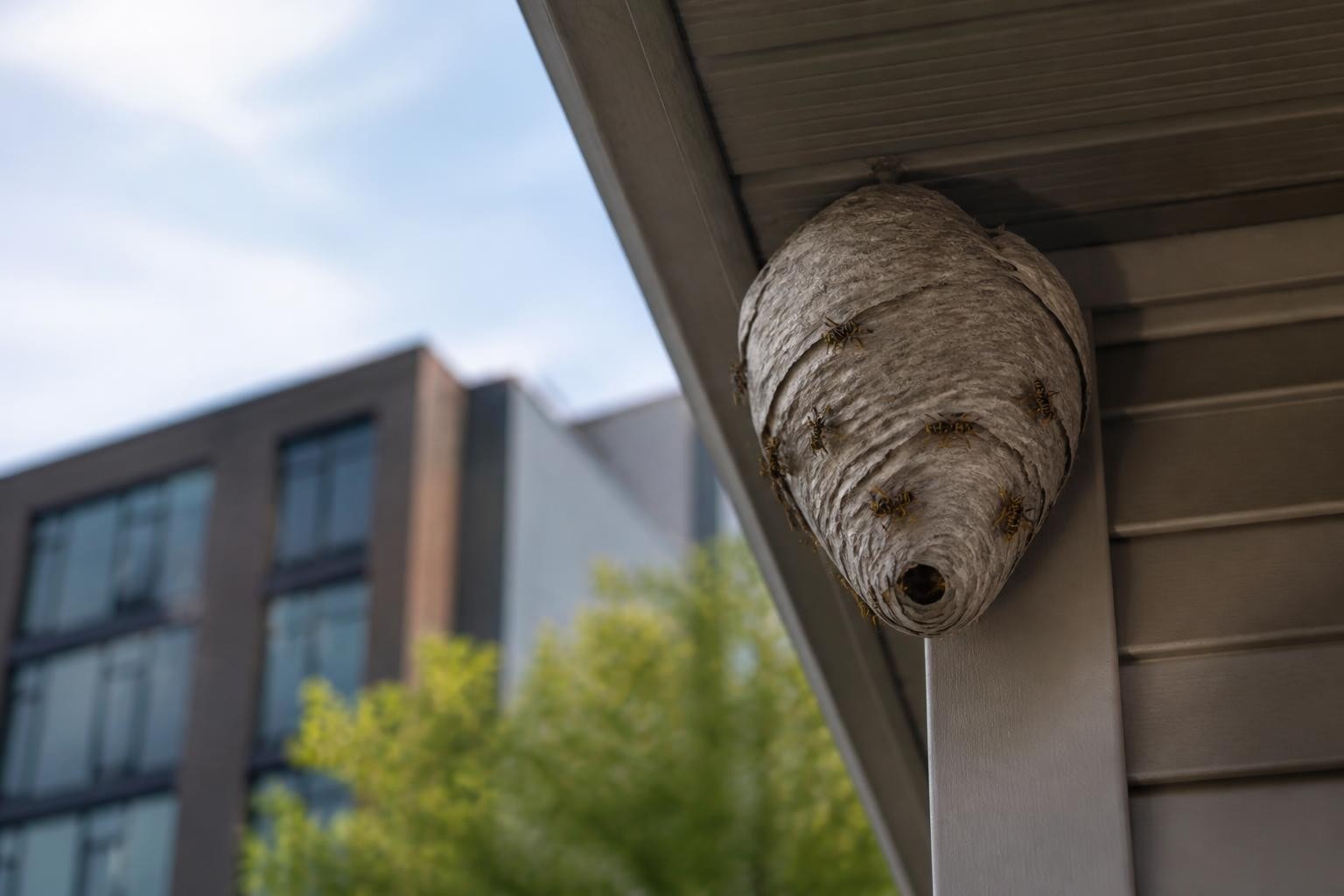
- Beneath eaves and roof overhangs
- Inside hollow trees or dead branches
- Behind shutters or siding panels
- Within dense shrubs or ornamental grasses
- Abandoned vehicles or equipment
Richmond homeowners should remain particularly vigilant around crawl spaces, as these dark, undisturbed areas provide perfect nesting environments. Properties with pest control needs in areas like Gravel Hill and Southside Richmond often report yellow jacket activity in foundation vents, crawl space access points, and areas where moisture attracts insects.
Nest Construction and Growth Patterns
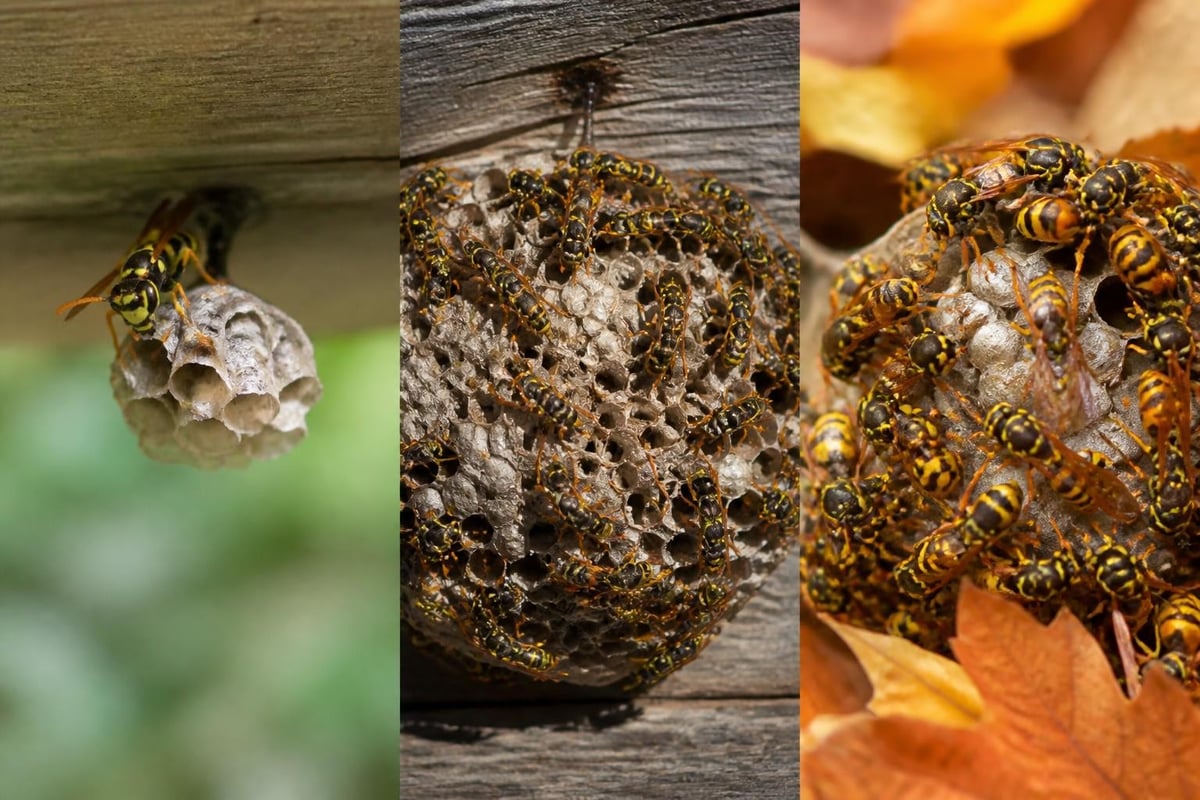
Yellow jacket hornets create their nests from wood fiber collected from weathered fences, dead trees, and cardboard. Workers chew these materials into a paper-like pulp, then construct hexagonal cells arranged in horizontal combs. Multiple combs stack vertically within a protective outer envelope, creating the familiar rounded or oval nest structure.
Early season nests may contain only 20 to 30 cells, fitting within the palm of a hand. By August, nests can expand to the size of a basketball or larger, containing thousands of cells across multiple layers. Underground nests may grow even larger since soil provides structural support that aerial locations cannot match.
The construction process continues throughout the colony's active season, with workers constantly expanding the envelope and adding new combs to accommodate the queen's egg production. This relentless growth explains why yellow jacket problems intensify as summer progresses, with minor springtime nuisances becoming serious threats by fall.
Health Risks and Safety Concerns
The aggressive nature of yellow jacket hornets creates significant health and safety concerns for Richmond residents and business owners. Unlike honeybees that typically sting only when directly threatened, yellow jackets actively patrol territories around their nests and respond aggressively to perceived intrusions.
Sting Reactions and Medical Concerns
Yellow jacket stings inject venom containing proteins and peptides that trigger immediate pain and inflammatory responses. Most people experience localized reactions including redness, swelling, and intense burning sensations at the sting site. These symptoms typically resolve within several hours to a few days with basic first aid measures.
Normal sting reactions include:
- Immediate sharp pain at the sting site
- Redness extending 2-3 inches from the puncture
- Swelling that peaks within 48 hours
- Itching as the wound heals
- Warmth around the affected area
Research on yellow jacket venom composition reveals complex biological mechanisms that explain why reactions vary between individuals. Some people develop large local reactions with swelling extending beyond four inches from the sting site, potentially affecting entire limbs or facial features.
Systemic allergic reactions represent the most serious concern, potentially developing into life-threatening anaphylaxis. Warning signs include difficulty breathing, widespread hives, swelling of the throat or tongue, rapid pulse, dizziness, and loss of consciousness. Anyone experiencing these symptoms requires immediate emergency medical attention.
Situations That Trigger Attacks
Yellow jacket hornets defend their nests vigorously against any perceived threat. Ground vibrations from lawn mowers, construction equipment, or even heavy foot traffic can trigger mass defensive responses. The insects release alarm pheromones when threatened, recruiting additional workers to join the attack.
Common trigger situations include:
- Operating lawn equipment near ground nests
- Children playing in areas with hidden colonies
- Pet activity around nesting sites
- Home maintenance or landscaping work
- Outdoor dining that attracts foraging workers
Property owners should exercise extreme caution when discovering yellow jacket activity. Unlike some stinging insects that give warning buzzes or mock charges, yellow jackets often attack immediately and in large numbers. A single nest can release hundreds of defenders within seconds of disturbance.
Professional vs. DIY Yellow Jacket Hornet Control
Confronting a yellow jacket hornet infestation requires careful consideration of safety, effectiveness, and long-term prevention. While some minor problems may seem manageable for homeowners, most situations benefit from professional pest control expertise. Knowing when to call an expert can prevent dangerous encounters and ensure complete colony elimination.
Why Professional Intervention Matters
Licensed pest control technicians possess specialized equipment, protective gear, and treatment products unavailable to consumers. Professional exterminators in Richmond, VA understand yellow jacket behavior patterns, can locate hidden nests, and apply treatments that eliminate entire colonies rather than just visible workers.
Professional advantages include:
- Proper protective equipment: Full-body bee suits, veils, and gloves that prevent stings during treatment
- Specialized products: Professional-grade insecticides with rapid knockdown effects and residual protection
- Experience identifying species: Different yellow jacket species require different treatment approaches
- Safety protocols: Treatments scheduled during optimal times with proper exclusion zone establishment
- Warranty coverage: Guaranteed results with follow-up service if colonies persist
Pest control professionals also recognize situations where yellow jacket nests connect to broader property issues. Ground nests often indicate rodent burrow systems that require additional treatment. Aerial nests in wall voids may signal structural gaps needing repair to prevent future infestations.
DIY Approaches and Their Limitations
Hardware stores stock numerous yellow jacket control products marketed to homeowners. These options range from aerosol sprays to traps and baits, each with specific applications and limitations. Understanding these constraints helps property owners make informed decisions about when professional help becomes necessary.
Foam aerosol sprays designed for distance application work reasonably well on small, accessible aerial nests treated during evening hours when workers return to the colony. The foam expands within the nest, coating insects and blocking entrances. However, these products prove ineffective against large colonies or ground nests where queens and broods remain deep within the structure.
| Method | Effectiveness | Risk Level | Best Application |
|---|---|---|---|
| Aerosol sprays | Low to Moderate | High | Small, accessible aerial nests |
| Trap devices | Low | Low | Reducing forager numbers only |
| Dust insecticides | Moderate to High | Very High | Ground nests (professional use) |
| Liquid treatments | Moderate | High | Nest drench applications |
| Baits | Low | Low | Supplemental control only |
Traps attract and capture foraging workers but do nothing to eliminate nests or queens. These devices may reduce the number of yellow jackets around patios or outdoor dining areas but allow colonies to continue growing and producing more workers.
The greatest limitation of DIY approaches involves safety risks. Homeowners attempting nest treatments often underestimate colony size, approach nests during peak activity hours, or use inadequate protective equipment. These mistakes frequently result in multiple stings and dangerous situations requiring emergency medical care.
Seasonal Activity Patterns in Virginia
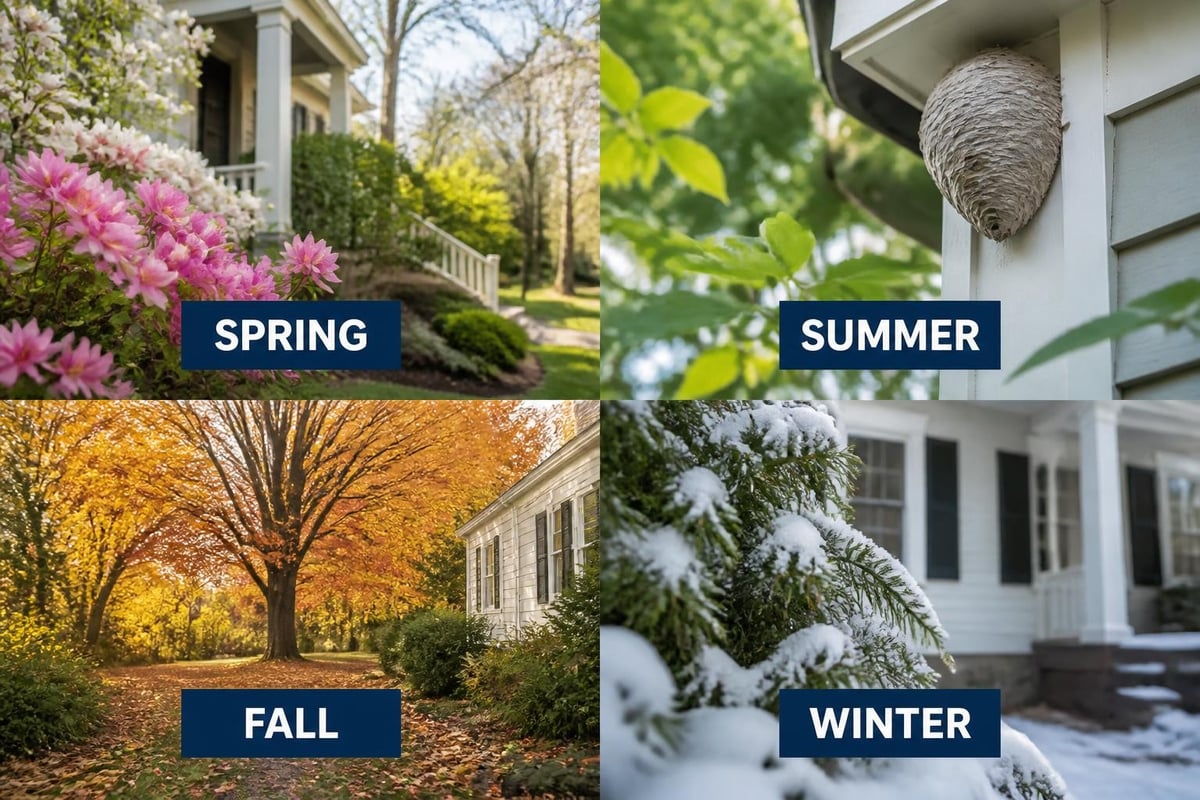
Yellow jacket hornet behavior follows predictable seasonal patterns influenced by temperature, food availability, and colony development stages. Richmond's climate creates distinct activity windows that inform both prevention strategies and optimal treatment timing.
Spring Emergence and Colony Establishment
Overwintered queens emerge from hibernation in April or early May when temperatures consistently reach 50 degrees Fahrenheit. These solitary females immediately begin searching for suitable nesting sites and protein sources to fuel their egg-laying efforts. During this period, yellow jacket activity remains minimal and presents little threat to humans.
Queens work alone through late May, constructing initial nest structures and tending their first brood of workers. This vulnerable period offers the best opportunity for prevention, as eliminating a single queen prevents an entire summer colony from developing. However, nests remain small and well-hidden, making detection difficult without specific knowledge of likely locations.
Summer Growth and Increased Activity
Worker populations explode during June and July as earlier broods mature and begin their own foraging efforts. Yellow jacket hornets become increasingly visible around homes and businesses as they hunt protein sources, scavenge human food waste, and patrol established territories. The Oregon Department of Agriculture outlines yellow jacket species and their seasonal management strategies, noting peak activity occurs during warmest months.
Mid-summer colonies focus primarily on hunting other insects to feed developing larvae. Yellow jackets provide beneficial pest control during this phase, capturing flies, caterpillars, and other garden pests. Their hunting behavior makes them less aggressive toward humans unless nests face direct disturbance.
August through September marks the transition to fall behavior patterns. Colonies reach maximum size with worker populations peaking. Queens begin producing reproductive males and new queens rather than sterile workers, fundamentally changing colony priorities and foraging patterns.
Fall Aggression and Food Seeking
Late summer and early fall create perfect storms for yellow jacket human conflicts. Worker populations remain at maximum levels while protein food sources decline. The insects shift their diet preferences from other insects to sugary substances, leading them to aggressively pursue sodas, fruit, desserts, and any sweet food sources at outdoor gatherings.
This dietary shift coincides with changes in defensive behavior. As colonies prepare for winter, workers become increasingly aggressive and territorial. They patrol larger areas around nests and respond more violently to perceived threats. Stinging incidents spike during September and October when yellow jacket hornets reach their most dangerous behavioral phase.
First hard frosts eliminate workers and males, leaving only mated queens to overwinter. These queens abandon nests and seek protected hibernation sites in leaf litter, under bark, or within building cavities. Old nests deteriorate over winter and are never reused, though new queens may establish colonies in the same general areas if conditions remain favorable.
Integrated Pest Management for Yellow Jackets
Effective yellow jacket hornet control requires comprehensive strategies that address current infestations while preventing future colonies. Integrated Pest Management (IPM) combines multiple approaches for sustainable, long-term solutions appropriate for residential and commercial properties throughout Richmond, VA.
Environmental Modifications and Exclusion
Reducing yellow jacket attractants and eliminating nesting opportunities form the foundation of preventive control. Property assessments should identify and address conditions that support colony establishment. Recognizing signs that pest control services are needed helps property owners take action before minor issues escalate into serious infestations.
Property modifications that deter yellow jackets include:
- Waste management improvements: Sealed trash containers with tight-fitting lids, regular collection schedules, and thorough cleaning of recycling bins
- Food source elimination: Promptly cleaning outdoor dining areas, covering food at picnics and events, removing fallen fruit from trees
- Water source reduction: Fixing leaky faucets, eliminating standing water, maintaining proper drainage
- Structural repairs: Sealing foundation cracks, repairing damaged siding, screening vents and openings
- Landscape maintenance: Trimming overgrown vegetation, removing brush piles, filling rodent burrows
Ground maintenance proves particularly important since many yellow jacket species prefer subterranean nesting sites. Regular lawn care, removal of dead stumps, and filling of animal burrows eliminate potential nest locations before queens discover them in spring.
Treatment Protocols and Timing Considerations
Professional yellow jacket hornet treatments must account for colony behavior, location, and species-specific characteristics. Timing applications for maximum effectiveness while minimizing risks to beneficial insects and non-target species requires expertise that licensed pest control technicians develop through training and experience.
Evening treatments provide optimal results because workers return to nests as temperatures cool and darkness approaches. Complete colony elimination requires treatments that reach queens and developing brood, not just foraging workers encountered during daylight hours. Dust formulations work exceptionally well for ground nests, as yellow jackets carry the material throughout the colony structure, distributing it to individuals that never contacted the original application.
Aerial nests demand different approaches based on accessibility and size. Small nests in exposed locations may receive direct spray applications that quickly knock down workers and penetrate nest envelopes. Larger nests or those in wall voids often require specialized injection equipment that delivers insecticide directly into colony interiors through small access holes.
Long-Term Prevention Strategies
Preventing future yellow jacket problems requires understanding why properties attract these insects and addressing underlying conditions. Properties with recurring infestations often have structural issues, landscape features, or maintenance practices that consistently create ideal nesting conditions.
Professional pest control services include inspection reports identifying risk factors and recommendations for corrective actions. These assessments provide value beyond immediate colony elimination by helping property owners understand their specific vulnerabilities. Some properties require ongoing monitoring and preventive treatments, particularly commercial facilities where liability concerns make yellow jacket presence unacceptable.
For homeowners in Richmond, VA, professional pest control services combine immediate relief from active infestations with strategic planning for long-term protection. This approach proves far more cost-effective than repeated emergency treatments addressing symptoms rather than root causes.
Special Considerations for Richmond VA Properties
Richmond's unique combination of urban development, historical architecture, and natural landscapes creates specific yellow jacket hornet challenges. Property owners in the region face distinct situations that influence both the likelihood of infestations and the appropriate control strategies.
Urban vs. Suburban Nesting Patterns
Downtown Richmond properties encounter yellow jacket problems primarily related to structural nesting. Older buildings with original construction features often contain numerous cracks, gaps, and voids where queens establish colonies. Brick structures, common throughout historic districts, develop mortar deterioration that creates perfect entry points and nesting spaces.
Suburban and rural properties face different challenges. Larger lots with mature landscaping, outbuildings, and natural features provide abundant nesting opportunities. Ground nests become more common as properties include wooded areas, gardens, and lawn spaces where rodent activity creates underground cavities.
Seasonal Weather Influences
Virginia's humid subtropical climate extends yellow jacket activity seasons compared to northern regions. Mild autumns allow colonies to remain active well into November during warm years, prolonging the period of elevated aggression and human conflict. Early springs can advance queen emergence, potentially creating two generations in a single season under optimal conditions.
Summer heat and humidity influence foraging behavior, with workers becoming more active during cooler morning and evening periods. These patterns affect treatment timing and outdoor activity planning for homeowners hoping to minimize encounters with aggressive workers.
Monthly activity expectations:
- April-May: Queen emergence and nest establishment
- June-July: Worker population growth, moderate activity
- August-September: Peak populations, maximum aggression
- October: Declining activity as frosts begin
- November-March: Queens in hibernation, no colony activity
Understanding these patterns helps property owners schedule outdoor events, plan yard maintenance, and time pest control treatments for maximum safety and effectiveness.
Building Code and Safety Regulations
Commercial property owners and landlords face additional responsibilities regarding yellow jacket control. Virginia liability laws potentially hold property owners responsible for injuries resulting from known pest infestations that were not properly addressed. Businesses serving food or hosting public events must maintain pest-free environments to comply with health department regulations and protect customers.
Professional documentation of pest control services provides legal protection by demonstrating reasonable care and proactive management. Regular inspection schedules, treatment records, and follow-up verifications create audit trails that satisfy regulatory requirements and support liability defenses if incidents occur.
Advanced Detection and Monitoring Techniques
Early detection of yellow jacket hornet activity allows for intervention before colonies reach dangerous sizes. Professional pest control technicians use systematic inspection protocols to identify nests and assess infestation severity, but property owners can also learn basic monitoring techniques.
Visual Inspection Methods
Systematic property surveys during spring identify potential nesting sites before colonies become established. Focus inspection efforts on areas where yellow jackets typically nest, noting any suspicious activity or structural conditions that warrant closer examination.
Ground-level inspections should include:
- Careful observation of lawn areas for small holes with insect traffic
- Examination of landscape borders, retaining walls, and foundation perimeters
- Assessment of areas beneath decks, porches, and stairs
- Review of irrigation system components and drainage structures
Structural inspections target building components and features:
- Inspection of eaves, soffits, and roof overhangs
- Examination of ventilation openings and exhaust vents
- Assessment of siding condition and trim boards
- Review of door and window frames for gaps
- Evaluation of attic spaces and crawl areas
Worker Tracking Methods
Following foraging workers back to nests provides the most reliable method for locating hidden colonies. This technique requires patience and careful observation but often reveals nests that traditional inspection methods miss. Workers follow relatively straight flight paths when returning to nests with food, creating trackable patterns.
Position yourself near areas where yellow jackets consistently appear, such as trash containers or outdoor dining spaces. Watch workers that capture insects or gather at food sources, then observe their departure directions. Multiple workers typically follow similar routes, indicating the general direction of the nest. Walking slowly along the flight path while watching for workers entering ground holes or accessing structures often reveals nest locations.
This tracking method works best during mid-morning or late afternoon when foraging activity remains high but lighting conditions allow clear visibility. Avoid tracking workers during peak afternoon heat when reduced activity makes pattern identification difficult.
Yellow jacket hornets present serious challenges for Richmond, VA property owners, but understanding their behavior and implementing comprehensive control strategies protects homes and businesses from these aggressive stinging insects. Whether you're dealing with ground nests threatening your lawn, aerial colonies in building structures, or simply want to prevent future infestations, professional expertise ensures safe and effective results. SanPro brings decades of pest control experience to residential and commercial properties throughout the Richmond area, providing the specialized knowledge and proven treatments that eliminate yellow jacket threats while protecting your family, employees, and customers from these dangerous pests.