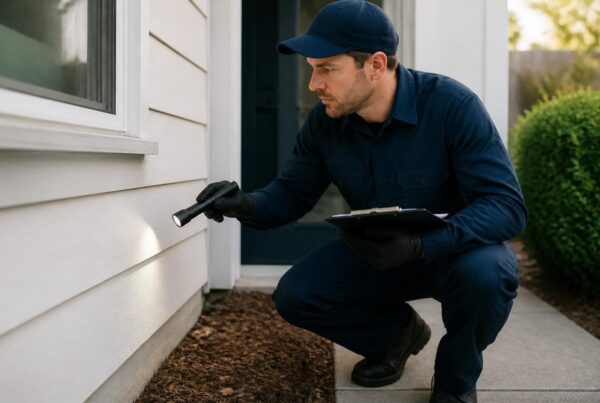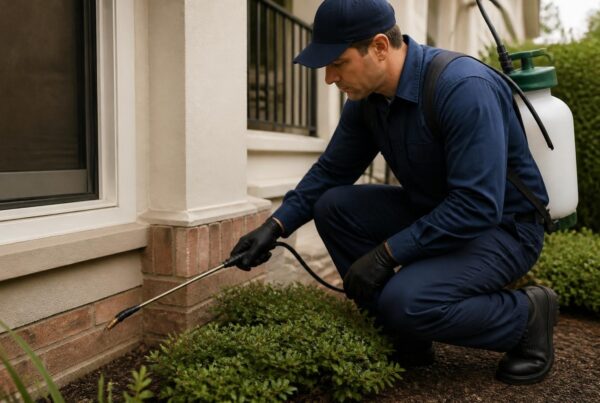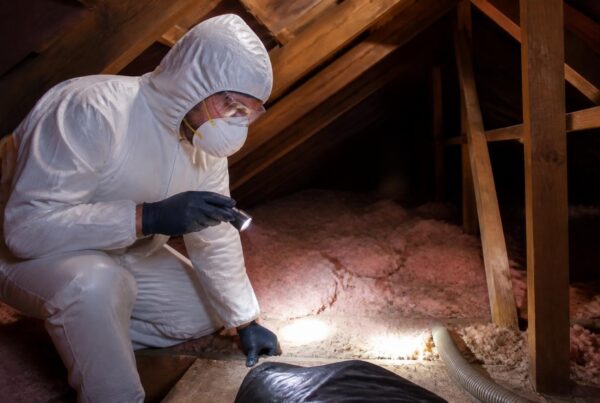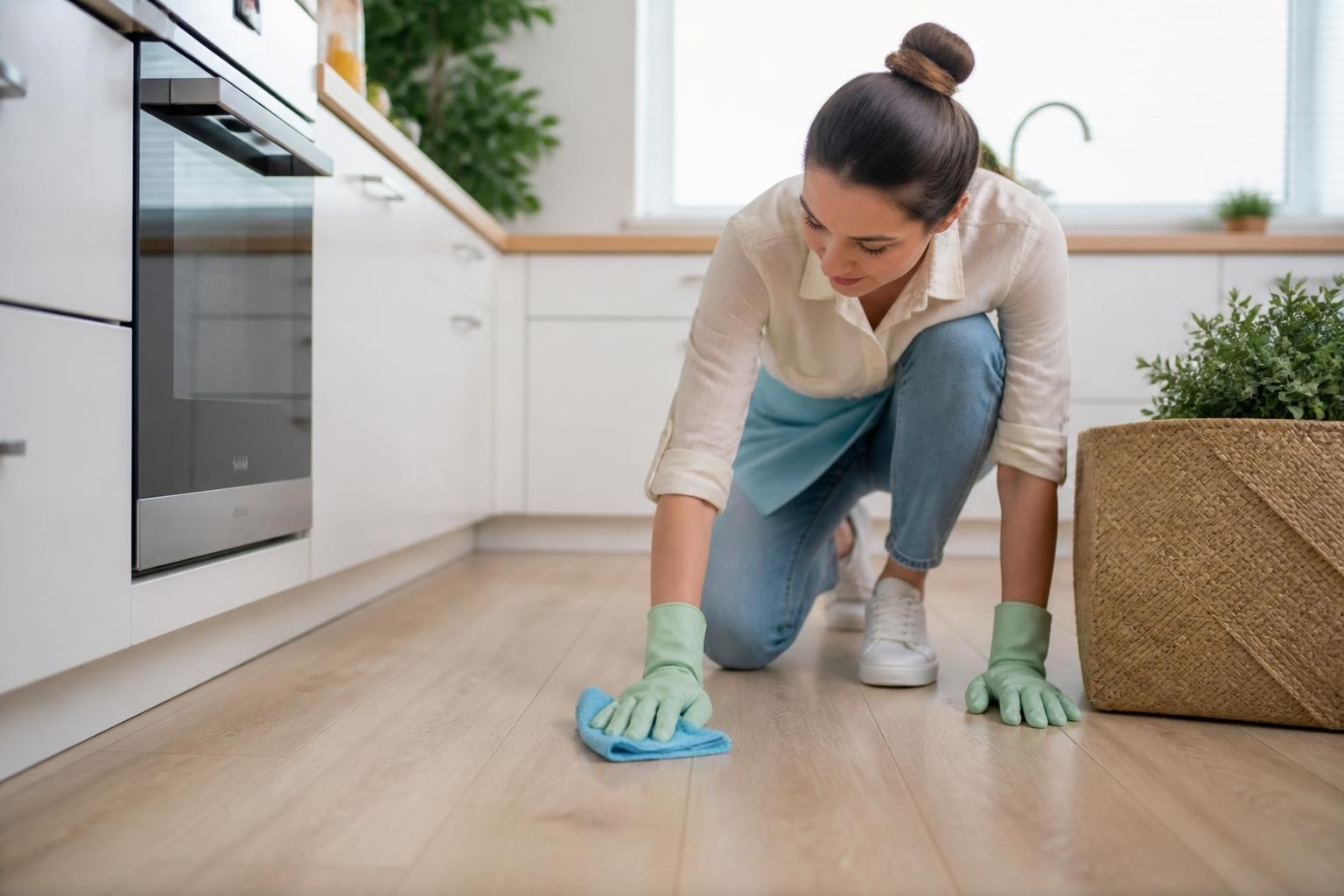
Professional cleaning and pest control services represent two sides of the same protective shield for homeowners and businesses throughout Richmond, Virginia. While these disciplines are often viewed as separate maintenance tasks, they function most effectively when integrated into a comprehensive property protection strategy. Understanding the connection between sanitation practices and pest prevention enables property owners to create environments that naturally discourage infestations while maintaining the health and safety standards essential for residential and commercial spaces.
The Relationship Between Sanitation and Pest Prevention
Effective cleaning practices directly impact pest activity within any structure. Pests require three fundamental elements to survive and reproduce: food sources, water, and shelter. When property owners eliminate or reduce access to these necessities through consistent cleaning protocols, they create inhospitable environments that naturally deter pest populations.
The connection between cleanliness and pest management extends beyond simple surface cleaning. Deep sanitation addresses the hidden areas where pests establish colonies and breeding grounds. Crawl spaces, attics, basements, and wall voids require specialized attention because standard cleaning routines rarely address these critical zones.
Research demonstrates that integrated pest management strategies incorporating sanitation protocols achieve superior long-term results compared to chemical treatments alone. A comprehensive approach to maintaining a healthy home addresses both immediate pest concerns and the underlying conditions that attract them.
Why Richmond Properties Face Unique Challenges
Virginia's humid subtropical climate creates ideal conditions for numerous pest species. The combination of hot summers, mild winters, and high humidity levels supports year-round pest activity that demands constant vigilance from property owners.
Common Richmond pest pressures include:
- Termites attracted to moisture-damaged wood structures
- Rodents seeking shelter during seasonal temperature changes
- Cockroaches thriving in warm, humid environments
- Bed bugs transported through increased residential and commercial traffic
- Ants establishing colonies near food and water sources
Richmond's mix of historic and modern construction presents additional complexities. Older structures often contain gaps, cracks, and deteriorated materials that provide easy pest access, while newer buildings may have construction defects or moisture issues that create vulnerabilities.
Strategic Cleaning Protocols for Pest Prevention
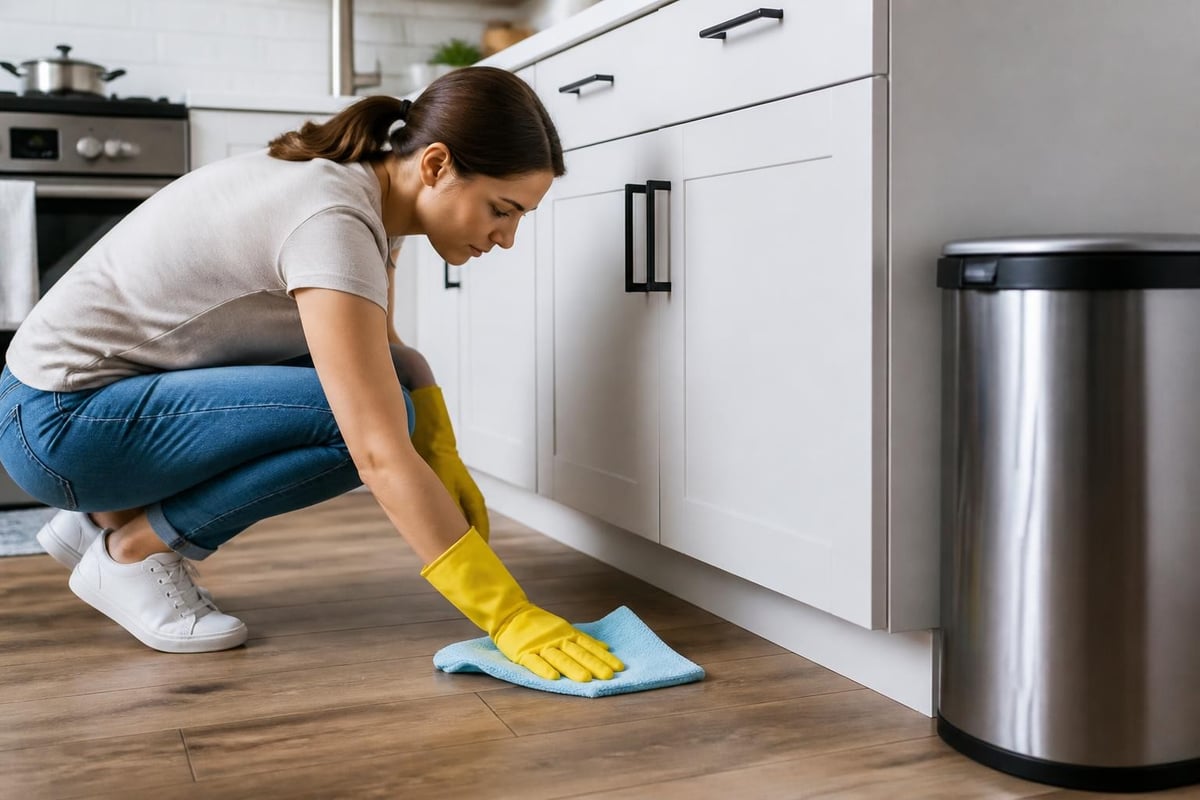
Implementing targeted cleaning strategies specifically designed to discourage pest activity requires understanding pest behavior and habitat preferences. Different pest species respond to different environmental conditions, necessitating varied approaches to sanitation and maintenance.
Kitchen and Food Storage Areas
Kitchens represent the primary attraction zone for most household pests. Food particles, moisture, and warmth create ideal conditions for cockroaches, ants, rodents, and pantry pests. Professional-grade cleaning and pest control protocols for these spaces extend far beyond routine wiping and sweeping.
Critical kitchen sanitation tasks include:
- Cleaning beneath and behind appliances where grease and food debris accumulate
- Sealing gaps around plumbing penetrations that provide pest access
- Storing dry goods in airtight containers that prevent pest contamination
- Addressing moisture issues around sinks and dishwashers
- Maintaining clean garbage receptacles with tight-fitting lids
- Wiping down surfaces with appropriate disinfectants after food preparation
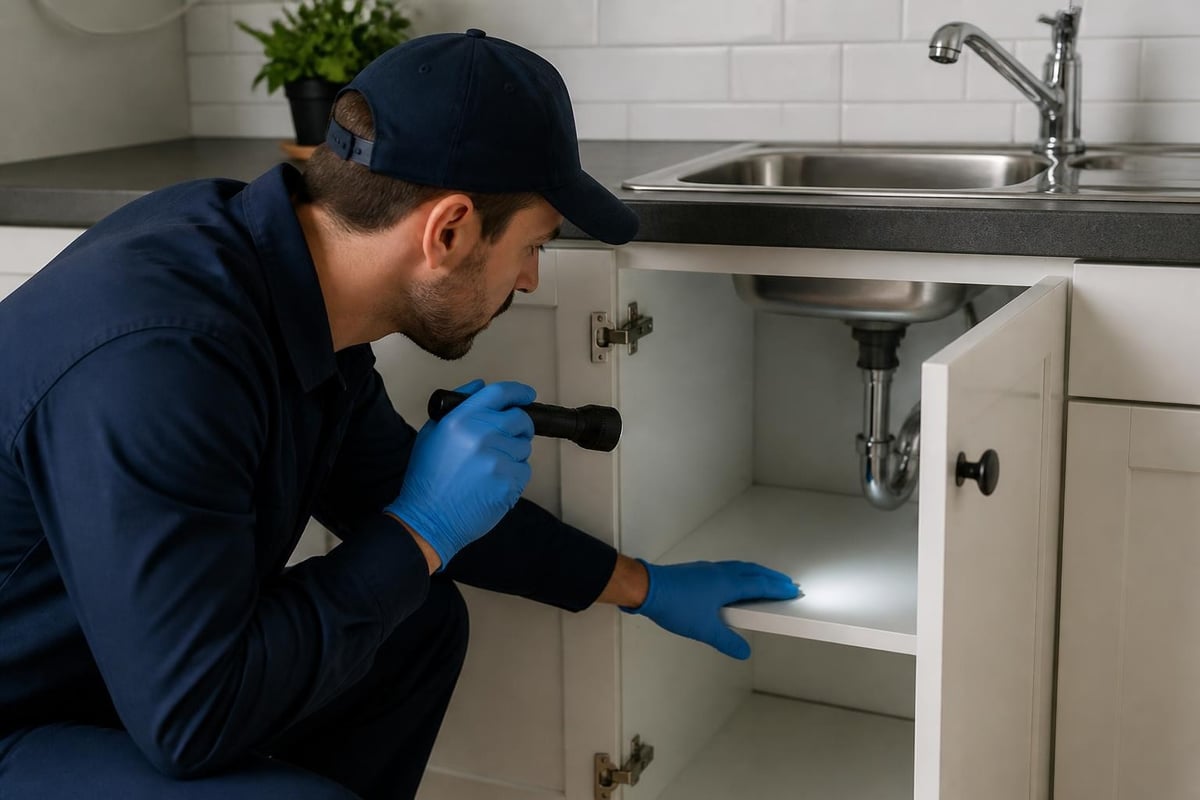
The space behind refrigerators and stoves often harbors years of accumulated debris that attracts roaches and rodents. These areas require quarterly deep cleaning to prevent pest establishment. Similarly, cabinet interiors, especially under sinks, need regular inspection and cleaning to identify moisture problems or pest evidence early.
Bathroom Moisture Management
Bathrooms provide the water sources essential for pest survival. Leaking pipes, condensation, and standing water create environments where cockroaches, silverfish, and even termites can thrive. Effective cleaning and pest control in bathrooms focuses on moisture elimination and sanitation.
Property owners should regularly inspect beneath sinks, around toilets, and near tubs for signs of water damage or pest activity. Proper ventilation through exhaust fans reduces humidity levels that attract moisture-loving pests. Grout and caulk maintenance prevents water intrusion into wall voids where pests establish hidden colonies.
| Bathroom Zone | Pest Risk | Cleaning Priority | Frequency |
|---|---|---|---|
| Under sink cabinets | Cockroaches, silverfish | Leak detection, debris removal | Monthly |
| Shower/tub surrounds | Silverfish, drain flies | Grout cleaning, moisture control | Weekly |
| Ventilation fans | Varied species | Dust removal, airflow maintenance | Quarterly |
| Floor drains | Drain flies, cockroaches | Deep cleaning, organic removal | Monthly |
The Hidden Zones: Crawl Spaces and Structural Areas
While homeowners typically focus cleaning efforts on living spaces, the areas beneath and above occupied rooms often pose the greatest pest risks. Crawl spaces, attics, and wall voids create protected environments where pests establish significant populations before homeowners detect their presence.
Crawl Space Sanitation and Protection
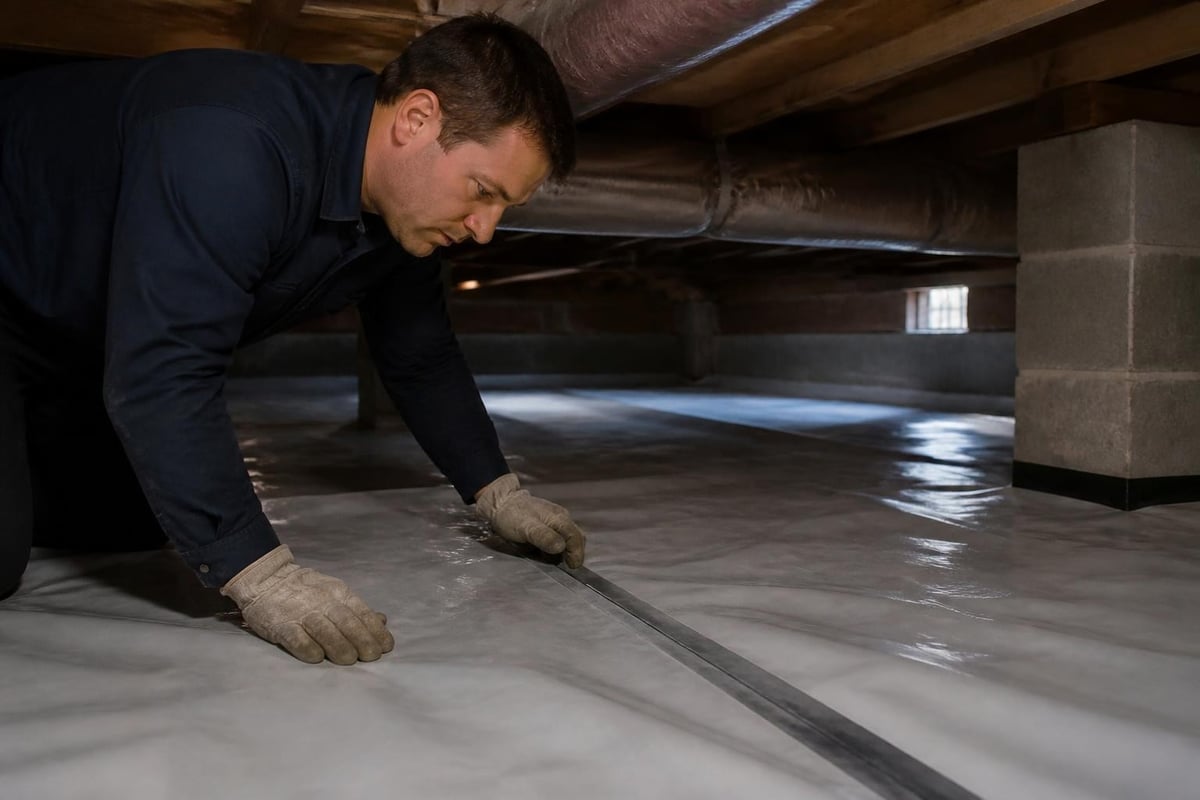
Richmond's high water table and periodic flooding create moisture challenges in crawl spaces that directly impact pest activity. Damp crawl spaces attract termites, carpenter ants, rodents, and wood-destroying fungi. Professional crawl space protection services address both moisture control and pest barriers through comprehensive treatment approaches.
Effective crawl space cleaning and pest control requires removing debris, dead vegetation, and wood scraps that attract termites and provide rodent nesting materials. Standing water elimination, vapor barrier installation, and proper ventilation create environments inhospitable to pest establishment.
Essential crawl space maintenance includes:
- Debris removal and sanitation
- Vapor barrier installation and maintenance
- Drainage system implementation
- Insulation inspection and replacement
- Regular pest monitoring and treatment
- Structural wood protection
The connection between crawl space conditions and indoor air quality makes this area critical for overall home health. Approximately 50% of indoor air originates from crawl spaces, meaning pest contamination and moisture problems in these areas directly affect living space air quality.
Common Cleaning Mistakes That Attract Pests
Ironically, certain cleaning approaches actually increase pest activity rather than reducing it. Understanding these counterproductive practices helps property owners avoid creating unintended pest attractions. According to expert guidance on spring cleaning habits, several routine cleaning tasks require modification to prevent pest problems.
Improper Storage During Decluttering
Spring cleaning and decluttering projects often involve moving items to garages, basements, or outdoor storage areas. Cardboard boxes, stacks of newspapers, and accumulated possessions create ideal rodent harborage. Mice and rats use these materials for nesting and shelter, establishing populations that eventually migrate into living spaces.
Professional pest exterminators in Richmond VA recommend using sealed plastic containers rather than cardboard boxes for long-term storage. Elevating stored items off floors and away from walls reduces rodent access and facilitates inspection for pest activity.
Mulch and Yard Debris Management
Exterior cleaning projects frequently involve mulch application and vegetation management. However, mulch placed against foundation walls creates moisture bridges that attract termites and provide pathways into structures. Excessive mulch depth and organic debris accumulation near buildings support pest populations that eventually attempt indoor entry.
Maintaining a 12-inch gap between mulch and foundation walls, limiting mulch depth to 2-3 inches, and removing leaf litter and wood debris reduces pest harborage. Regular perimeter inspection identifies pest activity before populations establish themselves indoors.
Cleaning Product Selection and Application
Not all cleaning products provide equal pest deterrence. Some formulations leave residues that attract ants and cockroaches, while others fail to eliminate the pheromone trails pests use for navigation and colony communication.
Professional-grade cleaning and pest control products contain formulations specifically designed to disrupt pest behavior patterns. These solutions eliminate food odors, break down pheromone trails, and create surfaces less attractive to pest establishment. Understanding when professional pest control services become necessary helps property owners make informed decisions about DIY versus professional approaches.
Seasonal Cleaning and Pest Control Integration
Richmond's distinct seasons create varying pest pressures that require adjusted cleaning and prevention strategies throughout the year. Synchronizing sanitation protocols with seasonal pest behavior patterns maximizes prevention effectiveness while reducing treatment costs.
Spring Preparation and Prevention
Spring brings increased pest activity as overwintering populations emerge and new breeding cycles begin. Ants establish new colonies, termites swarm to create new infestations, and rodents seek nesting sites for spring litters.
Spring cleaning priorities for pest prevention:
- Sealing foundation cracks and entry points revealed by winter damage
- Clearing gutters and downspouts to prevent moisture accumulation
- Trimming vegetation away from structures
- Inspecting and repairing window screens
- Deep cleaning storage areas where pests overwintered
- Addressing moisture problems in basements and crawl spaces
Property owners should coordinate spring cleaning with professional pest inspections to identify developing problems before populations explode. Early intervention prevents minor pest presence from escalating into significant infestations requiring extensive treatment.
Summer Maintenance Focus
High humidity and temperatures during Richmond summers accelerate pest reproduction and activity. Cockroaches, ants, mosquitoes, and stinging insects reach peak populations, while increased outdoor activity brings pests into closer contact with humans.
Summer cleaning and pest control emphasizes moisture management and food source elimination. Air conditioning condensate, plumbing leaks, and poor drainage create water sources that sustain pest populations during hot weather. Regular cleaning of outdoor living spaces, grills, and garbage areas prevents food accumulation that attracts pests.
Fall Preparation and Exclusion
As temperatures cool, many pest species attempt indoor entry to escape harsh winter conditions. Rodents, stink bugs, lady beetles, and spiders seek warm shelter, often establishing populations in wall voids, attics, and crawl spaces.
Fall represents the critical season for structural exclusion work. Sealing gaps around utilities, repairing damaged vents, and installing door sweeps prevents pest entry before populations move indoors. Cleaning gutters, removing yard debris, and eliminating outdoor harborage sites reduces pest populations near structures.
| Season | Primary Pest Threats | Cleaning Focus | Prevention Priority |
|---|---|---|---|
| Spring | Termites, ants, rodents | Foundation, gutters, storage | Sealing, moisture control |
| Summer | Cockroaches, mosquitoes, wasps | Food areas, outdoor spaces | Sanitation, water elimination |
| Fall | Rodents, stink bugs, spiders | Attics, wall voids, perimeter | Exclusion, debris removal |
| Winter | Indoor pests, rodent activity | Interior spaces, storage areas | Monitoring, maintenance |
Professional Pest Control Services and Cleaning Protocols
While diligent property maintenance significantly reduces pest risks, professional intervention often becomes necessary to address established infestations or prevent high-risk pest species. The relationship between cleaning efforts and professional pest control services creates synergistic results that neither approach achieves independently.
When Professional Services Become Essential
Certain pest species and infestation levels exceed DIY management capabilities. Termites, bed bugs, and extensive rodent populations require specialized equipment, treatments, and expertise that homeowners typically lack. Professional pest exterminators in Richmond VA possess the training and resources necessary to eliminate these challenging pests while implementing prevention strategies.
Situations requiring professional pest control:
- Termite swarms or visible damage indicating active colonies
- Bed bug infestations confirmed through inspection or bites
- Rodent populations evidenced by droppings, sounds, or damage
- Recurring cockroach problems despite sanitation efforts
- Stinging insect nests in wall voids or structural areas
- Wildlife intrusion requiring humane removal and exclusion
Professional services extend beyond simple pesticide application. Comprehensive pest management includes inspection, identification, treatment, exclusion, and ongoing monitoring. These integrated approaches address current pest problems while creating long-term prevention systems.
Preparing Properties for Professional Treatment
Property owners maximize treatment effectiveness and value by properly preparing spaces before professional service appointments. Cleaning and organizing treatment areas allows technicians better access to pest harborage sites and ensures thorough application of control measures.
Pre-treatment preparation varies by pest type and treatment method. Bed bug treatments require extensive preparation including laundering linens, removing clutter, and vacuuming thoroughly. Rodent control benefits from sanitation that eliminates competing food sources, forcing rodents to consume bait placements. Termite treatments demand access to crawl spaces and perimeter areas, necessitating debris removal and vegetation management.
Maintaining Results Through Ongoing Cleaning
Professional pest control provides immediate population reduction and protection, but long-term success requires continued property maintenance. Regular cleaning prevents the food, water, and shelter conditions that enable pest reestablishment. Property owners who view professional services and sanitation as complementary rather than alternative approaches achieve superior long-term pest freedom.
Monthly or quarterly professional inspections combined with consistent cleaning protocols create layered defenses against pest invasion. This integrated approach proves particularly valuable for commercial properties where pest presence damages reputation and violates health regulations. Understanding why cockroach control requires professional attention helps property owners appreciate the complexity of effective pest management.
Technology and Innovation in Cleaning and Pest Control
Modern pest management increasingly incorporates technological solutions that enhance detection, treatment precision, and prevention effectiveness. These innovations complement traditional cleaning and pest control methods while reducing environmental impact and improving safety.
Advanced Monitoring Systems
Digital monitoring devices track pest activity patterns, providing data that informs targeted treatment decisions. Motion sensors, temperature monitors, and humidity gauges identify conditions conducive to pest development before infestations establish. Some systems employ machine learning algorithms to predict pest pressure based on environmental factors and historical patterns.
Smart pest monitoring reduces unnecessary pesticide applications by targeting treatments to confirmed activity rather than applying preventive chemicals throughout properties. This precision approach aligns with integrated pest management principles that prioritize non-chemical control methods whenever feasible.
Improved Treatment Formulations
Modern pest control products demonstrate improved efficacy with reduced environmental persistence and toxicity. Targeted formulations affect specific pest species while posing minimal risks to humans, pets, and beneficial organisms. Low-impact treatments integrate seamlessly with cleaning protocols without creating residues or odors that interfere with property use.
Botanical insecticides, biological controls, and mechanical exclusion devices expand the pest management toolkit beyond traditional chemical pesticides. Property owners concerned about pesticide exposure can work with professional exterminators to develop treatment plans emphasizing these alternative approaches.
Sanitation Equipment Advancements
Professional cleaning equipment now includes HEPA filtration systems that remove pest allergens, antimicrobial treatments that prevent microbial growth, and steam cleaners that kill pest eggs without chemicals. These tools prove particularly valuable for sensitive environments including healthcare facilities, schools, and food service operations where both cleanliness and pest freedom remain critical.
The integration of cleaning technology with pest management creates comprehensive solutions addressing both sanitation and pest prevention through single service applications. This efficiency reduces property disruption while ensuring thorough treatment of all risk factors.
Commercial Property Considerations
Businesses face unique cleaning and pest control challenges that extend beyond residential concerns. Regulatory compliance, customer perception, and liability issues elevate pest management importance for commercial property owners and managers throughout Richmond.
Industry-Specific Requirements
Different business types encounter distinct pest risks and regulatory standards. Food service establishments face stringent health department inspections that scrutinize both sanitation practices and pest prevention measures. Healthcare facilities must prevent pest-related disease transmission while avoiding pesticide exposures that endanger vulnerable patients. Hotels and apartments risk reputation damage and legal liability from bed bug infestations.
Commercial sector pest challenges:
| Industry | Primary Pests | Critical Zones | Compliance Standards |
|---|---|---|---|
| Restaurants | Cockroaches, rodents, flies | Kitchens, storage, waste areas | Health department regulations |
| Healthcare | Ants, cockroaches, bed bugs | Patient rooms, storage, mechanical | Infection control protocols |
| Hospitality | Bed bugs, cockroaches, rodents | Guest rooms, laundry, food service | Brand standards, guest satisfaction |
| Warehousing | Rodents, birds, stored product pests | Loading docks, storage racks | Product integrity, safety |
Commercial pest control requires documentation demonstrating ongoing prevention efforts and treatment records. Professional pest management companies provide detailed service reports satisfying regulatory requirements while identifying trends requiring additional attention.
Employee Training and Participation
Effective commercial cleaning and pest control depends on employee awareness and participation. Staff members who understand pest identification, reporting procedures, and prevention practices become valuable early warning systems that detect problems before they escalate.
Training programs should cover basic pest biology, common hiding and breeding sites, and proper sanitation procedures specific to each business operation. Employees who receive regular pest awareness education contribute significantly to prevention success while reducing treatment costs and business disruption.
Cost-Benefit Analysis
Commercial property owners sometimes question whether comprehensive cleaning and pest control programs justify their cost. However, the expenses associated with pest infestations-including treatment costs, business interruption, reputation damage, and potential legal liability-far exceed prevention investment.
A single restaurant closure for pest-related health violations can cost thousands in lost revenue, remediation expenses, and long-term customer loss. Hotels discovering bed bugs face room removal from service, expensive treatments, and negative online reviews that deter future bookings. Warehouses experiencing rodent contamination may lose entire product inventories and supplier relationships.
Regular professional pest control services combined with rigorous sanitation protocols provide insurance against these catastrophic scenarios. The predictable monthly investment in prevention delivers significantly better value than reactive treatment of established infestations.
Environmental Considerations and Sustainable Practices
Modern cleaning and pest control increasingly emphasizes environmental responsibility and sustainability. Property owners seeking to reduce chemical usage and environmental impact can implement integrated strategies that achieve effective pest management through mechanical, cultural, and biological controls.
Integrated Pest Management Principles
IPM approaches prioritize prevention, monitoring, and non-chemical controls while using pesticides only when necessary and in targeted applications. This philosophy aligns perfectly with thorough cleaning protocols that eliminate the conditions supporting pest populations.
IPM strategy components include:
- Regular inspection and monitoring to detect pest activity early
- Structural repairs and exclusion to prevent pest entry
- Sanitation improvements eliminating food, water, and shelter
- Habitat modification creating environments unsuitable for pests
- Biological controls using pest predators and parasites
- Mechanical controls including traps and physical barriers
- Chemical treatments applied only when other methods prove insufficient
Properties implementing comprehensive IPM programs typically reduce pesticide usage by 70-90% compared to traditional treatment approaches. This reduction benefits both environmental health and occupant safety while maintaining effective pest control.
Green Cleaning Product Selection
Environmentally preferable cleaning products reduce toxic chemical exposure while maintaining sanitation standards. Plant-based formulations, biodegradable ingredients, and recyclable packaging minimize environmental impact without sacrificing cleaning effectiveness.
Property owners should verify that "green" cleaning products carry third-party certifications from organizations like Green Seal or EPA Safer Choice. These certifications ensure products meet rigorous environmental and health standards rather than relying on unsubstantiated marketing claims.
Long-Term Sustainability Benefits
Sustainable cleaning and pest control practices provide benefits extending beyond immediate pest freedom. Reduced chemical usage protects water quality, limits air pollution, and preserves beneficial organisms including pollinators and natural pest predators. These approaches support ecosystem health while creating safer environments for property occupants.
Building maintenance practices emphasizing durability and proper moisture management prevent the structural deterioration that creates pest vulnerabilities. Investing in quality construction materials, proper drainage systems, and moisture barriers reduces long-term pest pressure while extending building lifespan. Professional insulation services that address rodent issues in attics demonstrate how comprehensive approaches simultaneously improve energy efficiency and pest prevention.
Effective property protection requires recognizing that cleaning and pest control function as interconnected elements of comprehensive maintenance strategies rather than separate tasks. Regular sanitation eliminating food sources, water, and shelter creates environments naturally resistant to pest establishment, while professional pest management addresses species and situations exceeding DIY capabilities. Property owners throughout Richmond who integrate these approaches benefit from healthier, safer spaces with dramatically reduced pest activity and the structural protection that preserves long-term property value. SanPro delivers integrated pest control, crawl space protection, and insulation services specifically designed for Richmond-area properties, combining expert treatment with prevention strategies that address the unique challenges Virginia's climate and construction types present to homeowners and businesses.