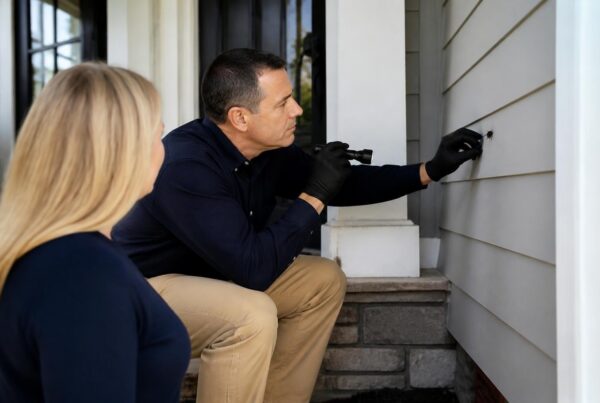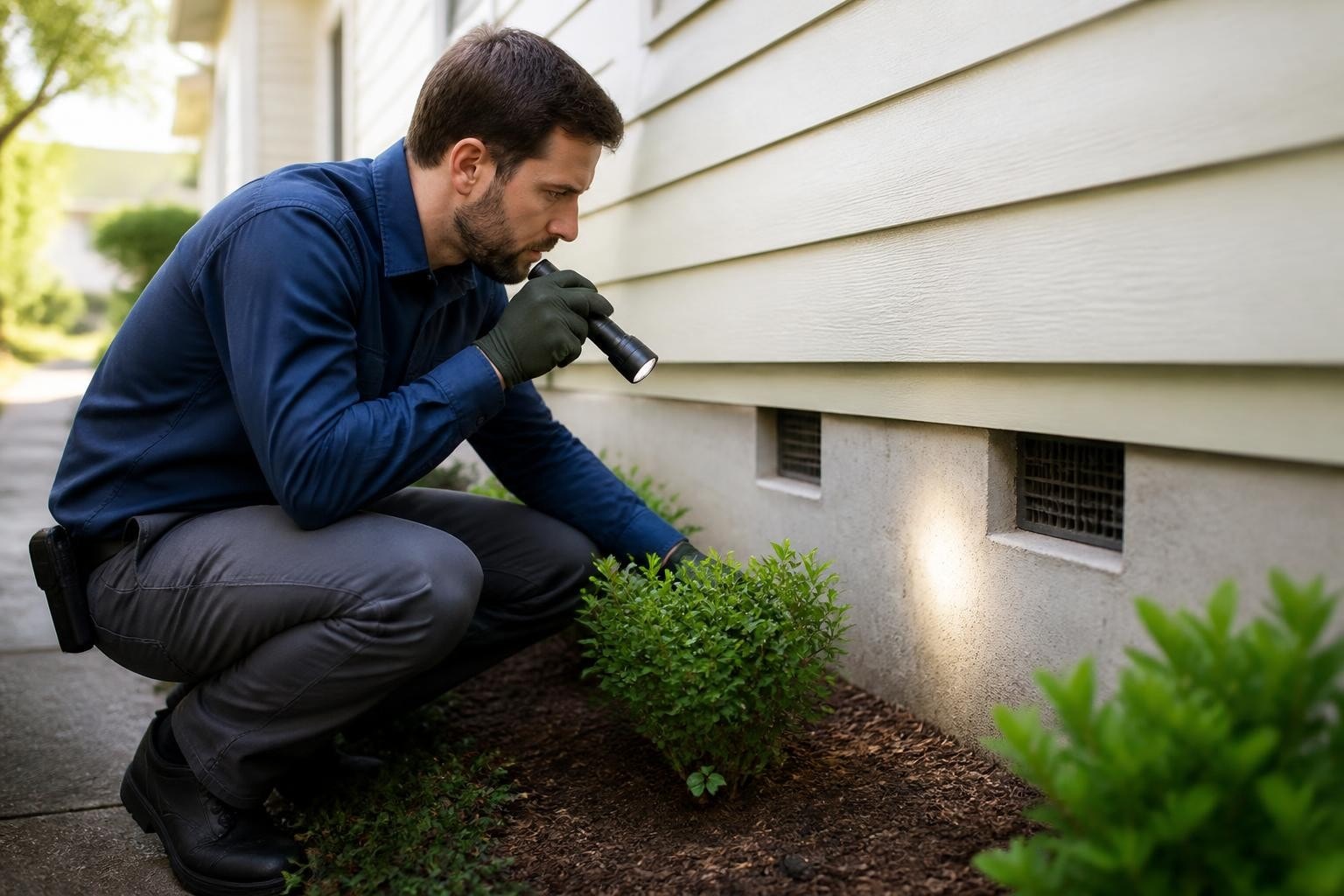
Finding the best pest control for your Richmond VA home requires understanding what separates effective, long-term solutions from temporary fixes. Whether you're dealing with active infestations or seeking preventive measures, the right approach combines professional expertise, proven methods, and ongoing maintenance. Richmond's humid climate and diverse ecosystem create ideal conditions for various pests, making it essential to choose pest control services that understand local challenges and deliver comprehensive protection for your property.
Understanding What Makes Pest Control Effective
The best pest control solutions go beyond simply eliminating visible pests. They address the root causes of infestations, prevent future problems, and protect your home's structural integrity while keeping your family safe. According to the U.S. Environmental Protection Agency’s guidelines on safe pest control, effective pest management combines multiple strategies rather than relying solely on chemical treatments.
Integrated Pest Management Principles
Integrated Pest Management (IPM) represents the gold standard in modern pest control. This comprehensive approach prioritizes:
- Prevention through exclusion and sanitation
- Monitoring to detect pest activity early
- Identification to target specific species accurately
- Treatment using the least toxic methods first
- Evaluation to assess effectiveness and adjust strategies
Professional pest control providers in Richmond VA who implement IPM strategies deliver superior results because they treat the entire pest ecosystem rather than just the symptoms. This method reduces chemical usage while providing more effective long-term protection.
Chemical vs. Non-Chemical Methods
The best pest control services offer a balanced approach that incorporates both chemical and non-chemical methods based on your specific situation.
| Method Type | Applications | Advantages | Limitations |
|---|---|---|---|
| Physical Barriers | Sealing entry points, screens, door sweeps | Long-lasting, no chemicals | Requires professional installation |
| Biological Controls | Beneficial insects, microbial treatments | Environmentally friendly | Slower results, specific conditions |
| Chemical Treatments | Targeted pesticides, baits, residual sprays | Fast-acting, broad spectrum | Requires careful application |
| Cultural Practices | Sanitation, moisture control, landscaping | Prevents recurring issues | Ongoing maintenance needed |
Richmond homeowners benefit most from providers who assess each situation individually and recommend customized treatment plans rather than one-size-fits-all solutions.

Key Factors for Choosing the Best Pest Control Services
Selecting the right pest control provider in Richmond VA involves evaluating multiple criteria that directly impact both immediate results and long-term protection. Your decision should account for the company's expertise, methods, reputation, and ability to address your specific pest challenges.
Licensing and Certification Requirements
Virginia requires all pest control technicians to hold proper licensing through the Department of Agriculture and Consumer Services. The best pest control companies employ technicians with:
- State-certified applicator licenses for commercial and residential applications
- Ongoing training in the latest treatment methods and safety protocols
- Specialized certifications for specific pests like termites or bed bugs
- Insurance coverage protecting both workers and property owners
Don't hesitate to ask potential providers about their licensing status and insurance coverage. Legitimate companies readily provide this information and welcome questions about their qualifications.
Treatment Approaches and Service Options
Top-tier pest control services in Richmond VA offer flexible treatment options tailored to different pest types and severity levels.
Initial Assessment Services:
- Comprehensive property inspection
- Pest identification and species-specific analysis
- Entry point and conducive condition evaluation
- Customized treatment plan development
- Detailed pricing and service timeline
Ongoing Protection Programs:
- Quarterly or bi-monthly preventive treatments
- Seasonal adjustments for pest activity patterns
- Unlimited service calls between scheduled visits
- Documentation and monitoring reports
- Warranty coverage for treated areas
The best pest control providers structure their services around your needs rather than forcing you into rigid packages. They explain treatment methods, set realistic expectations, and maintain transparent communication throughout the process.
Customer Service and Communication Standards
Exceptional pest control companies distinguish themselves through superior customer service. Look for providers who:
- Respond to inquiries within 24 hours
- Offer flexible scheduling including same-day emergency services
- Provide detailed service reports after each visit
- Explain findings in understandable terms
- Follow up to ensure treatment effectiveness
Reading online reviews and requesting references helps verify a company's customer service reputation before committing to a service agreement.
Common Pest Challenges in Richmond VA
Richmond's location in central Virginia creates unique pest pressures that homeowners must address proactively. The region's warm, humid summers and mild winters allow many pest species to thrive year-round, while seasonal fluctuations trigger specific activity patterns.
Seasonal Pest Activity Patterns
Understanding when different pests pose the greatest threats helps homeowners prepare and schedule preventive treatments accordingly.
| Season | Primary Pests | Activity Drivers | Best Control Timing |
|---|---|---|---|
| Spring | Termites, ants, mosquitoes | Warming temperatures, increased moisture | March-May preventive treatments |
| Summer | Stinging insects, flies, spiders | Peak breeding season, food abundance | June-August monitoring |
| Fall | Rodents, cockroaches, stink bugs | Seeking shelter for winter | September-November exclusion work |
| Winter | Rodents, overwintering insects | Indoor warmth seeking | December-February indoor focus |
The best pest control strategies in Richmond VA account for these seasonal patterns and adjust treatment approaches accordingly. Professional exterminators time preventive applications to intercept pests before populations explode rather than reacting after infestations establish.
Structural Vulnerabilities and Entry Points
Richmond homes face common structural vulnerabilities that invite pest intrusions. Older properties in neighborhoods like Forest Hill and Southside often present unique challenges due to aging foundations, original construction methods, and mature landscaping.
Critical entry points requiring attention:
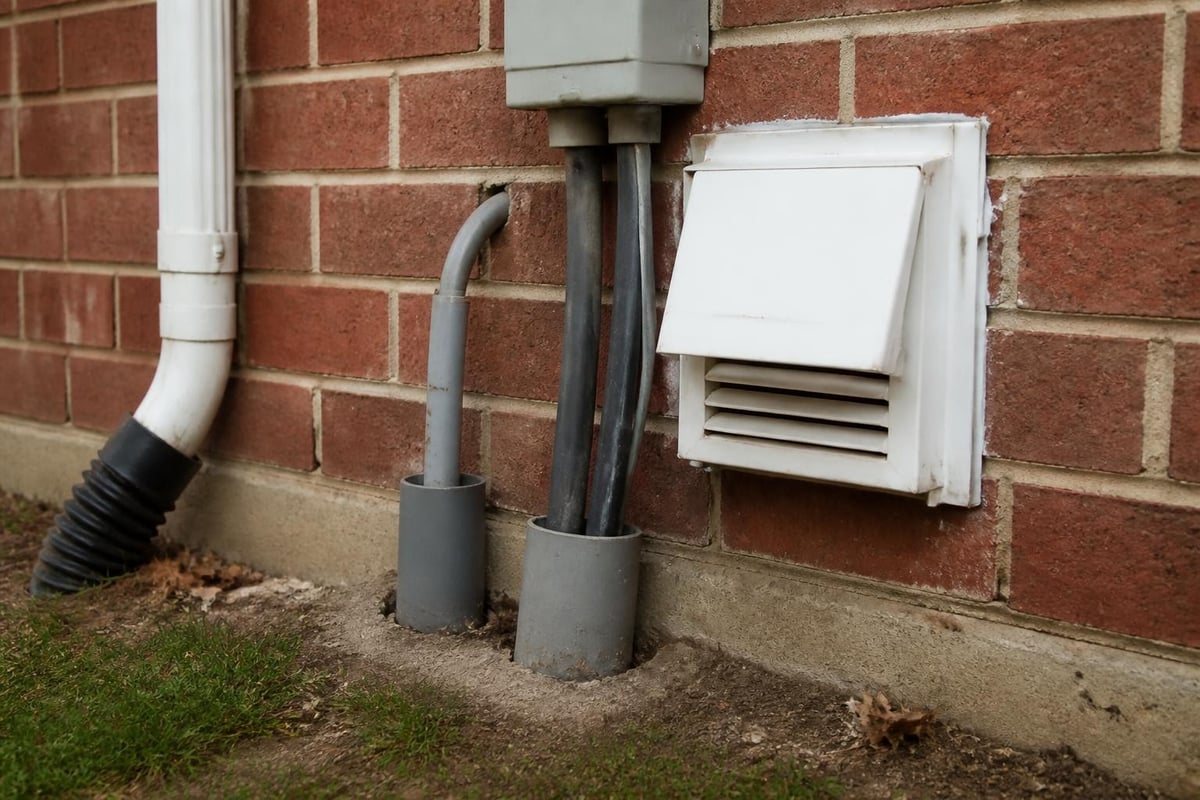
- Foundation cracks and gaps around utility penetrations
- Deteriorated weather stripping on doors and windows
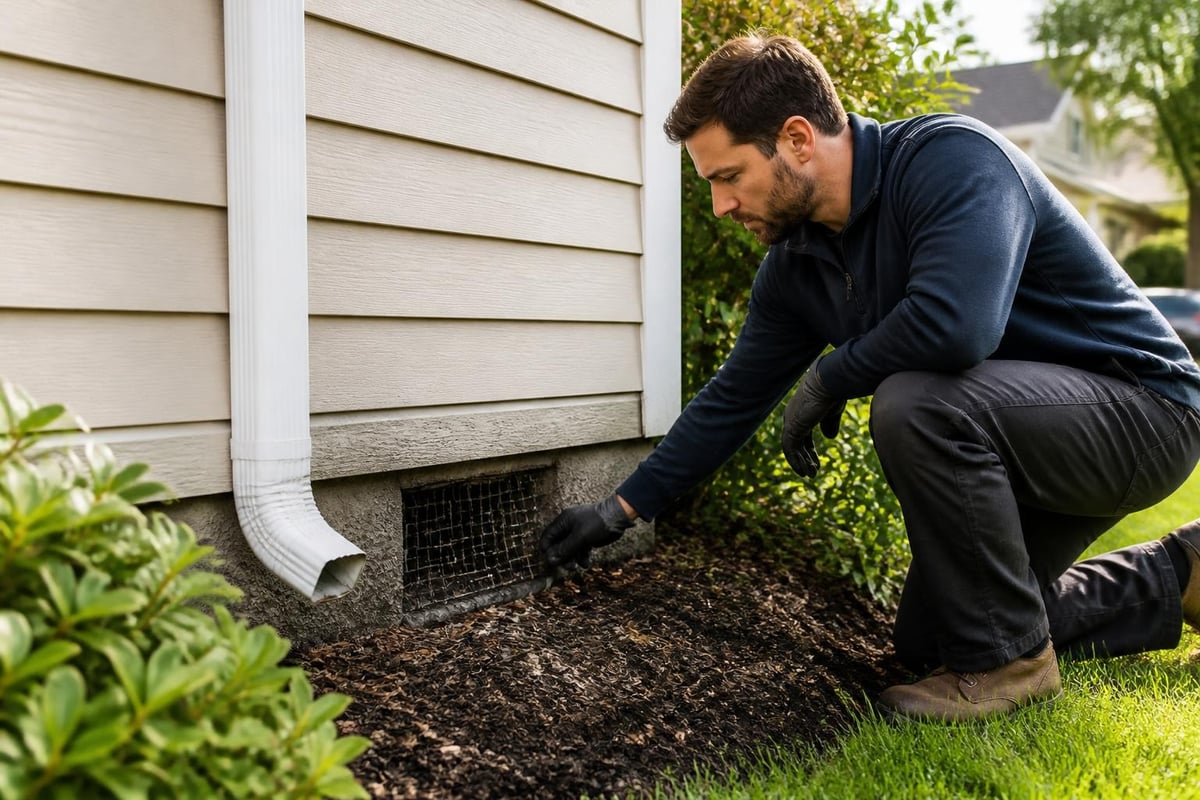
- Damaged or missing vent screens
- Roof line gaps and soffit openings
- Chimney caps and attic vents
For homeowners dealing with moisture issues and pest activity beneath their homes, addressing crawlspace conditions becomes essential to long-term pest control success. Damp, poorly ventilated crawl spaces attract termites, rodents, and wood-destroying insects while compromising structural integrity.
Evaluating Pest Control Treatment Methods
The best pest control companies employ diverse treatment methods selected based on pest species, infestation severity, property characteristics, and homeowner preferences. Understanding these approaches helps you make informed decisions and set appropriate expectations.
Perimeter Protection Strategies
Exterior perimeter treatments form the first line of defense against pest intrusions. Professional applications create barrier zones that intercept pests before they enter living spaces.
Liquid barrier treatments involve applying residual insecticides around foundations, entry points, and conducive areas. Modern formulations provide 90-day protection and target crawling insects like ants, cockroaches, and spiders. The best pest control technicians apply these products precisely to minimize environmental impact while maximizing effectiveness.
Granular applications work well in mulch beds, foundation plantings, and gravel areas where liquid treatments might wash away. These slow-release formulations continue working through rain events and irrigation cycles.
Dust formulations excel in wall voids, attics, and other enclosed spaces where pests travel and nest. Professional-grade dusts maintain effectiveness for months or even years when applied in protected locations.
Interior Treatment Protocols
Indoor pest control requires careful product selection and precise application to ensure safety while eliminating pest populations. The best pest control providers follow strict protocols when working inside occupied spaces.
- Crack and crevice treatments target areas where pests harbor and travel
- Spot treatments address specific activity zones identified during inspection
- Baiting systems provide continuous control with minimal chemical exposure
- Monitoring devices track activity levels and treatment effectiveness
- Sanitation recommendations address conditions attracting or supporting pests
Interior treatments should never create strong odors or require extended vacancy periods. Modern products and application methods allow normal home use immediately after service completion.
Specialized Treatment Technologies
Advanced pest control companies invest in specialized equipment and methods that enhance treatment effectiveness and efficiency. Various pest control methods continue evolving as research and technology advance.
Heat treatments eliminate bed bugs and other heat-sensitive pests by raising room temperatures to lethal levels. This chemical-free method penetrates furniture, wall voids, and other hiding places conventional treatments miss.
Fumigation services address severe termite infestations in whole-structure treatments. Licensed fumigation specialists seal buildings and introduce gases that penetrate all wood members, eliminating entire termite colonies.
Targeted injection systems deliver treatments directly into wall voids, under slabs, or into termite galleries. These precision applications minimize product usage while maximizing pest exposure.
Prevention Strategies for Long-Term Protection
The best pest control outcomes result from combining professional treatments with ongoing prevention measures that address conducive conditions and eliminate pest attractants. Homeowners who actively participate in prevention enjoy fewer pest problems and require less intensive treatments.
Moisture Management and Drainage
Excess moisture attracts numerous pest species and creates conditions where populations thrive. Richmond's humid climate makes moisture management particularly important for successful pest control.
Exterior moisture control measures:
- Maintain proper grading sloping away from foundations
- Clean gutters and downspouts regularly
- Extend downspout discharge at least 6 feet from structures
- Repair leaking outdoor faucets and irrigation systems
- Remove standing water sources in yards
Interior moisture reduction:
- Fix plumbing leaks promptly
- Use dehumidifiers in damp basements and crawl spaces
- Ensure proper ventilation in bathrooms and kitchens
- Address condensation issues on pipes and HVAC equipment
- Monitor crawl space humidity levels
Professional pest control providers often identify moisture issues during inspections and recommend corrections that dramatically improve treatment outcomes.
Sanitation and Exclusion Practices
Following best management practices for controlling pests without relying solely on pesticides enhances program effectiveness and sustainability.
Kitchen and food storage:
- Store dry goods in sealed containers
- Clean spills and crumbs immediately
- Take garbage out regularly using sealed bins
- Don't leave pet food out overnight
- Wipe down counters and appliances daily
General housekeeping:
- Reduce clutter that provides harborage
- Vacuum regularly including edges and corners
- Seal cracks and gaps in walls and baseboards
- Store firewood away from structures
- Trim vegetation touching house exteriors
These simple practices remove food sources, water, and shelter that pests need to survive. When combined with professional treatments, they create inhospitable environments that discourage pest activity.
Landscaping and Yard Maintenance
Your property's exterior conditions significantly influence pest pressure on your home. Strategic landscaping choices and maintenance practices support pest control efforts.
- Maintain 12-inch clearance between mulch and siding
- Trim tree branches away from roof lines
- Remove dead wood and debris from yards
- Store lumber and materials on racks off ground
- Keep grass cut and edges trimmed
Well-maintained landscapes not only look better but also eliminate the transitional habitats that many pests use when moving from natural areas to structures.
Warning Signs Requiring Immediate Professional Attention
Recognizing early signs of pest activity allows for prompt intervention before minor issues become major infestations. The best pest control outcomes occur when homeowners catch problems early and seek professional help quickly.
Structural Damage Indicators
Certain pests cause significant structural damage that worsens over time if left untreated. Regular inspection of vulnerable areas helps identify problems before they escalate.
Termite activity signs:
- Mud tubes on foundations or in crawl spaces
- Hollow-sounding wood when tapped
- Discarded wings near windows or doors
- Frass (wood-colored droppings) beneath wood members
- Sagging floors or door frames
Rodent damage evidence:
- Gnaw marks on wood, wires, or plastic
- Grease marks along walls and baseboards
- Shredded insulation or paper materials
- Scratching sounds in walls or ceilings
- Droppings in cabinets or storage areas
These signs warrant immediate professional inspection regardless of whether you currently have a pest control service agreement.
Health and Safety Concerns
Some pest situations present immediate health risks requiring urgent professional intervention. Safe pest control becomes especially critical when dealing with disease vectors or aggressive species.
Urgent response situations:
- Stinging insects nesting near entryways
- Rodent activity in food preparation areas
- Bed bugs in sleeping areas
- Cockroach infestations in kitchens or bathrooms
- Visible termite swarms inside structures
The best pest control companies offer emergency services for situations that can't wait for regular scheduling. Don't delay seeking help when health or safety is at stake.
Selecting the Right Service Plan for Your Needs
Richmond homeowners choose from several service models depending on current pest pressures, property characteristics, and budget considerations. Understanding available options helps you select the most appropriate coverage level.
One-Time Treatments vs. Ongoing Programs
Both service models serve important purposes, but ongoing programs typically deliver superior value and protection over time.
| Service Model | Best For | Typical Cost | Coverage Details |
|---|---|---|---|
| One-Time Service | Single pest issues, move-in/move-out treatments | $150-400 | Addresses current problem only |
| Quarterly Programs | Year-round protection, multiple pest types | $100-150 per visit | Seasonal adjustments, warranty coverage |
| Bi-Monthly Service | High pest pressure, commercial properties | $80-120 per visit | More frequent monitoring |
| Monthly Monitoring | Severe ongoing issues, sensitive facilities | $60-100 per visit | Maximum protection level |
The best pest control value usually comes from quarterly programs that provide consistent protection while adjusting treatments to seasonal pest patterns. These programs also include unlimited callbacks if pest activity occurs between scheduled visits.
Warranty and Guarantee Considerations
Service guarantees demonstrate a company's confidence in their methods and commitment to customer satisfaction. The best pest control providers stand behind their work with meaningful warranties.
Strong guarantee programs include:
- Free re-treatment if pests return between services
- Prorated refunds for ineffective treatments
- Damage repair coverage for termite programs
- Clear terms explaining coverage scope and exclusions
- No additional charges for callback services
Always review warranty terms carefully and ask questions about situations that might void coverage. Reputable companies provide written guarantees and honor them without dispute.
Specialized Service Add-Ons
Beyond general pest control, many homeowners in Richmond VA benefit from specialized services addressing specific threats or property features.
Termite protection programs include annual inspections, liquid barrier treatments or baiting systems, and structural damage warranties. Given Richmond's climate and soil conditions, termite protection represents essential coverage rather than optional add-on service.
Mosquito control programs reduce outdoor pest populations through targeted treatments of breeding sites and adult resting areas. These seasonal programs run from April through October when mosquitoes remain most active.
Wildlife exclusion services address issues with squirrels, raccoons, bats, and other animals entering attics or crawl spaces. Professional wildlife removal includes humane trapping, entry point repairs, and sanitation of affected areas.
Cost Factors and Budget Planning
Understanding pest control pricing structures helps homeowners budget appropriately and evaluate proposals from different providers. The best pest control services offer transparent pricing without hidden fees or surprise charges.
Price Ranges for Common Services
Richmond VA pest control costs vary based on property size, service frequency, pest types, and treatment methods required.
General pest control pricing:
- Initial service (covers setup, comprehensive treatment): $200-450
- Quarterly maintenance visits: $100-150 per treatment
- Annual program cost: $400-700 for average homes
- Larger properties (3,000+ square feet): Add 20-30%
Specialized treatment costs:
- Termite inspections: $75-150 (often free with service)
- Liquid termite barriers: $1,200-2,500 depending on linear feet
- Bed bug heat treatments: $1,000-3,000 per room
- Rodent exclusion work: $500-2,000 based on entry point quantity
The best pest control companies provide detailed written estimates explaining all costs before beginning work. Beware of unusually low prices that may indicate inexperienced technicians or inferior products.
Value Indicators Beyond Price
While cost matters, the cheapest pest control rarely delivers the best results. Focus on value factors that indicate quality service and long-term effectiveness.
- Response time for scheduling and emergency situations
- Technician consistency with same service professional each visit
- Treatment documentation providing detailed service reports
- Customer education explaining findings and recommendations
- Product quality using professional-grade materials
Companies like SanPro distinguish themselves through comprehensive service approaches that address pest problems holistically rather than just applying chemicals on scheduled visits.
Seasonal Promotions and Package Deals
Many pest control providers offer special pricing during slower seasons or bundle services for added value. Smart shoppers can reduce costs while maintaining quality protection.
Common promotional opportunities:
- Pre-payment discounts for annual service agreements
- New customer specials including free initial inspections
- Bundled packages combining pest control with other services
- Referral credits for recommending satisfied customers
- Seasonal promotions for spring or fall startup programs
Always compare promotional offers carefully, ensuring discounted packages include necessary service components rather than stripped-down versions of regular programs.
Technology and Innovation in Modern Pest Control
The pest control industry continues evolving with new technologies enhancing treatment effectiveness, safety, and customer convenience. The best pest control companies invest in these advancements rather than relying on outdated methods.
Digital Monitoring and Reporting Systems
Modern pest control services leverage technology to improve service quality and customer communication.
Digital service platforms provide:
- Online scheduling and service history access
- Pre-service notifications and appointment reminders
- Digital service reports with photos and findings
- Treatment product information and safety data sheets
- Billing management and payment processing
These systems increase transparency and allow homeowners to track their pest control program's effectiveness over time. Similar to how professional TV mounting services use technology to ensure precise installation, modern pest control providers employ digital tools to deliver consistent, documented results.
Advanced Detection Methods
Early pest detection prevents small problems from becoming major infestations. Innovative monitoring technologies help identify pest activity before visible signs appear.
- Electronic monitoring devices track rodent activity in real-time
- Termite detection systems sense vibrations and tunneling activity
- Pheromone traps monitor flying insect populations
- Thermal imaging reveals hidden pest activity in walls
- Moisture meters identify conducive conditions
These tools allow pest control professionals to make data-driven treatment decisions rather than relying solely on visual inspection.
Environmentally Responsible Products
Consumer demand for safer pest control drives product innovation toward reduced-risk formulations and non-chemical alternatives.
Modern low-impact options include:
- Plant-based insecticides with shorter environmental persistence
- Insect growth regulators disrupting reproduction
- Desiccant dusts causing dehydration without toxicity
- Botanical oils providing contact kill without residual effects
- Microbial treatments targeting specific pest species
The best pest control providers offer these options to environmentally conscious customers while educating them about effectiveness tradeoffs compared to conventional products.
Regional Considerations for Richmond VA Properties
Richmond's specific geographic, climatic, and demographic factors influence pest control needs and effective treatment strategies. Local expertise matters when selecting pest control services because regional knowledge directly impacts treatment success.
Climate Impact on Pest Populations
Central Virginia's humid subtropical climate creates year-round pest pressures unlike northern regions where winter provides extended relief from insect activity.
Climate-driven pest challenges:
- High humidity supporting moisture-loving pests
- Mild winters allowing overwinter survival
- Extended warm seasons lengthening breeding cycles
- Heavy rainfall creating standing water for mosquitoes
- Temperature fluctuations triggering indoor migration
Richmond pest control providers must adjust treatment timing and methods to account for these regional realities. Successful pest management programs incorporate regional environmental factors into their strategies.
Neighborhood-Specific Concerns
Different Richmond neighborhoods present unique pest control challenges based on housing age, proximity to natural areas, and property characteristics.
Historic district considerations:
- Older construction with more entry points
- Original wood more susceptible to termites
- Renovation restrictions limiting treatment options
- Shared walls in row houses spreading infestations
- Mature trees bringing wildlife into close contact
Suburban developments:
- New construction settling creating foundation gaps
- Disturbed soil from development attracting termites
- Retained natural areas supporting pest populations
- Landscaping requiring ongoing maintenance
- Proximity to wooded areas increasing wildlife encounters
The best pest control technicians recognize these neighborhood-specific factors and adjust recommendations accordingly rather than applying generic treatment protocols.
Municipal Regulations and Requirements
Richmond homeowners should understand local ordinances affecting pest control practices, particularly regarding certain treatment methods or pest species.
Relevant regulatory considerations:
- Pesticide application restrictions near water features
- Wildlife removal permits for certain species
- Notification requirements for neighboring properties
- Disposal regulations for treated materials
- Documentation standards for multi-unit properties
Professional pest control companies handle regulatory compliance as part of their service, ensuring all treatments meet local, state, and federal requirements.
Evaluating Treatment Success and Program Adjustments
The best pest control programs include ongoing evaluation to verify treatments achieve desired results and allow for strategy adjustments when necessary. Homeowners should actively participate in this monitoring process.
Performance Metrics and Expectations
Understanding realistic timeframes and success indicators helps homeowners evaluate their pest control provider's performance accurately.
Treatment effectiveness timelines:
- General insects: Significant reduction within 7-14 days
- Rodents: Activity elimination within 2-4 weeks
- Termites: Complete colony elimination within 6-12 months
- Bed bugs: Multiple treatments over 4-8 weeks
- Mosquitoes: Noticeable reduction within 24 hours
The best pest control companies set realistic expectations upfront rather than promising immediate elimination of all pest issues.
Documentation and Communication
Comprehensive service documentation creates valuable records tracking pest activity patterns, treatment applications, and program effectiveness over time.
Essential documentation includes:
- Detailed inspection findings with location specifics
- Pest identification and population estimates
- Treatment products used including concentrations
- Application locations and methods employed
- Recommendations for homeowner actions
Review these reports after each service and ask questions about anything unclear. Good communication between homeowner and pest control provider significantly improves program outcomes.
When to Request Program Changes
Pest control needs evolve based on seasonal changes, property modifications, and treatment results. Don't hesitate to request program adjustments when circumstances change.
Valid reasons for program modification:
- Persistent activity despite regular treatments
- New pest species appearing
- Property changes creating different vulnerabilities
- Seasonal adjustments not addressing current threats
- Desire for more or less frequent service
The best pest control companies view program adjustments as normal aspects of providing customized service rather than admissions of failure. They welcome feedback and adapt approaches to achieve optimal results for each property.
Protecting your Richmond VA home from pests requires selecting services that combine professional expertise, proven methods, and ongoing commitment to your property's unique needs. The best pest control strategies integrate multiple approaches while addressing the specific challenges presented by our region's climate and pest populations. Whether you're dealing with current infestations or seeking preventive protection, SanPro delivers comprehensive solutions backed by local knowledge and dedication to customer satisfaction. Contact us today to schedule your property assessment and discover how our tailored pest control programs protect what matters most to you.