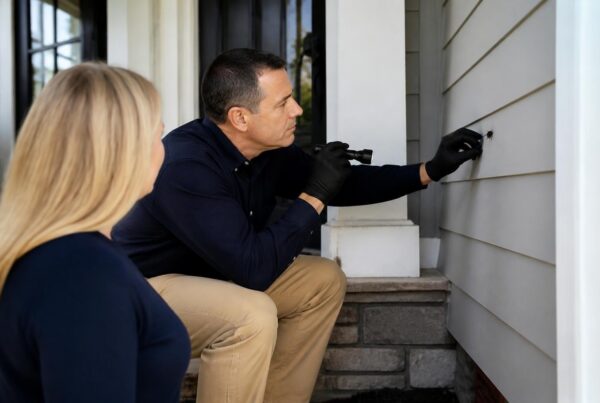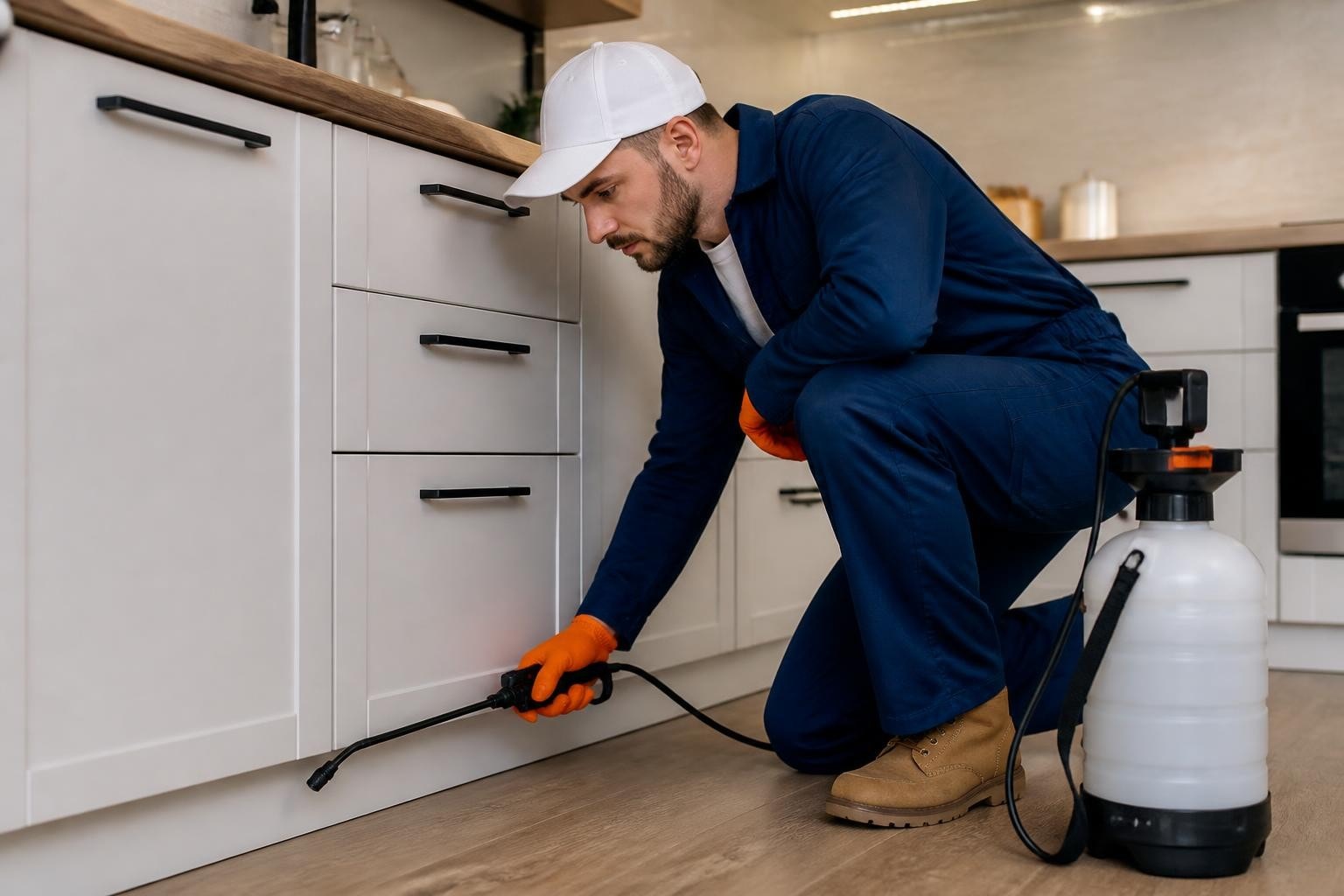
Professional pest management operates within a comprehensive framework of regulations, certifications, and industry best practices designed to protect public health, property, and the environment. Understanding pest control standards helps property owners in Richmond VA make informed decisions when selecting service providers and ensures compliance with local, state, and federal requirements. These standards govern everything from pesticide application techniques to technician qualifications, creating a structured approach that balances effectiveness with safety.
Understanding Federal Pest Control Standards
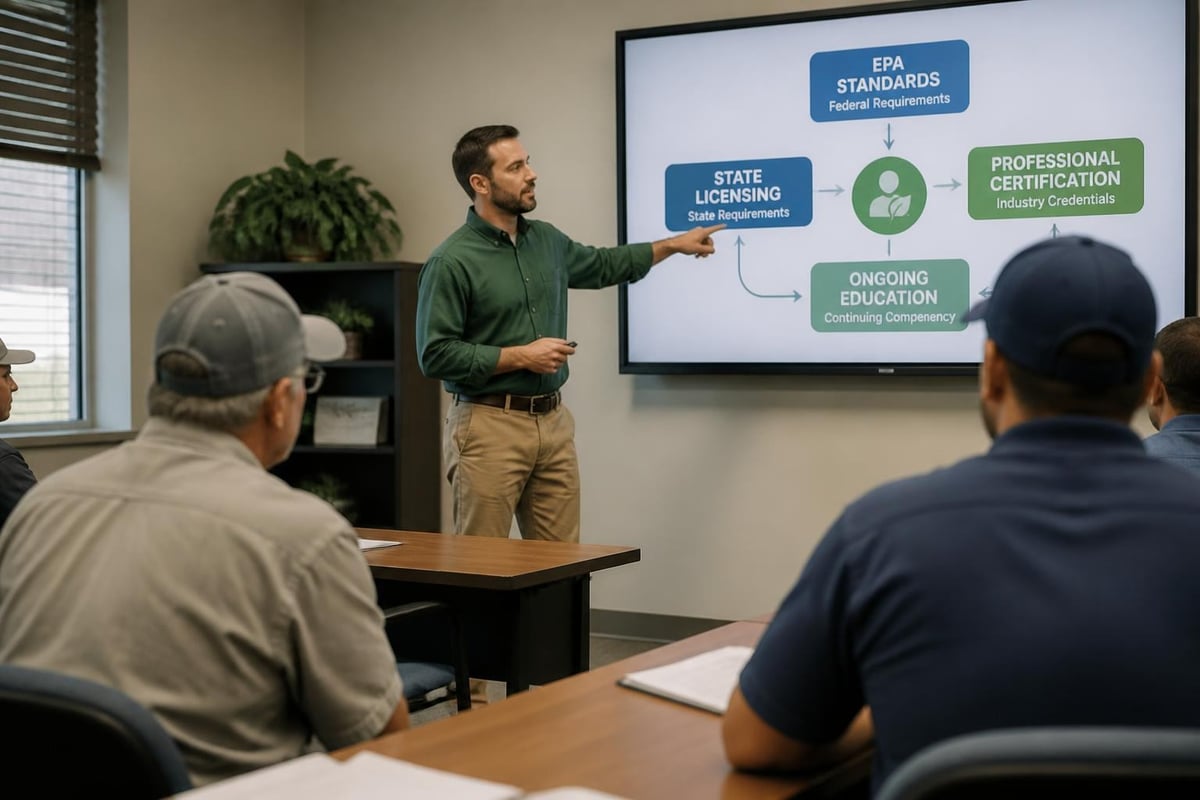
The Environmental Protection Agency establishes baseline requirements that all pest management professionals must follow. The EPA’s federal certification standards for pesticide applicators mandate that commercial applicators demonstrate competency in pest identification, pesticide selection, application methods, and safety protocols before receiving certification. These federal pest control standards serve as the foundation upon which states build additional requirements tailored to regional needs and pest pressures.
Commercial applicators must pass examinations covering integrated pest management principles, label comprehension, environmental considerations, and emergency response procedures. The certification process ensures that technicians understand how different pest control methods interact with building structures, particularly in areas like crawl spaces and attics where moisture control and structural integrity intersect with pest prevention strategies.
Federal requirements address several critical competency areas:
- Pest biology and identification across multiple species
- Pesticide formulation selection and compatibility
- Application equipment calibration and maintenance
- Environmental fate and transport of control products
- Worker protection standards and safety protocols
- Record-keeping and documentation requirements
These foundational pest control standards create consistency across the industry while allowing states to implement additional measures that address specific regional challenges. Richmond VA property owners benefit from this layered approach, as local pest pressures from termites, rodents, and moisture-loving insects require specialized knowledge beyond basic federal requirements.
State and Regional Regulatory Frameworks
Virginia maintains its own certification system that builds upon federal pest control standards while addressing commonwealth-specific concerns. State regulations require technicians to complete additional training on local pest species, climate-related pest pressures, and building construction methods common to the Richmond area. This regional focus ensures that pest management professionals understand how Virginia's humid subtropical climate influences pest behavior and treatment strategies.
California provides an excellent example of comprehensive state-level standards through its general standards of care for pest control, which detail equipment maintenance protocols, application methodology, and environmental safeguards. While Richmond VA operates under Virginia's regulatory framework, these California standards illustrate the level of specificity that advanced state programs implement to protect consumers and ecosystems.
| Regulatory Level | Primary Focus | Example Requirements |
|---|---|---|
| Federal (EPA) | Baseline competency | Applicator certification, label compliance |
| State (Virginia) | Regional adaptation | Local pest knowledge, climate considerations |
| Local (Richmond) | Community standards | Building codes, notification procedures |
| Industry (QualityPro) | Professional excellence | Advanced training, business practices |
The examination requirements vary by specialization, with structural pest control technicians needing different expertise than agricultural applicators. Illinois certification standards demonstrate how states test knowledge of pesticide safety, application techniques, and legal responsibilities specific to structural pest management in residential and commercial properties.
Specialized Certification Categories
Different pest control scenarios require distinct skill sets and certifications. Technicians working in crawl spaces must understand moisture dynamics, ventilation requirements, and how crawl space encapsulation impacts long-term pest prevention. Similarly, professionals addressing attic infestations need expertise in insulation materials, wildlife exclusion, and thermal envelope preservation.
South Dakota’s additional certification standards for industrial, institutional, structural, and health-related pest control emphasize the importance of accurate pest identification and species-specific control methods. This specialization ensures that technicians can differentiate between carpenter ants and termites, or distinguish rat activity from squirrel intrusion, leading to more effective treatment protocols.
Richmond VA property owners should verify that their pest management provider holds appropriate certifications for the specific services needed. A technician certified for general residential pest control may lack the specialized training required for termite treatment or rodent exclusion in complex crawl space environments.
Industry Accreditation and Professional Standards
Beyond regulatory requirements, voluntary industry accreditation programs establish elevated pest control standards that demonstrate commitment to excellence. The QualityPro program sets national benchmarks for pest management companies, evaluating business practices, technician education, safety protocols, and customer service standards. Companies earning QualityPro accreditation undergo rigorous third-party audits verifying compliance with best practices that exceed minimum regulatory requirements.
These professional standards address aspects of pest management that regulations may not fully capture, including:
- Ongoing education programs ensuring technicians stay current with emerging pest threats
- Comprehensive safety protocols protecting workers, occupants, and the environment
- Quality control systems verifying treatment effectiveness and customer satisfaction
- Ethical business practices including transparent pricing and accurate service descriptions
- Advanced integrated pest management techniques minimizing pesticide reliance
The distinction between meeting minimum regulatory standards and achieving professional accreditation parallels the difference between adequate and exceptional service. Richmond VA property owners seeking long-term pest solutions rather than temporary fixes benefit from partnering with companies that pursue voluntary certification demonstrating their commitment to industry leadership.

Environmental and Green Certification Standards
Environmental consciousness has driven development of specialized pest control standards focusing on ecological responsibility and human health protection. Green Shield Certified standards establish protocols for environmentally responsible pest management, emphasizing knowledge-based approaches, continuous monitoring, preference for non-chemical interventions, and documented performance outcomes.
These green certification programs require pest management professionals to implement integrated pest management principles prioritizing prevention and habitat modification over chemical applications. For Richmond VA homes, this approach means addressing conducive conditions like moisture accumulation in crawl spaces, entry point sealing around foundations, and vegetation management around structures before considering pesticide use.
Key components of environmental pest control standards include:
- Inspection protocols identifying pest conducive conditions and entry points
- Monitoring systems tracking pest activity levels and treatment effectiveness
- Prevention strategies modifying environments to discourage pest establishment
- Non-chemical controls using physical barriers, traps, and exclusion methods
- Reduced-risk products selecting targeted treatments with minimal environmental impact
- Documentation requirements maintaining detailed records of observations and actions
The organic sector maintains particularly stringent requirements. The Code of Federal Regulations facility pest management standards for organic producers and handlers mandate preventive measures and restrict control methods to approved substances and techniques. While these standards primarily govern agricultural operations, the preventive philosophy influences residential and commercial pest management approaches.
Richmond VA properties benefit from these environmental pest control standards through services that address root causes rather than symptoms. A comprehensive approach to pest prevention often involves crawl space services that eliminate moisture problems attracting termites and rodents, creating long-term solutions that reduce ongoing pesticide dependency.
Healthcare and Institutional Standards
Facilities serving vulnerable populations operate under enhanced pest control standards that prioritize safety and infection prevention. The National Standards of Healthcare Cleanliness for pest control outline comprehensive management systems including policy development, risk assessment, monitoring protocols, and regulatory compliance verification specifically designed for medical environments.
Healthcare pest management standards recognize that pest presence in medical facilities creates infection risks, compromises sterile environments, and threatens patient wellbeing. These elevated requirements influence commercial pest control approaches across institutional settings including schools, food service operations, and multi-family housing where protecting occupant health remains paramount.
The DNV-GL NIAHO standards integrate ISO 9001 quality management principles with healthcare-specific pest control requirements, creating comprehensive frameworks that ensure consistent service delivery and continuous improvement. These systems emphasize documentation, staff training, preventive maintenance, and regular auditing to verify standard compliance.
| Standard Type | Primary Application | Key Requirements |
|---|---|---|
| Green Shield | Environmentally focused properties | IPM implementation, reduced pesticides |
| QualityPro | Professional service companies | Business practices, technician education |
| Organic (NOP) | Certified organic facilities | Approved substances, preventive focus |
| Healthcare (NIAHO) | Medical institutions | Infection control, patient safety |
| Food Safety | Processing and service | Contamination prevention, monitoring |
Commercial property managers in Richmond VA should understand which pest control standards apply to their specific facility types. A restaurant faces different regulatory requirements than an office building, while a healthcare clinic must meet more stringent protocols than retail space.
Documentation and Compliance Verification
Modern pest control standards emphasize comprehensive documentation proving service delivery and compliance with applicable regulations. Service records must detail inspection findings, pest identification, treatment methods, product application rates, technician qualifications, and follow-up recommendations. This documentation serves multiple purposes including regulatory compliance, liability protection, and quality assurance.
Advanced pest monitoring technology continues evolving the documentation landscape. Research into frameworks like ‘Pest Manager’ for grain storage environments demonstrates how precise pest counting and identification systems improve monitoring accuracy and treatment decisions. While this specific technology focuses on agricultural applications, similar innovations are emerging for structural pest management, enhancing the industry's ability to meet rigorous documentation standards.
Richmond VA property owners should expect service providers to maintain detailed records accessible for review. Quality documentation demonstrates adherence to pest control standards while providing valuable insights into pest pressure trends, treatment effectiveness, and areas requiring additional preventive measures.
The comprehensive record-keeping system showing inspection reports, treatment logs, pesticide labels, certification documents, and monitoring data that demonstrate standards compliance
Integrated Pest Management Standards
Integrated Pest Management represents the cornerstone philosophy underlying modern pest control standards across residential and commercial applications. IPM prioritizes understanding pest biology, monitoring population levels, establishing action thresholds, and selecting control methods based on effectiveness, safety, and environmental impact considerations. This systematic approach contrasts sharply with older calendar-based spray programs that applied pesticides regardless of actual pest presence.
The IPM hierarchy follows this decision-making sequence:
- Prevention: Eliminate food, water, and shelter that attract pests
- Identification: Accurately determine pest species and behavior patterns
- Monitoring: Track pest populations and assess infestation severity
- Threshold determination: Establish acceptable pest presence levels before intervention
- Control selection: Choose least-toxic effective methods matching the situation
- Evaluation: Assess treatment effectiveness and adjust strategies accordingly
For Richmond VA homes, IPM principles translate into comprehensive property assessments identifying conducive conditions before pest problems escalate. Moisture issues in crawl spaces, gaps around foundation penetrations, overgrown vegetation touching structures, and inadequate attic ventilation all represent preventable conditions that IPM-focused pest control standards address proactively.
The evaluation phase of IPM separates professional pest management from superficial treatments. Effective service providers return to verify treatment success, identify any ongoing pest activity, and modify strategies based on results. This continuous improvement cycle ensures that pest control standards deliver measurable outcomes rather than temporary relief.
Pesticide Selection and Application Standards
When chemical control becomes necessary within an IPM framework, pest control standards govern product selection and application methods. Modern standards emphasize targeted treatments using reduced-risk formulations applied to specific areas where pests harbor rather than blanket applications throughout properties. This precision approach maximizes effectiveness while minimizing exposure to occupants, pets, and non-target organisms.
Application standards address equipment calibration, proper mixing procedures, accurate dosage calculation, appropriate application timing, and environmental condition considerations. Technicians must understand how temperature, humidity, wind, and precipitation affect product performance and off-target movement. These technical competencies distinguish professional pest management from amateur applications that may violate pest control standards while delivering poor results.
Richmond VA's climate presents specific considerations for pesticide application timing and product selection. High humidity levels common during summer months influence product drying times and efficacy, while temperature extremes affect pest activity patterns and treatment windows. Professional pest control providers understand these regional factors and adjust protocols accordingly.
Technician Training and Continuing Education
Meeting pest control standards requires ongoing education ensuring technicians maintain current knowledge as pest behaviors evolve, new products enter the market, and regulations change. Most states mandate continuing education credits for license renewal, but professional companies exceed minimum requirements by investing in comprehensive training programs covering emerging pest threats, advanced treatment techniques, and customer service excellence.
Training programs should address both technical competencies and soft skills enabling effective client communication. Technicians must explain pest biology, treatment expectations, and preventive recommendations in accessible language that empowers property owners to participate actively in long-term pest management. This educational component distinguishes companies committed to sustainable solutions from those focusing solely on immediate pest elimination.
Comprehensive training programs cover:
- Pest identification using current taxonomic resources and field guides
- Building science fundamentals affecting pest entry and establishment
- Treatment product chemistry, mode of action, and safety considerations
- Application equipment operation, maintenance, and troubleshooting
- Customer service skills including active listening and clear communication
- Business ethics and professional conduct expectations
For specialized services like insulation work addressing rodent damage, technicians need additional expertise beyond standard pest control certification. Understanding insulation R-values, proper installation techniques, building code requirements, and how thermal envelope integrity affects energy efficiency requires training that integrates pest management knowledge with construction expertise.
Richmond VA property owners benefit from partnering with companies that view technician development as an investment in service quality rather than an expense. Well-trained professionals identify opportunities for comprehensive solutions addressing multiple property concerns simultaneously, such as combining pest exclusion with moisture management and insulation upgrades.
Safety Standards and Personal Protective Equipment
Occupational safety represents a critical component of comprehensive pest control standards protecting both technicians and building occupants. OSHA regulations establish baseline safety requirements, while industry best practices often exceed these minimums through enhanced protective equipment, safety protocols, and emergency response planning. Companies demonstrating commitment to worker safety typically extend that same concern to customer wellbeing.
Personal protective equipment requirements vary based on product toxicity, application method, and exposure potential. Minimum standards might require gloves and safety glasses for low-risk products, while high-risk applications demand respirators, protective suits, and specialized equipment. Proper PPE selection, fit testing, maintenance, and replacement schedules all factor into comprehensive safety programs meeting pest control standards.
Beyond protecting applicators, safety standards address occupant notification, re-entry intervals, and sensitive population considerations. Property owners should receive clear information about treatment products, necessary precautions, and appropriate timing for returning to treated areas. Special considerations apply when treating environments occupied by children, pregnant women, elderly individuals, or people with compromised immune systems.
| Safety Component | Standard Requirement | Best Practice Enhancement |
|---|---|---|
| Applicator PPE | OSHA minimum for product | Risk assessment-based upgrades |
| Occupant notification | Regulatory posting requirements | Advance communication and education |
| Re-entry intervals | Product label minimums | Extended precautionary periods |
| Emergency response | MSDS access and basic first aid | Comprehensive incident protocols |
Richmond VA pest control services should demonstrate transparent safety practices including clear communication about products used, necessary precautions, and contact procedures for questions or concerns. This transparency builds trust while ensuring compliance with pest control standards designed to protect everyone involved in or affected by pest management activities.
Quality Assurance and Service Guarantees
Professional pest control standards extend beyond regulatory compliance to include quality assurance programs verifying consistent service delivery and customer satisfaction. These internal standards often exceed external requirements, reflecting company commitments to excellence and accountability. Service guarantees backed by clear policies demonstrate confidence in treatment effectiveness while providing customer recourse if results fall short of expectations.
Quality assurance programs typically include periodic service audits, customer feedback collection, treatment outcome tracking, and continuous improvement initiatives. Companies serious about maintaining high pest control standards use this data to identify training needs, refine protocols, and recognize technicians delivering exceptional service. This systematic approach to quality management separates industry leaders from companies providing adequate but unremarkable service.
Warranties and guarantees vary significantly across pest management providers. Some offer limited guarantees covering only specific pests or timeframes, while comprehensive programs provide extended coverage addressing any pest concerns that arise. Property owners should understand guarantee terms, including what triggers coverage, response timeframes, and any exclusions or limitations that might apply.
For Richmond VA properties, quality guarantees become particularly valuable when addressing complex pest challenges requiring multiple treatments or integrated approaches. Termite control, rodent exclusion, and bed bug elimination often need sustained efforts over weeks or months, making robust service guarantees essential protection against inadequate initial treatments.
Selecting Providers Meeting Professional Standards
Property owners evaluating pest control providers should verify compliance with applicable pest control standards through license verification, insurance confirmation, and certification review. State regulatory agencies maintain databases allowing consumers to check license status, complaint history, and any disciplinary actions against companies or individual technicians. This due diligence helps identify qualified professionals while avoiding unlicensed operators who may compromise safety and effectiveness.
Questions to ask potential pest control providers:
- What licenses and certifications do your technicians hold?
- Are you insured for both liability and worker's compensation?
- Do you follow integrated pest management principles?
- What training programs do technicians complete annually?
- Can you provide references from similar properties?
- What guarantees back your services?
- How do you document treatments and communicate findings?
Beyond credentials, evaluate providers based on their approach to pest management. Companies emphasizing inspection, identification, and prevention align with modern pest control standards better than those immediately proposing broad-spectrum treatments without thorough assessment. The initial consultation should involve detailed property examination, clear explanation of findings, and comprehensive treatment recommendations addressing both immediate pest activity and long-term prevention.
Richmond VA homeowners and business operators benefit from selecting pest control services that integrate structural knowledge with pest management expertise. Understanding how building envelope deficiencies, moisture problems, and environmental conditions contribute to pest establishment enables comprehensive solutions rather than temporary fixes addressing only symptoms.
Future Trends in Pest Control Standards
The pest management industry continues evolving as new technologies, environmental concerns, and regulatory developments shape future pest control standards. Precision application technologies using GPS guidance and automated systems promise more accurate treatments with reduced environmental impact. Biological control methods employing natural predators and pathogens offer alternatives to conventional pesticides for specific pest challenges. Digital monitoring systems provide real-time pest activity data enabling faster response and more targeted interventions.
Climate change influences pest distribution patterns, with traditionally southern species expanding ranges northward as temperatures moderate. This shift will require updating pest control standards to address emerging threats while maintaining effectiveness against established pest pressures. Richmond VA properties may face increasing challenges from pests previously limited to warmer climates, necessitating ongoing education for pest management professionals and adaptive treatment strategies.
Regulatory trends suggest continued movement toward reduced-risk pesticides, enhanced environmental protections, and stricter documentation requirements. Property owners should anticipate these changes influencing service delivery methods and cost structures as companies invest in new technologies and training programs meeting evolving pest control standards.
Consumer preferences increasingly favor environmentally responsible pest management approaches that minimize pesticide reliance while delivering effective results. This demand drives innovation in non-chemical control methods, habitat modification strategies, and green product development. Companies adapting to these preferences by exceeding minimum pest control standards while satisfying environmental concerns position themselves as industry leaders serving informed, conscientious customers.
Understanding and adhering to comprehensive pest control standards protects your Richmond VA property while ensuring safe, effective pest management that delivers lasting results. Whether you need immediate pest elimination or long-term prevention strategies, professional service providers meeting rigorous industry standards offer the expertise and accountability that your home or business deserves. SanPro combines certified technicians, proven integrated pest management approaches, and comprehensive solutions addressing pest control, crawl space protection, and insulation needs throughout the Richmond area-contact us today to experience the difference that professional standards and local expertise make in protecting your property investment.