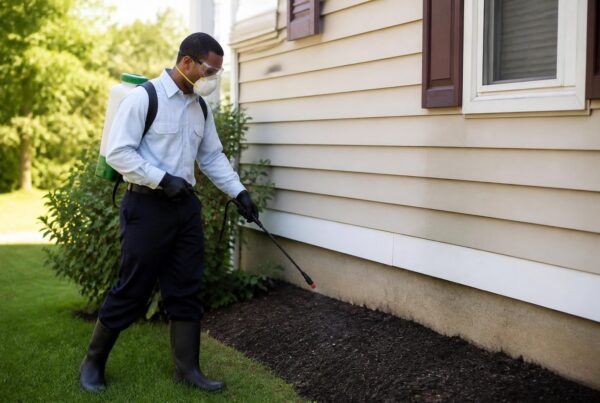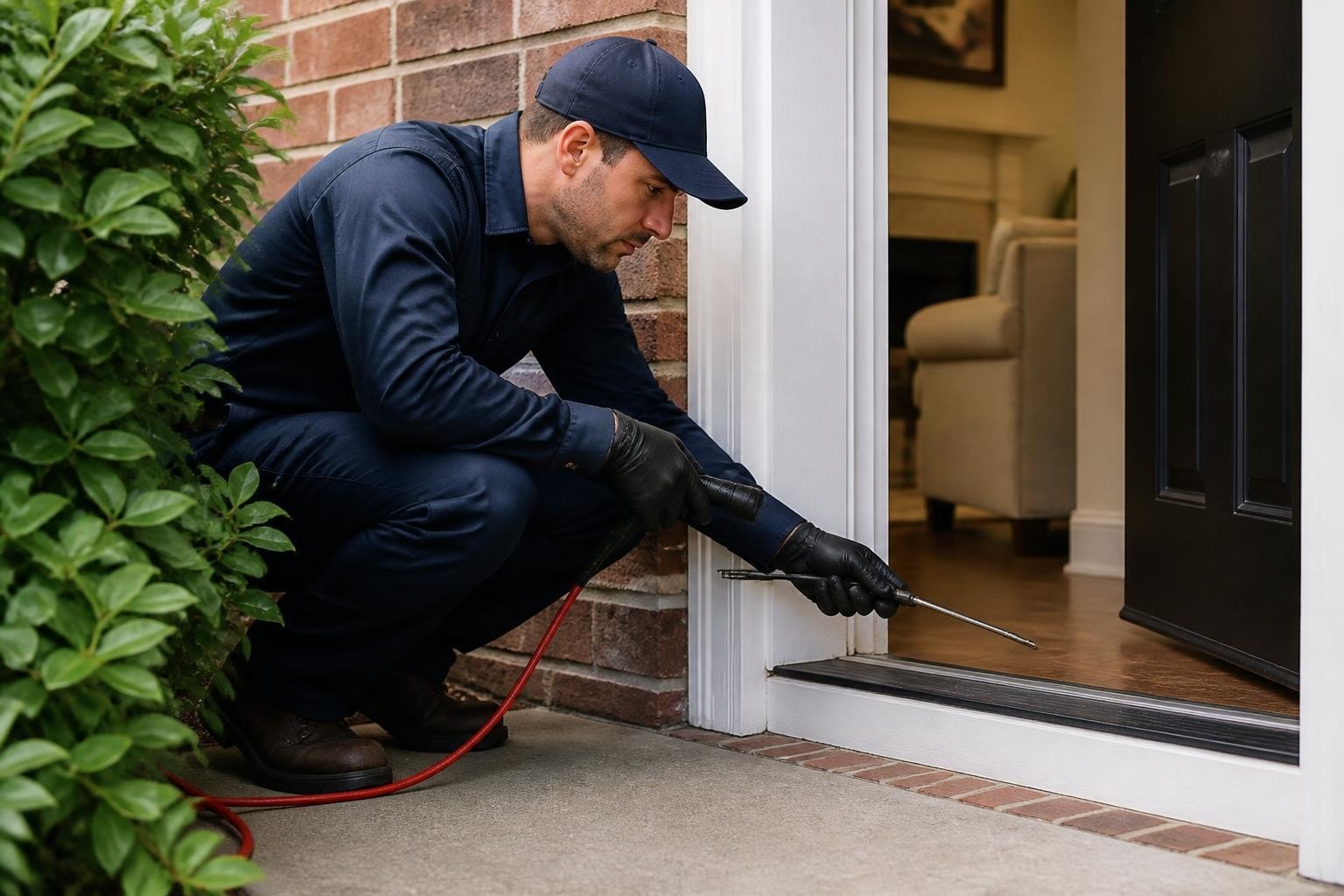
When homeowners and business owners in Richmond, VA face unwanted intruders-from termites destroying structural wood to rodents contaminating food supplies-they need more than temporary fixes. They need comprehensive solutions delivered by skilled pest busters who understand local pest behavior, seasonal patterns, and the science behind effective elimination. Professional pest control has evolved far beyond simple spray-and-pray approaches, now incorporating advanced diagnostics, integrated strategies, and environmentally responsible methods that deliver lasting results without compromising safety.
Understanding the Pest Busters Approach
Modern pest control professionals operate as problem-solvers, not just applicators. Today's pest busters combine biological knowledge, chemical expertise, structural assessment skills, and customer education into a holistic service model. This integrated approach recognizes that every infestation has unique contributing factors-moisture problems, structural vulnerabilities, sanitation issues, or landscape features-that must be addressed alongside direct pest elimination.
The foundation of professional pest management rests on accurate identification. A mouse requires entirely different treatment than a vole. German cockroaches respond to protocols that would fail against Oriental cockroaches. Subterranean termites demand strategies unsuitable for drywood species. Skilled pest busters invest significant training hours learning to distinguish between similar-looking species, understanding that misidentification leads to wasted time, money, and ineffective treatments.
The Science Behind Effective Pest Elimination
Pest biology drives every decision professional exterminators make. Reproduction rates, feeding habits, developmental stages, and environmental preferences all influence treatment timing and method selection. For example, bed bug control requires targeting both adult insects and eggs, which resist many treatments that kill mature bugs. Similarly, rodent management succeeds only when pest busters understand Norway rat behavior differs significantly from roof rat patterns, affecting trap placement and bait station positioning.
The Integrated Pest Management (IPM) principles promoted by the EPA emphasize prevention, monitoring, and targeted intervention over calendar-based pesticide applications. This framework guides responsible pest busters toward long-term solutions:
- Inspection and monitoring: Regular assessments identify pest activity before populations explode
- Accurate identification: Species-specific knowledge ensures appropriate treatment selection
- Prevention: Exclusion, sanitation, and habitat modification reduce pest attractiveness
- Control: When necessary, the least-toxic effective methods receive priority
- Evaluation: Ongoing monitoring verifies treatment success and guides adjustments
Richmond's humid subtropical climate creates ideal conditions for numerous pest species year-round. Termites swarm in spring, mosquitoes breed through summer, stink bugs invade in fall, and rodents seek indoor shelter throughout winter. Professional pest busters in Richmond VA understand these seasonal patterns and time interventions for maximum effectiveness.
Common Pest Challenges in Richmond Properties
Richmond homeowners and business operators face a diverse array of pest threats, each requiring specialized knowledge and treatment approaches. Understanding these common invaders helps property owners recognize problems early and engage professional help before minor issues become major infestations.
Structural Pests That Threaten Property Value
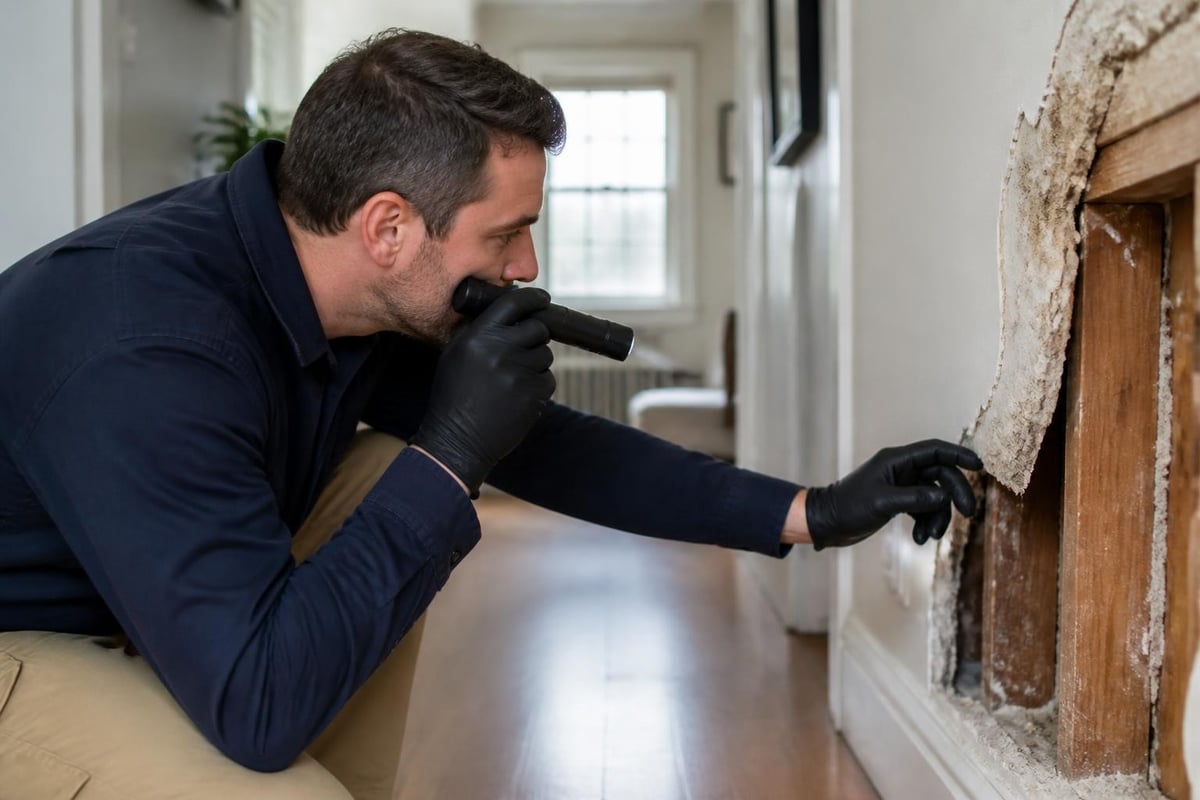
Termites represent the most financially devastating pest problem in Virginia. Eastern subterranean termites cause hundreds of millions in annual damage nationwide, with Richmond's clay soils and moderate winters providing ideal habitat. These silent destroyers consume wood from the inside out, often remaining undetected until significant structural damage occurs. Professional pest busters use specialized detection equipment-moisture meters, thermal imaging, acoustic sensors-to identify termite activity behind walls and under floors where visual inspection fails.
Carpenter ants present another structural threat, though they excavate rather than consume wood. Large black ants emerging indoors, especially in spring, signal established colonies potentially numbering thousands. Unlike termites, carpenter ants require both a parent colony (often outdoors) and satellite colonies (frequently inside structures). Effective elimination requires pest busters to locate and treat both colony types, a process demanding experience and persistence.
Powder post beetles attack hardwood floors, furniture, and structural timbers, leaving characteristic small emergence holes and fine sawdust. These wood-boring insects can remain active for years, with larvae developing inside wood for extended periods before emerging as adults. Treatment often requires fumigation or localized chemical application combined with moisture control.
Health-Threatening Pest Infestations
| Pest Type | Primary Health Risk | Treatment Complexity | Typical Resolution Time |
|---|---|---|---|
| Bed bugs | Bites, allergic reactions, anxiety | Very High | 2-4 treatments over 4-8 weeks |
| Cockroaches | Allergens, asthma triggers, disease | High | 3-6 weeks with monitoring |
| Rodents | Hantavirus, salmonella, property damage | Moderate to High | 2-6 weeks depending on population |
| Mosquitoes | West Nile, Zika, nuisance biting | Moderate | Ongoing seasonal management |
| Fleas | Bites, disease transmission to pets | Moderate | 2-4 weeks with follow-up |
Bed bugs have resurged across America, with Richmond experiencing its share of infestations in homes, hotels, and apartments. These cryptic insects hide in mattress seams, headboards, baseboards, and electrical outlets, emerging at night to feed on sleeping humans. Professional bed bug removal requires meticulous inspection, often using canine detection teams, followed by heat treatment, chemical application, or combined approaches. Homeowner attempts typically fail because over-the-counter products don't reach hidden populations and bugs develop resistance to many consumer-grade insecticides.
Cockroaches trigger asthma and allergies, particularly in children, while contaminating food preparation surfaces with bacteria. German cockroaches multiply rapidly in kitchens and bathrooms, requiring persistent treatment targeting harborage areas, food sources, and water access. Oriental and American cockroaches often originate from sewers and crawl spaces, demanding different treatment strategies focusing on exclusion and perimeter control.
Seasonal Invaders and Nuisance Pests
Fall pest invasions challenge Richmond homeowners annually as temperatures drop and insects seek overwintering sites. Stink bugs, lady beetles, boxelder bugs, and cluster flies congregate on sunny building exteriors before infiltrating through gaps around windows, doors, and utilities. While these pests pose minimal health risks, their sheer numbers create frustration and their presence indicates structural vulnerabilities that allow entry.
Ants appear in Richmond homes throughout the year, with species ranging from tiny odorous house ants to large carpenter ants. Each species requires different treatment approaches based on nesting habits, food preferences, and colony structure. Some species maintain multiple queens and fragment when disturbed, making DIY treatments counterproductive as they scatter infestations rather than eliminate them.
Mosquitoes breed in standing water, from discarded tires to clogged gutters, creating both nuisance and disease risk. Professional pest busters conduct thorough property inspections identifying breeding sites, apply larvicides to water sources that can't be eliminated, and implement adult mosquito control through targeted barrier treatments. The WHO vector control guidance provides international context for comprehensive mosquito management strategies that protect public health.
Strategic Pest Prevention for Property Owners
Prevention delivers better value than repeated reactive treatments. Smart property owners work with pest busters to implement long-term prevention strategies that reduce pest attractiveness, eliminate entry points, and create ongoing monitoring systems that catch problems early.
Structural Modifications and Exclusion
Physical barriers provide the most reliable pest prevention. Pest busters identify and seal entry points that allow pest infiltration:
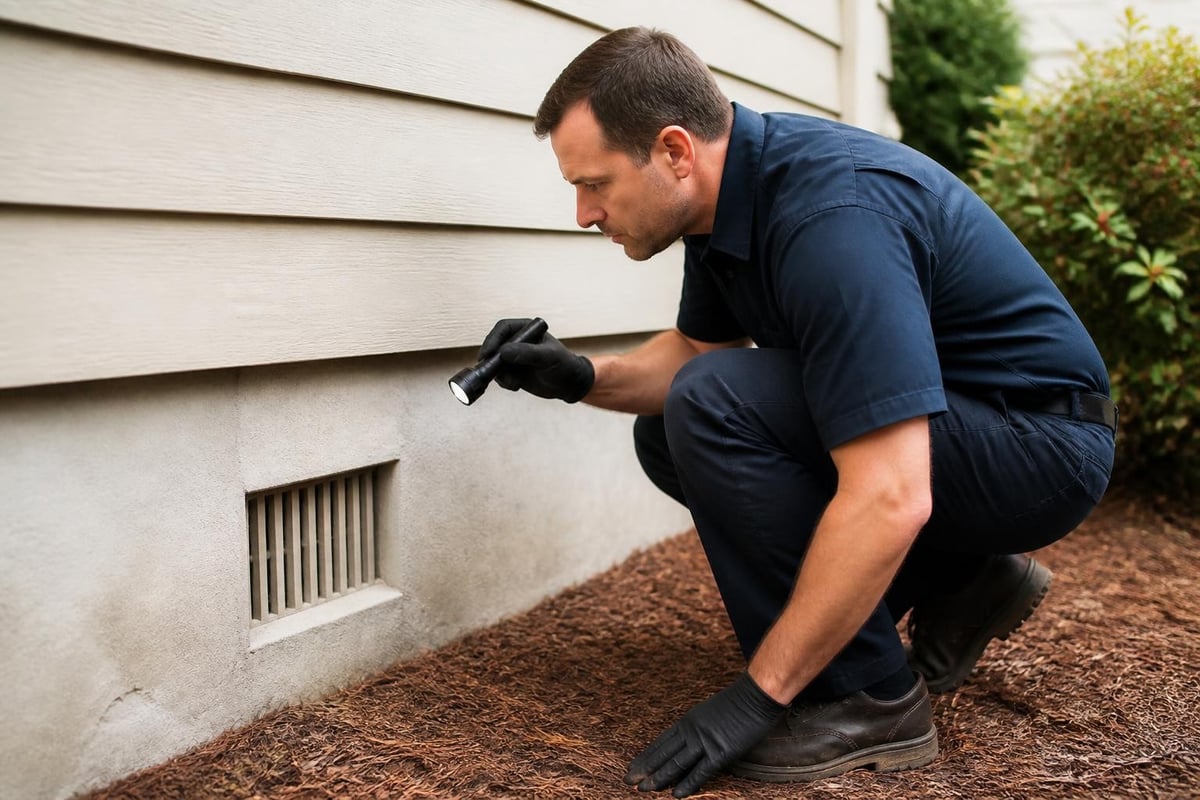
- Foundation and crawl space sealing: Close gaps around pipe penetrations, foundation cracks, and crawl space vents
- Door and window weatherstripping: Install or replace worn seals that create insect-sized gaps
- Utility entry sealing: Seal around electrical, plumbing, and HVAC penetrations with appropriate materials
- Ventilation screening: Install fine mesh screens on attic vents, crawl space openings, and dryer vents
- Landscaping modification: Maintain clearance between vegetation and structures, eliminate wood-to-ground contact
Properly maintained crawl space protection prevents numerous pest problems simultaneously. Moisture control through vapor barriers and dehumidification eliminates the humid conditions that attract termites, cockroaches, and wood-destroying fungi. Proper insulation and sealing prevent rodent nesting while improving energy efficiency. The crawl space impacts indoor air quality, pest vulnerability, and structural integrity-making it a critical focus for comprehensive pest prevention strategies.
Sanitation and Habitat Modification
Pests require food, water, and shelter. Eliminating these basic needs makes properties inhospitable without chemical intervention. Professional pest busters educate clients on sanitation practices that support treatment success:
- Food storage: Use sealed containers for dry goods, promptly clean spills, empty garbage regularly
- Water elimination: Fix leaks, improve drainage, eliminate standing water sources
- Clutter reduction: Remove storage piles that provide harborage, maintain organization
- Landscape management: Trim vegetation away from structures, remove yard debris, maintain proper drainage
- Wood storage: Keep firewood elevated and distant from buildings to prevent termite and rodent problems
Restaurants, food processing facilities, and commercial kitchens require specialized sanitation protocols that align with health department regulations. Pest busters working in these environments understand the intersection between pest management and food safety, implementing programs that satisfy regulatory requirements while maintaining effective pest control.
Modern Treatment Methods and Technologies
Contemporary pest control incorporates diverse treatment modalities selected based on pest species, infestation severity, environmental conditions, and client preferences. Skilled pest busters maintain proficiency across multiple treatment approaches, selecting optimal methods for each unique situation.
Chemical Control and Application Techniques
Pesticides remain valuable tools when used responsibly as part of integrated programs. Modern pest busters select products based on target pest biology, application site characteristics, and environmental impact considerations. The EPA pesticide label requirements ensure legal products include detailed usage instructions, safety precautions, and environmental protection measures that guide professional application.
Application method significantly affects treatment success and safety. Pest busters employ various techniques:
| Method | Best Applications | Advantages | Limitations |
|---|---|---|---|
| Liquid perimeter barriers | Foundation treatments, termite prevention | Long residual, water-resistant formulations | Requires soil saturation, weather-dependent |
| Gel baits | Cockroaches, ants in sensitive areas | Targeted placement, low environmental exposure | Requires proper bait acceptance, longer elimination time |
| Dust formulations | Wall voids, attics, electrical outlets | Excellent residual in dry areas, reaches hidden spaces | Ineffective in moisture, requires specialized equipment |
| Aerosol applications | Crack and crevice treatment, flushing agents | Quick knockdown, reaches tight spaces | Short residual, limited coverage area |
| Granular products | Outdoor perimeter, lawn and ornamental pests | Easy application, controlled release | Requires moisture activation, wildlife exposure risk |
Professional pest busters understand that pesticide resistance represents a growing challenge. Research on pesticide resistance mechanisms in arthropods reveals how overreliance on single product classes drives resistance development, requiring rotation of products with different modes of action. The IRAC mode of action classification helps pest control professionals select products strategically to prevent resistance while maintaining control efficacy.
Non-Chemical and Alternative Methods
Integrated pest management emphasizes non-chemical approaches whenever feasible. Heat treatment for bed bugs raises infested spaces to lethal temperatures (120-140°F) for extended periods, killing all life stages without chemical residues. This method works well for hotels, apartments, and sensitive environments where pesticide use raises concerns.
Trapping provides both monitoring and control for various pests. Rodent control relies heavily on mechanical traps and bait stations positioned based on rodent behavior and travel patterns. Insect monitoring traps help pest busters assess population levels, identify species, and verify treatment success. Pheromone traps attract specific insects for monitoring or mass trapping programs.
Biological controls harness natural enemies-predators, parasitoids, and pathogens-to suppress pest populations. While more common in agricultural and outdoor settings, biological control principles inform decisions about preserving beneficial insects that naturally limit pest problems. For example, protecting spiders and ground beetles contributes to reduced indoor pest pressure by controlling potential invaders before they enter structures.
Physical removal and mechanical exclusion prevent pest problems without chemicals or traps. Vacuuming eliminates visible pests and eggs, particularly valuable for initial bed bug population reduction. Screening prevents flying insect entry. Caulking and foam sealant close entry points. These basic but effective approaches form the foundation of sustainable pest management programs.
The Professional Pest Busters Process
Engaging professional pest control services in Richmond VA initiates a systematic process designed to identify problems accurately, implement effective solutions, and establish long-term protection. Understanding this process helps property owners set realistic expectations and participate effectively in achieving pest-free environments.
Initial Inspection and Assessment
The first service visit focuses on comprehensive property evaluation. Experienced pest busters conduct room-by-room inspections looking for pest evidence-droppings, shed skins, damage patterns, live insects, and conducive conditions. They check typical problem areas: kitchens, bathrooms, basements, attics, crawl spaces, and exterior perimeters.
Moisture detection often reveals underlying conditions supporting pest activity. Pest busters use moisture meters to identify wet areas that attract termites, cockroaches, and wood-destroying fungi. They assess drainage patterns, check for plumbing leaks, and evaluate crawl space conditions that might require attention beyond standard pest treatment.
Documentation captures baseline conditions and guides treatment planning. Professional pest busters photograph problem areas, diagram pest evidence locations, and record environmental factors affecting pest activity. This information creates accountability and enables progress tracking as treatment proceeds.

The inspection produces a detailed written proposal explaining findings, recommended treatments, anticipated timelines, and cost estimates. Reputable pest busters educate clients about pest biology, treatment approaches, client responsibilities, and realistic expectations. This transparency builds trust and ensures collaborative success.
Customized Treatment Implementation
No two infestations are identical, requiring pest busters to customize treatment protocols based on specific findings. A comprehensive plan typically includes:
- Immediate control measures: Direct treatment of active infestations using appropriate methods
- Preventive applications: Barrier treatments and exclusion work preventing reinfestation
- Monitoring systems: Placement of detection devices tracking pest activity levels
- Client education: Instructions on sanitation, cooperation requirements, and preparation for treatments
- Follow-up schedule: Planned return visits for monitoring and additional treatment as needed
Treatment timing affects success significantly. Pest busters schedule services strategically-treating for termites during active swarming periods, targeting mosquitoes before breeding peaks, and addressing rodents before winter drives them indoors. Seasonal awareness based on Richmond's climate patterns optimizes treatment effectiveness.
Client preparation ensures treatment success. Pest busters provide detailed pre-service instructions tailored to specific treatments. Bed bug heat treatment requires removing heat-sensitive items. Cockroach control works best when clutter is reduced and food is properly stored. Rodent elimination demands sealing food sources and eliminating attractants. Professional pest control succeeds when clients and technicians work collaboratively.
Ongoing Monitoring and Maintenance
Single treatments rarely provide permanent solutions. Effective pest management requires ongoing monitoring and periodic maintenance to sustain pest-free conditions. Professional pest busters establish regular service schedules appropriate to pest pressure and client needs.
Quarterly services prove optimal for most residential properties in Richmond, aligning with seasonal pest activity changes. Spring treatments target emerging termites and ants. Summer focuses on mosquitoes and stinging insects. Fall prevents overwintering pest invasions. Winter addresses rodents seeking indoor shelter.
Commercial facilities often require monthly or more frequent service depending on industry and regulatory requirements. Food service establishments, healthcare facilities, and multi-family housing benefit from intensive monitoring and rapid response to emerging issues. Pest busters working in these environments maintain detailed service logs documenting all activities, findings, and recommendations.
Service reports document each visit's activities, findings, and recommendations. Professional pest busters provide written summaries noting pest activity levels, treatment applications, conducive conditions identified, and client action items. This documentation creates accountability while building historical records that inform future service decisions.
Selecting Qualified Pest Control Professionals
Not all pest control providers deliver equivalent expertise, professionalism, and results. Richmond property owners should evaluate potential service providers carefully, considering qualifications, reputation, and service approach before making commitments.
Essential Credentials and Qualifications
Virginia requires pest control technicians to obtain state certification through examination demonstrating knowledge of pest biology, pesticide safety, application techniques, and regulations. Verify that any pest busters serving your property hold current Virginia Department of Agriculture and Consumer Services licenses. Licensed technicians receive ongoing education maintaining knowledge of evolving best practices, new products, and regulatory changes.
Industry certifications beyond state minimums indicate commitment to professional excellence. The National Pest Management Association offers various certification programs recognizing specialized expertise. Board-certified entomologists bring advanced scientific knowledge to complex pest problems. Ask about technician training, experience levels, and continuing education participation.
Insurance and bonding protect property owners from liability and ensure provider accountability. Reputable pest busters maintain comprehensive general liability insurance covering property damage and personal injury. Bonding provides financial recourse if service providers fail to meet contractual obligations or cause financial harm through negligence.
Evaluating Service Quality and Approach
Initial consultations reveal provider philosophy and professionalism. Quality pest busters invest time in thorough inspections, clearly explain findings in understandable terms, provide detailed written proposals, and answer questions patiently. They emphasize integrated approaches combining prevention and treatment rather than defaulting to chemical applications alone.
The University of Idaho Extension IPM guidance provides homeowners with background knowledge enabling informed discussions with pest control providers. Understanding IPM principles helps property owners evaluate whether potential service providers employ modern, science-based approaches or rely on outdated methods.
References and reviews provide insight into provider reliability and customer satisfaction. Check online reviews across multiple platforms, ask for local references, and verify complaint records with the Better Business Bureau and state regulatory agencies. Patterns in feedback-positive or negative-reveal provider strengths and weaknesses.
Service Agreements and Guarantees
Written service agreements protect both parties by establishing clear expectations. Quality contracts specify:
- Services included: Detailed description of inspection scope, treatment methods, and included pests
- Service schedule: Frequency of routine visits and response time for emergency calls
- Pricing structure: Clear breakdown of initial treatment costs, ongoing service fees, and additional charges
- Guarantee terms: Conditions under which providers will retreat at no charge if pests return
- Cancellation policy: Notice requirements and any applicable fees for ending service
Guarantees demonstrate provider confidence but require careful reading. Unrealistic "pest-free forever" promises should raise skepticism. Reasonable guarantees commit to retreatment if pests return between scheduled services, with understanding that client cooperation in sanitation and exclusion significantly affects long-term success.
Pricing transparency indicates ethical business practices. While lowest price rarely correlates with best value, excessively high pricing doesn't guarantee superior results. Pest busters should explain what differentiates their service, justify pricing based on expertise and service scope, and provide itemized estimates allowing meaningful comparisons.
Environmental Responsibility in Pest Management
Modern pest busters balance effective control with environmental stewardship, recognizing that indiscriminate pesticide use harms beneficial organisms, contaminates ecosystems, and risks human health. Responsible pest management minimizes environmental impact while achieving client objectives.
Minimizing Chemical Exposure and Environmental Impact
Targeted application reduces unnecessary pesticide distribution. Skilled pest busters apply products precisely where pests shelter and travel rather than broadcasting chemicals throughout properties. Crack and crevice treatments, spot applications, and bait placements concentrate active ingredients where needed while limiting environmental exposure.
Product selection considers environmental persistence and non-target effects. Low-impact options-botanical insecticides, insect growth regulators, and reduced-risk pesticides-provide control with minimal ecological footprint. The USDA Integrated Pest Management programs promote adoption of methods reducing reliance on broad-spectrum pesticides through research, education, and policy development.
Weather awareness prevents pesticide drift and runoff. Professional pest busters avoid applications during windy conditions that carry sprays beyond target areas. They respect buffer zones near water bodies and follow label restrictions protecting aquatic ecosystems. Rain forecasts inform timing decisions preventing treatments from washing into storm drains before products bond to treatment surfaces.
Supporting Beneficial Organisms and Ecosystem Health
Not all insects and animals are pests. Many species provide valuable ecosystem services-pollination, natural pest control, decomposition-that benefit people and property. Responsible pest busters distinguish between harmful pests requiring elimination and beneficial organisms deserving protection.
Selective treatments target specific pests while sparing non-target organisms. Using ant baits instead of perimeter sprays eliminates problem colonies without killing ground beetles that consume pest insects. Spot-treating wasp nests preserves predatory wasps that control caterpillars and other plant pests. This selectivity requires knowledge, patience, and skill distinguishing professional pest busters from indiscriminate applicators.
Habitat preservation maintains beneficial organism populations. Leaving some natural areas unmaintained, planting diverse native vegetation, and avoiding unnecessary pesticide applications in low-risk areas creates refuges for beneficial insects, birds, and other wildlife that contribute to natural pest suppression.
Sustainable Long-Term Solutions
Prevention-focused programs reduce total pesticide use over time by addressing underlying conditions attracting pests. Initial intensive treatment eliminates existing infestations, while exclusion and sanitation work prevents reinfestation, eventually reducing or eliminating chemical application needs.
Resistance management extends product effectiveness. Rotating pesticides with different modes of action prevents pest populations from developing resistance that would require increased application rates or more toxic alternatives. This stewardship approach, guided by resources like IRAC, maintains product efficacy for future use while minimizing environmental loading.
Client education multiplies impact beyond individual properties. When pest busters teach clients about prevention, sanitation, and early detection, those lessons spread through communities as people share knowledge with neighbors, family, and colleagues. This educational role positions professional pest control as community resource rather than mere service provider.
Effective pest management requires expertise, persistence, and partnership between skilled professionals and engaged property owners. By understanding pest biology, implementing integrated strategies, and maintaining ongoing vigilance, Richmond property owners can protect their investments from destructive infestations while minimizing environmental impact. Whether you're dealing with termites threatening your home's structure, rodents contaminating your business, or seasonal invaders disrupting your comfort, SanPro delivers the comprehensive pest control services Richmond residents trust for lasting results.