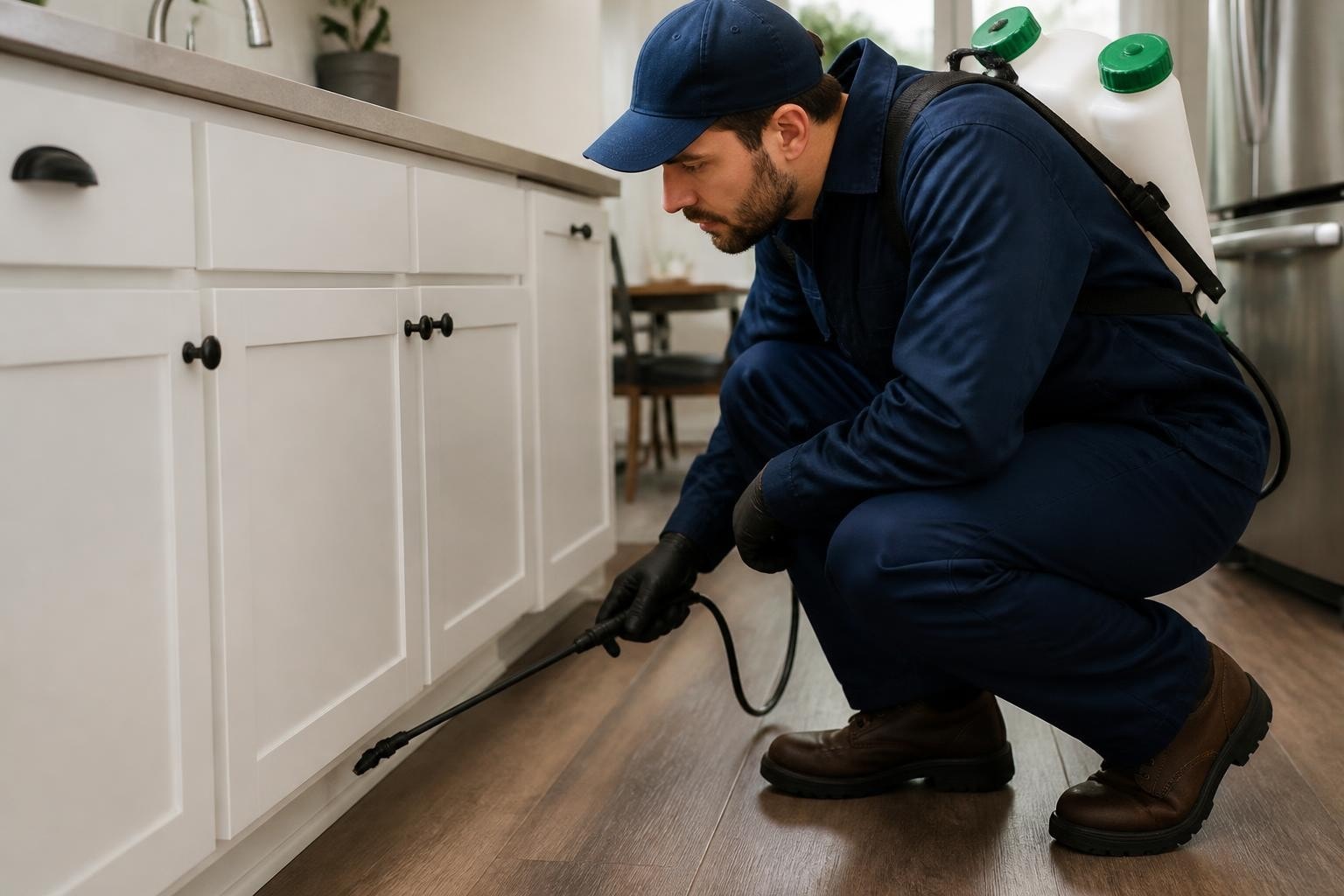
Finding reliable pest solutions near me has become one of the most frequently searched phrases by homeowners and business owners in Richmond, VA, who are dealing with unwelcome invaders. Whether you're facing a sudden infestation of bed bugs, discovering termite damage in your crawl space, or hearing rodents scurrying through your attic at night, the need for professional pest control services is both urgent and essential. The challenge lies not just in eliminating the current problem but in finding a qualified local provider who can deliver lasting results, protect your property's structural integrity, and ensure the health and safety of everyone inside.
Understanding What "Pest Solutions Near Me" Really Means
When you search for pest solutions near me, you're looking for more than just an exterminator who can spray chemicals and leave. Modern pest control services in Richmond VA encompass a comprehensive approach that includes inspection, identification, treatment, prevention, and ongoing monitoring. The "near me" component matters because local pest control companies understand regional pest pressures, seasonal patterns, and the specific challenges that Virginia homeowners face throughout the year.
A qualified pest exterminator in Richmond VA brings local knowledge that national chains simply cannot match. They understand that subterranean termites are a year-round threat in our climate, that moisture issues in crawl spaces create ideal conditions for multiple pest species, and that our humid summers invite everything from mosquitoes to carpenter ants. This regional expertise translates into more effective treatment plans and better long-term outcomes.
The Value of Local Expertise
Local pest control providers maintain relationships with area building inspectors, real estate professionals, and other service contractors who understand Richmond's unique pest challenges. They've treated thousands of homes built on similar soil types, with comparable construction methods, and facing identical pest pressures. This accumulated experience allows them to diagnose problems faster and recommend solutions that actually work in our specific environment.
Key advantages of choosing local pest solutions:
- Familiarity with Virginia-specific pest species and their behavior patterns
- Understanding of local building codes and treatment regulations
- Faster response times for emergency situations
- Knowledge of seasonal pest cycles in the Richmond area
- Established reputation within the community
- Ability to provide references from nearby neighbors
Richmond homeowners benefit from providers who understand that our clay-heavy soil affects drainage patterns, that our temperature fluctuations create entry points as foundations shift, and that our tree canopy brings certain pest species closer to homes than in other regions.
Identifying When You Need Professional Pest Solutions
Many property owners delay calling for pest solutions near me because they underestimate the severity of their problem or hope it will resolve on its own. Unfortunately, most pest issues worsen exponentially when left untreated, leading to structural damage, health risks, and significantly higher remediation costs. Recognizing the warning signs early can save thousands of dollars and prevent serious damage to your Richmond property.
Physical Evidence That Demands Immediate Action
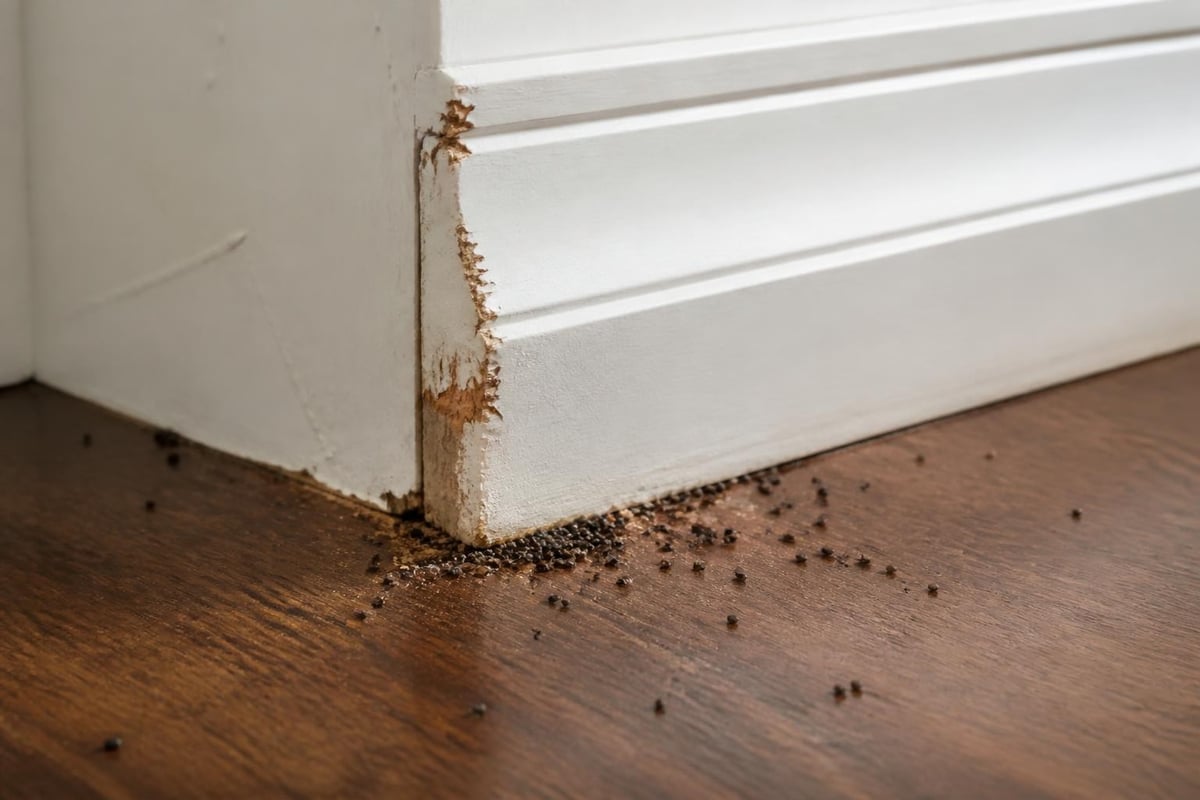
Certain physical signs indicate that you need professional help immediately rather than attempting DIY solutions. Termite mud tubes running up your foundation, large quantities of rodent droppings in your attic or crawl space, or evidence of bed bugs in multiple rooms all require the expertise that only licensed pest control professionals can provide. According to the EPA’s guidance on choosing a pest control company, homeowners should seek professional help when dealing with structural pests, health-threatening species, or infestations that have persisted despite consumer-grade treatments.
Signs that require professional pest solutions immediately:
- Structural damage indicators – Sagging floors, hollow-sounding wood, crumbling drywall, or visible termite damage
- Health-risk pests – Bed bug bites, rodent contamination of food storage areas, or cockroach infestations in kitchens
- Large-scale infestations – Multiple entry points, nests discovered in walls or attics, or pests appearing in numerous rooms
- Persistent problems – Infestations that return despite repeated DIY treatments
- Unknown pest species – When you cannot identify what you're dealing with or how it entered your home
Richmond's crawl space expert services become particularly important when moisture control and pest prevention intersect, as many pest problems begin in these hidden areas beneath your home.
Evaluating Pest Control Services in Your Area
Not all pest solutions near me offer the same quality, expertise, or value. The pest control industry includes everything from one-person operations working out of pickup trucks to established companies with decades of experience and comprehensive service offerings. Understanding how to evaluate potential providers ensures you select a company that will solve your problem effectively while protecting your family's health and your property's value.
| Evaluation Criteria | What to Look For | Red Flags to Avoid |
|---|---|---|
| Licensing & Insurance | Current Virginia pest control license, liability insurance, workers' compensation | Unlicensed operators, inability to provide proof of insurance |
| Experience | Years in business, specialized training, certifications | Vague answers about training, no specialized knowledge |
| Treatment Approach | Integrated Pest Management (IPM), inspection-first methodology | Immediate chemical application without inspection |
| Guarantees | Written service agreements, clear warranty terms | Verbal-only promises, no follow-up commitments |
| Transparency | Detailed treatment plans, chemical disclosure, pricing clarity | Pressure tactics, hidden fees, vague treatment descriptions |
The Inspection Process Reveals Company Quality
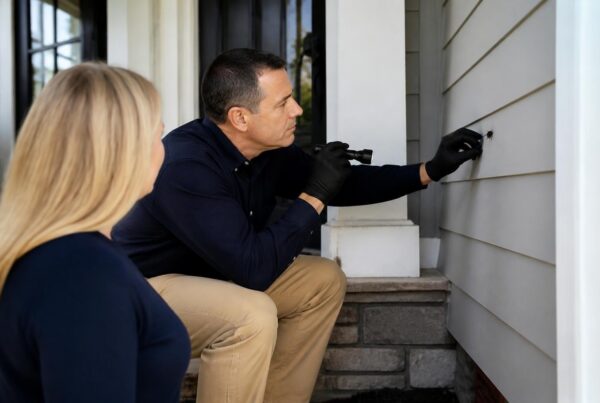
The initial inspection reveals more about a pest control company's professionalism and expertise than any marketing material. Quality providers spend 30-60 minutes thoroughly examining your property, asking detailed questions about what you've observed, and checking areas you might never have considered. They climb into attics, crawl through tight spaces, examine foundations from multiple angles, and use specialized tools to detect problems that aren't visible to untrained eyes.
A comprehensive Richmond VA pest inspection should include exterior perimeter examination, interior inspection of all levels including basements and crawl spaces, attic investigation, identification of conducive conditions, documentation of findings with photos when appropriate, and a detailed written report explaining discoveries and recommended treatments. The Integrated Pest Management approach emphasizes that inspection and accurate identification must precede any treatment recommendation.
Treatment Options and Modern Pest Management Approaches
When searching for pest solutions near me, you'll encounter various treatment philosophies ranging from aggressive chemical applications to prevention-focused strategies that minimize pesticide use. Understanding these approaches helps you select a provider whose methods align with your priorities regarding safety, environmental impact, and long-term effectiveness. Modern pest management has evolved significantly from the "spray and pray" methods of previous decades.
Integrated Pest Management: The Gold Standard
Integrated Pest Management (IPM) represents the current best practice in professional pest control, combining multiple strategies to achieve lasting results while minimizing risks to human health and the environment. The UC Statewide IPM Program defines IPM as a science-based decision-making process that combines biological, cultural, physical, and chemical tools in a coordinated pest management strategy.
Core components of effective IPM programs:
- Prevention – Eliminating conditions that attract or support pest populations
- Monitoring – Regular inspection to detect problems early and track treatment effectiveness
- Identification – Accurate species identification to select appropriate control methods
- Treatment thresholds – Intervening when pest populations reach predetermined action levels
- Control methods – Applying the least-toxic effective treatment for each situation
- Evaluation – Assessing results and adjusting strategies as needed
Richmond VA insulation expert services often work hand-in-hand with pest control because proper insulation and ventilation reduce moisture that attracts pests while sealing entry points that allow access.

Chemical vs. Non-Chemical Solutions
The decision between chemical and non-chemical pest solutions depends on multiple factors including pest species, infestation severity, location of the problem, presence of children or pets, and resident sensitivities. Modern pest control products have become significantly safer than formulations from decades past, but responsible providers still prioritize non-chemical methods whenever possible and reserve chemical treatments for situations where they're truly necessary.
| Treatment Category | Examples | Best Applications | Considerations |
|---|---|---|---|
| Physical Controls | Traps, barriers, heat treatment, exclusion work | Rodents, bed bugs, prevention | Labor-intensive, requires ongoing maintenance |
| Biological Controls | Beneficial nematodes, bacterial larvicides | Outdoor larvae, specific garden pests | Limited indoor applications, slower results |
| Low-Impact Chemicals | Boric acid, diatomaceous earth, insect growth regulators | Cockroaches, ants, fleas | Safer profiles, may require more time |
| Conventional Pesticides | Pyrethroids, organophosphates, neonicotinoids | Severe infestations, structural pests | Faster results, requires proper application and safety protocols |
Professional pest exterminators in Richmond VA should explain treatment options clearly, disclosing active ingredients, application methods, safety precautions, and expected timelines. When dealing with structural threats like termites, Virginia homeowners should understand that certain situations demand more aggressive intervention to protect property value and structural integrity.
Seasonal Pest Challenges in Richmond VA
Searching for pest solutions near me often corresponds with seasonal pest activity patterns that affect Richmond properties throughout the year. Understanding these cycles helps homeowners anticipate problems, implement preventive measures, and recognize when professional intervention becomes necessary. Virginia's climate creates distinct pest pressures that shift as temperatures and moisture levels change across the seasons.
Spring: The Season of Awakening
Spring brings warming temperatures that trigger intense pest activity as overwintering species emerge and breeding cycles accelerate. Termite swarmers appear in March and April, seeking new locations to establish colonies. Ants emerge from winter dormancy and begin foraging aggressively. Mosquitoes start breeding in standing water as temperatures consistently exceed 50°F. Rodents that spent winter inside your walls begin searching for outdoor food sources, creating new entry points as they move.
Spring pest priorities for Richmond homeowners:
- Schedule termite inspections before swarming season peaks
- Seal entry points discovered during winter when rodent activity was high
- Address moisture issues in crawl spaces before summer humidity arrives
- Remove winter debris that provides harborage for ants and other insects
- Implement mosquito larval control before populations explode
Spring also marks the ideal time to address crawl space conditions that contribute to pest problems, as work can be completed before summer heat and humidity make these areas even more uncomfortable.
Summer: Peak Pest Season
Richmond's hot, humid summers create optimal conditions for nearly every pest species. Mosquitoes reach peak populations in June and July. Subterranean termites remain active throughout the season, causing continuous damage to vulnerable structures. Cockroaches thrive in the heat, and outdoor populations may move indoors seeking water during drought periods. Stinging insects build nests in attics, eaves, and wall voids.
The American Mosquito Control Association emphasizes that effective mosquito management requires source reduction, larval control, and adult mosquito monitoring to protect public health while minimizing pesticide applications.
Fall: Preparation for Winter Invasion
September through November represents the critical season for pest prevention in Richmond as insects and rodents begin seeking protected overwintering sites. Mice and rats investigate homes for entry points, often finding access through gaps that have existed unnoticed for years. Spiders move indoors following their insect prey. Asian lady beetles and stink bugs congregate on sun-facing walls before infiltrating through tiny cracks. Experienced providers of pest solutions near me recognize that fall prevention work prevents winter emergencies.
Essential fall pest prevention tasks:
- Seal foundation cracks, gaps around utility penetrations, and damaged weather stripping
- Install or repair crawl space vents and access doors
- Trim vegetation away from home exteriors to eliminate pest highways
- Clean gutters to prevent moisture accumulation that attracts pests
- Inspect and repair attic ventilation and screen damaged vents
- Address rodent-damaged insulation before winter energy costs spike
Richmond residents preparing homes for winter should consider expert tips for rodent-proofing that address both exclusion and monitoring strategies specific to Virginia homes.
Winter: Hidden Activity Continues
While pest activity appears to decrease during Richmond's winter months, many species remain active inside temperature-controlled structures. Rodents living in walls and attics continue breeding year-round when protected from outdoor temperature extremes. Cockroaches thrive in heated spaces, particularly around water heaters, furnaces, and kitchen appliances. Subterranean termites remain active in Virginia's moderate winter climate, continuing to damage structures even when outdoor temperatures drop.
Cost Considerations and Service Value
Understanding the investment required for quality pest solutions near me helps homeowners budget appropriately while recognizing the difference between legitimate value and suspiciously cheap offers that often lead to disappointing results. Pest control pricing reflects service quality, treatment methods, guarantees, and the experience level of technicians performing the work. The lowest price rarely delivers the best outcome, particularly when dealing with structural pests or health-threatening infestations.
Pricing Models and What They Include
Professional pest control services in Richmond VA typically offer several pricing structures depending on pest type, property size, and service frequency. One-time treatments cost more per visit than ongoing service agreements but make sense for specific situations like bed bug removal that requires intensive treatment. Quarterly service agreements spread costs across the year while providing continuous protection. Per-treatment pricing works well for seasonal concerns like mosquito control.
| Service Type | Typical Cost Range | What's Included | Best For |
|---|---|---|---|
| Initial Inspection | $0-$150 | Property assessment, pest identification, treatment proposal | New customers, home buyers, pest identification |
| One-Time Treatment | $150-$500+ | Inspection, targeted treatment, limited follow-up | Specific pest problems, occasional issues |
| Quarterly Service | $100-$150/visit | Scheduled treatments, perimeter protection, unlimited call-backs | Year-round prevention, general pest control |
| Annual Termite Protection | $300-$800/year | Monitoring stations, annual inspection, treatment if needed | Structural pest prevention, mortgage requirements |
| Specialty Services | $500-$3,000+ | Heat treatment, fumigation, extensive exclusion work | Bed bugs, severe infestations, wildlife |
Homeowners should request detailed written estimates that specify treatment methods, materials used, number of visits included, warranty terms, and any additional charges for specific situations. Quality pest control companies provide transparent pricing without hidden fees or aggressive upsells.
When Cheap Services Cost More
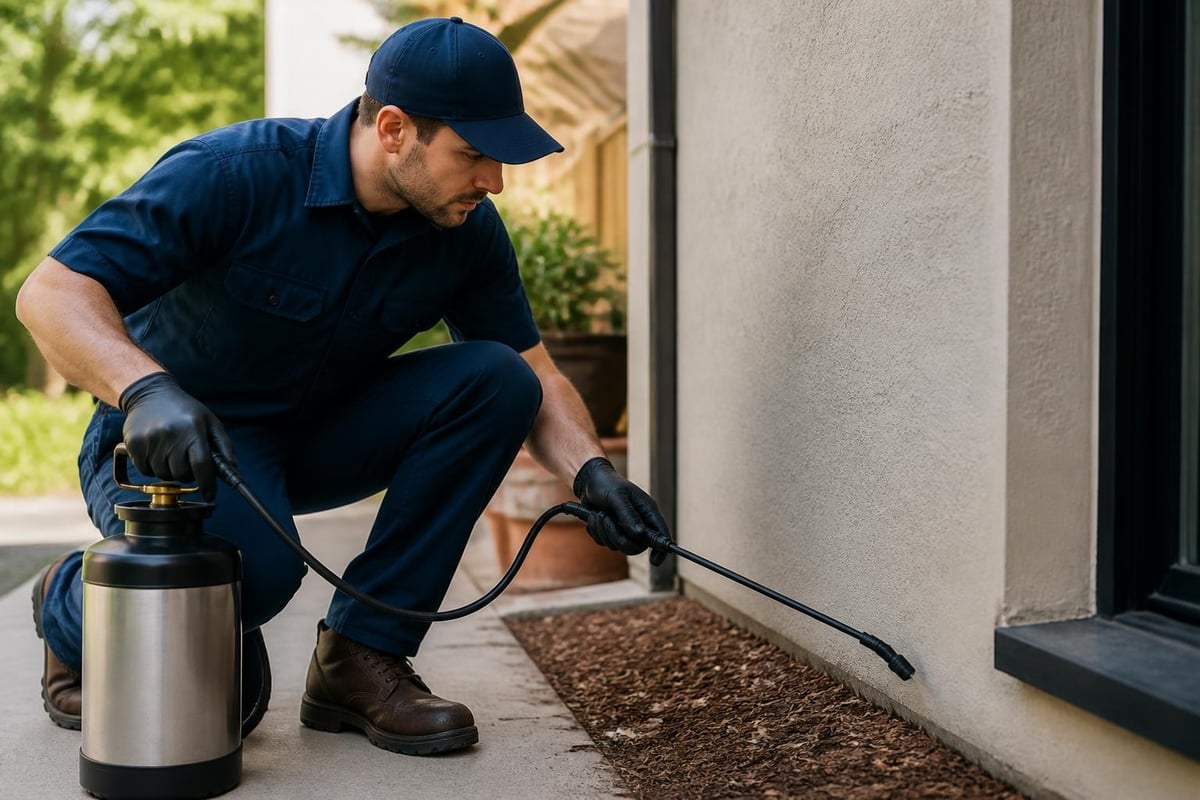
The pest control industry includes providers who compete primarily on price, often cutting corners that compromise treatment effectiveness and customer safety. Unlicensed operators skip insurance costs. Inexperienced technicians misidentify pests and apply inappropriate treatments. Low-bid companies use outdated materials, inadequate equipment, or rush through inspections to maximize daily service calls. These shortcuts lead to recurring infestations, property damage, and sometimes dangerous pesticide misapplication.
Warning signs of suspiciously cheap pest services:
- Prices significantly below market rates without clear explanation
- Refusal to provide written estimates or service agreements
- Pressure to commit immediately without inspection
- Inability to explain treatment methods or materials
- No licensing information or insurance verification
- Generic treatments without pest-specific targeting
According to Consumer Reports’ pest control guidance, homeowners should expect to pay fair market rates for professional services and should be skeptical of prices that seem too good to be true.
Questions to Ask Before Hiring Pest Solutions
Selecting the right provider from among numerous pest solutions near me options requires asking specific questions that reveal company expertise, professionalism, and compatibility with your needs. Many homeowners sign contracts based solely on price or availability without investigating qualifications, methods, or service terms. Taking time to interview potential providers protects your investment and increases the likelihood of achieving lasting results.
Essential Qualification Questions
Before allowing any company to treat your Richmond property, verify their credentials and legal compliance. Virginia requires pest control businesses and individual technicians to maintain current licenses issued by the Department of Agriculture and Consumer Services. Legitimate companies readily provide license numbers and proof of insurance without hesitation or evasiveness.
Critical pre-hire questions about qualifications:
- What is your Virginia pest control business license number, and can I verify it?
- Do your technicians hold individual applicator certifications?
- What continuing education requirements do your technicians complete?
- What liability insurance and workers' compensation coverage do you carry?
- How long has your company operated in the Richmond area?
- Can you provide references from customers with similar pest problems?
- Are you affiliated with professional organizations like the National Pest Management Association?
Companies that operate legally and professionally welcome these questions and provide documentation without defensiveness. The PestWorld.org consumer resources offer additional guidance on questions to ask pest control professionals and what to expect from quality service providers.
Treatment-Specific Questions
Understanding exactly what treatment your property will receive ensures informed consent and helps you prepare your home and family appropriately. Professional technicians should explain their proposed approach in clear language, addressing both immediate pest elimination and long-term prevention strategies.
Important questions about proposed treatments:
- What specific pest species are you targeting, and how did you identify them?
- What treatment methods do you recommend, and why are they appropriate for this situation?
- What products will you apply, what are their active ingredients, and what safety data is available?
- How long must people and pets remain away from treated areas?
- What preparation do I need to complete before treatment?
- How many treatments will be required, and what is the expected timeline?
- What guarantee or warranty covers this work?
- What prevention measures do you recommend after treatment?
Quality pest control providers welcome detailed questions and provide thorough answers that demonstrate expertise and build customer confidence. Companies that respond with vague generalities or become defensive about treatment specifics should raise red flags about their professionalism and transparency.
The Role of Prevention in Long-Term Pest Management
Effective pest solutions near me deliver more than temporary relief from current infestations. The best providers emphasize prevention strategies that reduce future pest pressure, minimize treatment frequency, and lower long-term costs. Prevention focuses on making your property less attractive and accessible to pests through structural modifications, sanitation improvements, and environmental management.
Structural Prevention Strategies
Many pest problems result from structural conditions that provide entry points, harborage, or resources that support pest populations. Addressing these conditions creates lasting protection that reduces reliance on chemical treatments and prevents recurring infestations. Richmond homes face specific structural vulnerabilities related to crawl space design, foundation types common in our area, and construction methods used during various building eras.
High-priority structural prevention measures:
- Foundation sealing – Close gaps around pipes, wires, and other penetrations where they enter through foundations
- Crawl space protection – Install vapor barriers, repair damaged vents, improve drainage to reduce moisture
- Roof and attic repairs – Replace damaged soffit vents, repair roof damage, seal gable vents with appropriate screening
- Door and window maintenance – Install or replace weather stripping, repair damaged screens, adjust doors to eliminate gaps
- Utility opening protection – Seal around air conditioning lines, cable entries, and other wall penetrations
- Drainage improvements – Grade soil away from foundations, extend downspouts, repair gutters
Professional pest control services often identify structural vulnerabilities during inspections and can coordinate with contractors to address complex issues that require specialized repair skills.
Sanitation and Environmental Management
Pest prevention extends beyond structural modifications to include practices that reduce food sources, water availability, and shelter that attract and sustain pest populations. These environmental management strategies prove particularly effective for species like cockroaches, ants, and rodents that thrive in areas with abundant resources.
Richmond homeowners can implement numerous sanitation improvements that complement professional treatment:
- Store food in sealed containers rather than original packaging that pests can penetrate
- Clean kitchen surfaces and floors regularly to eliminate crumbs and spills
- Address plumbing leaks promptly to reduce water sources
- Remove clutter in basements, garages, and storage areas that provides harborage
- Maintain yard vegetation by trimming branches away from structures and removing leaf piles
- Store firewood elevated and away from home exteriors
- Clean pet food bowls promptly and store pet food in sealed containers
The National IPM Database provides region-specific resources for pest prevention strategies tailored to local conditions and common pest species in different areas of the country.
Emergency Pest Situations and Response Times
Some pest problems demand immediate professional attention regardless of time or day. Health-threatening infestations, structural emergencies, and situations involving stinging insects all require rapid response from qualified providers of pest solutions near me. Understanding what constitutes a true emergency versus a problem that can wait for normal business hours helps homeowners make appropriate decisions and avoid unnecessary premium charges.
Situations Requiring Immediate Professional Help
Certain pest situations present immediate risks to health, safety, or property that justify emergency service calls. Active wasp nests near doorways where family members have been stung, severe bed bug infestations causing sleep deprivation and psychological distress, rodent infestations contaminating food preparation areas, or sudden termite swarming inside living spaces all demand prompt professional intervention.
True pest emergencies that warrant immediate calls:
- Stinging insect attacks – Active hornet, wasp, or bee nests that have stung residents and pose continued threat
- Venomous spider presence – Confirmed black widow or brown recluse spiders in areas where children or vulnerable adults spend time
- Severe bed bug infestations – Multiple rooms affected, visible bugs during daytime, or sensitive individuals experiencing severe reactions
- Rodent contamination – Active rodent presence in food storage, preparation, or dining areas
- Bat colonies – Bats inside living spaces or roosting in attics where they pose rabies risk
- Structural damage discovery – Major termite damage, carpenter ant galleries, or wood-destroying fungi threatening structural integrity
Richmond-area pest control companies offering emergency services typically charge premium rates for after-hours, weekend, or holiday responses. Homeowners should inquire about emergency availability and associated costs when selecting providers for ongoing service relationships.
Response Time Expectations
For non-emergency situations, reasonable response times depend on season, company size, and service area. During peak season (spring and summer in Richmond), quality pest control companies often book 3-7 days in advance for routine appointments. Specialty services like heat treatment for bed bugs or wildlife exclusion may require even longer lead times to schedule properly trained technicians with appropriate equipment.
Established local providers often prioritize existing customers over new clients during busy periods, offering another advantage to homeowners who maintain ongoing service relationships rather than calling only when problems arise. Companies that promise same-day or next-day service year-round may maintain capacity by accepting more clients than they can adequately serve during peak demand.
Monitoring Results and Knowing When Follow-Up Is Needed
Successful pest solutions near me don't end when technicians leave your property. Monitoring treatment effectiveness, watching for signs of recurring activity, and knowing when to request follow-up service all contribute to achieving lasting pest control. Professional providers should establish clear expectations about post-treatment timelines, what you should observe if treatment succeeds, and what warrants callback visits.
Post-Treatment Timelines by Pest Type
Different pest species require different timelines to achieve elimination. Homeowners often become concerned when they continue seeing pests in the days immediately following treatment, even though certain results take time to develop fully. Understanding normal post-treatment patterns prevents unnecessary worry while helping you recognize situations that truly require follow-up.
| Pest Type | Expected Timeline | Normal Post-Treatment Observations | When to Call Back |
|---|---|---|---|
| Ants | 7-14 days | Increased activity first 2-3 days as workers contact treated areas | Activity continuing after 14 days |
| Cockroaches | 2-4 weeks | Occasional sightings for 1-2 weeks, especially of disoriented or dying individuals | New egg cases, daytime sightings after week 3 |
| Rodents | 1-2 weeks | Scratching may increase briefly as rodents avoid treated areas | New droppings, continued sounds after 2 weeks |
| Bed Bugs | 2-3 weeks | Some adults may survive initial treatment requiring follow-up | New bites, live bugs after follow-up treatment |
| Termites | 3-12 months | Gradual colony elimination as foragers contact treated zones | New mud tubes, swarmers, or damaged wood |
| Fleas | 2-4 weeks | Adult emergence from pupae continues for 2+ weeks | New jumping adults after 4 weeks |
Professional pest control providers should explain these timelines during service visits and establish clear parameters for when callbacks fall under warranty coverage versus when new charges apply.
Documenting Your Observations
Maintaining simple records of pest activity before and after treatment helps you communicate effectively with service providers and provides evidence for warranty claims if problems persist. Take photos of infestations, damage, or pest evidence before treatment. Note dates when you observe activity, approximate numbers of pests seen, and specific locations where problems occur.
Useful information to track post-treatment:
- Dates and locations of any pest sightings
- Numbers and species if identifiable
- Whether pests appear active or dying/disoriented
- New evidence like droppings, damage, or shed skins
- Changes in infestation patterns or locations
- Environmental factors like weather events or home modifications
This documentation proves particularly valuable when dealing with challenging pests that require multiple treatments or when warranty disputes arise regarding treatment effectiveness.
Understanding Service Guarantees and Warranties
Quality pest solutions near me include clear guarantees that protect your investment and ensure providers stand behind their work. Warranty terms vary significantly across the industry, with some companies offering comprehensive coverage that includes unlimited callbacks and retreatments while others limit guarantees to specific timeframes or exclude certain conditions. Understanding warranty language before signing service agreements prevents disputes and ensures you receive the protection you expect.
Types of Pest Control Guarantees
Pest control warranties typically fall into several categories based on service type and pest species treated. General pest control services might include 30-90 day warranties against target pest return. Termite treatments often carry longer warranties ranging from one year to the lifetime of the structure, with annual renewals required to maintain coverage. Specialty services like bed bug treatment frequently include multiple treatments in the base price with warranties contingent on customer compliance with preparation requirements.
Common warranty structures:
- Service guarantees – Company returns at no charge if pests reappear within specified timeframe
- Damage warranties – Company repairs or compensates for structural damage from pests after treatment begins
- Money-back guarantees – Full or partial refund if treatment fails to eliminate target pests
- Renewable warranties – Coverage continues as long as customer maintains scheduled treatments
- Conditional guarantees – Coverage subject to customer compliance with sanitation or exclusion recommendations
Richmond VA pest control providers should provide warranty terms in writing before beginning treatment. Verbal promises lack enforceability and often lead to disappointment when customers discover actual coverage doesn't match sales pitches.
Reading the Fine Print
Pest control warranties contain important exclusions and conditions that significantly affect coverage. Many guarantees exclude problems caused by customer actions like leaving doors open, creating new entry points during renovations, or failing to maintain recommended sanitation. Some warranties void if customers allow other companies to treat the property. Others require customers to report problems within specific timeframes or schedule all treatments exactly as recommended without rescheduling.
Reading warranty documents carefully before signing service agreements helps you understand actual coverage and avoid actions that inadvertently void protection. If warranty language seems unclear, ask providers to explain specific clauses and get clarifications in writing. Reputable companies welcome these questions and provide straightforward answers that demonstrate confidence in their work.
The Future of Pest Control: Emerging Technologies
The pest control industry continues evolving with new technologies that improve detection accuracy, treatment precision, and customer communication. While searching for pest solutions near me, homeowners increasingly encounter companies offering cutting-edge services alongside traditional treatments. Understanding these emerging technologies helps you evaluate whether advanced options provide meaningful benefits for your specific situation or represent unnecessary expenses.
Detection and Monitoring Innovations
New detection technologies help pest control professionals identify problems earlier and target treatments more precisely. Thermal imaging cameras reveal rodent activity inside walls without invasive investigation. Acoustic monitoring devices detect termite sounds that indicate active colonies. Canine scent detection teams locate bed bug infestations with accuracy exceeding visual inspections. These technologies reduce guesswork and prevent extensive treatments in areas where pests aren't actually present.
Smart monitoring systems use sensors, cameras, and connected devices to track pest activity continuously between service visits. Rodent monitoring stations send alerts when traps trigger, allowing immediate response rather than waiting for scheduled inspections. Termite monitoring systems notify companies when stations detect cellulose consumption indicating colony presence. These real-time systems improve treatment timing while reducing unnecessary pesticide applications.
Treatment Application Advances
Modern application equipment delivers treatments more precisely and safely than previous technologies allowed. Electrostatic sprayers apply charged pesticide droplets that wrap around surfaces and improve coverage while reducing chemical volumes. Drill-and-inject systems place termiticides exactly where needed without extensive trenching. Heat treatment equipment eliminates bed bugs without chemicals by raising room temperatures to lethal levels. These advanced methods often work faster and more effectively than traditional approaches.
Biological and botanical pesticides derived from natural sources continue gaining market share as homeowners seek lower-impact alternatives to synthetic chemicals. While organic doesn't automatically mean safer or more effective, some natural products now deliver results comparable to conventional pesticides for specific applications. The USDA Forest Service research on termite treatments demonstrates how treatment technologies continue advancing through ongoing testing and development.
Digital Service Improvements
Technology also improves how pest control companies communicate with customers and manage service delivery. Customer portals provide access to service records, inspection reports, and treatment documentation. Automated scheduling systems send appointment reminders and allow easy rescheduling. Digital invoicing and payment processing eliminate paperwork while improving transaction security. GPS-equipped service vehicles provide accurate arrival windows that respect customer time.
These digital improvements don't directly eliminate pests but significantly enhance service convenience and transparency. Companies investing in technology often demonstrate broader commitment to professionalism and customer service that extends to their core pest control expertise.
Finding effective pest solutions near me in Richmond VA requires balancing immediate problem resolution with long-term prevention strategies that protect your property and family health. The right pest control provider brings local expertise, proven treatment methods, transparent pricing, and guarantees that ensure lasting results.
When you need trusted pest control services in Richmond, SanPro delivers comprehensive solutions backed by local experience and professional expertise. Our team understands the specific pest challenges Richmond homeowners face and provides customized treatments that eliminate current infestations while preventing future problems. Contact SanPro today for inspection and treatment options tailored to your property's unique needs.