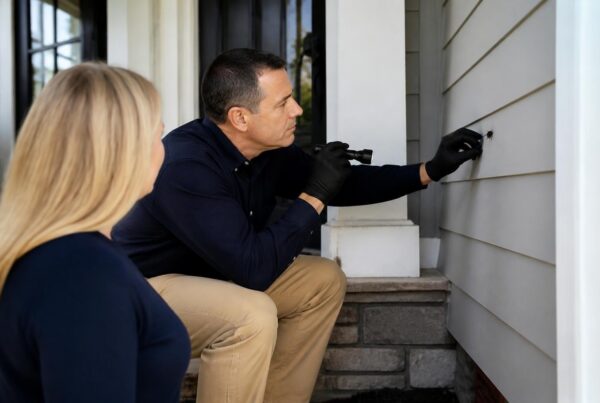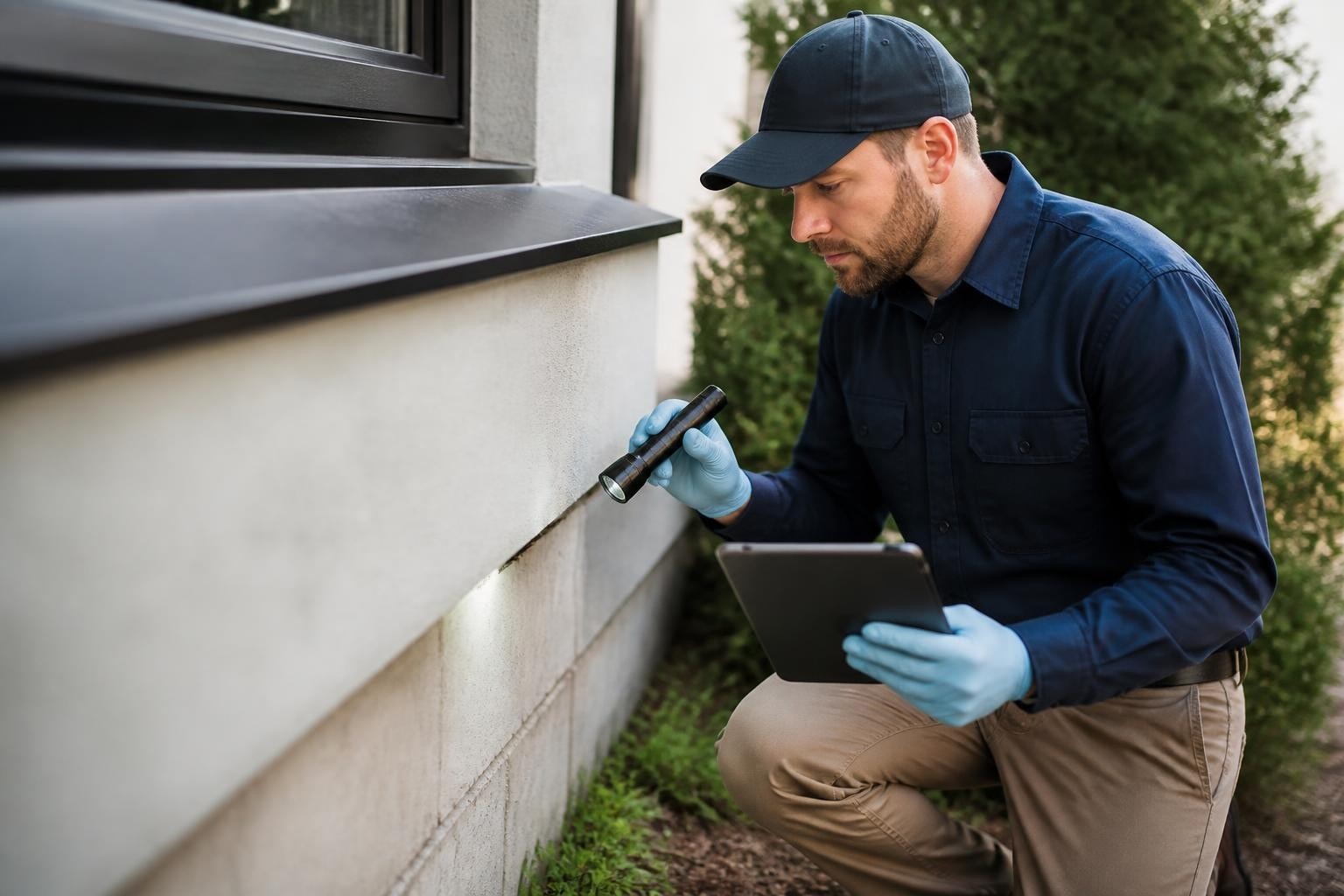
Effective management pest control has evolved far beyond simply spraying chemicals at visible problems. In Richmond, VA, property owners face unique challenges from seasonal humidity, historical structures, and diverse pest populations that require sophisticated, multi-layered approaches. Modern pest management integrates prevention, monitoring, and targeted interventions to protect homes and businesses while minimizing environmental impact. Understanding these comprehensive strategies empowers property owners to make informed decisions about protecting their investments and ensuring healthy living environments for families and employees.
Understanding Integrated Pest Management Principles
Integrated Pest Management represents the gold standard in management pest control for residential and commercial properties. This approach combines multiple strategies based on scientific understanding of pest biology and behavior. Rather than relying solely on pesticides, IPM emphasizes prevention, monitoring, and targeted action.
The foundation of effective management pest control begins with thorough inspection and accurate pest identification. Different species require different approaches-what works for German cockroaches won't necessarily control brown-banded varieties. The EPA introduces IPM as an environmentally friendly approach that focuses on prevention and uses pesticides judiciously only when necessary.
The Four-Tier Hierarchy of Control Methods
Professional management pest control follows a systematic hierarchy that prioritizes the least disruptive methods first:
- Cultural controls modify the environment to make it unsuitable for pests
- Physical controls use barriers, traps, and exclusion techniques
- Biological controls leverage natural predators and competitors
- Chemical controls apply targeted treatments as a last resort
This tiered approach ensures that interventions match the severity and nature of the infestation. For Richmond homeowners dealing with termite pressure, this might mean addressing moisture issues in crawl spaces before considering chemical barriers.

Property managers implementing management pest control must consider how each tier addresses specific pest challenges. Cultural controls might include proper waste management, eliminating standing water, and maintaining landscape clearances. Physical controls range from door sweeps and screens to exclusion work that seals entry points around foundations and utility penetrations.
Preventive Strategies That Form the Foundation
Prevention represents the most cost-effective component of management pest control. By addressing conditions that attract and sustain pests, property owners can significantly reduce the need for reactive treatments. The Food and Agriculture Organization outlines principles emphasizing ecosystem-based strategies to prevent harmful organisms before they establish populations.
Environmental Modification and Sanitation
Eliminating food sources, water access, and harborage sites creates inhospitable conditions for most pest species. In commercial kitchens, this means rigorous cleaning protocols and proper food storage. For residential properties, it includes addressing moisture problems and removing clutter.
Richmond's humid climate makes moisture control particularly critical. Crawl spaces and basements can harbor excess humidity that attracts termites, carpenter ants, and other moisture-loving pests. Professional crawl space services address this foundational issue by controlling moisture and creating barriers against pest entry, which forms an essential component of comprehensive management pest control.
Key preventive measures include:
- Regular inspection schedules to detect problems early
- Proper drainage systems directing water away from foundations
- Ventilation improvements in attics, crawl spaces, and basements
- Vegetation management maintaining clearances from structures
- Waste management protocols preventing food source availability
Structural Maintenance and Exclusion
Buildings develop vulnerabilities over time. Settling foundations create cracks, weatherstripping deteriorates, and utility penetrations leave gaps. Effective management pest control addresses these entry points systematically.
| Vulnerability Type | Common Locations | Exclusion Method |
|---|---|---|
| Foundation cracks | Basement walls, exterior perimeter | Seal with appropriate caulk or mortar |
| Gaps around utilities | Pipes, wires, vents penetrating walls | Copper mesh and expanding foam |
| Damaged screens | Windows, vents, chimneys | Replace with 20-mesh or finer material |
| Door gaps | Thresholds, bottom sweeps, jambs | Install or replace weatherstripping |
| Roof vulnerabilities | Soffit vents, ridge vents, flashing | Screen vents, repair damaged areas |
For older Richmond homes with historical architecture, exclusion work requires careful balancing of preservation and protection. Professional pest control services understand these nuances and can implement solutions that maintain building integrity while preventing pest access.
Monitoring Systems and Early Detection
Continuous monitoring distinguishes professional management pest control from reactive approaches. Detection systems provide early warnings before pest populations reach damaging levels. The EPA outlines IPM principles that emphasize using site-specific information to manage pest damage economically with minimal hazard.
Establishing Monitoring Protocols
Regular inspection schedules create accountability and ensure problems don't go unnoticed. Commercial properties typically require monthly or quarterly professional inspections, while residential properties benefit from seasonal evaluations.
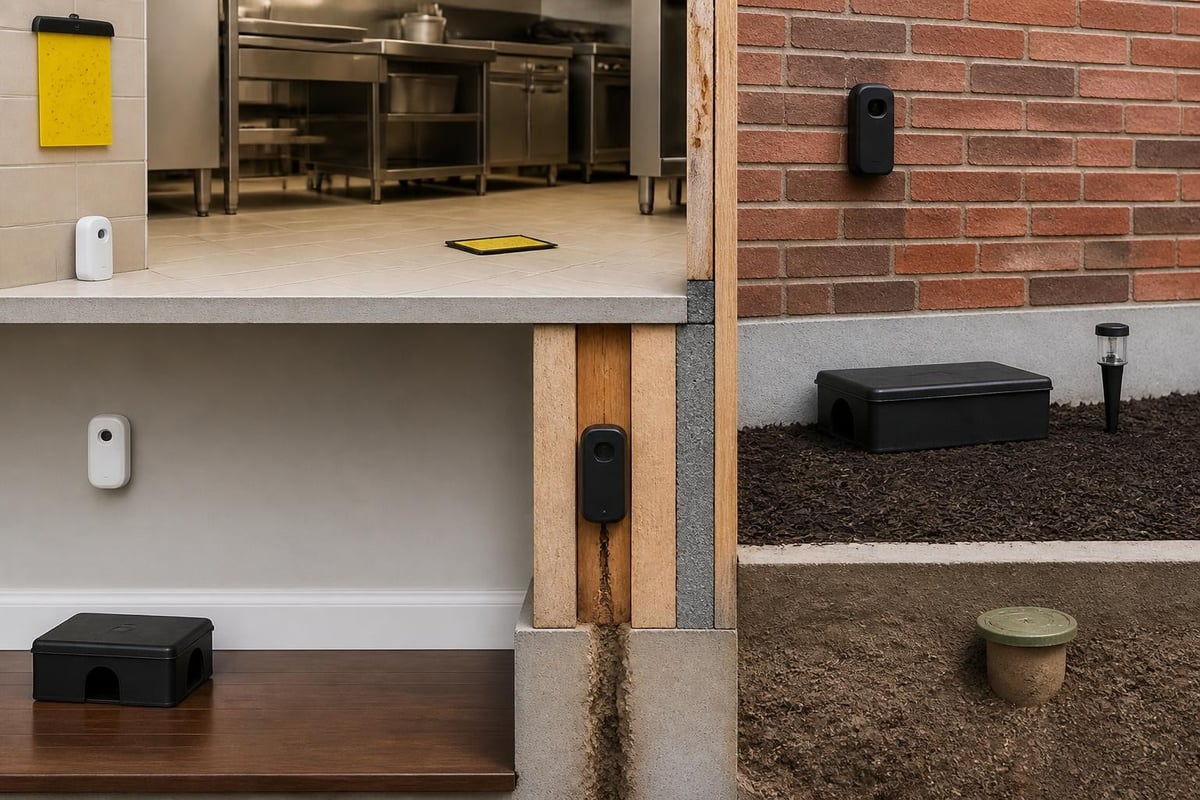
Monitoring tools vary based on target pests and property characteristics. Sticky traps placed along baseboards reveal cockroach and spider activity. Rodent monitoring stations detect mice and rats before populations explode. Termite monitoring systems inserted around building perimeters identify subterranean termite activity months before visible damage occurs.
Technology has enhanced monitoring capabilities in recent years. Remote monitoring systems alert property managers to rodent activity in real-time. Digital record-keeping tracks trends over seasons and years, revealing patterns that inform management pest control strategies.
Documentation and Threshold Establishment
Effective management pest control requires establishing action thresholds-the point at which pest numbers or damage justifies intervention. These thresholds vary by pest type, location, and tolerance levels.
For example, a single mouse sighting in a food processing facility demands immediate action. That same situation in a residential garage might warrant monitoring before full-scale intervention. Washington State Department of Health discusses IPM application in schools, focusing on reducing pest resources and using least toxic controls when necessary.
Documentation serves multiple purposes in management pest control programs:
- Creates baseline data for measuring program effectiveness
- Identifies seasonal patterns and recurring problem areas
- Provides evidence for regulatory compliance when required
- Supports decisions about strategy modifications
- Demonstrates due diligence in liability situations
Treatment Methods in Modern Pest Management
When prevention and monitoring indicate that intervention is necessary, modern management pest control employs targeted treatments selected for maximum effectiveness with minimum collateral impact. The specific approach depends on pest species, infestation severity, and environmental considerations.
Non-Chemical Control Options
Physical and mechanical controls often provide effective solutions without introducing chemicals into living spaces. Heat treatment for bed bugs eliminates all life stages without pesticides. Vacuuming removes adult pests, eggs, and food sources. Trapping programs control rodent populations using mechanical devices that can be monitored and emptied.
Biological controls harness natural pest enemies. Beneficial nematodes combat soil-dwelling insects. Bacterial insecticides like Bacillus thuringiensis target specific pest larvae without harming beneficial insects. These methods integrate seamlessly into comprehensive management pest control strategies.
Targeted Chemical Applications
When chemical controls become necessary, precision application minimizes exposure while maximizing effectiveness. Modern formulations include:
- Baits that pests consume and carry back to nesting areas
- Growth regulators that disrupt reproduction without broad toxicity
- Targeted sprays applied only to specific harborage areas
- Dust formulations for void spaces and protected areas
- Perimeter treatments creating barriers around building exteriors
Professional applicators understand label requirements, safety protocols, and proper application techniques. They select products appropriate for the target pest and application site, considering factors like moisture levels, temperature, and surface types.
Clemson University explains IPM as combining multiple strategies to control pests while protecting human health and the environment. This sustainable approach characterizes effective management pest control in 2026.
Commercial Pest Management Considerations
Businesses face unique challenges requiring specialized management pest control approaches. Regulatory compliance, reputation protection, and operational continuity depend on effective pest prevention and control. Different industries require customized programs addressing specific vulnerabilities and regulatory requirements.
Industry-Specific Requirements
Food service establishments operate under strict health department oversight. Management pest control programs for restaurants must prevent contamination risks while allowing continuous operation. This requires scheduling treatments during off-hours and using products approved for food handling areas.
Healthcare facilities demand pest control that protects vulnerable patients while maintaining sterile environments. Bed bug prevention becomes critical in hospitals and nursing homes where patient turnover creates constant introduction risks. Monitoring programs provide early detection before populations spread between rooms.
Retail environments present different challenges:
- Public areas require discrete treatment methods
- Product protection demands prevention of stored product pests
- Reputation depends on customers never seeing pest evidence
- Loading docks create constant introduction points requiring vigilance
Multi-family housing requires management pest control strategies that address tenant cooperation, varying sanitation standards, and pest movement between units. Coordination between property management and pest control professionals ensures comprehensive coverage.
Documentation and Regulatory Compliance
Commercial management pest control programs generate documentation supporting regulatory compliance and liability protection. Service reports detail inspection findings, treatments applied, and recommendations for corrective action. Many businesses maintain pest control logs demonstrating continuous compliance with health department or industry standards.
Third-party audits increasingly require evidence of IPM implementation. Certification programs like AIB International food safety audits evaluate pest control programs based on prevention emphasis, monitoring documentation, and proper product selection. Businesses pursuing these certifications need professional pest control services that understand audit requirements and maintain detailed records.
| Industry Sector | Primary Pest Concerns | Critical Control Points |
|---|---|---|
| Food Processing | Rodents, stored product pests, flies | Receiving areas, processing zones, warehousing |
| Healthcare | Bed bugs, cockroaches, ants | Patient rooms, laundry facilities, kitchens |
| Hospitality | Bed bugs, cockroaches, rodents | Guest rooms, food service, loading docks |
| Warehousing | Rodents, birds, stored product pests | Dock doors, storage racks, office areas |
| Property Management | Varied based on property type | Common areas, individual units, exterior grounds |

Residential Pest Management Best Practices
Homeowners benefit from adapting commercial management pest control principles to residential settings. While homes don't face the same regulatory scrutiny as businesses, the underlying strategies remain equally effective for protecting families and property investments.
Seasonal Pest Pressures in Richmond
Richmond's climate creates predictable seasonal pest patterns. Understanding these cycles allows homeowners to implement preventive management pest control before problems develop. Spring brings termite swarmers as colonies mature and seek new locations. Summer heat drives ants indoors seeking water and relief from exterior conditions. Fall triggers rodent pressure as temperatures drop and wildlife seeks winter shelter.
Utah State University Extension outlines important components of successful pest management programs, discussing both short-term and long-term tactics that homeowners can implement seasonally.
Seasonal management pest control calendar:
- Winter: Inspect for rodent entry points, monitor for overwintering pests indoors, plan spring prevention strategies
- Spring: Address termite protection before swarm season, repair winter weather damage, inspect crawl spaces and attics
- Summer: Monitor for ant activity, maintain exterior perimeters, address moisture issues attracting pests
- Fall: Seal entry points before rodent season, remove outdoor harborage, prepare for overwintering pest pressure
DIY Integration with Professional Service
Effective residential management pest control often combines professional expertise with homeowner maintenance. Property owners can handle routine sanitation, minor exclusion work, and monitoring between professional visits. Professionals provide quarterly or seasonal inspections, targeted treatments, and expertise for challenging problems.
Understanding when to seek professional help prevents small problems from becoming major infestations. A few ants warrant monitoring and sanitation improvements. Carpenter ants with wings indicate an established colony requiring professional intervention. Similarly, occasional house mice might respond to trapping, but evidence of Norway rats demands professional assessment and comprehensive control strategies.
Richmond pest control services provide the expertise and tools necessary for effective management while homeowners maintain the preventive practices that reduce pest pressure year-round. This partnership approach optimizes results while controlling costs.
Sustainable Practices and Environmental Stewardship
Modern management pest control emphasizes sustainability and environmental responsibility. The pest control industry has evolved significantly from broad-spectrum pesticide applications toward targeted interventions that minimize non-target impacts. This evolution benefits both pest control effectiveness and environmental protection.
Reduced-Risk Product Selection
When chemical controls become necessary, product selection prioritizes reduced-risk formulations. The Minnesota Department of Agriculture offers voluntary best management practices for controlling pests without pesticides, including preventive measures and cultural control techniques.
Modern management pest control products include:
- Boric acid formulations with low mammalian toxicity
- Essential oil-based products for light infestations
- Insect growth regulators that target only pest reproduction
- Targeted baits consumed only by target pests
- Botanical insecticides that break down quickly after application
These products deliver pest control effectiveness while reducing environmental persistence and non-target exposure. Professional applicators select products appropriate for specific situations, considering factors like children, pets, and sensitive individuals in treated areas.
Long-Term Sustainability Through Prevention
The most sustainable management pest control emphasizes prevention over repeated chemical applications. Addressing root causes-moisture problems, entry points, sanitation issues-creates lasting solutions that reduce ongoing treatment needs.
Investment in structural improvements pays dividends through reduced pest pressure. Crawl space encapsulation eliminates moisture that attracts termites and other wood-destroying insects. Improved attic ventilation prevents heat and humidity buildup that supports various pest populations. Proper landscaping maintains clearances that discourage pest activity near structures.
Province of British Columbia provides information on Integrated Pest Management, detailing its six elements including planning, identification, monitoring, and various control techniques that emphasize sustainability.
Training and Expertise in Professional Services
Effective management pest control requires ongoing education and expertise. Pest biology, behavior, and control methods continue evolving. Professional technicians maintain current knowledge through continuing education, industry certifications, and hands-on experience with diverse pest situations.
Certification and Licensing Requirements
Virginia requires pest control technicians to complete training and pass examinations before applying pesticides commercially. These requirements ensure basic competency in product selection, application techniques, and safety protocols. Advanced certifications demonstrate expertise in specialized areas like termite control, fumigation, or wildlife management.
Reputable management pest control providers invest in ongoing training beyond minimum licensing requirements. Technicians learn about new products, emerging pest threats, and evolving best practices. This commitment to education translates into better service and more effective pest management for clients.
Specialized Knowledge Areas
Different pest challenges require specialized knowledge. Termite control demands understanding of construction methods, soil conditions, and termite biology. Bed bug management requires knowledge of inspection techniques, heat treatment protocols, and insecticide resistance patterns. Rodent control integrates understanding of behavior, exclusion techniques, and population management strategies.
Professional management pest control technicians develop expertise through:
- Formal training programs covering pest biology and identification
- Product knowledge including proper selection and application methods
- Safety protocols protecting technicians, clients, and the environment
- Customer communication skills explaining treatments and recommendations
- Problem-solving abilities adapting strategies to unique situations
This expertise distinguishes professional services from over-the-counter products and untrained applicators. When facing serious pest challenges, the knowledge and experience professionals bring ensures effective resolution.
Technology Integration in Modern Pest Management
Technology continues transforming management pest control through improved monitoring, documentation, and treatment methods. Digital tools enhance efficiency while providing better service and accountability. Property owners benefit from these advances through more effective pest management and improved communication.
Digital Monitoring and Reporting
Connected monitoring devices detect pest activity and alert property managers or pest control providers in real-time. Rodent monitoring stations equipped with sensors report activity immediately rather than waiting for scheduled inspections. This early detection enables faster response before populations establish.
Digital reporting systems provide clients with detailed service records accessible online. Property managers review treatment histories, inspection findings, and trending data through web portals or mobile applications. This transparency supports informed decision-making and demonstrates program effectiveness.
Technology applications in management pest control:
- Remote monitoring systems for continuous surveillance
- Thermal imaging identifying pest harborage and moisture issues
- GPS tracking ensuring complete property coverage during service
- Digital documentation replacing paper service tickets
- Trending analysis identifying patterns across seasons or properties
Precision Application Equipment
Modern application equipment delivers treatments more precisely than traditional methods. Electrostatic sprayers charge pesticide particles, causing them to adhere to surfaces more effectively while reducing overspray. Targeted injection systems deliver termiticides exactly where needed without trenching or extensive drilling.
Dust application equipment controls particle size for optimal penetration into wall voids and other protected areas. Precision baiting tools place gel formulations in exact locations while minimizing product waste. These technological advances improve treatment effectiveness while reducing environmental exposure.
Cost-Benefit Analysis of Comprehensive Programs
Property owners evaluating management pest control options naturally consider cost implications. Understanding the true cost of pest problems versus comprehensive prevention programs reveals significant economic benefits beyond simple treatment prices.
Direct and Indirect Pest Costs
Pest damage creates both obvious and hidden costs. Termites cause billions in structural damage annually across the United States. Rodents damage insulation, wiring, and stored goods while creating fire hazards through gnawed electrical systems. Cockroaches contaminate food and trigger asthma in sensitive individuals, creating health costs.
Beyond physical damage, pests create business disruption and reputation damage. Restaurant closures for pest violations cost thousands in lost revenue and advertising to rebuild customer trust. Multi-family properties with bed bug infestations face tenant lawsuits and vacancy costs. These indirect costs often exceed direct treatment expenses.
| Cost Category | Reactive Approach | Preventive Management |
|---|---|---|
| Initial Investment | Lower upfront | Moderate upfront |
| Treatment Frequency | Frequent emergency calls | Scheduled preventive service |
| Damage Repair | Often extensive | Minimal or prevented |
| Business Disruption | Significant during infestations | Minimal with prevention |
| Long-term Costs | Accumulating damage and treatments | Stable, predictable expenses |
Return on Investment
Comprehensive management pest control programs deliver returns through damage prevention, reduced emergency calls, and peace of mind. The cost of quarterly professional service typically represents a fraction of repairing termite damage or addressing serious rodent infestations.
For commercial properties, effective pest management protects reputation and ensures regulatory compliance. The investment in professional services prevents costly violations, customer complaints, and negative reviews that impact revenue for years. Multi-family properties with effective programs maintain higher occupancy rates and tenant satisfaction.
Residential properties benefit from protected investment value and family health. Homes with documented pest control programs and structural protection command higher resale values. Families avoid health issues associated with cockroaches, rodents, and other pest-related allergens.
Specialty Situations Requiring Expert Solutions
Certain pest challenges demand specialized knowledge beyond standard management pest control approaches. These situations require expert assessment and customized strategies addressing unique circumstances. Richmond homeowners and businesses occasionally face these specialty challenges requiring professional expertise.
Wood-Destroying Organisms
Termites represent the most economically significant wood-destroying pest in Virginia. Subterranean termites tunnel through soil to reach wood in contact with ground or accessible through mud tubes. Eastern subterranean termites cause millions in damage annually across Richmond and surrounding areas.
Effective termite management pest control requires understanding colony behavior, soil conditions, and construction methods. Treatment options include liquid soil treatments creating chemical barriers, monitoring and baiting systems targeting colonies directly, and wood treatments protecting susceptible materials.
Professional termite services include comprehensive inspections identifying conducive conditions and active infestations. Many real estate transactions require termite inspections providing documentation of treatment history and current conditions. Annual inspections maintain protection and detect problems before significant damage occurs.
Bed Bug Challenges
Bed bugs represent one of the most challenging pest control situations. These insects hide effectively, reproduce quickly, and resist many conventional insecticides. Effective management pest control for bed bugs requires thorough inspections, preparation protocols, and multi-faceted treatment approaches.
Heat treatment offers non-chemical bed bug elimination by raising room temperatures to lethal levels for several hours. Chemical treatments require multiple applications of specialized products targeting different life stages. Monitoring and follow-up inspections confirm elimination and prevent reinfestation.
Prevention becomes critical in high-risk environments like hotels, dormitories, and multi-family housing. Regular inspections, staff training, and rapid response protocols minimize spread when introductions occur. Professional expertise ensures effective resolution of these difficult infestations.
Wildlife and Exclusion Services
Larger pests like raccoons, squirrels, and bats require specialized management approaches combining exclusion, habitat modification, and sometimes trapping. These situations often involve state regulations governing wildlife handling and disposal.
Professional wildlife control includes identifying entry points, implementing exclusion strategies that prevent re-entry, and addressing attractants like accessible garbage or food sources. Attic cleanup and restoration may be necessary after wildlife infestations, removing contaminated insulation and sanitizing affected areas.
Richmond's urban-rural interface creates frequent wildlife conflicts as natural habitats meet developed properties. Professional management pest control services understand local wildlife patterns and implement solutions that resolve conflicts while complying with regulations.
Implementing comprehensive management pest control strategies protects Richmond properties from damage, health risks, and costly emergencies while supporting environmental stewardship through sustainable practices. Whether you need seasonal residential service, commercial programs maintaining regulatory compliance, or specialty solutions for challenging pest situations, professional expertise ensures effective, lasting results. SanPro delivers the knowledge, technology, and commitment to excellence that Richmond homeowners and businesses deserve for protecting their properties and ensuring healthy, pest-free environments.