Homeowners in Richmond, VA face a persistent threat that operates silently beneath their feet and within their walls. Termites cause billions of dollars in property damage annually across the United States, and the humid climate of central Virginia creates ideal conditions for these wood-destroying insects to thrive. Understanding the relationship between termites and pest control is essential for protecting your investment and maintaining the structural integrity of your property. This comprehensive guide explores everything Richmond homeowners need to know about termite identification, prevention strategies, treatment options, and professional pest control solutions.
Understanding Termite Biology and Behavior
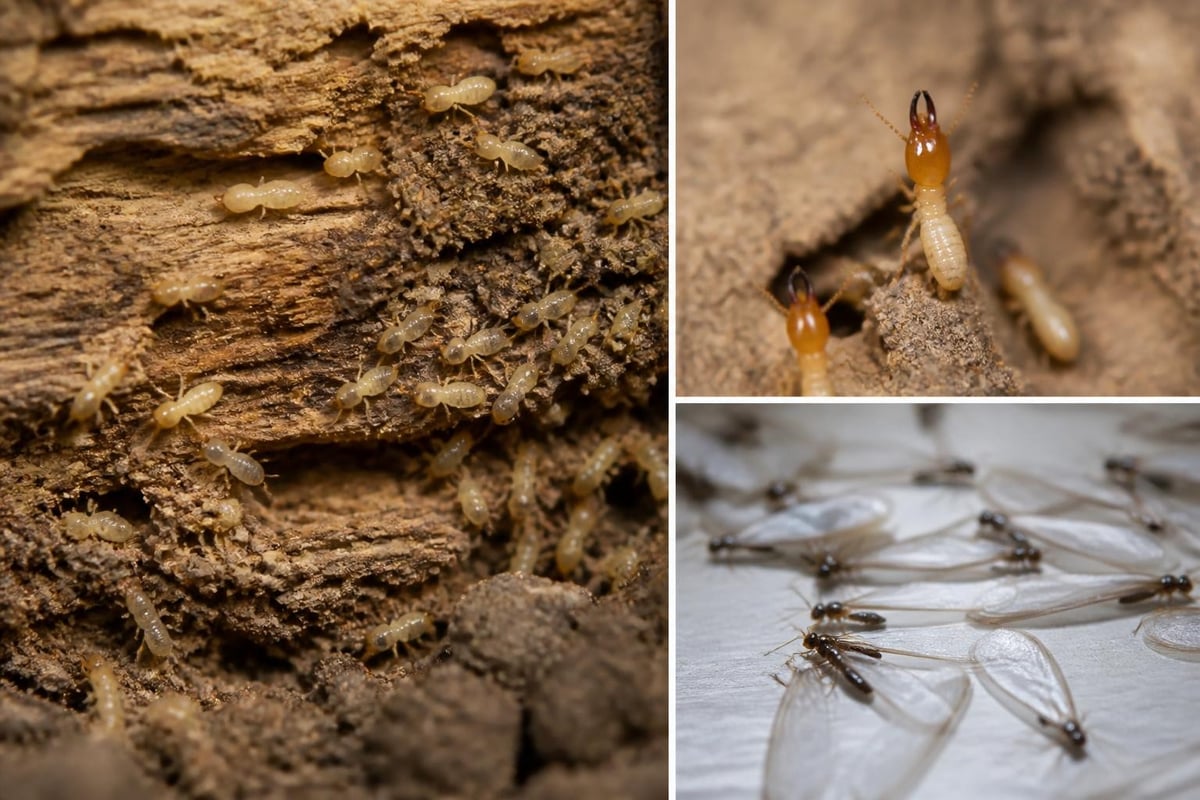
Termites are social insects that live in highly organized colonies, with some populations numbering in the millions. These colonies operate with distinct castes including workers, soldiers, and reproductive members called swarmers. The U.S. Forest Service provides extensive research on subterranean termite behavior, noting that these insects consume cellulose found in wood, paper, and plant materials.
Primary Termite Species in Richmond VA
Richmond's climate supports several termite species, each with unique characteristics and control requirements. Subterranean termites represent the most common and destructive variety in Virginia, building colonies underground and creating mud tubes to access food sources above ground. These insects require contact with soil moisture to survive, making crawl spaces and foundation areas particularly vulnerable.
Drywood termites establish colonies directly within wooden structures without needing soil contact. While less common in Richmond than coastal areas, they still pose significant risks. The Florida Department of Agriculture’s guidance on dampwood and drywood termites provides valuable identification information applicable to Virginia properties.
Dampwood termites prefer wood with high moisture content, typically targeting areas with water damage, leaks, or poor ventilation. These termites often indicate underlying moisture problems requiring immediate attention.
| Termite Type | Moisture Requirements | Common Entry Points | Colony Location |
|---|---|---|---|
| Subterranean | High (soil contact) | Foundation cracks, mud tubes | Underground |
| Drywood | Low (atmospheric) | Exposed wood, attic spaces | Inside wood |
| Dampwood | Very high | Water-damaged areas | Wet wood structures |
Recognizing Signs of Termite Infestation
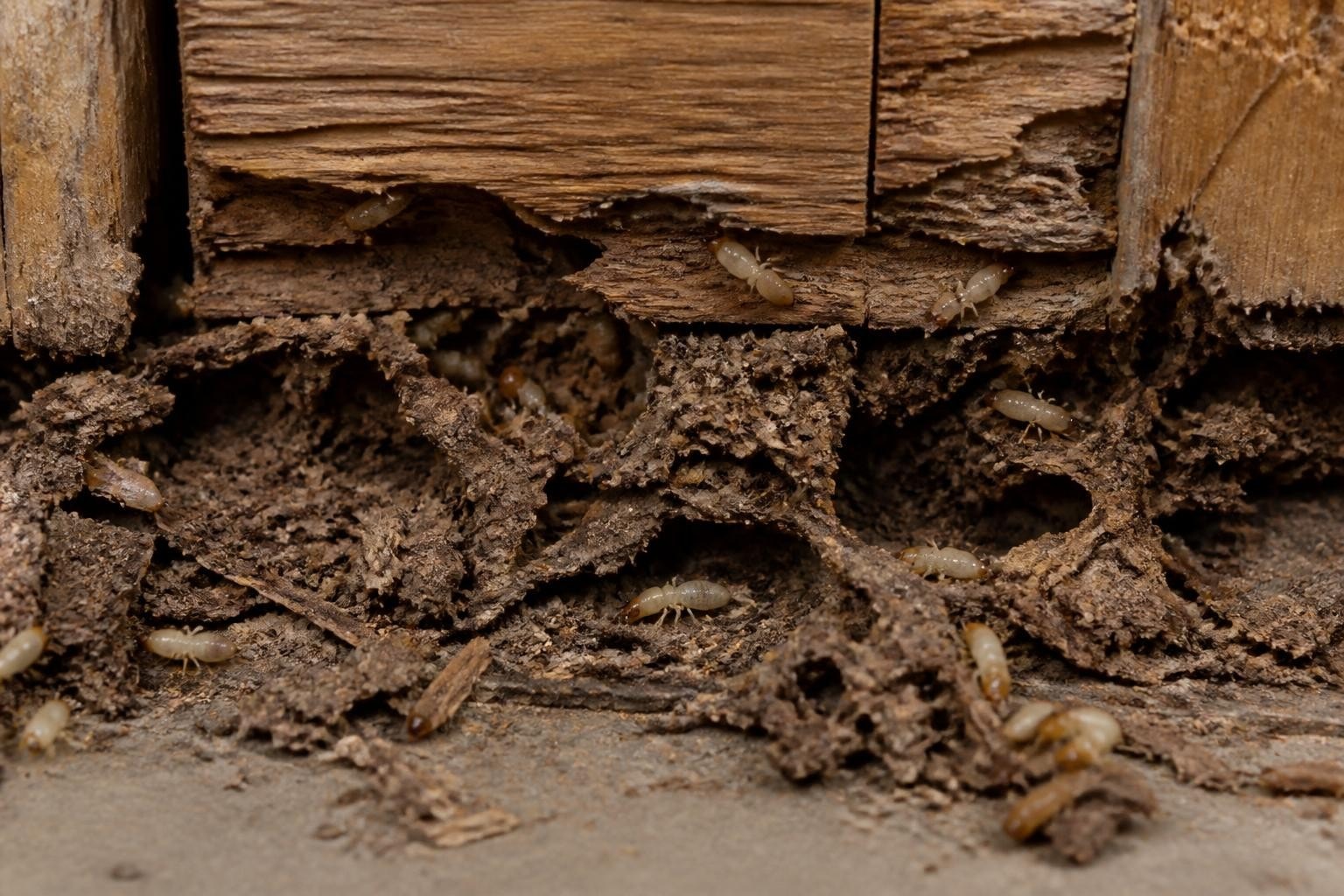
Early detection significantly improves treatment outcomes and reduces repair costs. Richmond homeowners should conduct regular inspections, particularly during spring when termite swarmers become active. Visible signs include discarded wings near windows and doors, mud tubes along foundation walls, hollow-sounding wood, and small piles of frass (termite droppings) resembling sawdust.
Structural indicators include sagging floors, buckling wood, or paint that appears bubbled or uneven. These symptoms suggest advanced infestation requiring immediate professional intervention. Termites often target areas with existing moisture problems, making crawl spaces especially vulnerable to infestations.
Seasonal Activity Patterns
Termite activity in Richmond follows predictable seasonal patterns. Spring warming triggers reproductive swarms, when winged termites leave established colonies to establish new populations. These swarmers emerge during daylight hours following rain events, typically between March and June in central Virginia.
Workers remain active year-round, continuously feeding and expanding their colonies. Underground colonies maintain stable temperatures regardless of surface conditions, allowing subterranean termites to damage structures even during winter months. The EPA’s comprehensive termite identification guide helps homeowners distinguish termites from similar-looking insects like flying ants.
Professional Inspection and Detection Methods
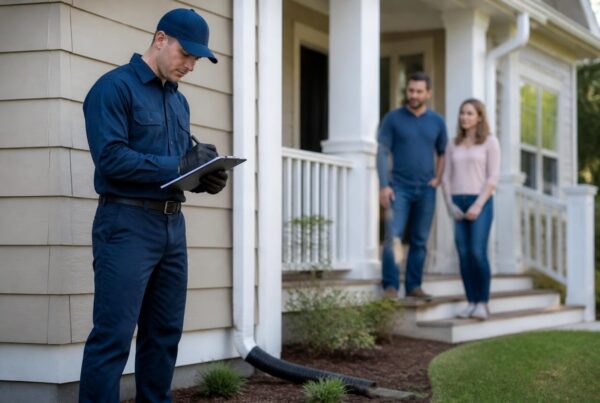
Professional pest control specialists in Richmond VA employ advanced detection technologies and inspection protocols to identify termite activity before visible damage occurs. Certified inspectors examine crawl spaces, basements, attics, and exterior perimeters using specialized tools and years of experience.
Advanced Detection Technologies
Moisture meters identify areas with elevated humidity levels that attract termites and support colony development. These devices help inspectors locate hidden infestations behind walls or beneath flooring. Infrared cameras detect temperature variations indicating termite activity, revealing colonies concealed within walls or structural voids.
Acoustic emission detectors pick up sounds produced by termite feeding activity, allowing inspectors to confirm active infestations without destructive investigation. Borescopes enable visual inspection of wall voids, crawl spaces, and other inaccessible areas through small access holes.
Professional inspections typically include:
- Exterior perimeter examination of foundation, siding, and landscaping features
- Interior assessment of basements, crawl spaces, and attic areas
- Moisture level documentation in vulnerable zones
- Wood sounding tests to identify compromised structural elements
- Documentation of conducive conditions promoting infestations
Richmond's pest control experts understand local construction methods, soil conditions, and environmental factors influencing termite behavior. This regional expertise proves invaluable when developing customized treatment plans addressing specific property vulnerabilities.
Termites and Pest Control Treatment Options
Modern termite control employs multiple strategies depending on infestation severity, termite species, and property characteristics. Richmond homeowners benefit from several proven treatment methods, each offering distinct advantages for specific situations.
Liquid Termiticide Treatments
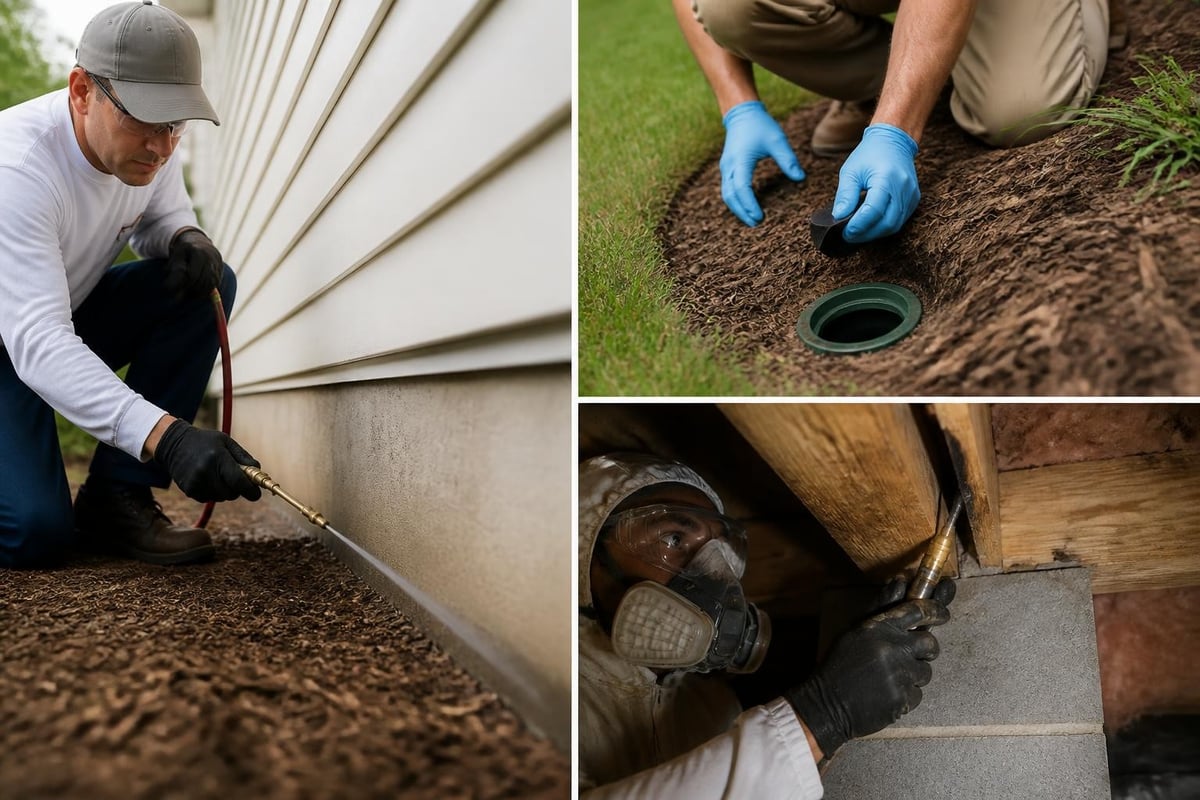
Liquid barrier treatments create protective zones around structures, preventing termite access and eliminating existing colonies. Certified applicators apply non-repellent termiticides to soil surrounding foundations, creating transfer zones where termites unknowingly carry active ingredients back to their colonies.
Trenching applications involve excavating narrow trenches along foundations and filling them with treated soil, establishing continuous barriers. Rod treatments inject termiticide deep beneath concrete slabs through small drilled holes, protecting areas inaccessible through surface applications. These methods typically provide five to ten years of protection when properly applied.
Termite Baiting Systems
Baiting systems offer environmentally conscious alternatives to liquid treatments, using minimal pesticide quantities while achieving colony elimination. Stations installed around property perimeters contain monitoring devices that detect termite activity. When termites discover bait stations, technicians replace monitors with growth inhibitors that workers carry throughout colonies.
Advantages include:
- Reduced chemical usage compared to liquid barriers
- Continuous monitoring capability
- Colony elimination rather than simple repellency
- Minimal landscape disruption during installation
- Flexibility for properties with wells or sensitive areas
The National Pest Management Association’s termite FAQ addresses common questions about various treatment methodologies and their effectiveness.
Fumigation for Drywood Termites
Severe drywood termite infestations may require whole-structure fumigation, particularly when colonies establish throughout multiple areas. This intensive treatment involves sealing structures beneath tarps and introducing fumigant gases that penetrate all wood surfaces, eliminating termites at every life stage.
Fumigation provides complete eradication but requires temporary relocation and extensive preparation. Richmond homeowners dealing with widespread drywood infestations benefit from consulting certified fumigation specialists to determine whether this approach offers the most effective solution.
Integrated Pest Management Strategies
Effective termites and pest control combines chemical treatments with cultural practices reducing conducive conditions. Integrated Pest Management (IPM) approaches emphasize prevention, monitoring, and targeted interventions minimizing environmental impact while maximizing long-term protection.
Moisture Control and Ventilation
Termites require moisture for survival, making humidity management crucial for prevention. Richmond's humid summers create ideal conditions for both termites and the moisture problems that attract them. Proper ventilation in crawl spaces prevents condensation buildup that softens wood and supports termite colonies.
Strategies include:
- Installing vapor barriers in crawl spaces to block ground moisture
- Ensuring adequate ventilation through properly placed vents
- Repairing plumbing leaks and drainage problems promptly
- Maintaining gutters and downspouts directing water away from foundations
- Grading soil away from structures to prevent water accumulation
Professional crawl space services address moisture control comprehensively, combining encapsulation, dehumidification, and structural repairs that eliminate conditions supporting termite activity while protecting against wood rot and mold growth.
Landscaping and Exterior Modifications
Thoughtful landscaping reduces termite attraction and access opportunities. Maintain clearance between soil and wooden siding, keeping mulch, soil, and vegetation at least six inches below siding or structural wood. Remove wood debris, stumps, and dead trees from properties, as these materials provide food sources supporting nearby termite colonies.
Wood-to-ground contact represents a primary risk factor for subterranean termites. Inspect decks, porches, and stairs ensuring wooden components don't contact soil directly. Replace damaged wood promptly and consider termite-resistant materials for outdoor construction projects.
Store firewood away from structures, elevating it above ground on racks. Never stack firewood against exterior walls or foundations, as this creates direct pathways for termite access while providing ideal harborage.
Regional Considerations for Richmond VA Properties
Richmond's geographic location and climate create specific challenges for termites and pest control management. The region experiences hot, humid summers and moderate winters, allowing subterranean termite colonies to remain active throughout most of the year. Cornell University’s Integrated Pest Management program emphasizes the importance of understanding regional termite behavior when developing control strategies.
Soil and Foundation Characteristics
Central Virginia's clay-heavy soils retain moisture and provide ideal conditions for subterranean termite colonies. These dense soils can shift with seasonal moisture changes, creating foundation cracks that provide termite entry points. Regular foundation inspections identify developing cracks before termites exploit them.
Many Richmond homes feature crawl space foundations rather than basements, creating vulnerable zones where termites access wooden floor joists and supports undetected. Professional pest control services in Richmond VA include thorough crawl space inspections as standard practice, recognizing this regional construction characteristic.
Historic Home Vulnerabilities
Richmond's numerous historic properties present unique termite control challenges. Older construction methods often incorporated untreated wood in direct soil contact, while foundation designs may lack modern moisture barriers. These homes require specialized assessment considering preservation requirements alongside pest control needs.
Professional exterminators experienced with historic properties understand how to protect architectural integrity while implementing effective termite treatments. Solutions may include discrete baiting systems, targeted wood treatments, and moisture control measures that don't compromise historic character.
Health and Safety Considerations
While termites themselves don't pose direct health risks through bites or disease transmission, infestations create indirect concerns requiring attention. WebMD’s termite overview notes that structural damage can compromise building safety, creating hazards through weakened floors, walls, and support beams.
Treatment Safety Protocols
Modern termiticides used by licensed pest control professionals undergo rigorous testing and regulatory review ensuring safety when properly applied. Professional applicators follow strict protocols protecting occupants, pets, and the environment during treatment processes.
Homeowners should:
- Verify pest control companies maintain proper licensing and insurance
- Request documentation of products used and their safety profiles
- Follow all preparation and re-entry instructions provided by technicians
- Keep pets and children away from treated areas during specified periods
- Maintain treatment records for future reference
Environmental Responsibility
Responsible termites and pest control balances effectiveness with environmental stewardship. Leading pest control companies prioritize products with favorable environmental profiles, minimal non-target impact, and proven degradation characteristics. Baiting systems exemplify this approach, using precise applications targeting specific pests rather than broad-spectrum treatments.
Richmond homeowners concerned about environmental impact should discuss treatment options with pest control specialists, exploring alternatives like physical barriers, heat treatments, or reduced-risk products appropriate for their situations.
Preventive Maintenance Programs
Ongoing protection requires more than one-time treatments. Professional pest control companies in Richmond VA offer maintenance programs combining regular inspections, monitoring, and preventive applications maintaining continuous protection.
Annual Inspection Schedules
Regular inspections detect termite activity early, allowing intervention before significant damage occurs. Most professionals recommend annual inspections for properties without active infestations, with more frequent monitoring for homes with termite history or high-risk characteristics.
Comprehensive inspections examine:
- Foundation perimeters and basement areas
- Crawl space conditions and structural components
- Attic spaces and roof line connections
- Plumbing penetrations and utility entry points
- Exterior wood features including decks and fences
Documentation from each inspection creates historical records tracking property conditions over time, identifying developing problems before they escalate.
Renewable Treatment Warranties
Many termite treatment programs include renewable warranties guaranteeing retreatment and damage repair if termites return during coverage periods. These warranties typically require annual inspections and compliance with recommended maintenance practices. Review warranty terms carefully, understanding coverage limitations, deductibles, and conditions affecting claim eligibility.
Quality warranties demonstrate pest control companies' confidence in their treatment methodologies while protecting homeowners from unexpected expenses. SanPro’s pest control services include comprehensive treatment options backed by professional expertise and customer-focused service.
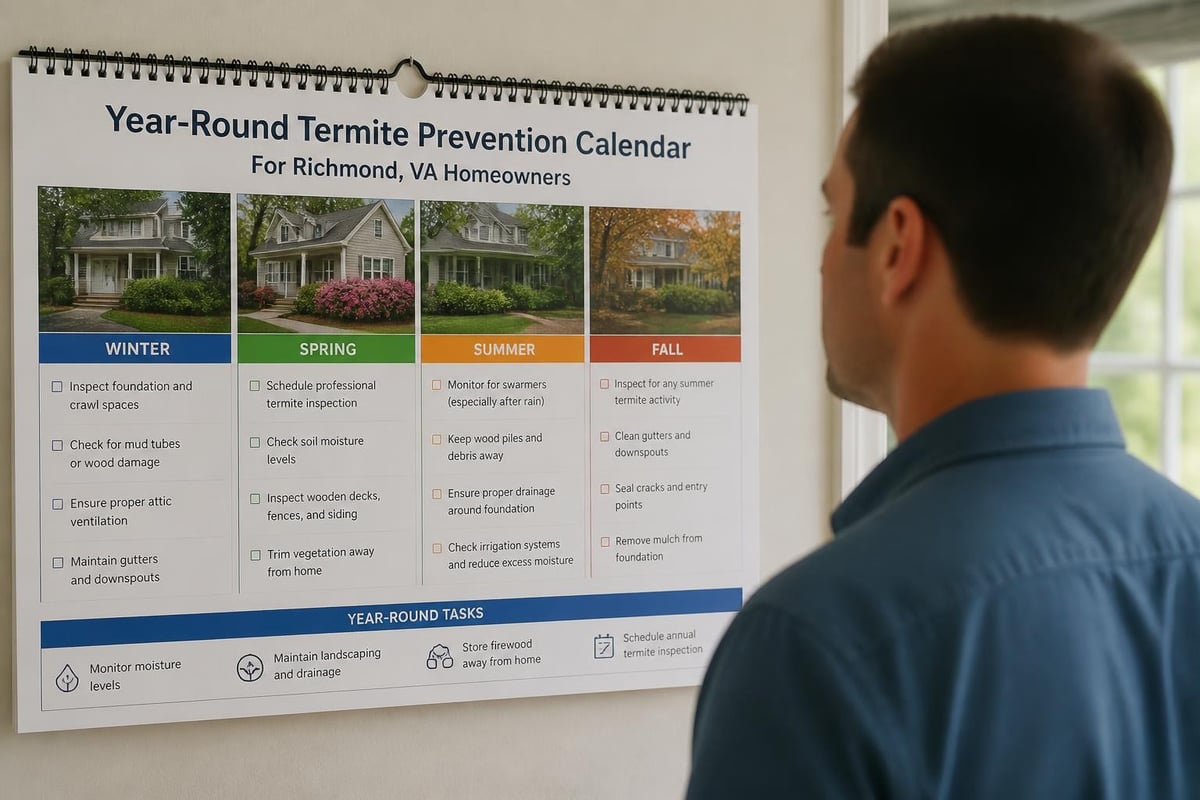
Working with Professional Pest Control Services
Selecting qualified pest control specialists significantly impacts treatment success and long-term protection. Richmond VA homeowners should evaluate providers based on multiple criteria beyond price alone.
Professional Qualifications and Certifications
Licensed pest control technicians complete extensive training covering termite biology, treatment methodologies, safety protocols, and state regulations. Virginia requires pest control businesses and individual technicians to maintain current licenses, demonstrating ongoing education and regulatory compliance.
Look for companies with:
- Valid Virginia Department of Agriculture and Consumer Services licensing
- Certified technicians with specialized termite control credentials
- Membership in professional organizations like the National Pest Management Association
- Positive customer reviews and established local reputations
- Comprehensive insurance coverage protecting property and liability
Service Evaluation Criteria
Quality pest control companies provide detailed inspection reports documenting findings, recommended treatments, and expected outcomes. These reports should include photographs, diagrams identifying problem areas, and clear explanations of proposed solutions.
| Evaluation Factor | Quality Indicators | Red Flags |
|---|---|---|
| Inspection Process | Thorough, documented examination | Rushed assessments, verbal-only findings |
| Treatment Proposals | Multiple options with pros/cons | Single solution without alternatives |
| Pricing Structure | Detailed, itemized estimates | Vague quotes, high-pressure tactics |
| Warranties | Clear terms, damage coverage | Limited or no guarantees |
| Communication | Responsive, educational approach | Difficulty reaching, technical jargon |
Emergency Response Capabilities
Severe infestations or swarming events may require immediate attention beyond scheduled appointments. Professional pest control services in Richmond VA should offer responsive service addressing urgent situations while coordinating with homeowners' schedules for comprehensive treatments.
Properties experiencing significant structural damage from termites may require coordination between pest control specialists and restoration professionals. Services like CORE Restoration handle repairs following termite damage, addressing wood replacement, structural reinforcement, and related reconstruction needs.
Special Situations and Advanced Challenges
Some properties present unique termite control challenges requiring specialized approaches. Understanding these situations helps homeowners make informed decisions about appropriate treatment strategies.
Multi-Unit and Commercial Properties
Apartment buildings, condominiums, and commercial structures require coordinated termite management addressing individual units while protecting entire buildings. These properties benefit from comprehensive treatment programs combining preventive barriers with ongoing monitoring across all units.
The EPA’s guidance on termites in schools provides valuable insights applicable to various institutional and commercial settings, emphasizing integrated approaches minimizing disruption while maintaining protection.
Properties with Wells or Sensitive Areas
Homes with wells, ponds, or environmentally sensitive features require careful treatment planning avoiding water contamination or ecological damage. Professional pest control specialists modify application techniques, select appropriate products, and implement additional safeguards protecting these resources.
Baiting systems often provide ideal solutions for these properties, minimizing chemical usage while achieving effective colony elimination. Advanced application techniques allow targeted treatments avoiding sensitive areas while maintaining comprehensive protection.
Post-Treatment Monitoring and Maintenance
Successful termite elimination requires verification through follow-up inspections confirming colony eradication and continued protection. Most professional treatments include scheduled monitoring visits documenting treatment effectiveness and identifying any new activity requiring additional attention.
Homeowners should maintain records of all treatments, inspections, and monitoring visits. This documentation proves valuable during property sales, insurance claims, or when evaluating long-term protection strategies. Regular communication with pest control providers ensures prompt response to questions or concerns arising between scheduled services.
Cost Considerations and Investment Protection
Termite treatment costs vary based on multiple factors including property size, infestation severity, treatment methodology, and regional market conditions. Richmond homeowners should view termite control as property protection investment rather than discretionary expense.
Treatment Pricing Factors
Initial treatment costs typically range from several hundred to several thousand dollars depending on circumstances. Factors influencing pricing include:
- Property square footage and structural complexity
- Infestation extent and termite species involved
- Treatment method selected (liquid, baiting, fumigation)
- Accessibility of affected areas
- Soil conditions and landscape features
- Warranty coverage and monitoring services included
Request detailed estimates from multiple providers, comparing not just pricing but included services, warranties, and company reputations. The lowest price rarely represents the best value when protecting significant property investments.
Long-Term Financial Benefits
Professional termite control prevents damage that could cost tens of thousands of dollars in repairs. The University of Maryland Extension’s termite resource highlights the economic importance of proactive termite management, noting that prevention costs far less than remediation.
Beyond direct damage prevention, effective termite control protects property values, maintains homeowners insurance eligibility, and prevents complications during real estate transactions. Many lenders require termite inspections before approving mortgages, making professional pest control essential for property marketability.
Insurance Coverage Considerations
Standard homeowners insurance policies typically exclude termite damage, considering it preventable through proper maintenance. Some insurers offer optional termite damage riders providing limited coverage, though these policies usually require regular professional inspections and treatments.
Professional termite warranties often provide more comprehensive protection than insurance riders, including both retreatment services and structural damage repair. Compare warranty terms against insurance options, selecting protection fitting individual circumstances and risk tolerance.
Coordinating Termite Control with Related Services
Effective property protection often requires addressing multiple interconnected issues simultaneously. Termites and pest control programs achieve maximum effectiveness when coordinated with complementary services addressing underlying vulnerabilities.
Moisture Management and Structural Protection
Termite prevention intersects directly with moisture control, making coordinated approaches particularly effective. Properties with chronic moisture problems benefit from comprehensive solutions addressing pest control alongside ventilation, drainage, and structural improvements.
Professional services addressing these interconnected issues provide lasting solutions rather than temporary fixes. Integrated approaches prevent recurring problems while protecting property value and occupant health.
Comprehensive Property Protection
Beyond termites, Richmond properties face various pest challenges requiring professional attention. Coordinating multiple pest control services through single providers offers convenience, potential cost savings, and comprehensive protection. Professional companies addressing spider control, mosquito management, and other pest issues alongside termite services provide unified property protection strategies.
Recent Research and Emerging Technologies
Termite control continues evolving through ongoing research improving understanding of termite biology and developing innovative treatment approaches. Recent studies on termite behavior and colony organization inform advanced control strategies targeting colony communication and social structures.
Biological Control Developments
Researchers investigate biological control agents including nematodes, fungi, and bacteria targeting termites while posing minimal risk to other organisms. These developments may eventually supplement or replace traditional chemical treatments, offering environmentally friendly alternatives with comparable effectiveness.
Smart Monitoring Technologies
Advanced monitoring systems incorporating wireless sensors and artificial intelligence enable real-time termite detection and activity tracking. These technologies allow pest control professionals to respond immediately to developing infestations rather than relying on periodic inspections alone.
As these innovations become commercially available, Richmond homeowners will benefit from increasingly effective, environmentally responsible termite control options protecting properties with minimal impact on surroundings.
Protecting your Richmond home from termites requires understanding these destructive pests, recognizing warning signs, and implementing comprehensive prevention and treatment strategies. Whether you're dealing with an active infestation or seeking proactive protection, professional expertise ensures effective solutions tailored to your property's specific vulnerabilities. SanPro provides Richmond-area homeowners with expert termite control, crawl space protection, and comprehensive pest management services backed by local knowledge and proven results-contact us today to schedule your property inspection and secure lasting protection.