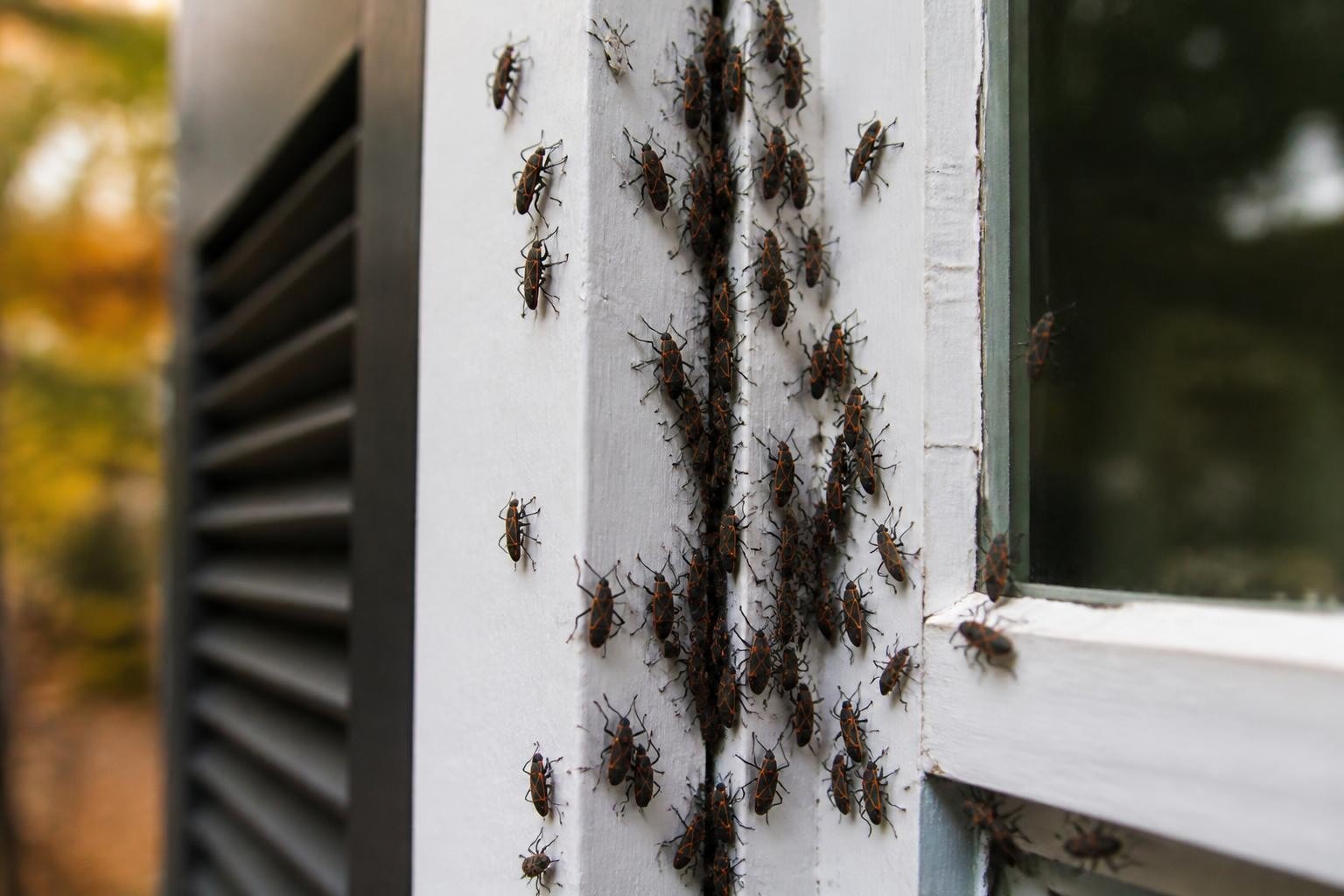
Elder bugs, more commonly known as boxelder bugs, represent one of the most persistent nuisance pests affecting Richmond, Virginia homeowners each year. These distinctive red and black insects become particularly problematic during fall months when they seek warm shelter for overwintering. While they don't pose significant health risks or cause structural damage, their tendency to congregate in large numbers on sunny exterior walls and subsequently invade living spaces makes them a top concern for property owners throughout Central Virginia. Understanding these insects' behavior, lifecycle, and the most effective control strategies can help you protect your home from unwanted invasions.
Understanding Elder Bugs and Their Behavior
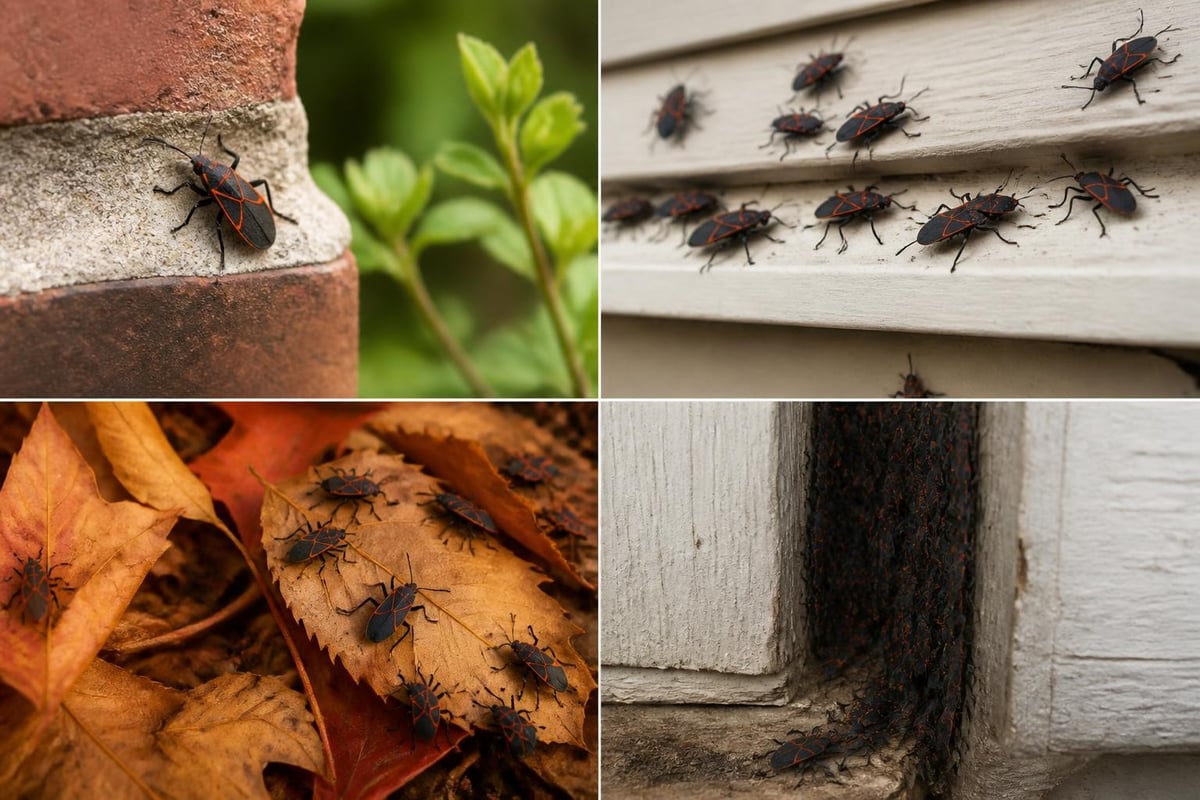
Elder bugs belong to the family Rhopalidae and are named after their primary host plant, the boxelder tree. These true bugs measure approximately half an inch long and feature distinctive dark gray to black bodies with striking red or orange markings along their wing margins and abdominal edges. According to WebMD, these insects are primarily nuisance pests rather than dangerous threats to human health.
The presence of boxelder trees, silver maples, and ash trees in Richmond's urban and suburban landscapes creates ideal conditions for elder bug populations to thrive. Female boxelder trees, which produce seed pods, attract the highest concentrations of these insects during spring and summer feeding periods.
Seasonal Activity Patterns
Elder bugs exhibit distinct seasonal behavior that directly impacts Richmond homeowners:
- Spring (March-May): Adults emerge from overwintering sites and seek host trees for feeding and reproduction
- Summer (June-August): Nymphs develop through five growth stages, feeding on tree seeds and foliage
- Fall (September-November): Adults aggregate on warm, south-facing walls seeking entry points to overwinter
- Winter (December-February): Dormant adults remain hidden in wall voids, attics, and protected spaces
The University of Minnesota Extension notes that fall aggregation behavior represents the most problematic phase for property owners, as thousands of elder bugs may converge on a single structure when temperatures begin dropping.
Why Elder Bugs Target Richmond Homes
Richmond's climate and urban forest composition create particularly favorable conditions for elder bug populations. The city's moderate winters allow high survival rates for overwintering insects, while hot summers support rapid population growth. Several factors make certain properties more attractive to these pests than others.
Homes with extensive sun exposure on southern and western walls experience the highest aggregation pressure during fall months. Elder bugs use these warm surfaces as staging areas before seeking cracks, gaps, and openings to access protected interior spaces. Properties located near mature boxelder, maple, or ash trees face elevated invasion risk throughout the season.
Common Entry Points
Elder bugs exploit surprisingly small openings to access your home's interior. Understanding these vulnerabilities helps prioritize prevention efforts:
| Entry Point | Risk Level | Prevention Priority |
|---|---|---|
| Window and door frames | High | Critical |
| Foundation cracks | High | Critical |
| Utility penetrations | Medium | Important |
| Attic vents | Medium | Important |
| Worn weatherstripping | High | Critical |
| Siding gaps | Medium | Important |
The insects' flat bodies allow them to squeeze through openings as narrow as one-eighth inch. Once inside wall voids or attic spaces, they remain dormant until warming spring temperatures trigger activity and accidental indoor appearances.
Identifying an Elder Bug Problem
Early detection significantly improves control outcomes and reduces the likelihood of large-scale indoor invasions. Richmond homeowners should monitor for several telltale signs during late summer and early fall months when elder bug activity peaks.
The most obvious indicator involves visual sightings of clustering insects on exterior walls, particularly on warm afternoon hours. The University of Kentucky’s Entomology Department emphasizes that aggregation on building exteriors represents a warning sign of potential interior invasion.
Physical Evidence to Monitor
Outdoor indicators include masses of elder bugs congregating on sunny wall surfaces, around window frames, and near foundation areas. These gatherings typically intensify as September transitions into October when overnight temperatures consistently drop below 60 degrees Fahrenheit.
Indoor evidence manifests differently. Individual elder bugs appearing in living spaces during winter months indicate successful overwintering populations within wall voids or attic spaces. While these insects remain largely dormant during cold weather, occasional warm days or heated indoor environments can trigger activity.
Staining represents another concern, particularly on light-colored surfaces. When disturbed or crushed, elder bugs release defensive compounds that can leave reddish-brown marks on curtains, walls, and upholstery. This defensive secretion also produces a distinctive, unpleasant odor.
Prevention Strategies for Richmond Properties
Effective elder bug management relies heavily on exclusion and habitat modification rather than chemical treatments alone. Professional pest control services in Richmond VA emphasize integrated approaches that address multiple vulnerability factors simultaneously.
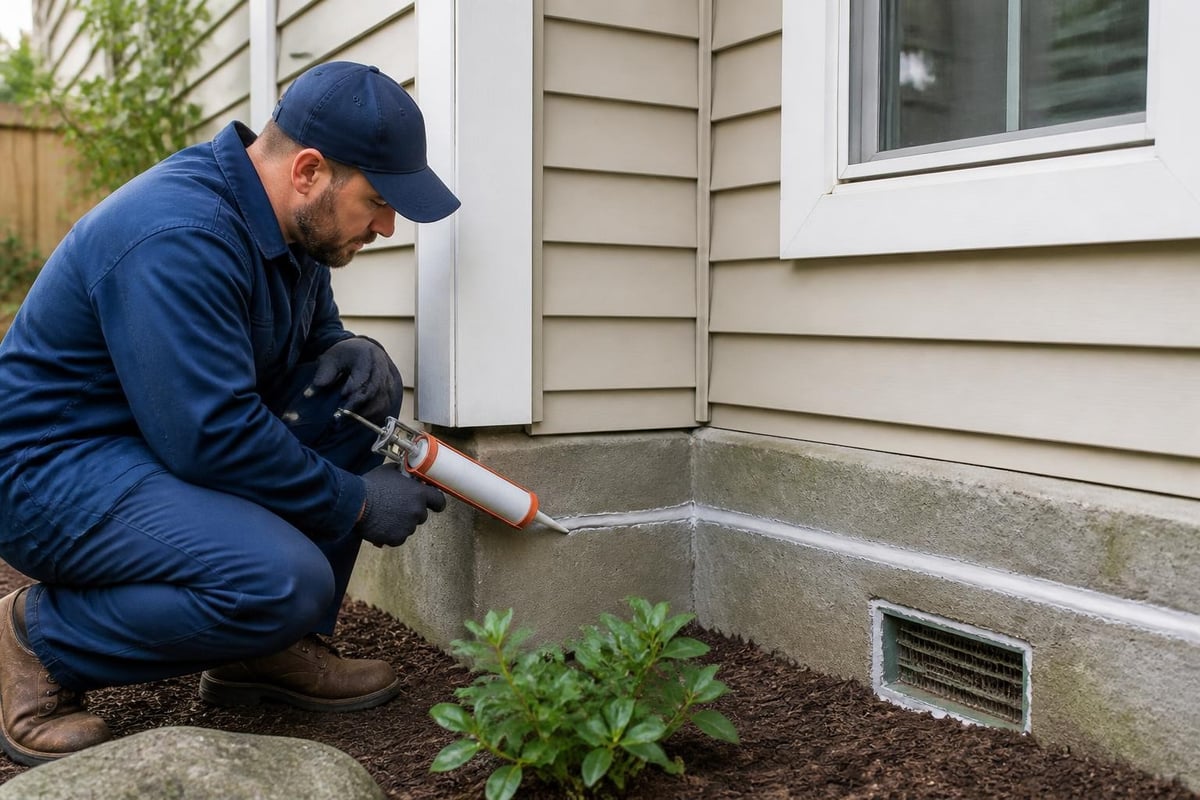
Structural exclusion forms the foundation of any successful prevention program. Seal all cracks and crevices around windows, doors, and foundation areas using appropriate caulking compounds. Install or repair weatherstripping on all exterior doors, ensuring tight seals when closed. Screen attic vents, crawl space openings, and foundation vents with fine mesh that prevents insect entry while maintaining necessary ventilation.
Landscape Management Approaches
Strategic landscape decisions can significantly reduce elder bug pressure on your property. The University of Connecticut’s fact sheet recommends several habitat modification strategies:
- Remove female boxelder trees from your property when feasible, as these produce the seed pods that attract feeding adults
- Maintain distance between host trees and structures, ideally 20 feet or more
- Eliminate debris piles near foundations where elder bugs may temporarily shelter
- Trim vegetation away from exterior walls to reduce protected resting areas
- Clean up fallen seeds from boxelder and maple trees promptly during summer months
These modifications prove particularly effective when implemented property-wide rather than focusing solely on areas immediately adjacent to structures. Richmond's urban forest makes complete elimination of host trees impractical, but reducing proximity to buildings decreases invasion likelihood.
Control Methods That Work
When prevention measures alone prove insufficient, active control becomes necessary. The timing and method of intervention significantly impact effectiveness and long-term outcomes. Professional pest control services offer expertise in selecting and applying appropriate treatments based on infestation severity and property characteristics.
Outdoor Perimeter Treatments
Exterior applications represent the most effective control approach when timed correctly. Late summer applications, typically during August in Central Virginia, target nymphs before they mature into overwintering adults. Fall applications during September and early October address aggregating populations before they penetrate building envelopes.
Residual insecticides applied to southern and western walls, around windows and doors, and along foundation perimeters create protective barriers that kill or repel elder bugs attempting to access structures. These treatments require reapplication according to product specifications and weather conditions.
Natural alternatives include diatomaceous earth, essential oil-based repellents, and insecticidal soaps. According to Gardening Know How, these options provide moderate effectiveness with reduced environmental impact, though they typically require more frequent application than synthetic products.
Indoor Management Tactics
Once elder bugs establish overwintering populations inside structures, complete elimination becomes challenging. Interior management focuses on reducing nuisance and preventing population expansion:
- Vacuum removal of visible insects provides immediate relief without chemical exposure
- Sticky traps placed near windows and light sources capture insects attracted to warmth and illumination
- Temperature management keeping attics and wall voids cool discourages activity
- Light reduction during evening hours minimizes attraction for any insects that become active
Avoid crushing elder bugs against walls or furnishings, as this releases staining compounds and unpleasant odors. The Morton Arboretum recommends gentle vacuum removal followed by outdoor disposal of collected insects.
| Control Method | Effectiveness | Application Timing | Duration |
|---|---|---|---|
| Perimeter spray | High | Late August-September | 30-60 days |
| Exclusion/sealing | Very High | Year-round | Permanent |
| Landscape modification | Medium | Spring-Summer | Seasonal |
| Indoor vacuum | Low-Medium | As needed | Immediate |
| Natural repellents | Low-Medium | Weekly | 7-14 days |
Professional vs. DIY Approaches
Richmond homeowners face important decisions regarding self-managed versus professional elder bug control. Each approach offers distinct advantages and limitations based on infestation severity, property characteristics, and available resources.
DIY methods work best for minor problems involving small numbers of elder bugs and limited entry points. Homeowners comfortable with basic home maintenance can successfully implement exclusion measures, apply consumer-grade perimeter treatments, and manage indoor appearances through vacuum removal. Hardware stores throughout Richmond stock appropriate caulking compounds, weatherstripping materials, and EPA-registered insecticides labeled for elder bug control.
When to Call Professionals
Certain situations warrant professional intervention from experienced pest exterminators in Richmond VA:
Severe aggregations involving thousands of insects on exterior walls exceed DIY treatment capabilities. Professional equipment enables thorough application to high walls, soffits, and other difficult-to-reach areas where elder bugs congregate before entering structures.
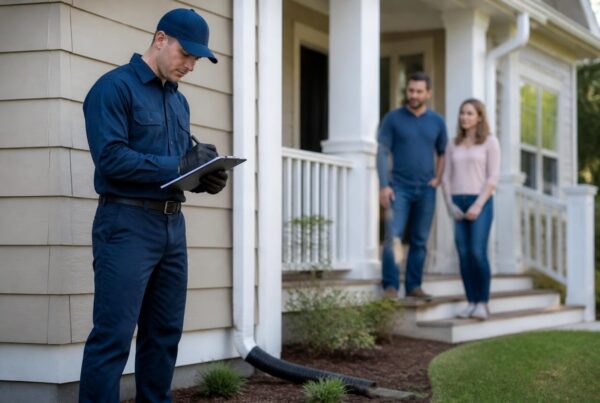
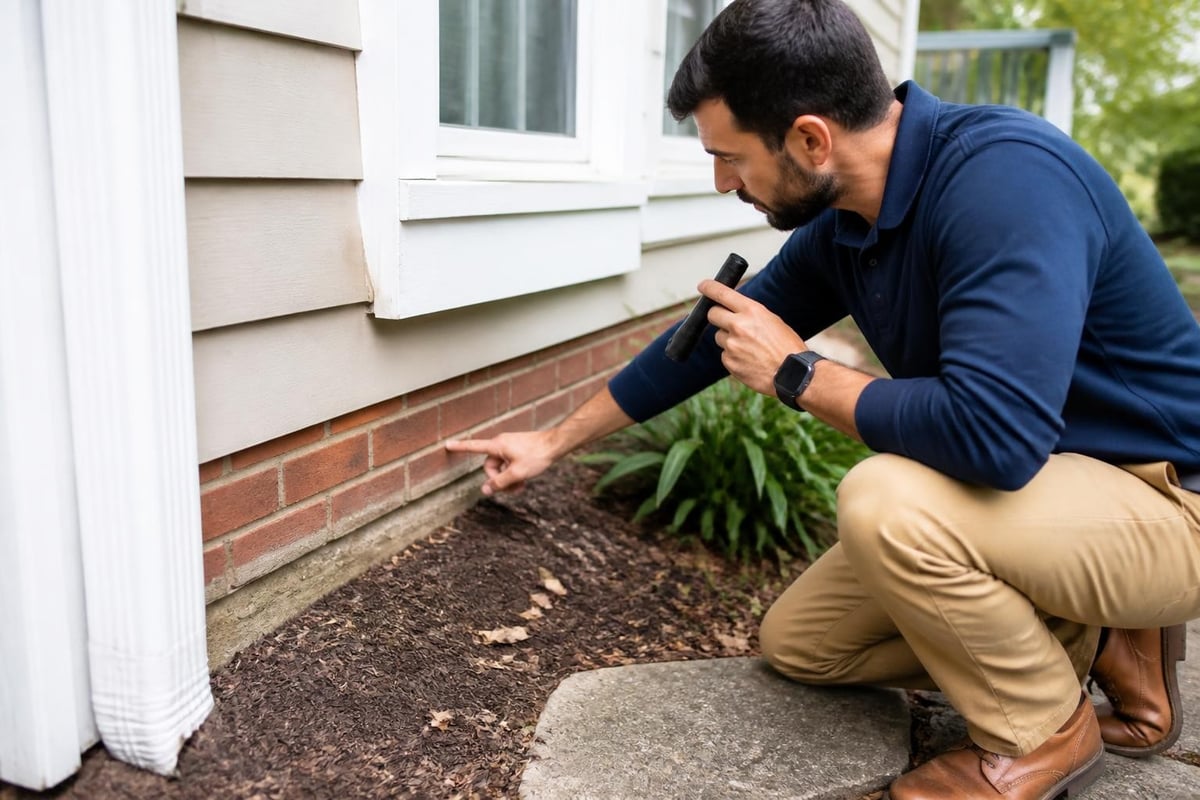
Recurring problems indicate either incomplete exclusion or nearby population sources requiring comprehensive management strategies. Professionals conduct detailed property inspections identifying all entry points and contributing factors that homeowners commonly overlook.
Structural complexity presents challenges for property owners lacking appropriate equipment or expertise. Multi-story homes, buildings with extensive architectural detail, and properties with significant foundation or siding damage require specialized approaches and safety equipment.
Time constraints make professional services attractive for busy homeowners. Thorough elder bug prevention involves detailed inspection, extensive sealing work, and timely treatment applications that many people cannot accommodate within their schedules.
Colorado State University Extension emphasizes that successful long-term management requires integrated approaches combining multiple strategies rather than relying on single-method solutions.
Health and Safety Considerations
Elder bugs generate significant concern among Richmond residents despite their relatively benign nature compared to other household pests. Understanding actual risks versus perceived threats helps property owners make informed decisions about management priorities and control methods.
These insects do not bite humans, transmit diseases, or cause structural damage to buildings. PestWorld.org confirms that elder bugs feed exclusively on plant material, primarily boxelder seeds, and pose no direct health threats to people or pets. Their status as nuisance pests stems entirely from their tendency to congregate in large numbers and invade living spaces seeking overwintering shelter.
Potential Concerns
Allergic reactions represent the primary legitimate health consideration. Some individuals experience mild skin irritation from contact with elder bug defensive secretions. These reactions typically manifest as temporary redness or itching at contact sites. People with known sensitivities to insect secretions should avoid direct handling of these pests.
Staining and odor affect property rather than health. The defensive compounds released when elder bugs feel threatened can discolor fabrics, walls, and other surfaces. The associated smell, while unpleasant, poses no toxicity risk but may persist in areas with heavy infestations.
Secondary pest attraction occasionally occurs when large numbers of dead elder bugs accumulate in wall voids or attic spaces. These remains can attract dermestid beetles, carpet beetles, or other scavenging insects seeking food sources. Proper exclusion and population management prevents this secondary concern.
Regional Factors Affecting Richmond Properties
Richmond's specific climate, urban forest composition, and architectural characteristics create unique challenges and opportunities for elder bug management. Understanding these regional factors enables more effective prevention and control strategies tailored to Central Virginia conditions.
The city's transitional climate zone features hot, humid summers supporting rapid elder bug reproduction followed by moderate winters allowing high overwintering survival rates. This combination sustains robust populations year after year. Occasional severe winter cold snaps reduce populations temporarily, but recovery occurs quickly during favorable growing seasons.
Architectural Considerations
Richmond's diverse housing stock presents varying levels of elder bug vulnerability:
Historic homes in neighborhoods like Church Hill and the Fan District often feature aging building envelopes with numerous gaps, cracks, and deteriorated sealing materials. These properties require comprehensive exclusion efforts addressing decades of settling, weather damage, and previous modifications.
Mid-century ranch homes common in West End subdivisions typically include crawl space foundations and attic ventilation systems that create potential entry points. The Amateur Entomologists’ Society notes that proper screening and maintenance of these features significantly reduces invasion risk.
Modern construction in developing areas benefits from improved building standards and materials but remains vulnerable around utility penetrations, HVAC installations, and decorative architectural features that create gaps in the building envelope.
Properties throughout Richmond should prioritize inspection and sealing of these common vulnerability points:
- Gaps between foundation and siding materials
- Worn or missing weatherstripping on doors and windows
- Cracks in mortar joints on brick or stone foundations
- Openings around plumbing, electrical, and cable entry points
- Damaged or loose siding panels
- Inadequately screened attic vents and crawl space openings
Seasonal Management Calendar
Effective elder bug management follows a seasonal schedule aligned with insect lifecycle and behavior patterns. Richmond homeowners achieve best results by implementing specific strategies during appropriate windows throughout the year.
Spring Management (March-May)
Focus on monitoring and habitat reduction as overwintering adults emerge and disperse to host trees. Inspect buildings for signs of interior overwintering populations. Vacuum and remove any elder bugs appearing indoors as warming temperatures trigger activity. Identify and mark exterior areas where insects congregated the previous fall for targeted summer exclusion work.
Landscape assessment during early spring reveals the location and density of boxelder, maple, and ash trees on your property and neighboring areas. This information guides decisions about tree removal, distance management, and expected pest pressure for the upcoming season.
Summer Management (June-August)
Implement exclusion and sealing projects while elder bugs remain dispersed on host trees. Warm, dry weather provides ideal conditions for caulking, weatherstripping installation, and other exterior work. Address all gaps, cracks, and openings identified during spring assessments before fall aggregation begins.
Vegetation management includes trimming trees and shrubs away from structures, removing debris piles, and maintaining proper distances between host trees and buildings. Late summer perimeter treatments targeting developing nymphs provide excellent results when applied during August in Central Virginia.
Fall Management (September-November)
Active monitoring becomes critical as elder bugs begin congregating on warm exterior walls. Early September inspections reveal aggregation patterns and identify any exclusion gaps requiring immediate attention. Perimeter treatments applied during early aggregation phases intercept insects before they penetrate building envelopes.
Enhanced vigilance continues through October and November as temperatures fluctuate and insects actively seek entry points. Daily inspections of vulnerable areas enable prompt response to new aggregations. Indoor appearances during fall months indicate active entry requiring immediate exterior treatment and gap sealing.
Winter Management (December-February)
Focus shifts to indoor management of any successfully overwintering populations. Remove visible insects through vacuum collection rather than chemical treatments in occupied spaces. Monitor windows, light fixtures, and warm interior walls where dormant insects may become active on unusually warm days.
Planning and preparation for the upcoming season includes scheduling professional inspections, ordering necessary sealing materials, and identifying landscaping modifications to implement during spring months.
| Season | Primary Focus | Key Activities | Success Indicators |
|---|---|---|---|
| Spring | Monitoring | Inspect, vacuum indoor insects | No new interior appearances |
| Summer | Exclusion | Seal gaps, trim vegetation | Reduced aggregation in fall |
| Fall | Prevention | Perimeter treatment, monitoring | Few insects on walls |
| Winter | Indoor control | Vacuum removal, planning | Minimal indoor activity |
Long-Term Prevention Success
Sustainable elder bug management requires ongoing commitment rather than one-time interventions. Richmond property owners achieve lasting results through consistent implementation of integrated strategies addressing multiple factors simultaneously.
Annual inspections identify new vulnerabilities created by settling, weather damage, or structural modifications. Buildings constantly develop new gaps and cracks requiring regular attention. Schedule comprehensive exterior examinations each spring before elder bug populations disperse from overwintering sites.
Maintenance schedules preserve exclusion investments. Caulking degrades over time, weatherstripping compresses and tears, and screens develop holes from weather exposure and accidental damage. Replace deteriorated materials promptly to maintain protective barriers.
Documentation practices help track problem areas, treatment applications, and effectiveness over multiple seasons. Photographs of aggregation sites, notes on treatment timing and products used, and records of exclusion work completed enable refinement of management approaches based on actual results.
Professional partnerships with experienced pest control providers deliver expertise, specialized equipment, and proven strategies that supplement homeowner efforts. Regular service agreements ensure timely interventions and consistent monitoring throughout seasonal cycles.
The most successful long-term programs combine homeowner vigilance with professional support, addressing both immediate concerns and underlying factors that sustain elder bug populations. This comprehensive approach reduces nuisance, protects property values, and minimizes annual control costs through prevention-focused strategies.
Understanding Treatment Limitations
Realistic expectations improve satisfaction with elder bug management outcomes. These insects present unique challenges that prevent complete elimination in many situations, particularly in urban environments with abundant host trees and favorable climate conditions.
Population sources extend beyond individual property boundaries. Elder bugs fly readily and colonize host trees throughout entire neighborhoods. Even perfect exclusion on your property cannot prevent insects from nearby trees attempting to access your structures each fall. Ongoing monitoring and maintenance remain necessary regardless of control efforts.
Overwintering success varies annually based on weather patterns, treatment timing, and exclusion completeness. Mild winters preserve larger populations, while harsh cold reduces numbers significantly. However, even small surviving populations rapidly rebuild during favorable summer conditions.
Recolonization occurs quickly in areas with established elder bug populations. Successful management one season doesn't guarantee long-term results without continued prevention and treatment efforts. The insects' high reproductive rate and abundant local host trees ensure constant pressure on vulnerable structures.
Properties located near mature female boxelder trees face persistent challenges requiring more intensive and frequent interventions than homes in areas dominated by other tree species. Strategic landscape decisions, when feasible, provide the most significant long-term reduction in pest pressure.
Elder bugs remain one of Richmond's most common fall and winter nuisance pests, but proper understanding and proactive management significantly reduce their impact on your home and quality of life. Success requires combining exclusion work, timely treatments, and habitat modification tailored to your property's specific vulnerabilities and surrounding landscape. If you're dealing with persistent elder bug problems or want to prevent future invasions through professional assessment and treatment, SanPro offers comprehensive pest control solutions designed for Central Virginia's unique challenges. Our experienced team can help you protect your home year-round with proven strategies that address the root causes of pest pressure.