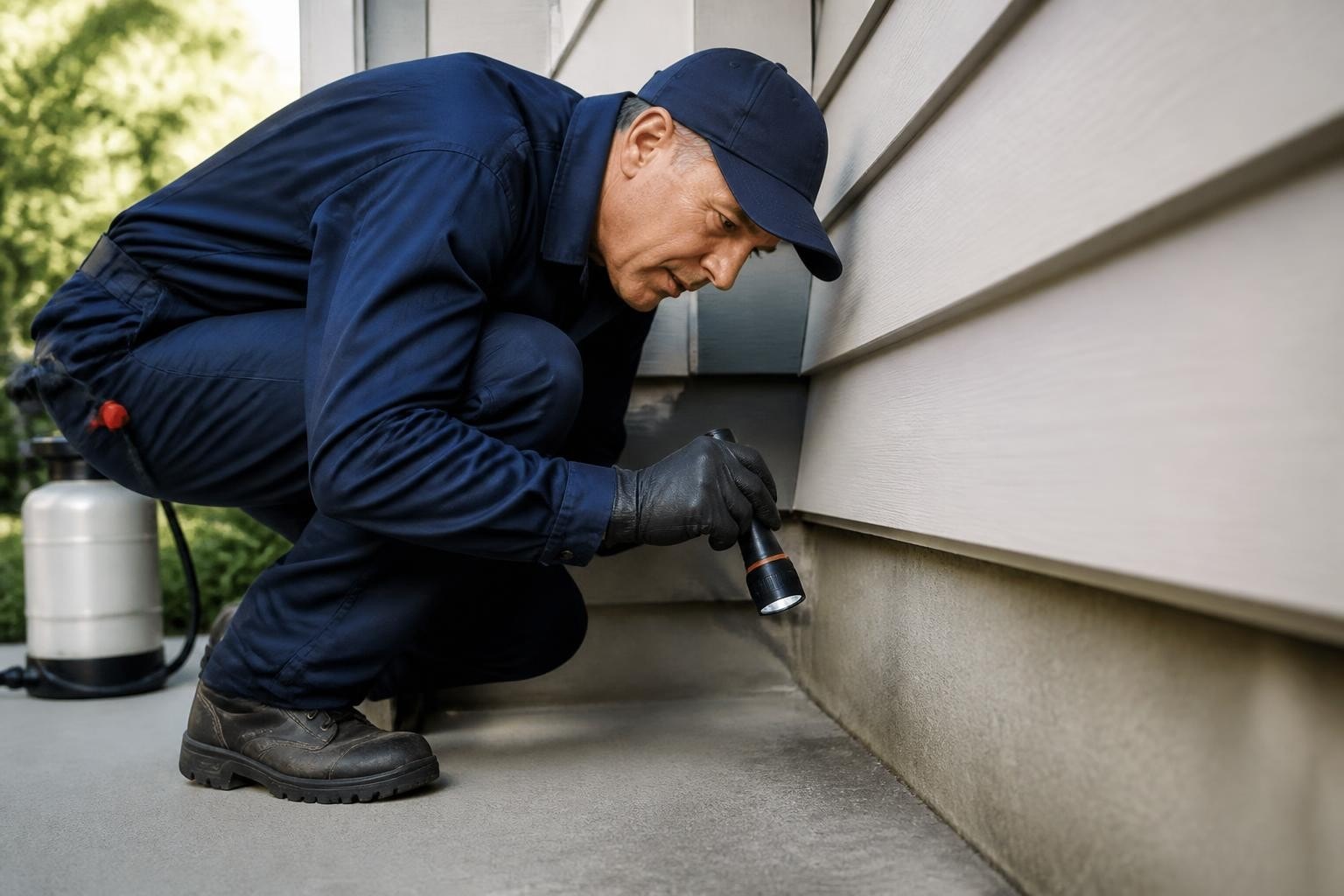
Property owners in Richmond, VA face unique challenges when it comes to managing insect infestations. The region's humid subtropical climate creates ideal conditions for various bug populations to thrive year-round. Professional bug service provides the expertise, equipment, and proven methodologies necessary to protect homes and businesses from the damage, health risks, and discomfort that pest infestations bring. Understanding what quality bug service entails empowers property owners to make informed decisions about protecting their investments and ensuring safe, comfortable living environments.
Understanding Professional Bug Service Solutions
Bug service encompasses far more than simply spraying pesticides when problems arise. Modern pest control has evolved into a sophisticated field that combines biological knowledge, structural expertise, chemical science, and preventive strategies. Professional technicians assess each property individually, identifying the specific species causing problems, locating entry points and harborage areas, and developing customized treatment plans that address both immediate infestations and long-term prevention.
The foundation of effective bug service begins with thorough inspection. Trained professionals examine interior and exterior areas, including basements, attics, crawl spaces, foundations, and landscaping features. They look for signs of activity such as droppings, shed skins, damaged materials, and live insects. This comprehensive evaluation identifies not just what pests are present but why they're attracted to the property in the first place.
Common Bug Species Requiring Professional Service
Richmond area properties commonly experience issues with several insect species that require specialized treatment approaches:
- Termites: Subterranean termites cause extensive structural damage, requiring liquid treatments, baiting systems, or both
- Bed bugs: These resilient pests demand heat treatments, chemical applications, or integrated approaches for complete elimination
- Ants: Various species including carpenter ants, odorous house ants, and pavement ants require species-specific treatment protocols
- Cockroaches: German, American, and Oriental cockroaches spread disease and trigger allergies, necessitating comprehensive sanitation and treatment programs
- Fleas: Indoor infestations require coordinated treatment of pets, living areas, and outdoor spaces
- Mosquitoes: Outdoor populations demand source reduction, larvicides, and adult control measures
Each species presents distinct behavioral patterns, reproductive cycles, and vulnerabilities that professional bug service addresses through targeted strategies. Generic over-the-counter products rarely provide lasting solutions because they fail to account for these biological and behavioral differences.
The Science Behind Effective Bug Service Methods
Contemporary bug service relies on Integrated Pest Management (IPM) principles that the U.S. Environmental Protection Agency endorses as the most effective and environmentally responsible approach. IPM emphasizes prevention, monitoring, and targeted intervention rather than relying solely on chemical treatments. This methodology reduces pesticide use while increasing effectiveness and sustainability.
Prevention forms the cornerstone of quality bug service. Professionals identify and recommend correcting conditions that attract or harbor pests. These might include moisture problems, structural gaps, food sources, or vegetation touching the building. By eliminating conducive conditions, property owners make their spaces inherently less attractive to pest populations.
| Treatment Method | Best Applications | Duration of Effectiveness | Environmental Impact |
|---|---|---|---|
| Liquid Barrier Treatments | Perimeter defense, termite prevention | 3-12 months | Moderate with proper application |
| Gel Baits | Ants, cockroaches, targeted indoor use | 2-6 months | Low, minimal exposure |
| Dust Formulations | Wall voids, attics, electrical outlets | 6-12 months | Low when properly applied |
| Heat Treatment | Bed bugs, stored product pests | Immediate, no residual | None, chemical-free option |
| Monitoring Systems | Early detection, ongoing surveillance | Continuous | Minimal, passive monitoring |
Chemical applications, when necessary, follow strict protocols that maximize effectiveness while minimizing risks to people, pets, and the environment. Licensed technicians select products based on the target pest, treatment location, and property-specific factors. They apply materials according to label requirements and industry best practices outlined by professional associations to ensure both safety and efficacy.
Treatment Frequency and Scheduling Considerations
Bug service programs typically follow quarterly, bi-monthly, or monthly schedules depending on pest pressure, property characteristics, and customer preferences. High-risk properties or those with active infestations may require more frequent visits initially, transitioning to maintenance schedules once control is achieved.
Seasonal timing matters significantly for certain pests. Spring treatments target emerging ant colonies and awakening insect populations. Summer focus includes mosquito control and stinging insect management. Fall preparations address overwintering pests seeking indoor shelter. Winter visits monitor for rodent activity and indoor pest issues.
Critical Components of Comprehensive Bug Service Programs
Quality bug service extends beyond scheduled treatment visits to include multiple service components that work together for maximum protection. Understanding these elements helps property owners recognize value and select providers offering truly comprehensive solutions.
Documentation and Communication: Professional services maintain detailed records of inspections, treatments applied, materials used, and observations noted. Customers receive service reports explaining what was done, what was found, and what recommendations apply. This documentation proves invaluable for real estate transactions, warranty claims, and tracking treatment effectiveness over time.
Warranty and Guarantee Provisions: Reputable bug service providers stand behind their work with service guarantees. These typically promise to retreat at no additional charge if pests return between scheduled visits. Some specialized services, particularly termite protection, include damage warranties providing financial protection against structural harm.
Technician Training and Certification: The quality of bug service directly correlates with technician expertise. Licensed professionals complete state-required training, maintain continuing education, and often pursue additional certifications in specialized areas like bed bug treatment or termite control. This knowledge base ensures proper pest identification, appropriate treatment selection, and safe application practices.
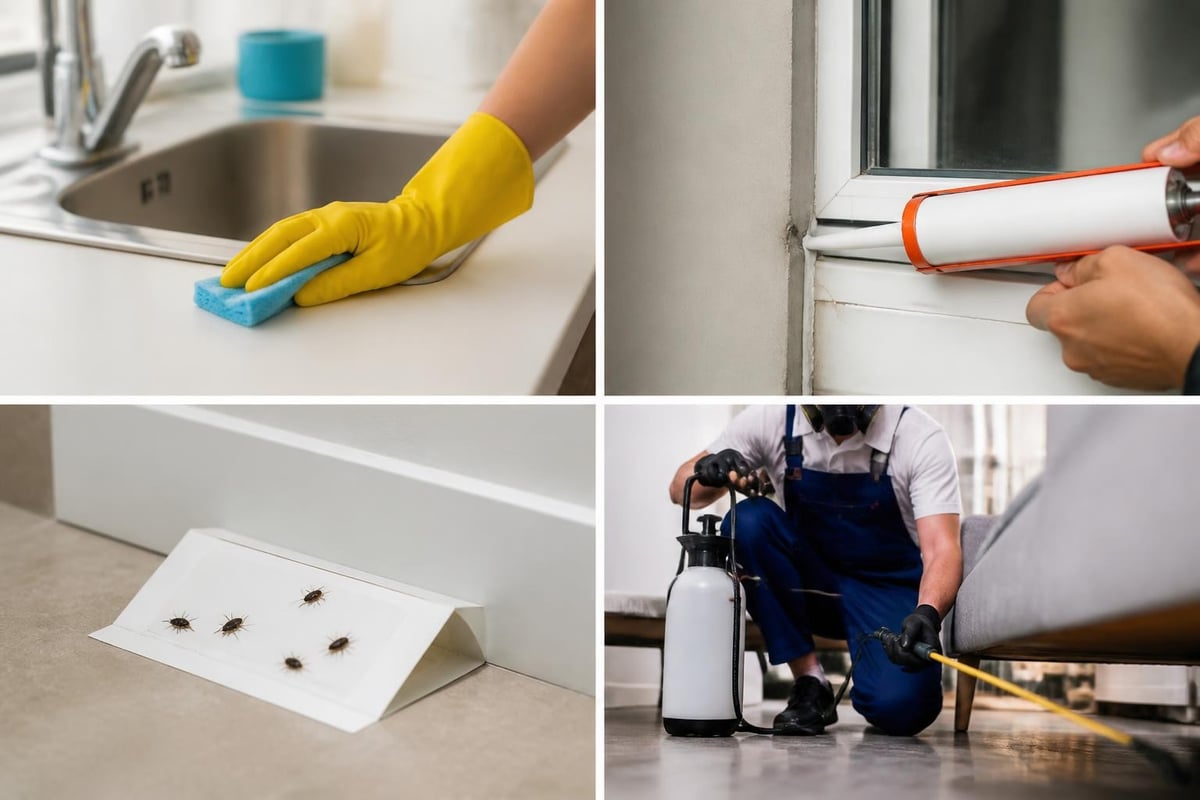
Technology Integration in Modern Bug Service
Today's bug service incorporates advanced technologies that enhance effectiveness and customer experience:
- Digital Inspection Tools: Technicians use tablets and smartphones to document findings with photos, access treatment history, and update customer accounts in real-time
- Moisture Meters: Electronic sensors detect hidden moisture problems that attract pests and indicate potential pest activity
- Thermal Imaging: Infrared cameras reveal pest activity behind walls, detect moisture intrusion, and identify insulation deficiencies
- GPS Tracking: Fleet management systems ensure timely arrivals and route efficiency for scheduled service appointments
- Customer Portals: Online platforms allow customers to view service history, schedule appointments, and communicate with providers conveniently
These technological enhancements don't replace skilled technicians but rather amplify their capabilities and improve service delivery. The human element remains critical for proper pest identification, treatment decision-making, and customer education.
Specialized Bug Service for High-Risk Pest Situations
Certain pest problems demand specialized expertise and equipment beyond standard bug service capabilities. Property owners facing these challenges benefit from providers offering advanced treatment options and proven experience with difficult infestations.
Bed Bug Elimination Services: These persistent pests have resurged dramatically over recent decades, developing resistance to many conventional insecticides. The National Pest Management Association’s best management practices emphasize comprehensive approaches combining inspection, preparation, treatment, and follow-up. Professional bed bug service may include heat treatments raising room temperatures to lethal levels, specialized chemical applications using products bed bugs haven't developed resistance to, or hybrid approaches combining multiple methodologies.
Termite Protection Programs: These wood-destroying insects cause billions in property damage annually across the United States. Effective termite bug service requires extensive training and specialized equipment. Treatment options include liquid soil treatments creating protective barriers, monitoring and baiting systems that eliminate entire colonies, and localized wood treatments for drywood termite infestations. Annual inspections remain essential even with active protection systems.
The Crawl Space Connection to Bug Service Effectiveness
Many property owners overlook how crawl space conditions directly impact bug service success. Moisture accumulation, standing water, damaged vapor barriers, and organic debris in crawl spaces create ideal environments for moisture-loving pests. Crawl space encapsulation addresses these underlying issues by installing vapor barriers, sealing vents, controlling humidity, and creating inhospitable conditions for pests. This structural improvement enhances bug service effectiveness by eliminating conducive conditions that undermine chemical treatments and attract recurring infestations.
Professional pest control providers recognize this connection and often recommend addressing crawl space deficiencies as part of comprehensive pest management strategies. The investment in proper crawl space protection pays dividends through reduced pest pressure, lower treatment costs, and improved structural integrity over time.
Evaluating Bug Service Providers in Richmond VA
Selecting the right bug service provider requires careful evaluation beyond price comparisons. The cheapest option rarely delivers the best value when dealing with pest problems that can cause health risks, property damage, and quality of life issues.
Licensing and Insurance Verification: Virginia requires pest control businesses and technicians to hold appropriate licenses. Verify that any provider you consider maintains current licensing with the Virginia Department of Agriculture and Consumer Services. Additionally, confirm they carry adequate liability insurance and workers' compensation coverage protecting you from potential liabilities.
Experience and Specialization: General bug service providers handle common pest issues effectively, but specialized problems benefit from focused expertise. Ask potential providers about their experience with your specific pest problem, treatment success rates, and whether they regularly handle similar situations. Companies treating thousands of bed bug cases bring dramatically different capabilities than those encountering these pests occasionally.
| Selection Criteria | What to Look For | Red Flags to Avoid |
|---|---|---|
| Service Guarantees | Written promises to retreat if pests return | Vague verbal assurances only |
| Treatment Approach | Detailed explanations of methods and materials | Generic "we spray for bugs" responses |
| Inspection Thoroughness | Comprehensive property evaluation before quoting | Prices quoted over phone without inspection |
| Communication | Clear reports and responsive customer service | Difficulty reaching company or unclear explanations |
| Credentials | Licensed technicians with ongoing training | Unlicensed workers or no proof of qualifications |
Understanding Bug Service Pricing Structures
Bug service costs vary based on numerous factors including property size, pest species, infestation severity, treatment methods required, and service frequency. Initial treatments typically cost more than ongoing maintenance visits due to the additional labor and materials needed to eliminate existing populations.
Beware of unusually low prices that may indicate corners being cut on thoroughness, product quality, or licensing compliance. Quality bug service represents an investment in property protection and health safety rather than a commodity where the cheapest option suffices. Request detailed quotes explaining what specific services are included, how often visits occur, and what guarantees apply.
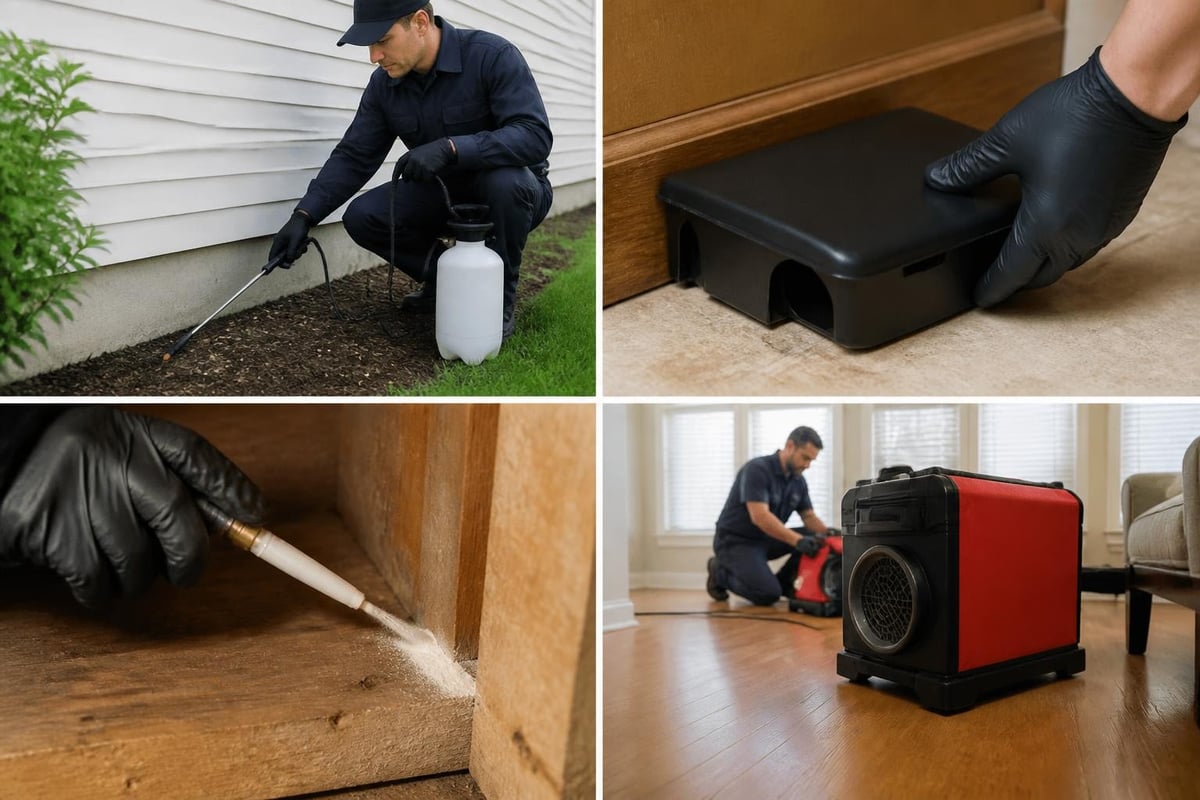
Maximizing Bug Service Results Through Property Owner Actions
Professional bug service achieves optimal results when property owners actively participate in prevention and maintenance between scheduled visits. Simple actions dramatically reduce pest pressure and extend treatment effectiveness.
Sanitation and Housekeeping Practices: Clean environments offer fewer resources for pest populations. Regular vacuuming removes food particles, eggs, and insects. Proper food storage in sealed containers eliminates accessible nutrition sources. Prompt cleanup of spills and crumbs prevents attracting foraging pests. While sanitation alone won't eliminate infestations, poor housekeeping undermines even the best professional treatments.
Moisture Management: Many insects require water to survive and reproduce. Fix leaking pipes, repair dripping faucets, improve drainage around foundations, and use dehumidifiers in damp areas. Addressing moisture problems makes properties inhospitable to moisture-dependent pests like silverfish, springtails, and certain ant species. This environmental modification complements chemical treatments by attacking pest survival requirements.
Structural Maintenance Supporting Bug Service Success
Physical exclusion prevents pest entry more permanently than chemical barriers. Property owners should:
- Seal cracks and gaps in foundations using appropriate caulking or foam materials
- Install door sweeps on exterior doors eliminating gaps under thresholds
- Repair damaged window screens preventing flying insect entry
- Cover vents and openings with mesh preventing pest access
- Trim vegetation away from building exteriors reducing pest bridges
- Keep firewood stored away from structures rather than stacked against walls
These exclusion measures complement professional bug service by reducing pest access points. Even the most effective chemical treatments can't prevent entry through significant structural openings. Professional pest control companies often identify and recommend these repairs during inspections, recognizing their importance to long-term success.
Seasonal Bug Service Considerations for Richmond Properties
Richmond's climate creates distinct seasonal pest patterns requiring adaptive bug service strategies throughout the year. Understanding these patterns helps property owners anticipate problems and appreciate the value of year-round service programs.
Spring (March-May): Warming temperatures activate overwintering pests and trigger reproduction. Ant colonies send out foragers and establish new nests. Termite swarmers emerge seeking new colonization sites. Mosquitoes begin breeding in standing water. Spring bug service focuses on perimeter treatments, termite monitoring, and addressing emerging populations before they establish.
Summer (June-August): Peak insect activity occurs during hot, humid months. Mosquito populations explode. Stinging insects build nests. Cockroaches thrive in warm conditions. Fleas reproduce rapidly on pets and in yards. Summer treatments emphasize mosquito control, wasp and hornet management, and maintaining protective barriers against high pest pressure.
Fall (September-November): Cooling temperatures drive many pests indoors seeking winter shelter. Boxelder bugs, lady beetles, and stink bugs congregate on sunny building sides before entering. Rodents seek indoor harborage. Fall bug service focuses on sealing entry points, treating pest congregation areas, and establishing interior monitoring for overwintering pests.
Winter (December-February): Reduced outdoor activity doesn't mean pest-free conditions. Indoor pest problems including cockroaches, stored product pests, and occasional invaders continue. Winter service maintains interior protection and monitors for signs of problems developing unnoticed during cold months.
Advanced Bug Service Technologies and Treatment Innovations
The bug service industry continuously evolves, incorporating new technologies and treatment methodologies that improve effectiveness while reducing environmental impact. Staying informed about these advances helps property owners recognize progressive providers offering cutting-edge solutions.
Reduced-Risk Pesticide Options: Modern formulations target pest biology specifically while minimizing effects on non-target organisms. These materials break down more quickly in the environment, require smaller application volumes, and pose fewer risks to people and pets when properly applied. Quality bug service providers prioritize these advanced products over older, broader-spectrum chemicals when appropriate for the target pest.
Biological Control Integration: Some programs incorporate natural pest enemies like beneficial nematodes for soil pests or bacterial insecticides targeting specific insect larvae. While not appropriate for all situations, biological controls offer sustainable options particularly for outdoor pest management and in environmentally sensitive locations.
Digital Monitoring and Early Detection Systems
Proactive bug service increasingly employs monitoring devices that detect pest activity before infestations become established. These systems include:
- Pheromone traps attracting and capturing specific insect species for population tracking
- Glue boards strategically placed to intercept crawling insects and monitor activity patterns
- Insect light traps capturing and identifying flying insects in commercial settings
- Remote monitoring devices sending alerts when pest activity is detected
Early detection allows targeted intervention before small problems escalate into major infestations requiring extensive treatment. This proactive approach aligns with IPM principles and reduces overall pesticide use while maintaining excellent control.
Bug Service Impact on Property Value and Marketability
Real estate transactions increasingly involve pest inspection requirements and pest history disclosures. Documented professional bug service provides valuable evidence of responsible property maintenance and can significantly impact marketability and value.
Properties with termite damage or active infestations often face reduced offers, required repairs as conditions of sale, or difficulty obtaining financing approval. Regular termite inspections and active protection programs prevent these problems while providing documentation that reassures buyers and lenders.
Similarly, properties with bed bug histories face stigma and disclosure requirements in many jurisdictions. Professional elimination with documented follow-up inspections helps overcome these concerns and demonstrates that problems have been properly addressed.
Preventive Service Documentation Benefits:
- Proves regular professional maintenance during property ownership
- Demonstrates no active infestations when transferring ownership
- Provides warranty coverage that may transfer to new owners
- Reduces inspection findings that could delay or derail transactions
- Shows responsible stewardship increasing buyer confidence
Quality bug service represents an investment in property protection that pays returns through damage prevention, maintained property values, and smoother real estate transactions when selling.
Commercial Bug Service Considerations and Requirements
Business properties face unique pest control challenges and regulatory requirements beyond residential situations. Commercial bug service must address industry-specific concerns while meeting health department regulations and maintaining professional appearances.
Food Service Establishments: Restaurants, cafeterias, and food processing facilities require intensive pest management programs meeting health code requirements. These programs include frequent inspections, comprehensive monitoring, strict documentation, and immediate response to any pest sightings. Proper inventory management practices ensure materials are tracked and rotated appropriately.
Healthcare Facilities: Hospitals, nursing homes, and medical offices need pest control that prioritizes patient safety and infection control. Treatments must avoid contaminating medical equipment, medication storage areas, and patient spaces. Providers serving healthcare facilities require specialized training in these sensitive environments.
Hospitality Industry: Hotels and lodging facilities face particular vulnerability to bed bugs introduced by guests. Effective programs include preventive monitoring, rapid response protocols when pests are detected, and discrete service delivery that avoids alarming guests. The reputation damage from pest problems makes professional bug service essential for hospitality businesses.
Multi-Unit Residential Properties
Apartment complexes, condominiums, and townhome developments present pest management challenges due to shared walls facilitating pest movement between units. Effective bug service in these properties requires:
- Coordinated treatment of adjacent units when infestations are discovered
- Regular monitoring in common areas and individual units
- Tenant education about prevention and cooperation requirements
- Clear policies about tenant responsibilities versus management responsibilities
- Systematic approaches preventing pest populations from establishing in the building
Property managers benefit from establishing ongoing bug service relationships rather than reactive responses to individual complaints. Preventive programs cost less and create better resident satisfaction than crisis management approaches.
Understanding Bug Service Safety and Environmental Responsibility
Concerns about pesticide safety and environmental impact rightly influence bug service decisions. Quality providers prioritize safety through proper product selection, application techniques, and customer communication about any precautions necessary.
Modern Pesticide Safety Profiles: Today's pest control products undergo extensive testing and regulatory review before approval. When applied according to label directions by trained professionals, they present minimal risks to people and pets. Licensed technicians understand proper application rates, timing, and placement ensuring effectiveness while maintaining safety margins.
Reduced-Risk Treatment Options: Many situations allow treatment with materials posing minimal environmental concerns. These include physical controls like trapping and exclusion, biological products using naturally occurring organisms, and botanical insecticides derived from plant compounds. Quality bug service providers offer these options when appropriate for the pest problem and customer preferences.
Integrated Approaches Minimizing Chemical Dependence
The most environmentally responsible bug service emphasizes prevention, exclusion, and habitat modification over chemical treatments. By addressing why pests are attracted to properties and eliminating conducive conditions, these programs reduce the need for pesticide applications while achieving superior long-term results.
Customers should feel comfortable asking providers about:
- What products will be used and their active ingredients
- Whether pet-friendly or child-safe options are available
- What precautions, if any, are necessary during or after treatment
- How treatments are targeted to minimize unnecessary pesticide use
- What non-chemical alternatives might address their situation
Professional providers welcome these questions and provide clear, honest answers demonstrating their commitment to responsible pest management. Providers who dismiss safety concerns or won't discuss product specifics should raise red flags about their professionalism and approach.
Regional Pest Pressures Affecting Richmond VA Bug Service Needs
Richmond's location in central Virginia creates specific pest challenges that influence bug service requirements and treatment strategies. Understanding regional pest pressures helps property owners recognize why certain pests recur and appreciate the value of ongoing professional service.
Moisture-Related Pest Issues: Virginia's humid climate and moderate precipitation support moisture-loving pests including silverfish, springtails, centipedes, and certain ant species. Properties with moisture intrusion, poor drainage, or inadequate ventilation experience higher pressure from these pests. Effective bug service addresses both the insects and underlying moisture problems creating favorable conditions.
Termite Prevalence: Richmond falls within the heavy termite infestation probability zone according to the U.S. Forest Service. Subterranean termites thrive in Virginia's moderate temperatures and moisture availability. Every Richmond property faces termite risk requiring vigilant monitoring and preventive protection programs.
Mosquito Concerns: Warm, humid summers create ideal mosquito breeding conditions. Standing water in containers, clogged gutters, low drainage areas, and ornamental ponds support multiple generations throughout the season. Beyond nuisance biting, mosquitoes transmit diseases including West Nile virus making control a public health concern as well as a comfort issue.
Urban vs. Suburban Pest Patterns
Richmond's urban core experiences different pest pressures than surrounding suburban areas. Urban properties face higher cockroach and rodent pressure due to population density, older building stock, and concentrated food sources. Bug service in these areas emphasizes sanitation-related pests and requires more intensive treatment approaches.
Suburban properties encounter more wildlife-related pest issues including mice entering from fields, stinging insects establishing nests in larger yards, and occasional invaders like boxelder bugs and lady beetles seeking winter shelter. These properties benefit from comprehensive perimeter treatments and wildlife exclusion measures complementing standard bug service.
Understanding these regional and locational differences helps property owners select bug service providers with relevant local experience. Companies operating exclusively in Richmond understand the specific pest challenges local properties face and can tailor programs accordingly. For more information about cat flea and human flea issues specifically, targeted resources provide species-specific guidance.
Long-Term Bug Service Benefits Beyond Immediate Pest Elimination
While eliminating current pest problems provides obvious immediate value, ongoing professional bug service delivers additional benefits that accumulate over time. Property owners investing in regular service programs experience advantages extending beyond the absence of visible insects.
Structural Protection: Many pests damage building materials. Termites destroy wood framing and support structures. Carpenter ants excavate galleries weakening structural members. Carpenter bees drill holes in exterior wood. Regular bug service detects these threats early before significant damage occurs, protecting property integrity and value.
Health and Safety Benefits: Pest-related health risks include disease transmission, allergen production, and contamination of food and surfaces. Cockroaches spread bacteria and trigger asthma. Rodents carry disease organisms in droppings and urine. Stinging insects cause potentially dangerous allergic reactions. Professional bug service reduces these health threats protecting occupants.
Peace of Mind Value: Living with pest concerns creates stress and discomfort affecting quality of life. Knowing professionals monitor your property and respond quickly to any issues provides psychological benefits beyond monetary value. This peace of mind particularly matters for families with children, individuals with pest phobias, or anyone who has experienced serious infestations previously.
Economic Benefits of Preventive Bug Service Programs
Preventive bug service costs significantly less than reactive treatments for established infestations. Regular maintenance prevents small problems from escalating into major issues requiring extensive remediation. The economics favor prevention:
- Regular quarterly service costs a fraction of emergency bed bug heat treatment
- Annual termite monitoring prevents damage repairs costing thousands
- Preventive treatments use fewer materials than crisis response applications
- Early detection allows targeted intervention rather than whole-structure treatments
- Consistent service prevents recurring infestations requiring repeated treatments
Viewing bug service as ongoing property maintenance rather than emergency expense aligns with financial wisdom favoring prevention over cure. The investment protects larger investments in property ownership while ensuring comfortable, safe living and working environments.
Professional bug service represents essential property maintenance protecting structures, health, and quality of life from pest threats that affect every Richmond, VA property. Understanding what quality service entails empowers property owners to make informed decisions prioritizing effectiveness, safety, and long-term value. SanPro delivers comprehensive pest control solutions backed by experienced technicians, proven treatment methods, and commitment to customer satisfaction throughout the Richmond area. Contact our team today to schedule your comprehensive property evaluation and discover how professional bug service protects your most valuable investment.