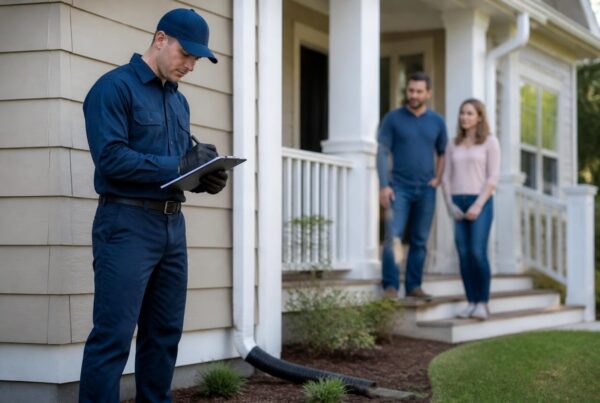
Mosquitoes inside your home represent more than just a nighttime annoyance-they pose genuine health risks and disrupt the comfort of your living space. For Richmond, VA homeowners and property managers, finding an effective indoor mosquito killer solution has become increasingly important as changing climate patterns extend mosquito season and increase indoor pest pressure. Whether you're dealing with occasional intruders or persistent indoor populations, understanding the full range of control options available in 2026 helps you make informed decisions that protect your family and maintain a pest-free environment. Modern indoor mosquito control combines technology, proven methods, and strategic prevention to deliver results that actually work.
Understanding Indoor Mosquito Behavior and Risk Factors
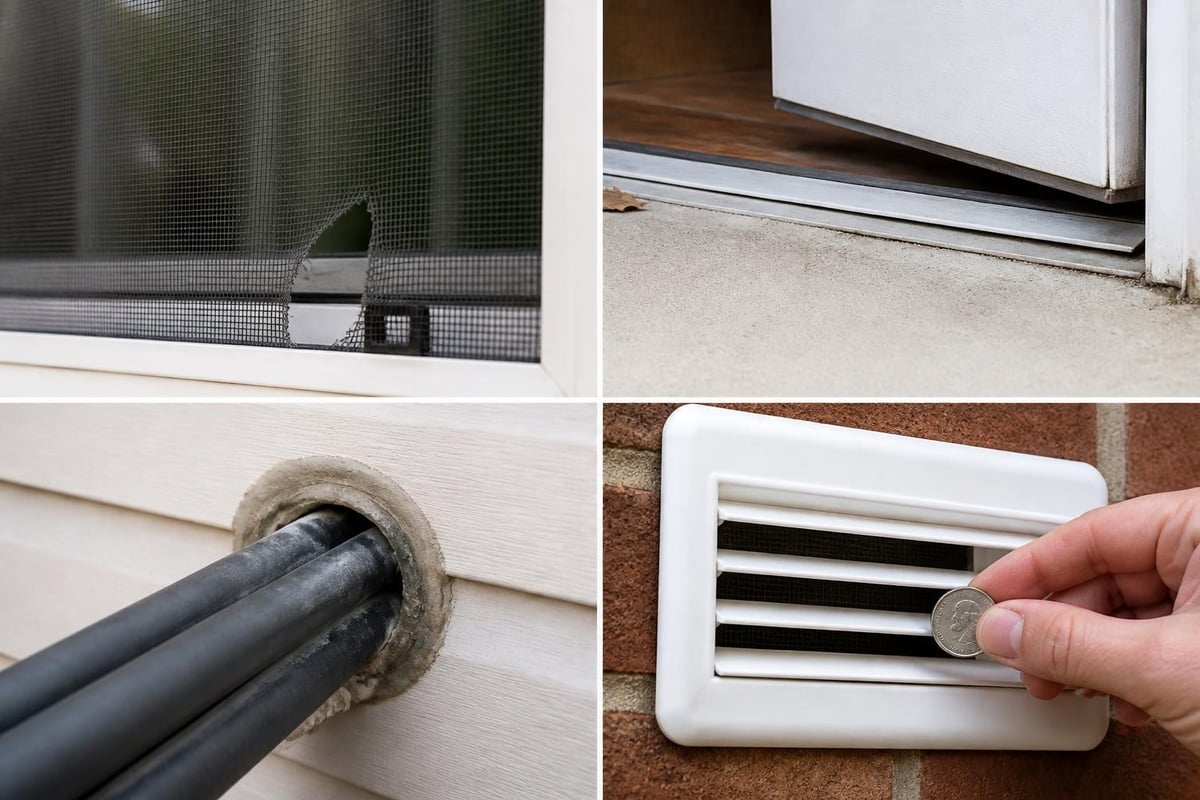
Mosquitoes enter homes through surprisingly small openings, exploiting any gap in your defense perimeter. Window screens with tears, doors left open briefly, gaps around utility lines, and even chimney openings provide entry points for these persistent pests.
Once inside, mosquitoes seek out specific environmental conditions that support their lifecycle. They prefer areas with standing water, high humidity, and temperatures between 50-95°F. Common indoor breeding sites include:
- Potted plant saucers and drainage trays
- Vases with fresh flowers
- Pet water bowls left unchanged
- Basement sump pump areas
- Leaking pipes and condensation pools
- Clogged AC drip pans
Indoor mosquito populations in Richmond VA follow seasonal patterns tied to outdoor activity levels. The peak indoor intrusion period runs from April through October, with secondary spikes following heavy rainfall when outdoor populations surge.
Health Risks Associated with Indoor Mosquitoes
The CDC’s mosquito control guidelines emphasize that mosquitoes can transmit serious diseases even in indoor environments. While disease transmission rates are lower indoors than outdoors, the risk remains real for Richmond area residents.
Disease concerns include:
- West Nile Virus – Still the primary mosquito-borne disease threat in Virginia
- Eastern Equine Encephalitis – Rare but severe cases occur in the region
- La Crosse Encephalitis – Affects children particularly in wooded suburban areas
- Allergic reactions – Itching, swelling, and secondary infections from scratching
Beyond disease transmission, indoor mosquitoes disrupt sleep quality, reduce comfort in living spaces, and create stress for families with young children or elderly members particularly vulnerable to bites.
Types of Indoor Mosquito Killer Devices
Modern indoor mosquito killer technology has evolved significantly, offering homeowners multiple approaches tailored to different situations and preferences. Understanding each type's strengths and limitations helps you select the right solution.
Electric Grid Zappers
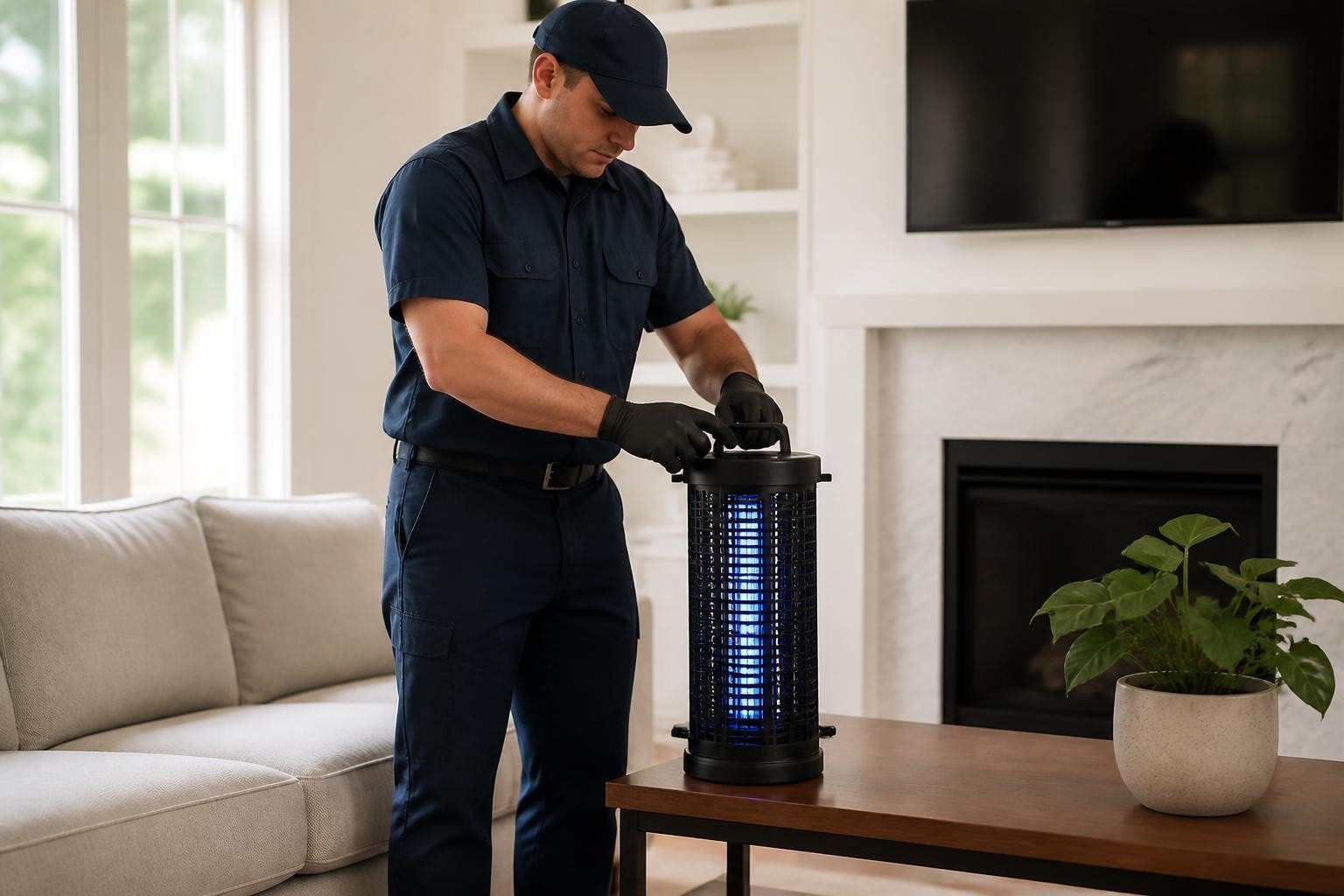
Electric zappers attract mosquitoes using ultraviolet light and eliminate them with an electrified grid. These devices provide immediate, visible results with that distinctive zapping sound.
Effectiveness considerations:
| Factor | Rating | Notes |
|---|---|---|
| Mosquito attraction | Moderate | UV light less effective than CO2 for mosquitoes |
| Kill rate | High | Eliminates contact insects immediately |
| Coverage area | 400-1200 sq ft | Depends on wattage and design |
| Noise level | Noticeable | Zapping sounds may disturb light sleepers |
| Maintenance | Low | Empty collection tray weekly |
Electric zappers work better for general flying insects than specifically for mosquitoes, since mosquitoes are primarily attracted to carbon dioxide and body heat rather than UV light. Position these devices away from human activity areas to avoid drawing mosquitoes toward people before they reach the trap.
CO2 and Heat-Based Traps
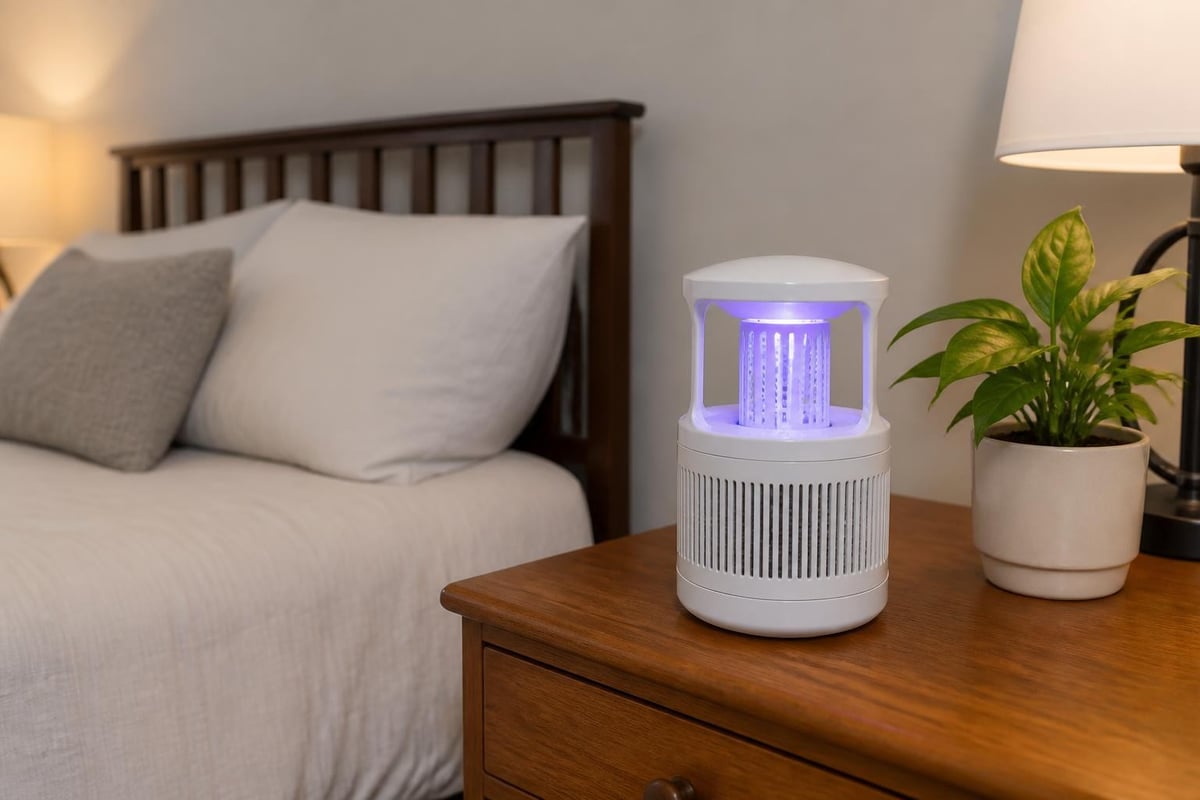
The most effective indoor mosquito killer devices mimic human signatures by producing carbon dioxide, heat, and moisture. These traps exploit mosquitoes' natural host-seeking behavior with remarkable precision.
Advanced trap features include:
- Titanium dioxide-coated surfaces producing CO2 photocatalytically
- Controlled heat emission matching human skin temperature (approximately 98.6°F)
- Fan systems creating airflow patterns resembling human respiration
- Sticky surfaces or vacuum chambers capturing approaching mosquitoes
These sophisticated systems typically cost between $150-$400 but deliver superior results specifically targeting mosquitoes rather than general insects. Placement near bedrooms, family rooms, and other high-traffic areas maximizes capture rates.
Ultrasonic Repellent Devices
Despite marketing claims, ultrasonic mosquito repellents show limited scientific evidence of effectiveness. Multiple independent studies have failed to demonstrate meaningful mosquito repellency from ultrasonic frequencies.
The EPA’s integrated mosquito control approach emphasizes evidence-based methods, and ultrasonic devices do not currently meet scientific standards for reliable mosquito control. Richmond homeowners should prioritize proven technologies over marketing promises.
Chemical-Based Indoor Solutions
Chemical approaches range from automated spray systems to plug-in vaporizers releasing insecticides designed for indoor use.
Indoor chemical options:
- Plug-in vaporizers – Release metofluthrin or allethrin continuously
- Automated spray systems – Timed release of pyrethroid insecticides
- Residual sprays – Professional-grade treatments applied to resting surfaces
- Space sprays – Knockdown treatments for immediate population reduction
The CDC provides specific guidance on misting systems that automatically dispense insecticides, noting both effectiveness and important safety considerations for indoor use.
Chemical solutions require careful application following label directions precisely. In Richmond VA, pest control professionals apply these products with proper training and equipment to ensure family and pet safety.
Strategic Placement for Maximum Effectiveness
An indoor mosquito killer only performs as well as its placement strategy allows. Understanding mosquito behavior within your home guides optimal device positioning.
Room-by-Room Deployment Strategy
Bedrooms represent critical protection zones since nighttime biting disrupts sleep and creates the greatest nuisance. Place devices 3-6 feet off the floor, away from beds to avoid attracting mosquitoes toward sleeping occupants before capture occurs.
Living areas and family rooms benefit from centrally positioned traps that intercept mosquitoes moving through the home. Position devices near entryways from other rooms to create interception points.
Kitchens and bathrooms with their higher moisture levels attract mosquitoes seeking water sources. Deploy devices near potential breeding sites but away from food preparation areas.
Basements and utility rooms often harbor standing water and provide mosquito breeding habitat. For Richmond area homes, professional pest control services can identify and eliminate these hidden breeding sites that sustain indoor populations despite surface-level control efforts.
Multi-Device Coverage Calculations
Single devices rarely provide whole-home protection. Calculate coverage needs based on:
- Square footage of protected areas
- Number of rooms and floor levels
- Severity of mosquito pressure
- Presence of attractants (standing water, high humidity)
A typical 2,000 square foot Richmond home requires 2-4 strategically placed devices depending on layout and mosquito pressure. Open floor plans allow broader coverage per device, while compartmentalized layouts need more units.
| Home Size | Recommended Devices | Placement Priority |
|---|---|---|
| Under 1,000 sq ft | 1-2 units | Bedroom + main living area |
| 1,000-2,000 sq ft | 2-3 units | Bedrooms + living area + kitchen |
| 2,000-3,000 sq ft | 3-5 units | All bedrooms + common areas + basement |
| Over 3,000 sq ft | 5+ units | Comprehensive multi-floor coverage |
Prevention: The Foundation of Indoor Mosquito Control
Even the best indoor mosquito killer devices function as secondary defense. Primary protection comes from preventing mosquito entry and eliminating indoor breeding sites.
Sealing Entry Points
Conduct thorough home inspections focusing on common entry vulnerabilities:
- Window screens – Replace any with tears, ensure tight fit in frames
- Door sweeps – Install or replace worn sweeps on all exterior doors
- Utility penetrations – Seal gaps around pipes, wires, cables with appropriate caulk
- Attic vents – Verify intact screening on all ventilation openings
- Chimney caps – Install properly fitted caps with fine mesh screening
Richmond's older homes often feature settlement cracks and aging weatherstripping that create mosquito highways. Annual inspection and sealing as part of routine maintenance dramatically reduces indoor mosquito pressure.
Eliminating Indoor Breeding Sites
The CDC’s home mosquito control recommendations emphasize eliminating standing water to prevent indoor breeding cycles.
Indoor water source management:
- Change pet water bowls daily, wash thoroughly
- Empty and clean plant saucers after each watering
- Fix leaking pipes and faucets immediately
- Clean gutters to prevent overflow into attics or basements
- Maintain HVAC systems to prevent condensate accumulation
- Empty dehumidifier collection trays regularly
Mosquitoes can complete their lifecycle in as little as one week given proper conditions. Consistent water management prevents establishing breeding populations inside your home.
Humidity Control as Prevention
Mosquitoes thrive in high-humidity environments above 50% relative humidity. Richmond's summer humidity creates ideal indoor conditions when unmanaged.
Humidity reduction strategies include:
- Running dehumidifiers in basements and crawl spaces
- Improving ventilation in bathrooms and kitchens
- Using exhaust fans during and after showers
- Maintaining HVAC systems for optimal moisture removal
- Addressing water intrusion issues promptly
For homes with persistent moisture problems affecting multiple areas, addressing underlying issues like crawl space moisture and pest access provides comprehensive solutions that impact multiple pest species beyond mosquitoes.
Comparing Indoor Mosquito Killer Technologies
Selecting the right indoor mosquito killer requires understanding how different technologies compare across key performance metrics that matter to Richmond homeowners.
Performance Metrics That Matter
| Technology Type | Initial Cost | Operating Cost | Effectiveness | Safety | Maintenance |
|---|---|---|---|---|---|
| Electric Zappers | $30-$100 | Low (electricity) | Moderate | High | Low |
| CO2/Heat Traps | $150-$400 | Moderate (power + attractants) | High | High | Moderate |
| Ultrasonic Devices | $20-$60 | Very Low | Very Low | High | None |
| Chemical Vaporizers | $15-$50 | Moderate (refills) | High | Moderate | Low |
| Sticky Traps | $5-$20 | Low (replacements) | Moderate | High | Low |
| Professional Treatment | $150-$300/visit | N/A | Very High | High | None (provider managed) |
Cost-effectiveness calculations must factor in both upfront investment and ongoing operational expenses. A $300 CO2 trap operating for three years at $5/month in consumables costs less over time than monthly chemical refills for plug-in devices.
Technology Selection by Situation
For severe infestations: Professional treatment combined with CO2-based traps provides the fastest, most complete control. Attempting DIY solutions alone when populations are established typically extends the problem and increases frustration.
For moderate, ongoing pressure: Quality CO2/heat traps positioned strategically deliver consistent results worth the initial investment. These devices specifically target mosquitoes rather than killing beneficial insects indiscriminately.
For occasional intruders: Electric zappers or chemical vaporizers in key rooms provide adequate protection at lower cost. Combine with rigorous entry point sealing for best results.
For chemical-sensitive households: CO2 traps and physical barriers (screens, sealing) offer effective control without introducing insecticides into living spaces.
Integration with Whole-Home Pest Management
Indoor mosquito killer solutions deliver best results when integrated into comprehensive pest management rather than deployed in isolation. Richmond homeowners benefit from understanding how mosquito control connects to broader pest prevention.
The Integrated Mosquito Management Approach
Integrated Mosquito Management combines multiple control methods based on mosquito biology, environmental factors, and risk assessment. This proven approach uses:
- Source reduction – Eliminating breeding sites
- Biological control – Introducing natural predators in appropriate outdoor settings
- Chemical control – Targeted larvicide and adulticide application
- Physical barriers – Screening and exclusion methods
- Monitoring – Regular assessment to guide interventions
For Richmond properties, this means addressing outdoor breeding sources around the home perimeter while simultaneously deploying indoor mosquito killer devices and maintaining structural barriers.
Addressing Root Causes Beyond Symptoms
Persistent indoor mosquito problems often indicate underlying issues requiring professional attention. Common root causes include:
- Undetected water intrusion in walls or foundations
- Crawl space moisture creating favorable conditions
- Attic ventilation problems allowing entry
- Drainage issues around home perimeter
- Compromised structural integrity allowing pest access
Experienced pest control professionals identify these contributing factors during comprehensive property assessments. Addressing root causes prevents recurring problems that surface treatments never fully resolve.
Seasonal Adjustment Strategies
Mosquito control needs shift throughout the year in Richmond's climate. Effective programs adjust strategies seasonally:
Spring (March-May): Focus on prevention as populations emerge. Deploy devices early, seal entry points, eliminate standing water before populations build.
Summer (June-August): Maintain peak protection with multiple devices, frequent inspections, and aggressive source reduction. This period demands maximum effort.
Fall (September-November): Continue protection as warm days persist. Many Richmond homeowners mistakenly reduce efforts too early when mosquitoes remain active.
Winter (December-February): Conduct structural improvements, repair screening, and prepare for next season. Some mosquito species overwinter in protected indoor spaces, so maintaining minimal control prevents early-season surprises.
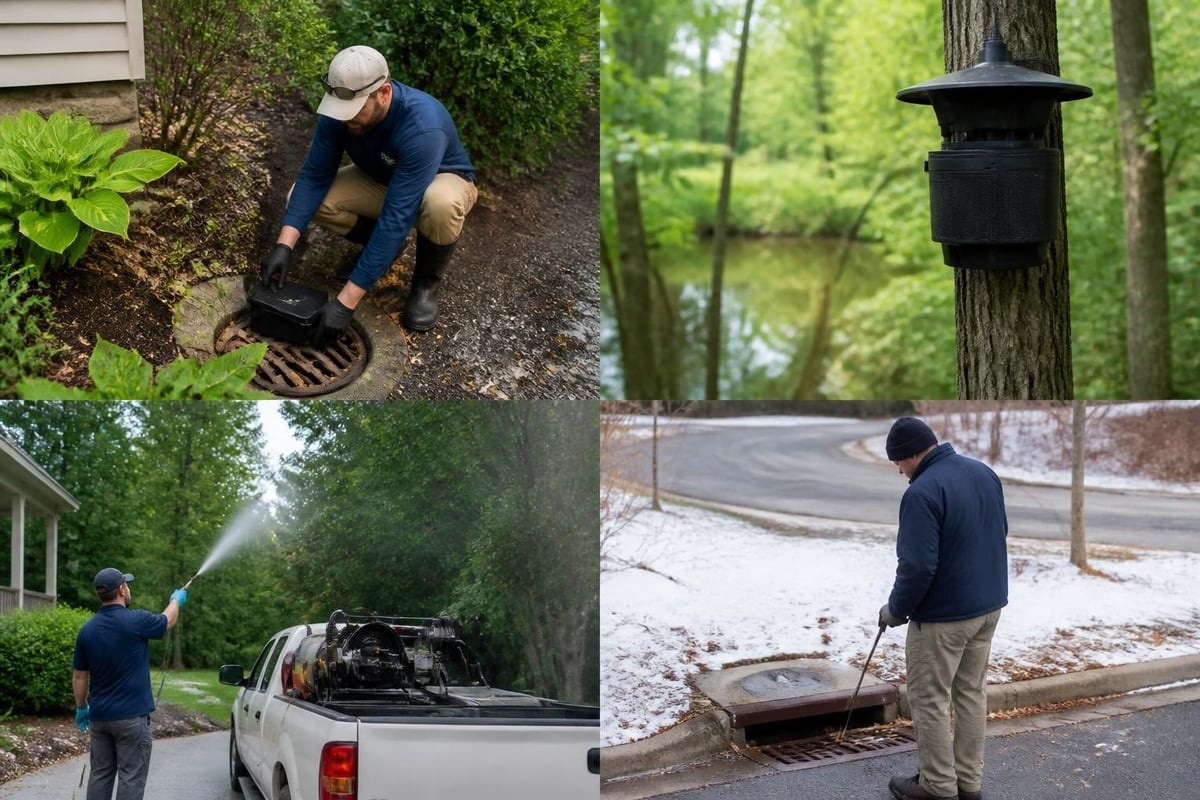
Professional Indoor Mosquito Control Services
While DIY indoor mosquito killer devices address many situations effectively, some scenarios benefit from professional intervention delivering superior results through expertise and specialized equipment.
When to Call Professional Pest Control
Professional services become necessary when:
- Infestations persist despite consistent DIY efforts – Underlying breeding sources require expert identification
- Multiple rooms show heavy activity – Indicates established breeding populations needing comprehensive treatment
- Vulnerable household members need guaranteed protection – Infants, elderly, or immunocompromised individuals require maximum effectiveness
- Property features complicate DIY control – Large homes, multiple levels, or architectural complexity
- Time constraints limit consistent implementation – Effective control requires sustained effort many busy homeowners struggle to maintain
Professional pest control technicians bring specialized knowledge of mosquito biology, behavior patterns specific to Richmond area species, and access to professional-grade products unavailable to consumers.
Professional Treatment Methods
Commercial pest control services deploy multiple approaches tailored to specific situations:
Residual barrier treatments apply long-lasting insecticides to mosquito resting surfaces (walls, ceilings, under furniture). These treatments remain effective for 30-90 days depending on product and environmental conditions.
Ultra-low volume (ULV) fogging delivers fine insecticide droplets that remain suspended, contacting flying mosquitoes throughout treated spaces. This knockdown treatment provides immediate population reduction.
Larvicide application targets standing water sources that cannot be eliminated, preventing larvae from developing into biting adults. The CDC provides detailed guidance on larvicide use for both homeowners and professionals.
Integrated source elimination identifies and addresses breeding sites through structural repairs, drainage improvements, and moisture control that DIY efforts often miss.
Cost-Benefit Analysis of Professional Services
Professional mosquito control for Richmond area homes typically costs $150-$300 per treatment depending on property size and infestation severity. Most situations require initial treatment plus 1-2 follow-ups for complete control.
Value delivered includes:
- Guaranteed results with re-treatment provisions
- Expertise identifying hidden breeding sources
- Time savings (3-5 hours per treatment attempt)
- Access to professional-grade products
- Liability coverage for treatment applications
- Ongoing monitoring and prevention guidance
For homeowners who value their time at $50/hour, professional service delivering resolution in 1-2 treatments compares favorably to months of DIY trial and error consuming 20+ hours while mosquitoes continue biting.
Maintaining Long-Term Indoor Mosquito Protection
Successful indoor mosquito killer deployment extends beyond initial setup. Sustained protection requires ongoing maintenance, monitoring, and adaptation as conditions change.
Device Maintenance Schedules
Each technology type demands specific maintenance for optimal performance:
Electric zappers require:
- Weekly collection tray emptying
- Monthly cleaning of electrified grids
- Quarterly UV bulb inspection and replacement
- Annual deep cleaning of housing and components
CO2/heat traps need:
- Attractant cartridge replacement (every 30-60 days)
- Sticky pad changes (every 14-30 days)
- Fan cleaning (monthly)
- Photocatalytic surface cleaning (quarterly)
Chemical vaporizers demand:
- Refill replacement per manufacturer schedule
- Device cleaning to prevent residue buildup
- Outlet testing for proper electrical connection
Setting calendar reminders ensures maintenance happens consistently rather than when device effectiveness noticeably declines.
Performance Monitoring and Adjustment
Track indoor mosquito killer effectiveness through simple monitoring:
- Count captured mosquitoes weekly in trap collection areas
- Log bite incidents by room and time of day
- Note environmental changes (weather, home modifications)
- Document device operational status
Declining capture rates may indicate device malfunction, depleted attractants, or successful population reduction. Increasing bite reports suggest new entry points, breeding sites, or ineffective device placement requiring adjustment.
Adapting to Changing Conditions
Home modifications affect mosquito control needs. Common changes requiring strategy updates include:
Renovations may create new entry points or eliminate existing ones. Reassess screening and sealing after any construction work.
Landscape changes affecting outdoor mosquito populations impact indoor pressure. New water features, poor drainage from hardscaping, or vegetation changes near the home alter the equation.
Climate variations during unusual weather patterns (extended heat, excessive rain, mild winters) shift mosquito behavior and population levels. Richmond's changing climate requires flexibility in control approaches.
Occupancy changes affect carbon dioxide levels, humidity, and water sources that attract and sustain mosquitoes. Adjust device placement when room usage patterns shift.
Advanced Considerations for Richmond Area Homes
Richmond's specific environmental conditions and housing characteristics create unique mosquito control challenges requiring tailored approaches beyond general guidelines.
Regional Mosquito Species and Behavior
Richmond area mosquitoes include multiple species with different behaviors:
Asian tiger mosquitoes (Aedes albopictus) aggressively bite during daytime, readily enter homes, and breed in tiny water containers. These striped mosquitoes have become the dominant nuisance species across Richmond.
Common house mosquitoes (Culex pipiens) prefer indoor resting areas, feed at night, and bite sleeping occupants. They breed in standing water with high organic content.
Floodwater mosquitoes (Aedes vexans) appear after heavy rains, creating temporary population surges overwhelming standard control measures.
Indoor mosquito killer selection should match dominant species in your specific Richmond neighborhood. Asian tiger mosquito pressure requires daytime-active control, while house mosquitoes demand nighttime bedroom protection.
Historic Home Challenges
Richmond's many historic properties present specific mosquito control complications:
- Original windows with imperfect screen fit
- Settlement creating foundation cracks and gaps
- Architectural details (decorative vents, transoms) difficult to screen
- Wood deterioration allowing penetration points
- Historic preservation requirements limiting modification options
Homeowners in neighborhoods like Randolph and West End face these challenges regularly. Combining high-quality indoor mosquito killer devices with creative sealing solutions that respect historic character delivers results without compromising architectural integrity.
Multi-Unit Property Considerations
Apartment buildings, condominiums, and townhomes require coordinated approaches since mosquitoes move freely between units:
- Individual unit control provides limited protection when neighboring units harbor mosquitoes
- Shared entries and hallways create access points affecting all residents
- Building-wide moisture issues impact multiple units simultaneously
- Coordinated treatment schedules maximize effectiveness
Property managers should implement building-wide mosquito management rather than relying on individual tenant efforts alone.
Special Situations Requiring Adapted Approaches
Certain household situations demand modified indoor mosquito killer strategies accounting for specific vulnerabilities or constraints.
Homes with Infants and Young Children
Young children face higher mosquito-related risks and require enhanced protection:
- Greater reaction severity to mosquito bites
- Inability to communicate discomfort clearly
- Sleep disruption affecting development
- Higher disease vulnerability
Protection priorities include:
- Chemical-free options in nurseries and play areas
- Devices positioned completely out of reach
- No exposed heating elements or electrical components
- Silent or near-silent operation to avoid sleep disruption
- Maximum effectiveness since children cannot use repellents
CO2/heat traps with enclosed designs provide ideal nursery protection, while electric zappers should be restricted to areas where children don't play.
Pet-Friendly Mosquito Control
Households with cats and dogs need pet-safe approaches:
- Avoid devices accessible to curious pets
- Ensure chemical formulations specify pet safety
- Position zappers where pets cannot contact grids
- Secure traps against toppling by energetic animals
- Monitor pets for reactions to chemical vaporizers
Most modern indoor mosquito killer devices designed for home use include pet safety in their design, but positioning remains critical. Elevated mounting points keep devices effective while protecting pets.
Chemical-Sensitive and Organic Households
Families avoiding synthetic chemicals require completely non-toxic approaches:
Physical control methods:
- CO2 traps using fermentation-based attractants
- Electric zappers (no chemicals)
- Sticky traps with non-toxic adhesives
- Fans creating air currents mosquitoes cannot navigate
- Physical barriers (screening, netting)
Natural repellents:
- Essential oil diffusers (lemon eucalyptus, citronella)
- Cedar wood chips in strategic locations
- Natural pyrethrum (derived from chrysanthemums)
Effectiveness may be somewhat lower than chemical options, requiring more rigorous prevention and multiple complementary methods for adequate protection.
Troubleshooting Common Indoor Mosquito Killer Problems
Even properly selected and positioned devices sometimes underperform. Systematic troubleshooting identifies and resolves common issues.
Device Running But Not Capturing Mosquitoes
Possible causes and solutions:
- Competing attractants – Remove other carbon dioxide sources (fermenting items, compost) from vicinity
- Poor positioning – Move away from competing air currents (fans, HVAC vents)
- Wrong species targeting – Asian tiger mosquitoes may not respond to UV light-based devices
- Depleted attractants – Replace CO2 cartridges or refill chemical reservoirs
- Malfunction – Test electrical components, check fan operation, verify heat output
Run devices for at least 7-10 days before concluding they're ineffective. Initial mosquito populations need time to encounter and be captured by traps.
Mosquito Numbers Increasing Despite Devices
Rising mosquito numbers while running an indoor mosquito killer indicates:
- Active breeding inside the home – Search thoroughly for standing water sources
- Major entry point – Inspect for new gaps, damaged screens, or doors left ajar
- Outdoor population explosion – Heavy rainfall creates massive temporary populations
- Insufficient device coverage – Add units or upgrade to higher-capacity models
Addressing the source (breeding or entry) takes priority over adding more devices to kill symptoms.
Short Device Lifespan or Frequent Malfunctions
Quality varies dramatically across brands and price points. Common longevity issues include:
- Cheap components – Budget devices under $30 rarely last full seasons
- Electrical surges – Use surge protectors for electronic devices
- Cleaning neglect – Residue buildup causes overheating and component failure
- Improper storage – Seasonal storage in humid areas corrodes electronics
Investing in mid-range to premium devices ($100-$300) from established manufacturers typically delivers 3-5 years of reliable operation versus replacing cheap units annually.
Inconsistent Performance Across Rooms
When certain rooms show persistent problems despite protection:
Assess room-specific factors:
| Room Issue | Investigation | Solution |
|---|---|---|
| Bathroom always has mosquitoes | Check for leaks, standing water | Fix moisture sources, add dedicated device |
| Bedroom captures none | Too close to occupants | Relocate farther from bed |
| Basement shows heavy activity | Humidity, water intrusion | Dehumidifier, sump pump maintenance |
| Kitchen persistent despite device | Trash, compost attractants | Improve sanitation, sealed containers |
Room characteristics affect mosquito behavior and device effectiveness. Customize approaches to each space's unique conditions.
Cost Analysis and Budget Planning
Understanding the complete financial picture of indoor mosquito killer implementation helps Richmond homeowners make informed decisions aligned with their budgets and priorities.
Initial Investment Breakdown
Comprehensive home protection requires upfront investment varying by approach:
DIY Device-Based Protection:
- Entry-level coverage (1-2 devices): $50-$150
- Mid-range comprehensive (3-4 quality devices): $300-$800
- Premium whole-home system: $800-$1,500
Professional Treatment:
- Initial assessment and treatment: $150-$300
- Follow-up treatments (1-2 typical): $100-$200 each
- Seasonal contracts: $400-$800 annually
Prevention and Sealing:
- Screen replacement (5 windows): $200-$400
- Door sweeps and weatherstripping: $50-$150
- Professional sealing and caulking: $300-$600
Most homeowners benefit from combining modest professional treatment (one-time or annual) with quality DIY devices and thorough prevention for balanced cost-effectiveness.
Ongoing Operational Costs
Device operation incurs continuing expenses often overlooked in initial budgeting:
Annual operational costs by device type:
- Electric zappers: $10-$30 (electricity, bulb replacement)
- CO2/heat traps: $60-$180 (attractants, sticky pads, electricity)
- Chemical vaporizers: $100-$200 (refill cartridges)
- Professional maintenance: $200-$400 (seasonal refresh treatments)
A typical Richmond home running three quality devices spends $150-$300 annually on operational costs beyond initial purchase prices.
Return on Investment Considerations
Calculating ROI for indoor mosquito killer investment requires valuing intangible benefits:
Quantifiable savings:
- Reduced medical visits for bite reactions ($100-$300 per incident)
- Better sleep quality (productivity value)
- Prevented property damage from water sources that breed mosquitoes
- Avoided pest-related home value impacts
Quality of life improvements:
- Comfortable evening hours without constant swatting
- Stress reduction for parents protecting children
- Safe indoor environment without disease risk
- Ability to enjoy all home spaces year-round
For most homeowners, achieving consistent indoor mosquito protection justifies investment of $500-$1,000 initially plus $200-$300 annually in a typical Richmond area home.
Protecting your Richmond home from indoor mosquitoes requires combining the right indoor mosquito killer technology with comprehensive prevention and ongoing maintenance tailored to your property's specific needs. Whether you choose advanced CO2 traps, strategic electric zappers, or professional treatment services, success comes from understanding mosquito behavior and implementing integrated solutions that address root causes rather than just symptoms. SanPro brings extensive expertise in pest control, moisture management, and structural solutions that eliminate the conditions allowing mosquitoes to thrive indoors, helping Richmond area homeowners achieve lasting protection and peace of mind.