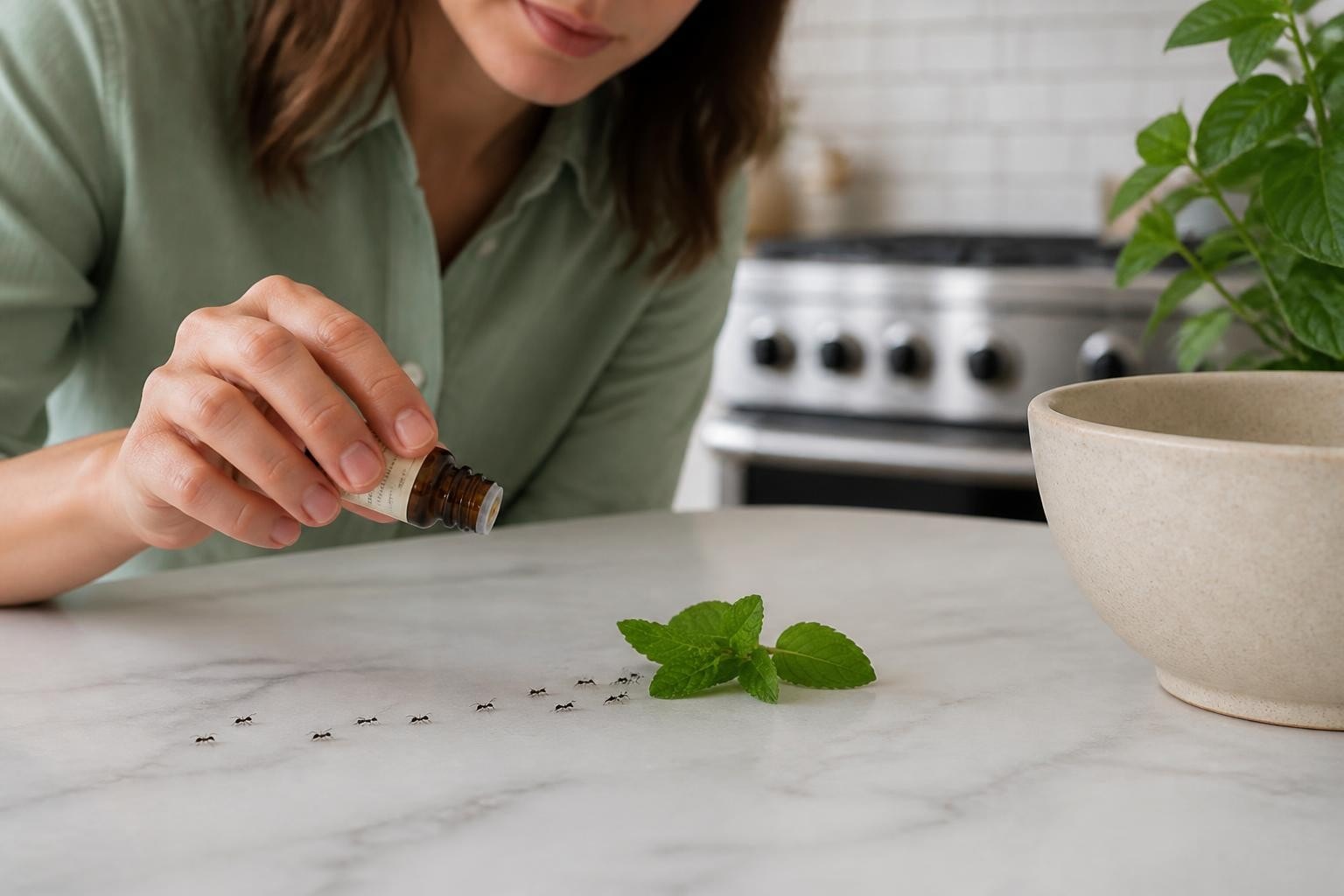
Ants invade Richmond, VA homes and businesses every year, creating unsanitary conditions and structural concerns that demand immediate attention. While chemical pesticides offer quick results, many homeowners and business owners now seek safer alternatives that protect families, pets, and the environment. A natural ant deterrent provides effective protection without exposing your household to harsh chemicals, addressing both the immediate problem and long-term prevention. Understanding which natural methods work best and how to apply them correctly makes the difference between temporary relief and lasting results.
Understanding Why Ants Enter Your Home
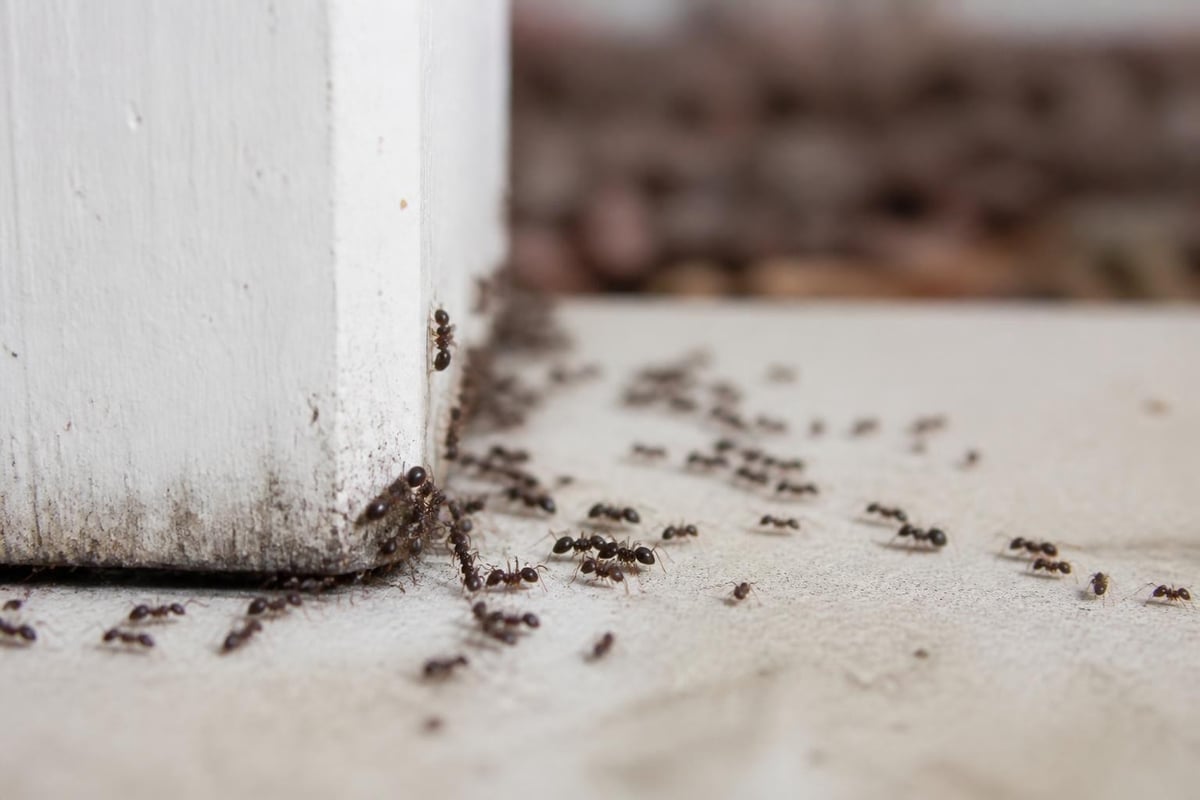
Ants don't randomly wander into buildings. These organized insects follow specific patterns driven by survival needs that change throughout the year.
The Search for Food and Water
Richmond's warm, humid climate creates ideal conditions for ant colonies to thrive. Scout ants constantly search for accessible food sources, particularly sugary substances and proteins. Once they locate a reliable supply, they leave chemical trails for thousands of colony members to follow.
Water sources attract ants just as powerfully as food. Leaky pipes, condensation around windows, and pet water bowls become gathering points. The combination of moisture and food creates perfect conditions for ant infestations that rapidly expand if left unaddressed.
Seasonal Migration Patterns
Weather patterns force ant colonies to relocate throughout the year. Heavy spring rains in Richmond flood outdoor colonies, pushing ants indoors seeking dry shelter. Summer heat drives them inside searching for water and cooler temperatures.
Fall migrations represent the most aggressive invasion period:
- Colonies seek warm overwintering sites
- Food storage instincts intensify before winter
- Multiple colonies may compete for indoor spaces
- Queen ants search for protected nesting locations
Winter doesn't eliminate ant problems in Virginia homes. Warm spaces near heating systems, kitchens, and bathrooms maintain comfortable temperatures where colonies continue reproducing year-round.
Science-Backed Natural Ant Deterrent Methods
Not all natural solutions deliver equal results. Scientific research identifies specific substances that genuinely repel or eliminate ants through biological mechanisms.
Essential Oils That Disrupt Ant Communication
Ants navigate and communicate through pheromone trails invisible to humans. Certain essential oils interfere with these chemical signals, causing confusion that breaks colony organization. Tea tree oil stands out as particularly effective, disrupting ant behavior patterns while providing antimicrobial benefits.
Most effective essential oils for ant control:
- Peppermint oil: Strong menthol scent overwhelms ant receptors
- Tea tree oil: Disrupts pheromone detection and communication
- Eucalyptus oil: Creates barriers ants refuse to cross
- Lemon oil: Contains d-limonene that breaks down ant exoskeletons
- Cinnamon oil: Respiratory irritant that repels foraging ants
Application requires proper dilution. Mix 15-20 drops of essential oil with one cup of water in a spray bottle. Apply directly to ant trails, entry points, and areas where ants gather. Reapply every 2-3 days for sustained effectiveness.
Diatomaceous Earth as a Physical Barrier
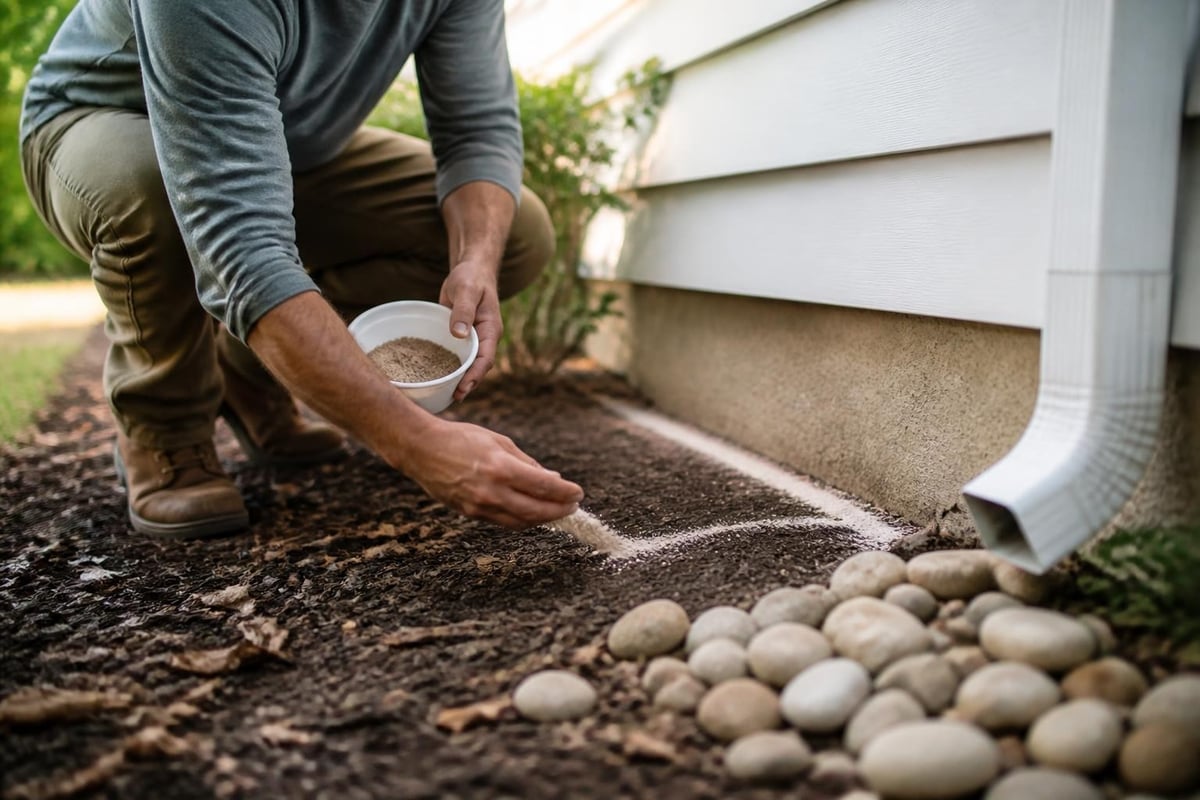
Food-grade diatomaceous earth (DE) works through mechanical rather than chemical action. This powder consists of fossilized algae with microscopic sharp edges that pierce ant exoskeletons. The resulting dehydration kills ants without toxic chemicals.
| Application Method | Effectiveness | Duration | Safety Level |
|---|---|---|---|
| Thin barrier lines | High | 30-60 days (dry conditions) | Safe for humans and pets |
| Heavy applications | Moderate | Indefinite (until wet) | Can irritate lungs if inhaled |
| Mixed with water | Low | Not recommended | Safe but ineffective |
Apply DE in thin lines along baseboards, window sills, door frames, and other entry points. The powder must remain dry to work effectively. Replace after cleaning or exposure to moisture.
Vinegar Solutions for Trail Disruption
White vinegar disrupts ant pheromone trails immediately upon contact. The acetic acid erases chemical signals that guide ants to food sources, forcing scouts to restart their search patterns. Research on natural ant repellents confirms vinegar's effectiveness as a trail disruptor rather than a direct ant killer.
Mix equal parts white vinegar and water in a spray bottle. Spray directly on visible ant trails, wipe clean with a cloth, then spray again to ensure complete pheromone removal. The strong smell dissipates quickly, but the trail disruption remains effective.
Creating Long-Term Barriers Around Your Property
Temporary solutions provide immediate relief, but sustainable ant control requires comprehensive barrier systems that prevent colony establishment.
Strategic Placement of Natural Deterrents
Entry point identification determines where natural ant deterrent applications deliver maximum impact. Ants enter buildings through surprisingly small gaps, requiring thorough inspection around the entire structure perimeter.
Critical barrier locations include:
- Foundation cracks and gaps: Apply DE or cinnamon powder
- Window and door frames: Spray essential oil solutions weekly
- Utility line penetrations: Seal with caulk, treat with deterrents
- Ventilation openings: Install fine mesh screens, apply repellents
- Tree and shrub contact points: Trim vegetation, create DE barriers
Richmond homes with crawl space access face additional challenges. Moisture accumulation in these areas attracts ants seeking water sources. Crawl space encapsulation addresses underlying moisture problems that make properties attractive to ant colonies while providing comprehensive pest prevention benefits.
Botanical Barriers in Landscaping
Certain plants naturally repel ants through aromatic compounds in their leaves and stems. Strategic landscaping creates living barriers that complement other natural ant deterrent methods.
Ant-repelling plants for Richmond gardens:
- Lavender (Lavandula)
- Rosemary (Rosmarinus officinalis)
- Spearmint and peppermint (Mentha species)
- Tansy (Tanacetum vulgare)
- Chrysanthemums (natural pyrethrin source)
Plant these species near building foundations, along walkways, and around outdoor entertaining areas. The concentrated oils in their foliage create zones ants avoid naturally. Crushing fresh leaves releases additional oils that intensify the deterrent effect.
Food-Based Solutions That Eliminate Colonies
Some kitchen ingredients function as effective bait that worker ants carry back to colonies, eliminating the source rather than individual ants.
Borax and Sugar Bait Stations
Borax (sodium borate) acts as a stomach poison for ants when combined with attractants. Worker ants consume the mixture and transport it to the colony, where it spreads to larvae and the queen. Multiple safe elimination methods include borax-based solutions as highly effective natural options.
Effective borax bait recipe:
- 1/2 cup granulated sugar
- 1 1/2 tablespoons borax
- 1 1/2 cups warm water
Mix ingredients until dissolved. Soak cotton balls in the solution and place them in shallow containers near ant activity. Replace every 2-3 days. Keep away from children and pets, as borax can cause stomach upset if consumed in quantity.
Cornmeal as a Non-Toxic Alternative
Cornmeal presents a controversial option often promoted online. Ants readily collect and consume cornmeal, but evidence for its effectiveness remains mixed. Some sources suggest ants cannot digest cornmeal, causing fatal digestive blockages, while scientific evaluations of home remedies indicate limited actual effectiveness.
The theory suggests ants eat cornmeal, which expands in their digestive systems. However, ants primarily consume liquids, not solid foods. They may transport cornmeal to colonies, but whether it causes meaningful colony reduction remains scientifically unproven.
Addressing Common Mistakes in Natural Ant Control
Even effective natural ant deterrent methods fail when applied incorrectly. Understanding common errors prevents wasted effort and ongoing frustration.
Over-Reliance on Single Methods
No single natural solution eliminates all ant problems. Different species respond differently to various deterrents, and environmental factors affect effectiveness. Common mistakes homeowners make include expecting immediate results from natural methods and failing to address root causes.
Integrated approach components:
- Physical barriers (DE, caulking, screens)
- Chemical deterrents (essential oils, vinegar)
- Baiting systems (borax solutions)
- Environmental modifications (moisture control, food storage)
- Regular monitoring and reapplication
Richmond's pest control challenges require combinations of methods adjusted seasonally. Spring flooding demands different strategies than summer heat or fall migrations.
Ignoring Colony Location
Killing visible ants provides temporary satisfaction but fails to address the problem source. Colonies contain thousands of ants, including queens capable of producing 800-1,500 eggs daily. Without eliminating the colony, natural ant deterrent applications simply redirect foraging patterns temporarily.
Outdoor colonies near foundations constantly send scouts inside. Identifying outdoor nesting sites allows targeted treatment that prevents recurring invasions. Look for small dirt mounds near foundations, sidewalk cracks, and landscape bed edges.
When Natural Solutions Require Professional Support
Natural ant deterrent methods work effectively for minor infestations and prevention, but certain situations exceed DIY capabilities regardless of product quality or application consistency.
Recognizing Structural Ant Damage
Carpenter ants excavate wood to create nesting galleries, causing damage similar to termites. These large black or red ants don't eat wood but remove it to expand colonies. Sawdust piles near baseboards, hollow-sounding wood, and rustling noises inside walls indicate serious structural problems requiring immediate professional attention.
Natural deterrents won't repair existing damage or eliminate established carpenter ant colonies hidden within wall voids. Professional pest control services combine detection technology, targeted treatments, and structural repairs that address both the infestation and resulting damage.
Multiple Species Infestations
Richmond properties may host several ant species simultaneously, each requiring different control approaches. Odorous house ants, pavement ants, carpenter ants, and fire ants respond differently to natural deterrents. Misidentifying the species leads to ineffective treatment selections.
Professional identification ensures appropriate treatment strategies. Some species require colony elimination through baiting, while others respond better to barrier treatments and habitat modification.
Sustainable Prevention Through Home Maintenance
Long-term ant control depends more on environmental management than continuous chemical or natural product applications. Creating conditions that discourage ant colonization provides lasting protection with minimal ongoing effort.
Moisture Control as Primary Prevention
Ants require water daily, making moisture-rich environments prime targets for colony establishment. Richmond's humidity creates favorable conditions, but homeowners can reduce attractiveness through targeted improvements.
Critical moisture control measures:
- Repair leaking pipes and faucets immediately
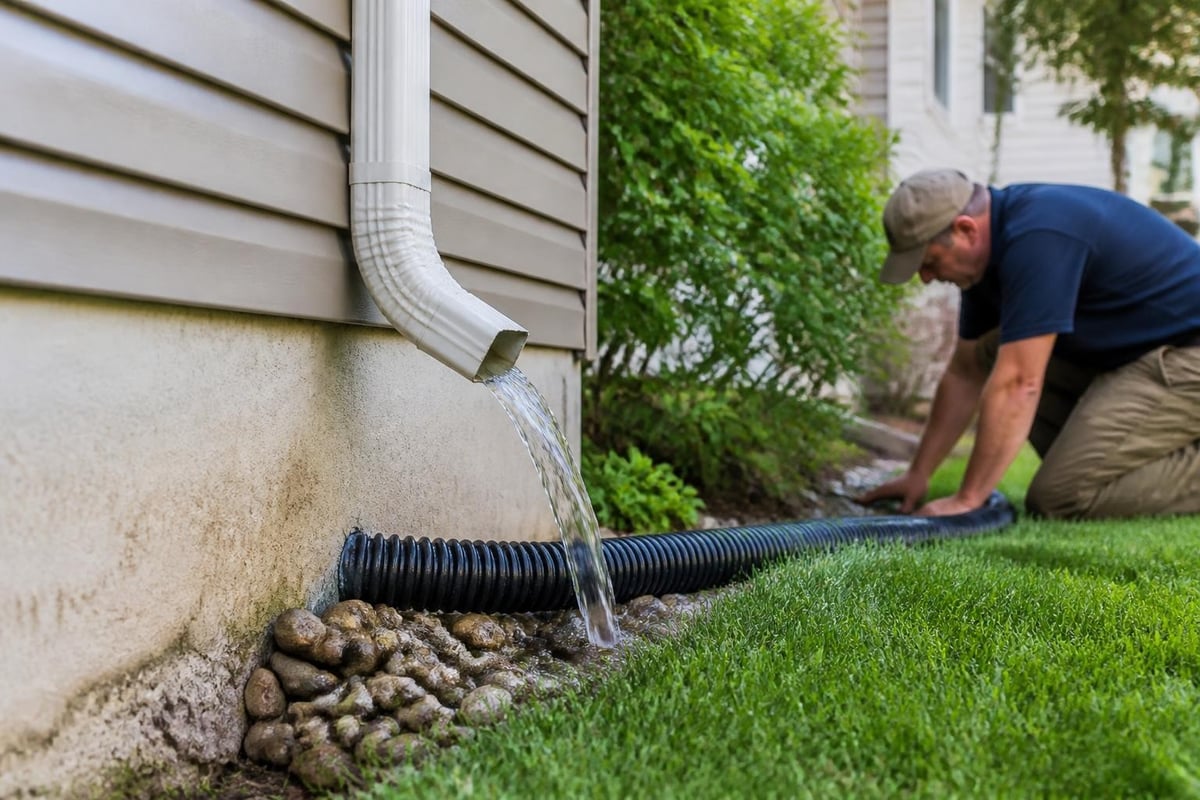
- Improve drainage around foundations
- Clean gutters and downspouts regularly
- Use dehumidifiers in basements and crawl spaces
- Fix roof leaks and damaged flashing
- Ensure proper attic ventilation
Crawl spaces represent particularly vulnerable areas in Richmond homes. Poor ventilation and ground moisture create ideal ant habitat directly beneath living spaces. Addressing these conditions eliminates primary attraction factors while protecting against multiple pest types.
Food Storage and Sanitation Protocols
Eliminating food access removes the primary reason ants enter buildings. Even spotless homes may harbor unrecognized food sources that sustain ant populations.
Kitchen Organization for Ant Prevention
Ants detect food sources humans consider insignificant. Crumbs behind appliances, spills inside cabinets, and residue on recycling containers provide sufficient nutrition for entire colonies.
| Food Type | Storage Method | Ant Attraction Level |
|---|---|---|
| Sugar, honey, syrup | Sealed glass or plastic containers | Extremely High |
| Grains, cereals | Airtight containers with gasket seals | High |
| Pet food | Sealed bins, elevated bowls with moats | High |
| Fresh fruit | Refrigerator or ant-proof containers | Moderate |
| Cooking oils | Wipe bottle exteriors, store in sealed cabinets | Moderate |
Wipe counters with vinegar solution daily to eliminate invisible food residues and pheromone trails. Sweep and vacuum floors regularly, paying special attention to areas beneath appliances and furniture where crumbs accumulate.
Waste Management Strategies
Garbage and recycling containers attract ants even when stored outdoors. Sticky residues on cans, bottles, and food packaging provide concentrated nutrition sources.
Effective waste protocols include:
- Rinse all recyclables before storage
- Use trash cans with tight-fitting lids
- Take garbage out daily during peak ant season
- Clean bins monthly with vinegar solution
- Store outdoor containers away from building foundations
- Use natural ant deterrent around outdoor waste areas
Composting requires special attention in ant-prone areas. Maintain proper carbon-to-nitrogen ratios, turn piles regularly, and avoid adding meat, dairy, or oils that attract ants more aggressively than plant materials.
Seasonal Adjustments for Year-Round Protection
Richmond's distinct seasons require modified approaches as ant behavior changes throughout the year. Seasonal pest monitoring helps anticipate problems before they escalate.
Spring and Summer Strategies
Warm weather brings peak ant activity both outdoors and inside homes. Increased reproduction rates mean colonies expand rapidly, sending more foragers into buildings.
Warm-season priorities:
- Inspect and seal entry points before migration begins
- Establish barrier treatments around building perimeters
- Monitor for new colonies forming near foundations
- Increase natural ant deterrent application frequency
- Address moisture problems that intensify in humid weather
Summer heat may dry out diatomaceous earth applications, reducing effectiveness. Check barrier integrity weekly and reapply as needed, particularly after rain or lawn irrigation.
Fall and Winter Preparations
Cooling temperatures trigger aggressive food-gathering behavior and indoor migration. Colonies seek protected overwintering sites, making buildings especially attractive.
Apply natural ant deterrent around potential entry points before fall temperatures drop below 60°F consistently. This timing prevents colony establishment rather than forcing you to eliminate existing indoor nests.
Winter requires indoor focus. Maintain essential oil spray applications around warm areas where ants remain active: kitchens, bathrooms, and spaces near heating systems or water heaters.
Natural Solutions Beyond the Home
Outdoor ant management prevents indoor problems by addressing colonies before they send scouts inside. Yard treatments create buffer zones that protect building perimeters.
Lawn and Garden Treatments
Outdoor colonies near buildings constantly probe for indoor access. Natural deterrents applied strategically around properties create zones ants avoid, reducing pressure on indoor defenses.
Diatomaceous earth works effectively in garden beds, creating barriers between plant areas and foundations. Reapply after rain or heavy irrigation. Natural pest control approaches emphasize prevention through habitat modification rather than continuous chemical applications.
Partnering with Beneficial Insects
Some garden insects prey on ants or compete for the same food sources, providing natural population control. Encouraging biodiversity creates balanced ecosystems where ant populations remain manageable without intervention.
Beneficial insects for ant control:
- Ground beetles (consume ant larvae)
- Parasitic wasps (target specific ant species)
- Spiders (prey on foraging ants)
- Predatory mites (feed on ant eggs)
Avoid broad-spectrum pesticides that kill beneficial species along with target pests. Natural ant deterrent methods preserve beneficial insect populations while managing problem species. For homeowners seeking eco-conscious pest solutions, companies like Tinc demonstrate how sustainable approaches benefit both immediate needs and long-term environmental health.
Evaluating Natural Deterrent Effectiveness
Measuring success helps determine which natural ant deterrent methods work best for your specific situation and whether adjustments or professional intervention become necessary.
Monitoring Techniques
Track ant activity levels before, during, and after implementing natural control measures. Simple observation provides valuable data about treatment effectiveness.
Weekly monitoring checklist:
- Count ants visible along previous trails
- Check bait stations for activity levels
- Inspect barrier treatments for gaps or damage
- Note new ant entry points or trails
- Assess colony size changes (outdoor nests)
Significant reduction within 2-3 weeks indicates effective treatment. Persistent or increasing activity suggests the need for modified approaches or professional assessment.
Decision Points for Professional Services
Evidence-based evaluation of natural repellents helps homeowners understand realistic expectations. Natural methods excel at prevention and minor infestations but have limitations with established colonies.
Professional intervention becomes advisable when:
- Multiple colonies exist on the property
- Structural damage appears or suspected
- Natural methods show no improvement after 4 weeks
- Ant species requires specialized treatment (carpenter ants, fire ants)
- Health or safety concerns arise (allergies, contamination risks)
Richmond homeowners benefit from professional inspection even when planning DIY control. Experts identify species, locate colonies, and recommend targeted approaches that maximize natural deterrent effectiveness.
Integration with Comprehensive Home Protection
Ant prevention overlaps significantly with other pest control priorities. Integrated strategies address multiple concerns simultaneously, improving efficiency and reducing overall pest pressure.
Connecting Pest Control Systems
Natural ant deterrent methods complement broader pest management programs. Essential oils that repel ants also deter cockroaches, spiders, and other insects. DE barriers work against multiple crawling pests simultaneously.
Professional pest control programs typically incorporate natural methods where appropriate, combining them with targeted conventional treatments only when necessary. This balanced approach maximizes safety while ensuring effectiveness against serious infestations.
Structural Improvements That Prevent Multiple Pests
Long-term pest prevention requires addressing the physical vulnerabilities that allow entry. Caulking gaps, installing door sweeps, repairing screens, and improving drainage benefit ant control while simultaneously protecting against rodents, termites, and moisture-related problems.
Foundation-level improvements deliver particular value in Richmond's climate. Proper grading, functional gutters, and crawl space protection create conditions unfavorable to ants and numerous other pests. These modifications require initial investment but provide decades of reduced pest pressure.
Advanced Natural Strategies for Persistent Problems
Some situations require more sophisticated approaches beyond basic natural ant deterrent applications. These advanced techniques address challenging scenarios while maintaining non-toxic principles.
Targeted Bait Rotation
Ant species preferences change seasonally and based on colony nutritional needs. Rotating bait formulations between protein-based and sugar-based options ensures continued effectiveness.
Spring colonies prioritize protein to support rapid larval growth. Summer and fall colonies seek carbohydrates for energy and winter preparation. Adjusting natural bait formulations to match colony needs improves consumption and colony-level effects.
Beneficial Nematodes for Outdoor Colonies
Microscopic beneficial nematodes parasitize various soil-dwelling insects, including certain ant species. Applied through standard lawn sprayers, these organisms seek out and infect ant larvae, reducing colony reproduction without affecting plants, pets, or beneficial insects.
Effectiveness varies by ant species and soil conditions. Nematodes require specific temperature and moisture ranges to survive and hunt effectively. Research species compatibility and environmental requirements before application.
Cultural Practices from Traditional Pest Management
Historical pest control relied entirely on natural methods before synthetic chemicals became available. Some traditional approaches remain remarkably effective using common household materials.
Citrus-Based Solutions
Lemons function as natural ant deterrents through the d-limonene compound concentrated in their peels. This substance dissolves the waxy coating on ant exoskeletons while disrupting pheromone trails.
Rub fresh lemon peels directly on ant trails, entry points, and gathering areas. The oils transfer to surfaces, creating barriers ants avoid. Alternatively, boil lemon peels in water, cool the solution, and use it as a spray cleaner that combines sanitation with ant deterrence.
Chalk and Talcum Powder Barriers
Traditional wisdom suggests ants won't cross chalk lines, though scientific support remains limited. The theory proposes that calcium carbonate in chalk disrupts ant trails or that ants simply avoid the texture.
While less reliable than proven methods, chalk lines offer zero-toxicity options for households with severe chemical sensitivities. Draw lines across ant trails and entry points. Effectiveness varies considerably, making this best suited as a supplementary measure rather than primary defense.
Richmond-Specific Considerations
Local climate, construction styles, and prevalent ant species create unique challenges requiring customized approaches. Understanding regional factors improves natural ant deterrent effectiveness.
Common Richmond Ant Species
Species identification determines which natural methods deliver optimal results. Richmond properties commonly host:
Odorous house ants: Small brown ants that smell like rotten coconut when crushed. Form massive colonies with multiple queens. Respond well to borax baits and essential oil barriers.
Pavement ants: Small brown to black ants that nest under concrete. Create small dirt mounds along driveways and sidewalks. Essential oils and DE control foraging effectively.
Carpenter ants: Large black ants that excavate wood. Require professional treatment for established colonies. Natural deterrents help prevent initial colonization.
Acrobat ants: Named for their ability to raise abdomens over their heads. Often nest in moisture-damaged wood. Moisture control essential for prevention.
Regional Climate Impact
Richmond's humid subtropical climate extends ant activity seasons compared to northern regions. Mild winters allow year-round colony activity indoors, requiring continuous rather than seasonal prevention efforts.
Summer humidity reduces the effectiveness of dry natural ant deterrent products like DE. More frequent reapplication compensates for moisture exposure. Sealed container storage prevents caking that reduces product effectiveness.
Building-Type Specific Approaches
Different structures require modified natural ant deterrent strategies based on construction materials, age, and usage patterns.
Historic Homes and Older Construction
Richmond's many historic properties present unique challenges. Aging foundations, settled structures, and vintage construction materials create numerous ant entry points that modern homes lack.
Natural methods suit historic preservation priorities better than invasive conventional treatments. Essential oil applications, DE barriers, and environmental modifications provide effective control without damaging historic materials or finishes. For European homeowners facing similar challenges in older buildings, services like SOS-Parasites demonstrate how eco-friendly approaches successfully protect historic properties while respecting their architectural integrity.
Commercial Properties and Food Service
Restaurants, cafeterias, and food processing facilities face intensified ant pressure due to concentrated food sources. Sanitation standards require pest-free environments while limiting chemical use near food preparation areas.
Natural ant deterrent methods align with food safety protocols when applied correctly:
- Food-grade DE for dry storage areas
- Essential oil solutions for non-food contact surfaces
- Vinegar cleaning for food preparation zones
- Sealed storage for all ingredients and waste
Professional guidance ensures natural methods meet health department requirements while providing effective control. Regular monitoring and documentation support compliance during inspections.
Complementary Lifestyle Adjustments
Beyond direct ant control measures, certain lifestyle modifications reduce overall pest attractiveness while supporting health and sustainability goals.
Sustainable Living Practices
Zero-waste initiatives naturally reduce pest pressure by eliminating food waste and packaging that attracts ants. Composting, when managed properly, recycles nutrients without creating pest habitat.
Store bulk foods in sealed glass containers, reducing both packaging waste and ant access. Purchase cleaning products in concentrate form, mixing only what you need and storing concentrates in ant-proof containers.
Pet Care Considerations
Pet food and water bowls create concentrated ant attractions. Natural management requires consistent protocols:
- Feed pets on schedules rather than leaving food available continuously
- Place bowls in shallow water-filled trays creating moats
- Clean bowls thoroughly after each feeding
- Store pet food in sealed containers with gasket lids
- Address spills immediately with vinegar cleaning
Natural ant deterrent applications near pet areas require careful product selection. Food-grade DE, diluted essential oils, and vinegar solutions present minimal pet risks when used according to directions. Avoid concentrated essential oils where pets may contact them directly, as some compounds irritate skin or mucous membranes.
Educational Resources and Ongoing Learning
Effective natural ant control requires understanding ant biology, behavior, and ecology. Cornell University’s Integrated Pest Management resources provide scientifically accurate information that helps homeowners make informed decisions about pest management approaches.
Staying current on emerging natural control methods and research findings improves outcomes. University extension services, pest management associations, and environmental organizations regularly publish updates on effective natural strategies.
Community knowledge sharing through neighborhood groups and online forums provides local insights about which methods work best for Richmond's specific conditions and ant species. Combining scientific information with practical local experience optimizes natural ant deterrent programs.
Natural ant deterrent methods provide safe, effective solutions for Richmond homeowners seeking chemical-free pest control, combining environmental responsibility with proven results. While these approaches excel at prevention and minor infestations, persistent problems or structural concerns may require professional expertise to fully resolve. SanPro specializes in integrated pest management that incorporates natural methods where appropriate while providing comprehensive protection for Richmond-area homes and businesses. Contact us to develop a customized solution that addresses your specific ant challenges while protecting your family, pets, and property.