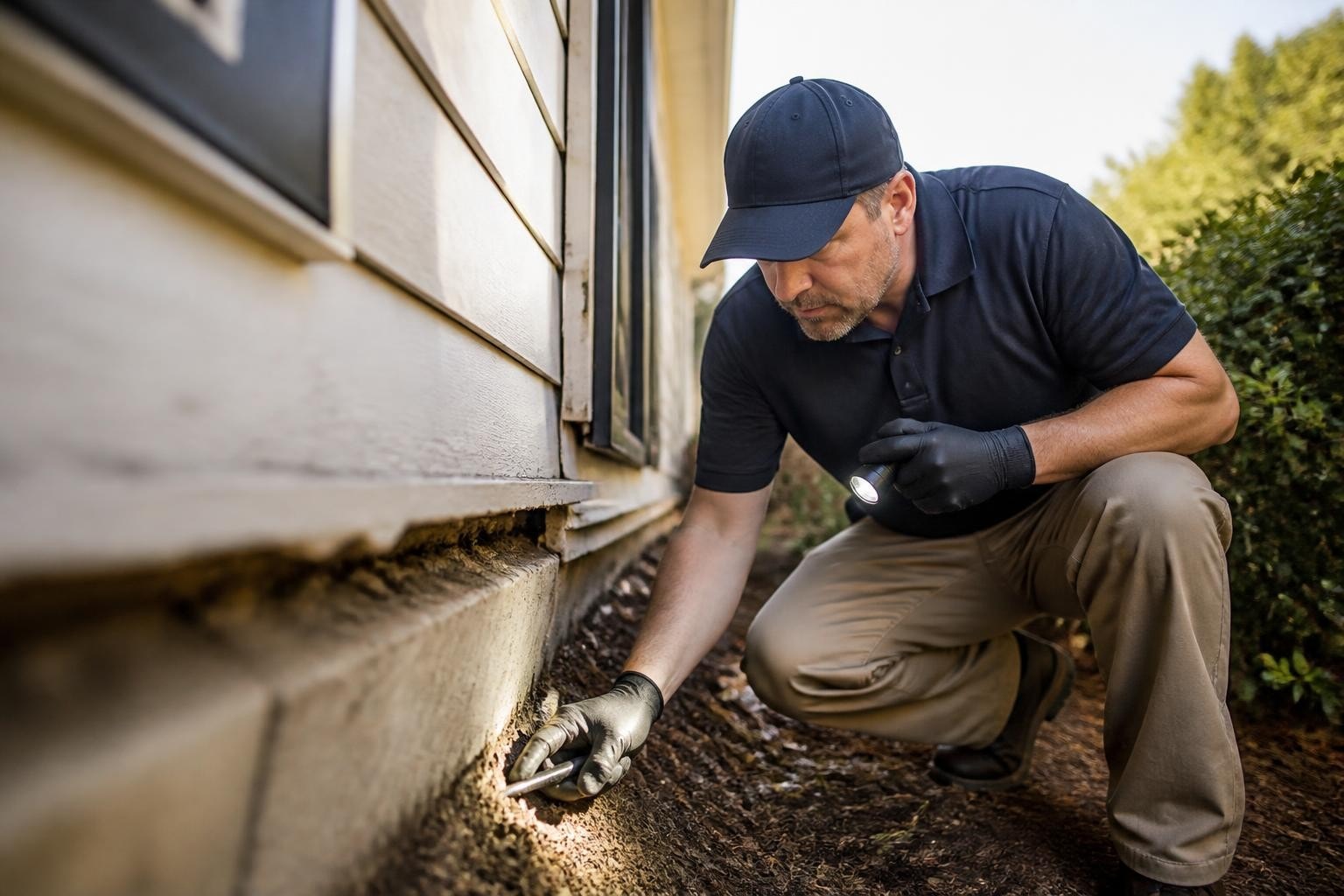
When searching for "termite pest control near me," homeowners in Richmond, VA, face a critical decision that could save them thousands of dollars in structural damage. Termites cause over $5 billion in property damage annually across the United States, making professional pest control services essential for protecting your investment. Finding the right local exterminator requires understanding treatment methods, recognizing warning signs, and knowing what questions to ask before signing a contract. This comprehensive guide helps Richmond homeowners navigate the termite pest control landscape with confidence.
Understanding the Termite Threat in Richmond VA
Richmond's climate creates ideal conditions for termite activity throughout the year. The region's humid summers and mild winters allow subterranean termites to remain active nearly year-round, placing homes at constant risk.
Common Termite Species in Virginia
Eastern subterranean termites dominate the Richmond area, accounting for the majority of structural damage claims. These pests build colonies underground and create mud tubes to access wooden structures above ground. According to the EPA’s termite identification guidance, subterranean termites can establish colonies containing hundreds of thousands of workers.
Formosan termites represent an increasing concern in Virginia. These aggressive invaders can consume wood at alarming rates and build massive colonies exceeding one million individuals. Their presence requires immediate professional intervention.
Drywood termites occasionally appear in Richmond homes, though less frequently than subterranean species. UC IPM research on drywood termites shows these pests infest dry wood directly, eliminating the need for soil contact.
| Termite Species | Colony Size | Damage Rate | Detection Difficulty |
|---|---|---|---|
| Eastern Subterranean | 60,000-2 million | Moderate | Easy (mud tubes) |
| Formosan | 350,000-10 million | Severe | Moderate |
| Drywood | 2,500-5,000 | Slow | Difficult (inside wood) |
Climate Impact on Termite Activity
Richmond's weather patterns influence termite swarming seasons and treatment timing. Spring months from March through May trigger peak swarming activity when reproductive termites establish new colonies. Homeowners searching for termite pest control near me typically notice increased activity during these months.
Summer humidity sustains termite populations, while autumn provides optimal conditions for treatment application. Winter slows surface activity but doesn't eliminate the threat, as colonies remain active underground.
Recognizing Warning Signs That Require Immediate Action
Early detection significantly reduces treatment costs and structural damage. Richmond homeowners should conduct regular inspections focusing on specific indicators.
Visible Evidence of Infestation
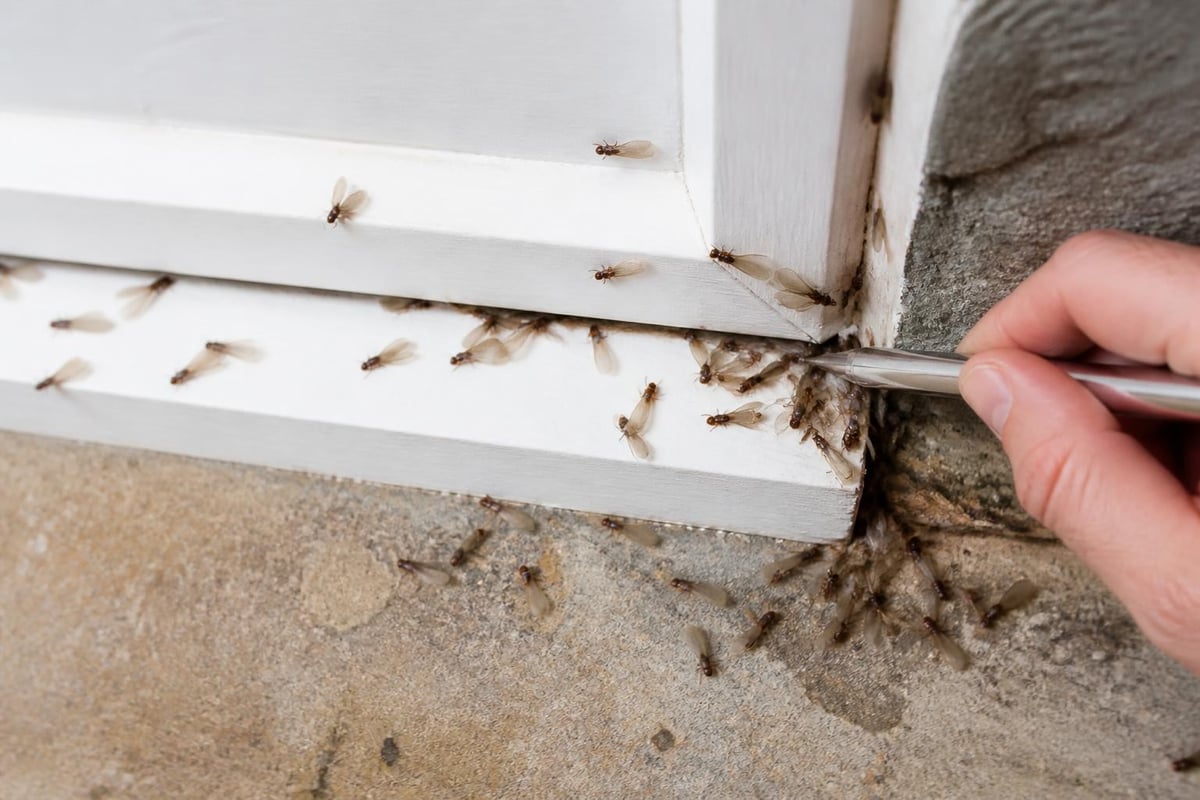
Mud tubes along foundation walls represent the most obvious sign of subterranean termite activity. These pencil-width tunnels protect termites from predators and maintain moisture levels as they travel between soil and food sources.
Discarded wings near windowsills or doors indicate recent swarming activity. Reproductive termites shed wings after finding mates and establishing new colonies. Finding these wings inside your home suggests active infestation.
Wood damage typically appears as hollowed-out timber with visible galleries. Tap suspected areas with a screwdriver; infested wood sounds hollow and may collapse under pressure. Professional pest control services in Richmond VA employ advanced detection methods beyond visual inspection.
Structural and Environmental Indicators
- Sagging floors or ceiling tiles suggesting structural compromise
- Buckling paint or plaster that resembles water damage
- Tight-fitting doors or windows caused by moisture and termite activity
- Small holes in drywall accompanied by frass (termite droppings)
- Moisture problems in basements or crawl spaces creating favorable conditions
Richmond's older neighborhoods contain homes with vintage construction methods that increase vulnerability. Homes built before modern termite-resistant techniques require extra vigilance. Crawl space protection services address moisture issues that attract termites while preventing future infestations.
What to Expect From Professional Termite Inspections
Thorough inspections form the foundation of effective termite pest control near me services. Professional exterminators in Richmond VA follow systematic protocols to assess infestation severity and recommend appropriate treatments.
The Inspection Process
Licensed technicians begin with exterior perimeter examinations, checking foundation walls, support posts, and soil-to-wood contact points. They probe wooden structures, examine crawl spaces, and investigate moisture sources that attract termites.
Interior inspections cover basements, attics, utility rooms, and areas with plumbing penetrations. Inspectors use moisture meters, thermal imaging cameras, and acoustic detection devices to identify hidden infestations. Advanced detection and monitoring techniques have revolutionized termite identification accuracy.
Documentation includes:
- Detailed diagrams showing infestation locations
- Photographs of active termite activity and damage
- Moisture readings indicating conducive conditions
- Species identification for targeted treatment
- Treatment recommendations with cost estimates
Understanding Inspection Reports
Professional reports classify findings into three categories: active infestations requiring immediate treatment, conducive conditions needing correction, and preventive recommendations. Richmond exterminators should explain findings in clear language, avoiding unnecessary jargon.
Ask inspectors about their experience with local termite species and treatment success rates. Verify licensing through Virginia's Department of Agriculture and Consumer Services. Reputable pest control companies provide written guarantees and follow EPA termiticide labeling requirements.
Treatment Options Available in Richmond VA
Modern termite control employs multiple strategies tailored to infestation severity, home construction, and budget constraints. Understanding treatment differences helps homeowners make informed decisions when selecting termite pest control near me services.
Liquid Termiticide Barriers
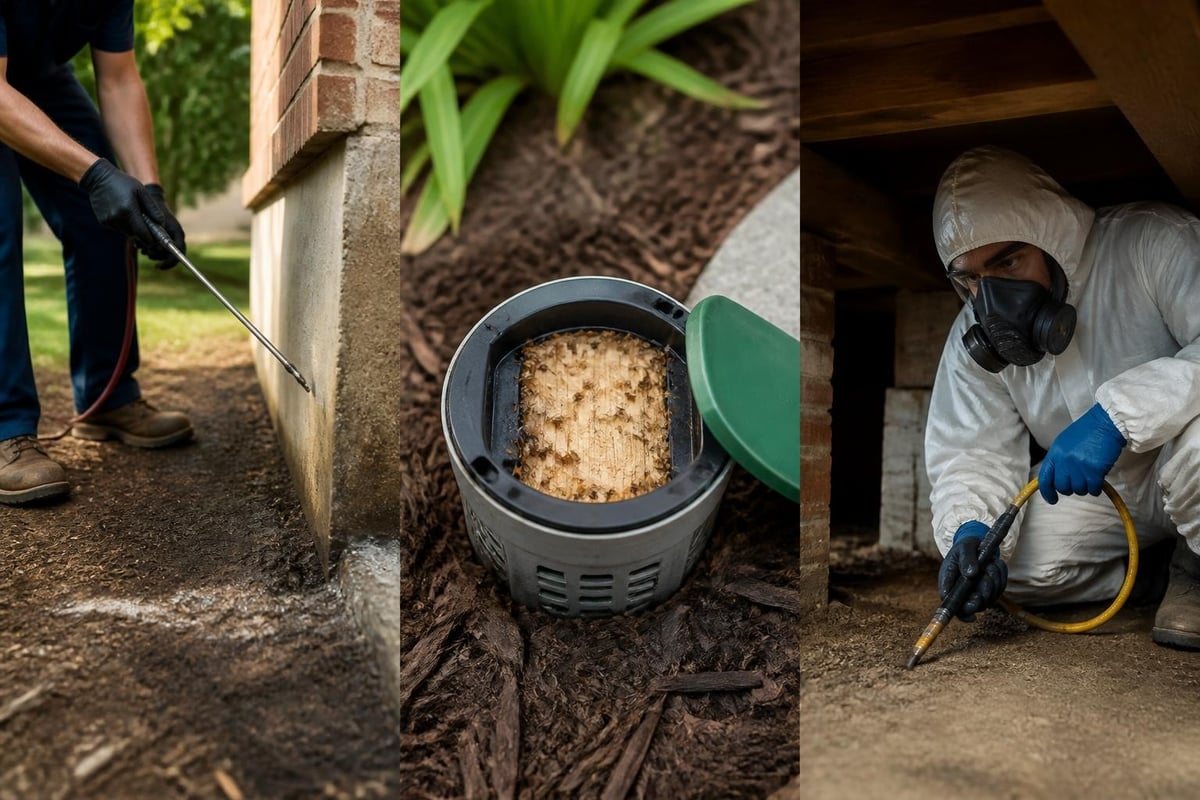
Soil treatments create chemical barriers preventing termites from accessing structures. Licensed applicators trench around foundations and inject termiticide into the soil, establishing protective zones lasting five to ten years.
Non-repellent termiticides eliminate entire colonies as workers unknowingly transfer chemicals throughout the population. This approach provides superior long-term protection compared to older repellent formulations.
Application requirements:
- Excavation around foundation perimeter
- Drilling through concrete slabs or porches
- Treating crawl spaces and pier supports
- Proper dilution and application rates per regulations
Termite Baiting Systems
Baiting stations installed around property perimeters contain cellulose materials attractive to foraging termites. Once workers discover bait, they recruit colony members, distributing slow-acting insecticides that eliminate entire populations.
This method minimizes chemical usage and environmental impact while providing ongoing monitoring. Stations require regular inspection and bait replenishment, making professional maintenance essential.
| Treatment Type | Initial Cost | Longevity | Best For | Environmental Impact |
|---|---|---|---|---|
| Liquid Barrier | $1,200-$2,500 | 5-10 years | Active infestations | Moderate |
| Bait Systems | $1,500-$3,000 | Ongoing | Prevention & control | Low |
| Fumigation | $2,000-$8,000 | Immediate | Drywood termites | High (temporary) |
| Wood Treatment | $800-$1,500 | 3-5 years | Localized damage | Low |
Alternative and Supplementary Methods
Heat treatment eliminates drywood termites by raising interior temperatures to lethal levels. This chemical-free option works well for localized infestations but requires specialized equipment and experienced technicians.
Borate wood treatments protect new construction and renovations. These products penetrate lumber, creating toxic barriers that prevent termite feeding. Many Richmond builders incorporate borates during construction as preventive measures.
Finding Qualified Termite Exterminators in Richmond
Selecting the right pest control company significantly impacts treatment success and long-term protection. Richmond homeowners should evaluate multiple factors beyond price when choosing termite pest control near me services.
Essential Qualifications and Credentials
Virginia law requires pest control technicians to hold state-issued licenses demonstrating training and competency. Request license numbers and verify standing through the Virginia Department of Agriculture and Consumer Services website.
Insurance coverage protects homeowners from liability if property damage occurs during treatment. Reputable companies carry comprehensive general liability and workers' compensation policies.
Certification priorities:
- State-issued commercial pesticide applicator licenses
- National Pest Management Association membership
- Termite-specific training certifications
- Workers' compensation insurance
- General liability coverage ($1 million minimum)
Evaluating Company Reputation and Experience
Online reviews provide insights into customer satisfaction and service quality. Focus on patterns rather than individual complaints, noting how companies respond to negative feedback. Check Better Business Bureau ratings and complaint resolution history.
Local experience matters when dealing with regional termite species and construction styles. Companies operating in Richmond for multiple years understand local challenges and seasonal patterns affecting treatment timing.
The University of Florida’s termite identification services and similar resources help homeowners verify species identification accuracy from local exterminators.
Questions to Ask Before Hiring
- What termite species have you identified in my home?
- Which treatment method do you recommend and why?
- What guarantees or warranties accompany your service?
- How long has your company operated in Richmond?
- Will you provide detailed written treatment plans and contracts?
- What preparation must I complete before treatment?
- How often will you conduct follow-up inspections?
- Are your technicians licensed and insured?
Cost Factors for Richmond Termite Control Services
Treatment pricing varies considerably based on multiple variables affecting labor, materials, and complexity. Understanding cost components helps homeowners budget appropriately and identify unrealistic quotes.
Primary Price Determinants
Home size directly impacts treatment costs, with larger square footage requiring more materials and labor hours. Foundation type influences application methods; slab foundations need drilling, while crawl space homes require soil treatments and wood protection.
Infestation severity affects pricing significantly. Extensive damage requiring wood replacement or structural repairs increases total project costs beyond standard treatment fees. Early detection through regular inspections minimizes these expenses.
Additional cost factors:
- Property landscaping complexity near foundations
- Soil type and drainage conditions
- Accessibility challenges in crawl spaces or basements
- Distance from company headquarters affecting travel charges
- Warranty length and coverage terms
Average Richmond Treatment Costs
Standard barrier treatments for average-sized Richmond homes (1,500-2,500 square feet) range from $1,200 to $2,500 for initial applications. Bait system installations cost slightly more upfront but include ongoing monitoring in annual fees.
Annual inspection and retreatment contracts typically cost $300 to $500, providing peace of mind and early detection of new activity. Many homeowners find these preventive programs cost-effective compared to emergency treatments.
Financing options help manage larger treatment costs. Many established pest control companies offer payment plans or work with third-party lenders. Veterans, seniors, and military families may qualify for discounts.
Prevention Strategies for Long-Term Protection
Preventing termite infestations proves more cost-effective than treating established colonies. Richmond homeowners can implement multiple strategies reducing termite attraction and early detection.
Structural and Maintenance Measures
Eliminate wood-to-soil contact around your property perimeter. Wooden deck posts, fence rails, and firewood stacks touching ground provide direct termite access. Maintain six-inch clearance between soil and wooden siding.
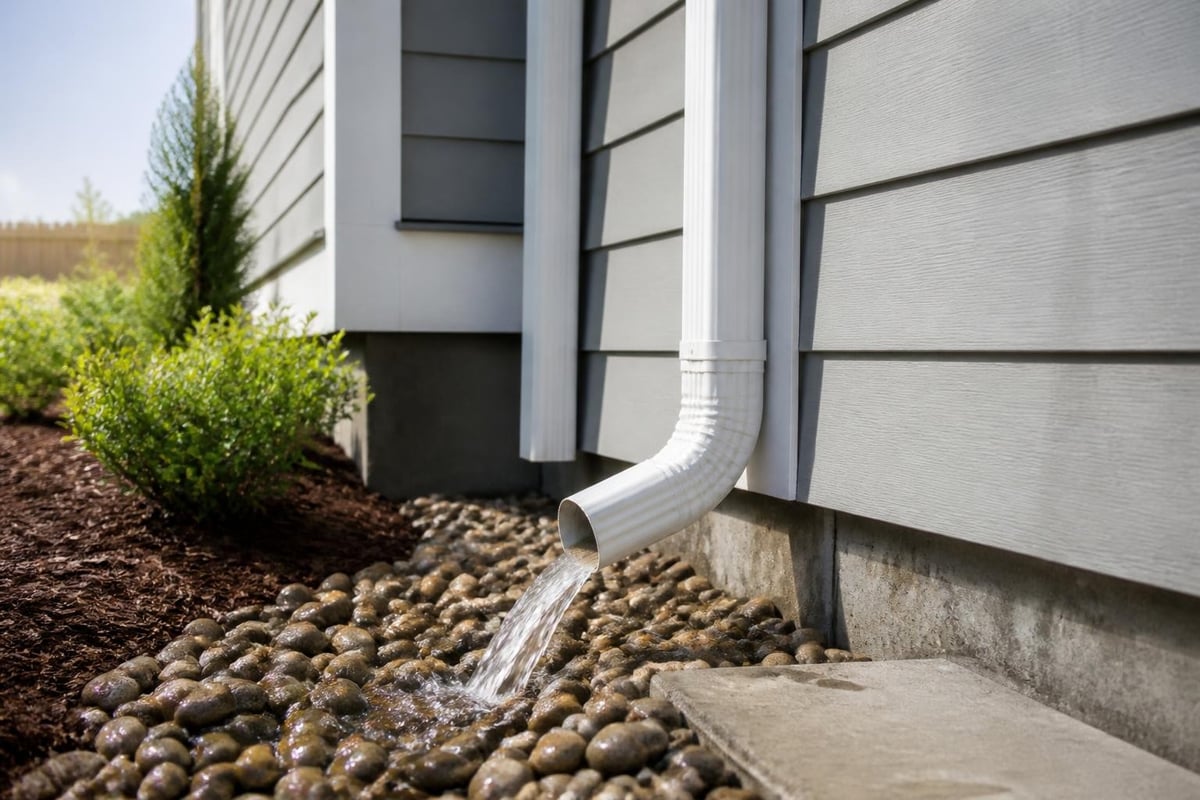
Fix water leaks promptly, as moisture attracts termites and sustains colonies. Repair leaking faucets, air conditioning units, and roof drainage systems. Ensure gutters direct water away from foundations.
- Grade soil away from foundations preventing water accumulation
- Install proper ventilation in crawl spaces reducing humidity
- Remove tree stumps, buried wood, and construction debris
- Seal cracks in foundations and around utility penetrations
- Store firewood at least 20 feet from structures on elevated racks
Landscaping and Outdoor Considerations
Mulch selection impacts termite risk. While all organic mulches attract some termite activity, maintaining proper depth (2-3 inches) and keeping mulch away from siding reduces risk. Consider inorganic alternatives near foundations.
Tree and shrub placement affects moisture levels and inspection accessibility. Dense vegetation against homes creates shaded, humid microclimates favoring termites while preventing visual inspections.
Research from UC IPM on subterranean termites emphasizes integrated pest management combining multiple prevention strategies for optimal protection.
The Importance of Regular Monitoring
Ongoing vigilance detects termite activity before significant damage occurs. Annual inspections by qualified professionals provide early warning systems protecting your investment.
Professional Monitoring Programs
Many Richmond pest control companies offer annual inspection contracts including comprehensive property examinations and detailed reports. These programs typically cost less than standalone inspections while ensuring consistent monitoring.
Professional monitoring catches problems early when treatment costs remain minimal. Technicians track changes over time, identifying trends that suggest developing infestations or conducive conditions requiring correction.
Warranty protection often requires annual inspections. Treatment guarantees may become void without documented professional monitoring, leaving homeowners financially responsible for future infestations.
DIY Inspection Guidelines
Homeowners supplement professional services with quarterly self-inspections focusing on accessible areas. Look for mud tubes along foundations, examine exposed wood in crawl spaces, and check moisture-prone areas.
Document findings with photographs and notes creating historical records. Share observations with professional inspectors during annual visits, helping them focus on problem areas.
Monthly monitoring checklist:
- Walk property perimeter checking foundation walls
- Inspect crawl space access points and visible supports
- Examine basement walls and floor joists
- Check plumbing areas for moisture and damage
- Look for swarmer wings near windows during spring
Understanding Treatment Warranties and Guarantees
Service guarantees protect homeowners from treatment failures and reinfestation. However, warranty terms vary significantly between companies requiring careful review before signing contracts.
Common Warranty Types
Retreatment guarantees promise additional applications if termites return within specified periods, typically one to five years. These warranties usually exclude damage repair, covering only pest elimination.
Damage repair warranties represent premium protection, with companies agreeing to fix structural damage occurring during coverage periods. These comprehensive guarantees cost more but provide superior protection for high-value homes.
Limited warranties contain exclusions for specific scenarios: preexisting damage, conducive conditions homeowners fail to correct, or new construction additions. Read warranty documents thoroughly, clarifying ambiguous language before treatment begins.
Maintaining Warranty Validity
Most warranties require annual inspections by the issuing company. Missing scheduled inspections may void coverage, leaving homeowners responsible for future treatment costs.
Homeowners must address conducive conditions identified in inspection reports within reasonable timeframes. Failing to fix moisture problems, wood-soil contact, or structural issues may invalidate warranties.
Property sales often include warranty transfers for nominal fees. This feature enhances home marketability, assuring buyers of termite protection. Verify transfer procedures before listing properties.
Integrated Pest Management for Richmond Homes
Comprehensive pest control addresses multiple threats simultaneously, creating healthier homes while reducing treatment costs. Understanding how termites interact with other pests improves overall protection strategies.
Coordinating Multiple Services
Richmond homes face concurrent threats from termites, rodents, ants, and other pests requiring coordinated management. Professional pest control services address these challenges through integrated approaches combining prevention, monitoring, and targeted treatments.
Crawl space moisture control prevents termite activity while deterring rodents and other moisture-loving pests. Proper ventilation, vapor barriers, and drainage systems create unfavorable conditions for multiple pest species.
Integrated benefits:
- Reduced overall treatment costs through combined services
- Comprehensive property protection addressing multiple threats
- Consistent monitoring by familiar technicians
- Simplified scheduling and contract management
- Enhanced long-term prevention strategies
Seasonal Treatment Coordination
Spring termite treatments coordinate with ant control programs as both pests increase activity simultaneously. Summer focuses on moisture management and barrier maintenance. Fall provides optimal conditions for preventive applications before winter.
Winter inspections identify structural vulnerabilities while pests remain less active. This timing allows repairs and preventive measures before spring activity resumes.
Established pest control companies in Richmond VA understand seasonal patterns affecting treatment timing and effectiveness. Their experience optimizes service scheduling maximizing protection while minimizing disruption.
Environmental and Safety Considerations
Modern termite treatments balance effectiveness with environmental responsibility. Richmond homeowners increasingly prioritize low-impact solutions protecting families, pets, and ecosystems.
Low-Toxicity Treatment Options
Non-repellent liquid termiticides demonstrate high efficacy with minimal environmental persistence. These products break down naturally in soil while providing years of protection through targeted application.
Bait systems minimize chemical usage by deploying active ingredients only where termites feed. This precision approach reduces environmental exposure compared to traditional broadcast applications.
Botanical and biological controls represent emerging alternatives showing promise in research settings. However, these options currently lack the proven effectiveness and longevity of conventional treatments for severe infestations.
Safety Protocols During Treatment
Professional exterminators follow strict protocols protecting occupants during applications. Homeowners typically leave premises for several hours during liquid treatments, returning once products dry and ventilation completes.
Pet and plant protection requires temporary relocation during treatment. Remove aquariums, cover fish tanks, and relocate outdoor pets from treatment areas. Professional companies provide detailed preparation instructions ensuring safety.
The Texas A&M Extension guidance on subterranean termites offers research-based safety recommendations for homeowners and applicators.
Reading and Understanding Product Labels
Federal regulations require detailed labeling explaining proper use, safety precautions, and environmental considerations. Request Safety Data Sheets (SDS) for products applied in your home, reviewing active ingredients and hazard information.
Reputable exterminators willingly discuss products used, explaining selection rationale and safety measures. Transparency builds trust and ensures informed consent before treatment begins.
Special Considerations for Historic Richmond Properties
Richmond's historic districts contain homes with unique construction methods and preservation requirements affecting termite treatment options. Protecting architectural integrity while eliminating infestations requires specialized expertise.
Preservation-Compatible Treatments
Historic homes often feature irreplaceable wood elements requiring non-invasive treatment approaches. Borate treatments penetrate existing lumber without altering appearance, protecting original materials while meeting preservation standards.
Localized treatments address active infestations without whole-structure applications disturbing historic fabric. Skilled technicians identify minimal intervention points preserving architectural character.
Historic property challenges:
- Limited access for drilling or trenching near foundations
- Restrictions on exterior modifications for bait stations
- Preservation requirements limiting treatment options
- Unique construction methods requiring specialized knowledge
- Higher costs for custom treatment approaches
Working With Preservation Guidelines
Properties in historic districts must comply with architectural review board standards. Treatment plans may require approval before implementation, adding timeline considerations.
Experienced Richmond exterminators familiar with preservation requirements navigate approval processes efficiently. Their expertise ensures treatments meet both pest control effectiveness and historic preservation standards.
Documentation becomes crucial for historic properties. Detailed records of infestations, treatments, and outcomes support future preservation efforts while maintaining property value.
The Connection Between Termites and Other Structural Threats
Termite damage rarely exists in isolation. Richmond homes often face multiple structural challenges requiring comprehensive assessment and coordinated solutions.
Moisture and Fungal Decay
Termites and wood-rotting fungi thrive in similar conditions. Homes with moisture problems often harbor both threats simultaneously. Brown rot and white rot fungi compromise wood strength, making structures more vulnerable to termite damage.
Addressing moisture sources through proper drainage, ventilation, and waterproofing prevents both fungal and termite problems. Comprehensive inspections identify all deterioration factors, not just insect activity.
USDA research on subterranean termites explores relationships between environmental factors and infestation severity, informing treatment strategies.
Carpenter Ant Confusion
Homeowners often mistake carpenter ants for termites. While both damage wood, carpenter ants excavate galleries for nesting rather than consuming wood as food. Proper identification determines appropriate treatment approaches.
Professional inspectors distinguish between species through physical characteristics and damage patterns. Carpenter ants leave clean galleries with sawdust-like frass, while termites create mud-lined tunnels consuming wood completely.
Richmond's humid climate supports both pest types, making accurate identification essential. Treating carpenter ants with termite methods proves ineffective and vice versa, wasting time and money.
Emergency Response for Active Swarms
Discovering termite swarms inside your home triggers understandable panic. However, immediate action and proper response minimize damage while facilitating effective treatment.
Immediate Steps During Swarming
Swarms typically last 30-40 minutes as reproductive termites seek mates and exit structures. Avoid pesticide spraying, which provides no lasting benefit and may contaminate areas requiring professional treatment.
Collect specimens in plastic bags or jars for professional identification. Swarmers indicate nearby colonies requiring immediate inspection and treatment by qualified exterminators.
Emergency response priorities:
- Document swarming with photographs showing location and extent
- Collect 10-20 specimens for identification
- Note date, time, and weather conditions during swarming
- Contact professional pest control services immediately
- Avoid disturbing suspected infestation areas
Scheduling Emergency Inspections
Many Richmond exterminators offer same-day or next-day emergency inspections for active swarms. Early response prevents colony establishment and limits damage scope.
Emergency service fees may apply for immediate response outside regular business hours. However, rapid intervention often justifies additional costs through damage prevention.
Provide inspectors with collected specimens and documentation facilitating accurate species identification. This preparation expedites treatment planning and improves outcomes.
Making the Final Selection Decision
After gathering quotes, checking credentials, and asking questions, homeowners must decide which termite pest control near me service best meets their needs.
Comparing Proposals Effectively
Evaluate proposals based on treatment comprehensiveness, not just price. The lowest bid may exclude essential services or use inferior products compromising long-term protection.
Compare warranty terms, treatment methods, and follow-up schedules across proposals. Higher initial costs often prove economical when including superior warranties and ongoing monitoring.
| Evaluation Factor | Weight | Key Considerations |
|---|---|---|
| Price | 25% | Total cost including warranties and follow-up |
| Experience | 25% | Years in business, local expertise, technician training |
| Treatment Method | 20% | Appropriateness for infestation type and home construction |
| Warranty | 20% | Coverage length, exclusions, damage repair provisions |
| Reputation | 10% | Reviews, references, complaint resolution history |
Trusting Your Instincts
Professional interactions during inspections and consultations reveal company character. Technicians should answer questions thoroughly, explain recommendations clearly, and respect your property.
Pressure tactics suggesting immediate decisions without time for consideration signal problematic business practices. Reputable companies provide written proposals allowing careful evaluation.
Schedule varies between companies based on workload and treatment complexity. However, most Richmond exterminators can begin treatments within one to two weeks of approval, with emergency services available for severe infestations.
Regional Resources and Support Networks
Richmond homeowners benefit from regional expertise and resources supporting informed termite management decisions beyond individual pest control companies.
University Extension Services
Virginia Cooperative Extension provides research-based guidance on pest management, connecting homeowners with expert advice. Local extension offices offer consultations, educational materials, and workshops addressing termite prevention and control.
Extension entomologists analyze specimens, confirm identifications, and provide unbiased treatment recommendations. These services support homeowners seeking second opinions or educational resources.
Consumer Protection Resources
Virginia's Department of Agriculture and Consumer Services regulates pest control companies, maintains license databases, and investigates complaints. Homeowners experiencing service problems can file formal complaints triggering investigations.
The Better Business Bureau tracks company ratings, complaint histories, and resolution patterns. Checking BBB profiles before hiring provides valuable insights into business practices and customer satisfaction.
Support organizations:
- Virginia Cooperative Extension local offices
- Virginia Department of Agriculture and Consumer Services
- Better Business Bureau of Central Virginia
- National Pest Management Association consumer resources
- Richmond area community forums and neighborhood associations
Continuing Education Opportunities
Informed homeowners make better decisions protecting their investments. Attend pest control workshops, read industry publications, and participate in community education programs building knowledge.
Many pest control companies host annual customer appreciation events featuring educational presentations. These gatherings provide opportunities to learn about new technologies and prevention strategies while building relationships with service providers.
Protecting your Richmond home from termite damage requires understanding local pest pressures, selecting qualified professionals, and implementing preventive strategies. Whether you're dealing with active infestations or seeking preventive protection, working with experienced local exterminators ensures effective, lasting solutions. SanPro brings decades of Richmond-area expertise to termite control, offering comprehensive inspections, proven treatment methods, and ongoing protection programs tailored to Virginia homes. Contact our team today for a thorough inspection and customized treatment plan that safeguards your most valuable investment.