Fly infestations create more than just annoyance. These pests contaminate food, spread disease-causing pathogens, and signal underlying sanitation or structural issues that homeowners and property managers in Richmond, VA cannot afford to ignore. Whether you're battling house flies in your kitchen, fruit flies near produce, or drain flies emerging from plumbing, understanding the best way to kill flies requires a strategic approach that addresses both immediate elimination and long-term prevention. The most effective fly control combines multiple methods tailored to the specific fly species, infestation severity, and environmental conditions of your property.
Understanding Fly Biology and Behavior
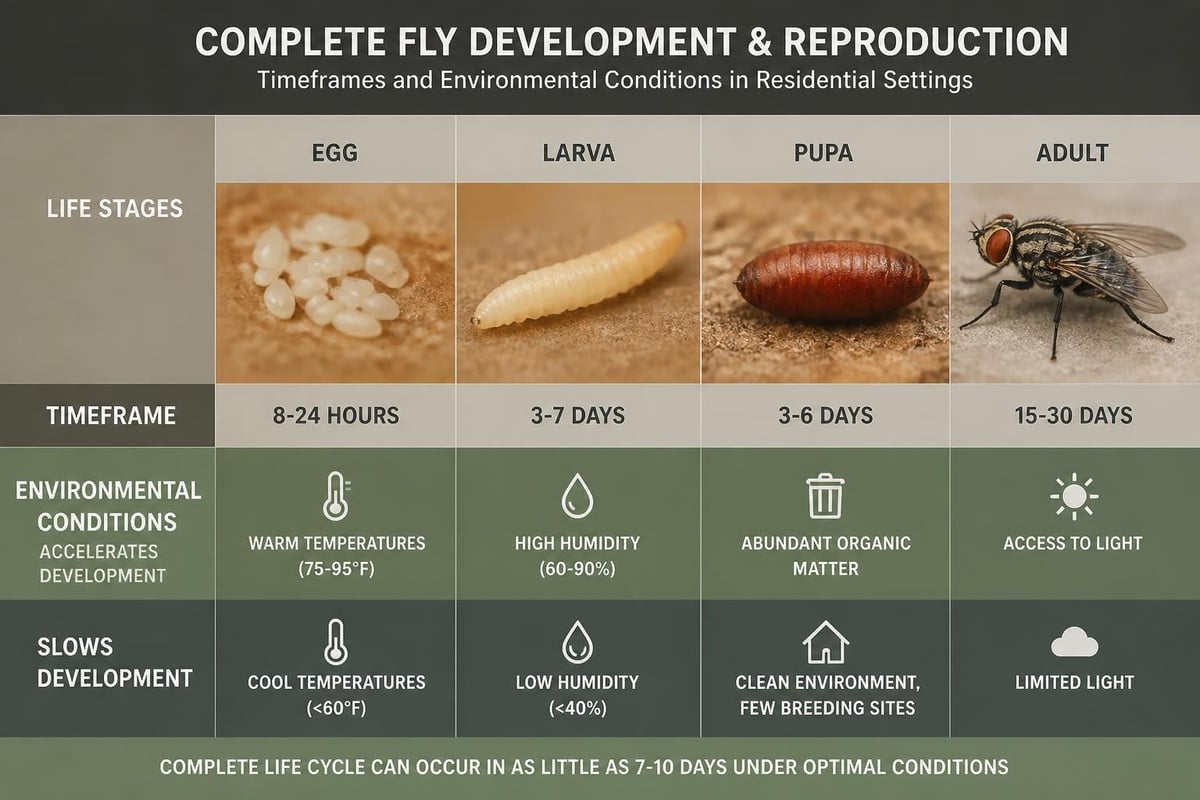
Before implementing control measures, identifying the fly species is essential. House flies, fruit flies, drain flies, and blow flies each require different approaches. House flies (Musca domestica) breed in organic waste and garbage, completing their life cycle in as little as seven days under ideal conditions. Fruit flies gravitate toward fermenting produce and can reproduce in the film inside beverage containers or recycling bins.
Drain flies develop in the biofilm lining pipes and drains, making structural sanitation critical. Blow flies typically indicate the presence of dead animals or sewage issues that require immediate attention.
Key biological factors affecting fly control:
- Reproduction rate: A single female house fly can lay up to 500 eggs in her lifetime
- Development speed: Warm temperatures accelerate fly life cycles dramatically
- Feeding habits: Adult flies regurgitate on food to liquefy it before consumption
- Disease transmission: Flies mechanically carry pathogens on their bodies and in their digestive systems
- Resting behavior: Most species rest on vertical surfaces overnight, making evening treatments more effective
Understanding these patterns allows pest control professionals in Richmond VA to time interventions when flies are most vulnerable and breeding sites are most accessible.
Sanitation: The Foundation of Fly Control
The best way to kill flies starts with eliminating their breeding sites. No chemical treatment can overcome poor sanitation. Flies require organic matter to complete their life cycle, and removing these resources forces populations to collapse naturally.
Outdoor Sanitation Priorities
Garbage management represents the single most important outdoor factor. Store trash in containers with tight-fitting lids, clean bins weekly with soap and water, and ensure pickup occurs regularly. Compost piles should be properly maintained with correct carbon-to-nitrogen ratios and adequate turning to generate heat that kills fly larvae.
Pet waste must be removed daily from yards. A single dog dropping can produce hundreds of flies within a week during Richmond's humid summers. Locate animal waste disposal away from structures and ensure proper containment.
Address standing water and drainage issues promptly. Clogged gutters, bird baths, and low spots in landscaping create ideal breeding conditions for certain fly species.
| Outdoor Breeding Site | Elimination Method | Inspection Frequency |
|---|---|---|
| Trash containers | Sealed lids, weekly cleaning | Daily visual check |
| Compost bins | Proper layering, turning, covering | Weekly |
| Pet waste | Daily removal, proper disposal | Daily |
| Standing water | Drainage correction, emptying | After rain events |
| Lawn clippings | Proper disposal or composting | After each mowing |
Indoor Sanitation Standards
Kitchen cleanliness directly correlates with fly activity. Wipe counters immediately after food preparation, sweep floors daily, and empty trash before it overflows. Store produce in refrigerators rather than on counters, and inspect incoming groceries for hitchhiking fruit flies.
Drain maintenance prevents drain fly infestations. Monthly cleaning with enzymatic drain cleaners breaks down organic buildup where larvae develop. Mechanical brushing of drain interiors proves more effective than pouring boiling water alone.
Commercial kitchens and multifamily properties face unique challenges requiring professional-grade sanitation protocols. The U.S. EPA resources on integrated pest management provide housing managers with evidence-based strategies for reducing fly populations through environmental modifications.
Physical Exclusion and Barriers
Preventing fly entry costs less and proves more sustainable than constantly treating active infestations. Physical barriers work 24/7 without resistance issues or recurring chemical applications.
Structural exclusion checklist:
- Install tight-fitting screens on all windows and doors (16-mesh or finer)
- Repair torn or damaged screens immediately
- Install door sweeps on exterior doors
- Seal cracks and gaps around utility penetrations
- Ensure proper weatherstripping on all entry points
- Install air curtains at high-traffic commercial entrances
- Keep doors and windows closed when possible
Screen maintenance requires regular inspection. Even small tears allow fly entry. Commercial establishments in Richmond VA should inspect screens monthly during warm months and quarterly during winter.
Air curtains create a barrier of moving air that discourages fly entry through frequently opened doors. These prove particularly valuable for restaurants, warehouses, and retail locations where doors remain open for extended periods.
Proper building maintenance extends beyond visible openings. Crawl spaces with inadequate vapor barriers create moisture issues that attract flies and support breeding. Professional crawl space encapsulation services address the humidity and organic debris that create ideal fly habitat beneath homes, particularly in Richmond's humid climate where moisture problems are common.
Mechanical and Physical Control Methods
Non-chemical approaches form an important component of integrated fly management. These methods work immediately, leave no residues, and face no resistance development.
Fly Swatters and Manual Removal
The humble fly swatter remains effective for small numbers of flies. Swat flies against hard surfaces using quick, decisive strikes. Approach resting flies slowly from behind their line of sight. Manual removal works best as a supplemental method rather than primary control strategy.
Traps and Monitoring Devices
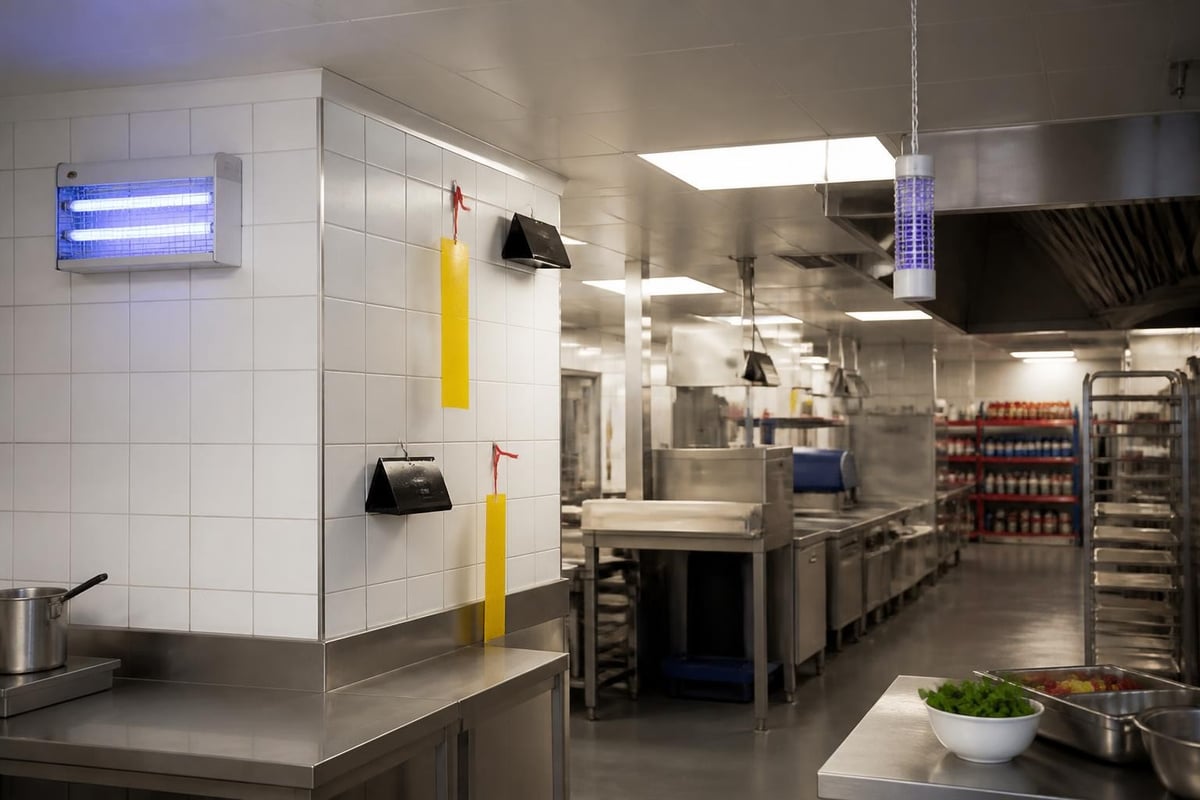
Sticky fly ribbons capture flies through adhesive surfaces. Hang ribbons in areas with high fly activity but away from food preparation zones. Replace when covered with flies or dust reduces stickiness.
Ultraviolet light traps attract flies to electrocuting grids or sticky boards. Position these devices strategically:
- Mount 4-6 feet above floor level
- Place perpendicular to windows to intercept flies moving toward light
- Install away from competing light sources
- Locate devices where they won't attract flies from outdoors
- Clean and maintain units according to manufacturer specifications
Research published in Entomology Today on sticky traps demonstrates their value not only for capture but for monitoring population trends and identifying fly species present in a structure.
Vacuum Collection
HEPA-filter vacuums effectively remove adult flies from windows, walls, and resting surfaces. This method proves particularly useful for large numbers of cluster flies or fruit flies. Empty vacuum contents into sealed bags and dispose of promptly to prevent escape.
Chemical Control Options
When populations exceed management thresholds or other methods prove insufficient, insecticides provide rapid knockdown. The best way to kill flies often involves targeted chemical applications as part of a comprehensive integrated pest management program.
Residual Insecticides
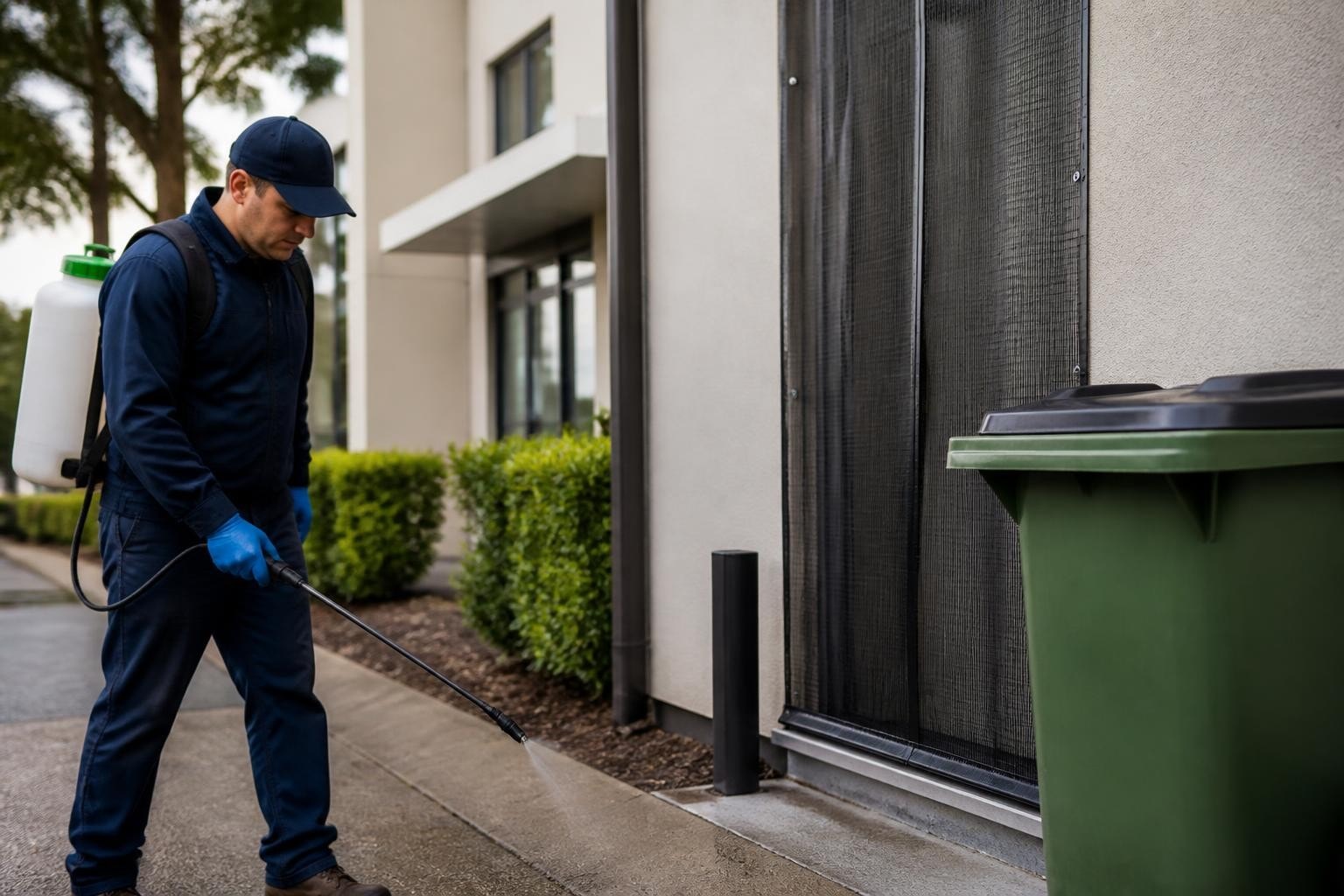
Residual sprays applied to fly resting surfaces continue killing for weeks after application. Spray vertical surfaces where flies land: around doorframes, along baseboards, near garbage areas, and on exterior walls near entry points.
Effective residual insecticide active ingredients:
- Pyrethroids (permethrin, cyfluthrin, lambda-cyhalothrin)
- Neonicotinoids (imidacloprid)
- Insect growth regulators (cyromazine, methoprene)
The EPA pesticide registration process ensures these products meet safety standards when used according to label directions. Always read and follow label instructions exactly.
Application technique matters significantly. Use appropriate personal protective equipment, apply during low-traffic periods, and ensure adequate ventilation. Target surfaces where flies rest rather than broad-area applications that waste product and increase environmental exposure.
Space Sprays and Aerosols
Aerosol treatments provide immediate knockdown of adult flies. These products work best in enclosed spaces where droplets remain airborne long enough to contact flying insects. Space sprays kill only adult flies present during application and provide no residual control.
Reserve aerosols for severe infestations requiring immediate reduction or as supplemental treatments before events at commercial facilities. Combine with residual applications for comprehensive control.
Insecticide Resistance Management
House fly populations worldwide have developed resistance to multiple insecticide classes. A systematic review on insecticide resistance in house flies documents resistance mechanisms that render certain products ineffective in heavily treated areas.
Resistance management strategies:
- Rotate between different insecticide classes rather than using the same product repeatedly
- Combine chemical treatments with sanitation and exclusion for reduced reliance on insecticides
- Apply products at labeled rates without reducing concentrations
- Focus applications on breeding sites and resting areas rather than broad treatments
- Monitor treatment effectiveness and adjust approaches when efficacy declines
Professional pest control services maintain access to commercial-grade products and stay current on resistance patterns affecting Richmond VA populations.
Baits and Feeding Attractants
Fly baits combine attractants with insecticides. Granular baits applied to outdoor surfaces near garbage or composting areas draw flies to feed on poisoned material. Liquid baits painted onto surfaces work similarly.
Scatter granular baits in areas inaccessible to children and pets. Reapply after rain or heavy dew. Rotate bait active ingredients to prevent resistance and maintain effectiveness.
| Control Method | Speed of Action | Residual Effect | Best Application | Resistance Risk |
|---|---|---|---|---|
| Residual sprays | Hours | 2-4 weeks | Resting surfaces | Moderate-High |
| Space sprays | Immediate | None | Flying adults only | High if overused |
| Baits | Hours-Days | Until consumed | Outdoor feeding areas | Moderate |
| IGRs | Days-Weeks | 4-8 weeks | Breeding sites | Low |
| Biological controls | Days | Ongoing | Manure/compost | None |
Biological Control and Natural Approaches
Natural enemies of flies provide suppression without chemicals or resistance concerns. While biological control rarely eliminates infestations alone, it contributes to long-term population management.
Parasitoid Wasps
Several tiny wasp species parasitize fly pupae. Commercially available parasitoids like Muscidifurax and Spalangia species can be released near livestock facilities or composting operations. These beneficial insects pose no threat to humans, pets, or other organisms.
Release parasitoids according to supplier recommendations, typically weekly during warm months. Monitor fly and parasitoid populations to assess program effectiveness.
Predatory Insects
Beetles, mites, and other predators consume fly eggs and larvae in manure and compost. Maintaining diverse beneficial insect populations requires limiting broad-spectrum insecticide use in breeding areas.
Bacterial Insecticides
Bacillus thuringiensis israelensis (Bti) targets fly larvae in aquatic breeding sites. Apply Bti products to standing water, drains, and other larval habitats. This biological insecticide affects only dipteran larvae and breaks down rapidly in the environment.
Professional Pest Control Services
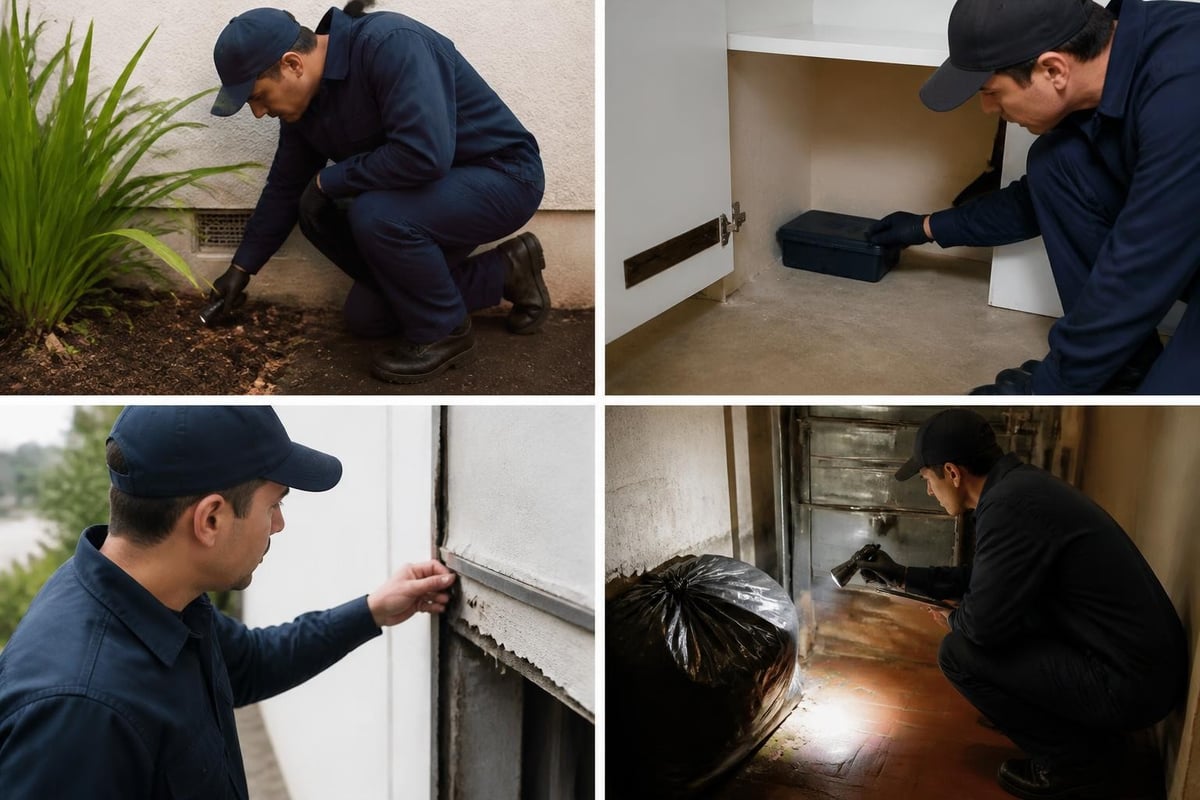
Complex or persistent fly infestations often require professional intervention. Trained pest control technicians in Richmond VA bring expertise in species identification, treatment selection, and integrated management approaches that homeowners struggle to implement effectively.
Professional services offer several advantages. Technicians access commercial-grade products unavailable to consumers, apply treatments with specialized equipment that ensures proper coverage, and design customized programs addressing specific property conditions.
Pest control services combine inspection, treatment, and follow-up monitoring to ensure fly populations remain below nuisance thresholds. Professionals document findings, track treatment outcomes, and adjust approaches based on results rather than applying one-size-fits-all solutions.
When to contact professional pest control:
- Fly populations persist despite sanitation improvements and exclusion efforts
- Multiple fly species present simultaneously
- Commercial facilities requiring regulatory compliance
- Suspected breeding sites in inaccessible areas like wall voids or beneath structures
- Need for documentation and treatment records for property management
- Recurrent infestations suggesting structural or drainage issues
The World Health Organization guidance on vector control emphasizes integrated approaches combining environmental management, chemical control, and community participation for sustainable fly management.
Seasonal Fly Management in Richmond VA
Richmond's climate creates distinct seasonal fly pressure patterns. Humid summers with average high temperatures in the upper 80s F accelerate fly reproduction dramatically. Understanding these patterns allows property owners to implement preventive measures before populations explode.
Spring Preparation (March-May)
Inspect and repair screens before warm weather arrives. Clean gutters to eliminate organic debris and standing water. Establish sanitation routines including regular trash removal and drain cleaning. Install or service UV traps before fly season peaks.
Early-season monitoring detects emerging populations while numbers remain low. Sticky ribbons placed in likely breeding areas provide early warning of increasing activity.
Summer Peak Management (June-September)
Fly populations peak during Richmond's hot, humid summer months. Intensify sanitation efforts, inspect properties weekly for breeding sites, and maintain exclusion barriers rigorously. Consider professional treatments for commercial properties where fly presence impacts customer experience or regulatory compliance.
Outdoor events and gatherings require additional preparation. Position fans to create air movement that impedes fly flight, cover food immediately, and remove garbage frequently throughout events.
Fall and Winter Considerations (October-February)
Cooler temperatures reduce fly reproduction but don't eliminate all species. Cluster flies invade structures seeking overwintering sites. Seal entry points before fall migration begins, typically in September and October.
Drain flies remain active year-round in heated buildings. Continue monthly drain maintenance regardless of season. Inspect for moisture issues that support winter fly activity.
Fly Control for Commercial Properties
Restaurants, warehouses, food processing facilities, and healthcare properties face unique fly control challenges. Customer expectations, regulatory requirements, and operational constraints demand comprehensive management programs that prevent fly presence entirely.
Restaurant and Food Service
Food establishments cannot tolerate visible fly activity. Comprehensive programs include staff training on sanitation protocols, daily inspection routines, and documented treatment records. Air curtains at receiving doors, screened windows, and UV traps positioned strategically create multiple barriers to fly entry.
The best way to kill flies in food service involves preventing their presence through environmental management rather than relying on chemical treatments that create regulatory and perception issues.
Healthcare and Assisted Living
Healthcare facilities require fly control methods that minimize patient exposure to insecticides while maintaining rigorous sanitation standards. Non-chemical approaches including enhanced screening, air curtains, and intensive environmental management prove essential.
Multifamily Housing
Apartment complexes and multifamily properties face challenges coordinating fly control across multiple units. Individual resident behaviors impact building-wide fly pressure. Property managers should implement:
- Centralized garbage collection with sealed containers and frequent pickup
- Regular drain cleaning in common areas
- Inspection programs identifying units with sanitation issues
- Resident education on prevention practices
- Professional treatment programs for common areas and building exteriors
Consistent enforcement of sanitation standards across all units prevents localized infestations from spreading throughout properties.
Targeted Approaches for Specific Fly Species
Different fly species require customized control strategies based on their unique biology and breeding habits.
House Fly Control
House flies breed in garbage, animal waste, and decaying organic matter. Focus sanitation on waste management, clean animal enclosures daily, and ensure proper composting practices. Residual insecticide applications to outdoor resting surfaces reduce adult populations.
Fruit Fly Elimination
Fruit flies complete their life cycle in fermented organic matter. Eliminate all overripe produce, clean drains thoroughly, and inspect recycling containers for residual beverages. Baited traps using apple cider vinegar capture adults while sanitation eliminates breeding sites.
Fruit fly infestations often trace to unexpected sources: recyclables, garbage disposals, mop buckets, and floor drains. Systematic inspection of all potential breeding sites proves essential.
Drain Fly Management
Drain flies require physical removal of biofilm breeding sites. Enzyme cleaners digest organic material, but severe infestations require mechanical brushing or hydro-jetting to remove established biofilm. Regular maintenance prevents recurrence more effectively than reactive treatments.
Blow Fly Investigations
Blow fly presence indoors typically indicates dead animals in walls, attics, or crawl spaces. Locate and remove carcasses before treating for flies. These flies also breed in garbage with meat or fish waste, requiring enhanced sanitation around trash areas.
Monitoring and Evaluation
Systematic monitoring determines whether fly control programs achieve desired outcomes. Establish baseline population levels, implement control measures, and track results over time.
Monitoring tools and metrics:
- Sticky ribbon counts per week
- UV trap catch numbers
- Visual observation logs during inspections
- Customer or resident complaint frequency
- Food safety audit findings
- Regulatory inspection results
Adjust programs based on monitoring data rather than calendar schedules. Increase treatment intensity when monitoring indicates rising populations, and reduce interventions when populations remain below thresholds.
Treatment thresholds vary by property type. Residential properties might tolerate occasional flies, while healthcare facilities require near-zero tolerance. Establish appropriate thresholds based on property use, regulatory requirements, and customer expectations.
The WHO guidance on indoor residual spraying emphasizes data-driven approaches to vector control, principles equally applicable to nuisance fly management in residential and commercial settings.
Long-Term Prevention Strategies
Sustainable fly control requires ongoing commitment to the practices that prevent infestations rather than reacting to established populations. Building these practices into property maintenance routines creates long-term protection.
Develop written sanitation protocols specifying cleaning frequencies, responsible parties, and inspection schedules. Train all relevant staff or household members on their roles in fly prevention. Review and update protocols based on monitoring results and changing conditions.
Schedule seasonal inspections before fly season peaks. Spring inspections identify and correct structural issues before summer populations explode. Fall inspections prepare properties for overwintering pest species seeking indoor harborage.
Invest in infrastructure improvements that eliminate chronic fly breeding sites. Proper drainage prevents standing water, sealed garbage enclosures contain odors and access, and building envelope repairs eliminate entry points permanently.
Consider vegetation management around structures. Certain plants attract flies while others repel them. Maintain landscaping to prevent moisture accumulation against foundations and ensure adequate drainage away from structures.
Integration with Comprehensive Pest Management
Fly control rarely exists in isolation. Properties with fly issues often harbor other pest problems sharing similar contributing factors. Moisture issues attracting flies also support cockroaches, silverfish, and other moisture-loving pests. Sanitation deficiencies enabling fly breeding provide food and harborage for rodents and ants.
Comprehensive pest management programs address multiple pest types through coordinated strategies. Crawl space improvements that reduce humidity benefit fly control while preventing termite activity and discouraging rodent nesting. Proper waste management that limits fly breeding simultaneously denies food sources to rodents, raccoons, and other wildlife.
Property owners in Richmond VA benefit from working with pest control professionals offering integrated services addressing the full spectrum of pest pressures. Coordinated approaches prove more cost-effective and sustainable than addressing each pest problem independently.
Effective fly control combines immediate elimination tactics with long-term prevention strategies tailored to your property's specific conditions and the fly species present. The best way to kill flies integrates sanitation, exclusion, monitoring, and targeted treatments into a comprehensive program that addresses root causes rather than merely reacting to visible fly activity. For property owners in Richmond VA struggling with persistent fly problems or seeking professional guidance on implementing integrated fly management programs, SanPro provides expert pest control services backed by decades of experience addressing the unique challenges of pest management in Central Virginia's climate and building conditions.