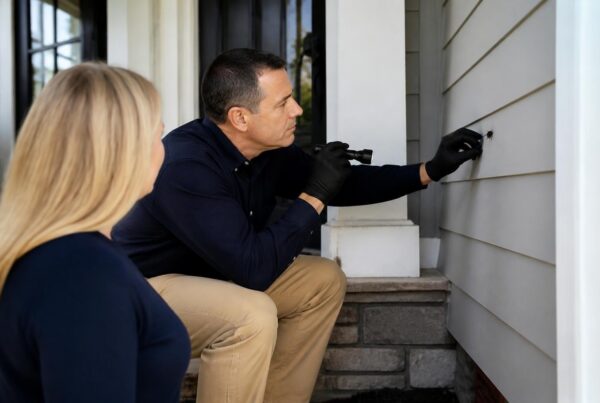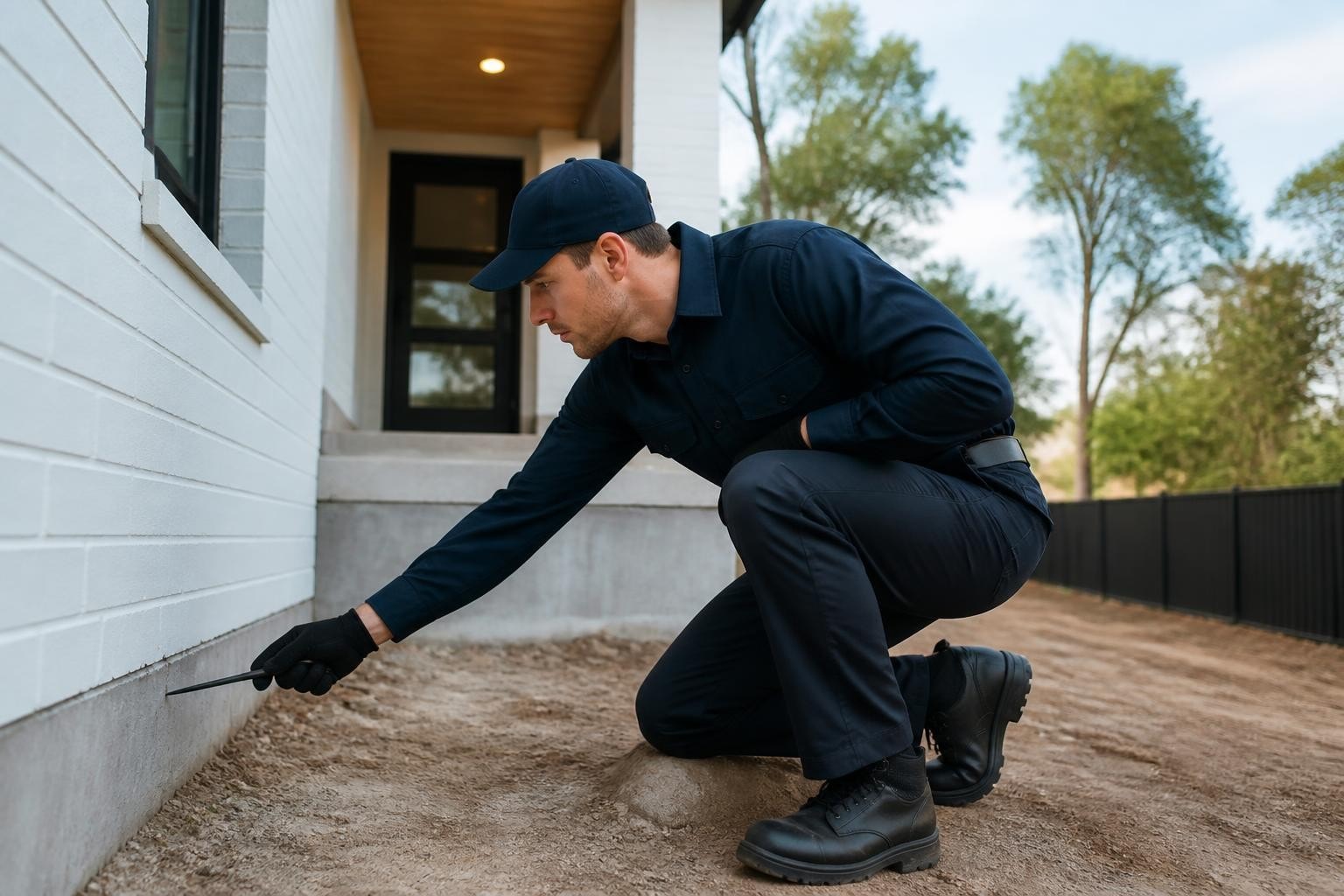
Moving into a newly constructed home represents an exciting milestone, but many homeowners overlook a critical protection step that should happen before the first piece of furniture arrives. New home pest control establishes the foundation for long-term protection against common invaders like termites, rodents, and insects. While fresh construction may seem pristine and pest-free, new homes actually present unique vulnerabilities that require professional attention from the start. Understanding these risks and implementing preventive measures now can save thousands in future damage and ensure your Richmond VA property remains a healthy, comfortable environment for years to come.
Why New Construction Needs Immediate Pest Protection
New homes face distinct pest challenges that differ significantly from established properties. Construction sites attract pests long before the final walk-through, and building materials themselves can harbor unwanted visitors.
During the construction phase, exposed wood framing, open walls, and accessible foundations create invitations for termites and carpenter ants. Subterranean termites, particularly active in Virginia's humid climate, begin establishing colonies in the soil around new foundations as soon as conditions permit. Without preemptive treatment, these colonies can access untreated wood within months of construction completion.
Fresh lumber and building materials often contain moisture that attracts wood-destroying insects. Even properly dried materials can accumulate condensation during construction delays or inclement weather. This moisture creates ideal conditions for beetles, silverfish, and other pests seeking harborage.
The landscaping process introduces additional risks. Excavation, grading, and mulching activities disturb existing pest populations in the soil, potentially driving them toward the new structure. Ants, spiders, and ground beetles naturally migrate toward the shelter and microclimates created by fresh foundations and newly installed drainage systems.
Construction Gaps and Entry Points
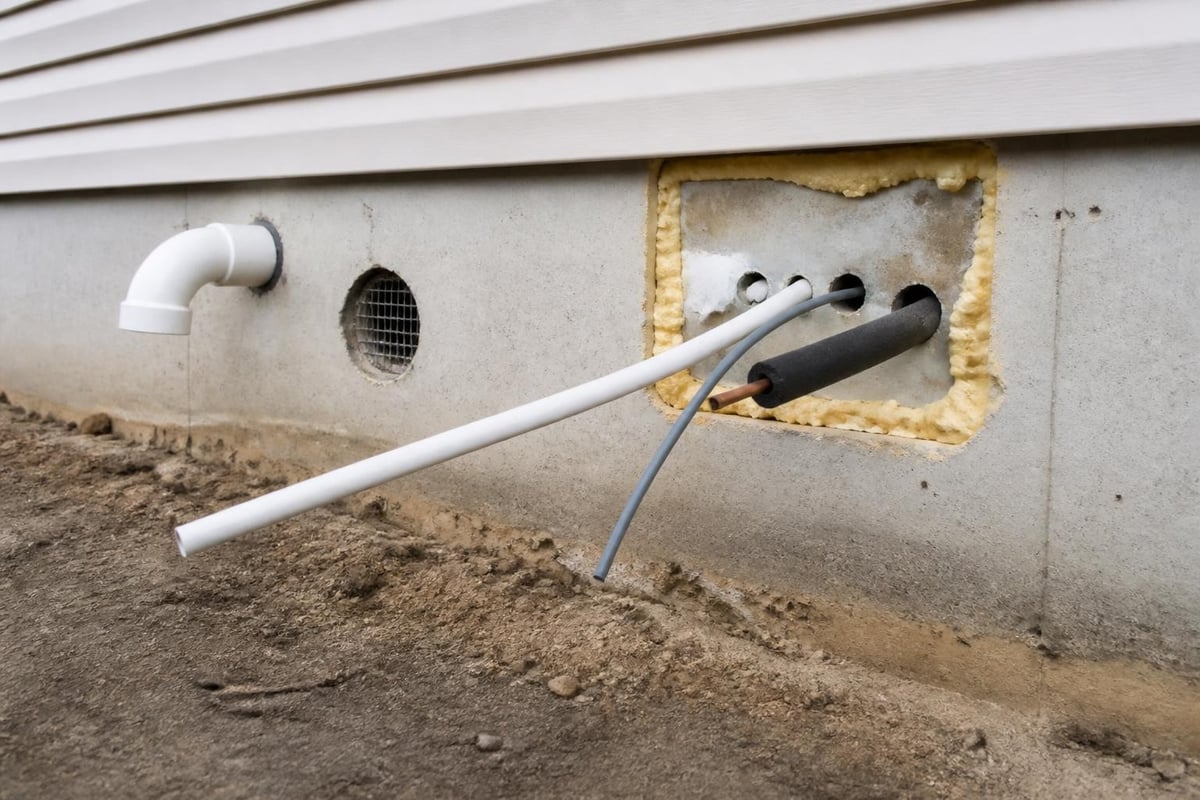
Modern building codes emphasize energy efficiency, but the same features that seal in climate control can inadvertently create pest highways if not properly addressed. Gaps around utility penetrations, HVAC installations, and plumbing entries provide direct access routes for mice, rats, and crawling insects.
New homes typically include:
- Electrical conduit passages through foundation walls
- Plumbing stack penetrations in roof lines
- HVAC ductwork connections in crawl spaces
- Dryer vent installations with inadequate dampers
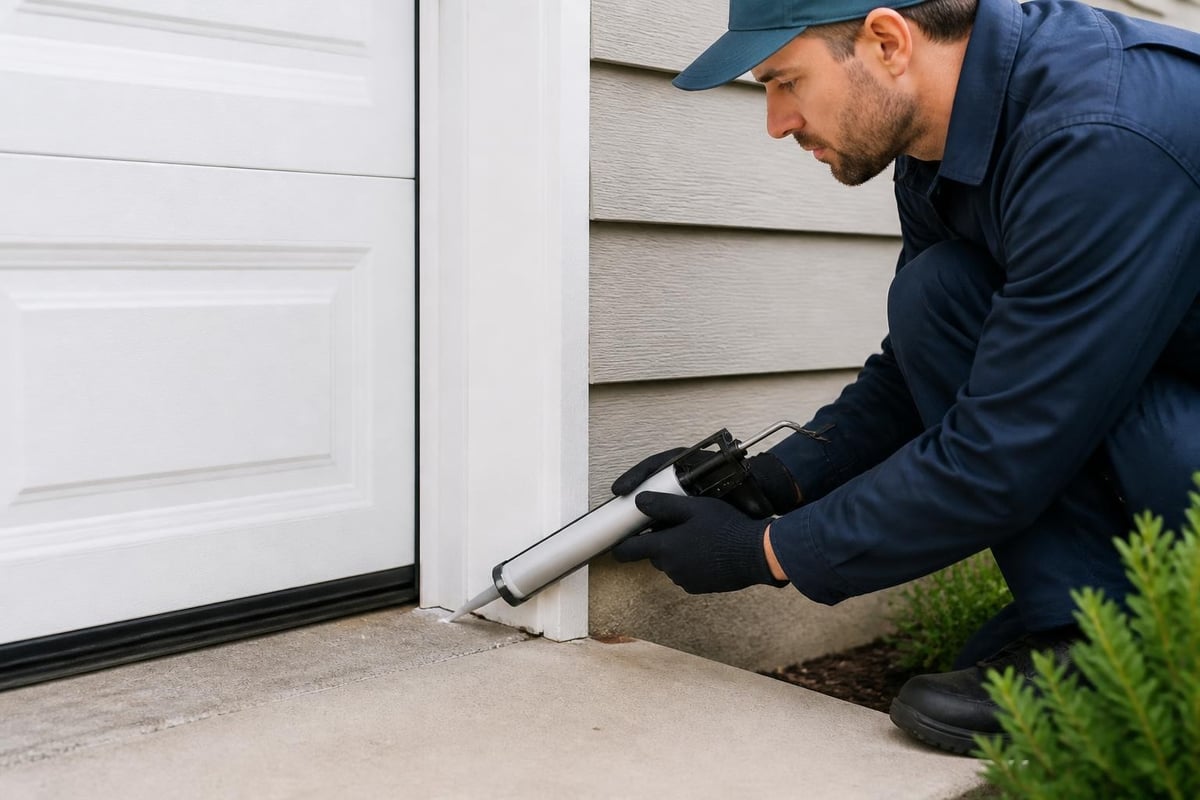
- Garage door seals that settle unevenly
- Foundation weep holes lacking proper screening
Each opening represents a potential entry point that requires inspection and sealing as part of comprehensive new home pest control. Professional exterminators in Richmond VA identify these vulnerabilities during pre-occupancy evaluations, addressing them before pest populations establish themselves indoors.
Strategic Timing for New Home Pest Control Services
The construction timeline offers multiple intervention points, each providing specific advantages for long-term pest prevention. Understanding when to schedule treatments maximizes effectiveness while minimizing future intrusion risks.
Pre-pour foundation treatments represent the first line of defense against subterranean termites. Applied to the soil before concrete slab installation, these EPA-registered termiticides create a chemical barrier that prevents colony formation near the structure. The NC State Extension provides detailed guidance on termite-prevention approaches for new construction, emphasizing the importance of this preliminary step.
Post-construction, pre-occupancy treatments offer the most comprehensive protection opportunity. With empty rooms, accessible crawl spaces, and unfinished basements, pest control professionals can apply treatments to areas that become difficult to reach once homeowners move in and furnish spaces.
| Treatment Timing | Primary Benefits | Target Pests | Accessibility Advantages |
|---|---|---|---|
| Pre-pour foundation | Soil barrier creation | Subterranean termites | Direct soil treatment before concrete |
| Rough-in stage | Wall void access | Carpenter ants, beetles | Open wall cavities, exposed framing |
| Pre-occupancy | Comprehensive coverage | All structural pests | Empty rooms, attic access, crawl space entry |
| Post-move quarterly | Monitoring, maintenance | Seasonal invaders | Established baseline for comparison |
The First 90 Days Protection Window
The initial three months of new home ownership present the optimal window for establishing integrated pest management protocols. During this period, homeowners should prioritize both professional treatments and environmental modifications that discourage pest establishment.
Professional pest control services during the first 90 days should include perimeter barrier applications, interior crack-and-crevice treatments, and moisture source identification. These services work in concert with homeowner actions like proper storage setup, landscaping adjustments, and sanitation practices.
Early detection systems prove particularly valuable during this establishment phase. Monitoring stations placed around the foundation perimeter track termite activity before colonies reach destructive population levels. Sticky traps in basements and crawl spaces reveal insect entry patterns, allowing targeted sealing of specific access points.
Foundation and Structural Vulnerability Assessment
New homes require thorough structural evaluation to identify pest risk factors that may not be apparent during standard home inspections. Professional pest control experts in Richmond VA conduct multi-point assessments that examine both visible features and hidden vulnerabilities.
Foundation inspections focus on soil-to-wood contact points, drainage patterns, and vegetation proximity. Improper grading that slopes toward the foundation creates moisture accumulation zones where termites and carpenter ants thrive. Even minor grade deviations of one or two degrees can channel rainfall directly against foundation walls, saturating the soil and attracting moisture-seeking pests.
Crawl space conditions heavily influence overall pest pressure throughout the home. Virginia's humidity creates challenging conditions in these below-grade areas, where poor ventilation and standing water produce ideal breeding grounds for multiple pest species. The USDA Forest Service publication on preventing subterranean termite problems details how crawl space moisture management directly impacts termite risk factors.
Critical Inspection Points for New Construction
Comprehensive new home pest control assessments examine specific construction features that influence long-term pest pressure:
- Slab penetrations where utilities enter the building
- Expansion joints in concrete foundations and walkways
- Brick veneer weep holes requiring screen installation
- Window and door frame gaps showing settling or poor installation
- Attic ventilation adequacy affecting moisture and temperature
- Gutter and downspout functionality managing water away from foundations
- Basement window wells needing covers and drainage
- Deck and porch attachments creating wood-to-ground contact
Each inspection point receives documentation with photographic evidence, allowing homeowners to track changes over time and verify that contractors address identified concerns.
Integrated Pest Management for New Homeowners
Modern new home pest control emphasizes prevention through environmental management rather than relying solely on chemical applications. The EPA’s Integrated Pest Management principles provide a framework that balances effectiveness, safety, and environmental responsibility.
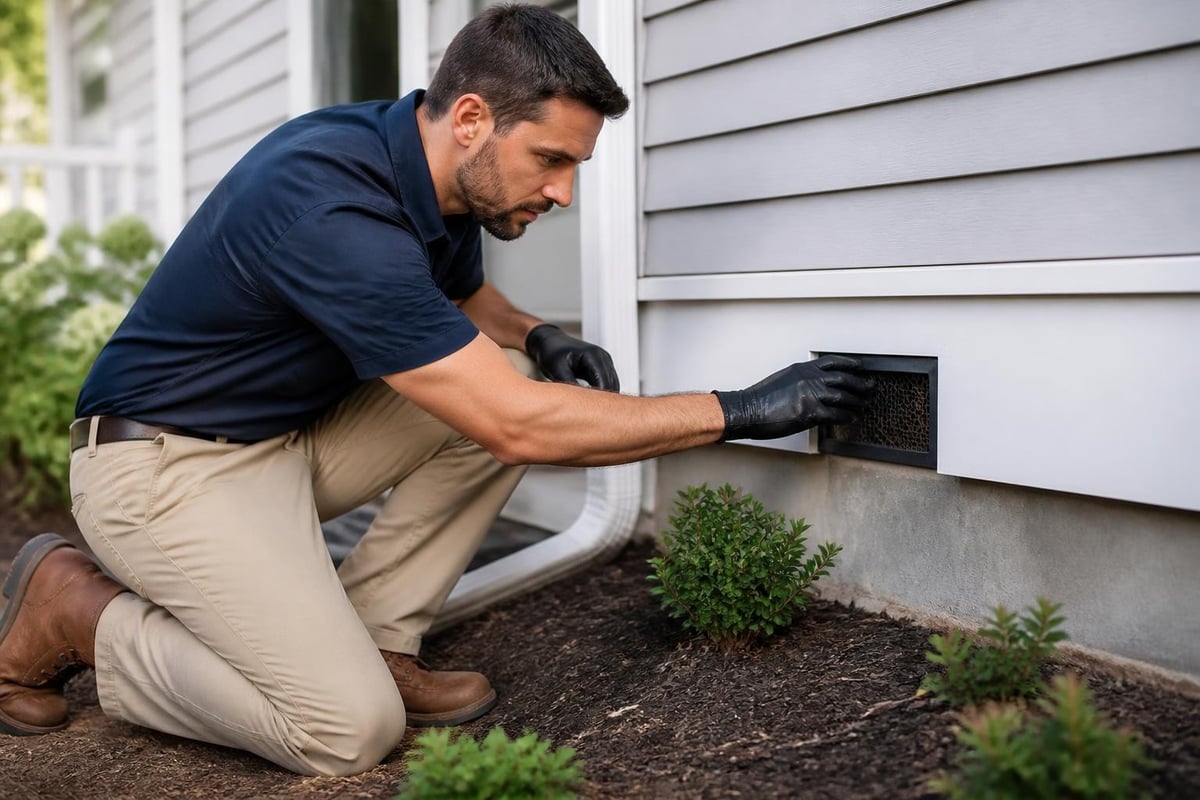
IPM strategies for new homes begin with exclusion, the practice of physically blocking pest entry routes. This approach delivers permanent results without ongoing chemical applications, making it both cost-effective and environmentally sound. Common exclusion methods include installing door sweeps, sealing utility penetrations with expanding foam or copper mesh, screening foundation vents, and caulking window frame gaps.
Sanitation practices prevent food and water sources that attract pests indoors. In new homes, establishing proper storage habits from day one eliminates the accumulation patterns that develop over years of occupancy. Sealed containers for pantry items, prompt cleanup of spills, and regular removal of cardboard boxes deny pests the resources they need to establish populations.
Environmental Modifications That Discourage Pests
Landscape design choices significantly impact pest pressure on new homes. Strategic plant selection, mulch depth management, and vegetation spacing create natural barriers against common invaders.
- Maintain 12-18 inches of clearance between mulch and foundation walls
- Choose plants with low moisture requirements for foundation beds
- Install rock or gravel barriers in high-splash zones
- Trim tree branches to prevent roof and siding contact
- Remove decorative wood features touching soil surfaces
- Grade soil away from foundations at minimum 5% slope
- Install splash blocks or extensions on downspouts
These modifications complement professional treatments, creating multiple defensive layers that reduce reliance on chemical interventions. The University of California’s urban IPM guidance provides research-backed recommendations for structural pest prevention through landscape management.
Termite Prevention in New Richmond VA Homes
Termite protection deserves special attention in Virginia's climate, where humidity and mild winters support year-round colony activity. New home pest control programs must include comprehensive termite prevention strategies that address both subterranean and drywood species.
Subterranean termites, the most destructive species in the Richmond area, require contact with soil moisture to survive. They construct mud tubes to traverse exposed areas between soil and wood, making foundation perimeters the primary defensive zone. Pre-construction soil treatments create chemical barriers that either kill termites on contact or repel them from treated zones.
Modern termiticides offer extended protection periods, with some formulations remaining effective for over ten years when properly applied. These treatments use significantly lower toxicity levels than historical options, targeting insect nervous systems while posing minimal risk to mammals, birds, and beneficial insects.
| Treatment Type | Application Method | Protection Duration | Best Use Case |
|---|---|---|---|
| Liquid termiticides | Soil drench, trenching | 5-10 years | Pre-construction, perimeter defense |
| Bait stations | Monitoring posts with active ingredients | Ongoing (requires monitoring) | Post-construction, colony elimination |
| Physical barriers | Mesh, sand particles | Permanent | New construction, supplement to chemical |
| Borate treatments | Wood application | Permanent (in protected areas) | Exposed framing, crawl space joists |
Monitoring Systems and Early Detection
Even with preventive treatments, ongoing monitoring provides early warning of termite activity before damage occurs. Professional monitoring programs include quarterly inspections of key risk zones and annual comprehensive evaluations.
Termite monitoring stations placed around the foundation perimeter contain wood or cellulose material that attracts foraging termites. During routine inspections, pest control technicians check stations for activity, replacing consumed material and noting patterns that indicate nearby colony locations.
Advanced monitoring technologies now include acoustic sensors that detect termite feeding vibrations within wall voids and electronic moisture meters that identify conditions conducive to termite activity. These tools allow Richmond VA pest exterminators to pinpoint problem areas without invasive exploratory procedures.
The Mississippi State University Extension guide on protecting houses from termites emphasizes that monitoring should begin immediately after construction, not years into ownership when damage may already be extensive.
Rodent Exclusion and Prevention Strategies
Mice and rats present year-round challenges in Virginia, with population pressures increasing during fall and winter months as outdoor food sources diminish. New home pest control programs must address rodent risks through comprehensive exclusion and environmental management.
Rodents possess remarkable entry capabilities, squeezing through openings as small as one-quarter inch for mice and one-half inch for rats. New construction offers the ideal opportunity to seal potential entry points before rodents discover them, preventing the establishment of indoor populations that can persist for years once established.
Common rodent entry points in new homes include:
- Garage door gaps where doors don't seal properly to floors
- Utility line penetrations lacking proper sealing materials
- Dryer vent terminations with broken or missing dampers
- Foundation cracks wider than one-eighth inch
- Roof-soffit intersections with construction gaps
- Attic ventilation screens with damaged mesh
- Crawl space access doors without weather stripping
Professional exclusion services identify and seal these vulnerabilities using materials rodents cannot chew through, including copper mesh, steel wool, sheet metal, and commercial-grade sealants. Unlike temporary fixes with spray foam alone, proper exclusion combines multiple materials to create permanent barriers.
Attic and Crawl Space Considerations
These transitional spaces require special attention in new home pest control programs. Both areas typically experience minimal human traffic, allowing rodent populations to establish undetected until damage or odors become noticeable.
Attic inspections should verify proper insulation installation without gaps that create rodent highways. Displaced or compressed insulation often indicates rodent traffic patterns, while droppings, urine stains, and nesting materials confirm active infestations. For homes in Richmond VA, professional insulation services can address both pest prevention and energy efficiency, particularly when dealing with rodent issues that compromise insulation integrity.
Crawl spaces present moisture challenges that attract both pests and the conditions they require. Proper vapor barriers, adequate ventilation, and moisture source elimination create environments hostile to pest establishment. Many homeowners benefit from comprehensive crawl space encapsulation that addresses structural protection, pest prevention, and indoor air quality simultaneously.
Seasonal Pest Patterns and Preventive Scheduling
Virginia's climate produces distinct seasonal pest pressures that inform optimal treatment timing for new home pest control. Understanding these patterns allows homeowners to implement preventive measures before pest populations surge.
Spring emergence brings increased activity from overwintering pests and new generation hatching. Ants, termites, and beetles become active as soil temperatures rise, with reproductive swarms occurring from March through June. Pre-spring treatments target these populations before colony expansion begins.
Summer months see peak activity across most pest categories. Mosquitoes, spiders, wasps, and various flying insects reach maximum population densities. Preventive treatments should be established before summer arrival to intercept populations during their growth phase rather than attempting control after peak establishment.
Fall migration patterns drive many outdoor pests indoors as temperatures drop and food sources diminish. Mice, Asian lady beetles, stink bugs, and cluster flies seek protected overwintering sites, often discovering gaps in building envelopes during this exploration phase. September and October treatments prevent indoor overwintering populations.
Year-One Treatment Calendar
A comprehensive first-year new home pest control program includes strategically timed interventions that address seasonal patterns while establishing baseline protection:
- Month 1 (Move-in): Complete structural assessment, initial perimeter treatment, interior spot treatments, termite monitoring installation
- Month 3: First follow-up inspection, reapplication of exterior barriers, crawl space evaluation
- Month 6: Mid-year comprehensive service, attic inspection, exclusion verification, treatment adjustments based on observed activity
- Month 9: Pre-winter preparation, rodent exclusion verification, overwintering pest prevention
- Month 12: Annual comprehensive review, treatment plan adjustment, extended protection scheduling
This schedule aligns with the EPA’s technical guidance on IPM in buildings, which emphasizes regular monitoring and preventive interventions over reactive treatments.
Common Mistakes in New Home Pest Management
Many homeowners underestimate pest risks in new construction, assuming that fresh materials and modern building practices provide inherent protection. This misconception leads to delayed interventions that allow pest populations to establish before treatments begin.
Waiting for visible pest problems before initiating professional services represents the most common and costly error. By the time homeowners notice termite swarmers, rodent droppings, or insect activity, populations have typically existed for weeks or months. Early damage may already be occurring in hidden areas like wall voids, crawl spaces, or beneath flooring.
Relying solely on builder-provided treatments creates false security. While many builders include basic termite pre-treatments, these applications address only one pest category and may not extend to all vulnerable areas. Comprehensive new home pest control requires broader protection targeting multiple species and entry scenarios.
DIY approaches using retail products often prove ineffective and potentially counterproductive. Over-the-counter sprays may scatter ant colonies, causing them to split into satellite populations throughout the home. Improper rodenticide placement risks secondary poisoning of pets and wildlife while failing to address entry points that allow continued rodent access.
Landscape and Yard Management Oversights
Exterior conditions heavily influence indoor pest pressure, yet many homeowners focus exclusively on interior treatments while neglecting yard maintenance practices that either attract or repel pests.
Poor drainage management tops the list of landscape-related pest attractants. Standing water in low spots, clogged gutters, and improperly graded soil create mosquito breeding sites and moisture conditions that attract termites, carpenter ants, and other wood-destroying insects. New homeowners should verify that final grading properly directs water away from foundations and that drainage systems function as designed.
Excessive mulch application against foundations provides both moisture retention and direct soil-to-wood contact that termites exploit. The standard recommendation of maintaining a 12-18 inch mulch-free zone around foundations prevents these risks while allowing inspection access to foundation walls.
Firewood storage near home exteriors attracts wood-boring beetles, termites, and rodents. Stacking firewood against exterior walls or storing it in attached garages transfers pest populations directly to the structure. Proper storage requires elevation on racks, covering to shed moisture, and placement at least 20 feet from the home.
Professional vs. DIY New Home Pest Control
While homeowners can implement many preventive practices independently, professional services provide critical expertise, access to professional-grade products, and accountability that DIY approaches cannot match.
Licensed pest control professionals possess training in pest biology, behavior patterns, and treatment methodologies that inform effective intervention strategies. This knowledge allows accurate identification of pest species, selection of appropriate treatment methods, and placement of products where they deliver maximum effectiveness with minimum environmental impact.
Professional-grade products differ significantly from retail options in concentration, formulation, and application requirements. Commercial termiticides, for example, contain active ingredients at levels unavailable to consumers, applied using specialized equipment that ensures proper coverage and penetration. These products carry EPA registrations for specific uses that require applicator certification.
The University of New Hampshire’s guidance on IPM emphasizes that while homeowners play crucial roles in sanitation and exclusion, professional expertise remains essential for comprehensive protection, particularly regarding termite prevention and structural pest management.
What to Expect from Professional Services
Quality new home pest control services include thorough documentation, transparent communication, and comprehensive coverage that extends beyond basic spray applications.
Initial inspections should include:
- Detailed property walkthrough examining all accessible areas
- Photographic documentation of conditions and findings
- Written report identifying current issues and risk factors
- Treatment recommendations with multiple approach options
- Clear pricing structure with service guarantees
- Educational discussion of homeowner maintenance responsibilities
Ongoing service agreements typically include quarterly visits with interior and exterior treatments, unlimited call-backs for covered pests between scheduled services, and annual comprehensive evaluations. These programs provide continuous protection rather than one-time reactive treatments.
Homeowners should expect pest control professionals to explain treatment methods, identify products being used, and provide safety information relevant to household occupants and pets. Transparent communication builds trust and ensures homeowners understand both the protection they're receiving and their role in maintaining a pest-resistant environment.
Special Considerations for Richmond VA Climate
Virginia's humid subtropical climate creates unique pest pressures that distinguish Richmond-area pest control from programs in drier or more northern regions. Understanding these regional factors helps homeowners implement location-appropriate protection strategies.
High humidity levels throughout much of the year create ideal conditions for moisture-dependent pests including termites, carpenter ants, silverfish, and various beetle species. Richmond's average relative humidity exceeds 70% for much of the spring, summer, and early fall, maintaining the moisture levels these pests require for survival.
Mild winter temperatures allow year-round pest activity rather than the population die-offs that occur in colder climates. Termite colonies remain active throughout winter in Virginia, continuing to feed and expand even during December and January. This continuous activity requires year-round protection rather than seasonal programs suitable for northern states.
The region's clay-heavy soils retain moisture near foundations, creating persistent favorable conditions for subterranean termites. These soil types require special consideration during pre-construction treatments, often necessitating additional application volumes to ensure adequate coverage and penetration.
Regional Pest Priorities
Richmond VA homeowners should prioritize protection against specific pests that present elevated risks in the local climate and ecosystem:
| Pest Category | Regional Risk Level | Primary Concern | Prevention Priority |
|---|---|---|---|
| Subterranean termites | Very High | Structural damage, continuous activity | Essential, immediate |
| Carpenter ants | High | Wood damage in moisture-prone areas | High priority |
| Rodents (mice, rats) | High | Year-round indoor migration | High priority |
| Mosquitoes | Very High | Health risks, outdoor quality of life | Seasonal priority |
| Bed bugs | Moderate-High | Travel-related introductions | Monitoring, awareness |
| Stinging insects | Moderate | Outdoor activity areas | Seasonal priority |
These priorities should inform treatment planning and prevention investments, ensuring resources focus on pests presenting the greatest risks to property value, structural integrity, and occupant health.
Working with a pest control company familiar with Richmond's specific challenges ensures treatments address local pest populations and seasonal patterns rather than generic approaches that may prove inadequate for regional conditions.
Long-Term Protection Planning and Maintenance
New home pest control extends beyond initial treatments to encompass ongoing maintenance, monitoring, and proactive adjustments that preserve protection as properties age and pest pressures evolve.
Establishing a relationship with a single pest control provider allows continuity of knowledge about your property's specific vulnerabilities, treatment history, and pest patterns. This ongoing relationship proves more effective than switching between providers, which requires repeated property assessments and loses the accumulated understanding of location-specific factors.
Annual comprehensive reviews should evaluate treatment effectiveness, identify new vulnerabilities created by landscape changes or home modifications, and adjust protection strategies based on observed pest trends. These evaluations document property conditions over time, creating valuable records for future reference and potential property sales.
Maintenance responsibilities include both professional services and homeowner actions. While professionals handle applications, monitoring, and technical interventions, homeowners maintain sanitation standards, report new pest activity promptly, and avoid creating conditions that undermine professional treatments.
Documentation and Record Keeping
Comprehensive pest control records provide multiple benefits throughout homeownership. Documentation should include:
- Initial inspection reports with photographs and findings
- Treatment records specifying products, application locations, and concentrations
- Monitoring station check logs showing termite activity trends
- Follow-up service notes documenting ongoing observations
- Warranty or guarantee terms for reference during claims
- Seasonal treatment schedules and completion confirmations
These records prove particularly valuable during property sales, demonstrating proactive pest management to potential buyers and supporting property valuations. Many buyers specifically request pest control history documentation during due diligence periods.
Building Envelope Integrity and Pest Resistance
The building envelope, the physical barrier separating interior conditioned space from exterior environments, serves as the primary defense against pest intrusion. New homes offer opportunities to ensure envelope integrity from the start, preventing the deterioration that creates pest entry points in older structures.
Modern construction emphasizes air sealing for energy efficiency, a practice that simultaneously enhances pest resistance when properly executed. Continuous air barriers created through careful sealing of joints, penetrations, and transitions deny pests the gaps they require for building access.
Critical envelope components requiring attention include:
- Foundation-to-framing connections with sill seal gaskets
- Window and door rough opening sealed before trim installation
- Sheathing panel joints taped or sealed per building science protocols
- Penetrations for utilities sealed with appropriate materials
- Soffit-to-wall connections properly flashed and sealed
- Chimney chases sealed at roof deck level
Professional pest control assessments verify these components' effectiveness from a pest exclusion perspective, identifying gaps that may meet energy code requirements but still allow insect or rodent entry.
Material Selection for Pest Resistance
Certain building materials and construction details inherently resist pest damage while others present vulnerabilities that require additional protection or avoidance.
Concrete and masonry foundations provide excellent resistance to rodents and termites when properly constructed without cracking. However, even small cracks or poorly sealed penetrations undermine this resistance, creating access routes for multiple pest species.
Wood components require protection appropriate to their exposure risk and accessibility. Above-grade framing in dry, conditioned spaces needs minimal additional protection, while sill plates, floor joists in crawl spaces, and exterior wood features benefit from borate treatments that prevent both termite and decay damage.
Synthetic materials including foam insulation boards, vinyl siding, and composite trim resist pest damage but may create concealed voids where pests travel undetected. Construction details should minimize these voids or provide inspection access to monitor for activity.
Establishing comprehensive pest protection during a new home's first year creates the foundation for decades of effective management with minimal future intervention needs. The combination of professional treatments targeting regional pest pressures, structural assessments identifying vulnerable areas, and homeowner maintenance practices creates multiple defensive layers that keep Richmond VA properties pest-free. Whether you're preparing for construction, recently moved in, or approaching your first anniversary in a new home, SanPro delivers the expertise, local knowledge, and comprehensive services that protect your investment from termites, rodents, and structural pests while ensuring your family enjoys a healthy, comfortable living environment.