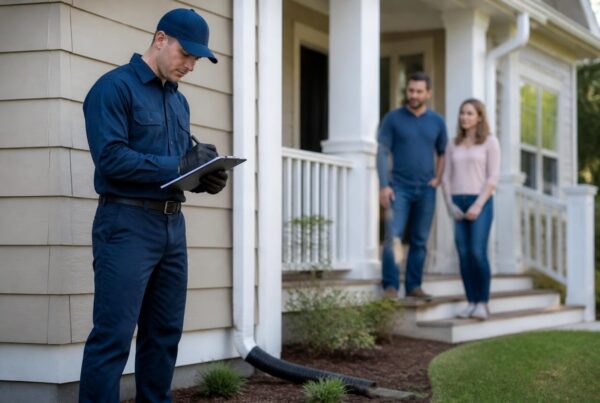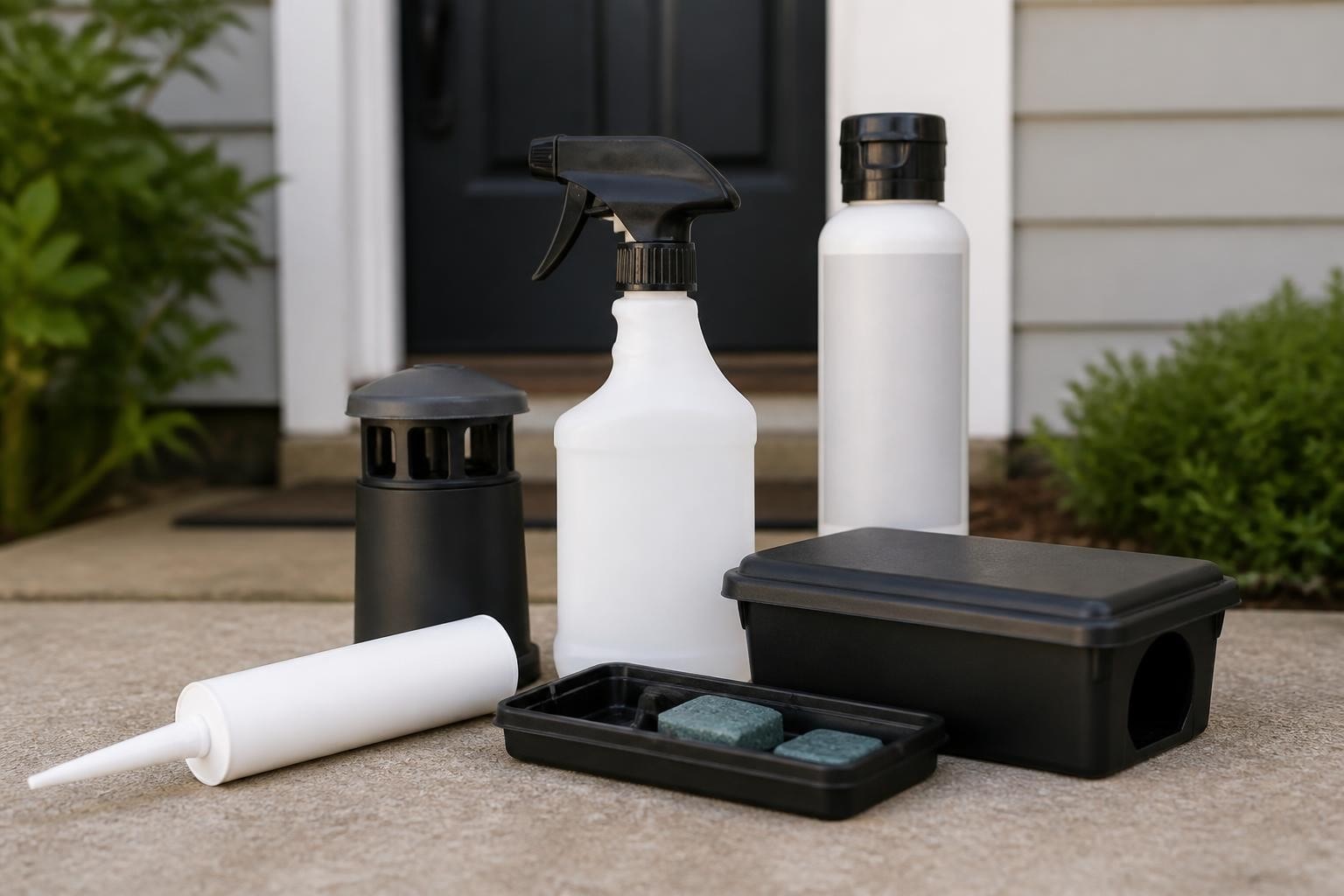
When facing unwanted invaders in your Richmond, VA home, understanding the landscape of available pest products becomes essential for protecting your property and family. Whether you're dealing with termites threatening your foundation, rodents in your attic, or bed bugs in your bedroom, the right products and application methods can make the difference between temporary relief and long-term protection. The pest control industry offers thousands of products, from simple mechanical traps to sophisticated chemical formulations, each designed for specific situations and pest types.
Understanding the Categories of Pest Products
Pest products fall into several distinct categories, each serving unique purposes in an integrated control strategy. The most effective approach typically combines multiple product types rather than relying on a single solution.
Chemical Pesticides and Formulations
Chemical pesticides remain among the most widely used pest products for both residential and commercial applications. These formulations include insecticides, rodenticides, termiticides, and fungicides, each targeting specific pest categories. Modern pesticides come in various delivery systems: liquid sprays, granular applications, dust formulations, and aerosol foggers.
Key chemical product types include:
- Synthetic pyrethroids for general insect control
- Neonicotinoids for targeted pest elimination
- Anticoagulant rodenticides for mice and rats
- Non-repellent termiticides for colony elimination
- Insect growth regulators that disrupt reproduction
The EPA emphasizes proper pesticide use to minimize environmental impact while maximizing effectiveness. In Richmond, where humidity and temperature fluctuations create ideal conditions for pest activity, selecting the appropriate formulation becomes particularly important. Liquid treatments may perform differently in our crawl spaces compared to drier climates, and termiticide applications must account for Virginia's clay-heavy soils.
Mechanical and Physical Pest Products
Non-chemical pest products offer alternatives that many homeowners prefer for specific situations. These devices and materials work through physical means rather than toxic substances, making them attractive options for families concerned about chemical exposure.
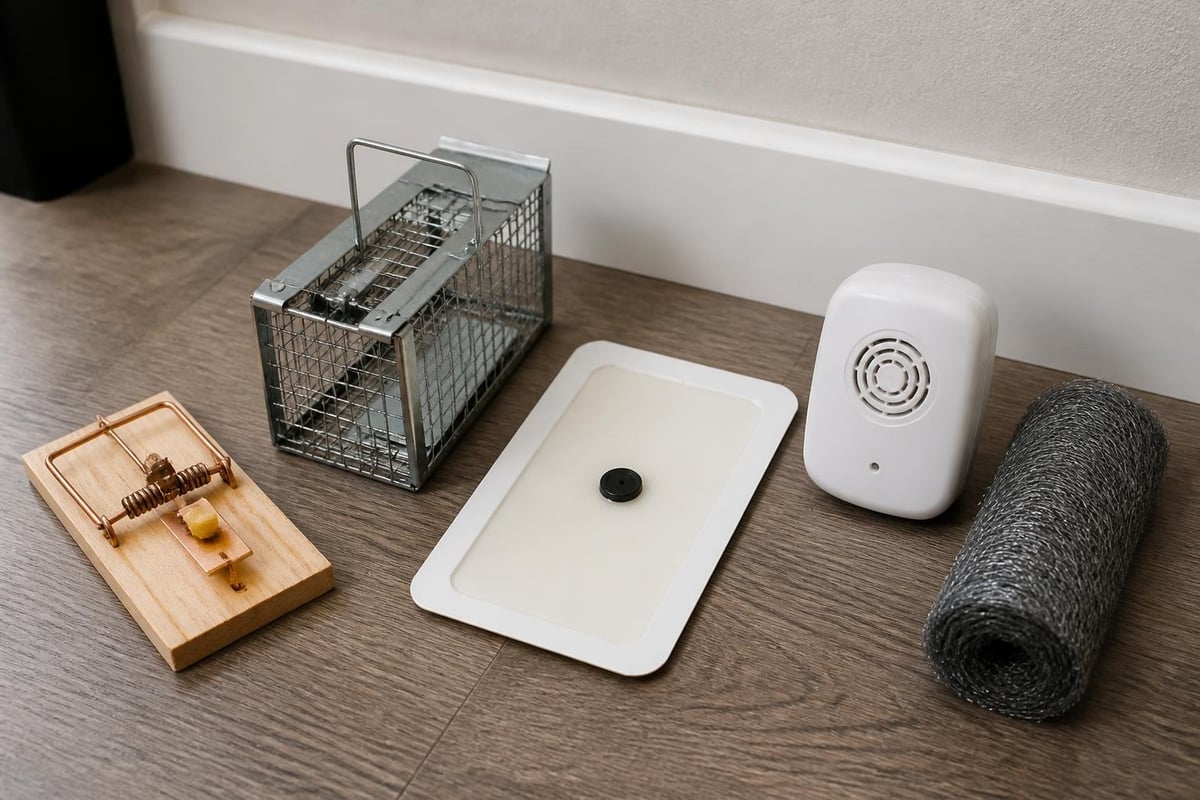
| Product Type | Best For | Limitations |
|---|---|---|
| Snap Traps | Mice, rats | Requires monitoring and disposal |
| Glue Boards | Crawling insects, rodents | Less humane; weather-sensitive |
| Live Traps | Larger rodents, wildlife | Requires relocation |
| Ultrasonic Devices | General deterrent | Limited scientific support |
| Exclusion Materials | All pest types | Labor-intensive installation |
Physical barriers represent some of the most effective long-term pest products available. Copper mesh, steel wool, and expanding foam seal entry points that pests exploit. Door sweeps, window screens, and vent covers prevent initial access. For Richmond homeowners, these products prove especially valuable given our region's older housing stock with numerous potential entry points.
The National Pesticide Information Center provides guidance on non-chemical pest control devices and their proper application. Understanding device limitations helps homeowners set realistic expectations for mechanical pest products.
Selecting the Right Pest Products for Your Situation
Choosing appropriate pest products requires matching the product's capabilities to your specific pest challenge. Generic approaches rarely deliver optimal results, particularly when dealing with persistent infestations common in Richmond's climate.
Assessing Your Pest Problem
Before selecting any pest products, accurate identification proves essential. A small black ant requires entirely different products than a carpenter ant, despite similar appearance. Termites demand specialized treatments that would prove wasteful against other wood-damaging insects.
Critical assessment factors:
- Pest species identification – Different species respond to different active ingredients
- Infestation severity – Light activity versus heavy colonization
- Location and accessibility – Indoor, outdoor, structural voids, or soil treatments
- Environmental considerations – Proximity to water, children, pets, or sensitive areas
- Treatment timeline – Immediate knockdown versus long-term prevention
Richmond's unique pest pressures include subterranean termites requiring specialized soil treatments, Norway rats exploiting crawl space access, and moisture-loving insects drawn to our humid summers. Products effective in drier climates may underperform in Virginia's conditions, making local expertise valuable.
Safety Considerations and Regulations
All pest products, whether chemical or mechanical, require careful handling and application according to label directions. The label constitutes a legal document that dictates proper use, and deviating from label instructions violates federal law.
When selecting pest products for home use, understanding signal words helps gauge relative toxicity. "Danger" indicates the highest toxicity level, "Warning" suggests moderate toxicity, and "Caution" represents the lowest toxicity among registered products. However, even "Caution" products demand respect and proper handling.
The EPA’s guidance on safe pest control emphasizes integrated approaches that minimize chemical reliance. For particularly sensitive situations like bed bug treatments, the EPA provides specific safety protocols that protect both applicators and occupants.
Richmond homeowners should verify that any pest products purchased online come from reputable sources. The Washington State Department of Health warns about counterfeit or unregistered pesticides sold through unauthorized channels, which may contain dangerous ingredients or ineffective formulations.
Professional-Grade vs. Consumer Pest Products
The pest product market divides into distinct tiers based on strength, formulation sophistication, and regulatory requirements. Understanding these differences helps homeowners make informed decisions about DIY approaches versus professional intervention.
Retail Consumer Products
Hardware stores and home centers stock pest products formulated for homeowner use. These products contain lower concentrations of active ingredients and simplified application methods compared to professional formulations. While adequate for minor pest issues, consumer products have inherent limitations.
Consumer product advantages:
- Immediate availability without appointments
- Lower upfront costs for single applications
- No licensing required for purchase or use
- Familiar brand names and packaging
Consumer product limitations:
- Reduced active ingredient concentrations
- Limited residual effectiveness
- Restricted access to newest formulations
- Higher long-term costs if re-treatment needed
For straightforward pest challenges like occasional ants or a single mouse, consumer pest products often suffice. However, Richmond's persistent pest pressures-particularly termites, carpenter ants, and moisture-related insects-frequently demand more robust solutions than retail products provide.
Professional Formulations and Equipment
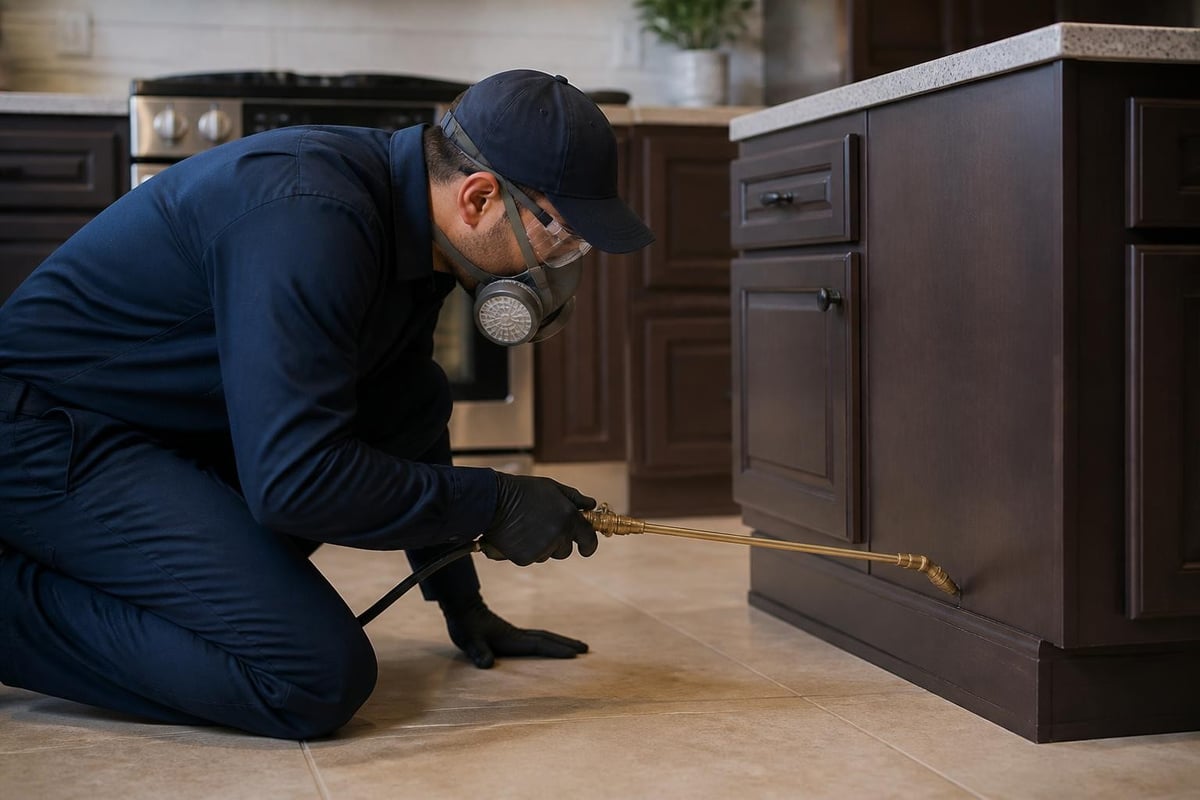
Licensed pest control operators access pest products unavailable to consumers, including restricted-use pesticides requiring certification. These formulations contain higher active ingredient concentrations, advanced delivery systems, and longer residual effectiveness.
Professional pest products also incorporate patented technologies not available in consumer versions. Non-repellent termiticides that allow termites to spread treatment throughout colonies, microencapsulated insecticides that release slowly for extended control, and specialized bait matrices optimized for specific pest preferences all represent professional-grade advantages.
| Feature | Consumer Products | Professional Products |
|---|---|---|
| Active Ingredient % | 0.05% – 1% | 1% – 80% |
| Application Equipment | Ready-to-use or hand pump | Power sprayers, injection systems |
| Residual Duration | Days to 2 weeks | Weeks to months |
| Target Specificity | Broad spectrum | Highly targeted |
| Cost Per Application | Lower | Higher initially |
| Long-Term Effectiveness | Variable | Superior |
Richmond's pest control professionals also understand local pest behavior patterns that influence product selection. Subterranean termite activity peaks during specific months, moisture levels in Virginia crawl spaces affect product performance, and rodent pressure increases as seasonal temperatures drop. This knowledge informs which pest products will deliver optimal results in our specific environment.
Integrated Pest Management and Product Selection
Modern pest control increasingly embraces Integrated Pest Management (IPM) principles that prioritize prevention, monitoring, and targeted treatment over blanket chemical applications. This approach uses pest products strategically rather than reactively.
The IPM Hierarchy
IPM organizes pest products and methods into a hierarchy from least to most invasive. The EPA advocates for IPM strategies that reduce chemical dependence while maintaining effective control.
IPM product and method progression:
- Cultural controls (sanitation, exclusion, habitat modification)
- Mechanical controls (traps, barriers, physical removal)
- Biological controls (predators, parasites, pathogens)
- Chemical controls (targeted, lowest-toxicity options first)
Within chemical pest products, IPM favors reduced-risk formulations like insect growth regulators, bait systems, and precisely targeted spot treatments over broad-spectrum spraying. This approach proves particularly valuable in Richmond homes where professional pest control services implement comprehensive strategies addressing both immediate infestations and long-term prevention.
Monitoring Products and Decision Tools
Effective pest management requires knowing when and where to apply pest products rather than scheduled calendar treatments. Monitoring devices help detect pest activity early, enabling timely intervention with appropriate products.
Essential monitoring pest products include:
- Sticky traps for insects and rodents
- Termite monitoring stations for subterranean detection
- Pheromone attractants for specific insect species
- Motion-activated cameras for nocturnal pests
- Temperature and humidity sensors for conducive conditions
For Richmond homeowners, monitoring proves especially valuable in crawl spaces where moisture and pest activity often go unnoticed until significant damage occurs. Early detection allows targeted application of appropriate pest products rather than widespread treatment of undefined problems.
Specialty Pest Products for Common Richmond Challenges
Certain pest pressures demand specialized pest products designed for specific biology, behavior, or habitat. Richmond's climate and construction patterns create ideal conditions for several challenging pests requiring targeted solutions.
Termite Control Products
Subterranean termites represent the most economically significant pest threat in Virginia, causing millions in annual structural damage. Termite pest products fall into two main categories: liquid termiticides and baiting systems.
Liquid termiticides create chemical barriers in soil surrounding structures. Non-repellent formulations like fipronil or imidacloprid allow termites to pass through treated zones without detection, spreading the active ingredient throughout colonies. These products require specialized application equipment and techniques to ensure complete coverage without gaps that termites might exploit.
Termite baiting systems use monitoring stations containing attractive cellulose materials. Once termites feed on monitors, technicians replace them with bait matrices containing slow-acting insect growth regulators. Termites consume the bait and share it throughout the colony, eventually eliminating the entire population.
The choice between liquid and bait pest products depends on construction type, soil conditions, and infestation severity. Richmond's clay-heavy soils sometimes complicate liquid treatments, while certain construction features favor baiting approaches. Professional assessment determines the optimal product strategy for individual properties.
Rodent Control Solutions
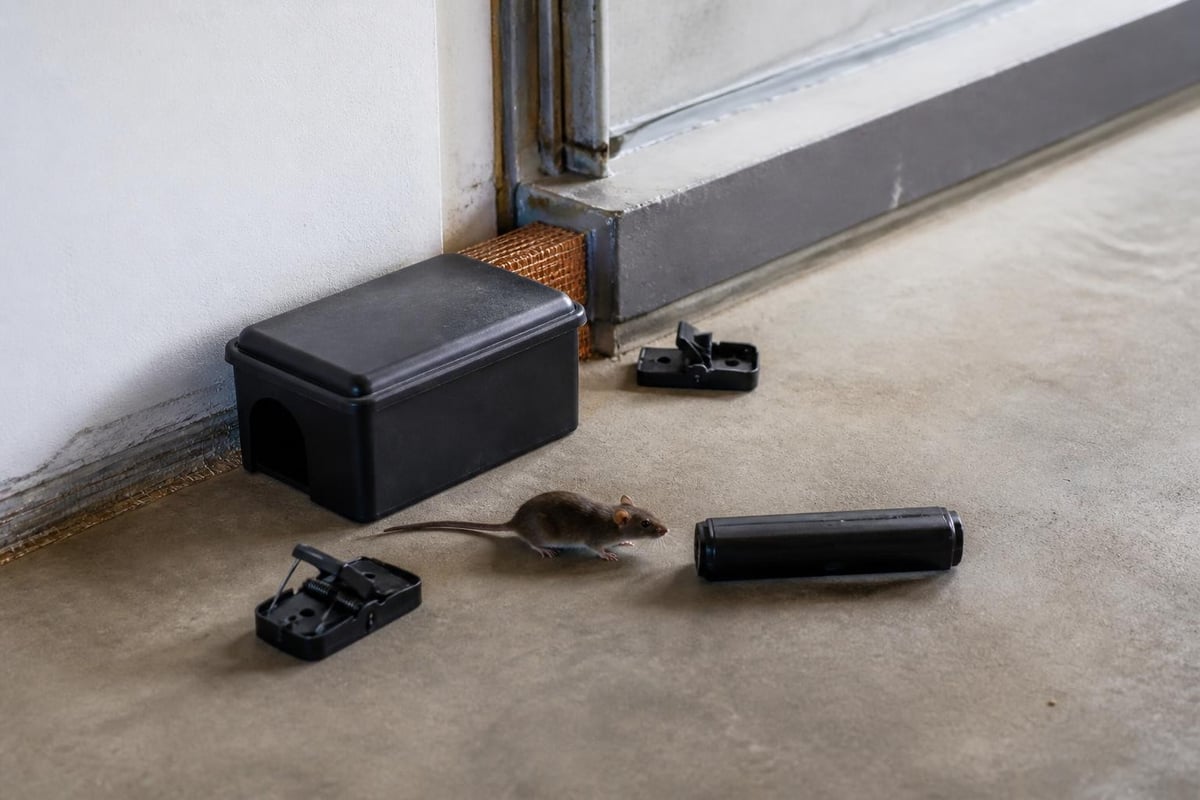
Rodent pest products range from simple snap traps to sophisticated bait formulations and electronic monitoring systems. Effective rodent control typically requires multiple product types working together.
Comprehensive rodent pest products:
- Mechanical traps (snap, live capture, multi-catch)
- Rodent bait stations (tamper-resistant enclosures)
- Anticoagulant baits (multiple generations available)
- Tracking powders for activity confirmation
- Exclusion materials (copper mesh, steel wool, foam)
Richmond's older neighborhoods often experience persistent rodent pressure due to proximity between homes, mature landscaping providing cover, and aging infrastructure creating entry points. Successful rodent control combines trapping, baiting, and exclusion pest products rather than relying on any single approach.
Modern anticoagulant rodenticides include both first-generation (warfarin, chlorophacinone) and second-generation (bromadiolone, brodifacoum) formulations. Second-generation products require less consumption to achieve lethal doses but carry higher risks to non-target wildlife. Professional applicators select appropriate formulations based on specific circumstances and regulatory requirements.
Bed Bug Treatment Products
Bed bugs have resurged as significant urban and suburban pests, requiring specialized pest products addressing their unique biology. These insects hide in tiny crevices, resist many common insecticides, and require comprehensive treatment approaches.
Effective bed bug pest products include:
| Product Category | Application Method | Effectiveness Timeline |
|---|---|---|
| Liquid Residuals | Crack/crevice spray | 2-4 weeks residual |
| Dust Formulations | Void and harborage treatment | Long-term (months) |
| Steam/Heat Equipment | Direct thermal treatment | Immediate kill |
| Mattress Encasements | Physical barrier/trap | Prevention/monitoring |
| Interceptor Devices | Monitor bed posts | Detection/reduction |
Richmond's active rental market and hospitality sector create pathways for bed bug introduction. While consumer bed bug pest products exist, professional treatments typically deliver superior results because they combine multiple product types, access restricted-use formulations, and include follow-up applications addressing newly hatched eggs.
Environmental and Health Considerations
Responsible pest product use balances effectiveness against potential environmental and health impacts. Modern formulations increasingly emphasize reduced-risk active ingredients and targeted application methods.
Protecting Non-Target Organisms
Every pest product carries some degree of risk to organisms beyond the intended target. Broad-spectrum insecticides affect beneficial insects alongside pests. Rodenticides threaten predators that consume poisoned rodents. Even mechanical traps may capture non-target species.
Minimizing unintended impacts requires careful product selection and precise application. Targeted formulations affect narrow pest ranges. Enclosed bait stations prevent access by children, pets, and wildlife. Proper timing reduces exposure during peak activity periods for beneficial organisms.
Richmond homeowners concerned about pollinators should avoid applying insecticide pest products to flowering plants during daylight hours when bees actively forage. Granular treatments near water features risk aquatic contamination if improperly applied. Understanding environmental vulnerabilities helps match pest products to situations appropriately.
Indoor Air Quality Concerns
Indoor pest product applications demand additional caution because occupants breathe treated air for extended periods. Modern low-odor formulations reduce volatile organic compound (VOC) emissions compared to older petroleum-based products, but all chemical applications warrant proper ventilation.
Indoor application best practices:
- Apply products during periods allowing adequate ventilation
- Focus treatments on cracks, crevices, and pest harborage areas
- Avoid broadcast applications across large surface areas
- Remove or cover food preparation surfaces before treatment
- Follow all label re-entry intervals before occupying treated spaces
For sensitive individuals including young children, pregnant women, or those with respiratory conditions, non-chemical pest products or professional treatments using reduced-risk formulations provide safer alternatives. Richmond's pest control professionals can recommend appropriate product choices accommodating health sensitivities while maintaining effectiveness.
Storage, Disposal, and Product Lifespan
Proper handling of pest products extends beyond application to include safe storage and responsible disposal. Improper storage degrades effectiveness while creating safety hazards. Improper disposal threatens environmental and water quality.
Storing Pest Products Safely
Pest products require storage in original containers with intact labels in locations inaccessible to children and pets. Temperature extremes degrade chemical formulations, so avoid storing products in unheated garages during winter or hot attics in summer.
Storage guidelines:
- Keep products in locked cabinets or secured areas
- Maintain moderate temperatures (50-80°F ideal)
- Prevent moisture exposure that may cause clumping
- Store away from food, medications, and cleaning supplies
- Regularly inspect for container damage or leaks
Richmond's humidity can cause granular pest products to clump or liquid formulations to separate. Storing products in climate-controlled spaces extends shelf life and maintains effectiveness. Most pest products remain viable for 2-3 years when properly stored, though effectiveness gradually diminishes over time.
Responsible Disposal Methods
Never pour unwanted pest products down drains, into streets, or onto soil. These actions contaminate water supplies and harm ecosystems. Richmond and surrounding localities conduct periodic household hazardous waste collection events accepting unwanted pesticides and pest products.
Until disposal opportunities arise, store unwanted pest products securely following the same guidelines as active products. If containers leak or degrade, place them inside larger sealed containers with absorbent material. Contact local waste management authorities for specific disposal guidance and collection event schedules.
Empty pest product containers may retain residues requiring special handling. Triple-rinsing containers and adding rinse water to spray tanks for dilution and application represents an acceptable disposal method for some products. However, label instructions provide specific disposal requirements that supersede general recommendations.
Making Informed Decisions About Pest Products
Successfully navigating the pest product landscape requires matching product capabilities to specific challenges while considering safety, environmental impact, and long-term effectiveness. Richmond homeowners face unique pest pressures that sometimes exceed what consumer products can adequately address.
Understanding when DIY approaches suffice versus when professional intervention delivers better value represents a critical decision point. Knowing when to call an expert versus attempting treatments yourself can save money, time, and frustration while preventing ineffective applications that allow infestations to worsen.
Evaluating Product Claims and Marketing
Pest product marketing often makes bold claims about effectiveness that exceed real-world performance. "Guaranteed," "professional strength," and "industrial grade" terms on consumer products rarely reflect actual professional formulations. Critical evaluation helps separate legitimate products from ineffective gimmicks.
Red flags in pest product marketing:
- Promises of instant or permanent elimination
- Claims of being "completely safe" or "non-toxic"
- Lack of EPA registration numbers on chemical products
- Absence of active ingredient disclosure
- Testimonials without supporting data
Legitimate pest products include EPA registration numbers, clearly listed active ingredients, specific target pest species, and detailed application instructions. Products lacking this information likely don't comply with federal regulations or contain ineffective formulations.
Cost-Effectiveness Analysis
Evaluating pest products solely on purchase price ignores total cost of ownership including application time, re-treatment frequency, and effectiveness. A $15 consumer product requiring monthly applications costs more annually than a $150 professional treatment lasting 90 days.
For persistent or recurring pest issues common in Richmond-termites threatening structural integrity, rodents accessing crawl spaces, or seasonal insect invasions-professional pest products and services typically deliver superior long-term value despite higher initial costs. Calculating cost per day of protection rather than cost per application provides more accurate comparisons.
Regional Considerations for Richmond Pest Product Selection
Richmond's Mid-Atlantic climate, soil composition, construction patterns, and prevalent pest species influence which pest products perform optimally. Products successful in desert climates or northern regions may underperform in Virginia's humidity and temperature ranges.
Climate Impact on Product Performance
Richmond experiences hot, humid summers that accelerate chemical degradation and increase pest activity. Winter temperatures rarely reach extremes that kill overwintering pests, allowing year-round activity for many species. These conditions affect how long pest products remain effective.
Liquid insecticides break down faster in UV exposure and high temperatures. Granular formulations absorb moisture and lose effectiveness in prolonged wet conditions. Rodent bait palatability decreases in hot weather as moisture content evaporates. Understanding these limitations helps set realistic expectations for pest product longevity.
Seasonal pest product considerations:
- Spring: Termite swarming increases demand for specialized treatments
- Summer: Heat and humidity require more frequent re-application
- Fall: Rodent pressure escalates as pests seek winter harborage
- Winter: Reduced activity but continued indoor pest pressure
Professional pest control services adjust product selection and application frequency based on seasonal conditions and pest biology. This adaptability delivers more consistent results than rigid calendar-based approaches using standardized products.
Structural and Soil Factors
Richmond's housing stock includes numerous older homes built before modern construction standards addressed pest exclusion. Brick veneer construction, crawl space foundations, and wood siding create unique vulnerabilities requiring specific pest products and application methods.
Virginia's Piedmont region features heavy clay soils that complicate termite treatments. Clay's density impedes chemical penetration, potentially creating gaps in treated zones. Professional termiticide applications in Richmond often require higher volumes and specialized equipment compared to sandy soil regions. These factors influence both product selection and application costs.
Crawl space foundations common in Richmond homes create ideal pest habitat when moisture management fails. Exposed soil, poor ventilation, and elevated humidity attract termites, rodents, and moisture-loving insects. While pest products address active infestations, structural modifications and moisture control provide essential long-term protection. Crawl space services that address underlying moisture issues complement pest product applications for comprehensive protection.
Selecting and using pest products effectively requires understanding product categories, target pest biology, application methods, and safety considerations specific to your situation. Richmond's unique pest pressures, climate conditions, and housing characteristics demand tailored approaches that often exceed what general consumer products provide. Whether addressing termites, rodents, insects, or other unwanted invaders, the right combination of products and expertise delivers lasting protection for your property and peace of mind for your family. SanPro brings extensive experience addressing Richmond's specific pest challenges with professional-grade products, proven techniques, and comprehensive service protecting homes and businesses throughout the region.