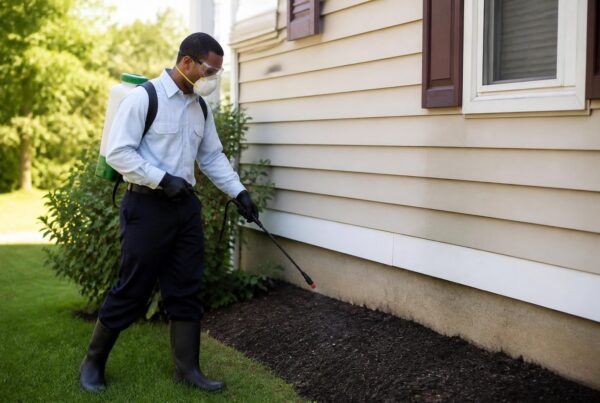
Protecting your Richmond, VA home from unwanted pests requires more than reactive treatments. A comprehensive approach to pest control prevention can save homeowners thousands of dollars in damage repairs while maintaining a healthier living environment. Understanding how pests access your property, what attracts them, and which preventive measures deliver lasting results empowers you to maintain a pest-free home throughout every season. This guide explores proven strategies that Richmond homeowners can implement to keep rodents, termites, insects, and other common pests at bay year-round.
Understanding the Foundation of Pest Control Prevention
Effective pest control prevention begins with recognizing that pests need three basic elements to thrive: food, water, and shelter. When you eliminate or restrict access to these resources, your property becomes significantly less attractive to unwanted visitors. Richmond's climate presents unique challenges, with humid summers creating ideal conditions for moisture-loving pests and mild winters allowing certain species to remain active year-round.
The Integrated Pest Management approach emphasizes prevention as the first line of defense. This strategy focuses on long-term solutions rather than repeated chemical treatments, making it both environmentally responsible and cost-effective. By understanding pest biology and behavior patterns specific to central Virginia, homeowners can anticipate problems before they develop into full-blown infestations.
Why Prevention Outperforms Reactive Treatments
Prevention costs substantially less than remediation. A termite colony can cause tens of thousands of dollars in structural damage before homeowners notice warning signs. Rodents contaminate stored food, damage insulation, and create fire hazards by chewing electrical wiring. Bed bugs spread rapidly through homes, requiring extensive and expensive treatment protocols.
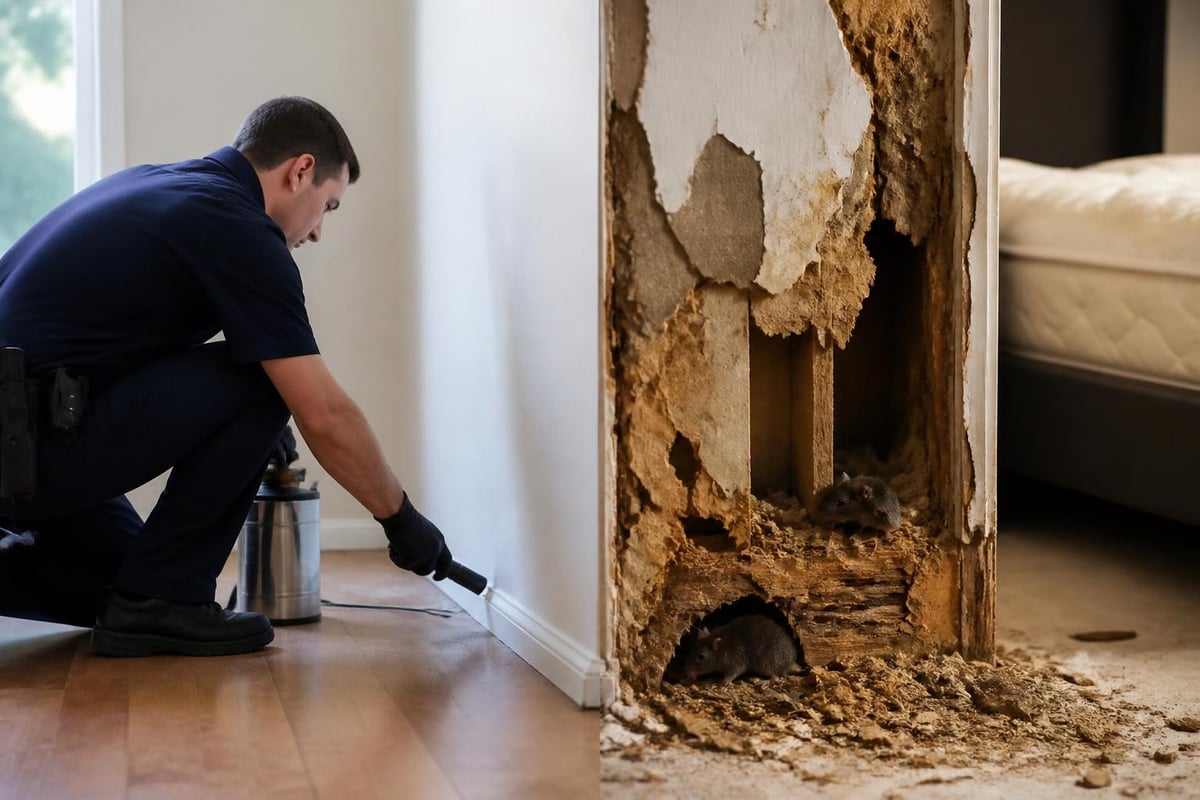
Beyond financial considerations, pest control prevention protects family health. Cockroaches and rodents trigger allergies and asthma symptoms, particularly in children. Research has shown that effective pest interventions significantly improve childhood asthma outcomes. Ticks carry Lyme disease and other serious illnesses common in Virginia. Mosquitoes transmit West Nile virus and other pathogens. Preventing pest access to your home directly reduces these health risks.
Exterior Defense: Sealing Your Home's Perimeter
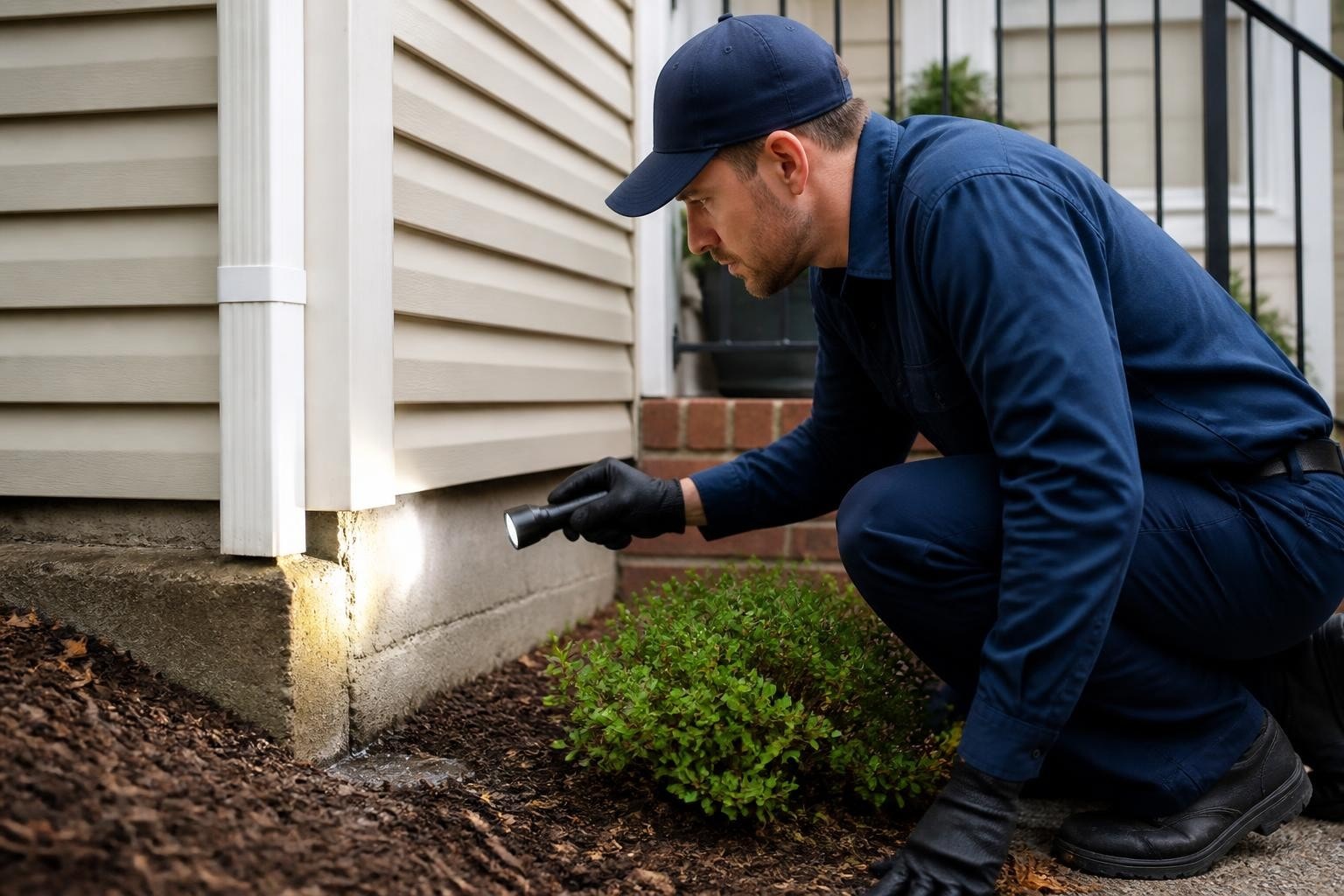
Your home's exterior serves as the primary barrier against pest intrusions. Even small gaps provide entry points for mice, rats, insects, and other unwanted guests. A thorough inspection of your property's perimeter reveals vulnerabilities that require attention.
Critical Entry Points to Address
Start by examining your foundation. Cracks wider than one-quarter inch allow mice and rats to enter. Seal these openings with appropriate materials such as steel wool, copper mesh, or cement-based patching compounds. Silicone caulk works well for smaller gaps around utility penetrations.
Check these vulnerable areas during your exterior inspection:
- Foundation cracks and gaps around basement windows
- Spaces around pipes, cables, and utility lines entering the home
- Damaged or missing weather stripping around doors and garage entries
- Torn or loose window screens and ventilation openings
- Gaps beneath siding or where different building materials meet
- Roof vents, chimney caps, and attic vent screens
- Crawl space vents and access doors
Door sweeps represent one of the simplest yet most effective pest exclusion tools. Installing quality door sweeps on all exterior doors blocks entry for insects, spiders, and small rodents. Replace worn weather stripping annually to maintain an effective seal.
| Entry Point | Common Pests | Recommended Solution |
|---|---|---|
| Foundation cracks | Mice, ants, spiders | Cement patch, steel wool |
| Utility penetrations | Rodents, insects | Expanding foam, copper mesh |
| Window screens | Flies, mosquitoes, stink bugs | Repair or replace with 20-mesh |
| Door thresholds | All crawling pests | Door sweeps, weather stripping |
| Roof transitions | Squirrels, bats, wasps | Flashing repair, screening |
Professional pest control services in Richmond often include comprehensive exterior inspections that identify vulnerabilities homeowners might overlook. Trained technicians understand local pest behavior patterns and can recommend targeted improvements specific to your property's risk factors.
Interior Prevention Strategies for Long-Term Protection
While exterior defenses keep pests outside, interior practices determine whether those that enter find your home hospitable. Consistent housekeeping habits, proper food storage, and moisture control create an environment where pests cannot thrive.
Food Storage and Kitchen Sanitation
Kitchens attract more pests than any other room in your home. Crumbs on countertops, unsealed food packages, and accumulated grease provide abundant nutrition for cockroaches, ants, rodents, and pantry pests. Implementing proper storage protocols eliminates these food sources.
Transfer dry goods from original packaging into airtight containers made of glass or heavy plastic. This practice prevents pantry moths, beetles, and weevils from accessing flour, cereal, pasta, and other staples. Label containers with purchase dates to practice proper rotation.
Clean immediately after meal preparation rather than allowing dishes and spills to accumulate overnight. Wipe down counters, sweep floors, and empty trash regularly. Store pet food in sealed containers and avoid leaving food bowls out overnight. These simple habits dramatically reduce pest attraction.
Moisture Management Throughout Your Home
Many destructive pests require moisture to survive. Termites need water to maintain their colonies. Silverfish thrive in humid environments. Cockroaches seek out damp areas. Controlling moisture levels throughout your property represents a critical component of pest control prevention.
Address these moisture sources in your Richmond home:
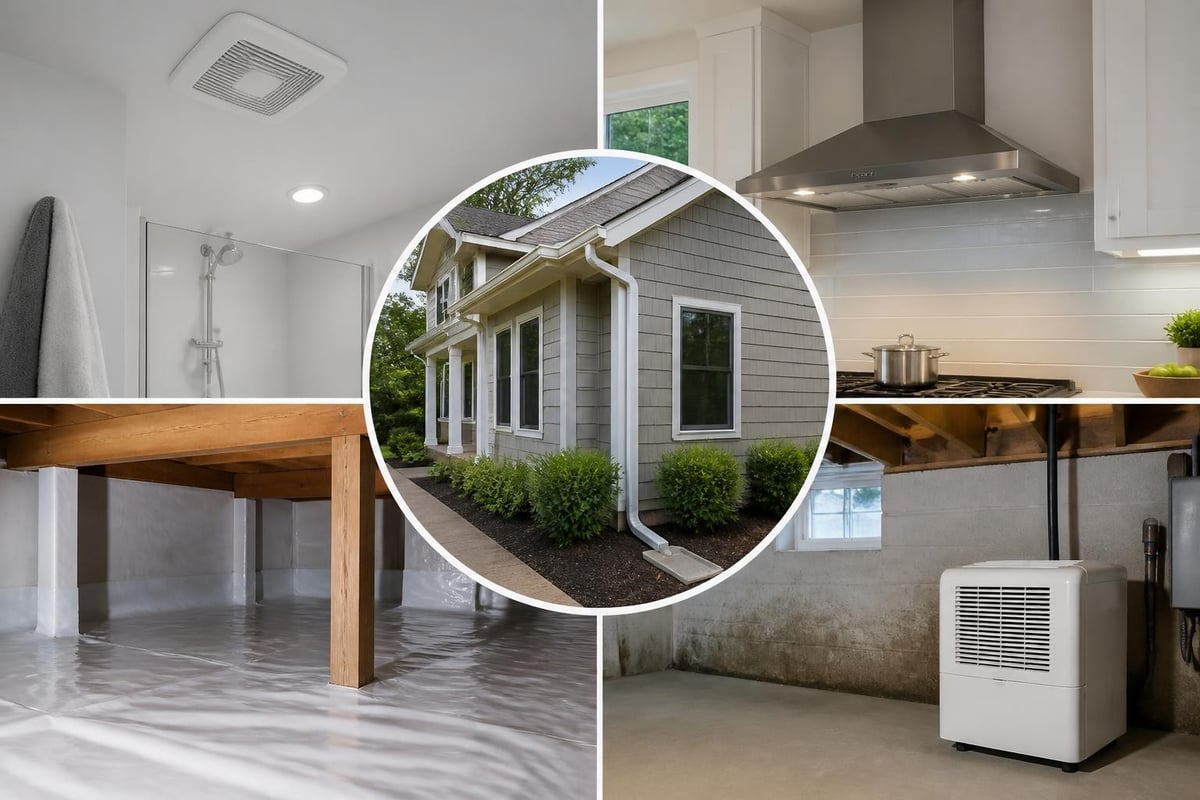
- Fix plumbing leaks promptly, including dripping faucets, running toilets, and pipe condensation
- Improve ventilation in bathrooms, kitchens, and laundry areas using exhaust fans
- Direct downspouts away from your foundation, ensuring water flows at least five feet from the structure
- Maintain proper grading around your home so surface water drains away from the foundation
- Use dehumidifiers in basements and crawl spaces to maintain humidity below 50 percent
- Repair roof leaks and replace damaged shingles before water intrusion causes wood rot
Crawl spaces deserve special attention in Richmond homes. Many local properties have crawl space foundations that create ideal conditions for moisture accumulation, wood rot, and pest activity. The EPA’s housing maintenance guidelines emphasize proper crawl space maintenance as essential for pest prevention.
Seasonal Pest Control Prevention Tactics
Richmond's distinct seasons require adjusted prevention strategies throughout the year. Understanding which pests become active during specific periods allows you to implement timely preventive measures.
Spring Prevention Focus
As temperatures warm, overwintering pests become active and new generations emerge. Spring marks the beginning of termite swarming season in Virginia, typically occurring from March through May. Inspect your property for mud tubes on foundation walls and discarded wings near windows, which indicate termite activity.
Ants establish new colonies during spring months. Seal entry points and eliminate moisture sources that attract these insects. Check for carpenter ant activity in areas with wood-to-soil contact or water-damaged lumber.
Mosquito prevention begins in spring. Eliminate standing water in gutters, flower pots, bird baths, and yard debris. Change water in pet bowls and ornamental features at least twice weekly.
Summer Pest Prevention
High humidity and abundant vegetation create ideal conditions for numerous pests during Richmond summers. Stinging insects build nests in eaves, attics, and ground cavities. Inspect your property monthly for wasp and hornet nests, addressing them while still small.
Fleas and ticks thrive in warm weather. Maintain your lawn at appropriate heights, remove leaf litter, and create barrier zones between wooded areas and your home. Consider professional treatments for flea infestations if pets bring these parasites indoors.
Cockroaches reproduce rapidly in summer heat. Focus on sanitation, moisture control, and sealing cracks around baseboards and cabinets. Pay special attention to areas beneath sinks and around appliances.
Fall and Winter Preparation
As outdoor temperatures drop, rodents seek indoor shelter. Mice and rats can squeeze through openings as small as a dime. October through December represents peak season for rodent intrusions in Richmond homes.
Inspect your attic, basement, and crawl space for signs of rodent activity before cold weather arrives. Look for droppings, gnaw marks, and nesting materials. For properties experiencing wildlife issues, professional squirrel removal services prevent these animals from accessing attics and causing insulation damage.
Stink bugs congregate on south-facing walls during fall, seeking entry points to overwinter indoors. Seal gaps around windows, doors, and utility penetrations before these pests arrive in large numbers.
| Season | Priority Pests | Key Prevention Actions |
|---|---|---|
| Spring | Termites, ants, mosquitoes | Inspect for swarmers, seal entry points, eliminate standing water |
| Summer | Stinging insects, fleas, cockroaches | Remove nests, treat yards, enhance sanitation |
| Fall | Rodents, stink bugs, spiders | Seal exterior gaps, inspect attics, repair screens |
| Winter | Overwintering pests | Monitor indoor spaces, maintain exclusion barriers |
Landscape and Yard Management for Pest Prevention
Your property's landscaping significantly influences pest pressure on your home. Overgrown vegetation provides shelter and pathways for pests to reach your structure. Strategic yard maintenance creates an inhospitable environment that discourages pest activity.
Vegetation Control and Proper Spacing
Maintain a vegetation-free zone of at least 12 to 18 inches around your home's foundation. This bare ground barrier eliminates hiding places for insects and rodents while making it easier to spot pest activity during inspections. Use gravel or stone in this zone rather than organic mulch, which retains moisture and attracts pests.
Trim tree branches that overhang your roof or touch exterior walls. Squirrels, raccoons, and other wildlife use these natural bridges to access your roof and attic. Maintain at least a six-foot clearance between branches and your home.
Keep shrubs trimmed away from exterior walls, windows, and vents. Dense vegetation against your home creates protected pathways for pests and prevents proper air circulation, leading to moisture problems. Prune regularly to maintain appropriate spacing.
Yard Debris and Storage Practices
Remove fallen leaves, grass clippings, and organic debris regularly. These materials decompose, creating moisture and attracting pests. Compost piles should be located at least 30 feet from your home and properly maintained to prevent pest colonization.
Store firewood off the ground on racks and keep it at least 20 feet from your home. Wood piles against your house provide ideal habitat for termites, carpenter ants, rodents, and spiders that easily migrate indoors. Inspect firewood for pests before bringing it inside, carrying only what you'll burn immediately.
Eliminate potential rodent harborage areas in your yard:
- Remove junk piles, old furniture, and unused equipment
- Store building materials on pallets rather than directly on the ground
- Keep lawn equipment in sheds rather than leaving it in the yard
- Clear dense ground cover and overgrown vegetation from fence lines
- Maintain your lawn at recommended heights for your grass species
Structural Modifications That Enhance Prevention
Beyond routine maintenance, certain structural improvements provide long-term pest control prevention benefits. These investments protect your Richmond property while increasing its value.
Crawl Space Protection
Crawl spaces represent one of the most common entry points for pests in Richmond homes. These dark, humid areas attract rodents, termites, cockroaches, and numerous other pests. Proper crawl space management forms a critical component of comprehensive pest control prevention.
Installing vapor barriers on crawl space floors reduces moisture levels that attract pests. These heavy-duty plastic sheets prevent ground moisture from entering the space, helping maintain relative humidity below levels that support pest activity. Combined with proper ventilation or encapsulation, vapor barriers create an environment hostile to pest establishment.
Professional crawl space services address multiple pest-related concerns simultaneously. Encapsulation seals the entire crawl space, including walls and floors, creating a conditioned environment that eliminates moisture problems. This approach prevents mold growth, wood rot, and the pest activity these conditions attract.
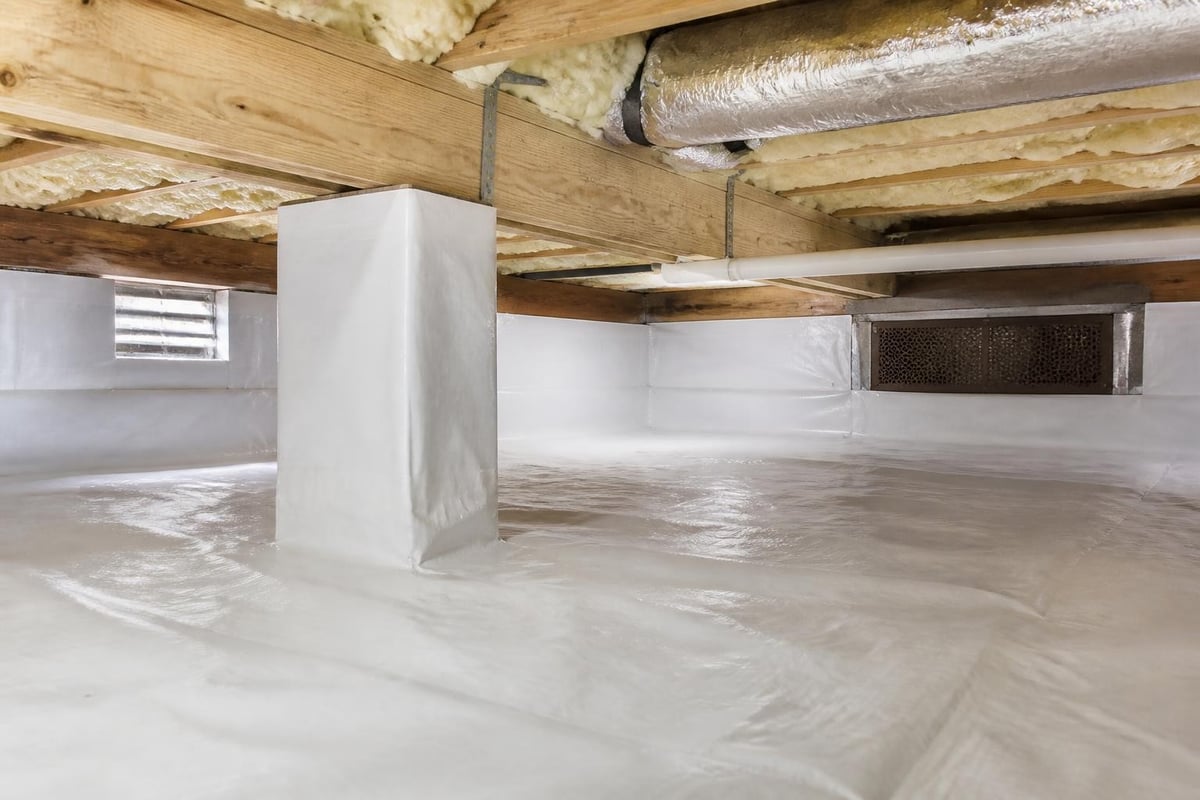
Screening crawl space vents with hardware cloth prevents rodents and larger pests from entering while maintaining necessary air circulation. Use quarter-inch mesh to exclude mice and three-eighths-inch mesh for general pest exclusion. Inspect and repair screens annually as part of your prevention routine.
Attic and Insulation Considerations
Attics provide ideal nesting sites for rodents, squirrels, bats, and insects. These pests damage insulation, contaminate stored items, and create entry points into living spaces. Regular attic inspections help detect pest activity before major damage occurs.
Check for these warning signs during attic inspections:
- Droppings or urine stains on insulation or stored items
- Gnaw marks on wooden structures or electrical wiring
- Nesting materials such as shredded insulation or paper
- Gaps around roof vents, ridge vents, or soffit areas
- Staining on roof decking indicating leaks or moisture intrusion
Damaged insulation loses its effectiveness and may harbor pests or their droppings. Professional insulation services in Richmond can remove contaminated materials and install fresh insulation while addressing pest entry points. This comprehensive approach restores energy efficiency while eliminating pest habitat.
Professional Inspection and Monitoring Programs
While homeowner efforts form the foundation of pest control prevention, professional inspections identify vulnerabilities that untrained eyes miss. Experienced technicians understand pest biology, behavior patterns, and the specific challenges Richmond properties face.
Benefits of Regular Professional Inspections
Quarterly or bi-annual professional inspections provide peace of mind and early problem detection. Technicians examine areas homeowners typically overlook, including crawl spaces, attics, exterior foundations, and roof lines. They identify conducive conditions before pest populations establish.
Professional monitoring programs track pest activity over time, allowing for targeted interventions when necessary. This proactive approach prevents minor issues from developing into costly infestations. According to the EPA’s safe pest control guidelines, prevention and monitoring should precede chemical treatments whenever possible.
Documented inspection reports provide valuable records for real estate transactions and insurance purposes. These reports demonstrate proper property maintenance and can identify issues that affect home values or coverage.
When to Schedule Professional Services
Contact pest control professionals immediately if you observe these warning signs:
- Live pests inside your home despite preventive efforts
- Evidence of structural damage from termites or carpenter ants
- Rodent droppings in living spaces, attics, or crawl spaces
- Multiple stinging insect nests on your property
- Bed bugs or other parasitic pests
- Unusual odors suggesting hidden infestations
Richmond homeowners in areas like West End Richmond face unique pest pressures based on local environmental conditions, nearby wooded areas, and property characteristics. Local pest control professionals understand these regional factors and can recommend customized prevention strategies.
Documentation and Record Keeping
Maintaining detailed records of your pest control prevention efforts helps track what works, identifies recurring problems, and provides valuable information for professionals if intervention becomes necessary.
Creating Your Prevention Log
Document the following information in your pest control prevention log:
- Monthly inspection dates and findings from your property walk-throughs
- Seasonal maintenance tasks completed, including sealing, repairs, and treatments
- Pest sightings with dates, locations, and species if identifiable
- Professional service dates and recommendations provided
- Structural modifications made to enhance pest prevention
- Product applications including what was used, where, and when
This documentation helps you recognize patterns. If you notice increased ant activity each spring near the same entry point, you know that area requires additional attention. If certain prevention measures consistently prove effective, you can prioritize those techniques.
Photographic Documentation
Take photos of problem areas before and after repairs or improvements. These images provide visual proof of progress and help communicate issues to professionals if their services become necessary. Document successful prevention measures to replicate them in other vulnerable areas.
Educational Resources and Community Support
Staying informed about pest control prevention best practices helps you adapt your strategies as new information emerges. Reliable resources provide science-based guidance for homeowners.
The Environmental Protection Agency offers extensive resources on safe, effective pest management. Their guidance emphasizes prevention, monitoring, and targeted interventions rather than broad-spectrum pesticide applications. Following these principles protects your family's health while managing pest pressure effectively.
Local extension services provide region-specific information about pest activity patterns, seasonal concerns, and recommended prevention strategies for Richmond homeowners. These resources often include identification guides, treatment recommendations, and calendars for timing preventive actions.
| Resource Type | Benefits | Access Method |
|---|---|---|
| EPA pest control guides | Science-based prevention strategies | Online publications and fact sheets |
| Extension services | Region-specific pest information | County offices and websites |
| Professional associations | Industry best practices | Educational materials and seminars |
| Homeowner communities | Local experience sharing | Neighborhood groups and forums |
Advanced Prevention Technologies
Modern pest control prevention incorporates innovative technologies that enhance traditional methods. While basic exclusion and sanitation remain fundamental, new tools provide additional protection layers.
Monitoring and Detection Systems
Electronic monitoring devices detect rodent activity without using poisons or snap traps. These systems alert homeowners to pest presence in real-time, enabling rapid response before populations grow. Advanced sensors distinguish between pest types, allowing for appropriate interventions.
Moisture monitoring systems track humidity levels in crawl spaces, basements, and attics. When levels exceed thresholds that support pest activity, alerts prompt corrective action. These systems prevent the moisture problems that attract termites, cockroaches, and other humidity-dependent pests.
Exclusion Material Innovations
Modern exclusion materials outperform traditional options in durability and effectiveness. Copper mesh resists corrosion better than steel wool while blocking pest entry through small gaps. Expanding foam formulations contain additives that deter rodent gnawing. UV-resistant caulks and sealants maintain flexibility in Richmond's temperature extremes without cracking or degrading.
Screen materials now include finer meshes that exclude tiny insects while maintaining airflow. These advanced screens prevent entry of no-see-ums, thrips, and other minute pests that pass through standard window screening.
Creating a Year-Round Prevention Schedule
Consistency produces better pest control prevention results than sporadic intensive efforts. Developing a maintenance schedule ensures critical tasks receive timely attention throughout the year.
Monthly Prevention Tasks
Set aside time each month for these essential activities:
- Inspect exterior perimeter for new cracks, gaps, or damage
- Clean gutters and ensure proper drainage away from foundation
- Check door sweeps and weather stripping for wear
- Empty and clean trash receptacles thoroughly
- Inspect stored food for signs of pantry pests
- Test crawl space and basement humidity levels
- Walk your property looking for pest evidence or conducive conditions
Quarterly Deep Inspections
Every three months, conduct more thorough examinations:
- Inspect attic spaces for pest activity, moisture, or damage
- Examine crawl space for proper ventilation and barrier integrity
- Check roof condition including shingles, flashing, and vents
- Assess landscape plantings and adjust spacing as needed
- Review and update your prevention documentation
- Service or replace pest monitoring devices as needed
Annual Professional Assessment
Schedule professional inspections at least annually, preferably before peak pest seasons. Technicians provide expert evaluation of your prevention program and identify improvements that enhance protection. This investment prevents the significantly higher costs of treating established infestations.
Integration With Home Maintenance Systems
Effective pest control prevention integrates seamlessly with overall property maintenance. Many tasks that protect against pests simultaneously improve energy efficiency, prevent water damage, and enhance home value.
Combining Prevention With Energy Efficiency
Sealing air leaks that allow pest entry also reduces heating and cooling costs. Proper insulation prevents both pest intrusion and energy waste. Crawl space encapsulation creates conditioned space while eliminating pest habitat. These combined benefits justify investments in comprehensive improvements.
Maintaining clean, functional gutters prevents pest-attracting moisture problems while protecting your foundation from water damage. Roof repairs eliminate pest entry points while preventing leaks that cause costly interior damage. View pest prevention as one component of holistic property care rather than an isolated concern.
Long-Term Value Protection
Properties with documented pest control prevention programs command higher values and sell faster than comparable homes with pest damage histories. Regular maintenance prevents structural issues that reduce home values and complicate sales transactions.
Insurance claims resulting from pest damage often face coverage challenges. Many policies exclude damage from pests like rodents and termites. Prevention protects your investment more reliably than insurance coverage for pest-related losses.
Implementing comprehensive pest control prevention protects your Richmond home from the structural damage, health risks, and expenses that pest infestations cause. By combining exterior exclusion, interior sanitation, moisture management, and regular monitoring, you create an environment where pests cannot thrive. Whether you're addressing seasonal concerns or developing long-term protection strategies, consistent preventive efforts deliver superior results compared to reactive treatments. SanPro provides expert pest control, crawl space, and insulation services throughout Richmond, helping homeowners establish and maintain effective prevention programs tailored to their properties' specific needs. Contact their team today to schedule a comprehensive inspection and develop a customized prevention plan for your home.