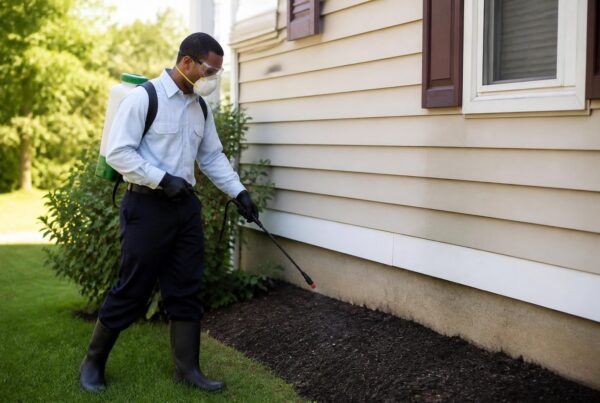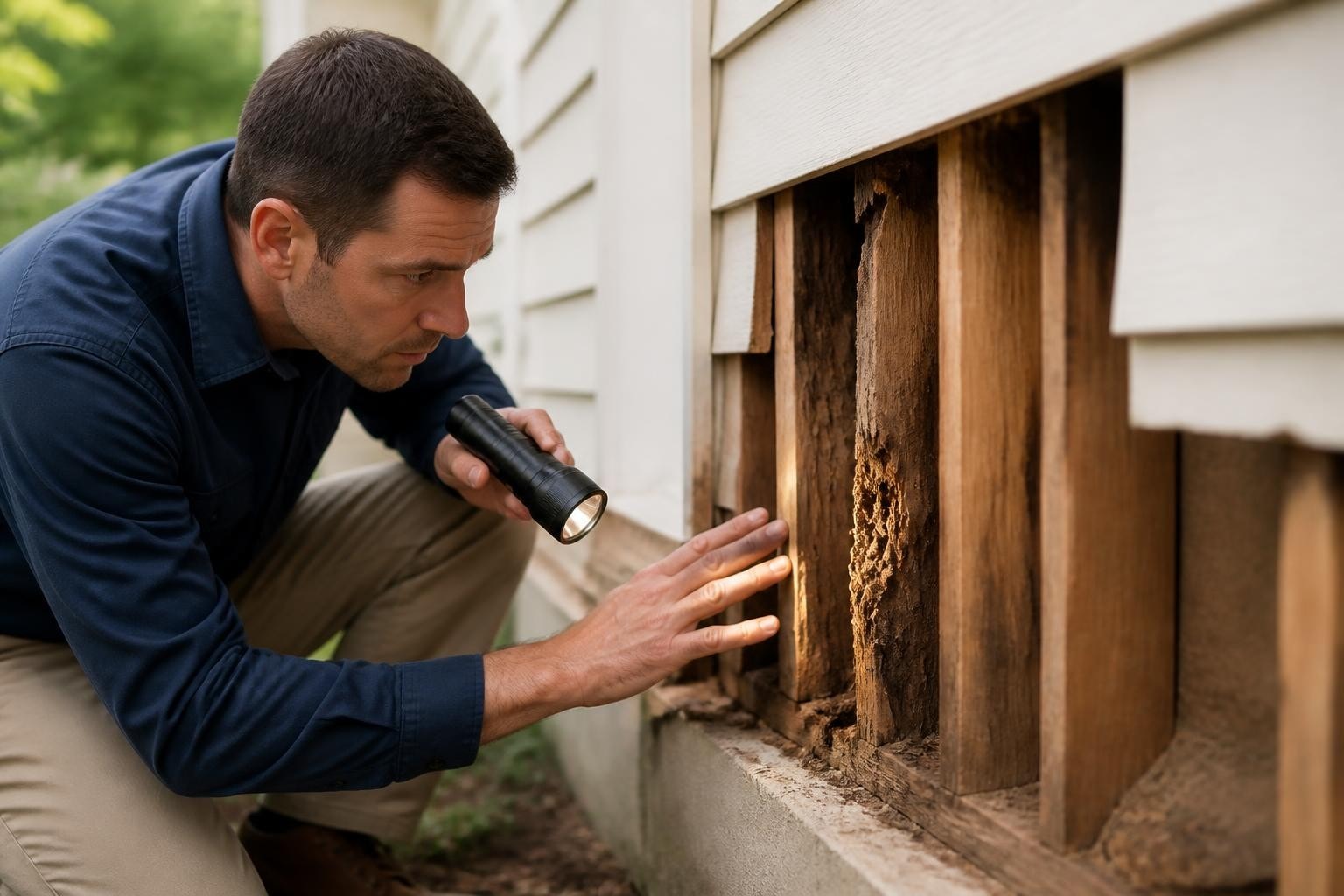
Property owners in Richmond, VA, face constant threats from pests that target the very structure of their homes and businesses. Unlike general pest management that addresses visible insect problems, structural pest control focuses specifically on organisms that compromise building integrity, cause wood damage, and threaten property values. Understanding this specialized field helps homeowners make informed decisions about protecting their most valuable investment from termites, carpenter ants, wood-boring beetles, and other destructive pests.
What Defines Structural Pest Control
Structural pest control represents a specialized branch of pest management focused on protecting buildings from organisms that damage construction materials. The California Structural Pest Control Board defines this practice as controlling household pests and wood-destroying pests or organisms. This distinction separates it from agricultural pest control or general extermination services.
The scope extends beyond simple insect removal. Professionals in this field assess structural vulnerabilities, identify active infestations, determine the extent of damage, and implement comprehensive treatment plans. Wood-destroying organisms represent the primary concern, including subterranean termites, drywood termites, carpenter ants, and powder post beetles.
Regulatory Framework and Professional Standards
States maintain strict licensing requirements for structural pest control operators. North Carolina’s structural pest control regulations establish comprehensive standards for practitioners, requiring specialized training, certification exams, and continuing education. These requirements ensure technicians possess the knowledge to identify pest species accurately, apply treatments safely, and protect public health.
The Structural Pest Control Act in California provides a legal framework that governs how professionals conduct inspections, document findings, and perform remediation work. Similar legislation exists across states, creating accountability systems that protect consumers from substandard work or fraudulent practices.
Richmond homeowners benefit from these regulatory structures when selecting pest control services. Licensed professionals must demonstrate competency in structural biology, pest identification, treatment methods, and safety protocols before receiving authorization to work in the field.

Types of Structural Pests in Richmond
Richmond's humid subtropical climate creates ideal conditions for multiple structural pest species. Each category presents unique challenges requiring specific identification and treatment approaches.
Termite Infestations
Subterranean termites cause the majority of structural damage in Virginia properties. These social insects build elaborate colonies underground, sending worker termites through mud tubes to access wood above ground. Eastern subterranean termites represent the most common species, capable of consuming several pounds of wood annually from a single structure.
Drywood termites infest wood directly without soil contact, making detection more challenging. These pests create small entry holes and push out distinctive fecal pellets that resemble sawdust. Property owners often discover drywood termite activity only after significant damage occurs, making preventive inspections critical.
| Termite Type | Entry Method | Detection Signs | Treatment Approach |
|---|---|---|---|
| Subterranean | Soil contact, mud tubes | Hollow-sounding wood, discarded wings | Liquid barriers, bait stations |
| Drywood | Direct wood entry | Fecal pellets, small holes | Fumigation, localized treatment |
| Dampwood | Moisture-damaged wood | Large fecal pellets, visible damage | Moisture control, wood replacement |
Wood-Boring Beetles and Carpenter Ants
Powder post beetles lay eggs in wood cracks, with larvae boring through lumber as they develop. The adult beetles emerge through small circular holes, leaving behind fine powder residue. These pests particularly target hardwood flooring, furniture, and structural timbers in older Richmond homes.
Carpenter ants excavate galleries in wood to create nesting sites. Unlike termites, they don't consume wood but remove it to expand their colonies. Smooth, clean galleries distinguish carpenter ant damage from termite destruction. These insects prefer moisture-damaged or decaying wood, often indicating underlying water intrusion problems.
Richmond properties with crawl space moisture issues frequently experience carpenter ant infestations. The combination of high humidity and accessible wood creates perfect conditions for colony establishment.
Comprehensive Inspection Methods
Professional structural pest control begins with thorough property assessment. Trained technicians examine both interior and exterior areas, looking for active infestations, conducive conditions, and previous damage.
Exterior Evaluation Process
Inspectors walk the property perimeter, examining foundation walls, siding, eaves, and roof areas. Critical inspection points include:
- Foundation cracks and gaps where pests enter structures
- Wood-to-soil contact points that provide termite access
- Moisture accumulation near foundation walls
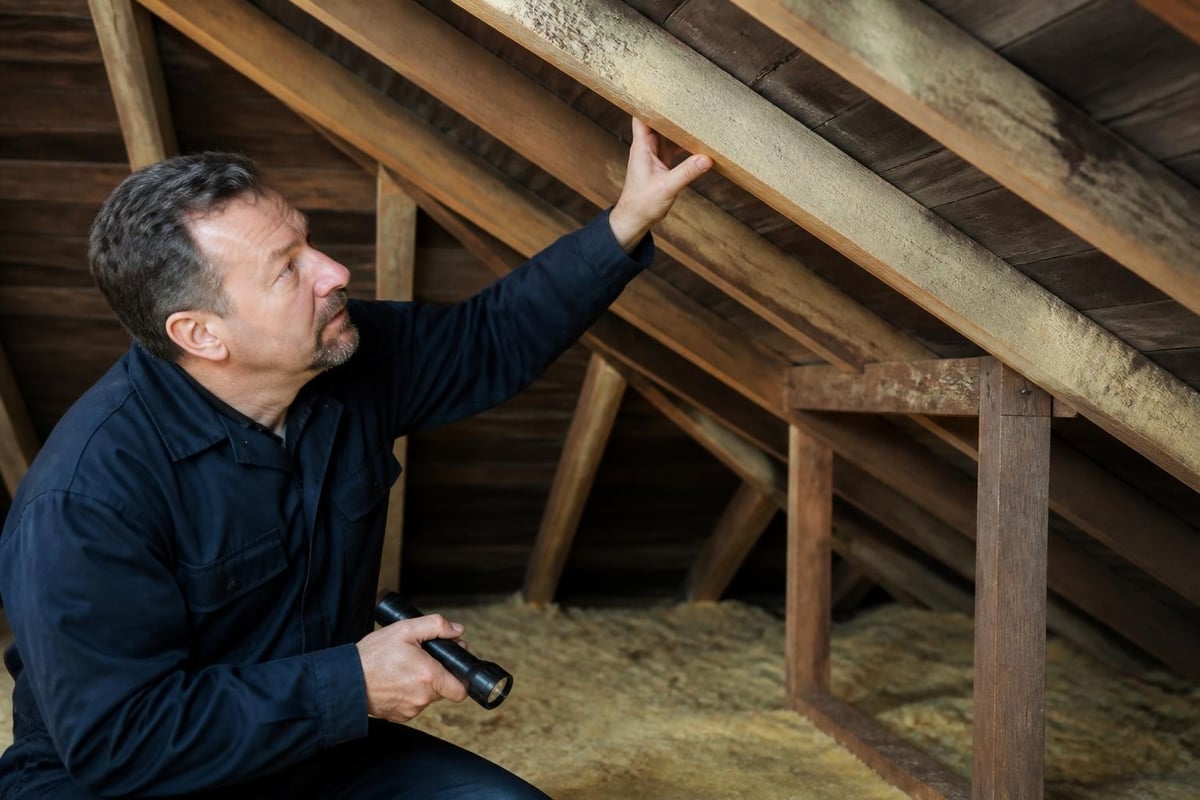
- Ventilation adequacy in crawl spaces and attics
- Previous repair work or pest damage evidence
Technicians use specialized tools including moisture meters, thermal imaging cameras, and acoustic detection devices. These instruments reveal hidden infestations behind walls, under flooring, or within structural cavities that visual inspection alone cannot detect.
Interior Assessment Strategies
Inside the structure, inspectors examine basements, crawl spaces, attics, and living areas. They probe wooden components with awls or screwdrivers, testing for weakness indicating internal decay. Sounding techniques help identify hollow areas where pests have consumed wood from the inside.
Inspectors document findings with photographs, diagrams, and detailed written reports. This documentation provides property owners with clear evidence of conditions requiring attention and creates records for future reference. For Richmond homeowners considering property transactions, these reports prove essential for pest control negotiations and disclosure requirements.
Treatment Technologies and Applications
Modern structural pest control employs multiple treatment methods, selected based on pest species, infestation severity, and building characteristics. No single approach works universally, requiring professionals to design customized treatment plans.
Chemical Barrier Systems
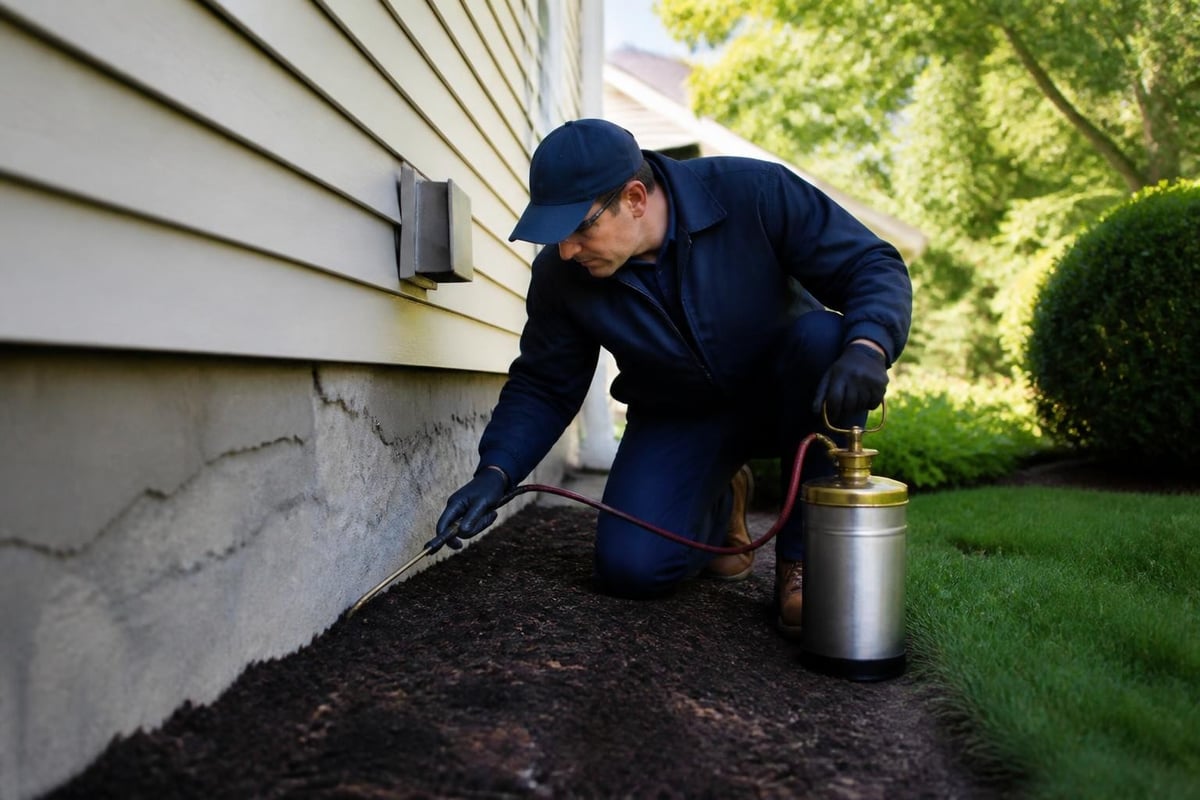
Liquid termiticides create protective zones around structures, preventing termite entry and eliminating existing colonies. Non-repellent termiticides like fipronil work particularly effectively because termites cannot detect the chemical, spreading it throughout their colony through contact transfer.
Application involves trenching around the foundation perimeter and injecting termiticide into the soil. For slab foundations, technicians drill holes to reach the soil beneath, creating a continuous barrier. Treatment volume and concentration follow precise calculations based on soil type, moisture content, and structure dimensions.
The licensing requirements for structural pest control professionals ensure applicators understand proper mixing ratios, application rates, and safety precautions. Improper chemical handling poses environmental risks and reduces treatment effectiveness.
Baiting Systems and Monitoring
Termite baiting systems offer an alternative to liquid treatments, using strategically placed stations containing cellulose material. When termites discover the bait, they recruit colony members to feed on it. Active ingredient transfer among termites gradually eliminates the entire colony.
Professional monitoring ensures bait stations remain active and effective. Technicians check stations quarterly, replacing consumed bait and adjusting station placement based on termite activity patterns. This approach requires patience, taking several months to achieve complete colony elimination.
Richmond properties with environmental sensitivity concerns often choose baiting systems. The targeted approach minimizes chemical usage while providing long-term protection through continuous monitoring.
Fumigation and Heat Treatment
Severe drywood termite infestations may require whole-structure fumigation. This process involves enclosing the building in tarps and introducing sulfuryl fluoride gas that penetrates all wood members, killing termites throughout the structure. Fumigation remains the only method guaranteed to eliminate drywood termites completely in a single treatment.
Heat treatment offers a non-chemical alternative, raising interior temperatures to levels lethal for pests. Specialized equipment heats the structure to 120-140°F for several hours, killing termites, beetles, and other wood-destroying organisms. This method works effectively for localized infestations without requiring occupants to vacate for extended periods.
Understanding termite fumigation costs helps Richmond homeowners budget appropriately for comprehensive treatment when infestations require aggressive intervention.
Integrated Pest Management Strategies
Effective structural pest control combines chemical treatments with cultural and physical modifications. This integrated approach addresses immediate infestations while reducing future vulnerability.
Moisture Management Solutions
Excess moisture attracts wood-destroying pests and accelerates structural decay. Proper water management represents the foundation of long-term pest prevention. Critical moisture control measures include:
- Installing and maintaining gutters and downspouts
- Grading soil away from foundations
- Repairing plumbing leaks promptly
- Ensuring proper crawl space ventilation
- Installing vapor barriers in crawl spaces
Richmond's humid climate makes moisture control particularly challenging. Properties built on clay soils experience drainage problems that create persistently damp conditions around foundations. Professional structural pest control services evaluate moisture sources and recommend remediation strategies.
Structural Modifications
Physical barriers prevent pest access more effectively than chemical treatments alone. Wood-to-soil contact elimination removes direct pathways termites use to reach structures. Replacing deteriorated wood removes both active infestations and attractive food sources.
Installing metal termite shields, screening foundation vents, and sealing expansion joints create additional protective layers. These modifications complement chemical treatments, extending their effectiveness and reducing long-term maintenance requirements.
| Modification Type | Prevention Benefit | Implementation Cost | Longevity |
|---|---|---|---|
| Vapor barriers | Reduces moisture, prevents conducive conditions | Moderate | 15-20 years |
| Metal shields | Blocks termite entry at foundation | Low | Permanent |
| Vent screening | Prevents pest entry while maintaining airflow | Low | 10-15 years |
| Wood replacement | Removes damaged material and food sources | High | Varies by material |
| Foundation sealing | Eliminates entry points and gaps | Moderate | 5-10 years |
Vegetation and Landscaping Management
Plants touching structures provide highways for pests. Mulch piled against siding holds moisture and attracts termites. Proper landscaping practices maintain clearance between vegetation and buildings, use termite-resistant mulch alternatives, and avoid irrigation systems that spray water directly on foundations.
Richmond homeowners should maintain at least 12 inches between soil/mulch and wood siding. Removing tree stumps, fallen logs, and wood debris from the property eliminates termite colony sites near structures.
Professional Versus DIY Approaches
Property owners frequently consider handling structural pest control independently. While retail products exist for termite treatment, significant differences separate professional and consumer applications.
Limitations of Consumer Products
Over-the-counter termiticides lack the concentration and formulation of professional-grade chemicals. Retail products may kill visible termites without reaching colony populations, providing false security while infestations continue spreading. Application equipment available to consumers cannot deliver chemicals with the precision and coverage professionals achieve.
Structural pest control requires specialized knowledge for species identification. Misidentifying carpenter ants as termites, or confusing termite swarmers with flying ants, leads to inappropriate treatment selection. Different pest species require distinct control strategies, making accurate identification essential for effective treatment.
Value of Professional Expertise
Licensed structural pest control professionals bring years of training and field experience. They recognize subtle infestation signs invisible to untrained eyes, assess structural vulnerabilities accurately, and select appropriate treatment methods for specific situations.
Professional services include:
- Comprehensive property inspections using specialized detection equipment
- Accurate pest species identification and biology knowledge
- Access to professional-grade treatment materials
- Proper application equipment and techniques
- Treatment warranties and ongoing monitoring
- Compliance with environmental and safety regulations
The consumer information resources provided by regulatory boards emphasize the importance of hiring licensed professionals for structural pest control work. These guidelines help property owners verify credentials, understand service agreements, and file complaints when necessary.
Regional Considerations for Richmond Properties
Richmond's geographic location, climate patterns, and construction styles create specific structural pest control challenges. Understanding these regional factors helps property owners protect their investments effectively.
Climate Impact on Pest Pressure
Virginia's humid subtropical climate provides year-round pest activity. Mild winters allow termite colonies to remain active, while hot, humid summers accelerate reproduction rates. Richmond experiences peak termite swarming from March through May, when reproductive termites emerge to establish new colonies.
The James River and numerous waterways throughout Richmond create moisture-rich environments. Properties near water bodies face elevated pest pressure, requiring more aggressive preventive measures and more frequent monitoring.
Historical Home Challenges
Richmond's substantial inventory of historical homes presents unique structural pest control challenges. Older construction methods often included direct wood-to-soil contact, creating easy termite access. Pier-and-beam foundations common in homes built before 1950 provide ample access points for subterranean termites.
Treatment options for historical properties require careful selection. Preservation concerns may prohibit drilling or trenching around foundations. Alternative methods like baiting systems or localized treatment zones protect structural integrity while respecting historical value.
Common Construction Vulnerabilities
Modern Richmond construction includes crawl space foundations particularly susceptible to moisture accumulation and pest activity. Poor ventilation, inadequate vapor barriers, and standing water create ideal conditions for termites, carpenter ants, and wood-destroying fungi.
Split-level designs and additions built over time may create hidden voids where infestations develop undetected. Professional inspectors examine these transitional areas carefully, recognizing that pest activity often concentrates where different construction phases meet.
Preventive Maintenance Programs
Ongoing structural pest control prevents expensive repairs and maintains property values. Regular monitoring detects problems early when treatment costs remain minimal and damage stays limited.
Annual Inspection Schedules
Most structural pest control programs include annual inspections supplemented by quarterly monitoring visits. Annual comprehensive evaluations examine the entire structure, while quarterly checks focus on high-risk areas and monitoring stations.
Inspection frequency increases for properties with previous infestations, conducive moisture conditions, or nearby termite activity. Richmond properties in neighborhoods with documented termite problems benefit from more aggressive monitoring schedules.
Early Detection Benefits
Identifying structural pest activity early dramatically reduces treatment complexity and cost. A small localized infestation caught during routine monitoring may require only spot treatment, while undetected colonies spreading for years necessitate whole-structure fumigation.
Regular inspections also identify conducive conditions before pest establishment. Correcting moisture problems, sealing entry points, and removing wood debris prevents infestations from developing, eliminating treatment costs entirely.
Documentation and Property Value
Maintaining records of structural pest control inspections and treatments protects property values during sales transactions. Complete pest control documentation demonstrates responsible property maintenance, addressing buyer concerns and potentially expediting transactions.
Virginia real estate transfers often include pest inspection requirements. Having current reports from licensed professionals streamlines closing processes and prevents last-minute surprises that delay or derail sales.
Industry Innovations and Emerging Technologies
Structural pest control continues evolving with new treatment methods, detection technologies, and application techniques improving effectiveness while reducing environmental impact.
Advanced Detection Methods
Acoustic emission technology detects termite feeding sounds inside walls and structural members. Sensitive microphones pick up vibrations created by termite mandibles cutting through wood, pinpointing active infestations without invasive probing.
Thermal imaging cameras reveal temperature variations indicating moisture accumulation, air leaks, and insect activity. Termite colonies generate heat, creating thermal signatures visible through walls and ceilings that guide targeted treatment applications.
Reduced-Risk Treatment Products
Newer termiticide formulations emphasize environmental safety while maintaining effectiveness. Insect growth regulators disrupt termite development without broad-spectrum toxicity. These products prevent termites from molting successfully, eventually eliminating colonies through reproductive failure.
Biological control agents including nematodes and fungi offer chemical-free alternatives. Entomopathogenic nematodes attack termites in soil, while fungi like Metarhizium anisopliae infect and kill termites through natural disease processes.
Data-Driven Service Models
Digital monitoring systems transmit real-time information from bait stations and sensors to service providers. Technicians receive alerts when termite activity occurs, enabling rapid response before significant damage develops. Connected monitoring reduces unnecessary service visits while ensuring prompt intervention when pests appear.
Predictive analytics using historical data, weather patterns, and regional pest trends help anticipate infestation risks. Richmond properties receive customized recommendations based on neighborhood pest activity, construction type, and environmental conditions.
Selecting Qualified Service Providers
Choosing the right structural pest control company significantly impacts treatment effectiveness and long-term property protection. Several factors distinguish quality providers from inadequate services.
Verification of Credentials
Always confirm that technicians hold current licenses issued by appropriate regulatory authorities. The North Carolina Structural Pest Control Committee maintains public records of licensed professionals, while Virginia maintains similar databases for in-state operators.
Request proof of liability insurance and workers' compensation coverage. Adequate insurance protection safeguards property owners from liability if treatment damages occur or technicians suffer injuries during service.
Service Agreement Components
Comprehensive service agreements specify treatment methods, chemical products used, application schedules, and warranty terms. Read contracts carefully before signing, ensuring you understand coverage limitations, renewal terms, and cancellation policies.
Quality agreements include:
- Detailed description of treatment areas and methods
- Product safety data sheets and application instructions
- Specific warranty duration and coverage conditions
- Retreatment provisions if pests return during warranty periods
- Pricing structure including initial treatment and ongoing monitoring
Company Reputation and References
Research company histories through online reviews, Better Business Bureau ratings, and professional association memberships. Contact references from customers with similar property types and pest issues.
Local expertise matters significantly in structural pest control. Companies familiar with Richmond's specific pest pressures, construction styles, and environmental conditions deliver more effective service than national chains without regional specialization.
Cost Factors and Investment Returns
Understanding structural pest control costs helps property owners budget appropriately and evaluate service proposals accurately.
Treatment Pricing Variables
Costs vary based on property size, infestation severity, treatment method selection, and accessibility challenges. Large properties require more material and labor, increasing treatment expenses proportionally.
Initial treatments typically cost more than ongoing preventive services. Establishing chemical barriers or eliminating active infestations demands intensive effort, while maintenance visits focus on monitoring and minor applications.
| Service Type | Typical Cost Range | Frequency | Coverage Duration |
|---|---|---|---|
| Initial termite treatment | $1,200-$3,500 | One-time | Varies by method |
| Annual monitoring | $300-$600 | Yearly | 12 months |
| Quarterly inspections | $400-$800 | Every 3 months | 12 months |
| Drywood fumigation | $2,500-$8,000 | As needed | Complete elimination |
| Localized treatments | $500-$1,500 | As needed | Specific areas |
Long-Term Value Protection
Structural pest damage repairs often exceed prevention costs significantly. Wood replacement, foundation repairs, and restoration work following severe termite damage may cost tens of thousands of dollars.
Preventive structural pest control programs represent insurance against catastrophic damage. Annual monitoring costs pale compared to major repair expenses, making professional services financially prudent investments.
Properties with documented pest control programs maintain higher resale values. Buyers pay premiums for homes with clean inspection reports and active protection systems, recovering prevention costs through stronger sale prices.
Environmental and Health Considerations
Modern structural pest control balances effectiveness with environmental responsibility and occupant safety. Understanding product characteristics and application methods helps property owners make informed decisions.
Product Safety Profiles
Professional-grade termiticides undergo extensive testing for environmental impact and human health effects. EPA registration requires manufacturers to demonstrate products can be used safely when applied according to label directions.
Most modern termiticides exhibit low toxicity to mammals while remaining highly effective against target pests. Products break down naturally over time, reducing persistent environmental contamination. Non-repellent formulations minimize impacts on beneficial soil organisms.
Application Safety Protocols
Licensed applicators follow strict safety procedures during treatment. Proper protective equipment, appropriate mixing ratios, and correct application techniques minimize exposure risks for technicians and property occupants.
Fumigation treatments require temporary evacuation, with structures remaining vacant until aeration reduces gas concentrations to safe levels. Licensed fumigators test air quality before authorizing reentry, ensuring complete safety for returning occupants.
Alternative Treatment Considerations
Property owners with chemical sensitivity concerns may request alternative treatment methods. Heat treatment, freezing applications, and electro-gun technology offer non-chemical options for localized infestations.
Borate wood treatments provide long-lasting protection with minimal environmental impact. Boron compounds penetrate wood deeply, creating barriers that repel and kill wood-destroying organisms while remaining safe around humans and pets.
Regulatory Compliance and Legal Requirements
Structural pest control operates within comprehensive regulatory frameworks protecting consumers and ensuring professional standards.
State Licensing Systems
Each state maintains licensing requirements for structural pest control operators. The New Hampshire administrative code defines licensing categories, examination requirements, and continuing education mandates typical of state regulatory systems.
Virginia requires separate licenses for different pest control categories. Structural pest control licenses differ from agricultural applicator credentials, recognizing the specialized knowledge required for building treatments.
Recent Regulatory Updates
State agencies periodically revise regulations to address emerging pest threats, new treatment technologies, and environmental concerns. The 2025 North Carolina structural pest control rules revision demonstrates how regulatory frameworks evolve to maintain relevance.
Staying current with regulatory changes ensures compliance and protects professional credentials. Continuing education requirements mandate regular training, keeping licensed professionals updated on best practices, new products, and regulatory modifications.
Consumer Protection Mechanisms
Regulatory boards investigate complaints against licensed professionals, taking disciplinary action when violations occur. Property owners who experience problems with structural pest control services can file formal complaints triggering investigations.
State licensing systems create accountability that protects consumers from fraud, incompetence, and negligence. This oversight distinguishes licensed professionals from unlicensed operators who lack accountability mechanisms.
Integration with Property Maintenance Systems
Structural pest control functions most effectively when integrated with comprehensive property maintenance strategies. Coordinating pest prevention with other building systems creates synergistic protection.
Coordination with Building Contractors
Pest control professionals collaborate with builders, remodelers, and contractors to incorporate preventive measures during construction or renovation. Pre-treatment applications before concrete pours create lasting termite barriers.
Coordination ensures pest prevention considerations inform design decisions. Proper flashing installation, adequate ventilation design, and moisture-resistant material selection reduce future pest vulnerability.
Relationship to Other Property Services
Structural pest control intersects with roofing, plumbing, HVAC, and foundation maintenance. Water intrusion from failed roofing creates conducive conditions for wood-destroying pests. Plumbing leaks increase moisture levels that attract termites and carpenter ants.
Regular communication between pest control professionals and other service providers creates comprehensive property protection. Pest inspectors who notice roof damage or plumbing leaks alert property owners, enabling repairs before conditions deteriorate.
Future Trends in Structural Pest Control
The structural pest control industry continues advancing through research, technology development, and changing environmental priorities.
Sustainable Practice Adoption
Increasing environmental awareness drives demand for sustainable pest control methods. Reduced-risk products, targeted applications, and integrated pest management approaches minimize environmental impacts while maintaining effectiveness.
Green building standards increasingly incorporate pest prevention into design specifications. Construction methods that inherently resist pest establishment reduce treatment requirements throughout building lifecycles.
Technology Integration Expansion
Artificial intelligence and machine learning will enhance pest detection and treatment planning. Predictive models analyzing vast datasets will identify infestation risks before visible signs appear, enabling preemptive interventions.
Drone technology may facilitate roof and upper-story inspections, accessing difficult areas safely and efficiently. Remote sensing capabilities could detect pest activity from exterior positions, reducing inspection time while improving accuracy.
Pest Resistance Management
As pest populations develop resistance to conventional treatments, product rotation and integrated management become increasingly important. Resistance monitoring programs track treatment effectiveness, guiding product selection and application strategies.
Research into novel control mechanisms including RNA interference and pheromone disruption promises new tools for managing resistant pest populations. These emerging technologies will supplement conventional treatments as they prove effective and economically viable.
Protecting your Richmond property from structural pests requires specialized knowledge, professional-grade materials, and comprehensive treatment strategies that address both immediate infestations and long-term prevention. Whether you're dealing with termites threatening your foundation, moisture problems in your crawl space, or need expert assessment of your property's vulnerability to wood-destroying organisms, professional guidance makes the difference between minor interventions and catastrophic repairs. SanPro brings decades of structural pest control expertise to Richmond homeowners and businesses, offering thorough inspections, customized treatment plans, and ongoing monitoring that protects your investment for years to come.