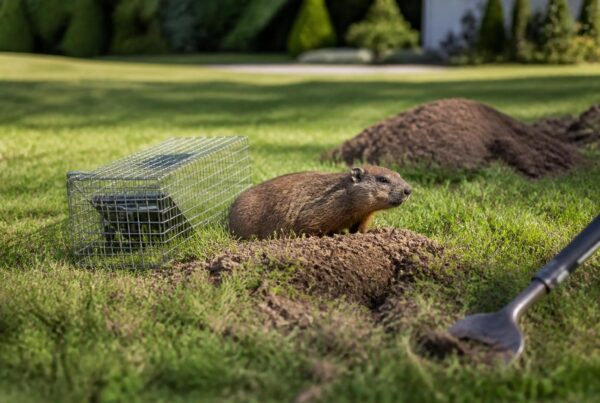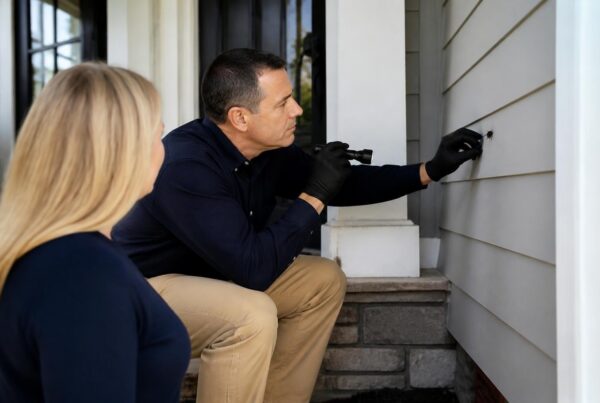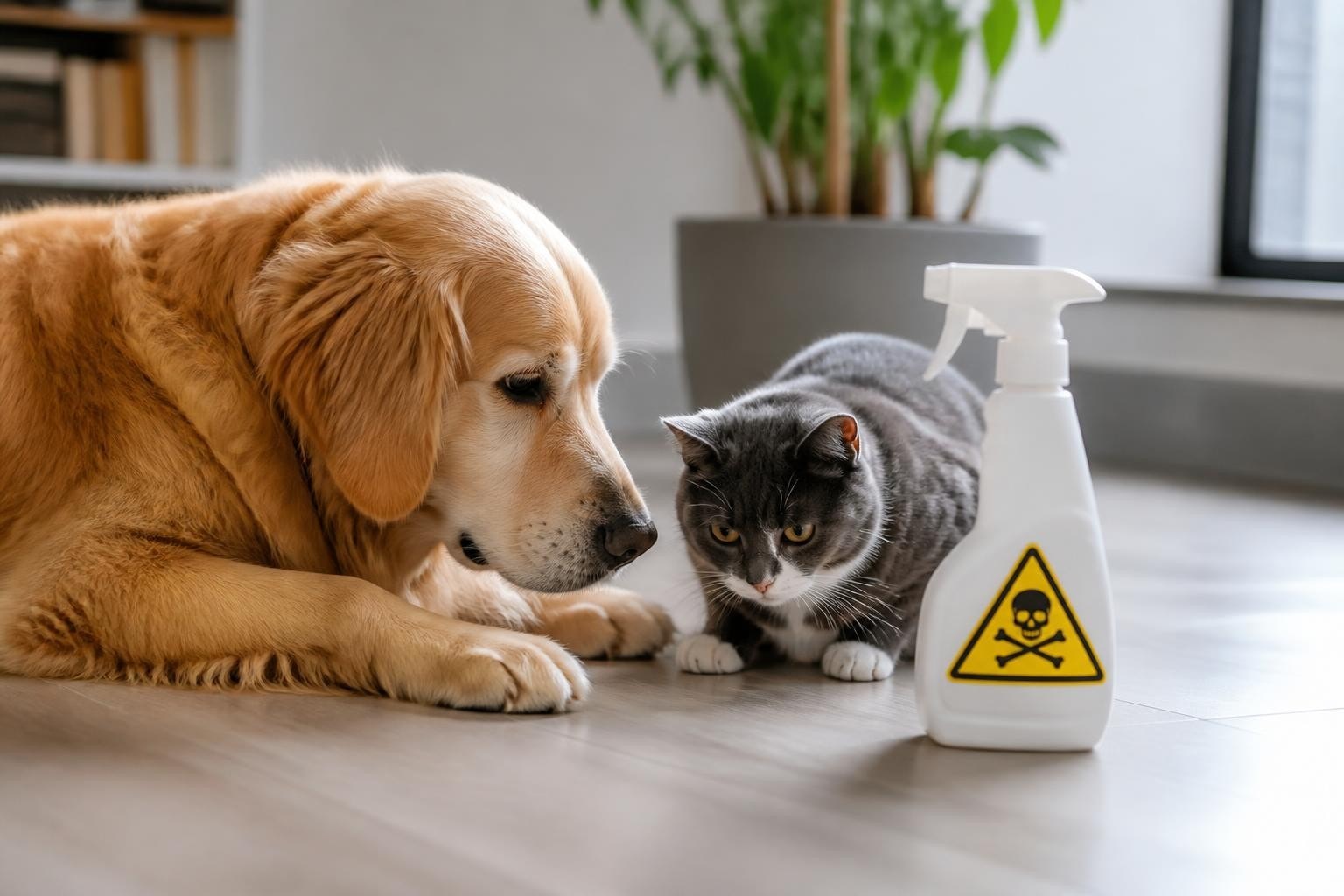
Every homeowner in Richmond, VA faces a delicate balancing act when dealing with unwanted pests while keeping beloved pets safe. The intersection of effective pest management and pet safety requires careful planning, informed product choices, and professional expertise. Whether you're dealing with rodents in your crawl space, fleas brought home by your dog, or roaches discovered in the kitchen, understanding how to protect your four-legged family members while eliminating pests is essential. This comprehensive guide explores proven strategies for pest control with pets, highlighting safety protocols, product selection, and professional approaches that keep your Richmond home pest-free without compromising your pet's health.
Understanding the Risks of Traditional Pest Control Products
Traditional pest control methods often rely on chemicals and baits that pose significant dangers to household pets. Dogs and cats are naturally curious, investigating new scents and tastes in their environment, which makes them particularly vulnerable to accidental poisoning.
Rodenticides represent one of the most severe threats. According to the Pet Poison Helpline, rodent baits are among the top ten pet toxins reported each year. These products work by causing internal bleeding, kidney failure, or neurological damage in rodents, but they produce the same devastating effects in pets who consume them directly or eat poisoned rodents.
The ASPCA warns that even small amounts of certain rodenticides can be lethal to pets. Common anticoagulant baits may not show symptoms for 3-5 days, making early detection challenging. Second-generation anticoagulants are particularly dangerous because they persist longer in the body and require only a single feeding to cause harm.
Common Household Pesticides and Pet Exposure
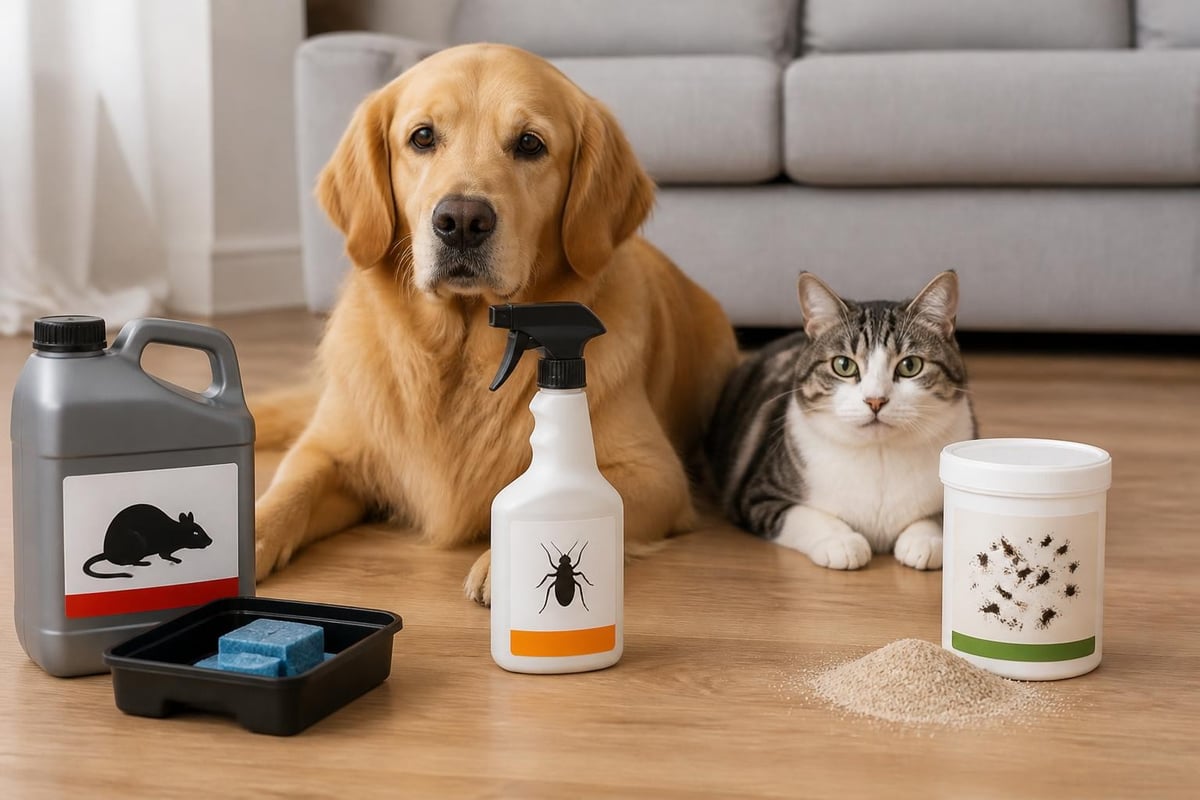
Beyond rodenticides, several other pest control products create hazards for pets:
- Insect sprays and foggers that leave residues on floors and surfaces where pets walk and groom
- Granular lawn treatments for fleas, ticks, and ants that pets may ingest while playing outdoors
- Bait stations for roaches and ants that curious pets can access or destroy
- Spot treatments applied to baseboards and entry points at pet nose-height
The EPA has evaluated pet spot-on products extensively, finding that even products designed for pets can cause adverse reactions when misapplied or when pets are exposed to treatments meant for other species. This regulatory scrutiny underscores the importance of reading labels carefully and following application instructions precisely.
| Pesticide Type | Primary Risk to Pets | Symptom Timeline | Severity Level |
|---|---|---|---|
| Anticoagulant rodenticides | Internal bleeding | 3-7 days | High |
| Bromethalin rodenticides | Neurological damage | 2-7 days | Very High |
| Insect sprays (pyrethroids) | Tremors, seizures | Minutes to hours | Moderate to High |
| Granular ant/flea baits | Gastrointestinal upset | Hours to 1 day | Low to Moderate |
| Slug/snail baits (metaldehyde) | Seizures, hyperthermia | 1-4 hours | High |
Pet-Safe Pest Control Methods for Richmond Homes
Effective pest control with pets begins with prevention and non-toxic approaches that eliminate pest attractants without introducing harmful chemicals into your living space.
Exclusion and Structural Repairs
The most reliable pet-safe strategy involves keeping pests out entirely through physical barriers and home maintenance. Richmond's climate, with humid summers and moderate winters, creates ideal conditions for pest entry through gaps and cracks.
Professional crawl space encapsulation addresses one of the most common pest entry points. Unsealed crawl spaces invite rodents, termites, and moisture-loving insects that eventually migrate into living areas. When pest control with pets is a priority, starting below your home makes strategic sense.
Key exclusion methods include:
- Sealing foundation cracks and gaps around utility lines with steel wool and caulk
- Installing door sweeps on all exterior doors, including garage entries
- Repairing damaged screens on windows and vents
- Covering chimney openings with appropriate caps and screens
- Trimming vegetation away from the home's exterior to eliminate pest highways
These structural improvements deliver permanent results without exposing pets to any chemicals or baits. They also reduce humidity and improve energy efficiency, addressing multiple home performance issues simultaneously.
Sanitation and Habitat Modification
Pests require food, water, and shelter to survive. Removing these essentials makes your Richmond home inhospitable to invaders while keeping your pets completely safe.
Kitchen and food storage practices form the foundation of pest prevention. Store all dry goods in sealed glass or heavy plastic containers that rodents cannot gnaw through. Clean up pet food immediately after feeding times rather than leaving bowls out all day, which attracts roaches, ants, and rodents.
Outdoor sanitation is equally important. Keep garbage in sealed containers, remove fallen fruit from trees promptly, and eliminate standing water where mosquitoes breed. These simple steps dramatically reduce pest pressure without any products that could harm pets.
The Humane Society provides practical guidance emphasizing sanitation and exclusion as first-line defenses against rodents. Their approach aligns perfectly with pet-safe pest management, prioritizing non-toxic methods that address root causes rather than symptoms.
Professional Pest Control Products and Pet Safety
When prevention and exclusion alone cannot resolve an infestation, selecting the right professional-grade products becomes critical for safe pest control with pets. Modern pest management offers numerous low-toxicity options that effectively eliminate pests while minimizing risks to household animals.
Reading and Understanding Product Labels
The EPA requires specific label statements on pest control products used around pets. These regulations mandate clear warnings, application instructions, and reentry intervals that protect both people and animals.
Active ingredients matter significantly. Products containing pyrethrins (derived from chrysanthemum flowers) generally pose lower risks to mammals than synthetic pyrethroids, though cats are particularly sensitive to both. Boric acid-based products for roaches and ants have low mammalian toxicity when used correctly in cracks and crevices where pets cannot access them.
Before any application, pet owners should:
- Verify the product is labeled for use in homes with pets
- Note the required ventilation time before pets can safely reenter treated areas
- Understand the difference between "pet-safe when dry" and "pet-safe formulation"
- Confirm the target pest to avoid using products unnecessarily
Integrated Pest Management (IPM) Protocols
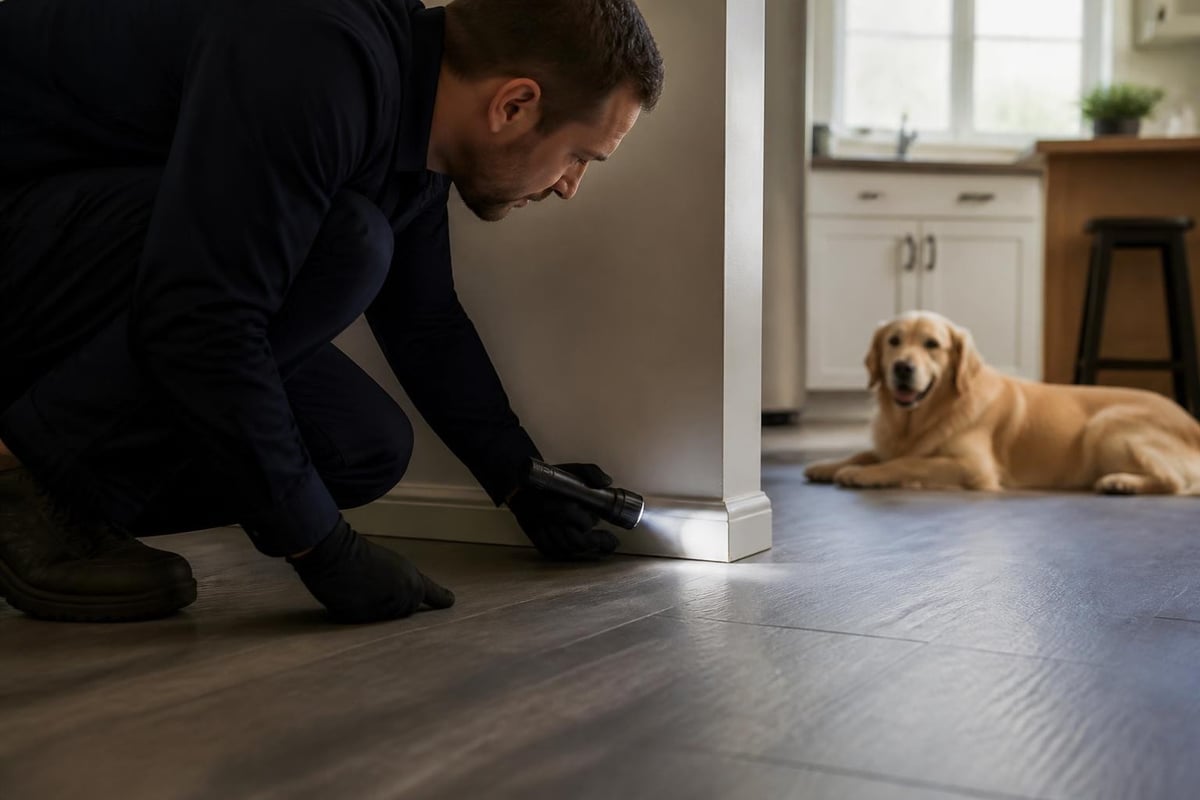
Professional pest control companies serving Richmond increasingly adopt Integrated Pest Management approaches that minimize chemical use while maximizing effectiveness. SanPro’s pest control services incorporate IPM principles, beginning with thorough inspections to identify pest species, entry points, and conducive conditions.
IPM for homes with pets follows a hierarchical strategy:
- Identification: Accurate pest identification ensures appropriate treatment selection
- Monitoring: Traps and visual inspections track pest activity without chemicals
- Prevention: Addressing conducive conditions eliminates future infestations
- Mechanical control: Traps, vacuums, and physical removal when feasible
- Targeted chemical application: Minimal use of lowest-toxicity products only when necessary
This approach dramatically reduces pet exposure while often delivering superior long-term results compared to blanket chemical applications.
Specific Pest Challenges and Pet-Safe Solutions
Different pests require different approaches, and understanding these nuances helps Richmond homeowners make informed decisions about pest control with pets.
Rodent Control Without Secondary Poisoning
Mice and rats present unique challenges because traditional baits create both primary risks (pets eating bait) and secondary risks (pets eating poisoned rodents). The ASPCA advocates for rodent control methods that minimize these dangers through prevention and humane alternatives.
Snap traps and electronic traps eliminate rodents instantly without poisons that could transfer through the food chain. Place these devices in areas pets cannot access, such as behind appliances, inside cabinets with child-safety latches, or in secured bait stations designed for traps rather than poisons.
Live-catch traps offer the most humane option for single rodents, though they require prompt attention to relocate captured animals. For Richmond homeowners dealing with ongoing rodent pressure, professional exclusion combined with strategic trapping delivers permanent solutions.
When rodenticides are absolutely necessary for severe infestations, professional exterminators use tamper-resistant bait stations secured in locations inaccessible to pets. They also select formulations with lower secondary poisoning risks and monitor stations frequently to remove dead rodents before pets can access them.
Flea and Tick Management
Fleas and ticks attack pets directly, making them both a pest problem and a veterinary concern. Safe management requires treating both the pet and the environment without creating toxic exposures.
Cornell’s IPM program emphasizes treating pets with veterinarian-approved products while simultaneously addressing environmental reservoirs. Flea eggs, larvae, and pupae in carpets, bedding, and furniture can survive for months, reinfesting pets repeatedly.
Environmental treatment options for pet households include:
- Frequent vacuuming with immediate disposal of vacuum bags outside
- Hot water washing of all pet bedding and removable furniture covers
- Food-grade diatomaceous earth in cracks and carpet edges (safe when settled)
- Insect growth regulators that prevent flea reproduction without harming mammals
- Professional steam cleaning for severe infestations
The AVMA recommends consulting with your veterinarian before using any flea or tick products on pets, as species, age, and health status affect product safety. Never use dog products on cats, as many contain permethrin that is highly toxic to felines.
Termites and Structural Pests
Termite treatments historically relied on extensive soil treatments with persistent chemicals that posed long-term exposure risks. Modern termite management offers safer alternatives for pest control with pets.
Liquid termiticides applied to the soil around foundations now use lower-toxicity formulations with reduced environmental persistence. Professional applicators create continuous chemical barriers in exterior soil only, keeping treatments away from interior spaces where pets live.
Termite bait systems represent the safest option for homes with pets. These stations contain cellulose material that attracts termites, which then carry slow-acting growth regulators back to their colonies. The active ingredients target insect biology specifically and have minimal mammalian toxicity.
Wood-boring beetle and carpenter ant treatments can often be limited to localized applications in wall voids or directly into galleries, minimizing broadcast spraying that could expose pets.
Creating a Safe Treatment Plan
Developing an effective strategy for pest control with pets requires coordination between homeowners, pest control professionals, and sometimes veterinarians.
Pre-Treatment Preparations
Before any pest control service, pet owners should take specific precautions to minimize exposure risks:
- Remove pets from the treatment area for the duration specified on product labels, typically 2-4 hours
- Cover or remove pet food bowls, water dishes, and toys from areas receiving treatment
- Vacuum thoroughly to remove pet hair that might absorb spray treatments
- Wash pet bedding before treatment to reduce flea populations and prevent contamination
- Secure aquariums with tight covers and turn off air pumps during aerosol applications
Communication with your pest control technician is essential. Inform them about all pets in the household, including species, typical roaming areas, and any health conditions that might increase vulnerability to chemicals. Professional exterminators can adjust product selection and application methods based on this information.
Post-Treatment Safety Protocols
After pest control applications, responsible pet reintroduction protects animal health while maintaining treatment effectiveness.
Ventilation requirements vary by product type. Most modern formulations require 2-4 hours of ventilation with windows open before pets safely return. Some specialized treatments may require longer waiting periods or additional cleaning of treated surfaces.
| Treatment Type | Typical Ventilation Time | Surface Cleaning Required | Special Precautions |
|---|---|---|---|
| Interior spray (baseboards) | 2-4 hours | No (pet surfaces yes) | Keep pets from licking treated areas |
| Fogger/aerosol | 4-6 hours | Yes, all surfaces | Remove pet items before treatment |
| Granular outdoor | Allow 24 hours rain/watering | Not applicable | Keep pets off lawn until watered in |
| Crack and crevice | 1-2 hours | No | Ensure pets cannot access treated voids |
| Bait stations | Immediate (exterior only) | Not applicable | Verify stations are truly tamper-resistant |
Surface cleaning focuses on areas where pets have direct contact. Wipe down countertops, floors where pets lie, and any surfaces at pet height with soap and water. This removes residues without compromising the treatment's effectiveness in cracks, crevices, and other targeted areas.

Seasonal Pest Pressures in Richmond, VA
Richmond's geographic location and climate create distinct seasonal pest patterns that affect how homeowners approach pest control with pets throughout the year.
Spring and Summer Challenges
Warm weather brings peak pest activity across Virginia. Termite swarms emerge in spring, signaling the need for inspections and preventive treatments. Ants establish new colonies and invade homes seeking food and moisture. Mosquitoes, ticks, and fleas become active outdoor threats to both pets and people.
May through September requires heightened vigilance for pet owners. Dogs and cats bring fleas and ticks indoors from yard exposure. Outdoor activities increase pet contact with areas where ants and other stinging insects nest.
During these months, focus on:
- Monthly veterinary-approved flea and tick preventives for all pets
- Frequent yard inspections for ant mounds and wasp nests
- Maintaining proper drainage to eliminate mosquito breeding sites
- Professional perimeter treatments using pet-safe formulations
- Regular pest monitoring to catch problems early
Fall and Winter Pest Activity
As temperatures drop, rodents and occasional invaders seek warmth indoors. October through February brings mice, rats, and sometimes squirrels into Richmond attics, walls, and crawl spaces. Overwintering pests like Asian lady beetles, stink bugs, and cluster flies enter through small gaps seeking protected spaces.
Fall preparation should include:
- Comprehensive exterior inspections sealing all potential entry points
- Attic and crawl space checks for rodent signs (droppings, gnaw marks, nesting material)
- Removal of outdoor pet food sources that attract wildlife
- Professional rodent exclusion before cold weather drives pests inside
- Insulation services that address both energy efficiency and rodent protection in attics
Winter pest control with pets emphasizes exclusion and monitoring over chemical treatments, as sealed homes keep both pests and harsh weather outside while pets remain safely inside.
Working with Professional Pest Control Services
Professional expertise becomes invaluable when dealing with persistent infestations or pests that pose serious property damage or health risks. Choosing the right pest control partner ensures effective results while maintaining your commitment to pet safety.
What to Look for in a Pet-Friendly Exterminator
Not all pest control companies prioritize pet safety equally. When evaluating Richmond pest control services, consider these factors:
Licensing and certification verify that technicians have proper training in pesticide application and safety protocols. Virginia requires pest control operators to hold state licenses demonstrating knowledge of both pest biology and chemical safety.
Company policies regarding pets should include standard procedures for treatment planning, product selection, and customer communication. Ask potential providers:
- What products do you use as first-choice treatments in homes with pets?
- How do you secure bait stations to prevent pet access?
- What waiting periods do you recommend before pets return to treated areas?
- Can you provide product labels and safety data sheets upon request?
- Do you offer non-chemical options for specific pest problems?
Experience with pet households translates into practical knowledge about balancing effectiveness and safety. Technicians who regularly work in homes with pets understand which products perform well while minimizing risks and can identify potential hazards before they become problems.
Questions to Ask Before Treatment
Prior to any pest control service, informed homeowners ask detailed questions that protect their pets:
-
What specific products will you apply, and where? Generic answers like "EPA-registered pesticides" provide insufficient information.
-
How long should I keep my pets out of treated areas? The answer should reference specific reentry intervals from product labels.
-
Are there any surfaces I should clean before allowing pets back? Professional companies provide clear post-treatment instructions.
-
What signs of pest activity should I monitor after treatment? Ongoing communication helps assess treatment effectiveness.
-
What prevention measures can I implement to reduce future pest pressure? The best exterminators educate customers about long-term solutions.
Advanced Considerations for Multiple Pet Households
Homes with multiple pets or exotic animals face additional complexity in pest control planning. The safety considerations that apply to dogs and cats extend to birds, reptiles, fish, and small mammals, each with unique vulnerabilities.
Special Concerns for Different Pet Species
Birds are extremely sensitive to airborne chemicals due to their efficient respiratory systems. Avoid aerosol sprays, foggers, and any products that create airborne particles when birds are present. Even products considered safe for mammals can be lethal to parrots, canaries, and other pet birds.
Reptiles and amphibians absorb chemicals through their skin and are particularly vulnerable to pesticides. Never treat terrariums or the immediate surrounding area. Remove these pets to a different building, not just another room, during any interior pesticide application.
Fish and aquatic pets face risks from airborne particles settling on water surfaces and from chemicals in water sources. Cover aquariums completely and turn off filtration systems that pull air through the water during treatments.
Small mammals like rabbits, guinea pigs, hamsters, and ferrets have fast metabolisms and low body weights that make them susceptible to even minor chemical exposures. Apply the same removal protocols used for dogs and cats, with extra attention to cage cleaning before reintroduction.
Coordinating with Veterinary Care
When pest control with pets involves treating pest infestations that directly affect animal health (fleas, ticks, mites), coordination between your veterinarian and pest control professional ensures comprehensive results.
Environmental treatment timing should align with when you begin veterinary-prescribed flea or tick treatments on your pets. Treating the environment without treating infested pets leaves reproductive adults to restart the infestation. Treating pets without addressing environmental reservoirs leads to rapid reinfestation.
Product compatibility matters when combining veterinary medications with environmental treatments. Some combinations create additive exposures that exceed safe levels. Professional pest control technicians experienced with pet households understand these interactions and can adjust product selection accordingly.
Emergency Response and Accidental Exposure
Despite careful planning, accidental pet exposure to pest control products occasionally occurs. Knowing how to respond quickly can prevent serious harm or save your pet's life.
Recognizing Symptoms of Pesticide Poisoning
Different pesticide classes produce distinct symptoms. Common warning signs include:
- Excessive drooling or foaming at the mouth (often the first visible sign)
- Vomiting or diarrhea (may contain blood in severe cases)
- Tremors, twitching, or seizures (neurological symptoms)
- Difficulty breathing or rapid panting (respiratory distress)
- Lethargy, weakness, or collapse (systemic poisoning)
- Loss of coordination or paralysis (severe neurological involvement)
Onset timing varies considerably. Some pesticides cause immediate symptoms within minutes, while others (particularly anticoagulant rodenticides) may not produce signs for several days. Any unusual behavior following pest control treatment warrants veterinary attention.
Immediate Action Steps
If you suspect your pet has been exposed to pesticides:
- Remove your pet from the contaminated area immediately to prevent continued exposure
- Call your veterinarian or emergency animal hospital before taking action, as some treatments can worsen certain poisonings
- Contact the Pet Poison Helpline (855-764-7661) or ASPCA Animal Poison Control Center (888-426-4435) for expert guidance
- Bring the product label or container to the veterinary hospital to help identify the toxic ingredient
- Do not induce vomiting unless specifically instructed by a veterinarian or poison control specialist
Time matters critically in pesticide poisoning cases. Immediate veterinary care provides the best outcomes, particularly for fast-acting toxins like bromethalin rodenticides or metaldehyde slug baits.
Long-Term Pest Prevention Strategies
The most effective approach to pest control with pets involves creating an environment that prevents infestations from establishing rather than repeatedly treating active problems.
Building Envelope Integrity
Foundation and structural maintenance forms the cornerstone of permanent pest exclusion. Regular inspections identify and repair gaps before pests exploit them. Focus areas include:
- Foundation cracks wider than 1/8 inch that allow rodent entry
- Gaps around pipes, wires, and utility penetrations
- Damaged soffit and fascia boards that create attic access
- Deteriorated weather stripping on doors and windows
- Unsealed crawl space vents and access doors
Richmond's clay soils expand and contract with moisture changes, creating foundation movement that opens gaps over time. Annual inspections catch these developing issues early.
Moisture Control and Drainage
Excess moisture attracts pests ranging from termites and carpenter ants to silverfish and springtails. Moisture control serves dual purposes: it protects structural integrity while making your home less hospitable to pests.
Effective moisture management includes:
- Proper grading directing water away from the foundation
- Clean, functional gutters and downspouts
- Crawl space vapor barriers preventing ground moisture intrusion
- Dehumidification in basements and crawl spaces maintaining humidity below 60%
- Prompt repair of plumbing leaks and drainage problems
These investments protect your home's value while reducing pest pressure without any chemical applications that could affect pets.
Landscape and Yard Management
Vegetation management creates a pest-resistant perimeter around your home. Trees and shrubs touching your house provide highways for ants, roaches, rodents, and occasional invaders to reach entry points.
Best practices include:
- Maintaining 12-18 inches of clearance between plants and the foundation
- Trimming tree branches at least 6 feet from the roof
- Removing leaf litter, mulch buildup, and yard debris where pests harbor
- Storing firewood at least 20 feet from the house and elevated off the ground
- Eliminating standing water in yard decorations, plant saucers, and low spots
These measures reduce pest populations naturally while improving your property's appearance and your pets' outdoor safety.
Technology and Innovation in Pet-Safe Pest Control
The pest control industry continues developing new tools and approaches that enhance effectiveness while reducing risks to non-target animals.
Electronic and Mechanical Innovations
Smart rodent traps now feature wireless connectivity that alerts homeowners immediately when triggered. This technology allows prompt removal of captured rodents before pets discover them and eliminates the need for daily trap checks.
Ultrasonic and electromagnetic pest deterrents claim to repel pests using sound frequencies or electromagnetic pulses that don't affect pets. While scientific evidence for their effectiveness remains mixed, they represent completely non-toxic options worth considering as part of comprehensive pest management.
Heat treatment for bed bugs eliminates infestations by raising room temperatures to lethal levels without any chemical application. Pets simply leave during treatment, returning immediately when temperatures normalize.
Next-Generation Pesticide Formulations
Reduced-risk pesticides approved under EPA programs demonstrate lower toxicity to mammals while maintaining effectiveness against target pests. These include insect growth regulators that disrupt pest reproduction without affecting vertebrates and highly targeted compounds that exploit pest-specific biology.
Microencapsulated formulations slowly release active ingredients over time, reducing the amount needed for effective control while minimizing exposure to non-target animals. The encapsulation technology also reduces direct contact between pesticides and pets walking across treated surfaces.
Gel and paste baits for roaches and ants limit pesticide placement to small, precise locations that pets cannot access. Modern formulations include bittering agents that deter pets from tasting the product even if they encounter it.
Safe pest control with pets requires balancing effective pest elimination with your responsibility to protect household animals from harmful exposures. By prioritizing prevention, choosing appropriate products carefully, and working with knowledgeable professionals who understand pet safety protocols, Richmond homeowners can maintain pest-free environments without compromising their pets' health. SanPro brings decades of experience helping Richmond-area families address pest challenges while keeping pets safe through comprehensive inspections, targeted treatments, and preventive solutions including crawl space encapsulation and exclusion services. Contact our team today to develop a customized pest management plan that protects both your home and your four-legged family members.