Finding top pest control services in your area requires understanding what sets professional exterminators apart from basic pest removal companies. Richmond, Virginia homeowners face unique pest challenges throughout the year, from termite swarms in spring to rodent invasions before winter. The difference between adequate pest management and truly exceptional service lies in expertise, methodology, and long-term prevention strategies that address the root causes of infestations rather than simply treating symptoms.
What Defines Top Pest Control Services
Professional pest management involves far more than spraying chemicals and setting traps. Top pest control companies distinguish themselves through comprehensive service models that prioritize inspection, customized treatment plans, and ongoing monitoring.
Inspection and Assessment Standards
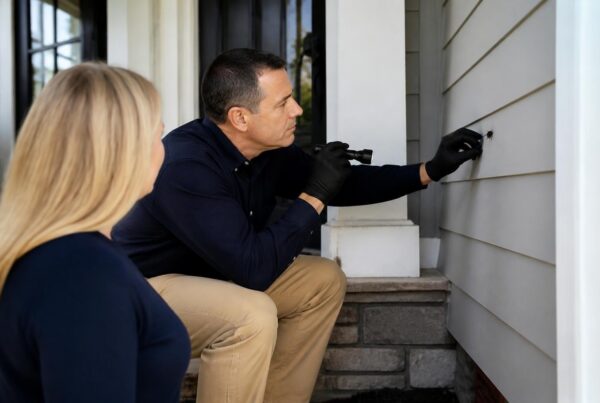
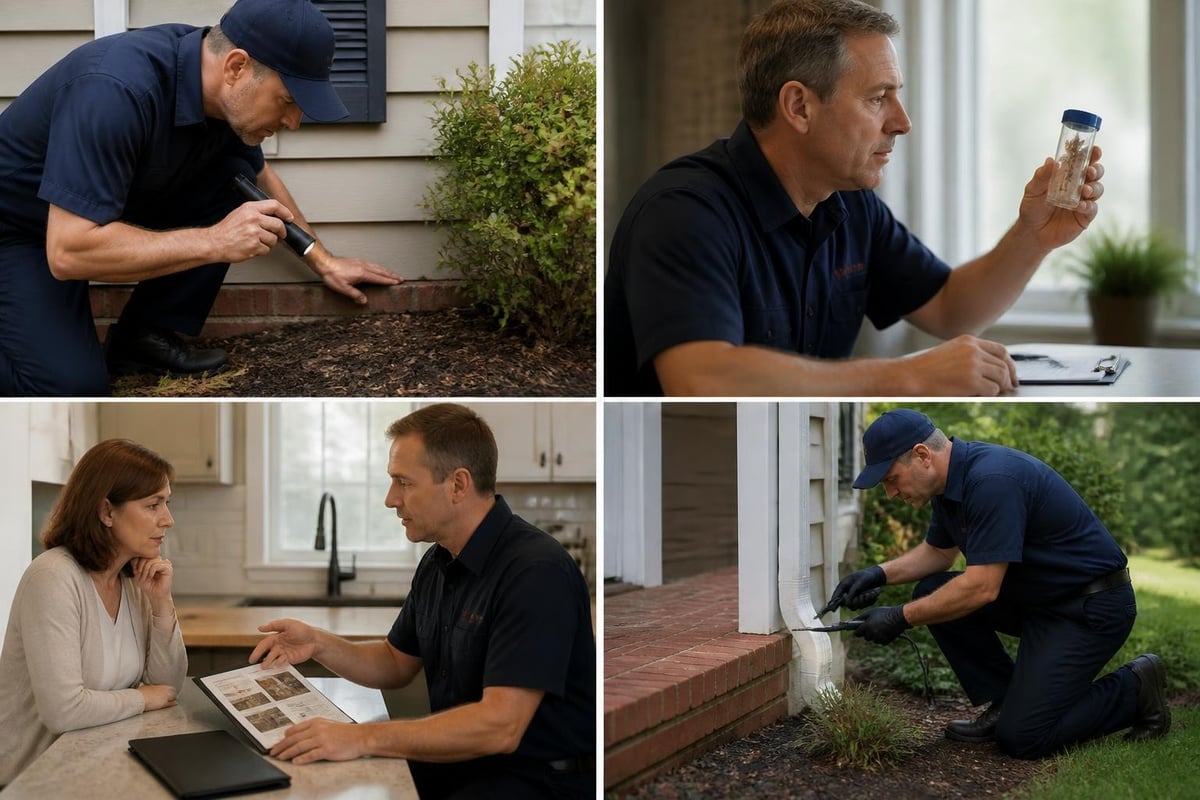
The foundation of effective pest management begins with thorough property assessments. Professional exterminators conduct detailed inspections of interior spaces, exterior perimeters, crawl spaces, attics, and potential entry points. These evaluations identify not only active infestations but also conducive conditions that attract pests.
Key inspection elements include:
- Moisture analysis in basements and crawl spaces
- Structural vulnerability assessments around foundations, windows, and doors
- Identification of food sources and nesting materials
- Evaluation of landscaping proximity to structures
- Documentation of pest evidence including droppings, shed skins, and damage patterns
Modern pest control professionals use advanced tools like infrared cameras to detect hidden moisture problems and pest activity within walls. This technology-driven approach ensures nothing escapes detection during initial assessments.
| Inspection Component | Basic Service | Top Pest Control Service |
|---|---|---|
| Interior examination | Visual only | Visual + thermal imaging |
| Exterior perimeter | Basic walk-around | Detailed structural analysis |
| Crawl space review | Optional | Standard inclusion |
| Written documentation | Brief notes | Comprehensive report with photos |
| Follow-up schedule | Reactive only | Proactive monitoring plan |
The EPA emphasizes that Integrated Pest Management (IPM) principles begin with proper identification and monitoring, making thorough inspections the cornerstone of effective control strategies.
Treatment Methods That Deliver Results
Top pest control providers in Richmond VA employ diverse treatment strategies tailored to specific pest species and infestation severity. Understanding these methods helps homeowners make informed decisions when selecting professional services.
Chemical and Non-Chemical Approaches
Modern pest management balances chemical treatments with mechanical and cultural controls. The most effective programs combine multiple approaches rather than relying solely on pesticides.
Chemical treatments include:
- Targeted residual applications applied to specific areas where pests travel or nest
- Baiting systems that use pest biology to eliminate entire colonies
- Growth regulators that disrupt insect reproduction cycles
- Dust formulations for wall voids and hard-to-reach areas
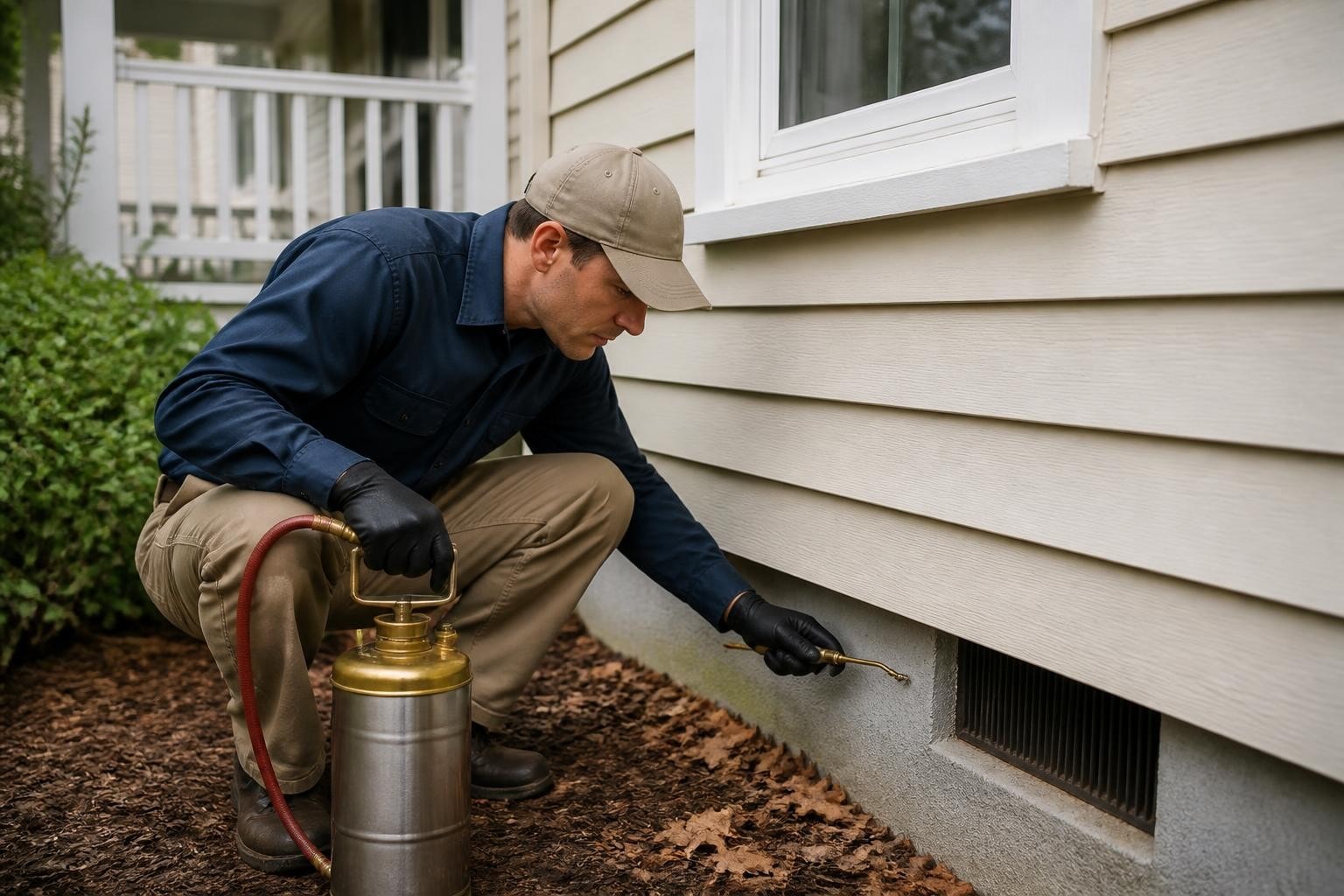
- Liquid barriers around foundations to prevent entry
Non-chemical methods often prove equally important. Physical exclusion through sealing entry points, habitat modification to remove attractants, and mechanical trapping create hostile environments for pests without chemical reliance. Pest control services that integrate both approaches typically achieve superior long-term results compared to chemical-only programs.
The UC Statewide IPM Program provides extensive research-backed guidance on combining treatment methods for maximum effectiveness while minimizing environmental impact.
Specialized Treatments for Common Richmond Pests
Richmond's climate and geography create ideal conditions for several pest species that require specialized expertise.
Termite control demands particular attention in Virginia's humid climate. Top pest control companies offer both liquid termiticide barriers and baiting systems, often recommending combinations based on property characteristics and infestation history. Annual inspections remain critical since termites cause billions in structural damage nationwide each year.
Rodent management extends beyond simple trap placement. Professional programs include entry point identification, exclusion work, population reduction, and sanitation recommendations. Rats and mice pose health risks through contamination and disease transmission, making swift professional intervention essential.
Bed bug treatment represents one of pest control's most challenging specializations. These resilient pests resist many conventional treatments, requiring heat treatments, specialized insecticides, or combinations of both. Bed bug removal expertise separates top providers from general pest control companies.
Prevention Strategies and Long-Term Protection
Reactive pest control-addressing problems only after they appear-proves far more expensive and disruptive than proactive prevention. Top pest control services emphasize prevention through property modifications and regular monitoring.
Structural Improvements and Exclusion
Professional exterminators identify structural vulnerabilities during inspections and recommend specific repairs to prevent future infestations. These improvements often deliver permanent results without ongoing chemical applications.
Common exclusion recommendations include:
- Sealing cracks in foundations and around utility penetrations
- Installing door sweeps and weatherstripping
- Screening vents and chimney caps
- Repairing damaged siding and roof elements
- Addressing moisture problems in crawl spaces and basements
Crawl space conditions significantly impact pest pressure throughout homes. Moisture control, vapor barriers, and proper ventilation prevent conditions that attract termites, rodents, and moisture-loving insects. Professional crawl space protection addresses these foundational issues that basic pest control often overlooks.
Seasonal Pest Management
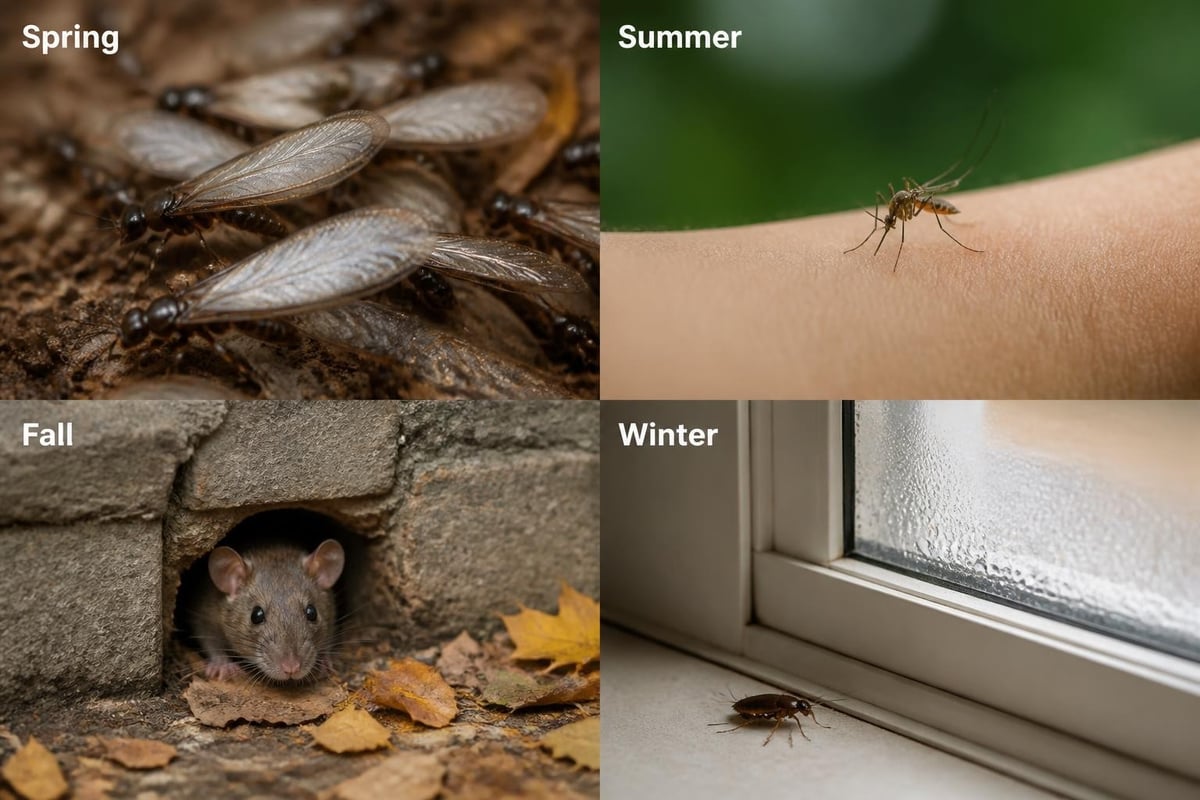
Richmond's distinct seasons bring predictable pest patterns that top pest control companies address proactively. Understanding these cycles allows homeowners and professionals to implement preventive measures before problems develop.
| Season | Primary Pest Threats | Prevention Focus |
|---|---|---|
| Spring | Termites, ants, stinging insects | Pre-swarm treatments, exterior barriers |
| Summer | Mosquitoes, ticks, wasps | Yard treatments, nest removal |
| Fall | Rodents, spiders, cluster flies | Exclusion work, perimeter treatments |
| Winter | Mice, rats, overwintering insects | Interior monitoring, attic inspections |
Seasonal pest control strategies vary based on Virginia's climate patterns. Fall preparation proves particularly critical as cooler temperatures drive rodents and other pests indoors seeking warmth and food sources.
Selecting the Right Pest Control Provider
Richmond VA homeowners face dozens of pest control options, from national franchises to local specialists. Making informed selections requires evaluating specific criteria that indicate true expertise and service quality.
Licensing, Certification, and Industry Standards
Virginia requires pest control technicians to hold state licenses demonstrating competency in pesticide application and pest biology. Top pest control companies exceed minimum requirements through additional certifications and ongoing training.
Important credentials include:
- Virginia Department of Agriculture and Consumer Services licensing
- National Pest Management Association (NPMA) membership
- Certified technicians with specialized training in specific pest categories
- Insurance coverage including general liability and workers' compensation
- Environmental responsibility certifications
The NPMA provides industry standards and resources that help consumers understand professional benchmarks. Companies investing in continuous education and certification demonstrate commitment to excellence beyond basic licensing requirements.
Service Guarantees and Communication
Professional pest control relationships extend beyond single treatments. Top providers offer clear service guarantees, transparent pricing, and responsive communication that builds trust over time.
Quality service indicators include:
- Written treatment plans detailing specific products, application methods, and expected timelines
- Satisfaction guarantees with defined response times for callback situations
- Pre-treatment notifications explaining what to expect during service visits
- Detailed service reports documenting work performed and recommendations
- Accessible customer service with local decision-makers, not distant call centers
Pest control companies that maintain comprehensive information about their services demonstrate transparency that consumers should expect. Understanding exactly what services include, which pests are covered, and what happens if treatments prove ineffective helps homeowners make confident decisions.
Integrated Approaches for Complex Infestations
Some pest situations require coordinated strategies addressing multiple issues simultaneously. Top pest control providers recognize when standard treatments won't suffice and deploy comprehensive solutions.
Multi-Pest Scenarios
Properties facing simultaneous infestations from different pest species need coordinated treatment plans that address each threat without compromising effectiveness against others. For example, homes with both termite activity and rodent problems require careful product selection since some rodent control methods can interfere with termite baiting systems.
Professional exterminators coordinate treatments to:
- Sequence applications to maximize each product's effectiveness
- Select compatible treatment methods that don't neutralize each other
- Address underlying conditions attracting multiple pest species
- Schedule follow-up visits that monitor all identified pests
Common multi-pest combinations in Richmond VA include:
- Termites and carpenter ants (both attracted to moisture-damaged wood)
- Mice and cockroaches (both exploiting sanitation issues)
- Mosquitoes and ticks (both thriving in overgrown yard conditions)
- Spiders and various prey insects (spiders follow food sources)
Understanding when you need professional pest control becomes critical when dealing with multiple pest pressures that overwhelm DIY efforts.
Property-Wide Protection Programs
Top pest control services extend beyond reactive treatments to comprehensive property protection addressing all vulnerable areas. These programs recognize that pest management effectiveness depends on treating the entire property ecosystem rather than isolated problem areas.
Comprehensive programs include:
| Service Component | Scope | Frequency |
|---|---|---|
| Interior treatments | Kitchen, bathrooms, basements, living areas | Quarterly or bi-monthly |
| Exterior perimeter | Foundation, entry points, vegetation interface | Quarterly minimum |
| Attic inspections | Insulation, venting, stored items | Annual or semi-annual |
| Crawl space monitoring | Moisture, wood damage, pest evidence | Annual minimum |
| Yard pest control | Mosquitoes, ticks, fire ants | Seasonal (warm months) |
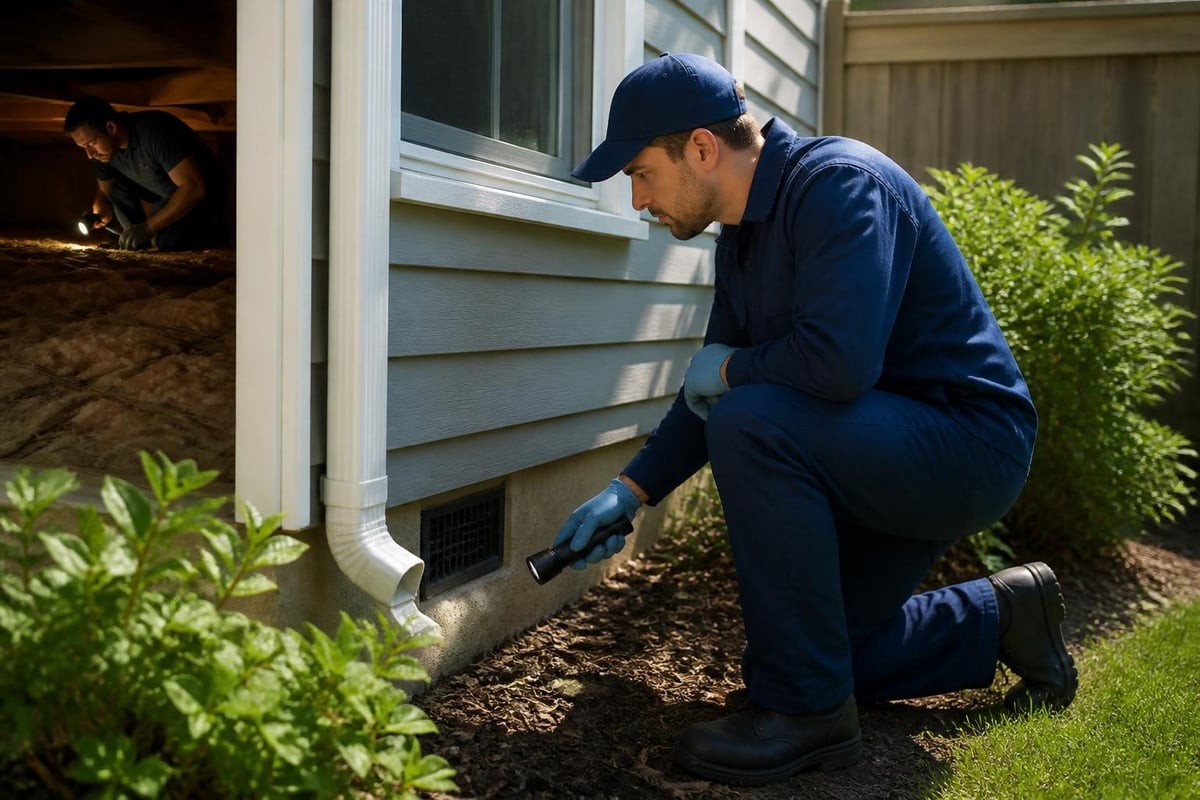
Professional yard pest control complements indoor treatments by reducing pest populations in outdoor areas before they migrate indoors. This integrated approach proves particularly effective against mosquitoes, ticks, and fleas that threaten family health and outdoor enjoyment.
Safety and Environmental Responsibility
Modern top pest control providers balance effectiveness with safety considerations for families, pets, and the environment. Understanding how professionals minimize risks while maintaining efficacy helps homeowners make informed decisions.
Reduced-Risk Product Selection
The pest control industry has evolved significantly from the broad-spectrum, high-toxicity products common decades ago. Contemporary professionals prioritize reduced-risk formulations that target specific pests while minimizing exposure to non-target organisms.
Advanced product categories include:
- Insect growth regulators that disrupt pest development without affecting mammals
- Botanical insecticides derived from natural plant compounds
- Microbial pesticides using bacteria or fungi specific to target pests
- Mechanical tools like heat treatments and vacuuming systems
- Pheromone-based products that exploit pest biology for monitoring and control
The EPA’s pesticide registration process ensures products used by licensed professionals meet rigorous safety and efficacy standards. Top pest control companies stay current with the latest reduced-risk formulations as they become available.
Application Precision and Exposure Minimization
How products are applied matters as much as which products are selected. Professional application techniques minimize unnecessary exposure while maximizing pest control effectiveness.
Best practices include:
- Targeted placement in pest harborage areas rather than broadcast applications
- Calculated dosing using precise amounts based on infestation severity
- Appropriate timing when occupants and pets can be away from treated areas
- Proper ventilation procedures before re-entry
- Clear communication about any necessary precautions
Professional technicians receive training in application precision that DIY efforts typically cannot match. This expertise reduces product use while improving results-a combination that benefits both household safety and environmental stewardship.
Technology and Innovation in Pest Management
Leading pest control providers leverage technology to enhance service quality, improve monitoring capabilities, and deliver better customer experiences. These innovations distinguish top pest control companies from those using outdated methods.
Digital Monitoring and Smart Systems
Modern pest management increasingly incorporates digital tools that provide real-time information about pest activity and treatment effectiveness. Smart monitoring systems detect pest presence, track population trends, and alert homeowners and technicians to emerging problems.
Innovative technologies include:
- Remote monitoring stations that transmit activity data
- Thermal imaging cameras revealing hidden infestations
- Moisture meters identifying conducive conditions
- GPS-tracked service visits with timestamped documentation
- Customer portals providing treatment history and scheduling
These tools enable proactive interventions before minor pest issues escalate into major infestations. The data collected also helps refine treatment strategies based on actual results rather than assumptions.
Evidence-Based Treatment Adjustments
Top pest control providers use service data to continuously improve their approaches. By tracking which treatments produce the best results for specific pest scenarios, companies develop refined protocols that outperform generic methods.
This data-driven approach involves:
- Analyzing treatment outcomes across similar property types
- Identifying seasonal patterns in pest pressure
- Adjusting product selections based on resistance monitoring
- Refining application timing for maximum effectiveness
- Documenting environmental conditions that influence results
Research institutions like Cornell’s Integrated Pest Management program emphasize evidence-based decision-making in pest control. Professional companies applying these principles consistently outperform those relying on routine, unchanging treatment schedules.
Specialty Services and Expertise
Certain pest problems demand specialized knowledge and equipment beyond general pest control capabilities. Top pest control companies either maintain in-house expertise for these challenges or establish reliable partnerships with specialists.
Wood-Destroying Organisms
Termites, carpenter ants, and wood-boring beetles cause extensive structural damage that requires specialized detection and treatment methods. Professional termite control involves understanding insect biology, construction practices, and treatment chemistry at levels exceeding general pest knowledge.
Termite management expertise includes:
- Identifying different termite species and their specific behaviors
- Understanding soil characteristics that affect treatment efficacy
- Selecting appropriate treatment methods (liquid vs. baiting systems)
- Conducting Wood Destroying Insect Reports for real estate transactions
- Providing repair estimates and structural damage assessments
Virginia's humid climate and clay soils create ideal termite conditions, making this expertise essential for Richmond area homeowners. Annual inspections by qualified professionals detect termite activity early when treatment costs and structural damage remain minimal.
Wildlife and Nuisance Animal Control
The boundary between pest control and wildlife management often blurs when dealing with animals like squirrels, raccoons, bats, and birds. Top pest control companies either hold appropriate wildlife control permits or work with licensed wildlife specialists for these situations.
Professional wildlife services address:
- Humane removal following state and federal regulations
- Entry point identification and permanent exclusion
- Attic restoration after wildlife damage
- Contamination cleanup and sanitization
- Preventive modifications to discourage future intrusions
Rodent-proofing strategies often overlap with general wildlife exclusion work, since mice and rats exploit the same structural vulnerabilities as larger animals. Comprehensive protection addresses all potential invaders regardless of size.
Cost Considerations and Value Assessment
Understanding pest control pricing helps homeowners evaluate service proposals and recognize genuine value versus superficially attractive low prices. Top pest control services justify their pricing through superior results, comprehensive coverage, and long-term protection.
Pricing Models and Service Packages
Pest control companies structure pricing in various ways, each with advantages depending on property needs and pest pressure. Understanding these models helps homeowners select appropriate service levels.
| Pricing Model | Best For | Typical Cost Range |
|---|---|---|
| One-time treatments | Single, isolated pest issues | $150-$500+ per visit |
| Quarterly programs | Year-round general pest prevention | $100-$200 per quarter |
| Monthly services | High pest pressure or specialty pests | $50-$100 per month |
| Annual contracts | Specific pests like termites | $300-$1,500+ annually |
Initial treatments for severe infestations typically cost more than maintenance visits. Services addressing specialized pests like termites or bed bugs command premium pricing reflecting the expertise, equipment, and products required.
Evaluating Long-Term Value
The lowest-priced pest control option rarely delivers the best value. Homeowners should evaluate the total cost of pest management over time, including potential damage from inadequate control and the expense of repeated treatments when initial services fail.
Value indicators include:
- Fewer callbacks for pest reappearances between scheduled visits
- Comprehensive coverage protecting against multiple pest species
- Preventive recommendations that reduce future pest pressure
- Structural expertise preventing damage that exceeds treatment costs
- Responsive service when urgent pest situations arise
Property damage from termites, carpenter ants, or rodents can cost thousands or tens of thousands of dollars. Professional pest control represents insurance against these expenses, with top providers offering protection that far exceeds their service fees.
Health and Safety Implications
Pest infestations pose direct threats to human health through disease transmission, allergen production, and contamination. Understanding these risks emphasizes why top pest control services prioritize thorough elimination rather than temporary suppression.
Disease Vector Control
Many common pests transmit diseases to humans either directly through bites or indirectly through contamination. Professional pest management reduces these health risks through population suppression and environmental modifications.
Key disease vectors in Richmond VA include:
- Mosquitoes carrying West Nile virus, Zika, and Eastern Equine Encephalitis
- Ticks transmitting Lyme disease, Rocky Mountain spotted fever, and ehrlichiosis
- Rodents spreading hantavirus, salmonella, and leptospirosis
- Cockroaches carrying bacteria causing food poisoning and triggering asthma
- Fleas potentially transmitting plague and causing allergic dermatitis
The World Health Organization provides guidance on vector control strategies that inform professional pest management approaches. Updated WHO recommendations for vector-borne disease control emphasize integrated approaches combining multiple control methods.
Allergen Reduction and Indoor Air Quality
Beyond disease transmission, many pests compromise indoor air quality through allergen production. Cockroach droppings, shed skins, and body parts contain proteins triggering severe allergic reactions and asthma attacks, particularly in children.
Professional pest control improves indoor environments by:
- Eliminating pest populations producing allergens
- Removing accumulated debris and contamination
- Addressing moisture problems supporting mold and pest activity
- Improving ventilation in areas like crawl spaces affecting whole-home air quality
- Preventing pest entry that introduces outdoor allergens indoors
Cockroach control expertise recognizes these health dimensions beyond simple pest elimination. Top pest control companies understand how their services contribute to healthier home environments.
Regional Expertise and Local Knowledge
Pest control effectiveness depends heavily on understanding local pest species, seasonal patterns, and regional building practices. Top pest control providers in Richmond VA leverage specific knowledge about Virginia's unique pest challenges.
Virginia-Specific Pest Pressures
Richmond's location in central Virginia creates particular pest conditions influenced by climate, geography, and urban development patterns. Professional exterminators familiar with these regional factors anticipate problems and implement proven local strategies.
Richmond-area pest considerations include:
- Subterranean termite activity year-round due to mild winters
- Seasonal mosquito pressure from nearby rivers and wetlands
- Brown recluse and black widow spider populations in certain areas
- Carpenter bee damage to wooden structures and decks
- Fire ant colonies in lawns and landscaping
Generic pest control approaches developed for other regions often prove less effective against Virginia's specific pest assemblage. Local expertise ensures treatment strategies match actual conditions rather than national averages.
Building Characteristics and Construction Practices
Virginia construction practices and regional building materials influence pest vulnerability and appropriate treatment methods. Homes built on crawl spaces-common throughout the Richmond area-face different pest challenges than slab-foundation properties.
Regional building considerations include:
- Crawl space construction creating termite and moisture challenges
- Brick veneer construction common in Virginia homes providing pest harborage
- Older home stock with settling foundations creating entry points
- Wooded lot prevalence increasing wildlife and pest pressure
- Clay soil characteristics affecting termite treatment effectiveness
Top pest control companies understand how these local factors influence pest management strategies. This regional expertise proves particularly valuable when addressing complex situations requiring structural knowledge beyond basic pest biology.
Industry Evolution and Future Trends
The pest control industry continues evolving through technological innovation, regulatory changes, and shifting consumer preferences. Understanding these trends helps homeowners recognize forward-thinking providers positioned to deliver superior service.
Sustainable Pest Management
Environmental consciousness increasingly influences pest control product development and application methods. Modern consumers prefer companies minimizing environmental impact while maintaining effectiveness against pest threats.
Sustainable practices include:
- Prioritizing non-chemical controls when appropriate
- Selecting products with favorable environmental profiles
- Implementing precision application reducing product quantities
- Offering organic or green service options for environmentally conscious clients
- Participating in product container recycling and proper disposal programs
These approaches align with broader IPM principles emphasizing the least-toxic effective methods. Research on pesticide resistance evolution demonstrates that sustainable practices also preserve long-term treatment effectiveness by reducing selection pressure for resistance development.
Technological Integration
Digital tools transform how pest control companies operate and interact with customers. From initial inspections through ongoing monitoring, technology enhances service quality and customer convenience.
Emerging technologies include:
- Artificial intelligence analyzing pest patterns and predicting infestations
- Drone inspections accessing difficult roof and exterior areas
- Customer apps providing instant communication and service scheduling
- Electronic documentation replacing paper reports and contracts
- Predictive analytics identifying properties at elevated risk
These innovations improve efficiency while providing customers with better information and more responsive service. Top pest control providers invest in technology that enhances rather than replaces personal expertise and attention.
Choosing top pest control services requires evaluating expertise, methodology, and commitment to long-term protection rather than simply comparing prices or treatment frequency. Professional pest management delivers health protection, property preservation, and peace of mind that DIY approaches and budget services cannot match. When Richmond VA homeowners need comprehensive pest solutions backed by local expertise and proven results, SanPro provides the specialized knowledge and professional service that protects homes and families year-round.