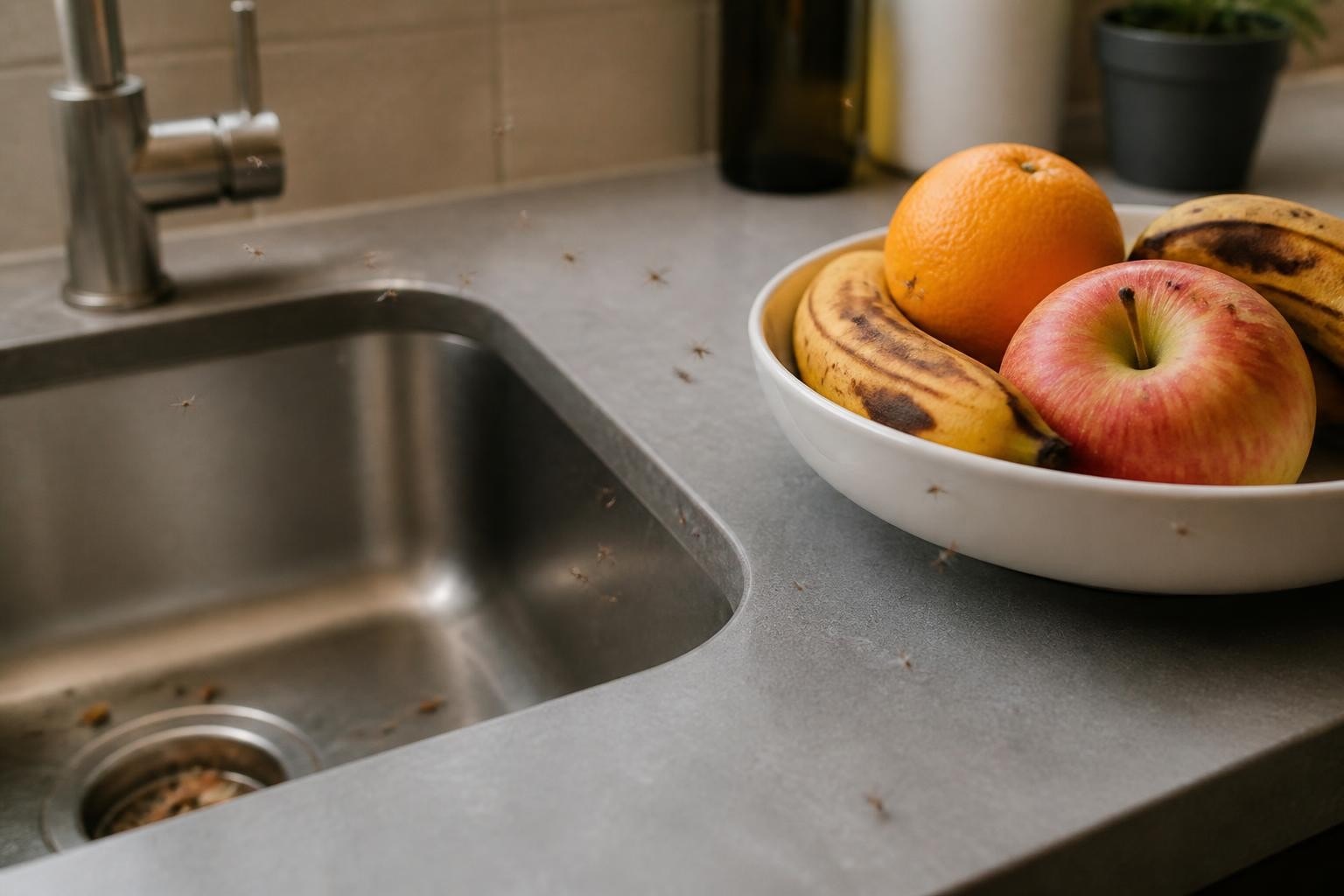
Fruit flies represent one of the most persistent and frustrating pest challenges facing Richmond VA homeowners and businesses. These tiny invaders can transform a clean kitchen into an overwhelming infestation in just days, breeding rapidly in the humid Virginia climate. Finding an effective fruit fly killer requires understanding their biology, identifying breeding sources, and implementing comprehensive control strategies that address both adult flies and their reproductive cycles. For Richmond residents dealing with recurring pest issues, professional intervention often becomes necessary when DIY methods fail to break the infestation cycle.
Understanding Fruit Fly Biology and Behavior
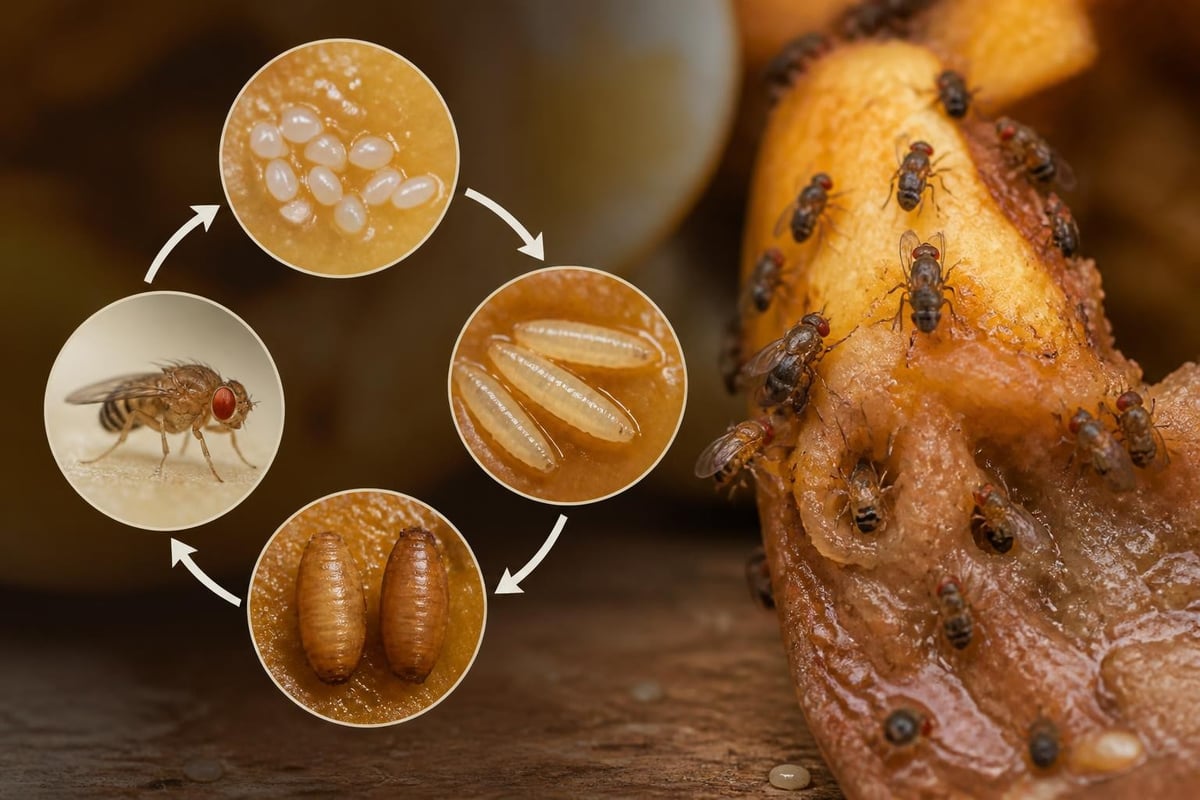
Fruit flies (Drosophila melanogaster) are remarkably efficient reproducers, with females capable of laying up to 500 eggs during their short lifespan. These eggs hatch within 24 to 30 hours, and the larvae develop through several stages before emerging as adults in as little as one week under optimal conditions. This rapid reproduction cycle explains why a few fruit flies can become hundreds within days.
The humid climate of Richmond VA creates ideal conditions for fruit fly populations to thrive year-round. Unlike many pests that diminish during colder months, fruit flies remain active indoors where temperatures stay warm. They're attracted to fermenting organic matter, particularly overripe fruits, vegetables, and any sugary substances.
Environmental Factors That Accelerate Infestations
Richmond's summer humidity levels often exceed 70 percent, creating moisture-rich environments where fruit flies flourish. These conditions accelerate the fermentation of organic materials, producing the volatile compounds that attract adult flies from considerable distances.
Key environmental attractants include:
- Overripe or rotting produce left on countertops
- Garbage disposals with accumulated food debris
- Recycling bins containing unwashed bottles or cans
- Drain biofilm in kitchen and bathroom sinks
- Compost containers stored indoors
- Spilled beverages and sticky residues on surfaces
The physiological and environmental factors that influence fruit fly behavior demonstrate how these pests respond to specific chemical cues in their environment, making source elimination critical for any successful fruit fly killer strategy.
Chemical-Based Fruit Fly Killer Options
Professional-grade insecticides provide rapid knockdown of adult fruit fly populations when applied correctly. Pyrethrin-based products offer effective contact killing properties with relatively low mammalian toxicity, making them suitable for residential applications. These botanical insecticides derived from chrysanthemum flowers disrupt the nervous systems of flying insects on contact.
Selecting Appropriate Chemical Controls
Not all fruit fly killer products deliver equal results. Aerosol sprays containing pyrethrins or permethrin work well for immediate adult population reduction, but they don't address larvae developing in breeding sites. Residual sprays applied to surfaces where flies rest can provide extended control, though they require careful application in food preparation areas.
| Product Type | Active Ingredient | Application Method | Effectiveness Duration | Food Safety Considerations |
|---|---|---|---|---|
| Aerosol Knockdown | Pyrethrin | Direct spray | Immediate, no residual | Safe after drying |
| Residual Surface Spray | Permethrin | Surface treatment | 2-4 weeks | Avoid food contact surfaces |
| Drain Treatments | IGR compounds | Pour application | 30 days | Food-safe formulations available |
| Fogging Systems | Pyrethrin + Synergists | Space treatment | Immediate, no residual | Requires evacuation during treatment |
Richmond VA homeowners should consider that chemical treatments alone rarely solve fruit fly problems without addressing breeding sites. The most effective approach combines targeted pesticide application with comprehensive sanitation measures.
Non-Toxic Fruit Fly Killer Alternatives
Many property owners prefer non-chemical control methods, particularly in kitchens and food service environments. These approaches can be remarkably effective when implemented systematically and maintained consistently.
Trap-Based Elimination Systems
Apple cider vinegar traps remain the most popular DIY fruit fly killer method. The acetic acid in vinegar mimics the fermentation odors that attract these pests. To construct an effective trap, combine apple cider vinegar with a drop of dish soap in a shallow container. The soap breaks surface tension, causing flies to sink and drown when they land on the liquid.
Advanced trapping strategies include:
- Multiple trap placement: Position traps near identified breeding sources and flight paths
- Fresh bait rotation: Replace trap contents every 2-3 days to maintain attractant potency
- Wine or beer alternatives: Use small amounts of red wine or beer as alternative attractants
- Fruit-based lures: Combine mashed banana with vinegar for enhanced attraction
- Commercial sticky traps: Deploy specialized fruit fly adhesive traps near problem areas
The effectiveness of trap-based systems depends on consistent maintenance and strategic placement. A single trap in a large kitchen proves insufficient, while six strategically positioned traps can capture hundreds of flies within 48 hours.
Source Elimination and Sanitation Protocols
No fruit fly killer proves effective long-term without eliminating breeding sources. Adult flies you see represent only a fraction of the total population, with larvae developing unseen in various organic materials throughout the property.
Comprehensive Inspection Methodology
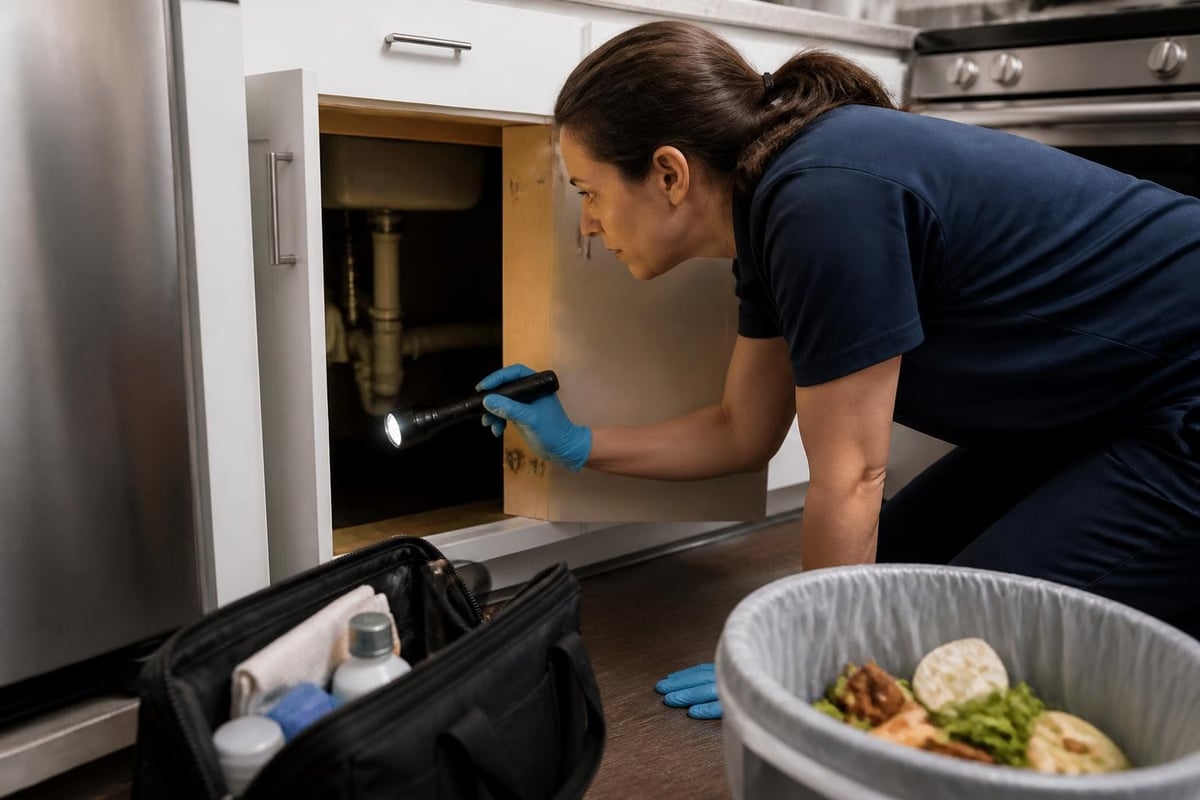
Professional pest control technicians conduct systematic inspections to identify all breeding sites. This process requires examining areas that homeowners often overlook, including the spaces beneath and behind appliances, inside drain systems, and within garbage disposal units.
Start inspections in the kitchen, examining all produce storage areas. Remove and discard overripe fruits and vegetables, then thoroughly clean storage containers. Check beneath refrigerators and stoves for spilled liquids or forgotten produce that may have rolled into hidden spaces.
Drains represent particularly challenging breeding sites. The biofilm that accumulates on drain walls provides ideal conditions for fruit fly larvae. Understanding the microbial communities within fruit fly habitats reveals why these environments support rapid population growth and why simple water flushing often fails to eliminate infestations.
Drain Treatment Protocols
Mechanical cleaning of drains surpasses chemical treatments in effectiveness for fruit fly larvae elimination. Pour boiling water down affected drains twice daily for one week, then use a stiff brush to scrub visible portions of the drain. For deeper cleaning, enzyme-based drain cleaners digest organic matter without harsh chemicals.
Professional drain treatment steps:
- Remove drain covers and clean visible biofilm
- Apply enzyme-based cleaner according to manufacturer instructions
- Allow overnight contact time for biological digestion
- Flush with hot water to remove loosened debris
- Repeat process every 3-5 days until activity ceases
Integrated Pest Management for Fruit Flies
The most successful fruit fly killer programs employ Integrated Pest Management (IPM) principles that combine multiple control tactics into a comprehensive strategy. This approach recognizes that sustainable pest control requires addressing environmental conditions, not just applying pesticides.
Cultural Control Measures
Modifying habits and environmental conditions prevents future infestations more effectively than any reactive treatment. Store all produce in refrigerators whenever possible, as cold temperatures slow fruit ripening and reduce attractive fermentation odors. When refrigeration isn't feasible, consume produce quickly and inspect storage areas daily for overripe items.
Clean kitchen surfaces thoroughly each evening, paying special attention to sticky residues from spilled beverages or food preparation. Rinse all containers before placing them in recycling bins, and take garbage out daily during active infestations.
The relationship between fruit flies and their microbiome demonstrates how these pests have evolved alongside specific bacterial communities that aid in breaking down organic matter, highlighting why sanitation proves so critical in long-term control.
Professional Fruit Fly Killer Services in Richmond VA
When DIY methods fail to resolve persistent infestations, professional pest control intervention becomes necessary. Richmond VA property owners dealing with recurring fruit fly problems often discover hidden breeding sites that require professional expertise to identify and treat effectively.
Professional exterminators bring specialized equipment and formulated products unavailable to consumers. Thermal imaging cameras can detect moisture accumulation behind walls where fruit flies may breed in hidden organic matter. Professional-grade insect growth regulators disrupt fruit fly development cycles, preventing larvae from reaching reproductive maturity.
For homeowners in Richmond experiencing pest challenges that extend beyond fruit flies, comprehensive pest control services address multiple pest species through integrated treatment protocols. Professional teams understand how different pest species interact with home environments and can implement preventive measures that reduce future infestation risks.
When to Call a Professional Exterminator
Consider professional assistance when you observe these warning signs:
- Infestations persist despite consistent sanitation and trapping efforts
- Fly populations rebound within days of treatment
- Multiple rooms show simultaneous fruit fly activity
- You cannot identify obvious breeding sources
- The property has experienced previous pest control challenges
Richmond VA residents should recognize that fruit fly infestations sometimes indicate other underlying issues, such as plumbing leaks creating hidden moisture problems or structural concerns that pest experts can identify during comprehensive property assessments.
Commercial and Industrial Fruit Fly Control
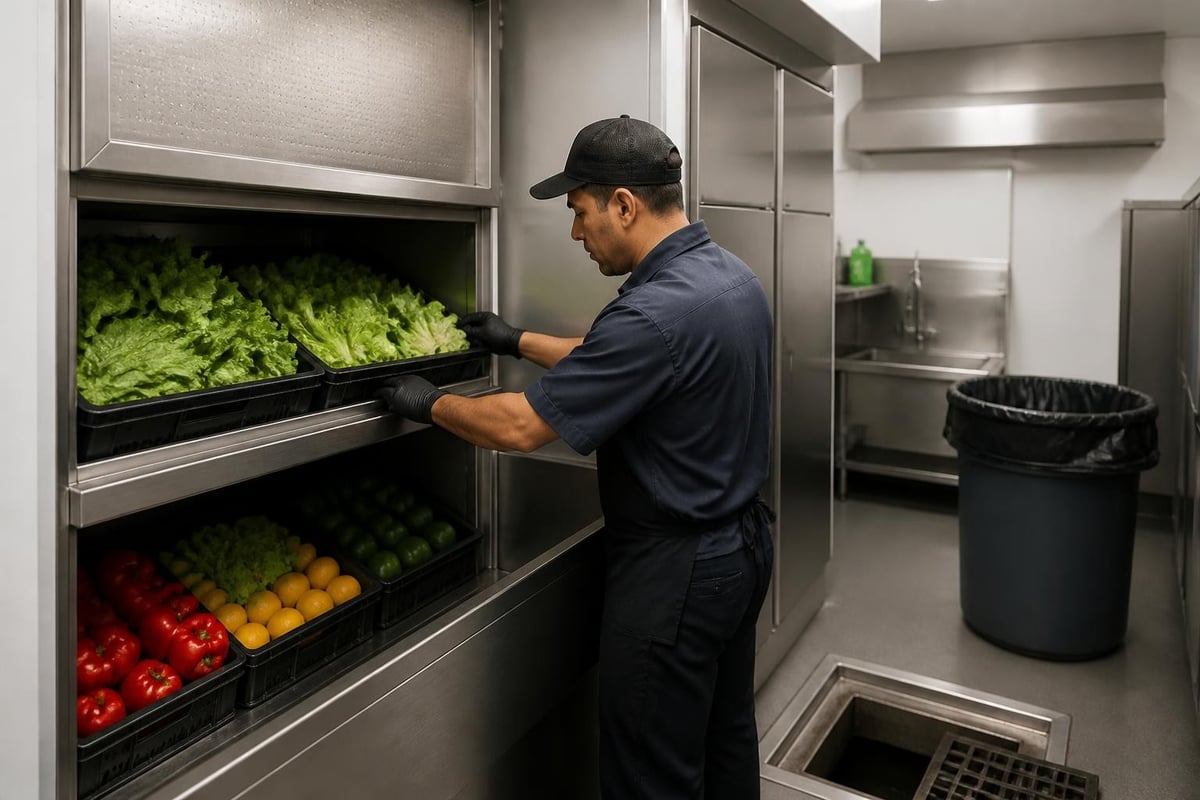
Restaurants, grocery stores, and food processing facilities face unique fruit fly challenges that demand specialized control approaches. These environments contain multiple potential breeding sites and constant introduction of new organic materials that attract flies.
Regulatory Compliance Considerations
Commercial food establishments must maintain pest-free environments to satisfy health department requirements. Health inspectors view fruit fly infestations as indicators of sanitation deficiencies, potentially resulting in citations or operational restrictions. Professional commercial pest control programs provide documentation of treatment activities and monitoring results that demonstrate compliance efforts.
| Facility Type | Primary Risk Areas | Inspection Frequency | Treatment Protocol | Documentation Requirements |
|---|---|---|---|---|
| Restaurants | Prep areas, bar stations, drains | Weekly monitoring | Integrated sanitation + treatments | Service logs, trap counts |
| Grocery Stores | Produce departments, backrooms | Bi-weekly inspections | Exclusion + monitoring | Trend analysis reports |
| Food Processing | Waste handling, floor drains | Daily observations | Preventive treatments | Comprehensive IPM records |
| Bars/Breweries | Draft systems, drains, containers | Weekly assessments | Drain treatments + trapping | Activity logs |
Commercial fruit fly killer programs emphasize prevention through rigorous sanitation schedules and environmental modifications that eliminate breeding opportunities before populations establish.
Seasonal Fruit Fly Patterns in Richmond VA
Richmond's climate creates distinct seasonal patterns in fruit fly activity, though these pests remain active year-round in heated indoor environments. Peak outdoor populations occur during late summer and early fall when gardens produce abundant ripening fruits and temperatures remain warm.
Preparing for Seasonal Surges
Late August through October represents the highest-risk period for residential fruit fly infestations in Richmond. Home gardeners bringing in harvested tomatoes, apples, and other produce inadvertently transport fruit fly eggs and larvae indoors. A single piece of garden produce can harbor dozens of developing flies that emerge days after harvest.
Implement enhanced prevention measures during peak seasons by thoroughly washing all garden produce before bringing it indoors. Consider establishing a transition area in a garage or mudroom where produce can be inspected and cleaned before entering main living spaces. This practice also benefits homeowners concerned about other common pest issues in Richmond neighborhoods.
Fall conditions also bring increases in drain fly populations, which homeowners sometimes confuse with fruit flies. While both species exhibit similar size and behavior, drain flies have fuzzier appearances and different breeding requirements. Accurate identification ensures appropriate fruit fly killer methods are applied.
Advanced Monitoring and Detection Techniques
Professional pest managers employ sophisticated monitoring systems that provide early warning of developing fruit fly problems before populations become visible to property occupants. These systems prove particularly valuable in commercial settings where rapid response prevents health code violations.
Pheromone-Based Monitoring Systems
Recent research into fruit fly attractant responses has enabled development of highly specific lure systems that attract target species without capturing beneficial insects. These monitoring stations use species-specific pheromones or food-based attractants in sticky trap configurations that capture and preserve specimens for identification and counting.
Benefits of professional monitoring include:
- Quantifiable population data for tracking treatment effectiveness
- Early detection before visible infestations develop
- Species-specific identification for targeted control
- Historical trend analysis for predicting seasonal patterns
- Documentation for regulatory compliance
Data from monitoring systems inform treatment timing and intensity, allowing pest managers to intervene at the most effective life cycle stages and minimize pesticide applications.
Fruit Fly Prevention in Residential Settings
Long-term freedom from fruit fly problems requires establishing habits and home modifications that eliminate conditions supporting these pests. Prevention proves far more cost-effective than repeated treatment cycles that address symptoms without correcting underlying causes.
Produce Management Best Practices
Refrigeration represents the single most effective fruit fly prevention strategy available to homeowners. Most fruits and vegetables tolerate refrigeration well, and cold temperatures halt ripening processes that produce attractive fermentation odors. Items that suffer quality loss when refrigerated, such as tomatoes and bananas, should be purchased in quantities that can be consumed within 2-3 days.
When storing produce at room temperature, inspect items daily and immediately refrigerate or discard anything showing signs of overripeness. Wash fruits and vegetables promptly after purchase to remove any eggs that may be present on surfaces.
Create a rotation system where older produce moves to the front of storage areas, ensuring consumption before spoilage. This simple organizational approach prevents forgotten items from developing into breeding sources hidden behind fresher purchases.
Waste Management Strategies
Garbage represents a significant fruit fly attractant if not managed properly. Use garbage cans with tight-fitting lids, and empty kitchen waste daily during warm months. Line cans with plastic bags and clean the interior containers weekly with soap and water to remove residues.
Recycling bins require special attention, as beverage containers often retain small amounts of liquid that ferment and attract flies. Rinse all bottles, cans, and containers before recycling, and store recycling in sealed containers until pickup day. Some Richmond VA residents maintain outdoor recycling storage to completely eliminate this indoor attractant source.
Compost management presents challenges for environmentally conscious homeowners. Indoor compost containers should feature sealed lids and be emptied to outdoor bins every 1-2 days. Outdoor compost piles located too close to homes can contribute to indoor fruit fly problems as flies migrate from outdoor breeding sites into structures.
Temperature and Humidity Control Factors
Environmental control significantly impacts fruit fly survival and reproduction rates. These cold-blooded insects thrive in warm, humid conditions but struggle when temperatures drop below 60°F or humidity falls below 40 percent.
Climate Control as Prevention
Richmond's humid summers create ideal fruit fly conditions, but air conditioning systems that control both temperature and humidity reduce pest pressure. Maintaining indoor temperatures at 72°F or below and using dehumidifiers in particularly humid areas like basements makes environments less hospitable to fruit fly development.
The importance of environmental control extends beyond fruit flies to comprehensive pest management. Many Richmond homeowners discover that moisture problems in crawl spaces create conditions that support various pest species, from cockroaches to termites. Addressing underlying moisture issues provides multiple benefits across the pest control spectrum.
Understanding Fruit Fly Research Applications
While homeowners view fruit flies purely as pests, these insects serve crucial roles in scientific research. Fruit flies as model organisms have contributed to breakthrough discoveries in genetics, neuroscience, and developmental biology. Their simple genetics, short generation times, and ease of laboratory culture make them invaluable research subjects.
This research context helps explain why fruit fly biology is so well understood compared to many other pest species. The extensive scientific literature on fruit fly genetics, behavior, and physiology enables development of highly targeted control methods that exploit specific vulnerabilities in their life cycles.
Practical Applications of Research
Scientific understanding of fruit fly sensory systems has enabled development of improved attractants and traps. Researchers have identified specific volatile compounds that fruit flies find irresistible, allowing formulation of synthetic lures more effective than traditional food-based baits.
Genetic research has revealed developmental pathways that insect growth regulators disrupt, providing fruit fly killer options that specifically target immature stages without affecting adult populations or non-target organisms. These selective approaches align with integrated pest management principles by minimizing environmental impacts while maximizing pest control effectiveness.
Distinguishing Fruit Flies from Similar Pests
Accurate pest identification ensures appropriate control measures are implemented. Several small fly species inhabit homes and businesses, each requiring different management approaches. Misidentification leads to wasted effort applying ineffective fruit fly killer methods to different pest species.
Common Look-Alike Species
Fungus gnats resemble fruit flies but have longer legs and bodies, and they breed in overly moist potting soil rather than fermenting organic matter. Drain flies appear fuzzy and moth-like, breeding exclusively in drain biofilm. Phorid flies run rapidly across surfaces and develop in various decaying organic materials, including sewage and dead animals.
Key identification characteristics:
| Feature | Fruit Flies | Fungus Gnats | Drain Flies | Phorid Flies |
|---|---|---|---|---|
| Body Length | 3-4mm | 3-5mm | 2-3mm | 2-4mm |
| Eye Color | Red/Brown | Dark | Dark | Dark |
| Flight Pattern | Hovering | Weak, erratic | Short hops | Running + flying |
| Primary Breeding Site | Fermenting fruit | Moist soil | Drain biofilm | Decaying organics |
| Attraction | Vinegar, fruit | Moisture | Drains | Various |
Proper identification may require magnification to observe distinguishing features. Professional pest control technicians use hand lenses or microscopes to confirm species identity when implementing targeted control programs.
Long-Term Management Success Strategies
Achieving permanent fruit fly control requires commitment to ongoing prevention rather than reactive treatments. Properties that experience recurring infestations typically have persistent environmental conditions that continuously attract and support these pests.
Building a Prevention Mindset
Transform fruit fly control from episodic crisis management into routine maintenance through consistent daily habits. Clean kitchen surfaces each evening, immediately address spills, store produce properly, and maintain drains through weekly hot water flushes. These simple practices require minimal time but dramatically reduce infestation risks.
Conduct monthly property inspections focusing on areas where organic matter might accumulate unnoticed. Check behind and under appliances, examine drain conditions, inspect garbage disposal units, and verify that exterior doors and windows seal properly to prevent fly entry from outdoor sources.
Document infestation occurrences, noting dates, locations, and suspected causes. Pattern recognition helps identify seasonal triggers or specific behaviors that contribute to recurring problems. This systematic approach mirrors professional pest management methodologies that rely on data-driven decision making.
Creating an Action Plan
Develop a written fruit fly prevention protocol that all household members understand and follow. This plan should outline daily sanitation tasks, weekly maintenance activities, and monthly inspection procedures. Clear assignment of responsibilities ensures consistent implementation of prevention measures.
Sample weekly prevention schedule:
- Monday: Clean all drains with enzyme cleaner
- Tuesday: Inspect produce storage and discard overripe items
- Wednesday: Deep clean garbage cans and recycling bins
- Thursday: Wipe down all kitchen surfaces with sanitizing solution
- Friday: Check under appliances for spills or forgotten items
- Saturday: Review trap catches if monitoring stations are deployed
- Sunday: Plan following week's produce purchases to avoid excess
Consistent adherence to prevention schedules eliminates the conditions that allow fruit fly populations to establish, making reactive fruit fly killer applications unnecessary.
Effective fruit fly control in Richmond VA properties combines scientific understanding of pest biology with systematic sanitation practices and strategic application of appropriate control methods. Whether you're addressing a current infestation or implementing preventive measures, success requires commitment to comprehensive approaches that address both adult flies and developmental stages. For persistent problems or situations requiring professional expertise, SanPro delivers comprehensive pest control solutions backed by experienced technicians who understand the unique challenges Richmond property owners face and can implement effective, lasting solutions tailored to your specific situation.