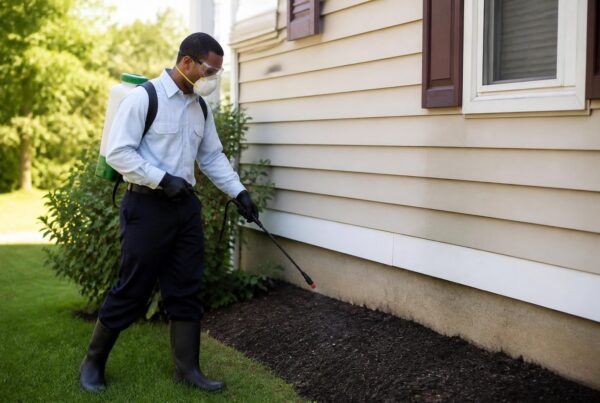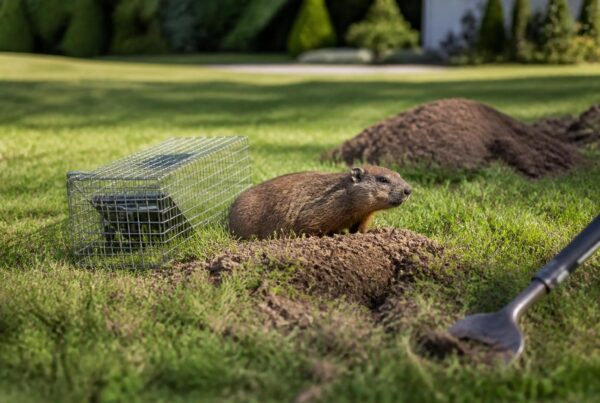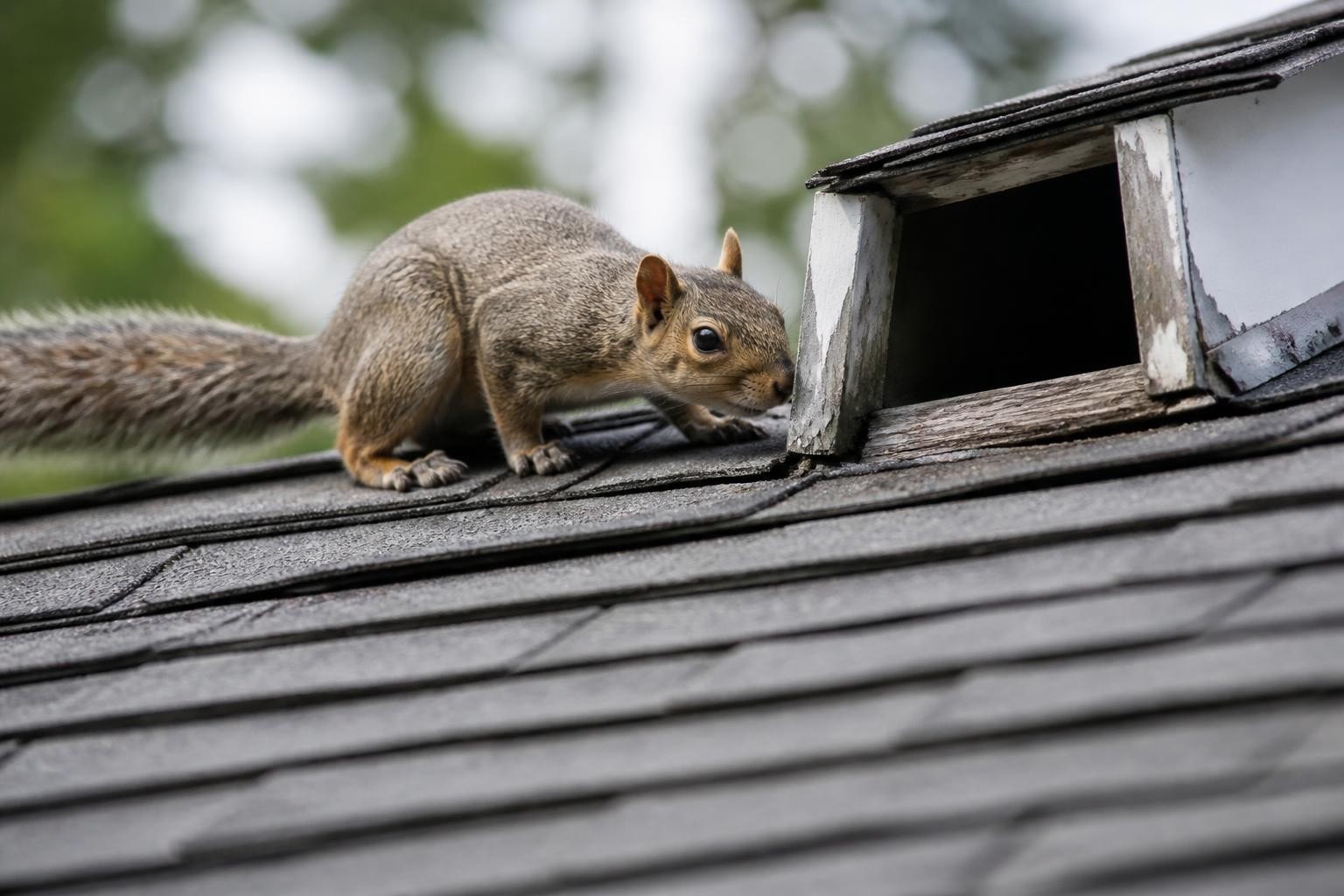
Squirrels are among the most common wildlife intruders in Richmond, VA homes, causing significant damage to attics, insulation, and structural components. These agile rodents can squeeze through surprisingly small openings, gnaw through roofing materials, and establish nests that compromise your home's integrity. Understanding the proper approach to squirrel removal is essential for Richmond area homeowners who want to protect their property investment and maintain a safe living environment. Professional pest control services combine inspection, humane exclusion techniques, and preventative measures to address infestations effectively while ensuring the problem doesn't recur.
Understanding Squirrel Behavior and Entry Points
Squirrels are opportunistic creatures that seek warm, dry spaces for nesting, especially during fall and winter months when outdoor conditions become harsh. Richmond's mature tree canopy and suburban landscape create ideal conditions for gray squirrels, flying squirrels, and occasional fox squirrels to thrive in close proximity to residential properties.
Common Entry Locations
These persistent rodents exploit vulnerabilities in your home's exterior to gain access. Roof edges, fascia boards, and soffit vents represent primary entry points where squirrels can chew through weakened wood or push aside damaged screening. Chimney caps that have deteriorated or were never properly installed provide direct access to attics and living spaces.
Gable vents, ridge vents, and turbine vents on roofs often lack adequate protection against determined squirrels. A single damaged shingle or small gap near the roofline can expand rapidly as squirrels gnaw to widen the opening. Tree branches that overhang within six to eight feet of your roofline create convenient highways for squirrels to access vulnerable areas.
Key vulnerability zones include:
- Roof-to-wall intersections where flashing may be incomplete
- Plumbing vent boots that have cracked or deteriorated
- Attic fan openings without proper screening
- Dormers and architectural details with decorative but non-functional vents
- Foundation vents leading to crawl spaces
Seasonal Activity Patterns
Spring and fall represent peak periods for squirrel removal calls in Richmond. Female squirrels seek nesting sites in February through April for their first litter and again in August through September for a second litter. During these times, squirrels become particularly aggressive about securing attic spaces, making early detection critical.
Winter months drive squirrels indoors as they seek protection from cold temperatures. Richmond's moderate climate means squirrels remain active year-round, unlike northern regions where they spend extended periods in dens. This constant activity increases the likelihood of home invasions during any season.
Identifying Squirrel Infestations
Early detection of squirrel activity allows for prompt intervention before extensive damage occurs. Homeowners who recognize warning signs can address problems while they remain manageable, avoiding costly repairs to insulation, wiring, and structural components.
Audible Indicators
Scratching, scurrying, and rolling sounds in attics or walls typically intensify during dawn and dusk when squirrels are most active. Unlike nocturnal rodents such as rats or flying squirrels, gray squirrels create noise primarily during daylight hours. The sounds may include vocal chattering, especially when juveniles are present in the nest.
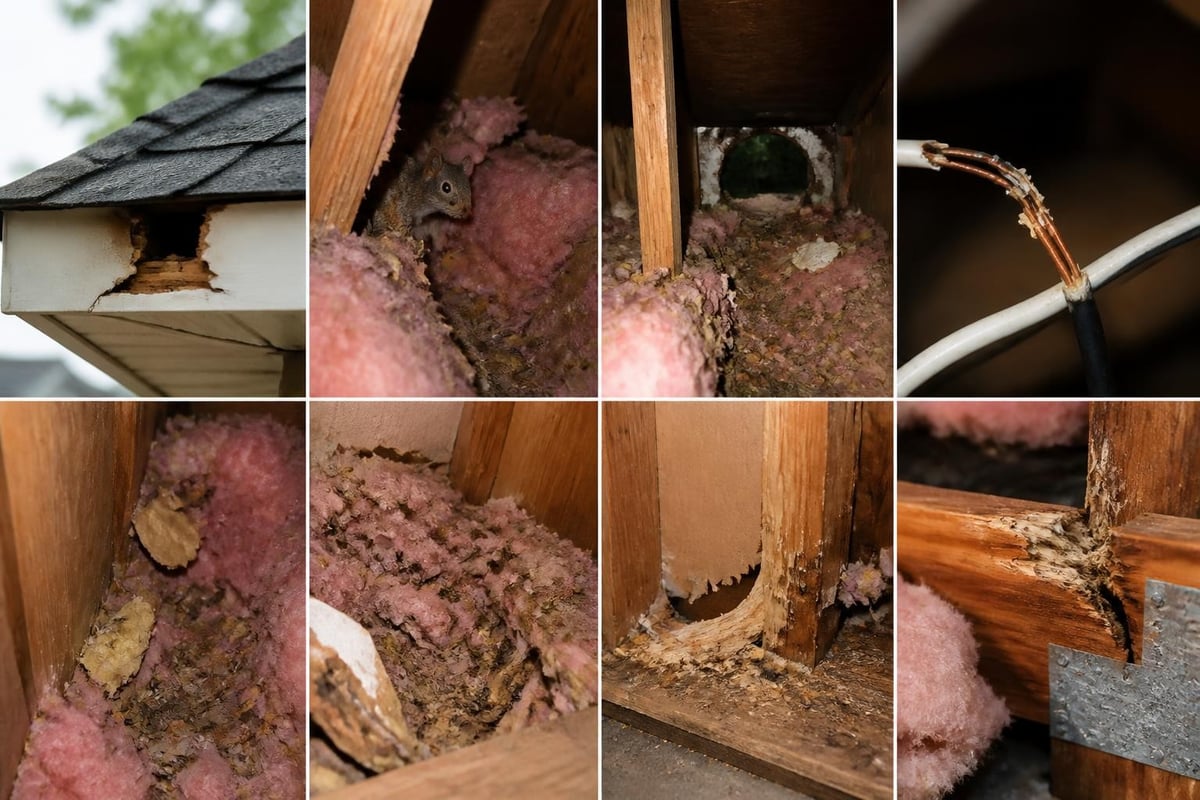
Gnawing sounds indicate active chewing on wood, wires, or other materials. Squirrels must constantly wear down their continuously growing incisors, leading them to gnaw on virtually anything available. This behavior poses serious fire hazards when electrical wiring becomes a target.
Visual Evidence
Droppings scattered throughout attic spaces provide clear evidence of squirrel occupation. Squirrel feces are larger than mouse droppings but smaller than rat droppings, typically measuring 3/8 inch in length with rounded ends. Fresh droppings appear dark and moist, while older specimens turn gray and crumble easily.
Nesting materials consisting of shredded insulation, cardboard, leaves, and twigs indicate established residence. Squirrels create substantial nests, often measuring 12-18 inches in diameter, positioned in attic corners or between rafters. Grease marks along rafters and walls appear where squirrels repeatedly travel the same routes.
Outside your home, watch for:
- Squirrels entering or exiting specific locations on your roof
- Damaged or missing shingles near suspected entry points
- Scattered debris below roof edges where squirrels have chewed
- Increased squirrel activity in trees adjacent to your home
- Visible holes or gaps in soffit, fascia, or roof areas
Damage to gardens, bird feeders, and outdoor structures may indicate high squirrel populations in your immediate area. While this doesn't confirm an interior infestation, it suggests elevated risk levels that warrant preventative inspection.
Professional Squirrel Removal Process
Effective squirrel removal requires a systematic approach that addresses current occupants while preventing future invasions. Professional pest control experts in Richmond follow established protocols that comply with Virginia wildlife regulations while ensuring humane treatment of animals.
Initial Inspection and Assessment
Thorough property inspection identifies all entry points, active nesting sites, and damage extent. Experienced technicians examine rooflines, vents, chimneys, and other vulnerable areas from both interior and exterior perspectives. This comprehensive assessment reveals not only obvious access points but also potential vulnerabilities that squirrels might exploit later.
Thermal imaging technology can detect squirrel nests and activity within wall cavities or insulation where visual inspection proves difficult. Inspectors also evaluate tree proximity, vegetation overgrowth, and structural conditions that contribute to wildlife access. Understanding the full scope of the problem enables development of effective removal strategies.
| Inspection Component | Purpose | Common Findings |
|---|---|---|
| Roof examination | Identify entry points | Damaged vents, chewed fascia, missing shingles |
| Attic assessment | Locate nests and damage | Destroyed insulation, chewed wires, droppings |
| Exterior perimeter | Find access routes | Overhanging branches, gaps in construction |
| Structural evaluation | Assess repair needs | Rotted wood, compromised flashing, vent damage |
Humane Trapping and Exclusion
Live trapping represents the most common method for removing squirrels from attics, particularly when juveniles may be present. Professionals position traps near entry points and along established travel routes within the attic. Proper trap selection, placement, and baiting require expertise to ensure effectiveness while minimizing stress on captured animals.
One-way exclusion doors installed over entry points allow squirrels to exit but prevent re-entry. This approach works effectively when inspectors confirm no juvenile squirrels remain inside that cannot exit on their own. Exclusion methods must be timed appropriately to avoid trapping nursing mothers away from dependent offspring.
Virginia regulations govern wildlife removal practices, including requirements for licensed trappers in certain situations. Professional pest control services maintain proper licensing and follow state guidelines for humane handling, transportation, and release of captured animals. DIY removal attempts often violate these regulations unintentionally.
Sealing and Repairs
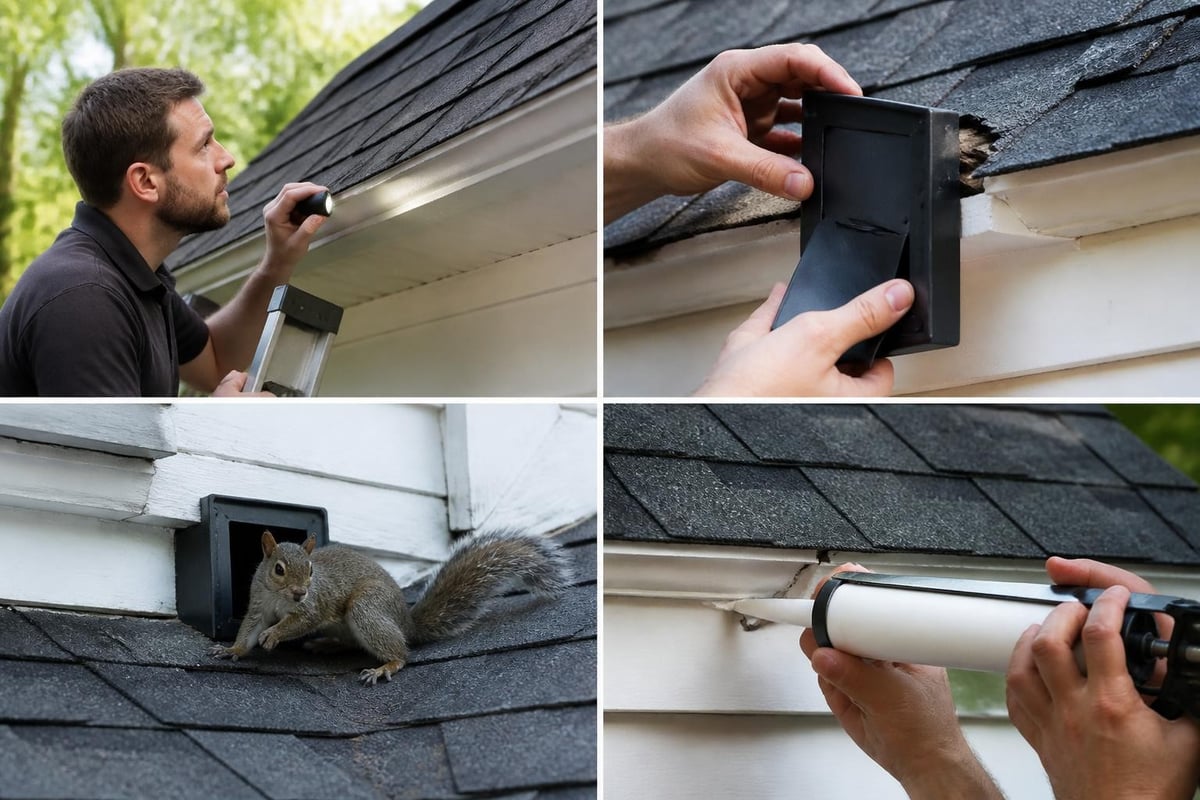
Once all squirrels have been removed, permanent exclusion requires sealing every potential entry point. This critical phase prevents re-infestation and protects your investment in removal services. Professional-grade materials withstand gnawing attempts better than standard hardware store products.
Effective sealing materials include:
- Heavy-gauge galvanized steel mesh (1/4 inch or smaller openings)
- Metal flashing properly secured with screws and washers
- Concrete or mortar for foundation and masonry gaps
- Metal chimney caps with secure mounting
- Professional-grade vent covers designed for wildlife exclusion
Damaged wood must be replaced, not just covered, to eliminate weak points that squirrels can exploit. Fascia boards, soffit panels, and roof decking showing significant chewing or rot require complete replacement. Simply covering damaged areas with metal often proves inadequate as squirrels chew around patches.
Proper sealing techniques ensure weather-tight installation that maintains your home's energy efficiency and moisture barrier. Poorly executed repairs can create new problems with water intrusion, ventilation blockage, or aesthetic damage. Professional pest control technicians coordinate with roofing specialists when structural repairs exceed their scope, and homeowners should consider consulting with qualified roofing contractors for significant roof damage assessment.
Addressing Damage and Contamination
Squirrel occupation creates multiple forms of damage that require remediation even after the animals are removed. Addressing these issues protects your home's value, indoor air quality, and safety for occupants.
Insulation Replacement
Squirrels destroy attic insulation through nesting activity, urine saturation, and fecal contamination. Compressed, damaged, or contaminated insulation loses R-value effectiveness, increasing heating and cooling costs significantly. In many cases, complete insulation removal and replacement becomes necessary rather than attempting to clean or supplement existing material.
Professional insulation services include safe removal of contaminated material, sanitation of affected areas, and installation of new insulation to proper R-value specifications for Richmond's climate zone. This process restores energy efficiency while eliminating odors and potential health hazards from accumulated waste.
Odor and Waste Cleanup
Squirrel urine and feces create persistent odors that permeate living spaces even after animals are removed. Professional sanitation services use enzyme-based cleaners and antimicrobial treatments to neutralize odors and eliminate pathogens. Simple DIY cleaning rarely addresses contamination adequately, especially when it has penetrated porous materials.
Accumulated droppings in attics can harbor diseases and parasites that pose health risks during cleanup. Proper protective equipment, containment procedures, and disposal methods protect both workers and occupants from exposure. Professional remediation teams follow OSHA guidelines and industry best practices for biohazard cleanup.
Electrical and Structural Repairs
Gnawed electrical wiring represents a serious fire hazard requiring immediate attention from licensed electricians. Squirrels don't discriminate between communication cables and live electrical wires, creating multiple points of failure within electrical systems. Complete attic rewiring may be necessary in severe cases.
Structural damage to rafters, joists, and roof decking compromises your home's integrity. While squirrels rarely cause catastrophic structural failure, their gnawing creates entry points for moisture and other pests. Carpenters should assess and repair significant wood damage before insulation replacement.
Prevention Strategies for Long-Term Protection
Preventing future squirrel problems requires ongoing vigilance and maintenance. Richmond homeowners who implement comprehensive prevention strategies significantly reduce re-infestation risks.
Vegetation Management
Trimming tree branches to maintain at least eight to ten feet of clearance from rooflines eliminates squirrel highways. This spacing prevents jumping access while allowing trees to provide shade and aesthetic value. Regular pruning schedules keep growth in check as trees mature and expand.
Removing dead trees, hollow stumps, and brush piles from your property reduces nesting sites that support large squirrel populations near your home. While you cannot eliminate all squirrels from your neighborhood, reducing attractive habitat decreases pressure on your home as a nesting alternative.
Landscape modifications that deter squirrels:
- Replace bird feeders with squirrel-proof models or relocate them away from structures
- Secure garbage containers with tight-fitting, locking lids
- Remove fallen fruit from yard areas promptly
- Install metal guards on tree trunks to prevent climbing near homes
- Eliminate outdoor food sources including pet food left in bowls
Regular Home Maintenance
Quarterly exterior inspections identify developing vulnerabilities before squirrels exploit them. Walking your property's perimeter while specifically looking for gaps, cracks, and damaged components takes minimal time but provides maximum protection. Early repairs cost far less than remediation after infestation occurs.
Annual roof inspections by qualified professionals catch deteriorating shingles, damaged flashing, and vent problems. Many roofing issues that allow squirrel entry also permit water intrusion, making this preventative measure doubly valuable. Scheduling inspections in late summer or early fall prepares your home before peak squirrel nesting season begins.
Deterrents and Repellents
Motion-activated lights and sprinkler systems create unpredictable environments that many squirrels avoid. These devices trigger when squirrels approach, startling them away from targeted areas. Strategic placement near known entry points or vulnerable roof sections enhances effectiveness.
Chemical repellents and taste deterrents produce mixed results for squirrel control. Products containing capsaicin, predator urine, or other odor-based repellents may provide temporary relief but rarely offer long-term solutions. Rain, weathering, and habituation reduce effectiveness quickly, requiring frequent reapplication at significant ongoing cost.
Ultrasonic devices marketed for squirrel deterrence generally prove ineffective according to wildlife control research. Squirrels quickly habituate to these sounds, and the devices don't prevent access to already-established nesting sites. Professional pest control experts typically don't recommend these products as primary prevention tools.
DIY Versus Professional Squirrel Removal
Homeowners frequently debate whether to attempt squirrel removal independently or hire professional services. Understanding the scope, risks, and requirements of effective removal helps make informed decisions.
When DIY May Be Appropriate
Humane trapping methods can work for homeowners with single squirrels and clearly identified entry points. Simple situations without nesting activity, structural damage, or multiple access locations may be manageable with proper research and equipment. Success requires patience, proper trap selection, and adherence to Virginia wildlife regulations.
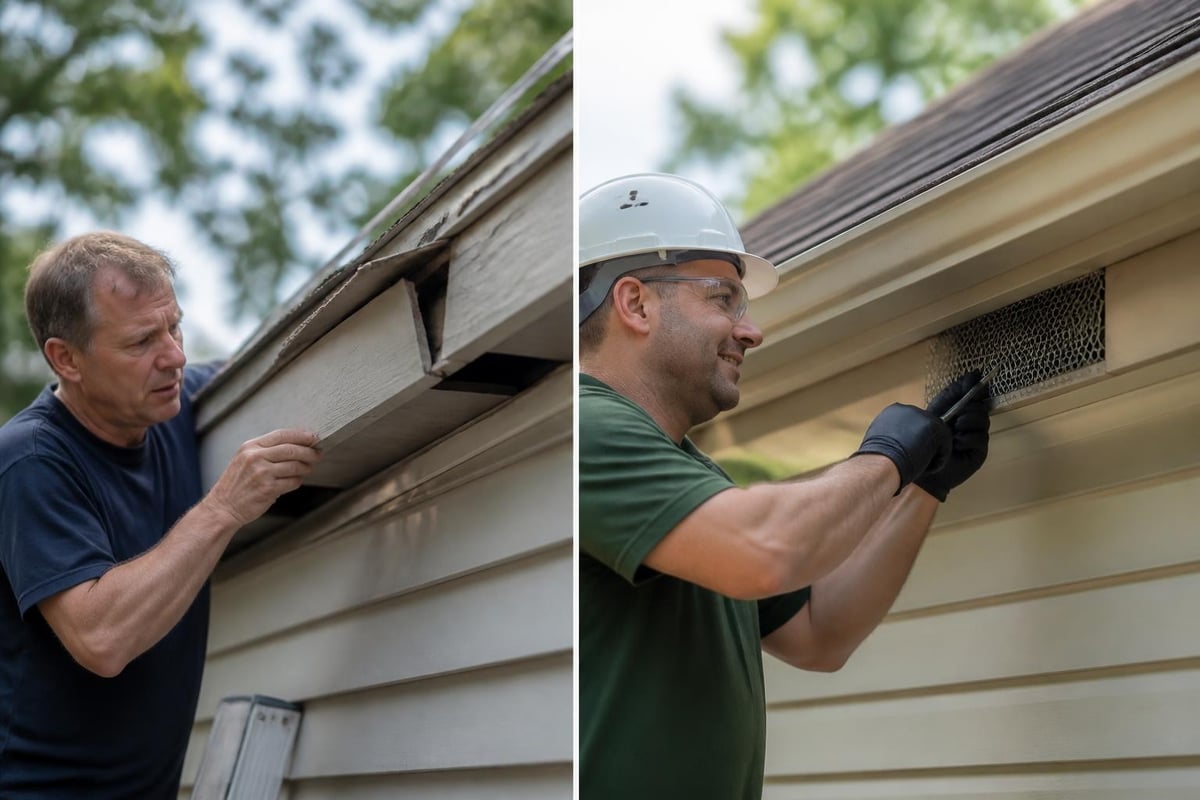
Preventative measures such as trimming branches, installing vent covers, and sealing obvious gaps represent excellent DIY projects for handy homeowners. These activities prevent problems before they start and can be accomplished with readily available materials and basic tools.
Situations Requiring Professional Expertise
Active nests with juvenile squirrels demand professional handling to ensure humane treatment and compliance with regulations. Removing adult squirrels while juveniles remain trapped inside creates suffering and odor problems as young animals perish. Professionals use timing and techniques that keep families together during removal.
Multiple entry points, extensive damage, or recurring infestations indicate complex problems beyond typical DIY capabilities. Professional pest control services provide comprehensive solutions that address root causes rather than symptoms. Attempting multiple DIY removal cycles often costs more in time, materials, and frustration than hiring experts initially.
| Factor | DIY Approach | Professional Service |
|---|---|---|
| Single squirrel, no nest | Possible with research | Quick, guaranteed results |
| Multiple squirrels or nest | High difficulty | Recommended |
| Extensive damage | Not recommended | Required for proper repairs |
| Legal compliance | Homeowner responsibility | Licensed, insured service |
| Success guarantee | None | Typically warranted |
| Time investment | Significant | Minimal homeowner involvement |
Health and safety risks increase substantially when accessing attics, working on roofs, or handling wildlife. Falls from ladders, exposure to contaminated materials, and animal bites represent serious hazards. Professional technicians carry insurance, use proper safety equipment, and maintain training in wildlife handling protocols.
Special Considerations for Richmond Area Homes
Richmond's unique climate, architecture, and environmental factors create specific challenges for squirrel control. Local expertise proves valuable when addressing these regional characteristics.
Historic Home Challenges
Richmond's abundance of historic properties presents unique squirrel removal challenges. Older homes often feature construction techniques and materials that create numerous entry opportunities. Decorative architectural elements, original wooden vents, and aged building materials require specialized repair approaches that maintain historical integrity while providing effective exclusion.
Preservation guidelines in historic districts may restrict certain repair methods or materials. Professional pest control services experienced with historic properties understand these constraints and work within approved parameters. Balancing effective wildlife control with architectural preservation requires knowledge of both fields.
Climate-Related Factors
Richmond's humid subtropical climate creates year-round squirrel activity unlike regions with harsh winters. Mild temperatures mean squirrels don't hibernate or significantly reduce activity during cold months. This constant pressure on homes requires vigilant prevention and rapid response to initial entry attempts.
High humidity levels in Richmond attics accelerate damage to insulation and wood when squirrels compromise vapor barriers or create openings. Moisture-related issues compound squirrel damage, making prompt removal and repair especially critical. Crawl space protection becomes equally important as squirrels sometimes access homes through foundation areas before moving into attics.
Local Wildlife Regulations
Virginia Department of Wildlife Resources regulates squirrel removal, trapping, and relocation. Licensed professionals understand current regulations regarding capture methods, transport distances, and release locations. Homeowners attempting DIY removal must research and comply with these rules to avoid legal penalties.
Certain removal methods legal in other states may be prohibited in Virginia. For example, relocation requirements differ from many jurisdictions, and using inappropriate trapping techniques can result in fines. Professional services maintain current knowledge of regulatory changes and ensure compliant practices.
Health and Safety Concerns
Squirrel infestations create multiple health and safety hazards for Richmond area residents. Understanding these risks emphasizes the importance of prompt, professional removal.
Disease Transmission
While direct squirrel-to-human disease transmission remains relatively rare, squirrels can carry rabies, leptospirosis, and salmonellosis. Contaminated urine and feces pose greater health risks than the animals themselves. Airborne particles from dried waste materials can spread pathogens when disturbed during cleanup attempts.
Parasites including fleas, ticks, and mites infest squirrel nests and migrate into living spaces once squirrels are removed. These secondary pests create additional problems requiring separate treatment. Proper remediation addresses both primary and secondary infestations comprehensively.
Fire Hazards
Electrical fires caused by chewed wiring represent the most serious safety concern associated with squirrel infestations. Squirrels gnaw through protective insulation on wires, creating short circuits and sparking. Many homeowners remain unaware of electrical damage until fires occur or electrical systems fail.
Building codes require proper electrical system grounding and circuit protection, but squirrel damage can bypass these safeguards. Insurance companies may deny fire claims if inspections reveal negligent response to known wildlife infestations. Documenting professional removal and electrical inspection protects homeowners legally and financially.
Indoor Air Quality
Accumulated waste products from squirrel occupation degrade indoor air quality significantly. Ammonia from urine creates respiratory irritation, while mold growth on contaminated insulation releases spores throughout ventilation systems. Family members with asthma, allergies, or compromised immune systems face elevated health risks.
HVAC systems draw air from attics in many home designs, distributing contaminated air throughout living spaces. Professional remediation includes sanitizing ductwork and replacing filters after contamination cleanup. Simple squirrel removal without addressing air quality issues leaves health problems unresolved.
Cost Considerations and Investment Protection
Understanding the financial aspects of squirrel removal helps homeowners budget appropriately and recognize the value of professional services.
Removal Service Pricing
Professional squirrel removal costs vary based on infestation severity, home size, entry point quantity, and damage extent. Initial inspection and removal typically range from several hundred to several thousand dollars depending on complexity. Services usually include trapping or exclusion, initial sealing of primary entry points, and basic cleanup.
Comprehensive packages addressing all entry points, complete damage remediation, insulation replacement, and warranty protection cost more initially but provide better long-term value. Choosing the cheapest service often results in incomplete solutions and recurring problems. Quality professional services invest in thorough work that prevents callbacks and ensures customer satisfaction.
Typical cost components include:
- Initial inspection and assessment fees
- Per-animal trapping or removal charges
- Entry point sealing and exclusion work
- Insulation removal and replacement
- Sanitation and odor treatment
- Follow-up inspections and warranty service
Comparing Costs to Damage Prevention
Delaying professional squirrel removal allows damage to compound rapidly. A minor entry point costing hundreds to seal can expand into thousands in electrical repairs, insulation replacement, and structural restoration. Early intervention provides the best return on investment by minimizing secondary damage.
Insurance coverage for squirrel damage varies significantly between policies and providers. Many homeowner policies exclude wildlife damage or cover only specific aspects such as fire caused by chewed wiring. Reviewing your policy and understanding coverage limitations before problems occur enables better planning. Some pest control services offer maintenance programs that reduce long-term costs through regular monitoring and early intervention.
Long-Term Value of Prevention
Investing in comprehensive sealing and prevention measures protects home value and marketability. Disclosed wildlife problems can reduce sale prices or cause buyer concerns during transactions. Professional documentation of removal and prevention work provides reassurance to potential buyers and may satisfy disclosure requirements.
Annual prevention costs through maintenance programs or periodic inspections represent small investments compared to full removal and remediation expenses. Proactive homeowners who budget for preventative services avoid crisis situations requiring emergency response at premium pricing. Regular maintenance also catches other developing problems before they escalate.
Squirrel Removal and Related Home Systems
Understanding how squirrel activity impacts interconnected home systems reveals the comprehensive nature of effective removal.
Attic Ventilation Balance
Proper attic ventilation requires balanced intake and exhaust airflow. Squirrels often enter through ventilation points, and sealing these areas without proper consideration can disrupt this balance. Professional removal services understand building science principles and maintain appropriate ventilation while excluding wildlife.
Soffit vents, ridge vents, and gable vents must all function properly to prevent moisture accumulation and regulate attic temperatures. Simply covering vents with hardware cloth or solid barriers may solve squirrel problems while creating moisture issues that lead to mold growth and wood rot. Specialized vent covers maintain airflow while blocking animal access.
Insulation Performance
Energy efficiency suffers dramatically when squirrels compress, displace, or contaminate attic insulation. Richmond's climate requires adequate R-value insulation to maintain comfortable temperatures and control utility costs. Squirrel damage can reduce effective R-value by 50% or more in affected areas.
Blown-in insulation settles unevenly when squirrels create tunnels and nesting chambers. Batt insulation tears and compresses under squirrel traffic, leaving gaps that compromise thermal performance. Professional insulation assessment after squirrel removal ensures proper coverage and effectiveness.
Moisture Management
Crawl space systems connect directly to overall home moisture management. Squirrels entering through crawl spaces can compromise vapor barriers, insulation, and ventilation systems designed to control humidity. Understanding these connections enables comprehensive protection strategies that address multiple entry possibilities.
Roof leaks created or worsened by squirrel activity introduce moisture that accelerates structural damage. Water infiltration around poorly sealed entry points creates wood rot that makes future exclusion more difficult. Addressing moisture sources during squirrel removal prevents compound damage to building materials.
Monitoring and Warranty Programs
Ongoing monitoring ensures removal effectiveness and provides early warning of new activity. Professional pest control companies offer various programs to maintain squirrel-free conditions.
Post-Removal Monitoring
Follow-up inspections verify exclusion effectiveness and confirm no squirrels remain inside sealed areas. Initial monitoring occurs within days of completion, with subsequent checks at intervals determined by infestation severity. Remote monitoring cameras can document activity at previous entry points without requiring homeowner presence.
Seasonal monitoring before peak nesting periods provides proactive protection. Fall and spring inspections catch developing vulnerabilities before squirrels exploit them. These scheduled visits often include basic maintenance like cleaning vent covers and checking seal integrity.
Service Warranties
Reputable squirrel removal services warranty their work against re-entry for specified periods. Warranty terms vary but typically range from 30 days to one year depending on service scope. Comprehensive exclusion work merits longer warranties than basic trapping services.
Understanding warranty limitations and homeowner responsibilities prevents disputes. Most warranties require homeowners to maintain trimmed vegetation and report new activity promptly. Failure to address these conditions may void warranty coverage. Reading warranty terms carefully and asking questions before service ensures clear expectations.
Prevention Maintenance Plans
Annual or semi-annual maintenance agreements provide ongoing protection through regular inspections and minor repairs. These programs typically cost less than emergency removal services and catch problems early when solutions remain simple. Maintenance plans often include priority scheduling and discounted rates for members.
Comprehensive plans may bundle squirrel prevention with other pest control services, providing economical solutions for multiple concerns. Richmond homeowners dealing with various wildlife and insect pressures benefit from integrated approaches that address the property holistically rather than treating individual problems in isolation.
Technology and Modern Removal Methods
Advances in wildlife control technology improve removal efficiency, safety, and humaneness. Professional services employ modern tools that surpass traditional methods.
Inspection Technology
Thermal imaging cameras detect squirrels within walls and insulation where visual observation proves impossible. Temperature differences between animals and surrounding materials create clear images that identify exact locations. This technology eliminates guesswork and enables targeted removal strategies.
Fiber-optic inspection cameras navigate tight spaces to examine entry points, void areas, and structural conditions. Video documentation provides clear evidence for homeowners and insurance companies while creating permanent records of conditions. These visual tools support accurate estimates and comprehensive solutions.
Exclusion Innovations
Modern one-way doors incorporate spring-loaded designs that prevent squirrels from pushing back through exit points. Multiple mounting options accommodate various entry locations including vents, gaps, and holes. Professional-grade exclusion devices withstand weather exposure and gnawing attempts better than homemade alternatives.
Foam sealants designed specifically for wildlife exclusion combine chemical deterrents that discourage chewing with expanding properties that fill irregular gaps. These products work in conjunction with mechanical barriers to create complete seals. Standard hardware store foams lack these specialized formulations and provide inadequate protection.
Communication and Documentation
Digital reporting systems provide homeowners with detailed inspection findings, photo documentation, and treatment plans via email or customer portals. This transparency builds trust and enables informed decision-making. Customers can review findings at their convenience and share information with insurance companies or other contractors.
GPS-tagged service records track treatment locations and dates for properties with multiple buildings or complex layouts. Historical data helps identify patterns and optimize prevention strategies over time. Professional services maintaining comprehensive records deliver superior long-term value through institutional knowledge of specific properties.
Environmental Considerations
Responsible squirrel removal balances human property rights with environmental stewardship. Ethical practices reflect well on both homeowners and service providers.
Habitat Preservation
Squirrels serve important ecological roles including seed dispersal, forest regeneration, and food sources for predators. Removal from homes doesn't require extermination or ecosystem disruption. Humane removal methods maintain respect for wildlife while protecting property interests.
Creating alternative habitat away from structures benefits both homeowners and squirrel populations. Installing nest boxes in wooded areas provides nesting sites that divert squirrels from home invasions. These boxes should be placed at least 100 feet from structures to be effective.
Chemical Use Minimization
Effective squirrel removal rarely requires chemical pesticides or poisons. Physical exclusion and habitat modification provide superior long-term results without environmental contamination. Poison use creates secondary poisoning risks for pets, wildlife, and children while often causing squirrels to die within walls or inaccessible areas.
Eco-friendly cleaning products and sanitizers effectively eliminate contamination without harsh chemical residues. Enzyme-based cleaners break down organic waste naturally while neutralizing odors. Professional services increasingly adopt green practices that protect environmental health.
Relocation Ethics
Virginia regulations specify requirements for wildlife relocation including distance from capture sites and suitable habitat availability. Simply moving squirrels to nearby parks or wooded areas often sentences them to death from territorial conflicts or unfamiliar food sources. Professional services understand these dynamics and follow ethical relocation practices.
On-site exclusion that allows squirrels to leave voluntarily reduces relocation stress and mortality. This approach respects animal welfare while solving homeowner problems effectively. When relocation becomes necessary, professionals select appropriate sites with adequate resources and low existing population density.
Squirrel Removal Success Stories
Real-world examples illustrate effective removal strategies and demonstrate the value of professional intervention for Richmond homeowners.
Case Study: Historic Fan District Home
A 1920s bungalow in Richmond's Fan District experienced multiple squirrel entries through original wooden soffit vents and decorative gable details. The homeowners initially attempted DIY sealing but squirrels created new entry points within weeks. Persistent scratching sounds and visible damage prompted professional intervention.
Comprehensive inspection revealed eight separate entry points and two active nests with juvenile squirrels. Timed exclusion allowed family groups to exit naturally while preventing re-entry. Custom metal vent covers maintained the home's historic appearance while providing permanent protection. Insulation replacement and electrical inspection completed the project, with no recurrence over three subsequent years.
Case Study: Suburban Henrico Property
A 1990s subdivision home in western Henrico County developed squirrel problems after a severe storm damaged several roof shingles. Squirrels established a large nest in the attic and caused extensive insulation damage over a three-month period. The homeowners noticed increased utility bills before discovering the infestation during a routine HVAC service call.
Professional removal included emergency electrical inspection due to chewed wiring near junction boxes. Complete attic insulation removal revealed compromised vapor barriers and moisture damage requiring carpenter assessment. Coordinated repairs addressed roofing, electrical, insulation, and exclusion needs comprehensively. The property now maintains quarterly monitoring to catch future storm damage before wildlife exploitation occurs.
Effective squirrel removal protects Richmond area homes from extensive damage while addressing health and safety concerns through professional inspection, humane exclusion, and comprehensive repair services. If you're experiencing squirrel activity in your attic, crawl space, or exterior areas, SanPro provides expert removal and prevention services throughout the Richmond region, combining wildlife control expertise with insulation, crawl space protection, and long-term monitoring to keep your home safe and squirrel-free.