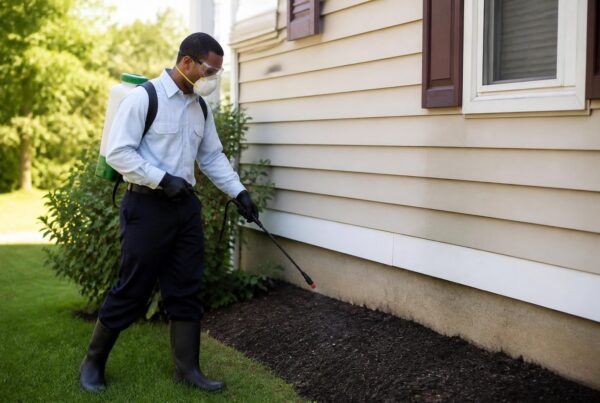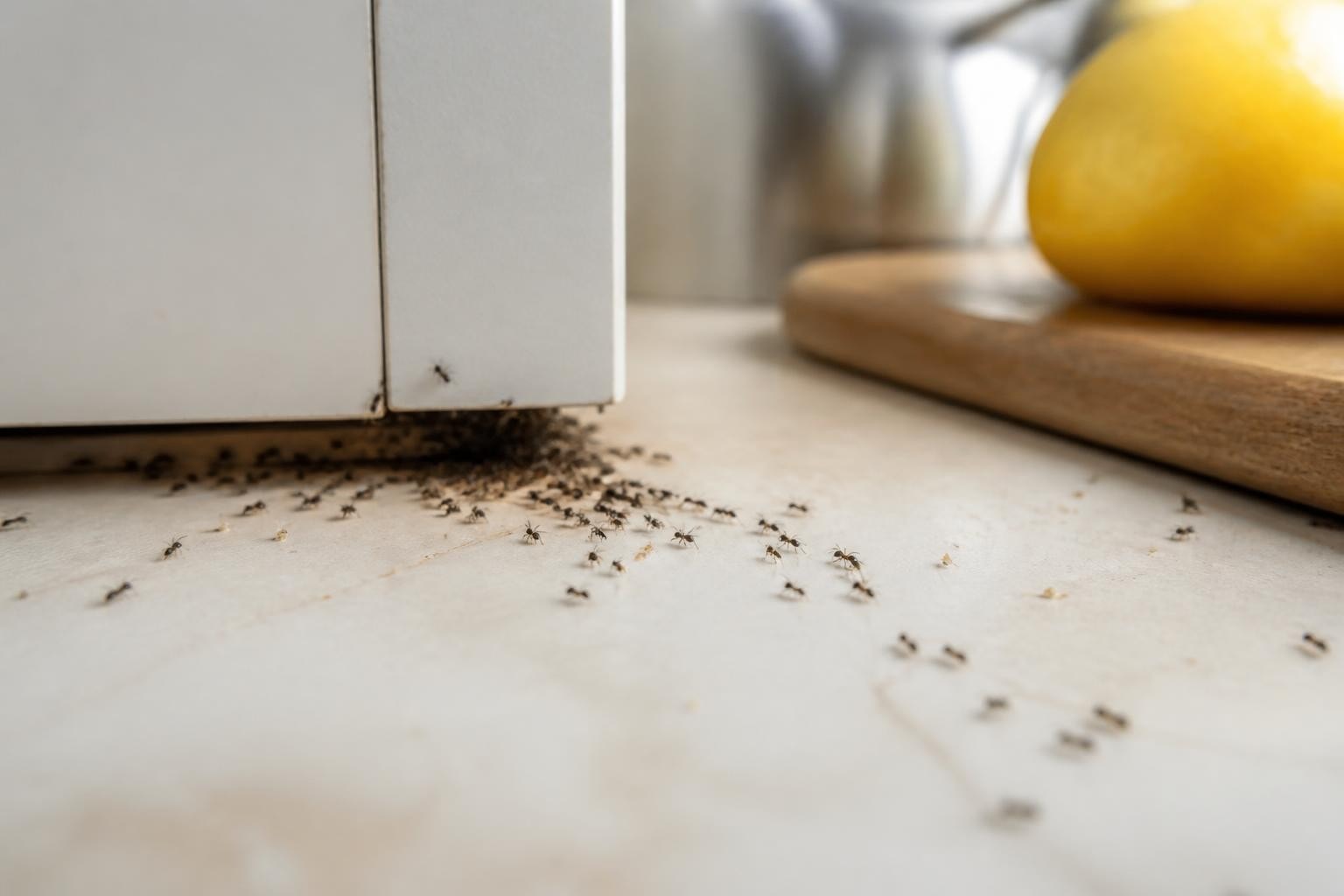
Discovering a line of tiny black ants marching across your kitchen counter can quickly transform from a minor annoyance into a full-scale invasion. These persistent insects, scientifically known as Monomorium minimum, represent one of the most common household pest challenges facing Richmond VA homeowners in 2026. Understanding their behavior, identifying their entry points, and implementing effective control strategies makes the difference between temporary relief and permanent elimination. For residential and commercial property owners throughout Richmond, addressing these invaders requires both immediate action and long-term prevention strategies that target the root cause of infestations.
Identifying Tiny Black Ants in Your Richmond Home
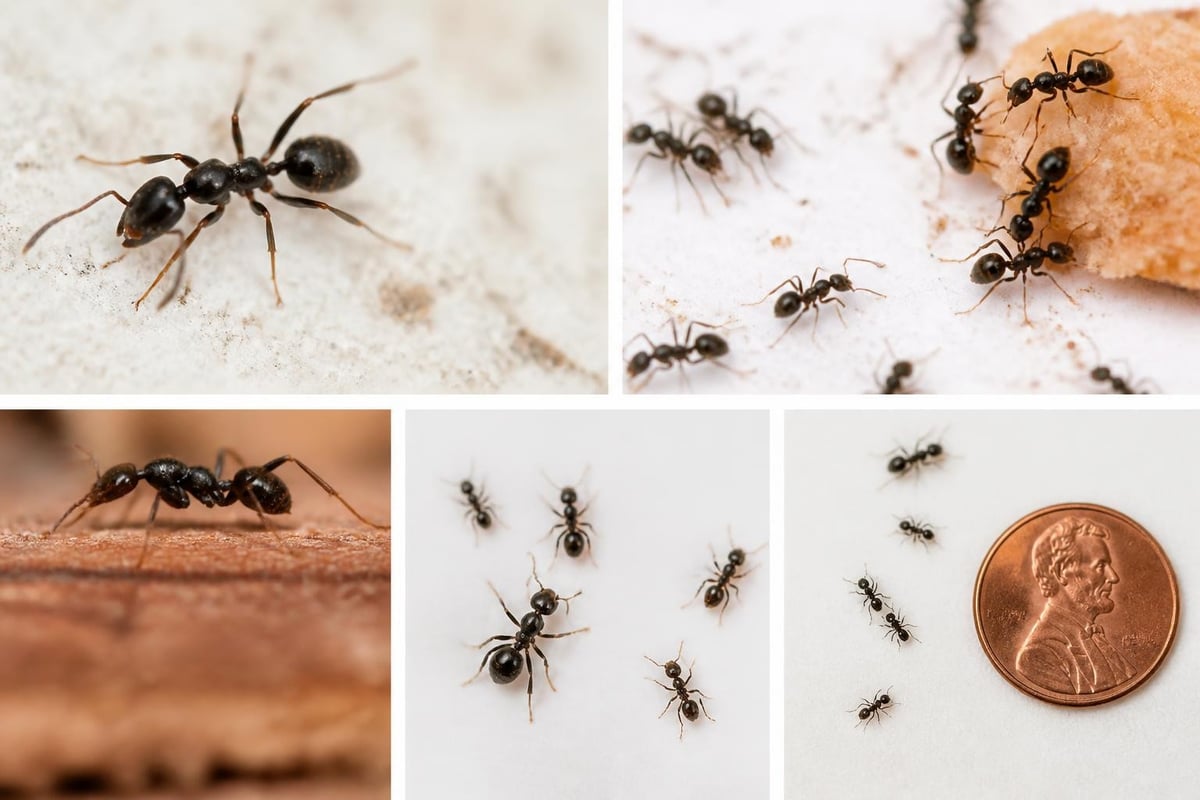
Tiny black ants measure approximately 1.5 to 2.5 millimeters in length, making them among the smallest ant species commonly found in Virginia residences. Their dark brown to jet-black coloration distinguishes them from other ant varieties, though positive identification requires close examination of their physical characteristics.
Physical Characteristics and Appearance
These diminutive insects possess several distinguishing features that separate them from similar species. Their bodies consist of three distinct segments: head, thorax, and abdomen, with a pronounced two-segment petiole connecting the thorax to the abdomen. Workers display 12-segmented antennae with a three-segmented club at the tip, a feature visible only under magnification.
Key identification markers include:
- Uniform dark coloration ranging from dark brown to black
- Shiny, hairless exoskeleton
- Slightly uneven thorax profile
- Small stinger (though rarely used on humans)
- Highly visible antennae bent at characteristic angles
Understanding these physical characteristics and feeding habits helps homeowners distinguish tiny black ants from carpenter ants, odorous house ants, or pavement ants that may require different treatment approaches.
Behavioral Patterns and Colony Structure
Tiny black ants establish colonies ranging from moderate to extremely large populations, sometimes exceeding several thousand individuals. A single colony typically contains multiple queens, an unusual characteristic that accelerates reproduction and makes elimination more challenging. Workers forage extensively, creating visible trails between food sources and nest locations.
| Colony Component | Details | Impact on Control |
|---|---|---|
| Queen Count | Multiple (2-12 per colony) | Requires complete colony elimination |
| Worker Population | 1,000-10,000+ individuals | Visible foraging trails indicate larger problems |
| Reproduction Rate | Continuous during warm months | Spring and summer require heightened vigilance |
| Lifespan | Queens: 1+ years, Workers: several months | Long-term strategies essential |
These ants exhibit peak activity during warmer months, with Richmond's climate providing ideal conditions from April through October. Their foraging patterns intensify during summer humidity, when they actively seek water sources inside temperature-controlled buildings.
Why Tiny Black Ants Invade Richmond Properties
Understanding invasion motivations helps property owners implement preventative measures before infestations establish. These opportunistic insects exploit structural vulnerabilities and environmental conditions common in both residential and commercial buildings throughout the Richmond metropolitan area.
Primary Attractants and Food Sources
Tiny black ants demonstrate omnivorous feeding habits, consuming proteins, sweets, grease, and decaying organic matter. Their diverse diet enables them to thrive in various environments, from modern kitchens to aging commercial facilities. Workers collect food particles and transport them back to colony locations, creating persistent trails that homeowners notice along baseboards and countertops.
Common food attractants include:
- Sugar-based substances (syrups, honey, fruit juices)
- Protein sources (meat products, pet food, dead insects)
- Grease and oil residues
- Decaying plant material
- Honeydew produced by aphids
Richmond's humid climate contributes to ant activity, as these insects require consistent moisture access. Homes with plumbing leaks, poor ventilation, or foundation moisture issues become prime targets. The connection between crawl space conditions and pest activity demonstrates why comprehensive property inspection proves essential for effective ant prevention.
Entry Points and Structural Vulnerabilities
Tiny black ants exploit minuscule openings that homeowners often overlook during routine maintenance. Their small size allows passage through cracks measuring less than one millimeter, making complete exclusion challenging without professional assessment and sealing.
Foundation cracks represent the most common entry route, particularly in older Richmond properties where settling has created structural gaps. Windows and door frames with deteriorated weather stripping provide easy access, especially during peak foraging seasons. Utility penetrations for electrical, plumbing, and HVAC systems create highways for ant traffic when proper sealing is neglected.
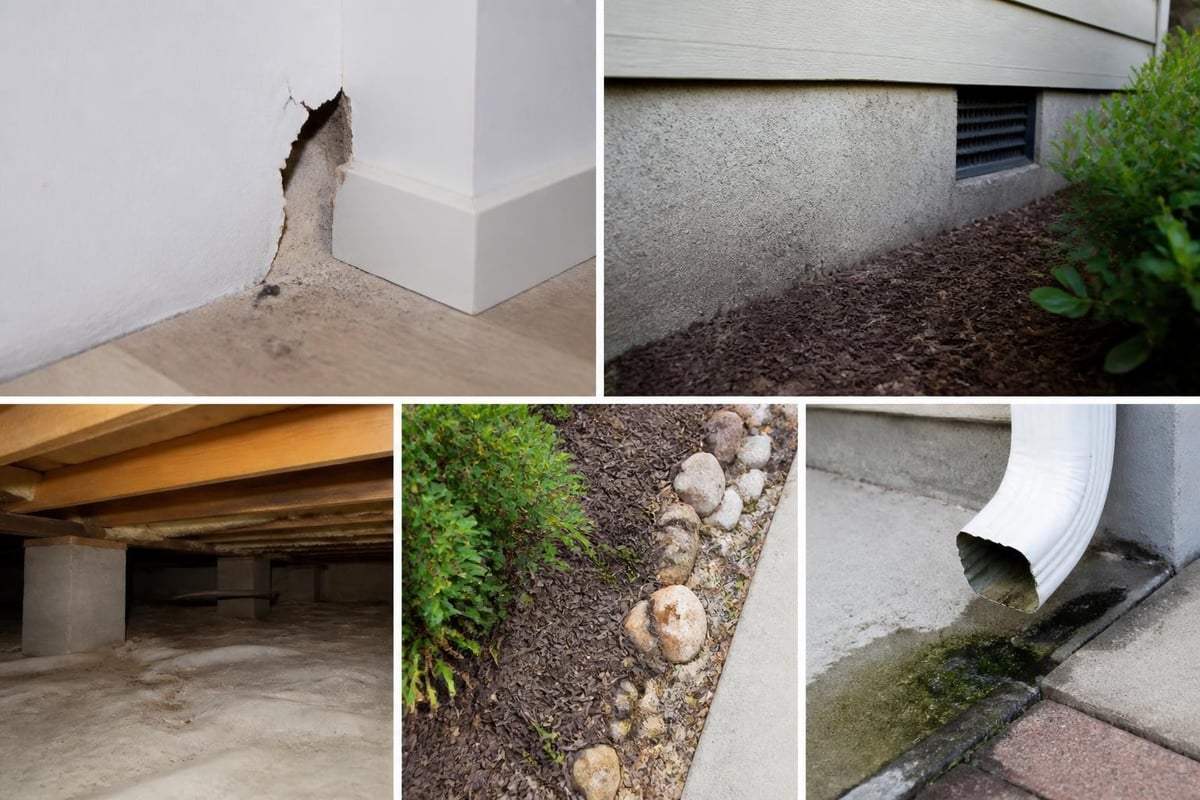
Exterior conditions significantly influence invasion likelihood. Properties with landscaping that contacts building foundations, mulch placed too close to exterior walls, or tree branches touching rooflines experience higher infestation rates. These ants nest both indoors and outdoors, with outdoor colonies often located in soil, under stones, or within landscape timber.
Common Nesting Locations Throughout Properties
Identifying nest locations proves critical for successful elimination, as surface treatments address only foraging workers while queens and brood remain protected. Tiny black ants demonstrate remarkable adaptability in selecting nest sites, colonizing both interior and exterior spaces based on available resources and environmental conditions.
Indoor Nesting Sites
Interior nests typically develop in concealed spaces that provide darkness, moisture, and protection from disturbance. Wall voids between studs offer ideal conditions, particularly near kitchens and bathrooms where plumbing creates consistent humidity. Tiny black ants hollow out small cavities in these spaces, creating intricate tunnel systems that can extend several feet from the primary chamber.
Preferred indoor nesting locations:
- Wall voids adjacent to plumbing
- Cabinet bases and drawer cavities
- Behind baseboards and crown molding
- Beneath flooring in areas with moisture damage
- Inside hollow doors
- Within insulation material in attics and crawl spaces
Attic spaces with insufficient ventilation and damaged insulation attract nesting activity, particularly when rodent problems have compromised these materials. The intersection of pest issues highlights why comprehensive pest control services address multiple concerns simultaneously rather than treating symptoms in isolation.
Exterior Colony Sites
Outdoor nests frequently establish in soil adjacent to building foundations, creating direct pathways for interior invasion. These colonies position themselves strategically near food sources, including gardens, compost areas, and outdoor trash storage. Richmond's clay-heavy soil composition provides excellent tunneling conditions when moisture content reaches optimal levels.
Landscape features create numerous nesting opportunities that property owners inadvertently provide. Decorative rocks, pavers, and retaining walls offer protected spaces underneath where colonies develop undetected. Rotting wood from tree stumps, fallen logs, or deteriorating landscape timber serves as both nesting material and food source through the fungi growing within decaying wood.
| Exterior Location | Risk Level | Prevention Strategy |
|---|---|---|
| Mulch beds against foundation | High | Maintain 6-inch gap from structure |
| Under decorative stones | Medium-High | Regularly inspect and disturb |
| Rotting wood/stumps | High | Remove decaying timber promptly |
| Soil beneath concrete slabs | Medium | Seal cracks, ensure proper drainage |
| Tree root systems | Low-Medium | Trim branches away from building |
Understanding nesting preferences and common indoor locations helps homeowners conduct thorough inspections and identify problem areas before colonies expand to unmanageable sizes.
Health and Property Risks Associated with Infestations
While tiny black ants lack the destructive potential of termites or carpenter ants, their presence creates legitimate concerns for Richmond property owners. These insects contaminate food supplies, compromise sanitation standards, and indicate underlying property conditions that may attract more serious pest problems.
Contamination and Sanitation Concerns
Foraging workers travel through unsanitary environments including garbage, sewers, and decaying organic matter before entering food preparation areas. Their bodies collect bacteria, pathogens, and allergens during these excursions, depositing contaminants on countertops, food containers, and eating utensils. While tiny black ants don't transmit diseases as readily as cockroaches or flies, their presence in commercial kitchens violates health codes and creates liability exposure.
Food contamination extends beyond visible trails. Colonies establish satellite nests within pantries and food storage areas, with workers accessing sealed containers through microscopic openings. Products stored in cardboard boxes, paper bags, or plastic packaging with manufacturing defects become vulnerable to infiltration.
Property impacts include:
- Failed health inspections for commercial facilities
- Customer complaints and reputation damage for restaurants
- Product waste from contaminated food supplies
- Increased cleaning and sanitation labor costs
- Potential allergic reactions in sensitive individuals
Indicators of Larger Problems
Persistent tiny black ant activity often signals moisture issues, structural deterioration, or environmental conditions that attract multiple pest species. Properties experiencing chronic ant problems frequently discover concurrent problems with termites, carpenter ants, or rodents when professional inspections reveal underlying causes.
Moisture intrusion through foundations, poorly sealed crawl spaces, or plumbing leaks creates conditions favoring numerous pest species. Crawl space environments with excess humidity not only attract ants but promote wood rot, mold growth, and ideal conditions for subterranean termite activity. Addressing visible ant problems without correcting moisture sources provides only temporary relief.
Professional Control Methods for Lasting Results
Effective tiny black ant elimination requires integrated approaches that target colonies rather than individual workers. Professional pest control technicians employ sophisticated strategies combining chemical treatments, mechanical exclusion, and environmental modification to achieve permanent results.
Inspection and Assessment Protocols
Comprehensive property inspection forms the foundation of successful ant control programs. Licensed pest control professionals conduct detailed evaluations of interior and exterior spaces, identifying active trails, locating nests, and documenting conditions contributing to infestation. This systematic approach reveals factors homeowners typically overlook during DIY attempts.
Professional inspection components:
- Exterior perimeter evaluation for entry points and nesting sites
- Interior assessment of active trails and foraging patterns
- Moisture detection in walls, crawl spaces, and attics
- Landscape analysis for conducive conditions
- Documentation with photos and detailed treatment recommendations
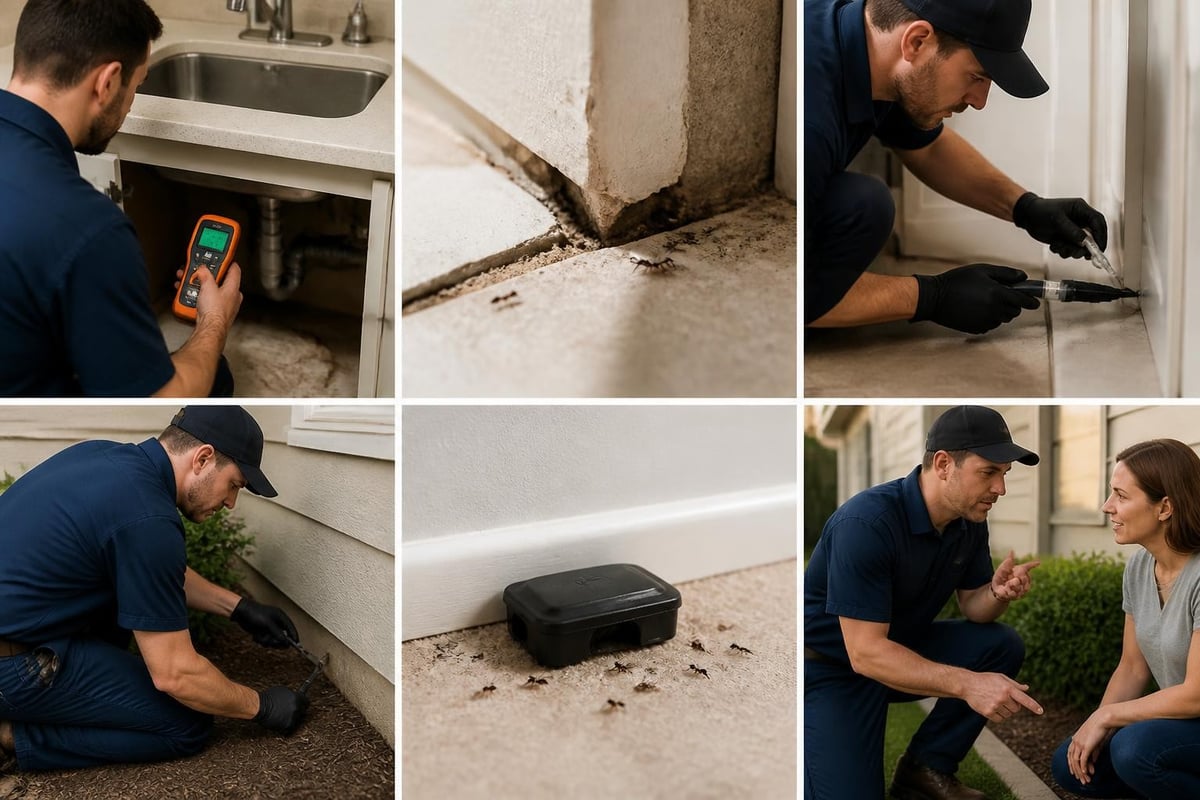
Thermal imaging technology helps inspectors identify moisture accumulation within walls and voids where ants commonly nest. Moisture meters provide quantitative data about problem areas requiring remediation before treatments can prove effective. This diagnostic approach distinguishes professional services from retail pesticide applications that address only surface symptoms.
Treatment Applications and Colony Elimination
Modern ant control relies primarily on non-repellent transfer insecticides that workers transport into colonies, distributing active ingredients to queens and brood. These formulations prove far more effective than contact sprays that simply scatter ant populations or create avoidance behaviors.
Gel baits placed in strategic locations along foraging trails provide high-appeal food sources laced with slow-acting insecticides. Workers collect bait and share it through trophallaxis, a feeding behavior where ants exchange food mouth-to-mouth throughout the colony. This transfer mechanism ensures queens receive lethal doses despite never leaving nest chambers.
| Treatment Method | Application | Effectiveness Timeline | Advantages |
|---|---|---|---|
| Gel Baits | Targeted placement along trails | 7-14 days for colony collapse | Minimal exposure, high colony kill |
| Liquid Non-repellents | Perimeter and crack/crevice | 14-30 days for full control | Long residual, broad coverage |
| Granular Insecticides | Exterior nesting areas | 10-21 days | Weather-resistant, extended control |
| Dust Formulations | Wall voids, attics | 30+ days residual | Excellent for hidden nests |
Experienced pest control technicians adjust treatment strategies based on inspection findings, colony locations, and environmental factors specific to each property. Richmond's climate, soil conditions, and construction styles influence product selection and application timing.
Prevention Strategies for Richmond Homeowners
Preventing tiny black ant invasions requires consistent maintenance practices and environmental management that eliminate attractants and access points. Property owners who implement proactive measures dramatically reduce infestation likelihood compared to those relying solely on reactive treatments.
Structural Modifications and Exclusion
Sealing entry points represents the most effective long-term prevention strategy. Comprehensive exclusion involves identifying and closing cracks, gaps, and openings throughout the building envelope. This process requires attention to numerous small vulnerabilities that collectively provide numerous invasion routes.
Foundation inspection should occur annually, with immediate repairs to cracks exceeding one-eighth inch width. Silicone-based caulking provides flexible, weather-resistant seals around windows, doors, and utility penetrations. Expanding foam products fill larger voids around pipes and cables entering structures, though excess application creates aesthetic issues requiring trimming.
Critical exclusion points:
- Foundation cracks and control joints
- Window and door frame perimeters
- Utility service penetrations (electrical, plumbing, cable)
- Dryer and exhaust vent terminations
- HVAC line penetrations
- Chimney and roof intersections
Weather stripping replacement on exterior doors eliminates gaps along thresholds and sides. Door sweeps installed on bottom edges prevent ant entry beneath doors while improving energy efficiency. These simple modifications provide immediate benefits for pest prevention and climate control.
Sanitation and Moisture Management
Eliminating food sources and moisture access creates inhospitable conditions for tiny black ants. Consistent cleaning practices remove the microscopic food particles and grease residues that attract foraging workers. Kitchen counters, floors, and appliances require daily cleaning with attention to spills, crumbs, and sticky residues.
Food storage in airtight containers prevents ant access and contamination. Glass or heavy plastic containers with gasket-sealed lids protect pantry items more effectively than original packaging. Pet food should never remain in bowls overnight, as protein sources attract persistent ant activity.
Moisture control extends throughout properties, from fixing leaky faucets to addressing foundation drainage issues. Gutters and downspouts directing water away from foundations prevent soil saturation that attracts outdoor colonies. Crawl space ventilation and vapor barriers reduce humidity levels that promote pest activity and structural damage.
Properties addressing moisture management through proper crawl space maintenance experience fewer ant problems and protect against more serious pest threats including termites and wood-destroying organisms.
Landscape Management Techniques
Exterior property maintenance significantly influences ant pressure on structures. Strategic landscape design and regular maintenance create zones separating outdoor colonies from building interiors. These practices reduce pest populations naturally without relying exclusively on chemical treatments.
Mulch serves important landscape functions but requires careful management near foundations. Maintaining a minimum six-inch gap between mulch beds and exterior walls prevents moisture accumulation and eliminates protected nesting sites. Inorganic mulch materials like gravel or rubber products in this transition zone reduce ant habitat while preserving aesthetic appeal.
Landscape best practices:
- Trim tree branches and shrubs touching buildings
- Remove leaf litter and organic debris from foundation perimeters
- Eliminate standing water in flower pots, saucers, and yard features
- Store firewood at least 20 feet from structures, elevated on racks
- Remove tree stumps and rotting wood promptly
- Adjust irrigation to avoid oversaturating areas near foundations
Regular inspection of exterior conditions allows early detection of ant trails and nesting activity. Homeowners who monitor their properties weekly during spring and summer identify problems before indoor invasions establish.
DIY Solutions and Their Limitations
Retail products and home remedies provide varying degrees of temporary relief from tiny black ant activity, though they rarely achieve complete colony elimination. Understanding the strengths and weaknesses of DIY approaches helps property owners make informed decisions about when professional intervention becomes necessary.
Over-the-Counter Products
Hardware stores and online retailers offer numerous ant control products marketed for homeowner application. These formulations include aerosol sprays, granular baits, liquid concentrates, and gel formulations with varying active ingredients and effectiveness levels. While some products deliver acceptable results for minor problems, most fail against established colonies with multiple queens.
Contact sprays kill visible workers but create avoidance behaviors that scatter colonies into multiple locations throughout properties. This fragmentation transforms single-colony problems into multi-colony situations requiring more extensive treatment. Repellent insecticides exacerbate this issue, with nesting and behavioral patterns making elimination more complex after improper treatment.
Bait stations show better promise when products remain fresh and appealing to foraging workers. However, retail bait formulations often use older active ingredients or lower concentrations than professional-grade products. Placement proves critical, as baits positioned away from active trails go unnoticed while workers continue foraging along established routes.
Natural and Home Remedy Options
Vinegar, essential oils, diatomaceous earth, and borax-based solutions enjoy popularity among homeowners seeking non-chemical approaches. These methods provide varying results, with some offering minor deterrent effects while others prove essentially ineffective against established colonies.
| Home Remedy | Mechanism | Effectiveness | Limitations |
|---|---|---|---|
| Vinegar solution | Disrupts scent trails | Low (temporary) | Requires constant reapplication |
| Diatomaceous earth | Physical desiccation | Low-Medium | Only affects contacting insects |
| Borax baits | Ingestion toxicity | Medium | Slow action, palatability issues |
| Essential oils | Repellent effect | Very Low | No colony elimination |
| Boiling water | Direct kill | Low | Dangerous, rarely reaches queens |
Diatomaceous earth applied in wall voids and crawl spaces kills ants through physical action, abrading their exoskeletons and causing dehydration. This approach requires direct contact and provides no colony-wide effect. Workers simply avoid treated areas when alternative routes exist.
Borax mixed with sugar creates homemade baits that sometimes reduce populations when workers transport toxins to colonies. Formulation consistency proves challenging, with too much borax repelling ants while too little fails to achieve lethal doses. Professional baits use precisely calibrated formulations optimized for attraction and colony kill.
When to Call Professional Pest Control
Recognizing the transition point from manageable nuisance to serious infestation helps property owners avoid wasting time and money on ineffective DIY attempts. Several indicators suggest professional intervention will provide better outcomes than continued self-treatment efforts.
Persistent activity despite multiple treatment attempts signals colonies too large or entrenched for retail products to eliminate. Properties with multiple active trails in different areas likely harbor several colonies requiring coordinated treatment strategies. Observing tiny black ants during winter months indicates indoor nesting, as these insects normally remain dormant in outdoor colonies during cold weather.
Situations requiring professional assessment:
- Ant activity persisting beyond three weeks of DIY treatment
- Multiple trails appearing in different property areas
- Visible ant activity during winter months
- Indoor nests discovered in walls, cabinets, or appliances
- Previous DIY attempts causing colony fragmentation
- Commercial properties with health code compliance requirements
Richmond property owners benefit from working with local pest control professionals familiar with regional ant species, seasonal patterns, and construction styles common throughout Virginia. Understanding the typical behaviors of little black ants in different regions helps technicians adapt treatment protocols to local conditions.
Seasonal Ant Activity Patterns in Richmond
Virginia's climate creates distinct seasonal patterns influencing tiny black ant behavior, population growth, and invasion pressure on structures. Understanding these cycles helps property owners implement timely preventative measures and recognize when heightened vigilance becomes necessary.
Spring Emergence and Colony Expansion
Warming soil temperatures in March and April trigger increased ant activity as overwintered colonies resume foraging and reproduction. Queens accelerate egg laying during this period, with worker populations expanding rapidly through May. This growth phase corresponds with peak home invasion reports as foraging workers venture farther from established nests seeking protein and carbohydrate sources.
Spring cleaning and yard work inadvertently disturb outdoor colonies, prompting relocation into structures. Mulching, planting, and landscape renovation activities disrupt established nests, forcing ants to seek alternative sites. Properties scheduling major landscape work should coordinate with pest control professionals to implement preventative treatments before disruption occurs.
Spring prevention priorities:
- Complete exclusion work on structures before ant activity peaks
- Establish monitoring stations to detect early foraging activity
- Address moisture issues from winter damage and spring precipitation
- Remove accumulated leaf litter and organic debris
- Inspect and repair damaged weather stripping and door sweeps
Summer Peak Activity
June through August represents maximum ant activity throughout Richmond, with established colonies reaching population peaks. Foraging intensifies during this period as colonies work to support rapidly growing brood and multiple reproducing queens. High humidity and frequent summer thunderstorms drive ants indoors seeking temperature-controlled environments and reliable food sources.
Commercial facilities experience elevated ant pressure during summer months, particularly restaurants, food processing operations, and healthcare facilities where sanitation standards face constant challenge. Regular monitoring and maintenance treatments prevent minor issues from escalating into violations or customer complaints.
Fall Preparation and Winter Dormancy
September and October bring transitional behavior as colonies prepare for winter dormancy. Foraging shifts toward protein sources supporting queen survival and early spring colony restart. This period represents the final opportunity for effective colony elimination before ants retreat into protected overwintering sites.
Indoor colonies remain active throughout winter in climate-controlled buildings, continuing reproduction and foraging year-round. Properties experiencing ant activity during December through February almost certainly harbor interior nests requiring professional location and treatment. These situations prove more challenging than addressing outdoor colonies, as wall voids and concealed spaces limit treatment access.
Cold weather naturally suppresses outdoor colony activity, reducing visible ant presence without eliminating populations. Homeowners mistaking seasonal dormancy for successful elimination discover returning problems when spring temperatures resume.
Long-Term Management and Monitoring
Successful ant control extends beyond initial treatment, requiring ongoing monitoring and maintenance to prevent re-infestation. Properties implementing comprehensive management programs achieve lasting results compared to those relying on reactive, single-application approaches.
Establishing Monitoring Systems
Strategic placement of monitoring stations around property perimeters creates early warning systems detecting ant activity before infestations establish. These stations use low-dose attractants that reveal foraging patterns without feeding colonies to nuisance levels. Regular inspection allows timely intervention when activity appears.
Effective monitoring locations:
- Building corners and foundation transitions
- Entry door areas with high human traffic
- Utility penetration points
- Garage and storage area perimeters
- Near outdoor trash storage and composting areas
- Along fence lines and property boundaries
Professional pest control services incorporate monitoring into regular maintenance schedules, with quarterly inspections identifying seasonal changes requiring treatment adjustments. This proactive approach costs less than addressing recurring emergency infestations while providing consistent protection.
Integrated Pest Management Principles
IPM strategies combine multiple tactics creating layered defenses against tiny black ant invasions. Rather than depending exclusively on chemical treatments, this approach emphasizes prevention, exclusion, sanitation, and targeted pesticide application only where necessary.
Regular property maintenance forms the foundation of IPM programs. Addressing moisture issues, maintaining proper sanitation, completing timely repairs, and managing landscape conditions reduces pest pressure naturally. Chemical treatments become supplementary tools rather than primary defenses when properties maintain inhospitable conditions.
Documentation and record-keeping support long-term success by tracking treatment history, problem areas, and seasonal patterns. This information guides future prevention efforts and helps identify recurring issues requiring additional attention. Property managers overseeing multiple buildings benefit significantly from detailed records revealing which sites experience chronic problems and why.
Coordinating with Professional Services
Establishing relationships with reputable pest control companies provides expertise, advanced products, and treatment techniques unavailable to homeowners. Licensed technicians access professional-grade formulations with higher efficacy and longer residual activity than retail products. Their training in ant biology, behavior, and control methods results in faster, more complete elimination.
Service agreements with guaranteed retreatment provisions protect property owners from unexpected costs when initial treatments require supplementation. These programs typically include quarterly or monthly visits maintaining continuous protection throughout peak activity seasons. Commercial properties particularly benefit from scheduled service eliminating pest-related disruptions to business operations.
Richmond area property owners should verify that pest control providers maintain current licenses, insurance coverage, and positive reputation within the community. References from neighbors, online reviews, and Better Business Bureau ratings help identify qualified professionals delivering reliable results.
Understanding Ant Biology and Behavior
Scientific knowledge about tiny black ant biology enhances control effectiveness by revealing vulnerabilities professionals exploit during treatment. While homeowners need not become entomologists, basic understanding of ant social structure and communication improves prevention efforts and explains why certain treatments succeed while others fail.
Colony Organization and Communication
Tiny black ant colonies function as superorganisms where individual ants fill specialized roles supporting collective survival. Queens focus exclusively on reproduction, spending entire lives within protected nest chambers producing eggs. Workers perform all other colony functions including foraging, brood care, nest maintenance, and defense.
Chemical communication through pheromones coordinates colony activities with remarkable precision. Foraging workers lay trail pheromones marking routes between food sources and nests, allowing rapid recruitment of additional workers when valuable resources are located. This behavior explains why ant trails develop so quickly after initial scouts discover accessible food.
Colony caste system:
- Queens: Reproductive females, multiple per colony
- Workers: Sterile females performing all labor
- Males: Short-lived, function only in reproduction
- Brood: Eggs, larvae, and pupae in various development stages
Understanding social structure reveals why killing visible workers fails to eliminate infestations. Queens protected deep within nests continue producing replacement workers faster than surface treatments can kill them. Effective control must reach reproductive individuals to collapse colonies permanently.
Foraging Patterns and Resource Allocation
Tiny black ants demonstrate sophisticated foraging strategies maximizing resource collection while minimizing individual risk. Scout workers venture randomly from nests searching for food, water, and potential nesting sites. Upon discovery, scouts return to colonies and recruit additional workers through pheromone trail marking and physical communication.
Resource quality influences recruitment intensity, with highly desirable foods triggering mass foraging events where hundreds of workers follow trails simultaneously. This behavior creates the dramatic kitchen invasions homeowners discover upon waking to find counters covered with ants. The rapid escalation from no visible activity to major infestation reflects colony organization efficiency rather than sudden population increase.
Seasonal shifts in foraging preferences correspond with colony nutritional needs. Spring and early summer foraging emphasizes proteins supporting brood development and worker production. Late summer and fall shifts toward carbohydrates providing energy for winter survival and supporting queen longevity.
Professional bait formulations account for seasonal preferences, with protein-based and carbohydrate-based options deployed according to time of year. This strategic approach ensures maximum bait acceptance and consumption, increasing treatment success rates.
Tiny Black Ants in Commercial Settings
Business facilities face unique challenges managing ant infestations while maintaining operations, satisfying customers, and meeting regulatory requirements. Food service establishments, healthcare facilities, schools, and retail operations require specialized approaches balancing efficacy with safety and discretion.
Industry-Specific Challenges
Restaurants and food processing facilities operate under strict health codes prohibiting visible pest activity and limiting treatment options near food preparation areas. Tiny black ant infestations create immediate compliance issues during health inspections, potentially resulting in violation notices, operating restrictions, or temporary closures. The financial and reputational damage from such events far exceeds prevention program costs.
Healthcare settings must balance effective pest control with patient safety, particularly for individuals with chemical sensitivities or compromised immune systems. Treatment protocols require careful product selection, application timing, and communication with facility staff to minimize exposure risks while eliminating ant activity.
Commercial control considerations:
- Treatment scheduling during non-operating hours
- Using reduced-risk products in sensitive areas
- Implementing enhanced sanitation protocols
- Training staff to recognize and report pest activity
- Coordinating with health inspectors on compliance
- Maintaining documentation proving due diligence
Schools present challenges combining high food availability with facilities occupied by vulnerable populations. Large commercial kitchens, numerous trash collection points, and extensive building perimeters create multiple entry points and attractants requiring comprehensive management programs.
Documentation and Compliance
Commercial pest control requires detailed record-keeping documenting inspection findings, treatment applications, and monitoring results. These records demonstrate compliance with health regulations and provide evidence of proactive management during inspections or legal proceedings.
Service logs should include dates, technician names, areas inspected, pest activity observed, treatments applied, and recommendations for facility improvements. Photographic documentation supports written records and helps identify problem areas requiring owner or manager attention.
Third-party audits increasingly scrutinize pest management programs at food service and processing facilities. Comprehensive documentation showing regular professional service, staff training, and facility improvements demonstrates commitment to sanitation and pest prevention meeting or exceeding industry standards.
Successfully managing tiny black ants requires understanding their biology, identifying conducive conditions, and implementing integrated strategies addressing root causes rather than surface symptoms. Whether dealing with minor household nuisances or serious commercial infestations, combining exclusion, sanitation, and professional treatments delivers lasting results. For Richmond area property owners facing persistent ant problems, SanPro provides comprehensive pest control solutions backed by local expertise and proven treatment protocols that eliminate colonies and prevent future invasions.